What Considerations Are There For Renting To Students?

So, you’re thinking about renting your property to students? It’s definitely a smart move, as the demand for student accommodation is always high. However, before you jump into this new endeavor, it’s important to consider a few key factors. From understanding the specific needs and preferences of students to ensuring the property meets safety requirements, there’s a lot to think about. In this article, we’ll explore the various considerations you should keep in mind when renting to students. Whether you’re a seasoned landlord or just starting out, these insights will help you make the most informed decisions and provide a comfortable living space for your student tenants.

Location

Proximity to campus

When it comes to choosing a rental property for students, proximity to campus is a crucial factor to consider. Students are often looking for convenience, and having a rental property located near the campus can save them time and transportation costs. It allows students to easily commute to and from classes, libraries, and other campus facilities. Additionally, living close to campus creates a sense of community and facilitates collaboration among students.

Access to transportation

Another essential consideration for students when choosing a rental property is access to transportation. It is important to ensure that the property is well-connected to public transportation, such as buses, trains, or trams, which can provide students with easy access to different parts of the city. This allows them to explore the area, engage in extracurricular activities, and commute to part-time jobs or internships, expanding their overall university experience.

Safety of the neighborhood

The safety of the neighborhood surrounding the rental property is of utmost importance to students and their parents. As such, it is vital to choose a rental property in a safe and secure area. Features such as well-lit streets, security systems, and low crime rates are important factors to consider. Students need to feel secure and comfortable in their living environment, allowing them to focus on their studies and personal growth without worrying about their safety.

Property Size and Layout

Number of bedrooms and bathrooms

When renting a property to students, it is crucial to consider the number of bedrooms and bathrooms available. Students often prefer to share accommodations to minimize costs, making properties with multiple bedrooms highly sought after. It is necessary to ensure that there are enough bedrooms to accommodate all tenants comfortably. Additionally, having an adequate number of bathrooms reduces conflicts and ensures that everyone has their personal space and privacy.

Common areas and amenities

Apart from bedrooms and bathrooms, common areas and amenities play a significant role in student accommodation. These spaces provide opportunities for social interaction, relaxation, and recreation, enhancing the overall living experience. Examples of desirable common areas include a living room, kitchen, dining area, and laundry facilities. Additionally, amenities such as a gym, study rooms, or outdoor spaces can greatly contribute to the well-being and satisfaction of the students.

Study spaces

Considering the academic nature of student living, it is essential to provide adequate study spaces within the rental property. This can include dedicated study rooms, quiet corners, or even desks in individual bedrooms. Providing an environment conducive to studying and concentration is crucial for students to excel academically. A quiet and well-lit study area can make a significant difference in their ability to focus and retain information, ultimately contributing to their overall success.

What Considerations Are There For Renting To Students?

This image is property of images.pexels.com.

Furnishings and Appliances

Providing basic furniture

Renting a furnished property can be highly advantageous for students, as it eliminates the need to invest in furniture and saves them time and effort. Providing basic furniture such as beds, desks, chairs, and storage units ensures that students have a comfortable and functional living space from the moment they move in. This also allows them to focus on their studies and extracurricular activities without the added stress of purchasing and arranging furniture.

Quality of appliances

In addition to basic furniture, the quality of appliances provided in the rental property is crucial. Students rely heavily on appliances such as refrigerators, stoves, microwaves, and washing machines for their daily needs. Ensuring that these appliances are in good working condition and of sufficient quality helps create a hassle-free living experience for the tenants. Investing in reliable and energy-efficient appliances can save students time, money, and potential maintenance issues.

Internet and cable connectivity

In today’s digital age, reliable internet and cable connectivity are not just luxuries but necessities for students. High-speed internet allows students to conduct research, complete online assignments, and stay connected with family and friends. Similarly, cable connectivity provides access to educational resources, entertainment options, and news updates. Providing a rental property with a reliable and fast internet connection and cable access can greatly enhance the tenant’s overall living experience.

Lease Terms and Rent

Lease duration

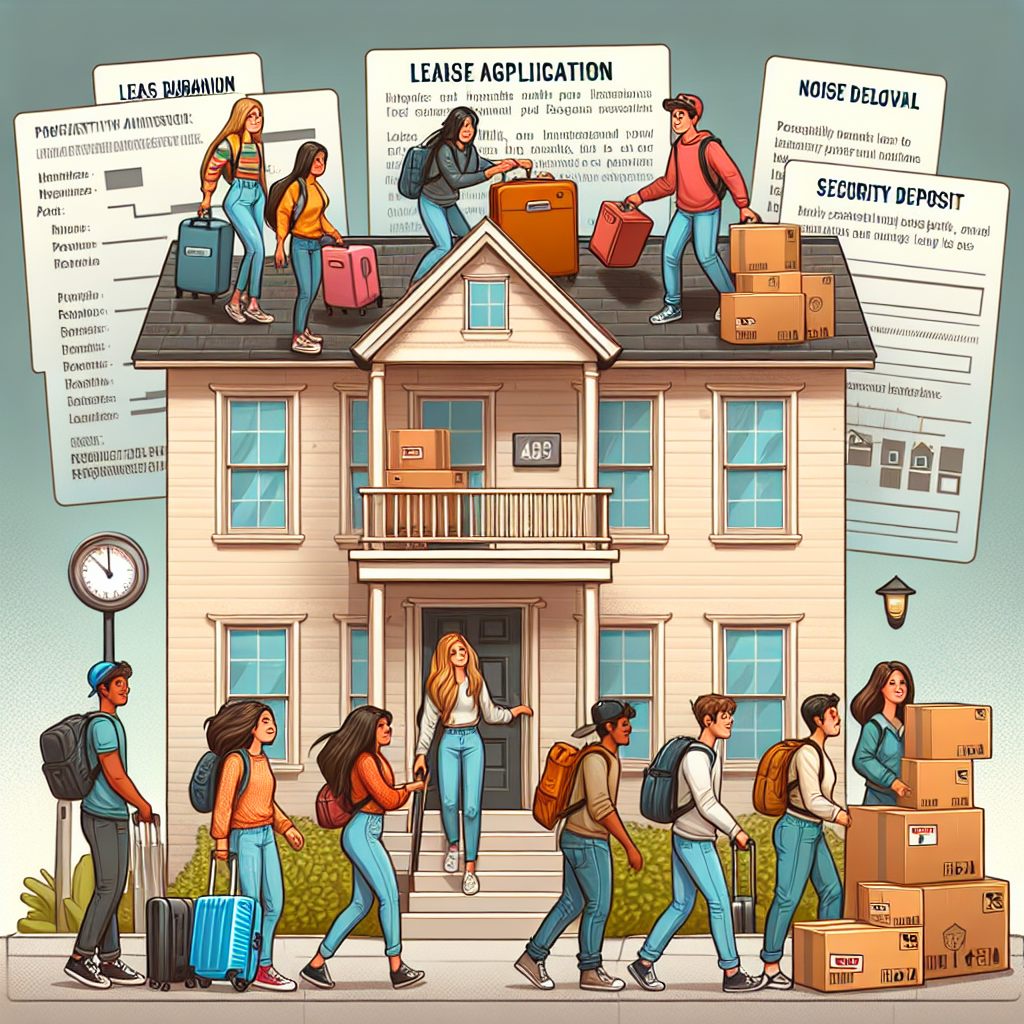
The lease duration is an important consideration when renting to students. Many students have academic commitments that span a specific length of time, such as a semester or academic year. Offering flexible lease terms that align with these academic timelines can make the rental property more appealing to students. Longer lease durations, such as the standard one-year lease, may also be suitable for students pursuing multi-year degree programs.

Rent payment options

When renting to students, it is crucial to consider their financial situation and provide appropriate rent payment options. Students often rely on financial aid, part-time jobs, or support from their parents to cover their expenses. Offering flexible payment schedules, such as monthly or semester-based payments, can ease the financial burden on students and make the rental property more affordable. Additionally, providing convenient online payment methods can simplify the rent payment process.

Security deposit

Collecting a security deposit is a common practice when renting any property, and it is no different when renting to students. A security deposit provides protection against potential damages to the property beyond normal wear and tear. Additionally, it incentivizes tenants to maintain the property and its belongings in good condition. It is essential to clearly outline the terms and conditions for refunding the security deposit at the end of the tenancy to avoid any misunderstandings or disputes.

What Considerations Are There For Renting To Students?

This image is property of images.pexels.com.

Property Maintenance

Responsibility for repairs

Determining the responsibility for repairs is an important aspect of renting to students. It is crucial to establish clear guidelines regarding who is responsible for maintenance and repairs in the rental property. Landlords should ensure that the property is well-maintained and promptly address any repairs or maintenance issues that arise. Additionally, discussing and documenting the process for reporting maintenance issues can help streamline communication between landlords and tenants.

Routine cleaning

Maintaining cleanliness and hygiene within the rental property is essential for creating a comfortable living environment. While it is primarily the tenant’s responsibility to keep their individual spaces clean, landlords should ensure that common areas and shared facilities receive routine cleaning to uphold a high standard of cleanliness. This may involve hiring professional cleaning services or establishing a cleaning schedule that all tenants can contribute to.

Yard and outdoor area maintenance

If the rental property includes a yard or outdoor area, landlords should consider the maintenance of these spaces. Well-kept outdoor areas provide students with additional spaces to relax, socialize, and enjoy the surroundings. Regular lawn care, gardening, and general upkeep of outdoor amenities, such as patio furniture or BBQ grills, can greatly enhance the overall appeal of the property and contribute to the tenants’ satisfaction.

Roommate Compatibility

Screening process

When renting to multiple tenants, it is important to ensure there is compatibility among roommates. Conducting a thorough screening process, including interviews and background checks, can help identify potential conflicts and ensure that all tenants can coexist peacefully. Understanding each tenant’s preferences, habits, and interests can aid in creating a harmonious living environment where all tenants feel comfortable and respected.

Establishing house rules

To maintain a positive and cooperative living environment, it is essential to establish clear house rules that all tenants must abide by. These rules can cover areas such as noise levels, cleanliness, guest policies, and shared responsibilities. Having a written agreement detailing these rules encourages accountability and provides a reference point for conflict resolution. Regular reminders and discussions about the house rules can help maintain a peaceful and enjoyable living environment for all tenants.

Conflict resolution

Despite the best efforts to ensure compatibility, conflicts may still arise among roommates. Establishing a clear process for conflict resolution can help address such issues promptly and effectively. Encouraging open communication and providing a designated person, such as a resident advisor or property manager, for tenants to consult can aid in resolving conflicts amicably. Promptly addressing and mediating conflicts ensures a harmonious living environment where tenants can focus on their studies and personal growth.

What Considerations Are There For Renting To Students?

This image is property of images.pexels.com.

Safety and Security

Fire safety measures

Ensuring the safety of tenants is of utmost importance when renting a property to students. Implementing proper fire safety measures, such as smoke detectors, fire extinguishers, and clearly marked fire exits, is essential. Conducting regular inspections and ensuring compliance with local fire safety regulations can help create a safe living environment for tenants. Additionally, educating tenants about fire safety protocols and conducting fire drills can prepare them for emergency situations.

Security systems

To provide a secure living environment, landlords should consider installing security systems in the rental property. These systems can include features such as CCTV cameras, access control systems, and burglar alarms. Not only do such security measures deter potential intruders, but they also provide peace of mind to tenants, knowing that their safety is a priority. Regular maintenance and monitoring of these security systems are crucial to ensure their effectiveness.

Emergency evacuation plans

Preparing for emergencies is vital when renting to students. Establishing clear emergency evacuation plans and communicating them to tenants can help ensure their safety during unforeseen circumstances such as fires, natural disasters, or other emergencies. Posting evacuation plans in visible areas, conducting regular emergency drills, and providing emergency contact information are crucial steps in keeping tenants informed and prepared for any potential emergencies.

Insurance Coverage

Tenant insurance requirements

Requiring tenants to obtain renter’s insurance is a common practice when renting to students. Renter’s insurance provides coverage for personal belongings in case of theft, damage, or loss. Requiring tenants to have such insurance protects both the tenants and the landlord from potential financial losses. It is essential to clearly communicate the insurance requirements to tenants and provide them with information on how to obtain appropriate coverage.

Liability coverage

Apart from tenant insurance, landlords should also consider liability coverage. Liability coverage protects landlords in the event of property damage or personal injuries caused by the tenant’s negligence. Having liability coverage provides an additional layer of protection and ensures that in case of accidents, the landlord is protected from potential legal and financial consequences. Consulting with insurance professionals to determine adequate liability coverage is recommended.

Protection against damage

Protecting the rental property against potential damage is essential when renting to students. Students may unintentionally cause damages due to accidents or negligence. It is important to clearly outline in the lease agreement the tenant’s responsibility for any damages beyond normal wear and tear. Conducting regular inspections and promptly addressing any damages can help minimize further deterioration and ensure that the property is well-maintained throughout the tenancy.

What Considerations Are There For Renting To Students?

Local Regulations and Permits

Rental permits and licenses

Before renting a property to students, it is important to ensure compliance with local regulations, including obtaining any necessary rental permits or licenses. Many cities or municipalities have specific requirements for rental properties, such as safety inspections, registration, or permits. Familiarizing oneself with these regulations and ensuring compliance not only protects the landlord from potential legal issues but also ensures the safety and well-being of the tenants.

Occupancy restrictions

It is important to be aware of any occupancy restrictions that may apply to rental properties. This includes limits on the number of tenants allowed based on the property’s size or zoning regulations. Violating occupancy restrictions can result in fines or legal consequences. Understanding and adhering to these guidelines helps in maintaining a safe and legal living environment for the tenants and ensures compliance with local regulations.

Health and safety regulations

Complying with health and safety regulations is paramount when renting to students. This includes ensuring proper ventilation, maintaining clean and safe living conditions, and adhering to building codes. Smoke detectors, carbon monoxide detectors, and fire extinguishers should be in working order and regularly inspected. Addressing any health and safety concerns promptly not only creates a secure living environment but also protects the landlord from potential legal liabilities.

Tenant Screening and References

Credit and background checks

Performing credit and background checks on potential tenants is a crucial step in the tenant screening process. These checks help verify the tenant’s financial stability and assess their ability to meet rental obligations. By reviewing their credit history, income, and employment status, landlords can make informed decisions and minimize the risk of potential rent defaults or financial difficulties.

Previous rental history

Considering a potential tenant’s previous rental history can provide valuable insights into their behavior as a tenant. Contacting previous landlords can help determine if the tenant was responsible, respectful, and reliable in maintaining their previous rental properties. This information can help identify potential red flags or establish confidence in the tenant’s ability to fulfill their rental obligations.

References from educational institutions

Seeking references from educational institutions, such as professors, advisors, or university administrators, can provide valuable information about a student’s character, academic commitment, and potential as a tenant. These references can shed light on the student’s reliability, responsibility, and ability to manage their academic and personal commitments. Gathering references from educational institutions adds an extra layer of assurance when renting to students.

In conclusion, renting to students requires careful consideration of various factors to ensure a positive and conducive living environment. Proximity to campus, access to transportation, and safety of the neighborhood are important location-based considerations. Property size and layout, furnishings and appliances, and study spaces contribute to the overall comfort and convenience of the students. Lease terms and rent payment options should align with the academic timelines and financial situations of the students. Property maintenance, roommate compatibility, safety and security measures, insurance coverage, local regulations and permits, as well as tenant screening, play crucial roles in creating a safe and enjoyable living experience for student tenants. By taking these considerations into account, landlords can provide an ideal rental experience for students, allowing them to focus on their education and personal growth.
What Considerations Are There For Renting To Students?

What’s The Best Approach To Repainting A Home’s Exterior?

Are you considering repainting your home’s exterior but feeling unsure about where to start? Look no further, because in this article, we will explore the best approach to repainting a home’s exterior. Painting the exterior of your house can not only enhance its overall appearance but also protect it from wear and tear. From selecting the right paint to preparing the surface, we will provide you with valuable tips and insights to help you achieve a professional-looking finish. So, let’s dive in and discover the secrets to successfully repainting your home’s exterior.

Choosing the Right Paint

When it comes to repainting your home’s exterior, one of the most important steps is choosing the right paint. There are several factors to consider in this process. First and foremost, you need to consider the type of material your home’s exterior is made of. Different materials, such as wood, brick, stucco, or metal, may require different types of paint.

Once you have determined the type of material, you can move on to selecting the appropriate color. This is a fun and creative step where you can let your personal style shine. Consider the overall aesthetic of your home, as well as the colors of the surrounding houses and the natural environment. You also want to think about any homeowner association rules or regulations that may restrict your color choices.

Another important aspect to consider when choosing the right paint is the paint finish. The finish refers to the sheen or glossiness of the paint. Common options include flat, satin, semi-gloss, and high-gloss finishes. Each finish has its own benefits and drawbacks, so it’s essential to evaluate your specific needs and preferences before making a decision.

Preparation Steps

Before you start painting, it’s crucial to prepare the surfaces properly. This step ensures that the paint adheres well and lasts for a long time. The first step in preparation is to clean the surfaces thoroughly. Use a mild detergent and a scrub brush or pressure washer to remove any dirt, grime, or mold. This will create a clean canvas for your new paint job.

Next, you need to remove any loose or peeling paint. Using a scraper or a wire brush, gently scrape away any areas where the paint is flaking or peeling. This step is crucial to achieving a smooth and even paint finish. Be sure to wear safety goggles and a mask to protect yourself from any paint particles that may become airborne.

After removing loose paint, it’s time to repair any damages. Fill in any cracks, holes, or gaps with a suitable filler or putty. Sand down the repaired areas to create a smooth surface. This step is essential for achieving a professional-looking paint job.

Lastly, don’t forget to protect the surrounding areas before you start painting. Cover windows, doors, plants, and any other objects or areas that you don’t want to get paint on. Use masking tape, drop cloths, or plastic sheets to ensure that your paint job stays confined to the intended surfaces.

Whats The Best Approach To Repainting A Homes Exterior?

This image is property of images.pexels.com.

Priming the Surfaces

Depending on the condition of your surfaces and the type of paint you’re using, you may need to apply a primer before painting. Primer helps the paint adhere better and provides a consistent base for the paint to adhere to. To determine if primer is needed, inspect your surfaces for any stains, discoloration, or uneven patches. If you notice any of these issues, it’s best to apply a primer first.

When selecting a primer, make sure it is compatible with the type of paint you’re using and the material of your surfaces. There are specific primers designed for different materials like wood, metal, or masonry. Follow the manufacturer’s instructions for the primer application, including the recommended drying time.

Once you’ve chosen the right primer, apply it to the surfaces using a brush, roller, or sprayer. Make sure to cover the entire surface evenly and allow the primer to dry thoroughly before moving on to the painting step.

Choosing the Painting Technique

Now that you’ve prepped the surfaces and applied the primer, it’s time to choose the painting technique that best suits your project. There are three main techniques to consider: brushing, rolling, and spraying.

Brushing is the most traditional and commonly used technique. It involves using a paintbrush to apply the paint, allowing for precise control and coverage. Brushing is ideal for smaller areas or surfaces with intricate details that require careful attention.

Rolling, on the other hand, is a faster technique that covers larger areas more efficiently. With a paint roller, you can achieve a consistent and uniform finish on larger flat surfaces like walls or siding. Rolling is a popular choice for most exterior paint projects due to its efficiency and ease of use.

Spraying is a technique that uses a paint sprayer to apply a fine mist of paint onto the surfaces. Spraying offers a smooth and even finish, especially on surfaces with texture or irregularities. However, it requires more equipment and can be messier compared to brushing or rolling. Spraying is commonly used by professional painters or for larger-scale projects.

When choosing the painting technique, consider factors such as the size of the surfaces, the intricacy of the details, your level of experience, and the equipment you have available. Each technique has its own advantages and disadvantages, so weigh them carefully before making a decision.

Whats The Best Approach To Repainting A Homes Exterior?

This image is property of images.pexels.com.

Proper Painting Equipment

To achieve the best results when repainting your home’s exterior, it’s important to use high-quality brushes or rollers. High-quality brushes and rollers ensure smooth and even coverage, minimizing the appearance of brush or roller marks on the surfaces.

Consider the use of a paint sprayer if you have a larger project or if you prefer the spraying technique. Paint sprayers can provide a more professional finish, especially on surfaces with texture or irregularities. However, keep in mind that using a sprayer requires more equipment and may require additional safety precautions.

Gather all the necessary tools and supplies before you start painting. This includes brushes, rollers, paint trays, drop cloths, masking tape, and any other accessories needed for your specific painting project. Having everything organized and ready to go will make the painting process smoother and more efficient.

Painting Order

When tackling the exterior painting of your home, it’s important to follow a logical order to ensure the best results. Start from the top and work your way down. This helps prevent paint drips and ensures a smooth transition between sections.

Begin with any trim, including doors, windows, and gutters. Paint these areas first, using a smaller brush or roller for precision. Then move on to the main surfaces, such as walls or siding. Be methodical and paint section by section to maintain consistency and avoid uneven drying times.

Although it may be tempting to jump around and paint whatever section you feel like, following a systematic order will produce the best outcome. Take your time and be patient throughout the process.

Whats The Best Approach To Repainting A Homes Exterior?

This image is property of images.pexels.com.

Applying the Paint

Before you start painting, make sure to stir the paint thoroughly to ensure an even distribution of pigment and other additives. Use a paint stirrer or a wooden stick to mix the paint from the bottom of the can to the top. This step is crucial for achieving consistent color and coverage.

When applying the paint, use consistent and even strokes. Whether you’re brushing, rolling, or spraying, try to maintain a steady pace and apply the paint smoothly. This will help minimize visible brush or roller marks and create a professional-looking finish.

Allow proper drying time between coats. This can vary depending on the type of paint and the weather conditions. Follow the manufacturer’s instructions for the recommended drying time before applying subsequent coats. Rushing this step can lead to uneven drying, poor adhesion, and an unsatisfactory final result.

Dealing with Different Surfaces

Different surfaces require different approaches when it comes to repainting. Here are some guidelines for dealing with common exterior surfaces:

Wood:

For wood surfaces, it’s important to prepare the surface properly by cleaning, sanding, and priming if necessary. Use a paint specifically formulated for exterior wood, such as an acrylic latex paint. Apply the paint with either a brush, roller, or sprayer, depending on your preference.

Brick:

When painting brick, it’s crucial to thoroughly clean and prime the surface. Use a masonry primer to ensure good adhesion. For brick, a breathable paint, such as a mineral-based paint, is recommended to prevent moisture buildup. Apply the paint with a roller, brush, or sprayer, making sure to work the paint into the mortar joints.

Stucco:

Stucco surfaces should be cleaned, repaired, and primed before painting. Use an acrylic or elastomeric paint specifically formulated for stucco. These types of paints can stretch and contract with the movement of the stucco, preventing cracks and peeling. Apply the paint using a roller or sprayer, and work the paint into the textured surface.

Metal:

When painting metal surfaces, it’s essential to remove any rust or corrosion before painting. Use a wire brush or sandpaper to scrape off any loose rust. Apply a metal primer to ensure good adhesion and rust prevention. Choose a paint specifically formulated for metals, such as an enamel or metal spray paint. Apply the paint with a brush or sprayer, following the manufacturer’s instructions.

Whats The Best Approach To Repainting A Homes Exterior?

Maintaining Safety

Ensuring your safety while repainting your home’s exterior is paramount. Here are some important safety tips to keep in mind:

Wear protective clothing and gear, such as safety goggles, gloves, and a mask, to protect yourself from paint fumes, debris, and potential hazards.

Work diligently on stable surfaces, such as ladders or scaffolding, to prevent falls or accidents. Make sure the equipment is set up securely and follow proper ladder safety guidelines.

Exercise caution around power lines. Be aware of your surroundings and avoid contact with overhead power lines. If necessary, contact a professional painter or an electrician for assistance when working near power lines.

Remember, safety should always be a priority when undertaking any DIY project, including repainting your home’s exterior.

Finishing Touches

After you have completed the painting process, it’s time for the finishing touches. Clean up any paint spills or splatters immediately using a damp cloth or sponge. This will prevent the paint from drying and becoming more difficult to remove.

Remove any protective coverings, such as drop cloths or masking tape, carefully to avoid disturbing the freshly painted surfaces. Dispose of any paint cans or brushes properly according to your local regulations.

Take the time to inspect the newly painted surfaces for any imperfections or areas that require touch-ups. Address these issues promptly to ensure a flawless finish. Touch up any missed spots or uneven areas with a brush or roller, following the same technique you used during the initial painting process.

By following these comprehensive steps and guidelines, you can confidently approach repainting your home’s exterior. With careful preparation, the right tools and techniques, and a little patience, you’ll be able to achieve a professional-looking paint job that enhances the beauty and curb appeal of your home. Happy painting!

Whats The Best Approach To Repainting A Homes Exterior?

What Are Some Eco-friendly Landscaping Solutions For My Yard?

Did you know that you can make a positive impact on the environment right in your very own yard? If you’re looking for ways to create a more eco-friendly landscape, there are plenty of options available that not only benefit the planet but also enhance the beauty of your outdoor space. From planting native species to implementing sustainable irrigation systems, there are endless possibilities to transform your yard into an environmentally friendly oasis. So, let’s explore some eco-friendly landscaping solutions for your yard and discover how easy it can be to make a difference.

What Are Some Eco-friendly Landscaping Solutions For My Yard?

This image is property of images.unsplash.com.

Rainwater Harvesting

Installing a rain barrel

If you want to be more eco-friendly and conserve water, installing a rain barrel is a great solution for your yard. Rain barrels are simple and cost-effective systems that collect rainwater from your roof through a downspout. This water can then be used for various purposes such as watering your plants, gardens, or even for washing outdoor items. By using rainwater instead of tap water, you not only save money on your water bill but also reduce the strain on municipal water sources.

Installing a rain barrel is a fairly easy process. First, choose a suitable location near a downspout where you can place your rain barrel. Ensure that the area is level and solid enough to support the weight of a full barrel. Next, disconnect your downspout and attach a diverter or connector kit to redirect the water into the barrel. Finally, secure the barrel and ensure that it is stable.

Creating a rain garden

Another excellent eco-friendly landscaping solution for your yard is creating a rain garden. A rain garden is a shallow depression filled with native plants and designed to capture and absorb rainwater runoff from impermeable surfaces such as rooftops, driveways, and walkways. By capturing this runoff, rain gardens help reduce the amount of water flowing into storm drains and ultimately into lakes, rivers, and streams, preventing erosion and water pollution.

To create a rain garden, start by selecting a suitable location in your yard, preferably near a downspout or other source of water runoff. The size of your rain garden will depend on the size of your yard and the amount of water you want to capture. Excavate the area to create a depression, ensuring that the bottom slopes gently to allow water to percolate into the ground. Then, choose native plants that can tolerate both wet and dry conditions and arrange them in a way that mimics natural plant communities. Be sure to mulch the area to retain moisture and suppress weed growth.
Native Plants

Benefits of using native plants

Using native plants in your yard is not only beneficial for the environment but also brings numerous advantages to your landscaping. Native plants are those naturally occurring in a specific region and have adapted to the local climate, soil conditions, and wildlife. By incorporating native plants into your yard, you enhance the biodiversity and overall ecological health of your surroundings.

One significant benefit of using native plants is their ability to attract and support local wildlife, including birds, bees, butterflies, and other pollinators. Native plants provide essential sources of food, shelter, and nesting sites for these creatures, thereby creating a thriving ecosystem. Additionally, native plants require less maintenance, as they are already adapted to the local conditions, reducing the need for excessive watering, fertilizers, and pesticides.

Choosing native plants for your yard

When selecting native plants for your yard, it is essential to consider factors such as your local climate, soil type, and available sunlight. Research the native plant species that thrive in your area and choose a variety that offers a mix of flowers, grasses, shrubs, and trees. By incorporating plants with varying heights, bloom times, and foliage textures, you can create a visually appealing and dynamic landscape.

Visit local nurseries or botanical gardens to learn more about native plant options in your region. Seek advice from experts who can assist you in choosing appropriate species based on your yard’s specific characteristics. Consider planting clusters of the same species to encourage pollinators and create visual impact. By incorporating native plants into your yard, you are not only beautifying your surroundings but also contributing to the preservation of your region’s unique ecosystem.

What Are Some Eco-friendly Landscaping Solutions For My Yard?

This image is property of images.unsplash.com.

Permeable Surfaces

Using permeable pavers

If you are looking to reduce stormwater runoff and improve the sustainability of your yard, using permeable pavers is an excellent eco-friendly choice. Unlike traditional impervious surfaces such as concrete or asphalt, permeable pavers allow rainwater to infiltrate the ground rather than contributing to runoff. This helps to recharge groundwater supplies, reduce erosion, and prevent water pollution.

Permeable pavers consist of specially designed units that have small gaps between them, allowing water to pass through. These units are typically made of concrete, clay, or recycled materials, offering a wide range of colors and patterns to choose from. By using permeable pavers for your driveway, patio, or walkway, you can create a visually appealing and functional surface while minimizing the environmental impact.

Installing a gravel or pebble pathway

Another eco-friendly landscaping solution for your yard is the installation of a gravel or pebble pathway. These pathways are both aesthetically pleasing and ideal for allowing rainwater to seep into the ground. By using these permeable materials instead of solid surfaces, you promote better drainage, minimize water runoff, and reduce the risk of waterlogging in your yard.

To install a gravel or pebble pathway, start by excavating the desired area to a depth of approximately four to six inches. Ensure that the path is sloped slightly to direct water away from nearby structures. Next, line the excavated path with a landscape fabric to prevent weed growth. Pour a layer of crushed stone or gravel onto the fabric, spreading it evenly to a thickness of two to three inches. Use a rake or tamper to compact the layer. Finally, add a top layer of decorative gravel or pebbles, ensuring a depth of one to two inches. Smooth the surface and enjoy your beautiful and permeable pathway.

What Are Some Eco-friendly Landscaping Solutions For My Yard?

This image is property of images.unsplash.com.

Xeriscaping

Designing a xeriscape garden

Xeriscaping is a water-efficient landscaping method that emphasizes the use of drought-tolerant plants and minimal supplemental irrigation. By implementing xeriscaping principles in your yard, you can create a beautiful and sustainable garden that requires little water and maintenance. Designing a xeriscape garden involves careful planning and consideration of various factors.

Begin by assessing your yard’s water requirements and microclimates. Identify areas that receive different amounts of sunlight, shade, and wind exposure throughout the day. Select drought-tolerant plant species that are well-suited to these conditions. Group plants with similar water needs together and consider incorporating native plants that have adapted to the local climate. Layer plants based on their mature heights to create a visually appealing and functional landscape.

Incorporate hardscape features such as pathways, retaining walls, and decorative rocks to add structure and contrast to your xeriscape garden. Use mulch or gravel to cover the soil surface around plants, reducing evaporation and weed growth. Install an efficient irrigation system, such as drip irrigation, to deliver water directly to the plant’s roots, minimizing waste and optimizing water absorption.
Using drought-tolerant plants

One of the key elements of xeriscaping is the use of drought-tolerant plants. These plants are well-adapted to thrive in arid or semi-arid climates, making them excellent choices for water-efficient landscaping. By selecting drought-tolerant plants for your yard, you can significantly reduce your water consumption while still enjoying a vibrant and attractive garden.

Drought-tolerant plants are often characterized by their ability to survive with minimal irrigation and their capacity to store water efficiently. Some popular examples include succulents, such as agave and sedum, which have fleshy leaves that store water. Grasses like feather reed grass and blue grama are also known for their drought tolerance and visual appeal. Consider ornamental shrubs like lavender or rosemary that exhibit low water requirements and provide beautiful fragrance and color to your landscape.

When selecting drought-tolerant plants for your xeriscape garden, prioritize native species that are well-suited to your region’s climate and soil conditions. These plants have already adapted to the local environment and are more likely to thrive with minimal care. Additionally, they often provide crucial habitat and food sources for local wildlife, further enhancing the ecological value of your yard.

What Are Some Eco-friendly Landscaping Solutions For My Yard?

How Do I Manage A Rental Property From A Distance Or Another State/country?

Owning a rental property can be a great source of passive income, but what happens when you’re nowhere near the property? Whether you’ve moved to another state or even another country, managing your rental property from a distance can seem like a daunting task. However, with a little planning and the right strategies in place, it’s absolutely possible to effectively manage your property, no matter how far away you may be. In this article, we’ll explore some practical tips and innovative solutions to help you successfully navigate the challenges of managing a rental property from a distance. So sit back, relax, and let’s dive into the world of long-distance property management.

Finding a Reliable Property Manager

When managing a rental property from a distance or another state/country, finding a reliable property manager is crucial. Researching property management companies is the first step in this process. Look for companies with a strong reputation and extensive experience in managing properties remotely. Reading reviews and testimonials from other landlords can provide valuable insights into the quality of their services.

Once you have identified potential property managers, it is important to interview them. This allows you to get a sense of their communication skills, professionalism, and expertise. Ask about their experience in managing properties remotely and inquire about their strategies for handling tenant issues and property maintenance. Additionally, asking for referrals from other landlords who have used their services can give you further confidence in your selection.

Before finalizing an agreement, carefully review the property management contract. Ensure that it clearly outlines the responsibilities of both parties and includes provisions for property inspections, tenant screening, rent collection, and maintenance. Taking the time to find a reliable property manager can provide peace of mind and make the remote management process much smoother.

Creating a Virtual Presence

To effectively manage a rental property from a distance, it is essential to establish a strong virtual presence. This starts with setting up a professional website for your property. This website should showcase essential information such as rental rates, property features, and contact details. Additionally, creating social media accounts for your property enables you to engage with potential tenants and showcase the unique aspects of your rental.

Utilizing online rental platforms is another effective way to manage your property remotely. These platforms allow you to advertise your property to a wide audience and streamline the rental application process. They often provide features such as online tenant screening, digital lease signing, and online rent payment options.

Providing an online tenant portal is crucial for efficient communication and management. An online portal allows tenants to submit maintenance requests, view important documents, and pay rent online. This eliminates the need for physical paperwork and enables you to maintain a streamlined and organized management process.

Lastly, offering virtual property tours through video recordings or live video calls can help prospective tenants get a sense of the property without having to physically visit it. This technology allows you to showcase the property’s features, answer questions, and attract tenants without being physically present.

How Do I Manage A Rental Property From A Distance Or Another State/country?

This image is property of images.pexels.com.

Establishing a Strong Communication System

Effective communication is vital when managing a rental property remotely. Choosing the right communication channels is key to staying connected with both tenants and your property manager. Consider using a combination of phone calls, emails, and instant messaging platforms to ensure efficient and timely communication.

Setting clear expectations with tenants from the beginning is crucial for a smooth management process. Clearly communicate your preferred communication channels, response times for inquiries and concerns, and any specific procedures they need to follow. This sets the foundation for a productive tenant-landlord relationship and helps minimize misunderstandings.

When tenants reach out with inquiries or concerns, it is important to respond promptly. Timely responses show tenants that their needs are being addressed and can help prevent minor issues from escalating. By establishing a culture of open communication and prioritizing prompt responses, you can foster a positive and efficient management system.

Regular check-ins with your property manager are essential to stay updated on the property’s condition and address any concerns or issues. Schedule recurring video calls or phone meetings to discuss ongoing matters, review maintenance schedules, and address any upcoming vacancies or lease renewals.

Leveraging technology is key to facilitate easy communication. Utilize property management software or apps that allow for centralized communication and streamline workflows. This technology can automate certain processes, such as rent payment reminders or maintenance request tracking, making communication even more efficient.

Implementing Reliable Rent Collection Methods

To ensure smooth financial management, implementing reliable rent collection methods is crucial when managing a rental property remotely. Utilizing online rent payment platforms simplifies the rent collection process for both you and your tenants. Most online payment platforms offer automatic payments, making it easier for tenants to pay on time. These platforms also provide transparent records of rent payments, simplifying financial tracking.

Offering multiple payment options, such as credit card, bank transfer, or online wallets, accommodates tenants with different preferences. This flexibility reduces barriers to payment and increases the likelihood of timely rent collection.

Setting up automatic reminders for rent payments helps mitigate late payments. Many payment platforms allow you to schedule reminders that are sent to tenants a few days before the rent is due. This gentle nudge encourages tenants to pay on time and minimizes the need for frequent follow-ups.

Enforcing late payment policies is essential for maintaining a consistent and reliable rent collection process. Clearly communicate your late payment policy to tenants and follow through with appropriate consequences for late payments, such as charging late fees. By enforcing your policies consistently, you ensure that tenants understand the importance of prompt rent payment.

Monitoring and tracking rental income is crucial for financial management. Utilize accounting software or spreadsheets to keep records of rent payments, expenses, and other financial transactions. Regularly review these records to ensure accuracy, identify any discrepancies, and make informed financial decisions.

How Do I Manage A Rental Property From A Distance Or Another State/country?

This image is property of images.pexels.com.

Maintaining the Property Remotely

Maintaining the property effectively from a distance is a key aspect of remote property management. To ensure reliable maintenance, it is essential to hire reliable maintenance professionals in the property’s vicinity. Research local contractors, plumbers, electricians, and other service providers who can respond promptly to maintenance requests.

Creating a comprehensive maintenance schedule helps ensure that regular upkeep tasks are not overlooked. This includes routine maintenance such as HVAC servicing, gutter cleaning, or landscaping. By proactively scheduling these tasks, you can minimize the likelihood of major maintenance issues arising.

Leveraging technology for remote monitoring can help you stay informed about the property’s condition. Install smart home devices, such as security cameras or leak detectors, that can be monitored remotely. These devices can provide real-time alerts and updates on any potential issues or emergencies.

Establishing emergency procedures is crucial for handling unexpected situations, such as floods or break-ins. Clearly communicate these procedures to your property manager and ensure they have the necessary contact information for local emergency services. Regularly review and update these procedures as needed to ensure preparedness.

Performing periodic inspections is essential to ensure the property is well-maintained and to identify any issues early on. Schedule inspections at regular intervals and document any findings or necessary repairs. This proactive approach allows you to address maintenance concerns in a timely manner and helps mitigate potential risks.

Handling Tenant Screening and Selection

Proper tenant screening and selection are vital when managing a rental property remotely. Establish clear rental criteria that outline the qualifications tenants must meet to be considered. This can include factors such as income requirements, credit score thresholds, and rental history expectations.

Utilizing online tenant screening services can streamline the application process and provide valuable insights into prospective tenants. These services typically include background checks, credit checks, and eviction history reports. Reviewing these reports helps you make informed decisions and minimize the risk of problematic tenants.

Conducting virtual or third-party inspections allows you to assess the property condition remotely. Virtual inspections can be done through video calls with prospective tenants, while third-party inspections involve hiring professionals to assess the property on your behalf. These inspections provide visual evidence of the property’s condition and alignment with tenant expectations.

Thoroughly reviewing tenant applications is crucial to assess their suitability for your rental property. Look for consistency in the provided information, valid references, and a stable rental history. Consider conducting interviews, either in-person or through video calls, to assess their compatibility with your property and clarify any questions or concerns.

Conducting background and credit checks is essential to ensure the reliability and financial stability of potential tenants. Evaluate their creditworthiness based on their credit score, income verification, and debt-to-income ratio. Additionally, check for any criminal history or previous evictions to assess their past behavior as tenants.

How Do I Manage A Rental Property From A Distance Or Another State/country?

This image is property of images.pexels.com.

Ensuring Legal Compliance and Insurance Coverage

Complying with local landlord-tenant laws is crucial when managing a rental property from a distance. Stay updated on any changes or updates in local legislation to ensure that you maintain legally compliant practices. Familiarize yourself with both state and federal fair housing regulations to ensure you are treating all tenants fairly and avoiding any discrimination.

Securing appropriate insurance coverage is vital to protect your investment. Consult with an insurance agent to ensure you have the necessary coverage for your specific property type and location. Consider obtaining landlord insurance, which typically includes liability coverage, property damage coverage, and loss of rental income protection.

Consulting with a local attorney who specializes in landlord-tenant law can provide valuable guidance and ensure you are following all legal requirements. They can review your lease agreement, advise you on any specific local regulations, and assist in resolving any legal disputes that may arise.

Maintaining proper documentation and record-keeping is essential for legal compliance and accountability. Keep copies of lease agreements, rental applications, maintenance records, and any communications with tenants. These documents can serve as evidence in case of any disputes and provide a clear record of the property’s management.

Setting Up Financial Management Processes

Effective financial management is crucial when managing a rental property remotely. Establishing a separate bank account for rental income simplifies financial tracking and ensures that rental funds are kept separate from personal funds. This separation streamlines tax preparation and helps maintain proper financial records.

Tracking expenses and maintaining financial records is essential for accurate budgeting and financial reporting. Implement a system to categorize and record all property-related expenses, such as maintenance costs, property taxes, and insurance premiums. Regularly review these records to assess financial performance and make informed decisions.

Creating a budget and financial plan allows you to anticipate income and expenses, ensuring that you have sufficient funds to cover all property-related costs. Consider including contingencies for unexpected expenses. This proactive approach helps you stay financially prepared and minimizes the risk of financial strain.

Outsourcing accounting services can be beneficial, especially if you are not experienced in financial management or if your portfolio consists of multiple properties. Professional accountants can handle tasks such as bookkeeping, financial reporting, and tax preparation. Their expertise ensures accuracy and helps you stay compliant with financial regulations.

Filing taxes accurately and on time is crucial when managing a rental property remotely. Familiarize yourself with the tax laws specific to rental property income in your jurisdiction. Consider consulting with a tax professional to ensure that you take advantage of all available deductions and credits and accurately report your rental income.

How Do I Manage A Rental Property From A Distance Or Another State/country?

Preparing for Potential Challenges and Emergencies

Managing a rental property remotely requires preparing for potential challenges and emergencies. Develop contingency plans to address various scenarios, such as tenant emergencies, property damage, or unexpected vacancies. These plans should outline the necessary steps to be taken and the individuals responsible for executing them.

Have emergency contacts readily available for both tenants and your property manager. Provide tenants with emergency contact numbers for local emergency services, maintenance professionals, and instructions on how to handle common emergencies. Ensure your property manager has access to these contacts as well, enabling them to respond promptly to any emergencies that may arise.

Prepare for natural disasters and weather-related issues that may affect your property. Familiarize yourself with local weather patterns and take necessary precautions such as securing the property and ensuring proper drainage. Communicate any emergency procedures to tenants and ensure they have the necessary information to stay safe in such situations.

Consider hiring a local property caretaker who can regularly inspect and maintain the property in your absence. A property caretaker can promptly address minor issues, perform routine maintenance, and provide an added layer of security. By having someone physically present, it minimizes the need for your direct involvement and provides peace of mind.

Staying informed about local market conditions is crucial to effectively manage a rental property remotely. Familiarize yourself with rental market trends, supply and demand dynamics, and any legal or economic factors that may impact the rental market. This knowledge allows you to make informed decisions regarding rental rates, lease renewals, and property investments.

Continuously Evaluating and Adjusting the Management Approach

To ensure the long-term success of managing a rental property remotely, it is important to continuously evaluate and adjust your management approach. Regularly analyze the performance of the property, considering factors such as vacancy rates, tenant turnover, and rent collection rates. This analysis helps identify areas for improvement and informs strategic decision-making.

Seeking feedback from tenants and your property manager is valuable in understanding their experiences and identifying areas for improvement. Encourage open communication and actively listen to their suggestions and concerns. This feedback can provide insights into any issues or opportunities that may arise, helping you refine your management approach.

Staying informed about industry trends allows you to adapt to changing circumstances and take advantage of emerging opportunities. Subscribe to industry publications, attend webinars, or join professional organizations to stay abreast of the latest developments. This proactive approach ensures that you remain competitive in the market and are aware of best practices for remote property management.

Implementing necessary improvements based on feedback and analysis is crucial to continually enhance your management approach. This may involve updating lease agreements, adjusting rent rates, or adopting new technologies or processes. By consistently striving for improvement, you can optimize the management of your rental property and ensure long-term success.

Adapting to changing circumstances is vital when managing a rental property remotely. Be flexible and willing to adjust your approach based on new challenges, market conditions, or technological advancements. By remaining adaptable and open-minded, you can navigate any obstacles that may arise and continue to effectively manage your rental property.

How Do I Manage A Rental Property From A Distance Or Another State/country?

What Legal Actions Can Be Taken If A Neighbor Damages My Property?

Imagine waking up one morning to find that your once pristine property has been severely damaged by your neighbor. Whether it’s a broken fence or a tree that fell onto your roof, such incidents can be incredibly frustrating and overwhelming. In such circumstances, it’s only natural to wonder what legal actions can be taken to address the situation and seek compensation for the damages caused. This article aims to provide you with a clear understanding of the options available to you when it comes to dealing with property damage caused by neighbors.

What Legal Actions Can Be Taken If A Neighbor Damages My Property?

1. Assessing the Damage

Document the damage

If your property has been damaged by a neighbor, it is crucial to document the extent of the damage thoroughly. Take clear photographs or videos that clearly show the damage from multiple angles. In addition, make detailed notes about the date and time the damage occurred and any relevant circumstances surrounding the incident. These records will serve as crucial evidence throughout the legal process.

Determine the extent of the damage

Once you have thoroughly documented the damage, it is important to determine the full extent of the harm caused. Conduct a thorough assessment of your property to identify any hidden damage that may not be immediately apparent. This assessment will help you have a clear understanding of the scope of the damage and will assist in seeking appropriate compensation.

Obtain professional assessments

To strengthen your case, it may be necessary to obtain professional assessments from experts in relevant fields. For example, if your property has suffered structural damage, consulting with a professional engineer or contractor can provide valuable insights into the repair costs and necessary actions. These professional assessments can provide crucial evidence when pursuing legal action.

2. Communication and Attempted Resolution

Talk to your neighbor

Before resorting to legal action, it is often beneficial to initiate a conversation with your neighbor about the damage. Express your concerns in a calm and friendly manner, explaining the impact the damage has had on your property. In many cases, simply discussing the issue may lead to a resolution without the need for further legal intervention.

Explore mediation or arbitration

If direct communication with your neighbor does not yield satisfactory results, exploring mediation or arbitration can be an effective way to resolve the issue. Mediation involves engaging a neutral third party who can facilitate a discussion between you and your neighbor, helping you reach a mutually acceptable solution. Arbitration, on the other hand, involves presenting your case to an arbitrator who will make a binding decision. Both options provide an opportunity for a fair resolution outside of the courtroom.

Send a demand letter

If all attempts at communication and mediation fail, you may need to escalate the matter by sending a demand letter to your neighbor. The demand letter should outline the damage caused, the costs incurred, and a reasonable deadline for your neighbor to respond and provide compensation. This formal document demonstrates your seriousness about seeking resolution and may prompt your neighbor to take the matter more seriously.

What Legal Actions Can Be Taken If A Neighbor Damages My Property?

3. Contacting Authorities

File a police report

In cases of intentional and severe damage, it may be necessary to involve the authorities by filing a police report. This step is crucial to ensure that the incident is properly documented and investigated. Provide the police with all the evidence you have gathered, including photographs, videos, and any witness statements. A police report can strengthen your legal case and may result in criminal charges being brought against your neighbor.

Contact the homeowners association

If you live in a community governed by a homeowners association (HOA), it is important to notify them of the property damage caused by your neighbor. The HOA may have established procedures in place for addressing disputes between neighbors and can provide guidance on how to proceed. The association may also play a role in resolving conflicts or enforcing any relevant community bylaws or regulations.

Notify the local government

Depending on the severity of the damage and the local regulations in place, it may be necessary to notify the appropriate local government agency. This could include contacting the building department, code enforcement office, or environmental agencies. By reporting the damage to the relevant authorities, you can ensure that proper investigations are conducted and that any necessary actions are taken to rectify the situation.

4. Seek Financial Compensation

File an insurance claim

If your property is covered by insurance, filing a claim should be one of your first steps in seeking financial compensation for the damage caused by your neighbor. Contact your insurance company promptly and provide them with all the relevant information and evidence. They will guide you through the claim process and may be able to cover the costs of repairs, subject to the terms and conditions of your policy.

Consider small claims court

If your neighbor refuses to take responsibility for the damage or your insurance claim is denied, you may choose to pursue legal action in small claims court. Small claims court allows individuals to resolve disputes quickly and inexpensively without the need for extensive legal representation. The specific monetary limit for small claims court varies depending on your jurisdiction, but it typically covers damages up to a certain dollar amount. Research the requirements and procedures for filing a small claims lawsuit in your area.

Consult with an attorney

In more complex or high-value cases, consulting with an attorney can be beneficial. An attorney experienced in property damage cases can provide you with legal advice, assess the strength of your case, and guide you through the legal process. They will help you understand your rights and options for seeking financial compensation from your neighbor. An attorney can also negotiate on your behalf and represent you in court, if necessary.

What Legal Actions Can Be Taken If A Neighbor Damages My Property?

5. Nuisance Lawsuits

Understanding nuisance laws

If your neighbor’s actions have gone beyond property damage and are causing ongoing disruption or harm, you may have grounds for a nuisance lawsuit. Nuisance laws typically cover situations where one person’s use, conduct, or property interferes with another person’s right to enjoy their own property. Familiarize yourself with the specific nuisance laws in your jurisdiction to determine if they apply to your situation.

Gather evidence

To build a strong case for a nuisance lawsuit, it is crucial to gather as much evidence as possible. Keep a record of the dates, times, and details of the neighbor’s actions or behaviors that constitute the nuisance. Take photographs, videos, or audio recordings if applicable. Collect witness statements or neighbor complaints that support your claim. The more evidence you have, the better chance you will have of proving that your neighbor’s actions have indeed constituted a nuisance.

Engage experts if needed

Depending on the nature of the nuisance, you may need to enlist the support of experts to strengthen your case. For example, if your neighbor’s activities are causing excessive noise, engaging a noise expert to provide an analysis and expert testimony can lend credibility to your claim. Experts in fields such as environmental science, property valuation, or health may also be necessary, depending on the specific circumstances of your case.

File a lawsuit

If attempts at communication, mediation, and other resolution methods have failed, it may be necessary to file a lawsuit in civil court to address the nuisance caused by your neighbor. Consult with an attorney experienced in property law to understand the legal requirements, procedures, and potential remedies available to you. Filing a lawsuit demonstrates your determination to resolve the issue and may lead to a court-ordered injunction or monetary compensation.

6. Trespassing and Property Line Disputes

Consult property records

When dealing with property line disputes or allegations of trespassing, consulting the official property records can provide you with important information. Obtain your property’s boundary survey, deed, and any other relevant documents that establish your property’s legal boundaries. These records will serve as evidence to support your claim and will help establish whether your neighbor has encroached onto your property.

Discuss with your neighbor

In many cases, talking to your neighbor and addressing the property line dispute informally can lead to resolution without the need for legal action. Approach the conversation with an open mind and seek to understand your neighbor’s perspective. Sharing your property records and establishing clear boundaries can help clarify any misunderstandings. If necessary, consider engaging a neutral mediator or attorney to facilitate the conversation and help reach a resolution.

Hire a surveyor

If the property line dispute remains unresolved after discussions with your neighbor, hiring a professional surveyor can provide an accurate determination of the property boundaries. Surveyors are trained to assess property lines based on legal boundaries and can provide an expert opinion on the matter. The surveyor’s report will serve as crucial evidence if legal action becomes necessary to address the trespassing or property line dispute.

File a lawsuit if necessary

If all attempts at resolution and mediation fail, and the trespass or property line dispute continues, you may need to file a lawsuit in civil court. Consult with an attorney specializing in property law to guide you through this process. The attorney will ensure that the lawsuit is properly prepared and filed, and will represent your interests in court. A lawsuit can lead to a legally binding decision on the matter, settling the dispute once and for all.

What Legal Actions Can Be Taken If A Neighbor Damages My Property?

7. Encroachment Issues

Determine the encroachment

When faced with encroachment issues from a neighbor, it is crucial to determine the extent and nature of the encroachment. Identify which part of your property the neighbor is encroaching upon. This could include structures, fences, trees, or other physical objects that extend beyond their legal boundaries and onto your property. Clearly documenting the encroachment will serve as critical evidence in any legal proceedings that may follow.

Send a cease and desist letter

Before escalating the matter to a lawsuit, consider sending a formal cease and desist letter to your neighbor. This letter should outline the encroachment and clearly state that you expect the encroachment to be removed or resolved. Set a reasonable deadline for compliance and express your intention to pursue legal action if the encroachment is not addressed. The cease and desist letter may encourage your neighbor to rectify the situation without the need for litigation.

File a lawsuit for removal or compensation

If your neighbor fails to respond to the cease and desist letter or refuses to address the encroachment, you may need to file a lawsuit to seek either the removal of the encroachment or monetary compensation. Consult with an attorney experienced in property law to understand the legal options available to you. They can guide you through the lawsuit process, present your case in court, and advocate for a resolution that protects your property rights.

8. Environmental Damage

Identify the environmental harm

If your neighbor’s actions are causing environmental damage to your property, it is crucial to identify the specific harm being inflicted. This could include pollution, contamination, destruction of natural habitats, or improper waste disposal, among other forms of environmental harm. Document the damage through photographs, videos, or records that clearly demonstrate the impact on your property and the environment.

Contact environmental agencies

When dealing with environmental damage caused by a neighbor, contact the relevant environmental agencies in your jurisdiction. These agencies may include the Environmental Protection Agency (EPA), Department of Environmental Conservation (DEC), or local environmental health departments. Report the damage and provide them with all the evidence and information you have gathered. The agencies will investigate the situation and take appropriate actions to enforce environmental regulations and protect your property and the environment.

File a lawsuit if necessary

If the environmental damage caused by your neighbor persists and the authorities do not adequately address the issue, filing a lawsuit may be necessary. Consult with an attorney specializing in environmental law to understand your rights and options. They can advise you on the specific legal grounds for a lawsuit and support you in seeking remedies for the environmental harm, including cleanup costs, compensation, or injunctive relief to prevent further damage.

What Legal Actions Can Be Taken If A Neighbor Damages My Property?

9. Harassment and Intentional Property Damage

Gather evidence of harassment or intentional damage

If you believe your neighbor is intentionally damaging your property or harassing you, gather as much evidence as possible to support your claims. Document instances of property damage, including photographs or videos. Keep a record of any interactions, conversations, or written correspondence that demonstrates harassment. If there are witnesses, ask them to provide written statements describing the incidents they have observed. This evidence will greatly strengthen your case.

File a restraining order

In cases of harassment or threats to your personal safety, it may be necessary to file a restraining order against your neighbor. A restraining order, also known as a protective order or an order of protection, prohibits the neighbor from coming near you, your property, or engaging in any form of harassment. Consult with an attorney who specializes in family law or personal injury to assist you in obtaining a restraining order to ensure your safety and protect your property.

Pursue civil lawsuits

If the harassment or intentional property damage persists, you may need to pursue civil lawsuits to hold your neighbor accountable. Consult with an attorney experienced in civil litigation to assess the strength of your case and explore legal options. Lawsuits can seek damages for property repairs, emotional distress, and other losses. By pursuing legal action, you can assert your rights, put an end to the harassment or intentional damage, and potentially seek compensation for the harm caused.

10. Obtaining Injunctions

Document the nuisance or harm

When seeking an injunction, it is crucial to document the nuisance or harm caused by your neighbor’s actions. Maintain a record of incidents, gather evidence, and take photographs or videos that clearly show the impact on your property and the resulting harm. This documentation will strengthen your case when applying for an injunction in court.

Consult with an attorney

Obtaining an injunction can be a complex legal process, so it is advisable to consult with an attorney experienced in property law. They can guide you through the necessary steps, explain the legal requirements for obtaining an injunction, and help you build a strong case. An attorney will ensure that all legal procedures and deadlines are met, increasing your chances of success in obtaining the desired injunction.

Apply for an injunction

To obtain an injunction, you will need to file a lawsuit and present your case to a judge. Your attorney will assist you in preparing the necessary legal documents and argue your case in court. It is important to provide the court with compelling evidence that demonstrates the necessity of the injunction to prevent further harm or to address the ongoing nuisance. If successful, the court will issue an injunction ordering your neighbor to take specific actions or refrain from certain behaviors.

In conclusion, when faced with property damage caused by a neighbor, it is important to assess the damage, communicate and attempt resolution, contact authorities if necessary, seek financial compensation, and consider legal action to protect your property rights. By following these steps and consulting with professionals when needed, you can navigate the complex legal landscape and ensure that your neighbor’s actions are properly addressed. Remember to document all incidents, gather evidence, and seek legal advice to strengthen your case and increase the likelihood of a satisfactory resolution.

What Are The Best Security Features For Rental Properties?

Are you a landlord looking to enhance the security of your rental properties? Wondering what are the best security features to invest in? Look no further! In this article, we will explore the top security features that can provide peace of mind for both you and your tenants. From robust alarm systems to smart locks and surveillance cameras, we’ve got you covered with the most effective and reliable options. So keep reading to discover how you can make your rental properties safer and more secure.

1. Physical Security Measures

Ensuring the physical security of a rental property is crucial to provide a safe and secure environment for tenants. There are several key physical security measures that can be implemented to achieve this.

1.1 Exterior Lighting

Installing adequate exterior lighting is an essential first step in enhancing the security of your rental property. Well-lit areas deter potential intruders, increase visibility, and allow tenants and security personnel to identify any suspicious activities. Consider installing motion sensor lights that activate when motion is detected, as they provide an added layer of security.

1.2 Secure Entry Points

Securing the entry points, such as doors and windows, is imperative to prevent unauthorized access. Ensure that all exterior doors are made of solid materials, such as metal or solid wood, and have a deadbolt lock installed. Windows should also have secure locking mechanisms to prevent tampering. Additionally, reinforce doors and windows with security film or laminated glass to make them more resistant to break-ins.

1.3 Window and Door Locks

One of the most effective ways to enhance the security of a rental property is by installing high-quality door and window locks. Deadbolt locks are a popular choice as they provide additional strength and resistance against forced entry. Consider using locks with multiple cylinders to maximize security. Regularly check and maintain these locks to ensure they are in good working condition.

1.4 Security Alarm Systems

Investing in a security alarm system can greatly enhance the safety of your rental property. These systems not only act as a deterrent to potential burglars but also provide an immediate alert in case of a break-in. Choose an alarm system that suits your property’s needs, including features such as motion sensors, glass-break detectors, and a 24/7 monitoring service. Displaying signs indicating the presence of a security system can further deter criminals.

2. Surveillance Systems

Implementing surveillance systems is an effective way to monitor and record activities in and around your rental property. By capturing footage, surveillance systems can help identify perpetrators and provide evidence in the event of criminal activities.

2.1 Outdoor Cameras

Installing outdoor cameras in strategic locations around your rental property can greatly enhance security. Place cameras in areas that cover entrances, parking lots, and other vulnerable spots. High-definition cameras with night vision capabilities are ideal for capturing clear footage regardless of lighting conditions. Ensure that the cameras are well-maintained and regularly checked to ensure they are functioning properly.

2.2 Indoor Cameras

Indoor cameras can be an invaluable asset in monitoring common areas, hallways, and other shared spaces within the rental property. They provide an added layer of security, ensuring the safety of tenants and their belongings. However, it is important to balance the need for security with respect for tenants’ privacy. Clearly communicate to tenants the purpose and placement of indoor cameras to maintain trust and comply with privacy laws.

2.3 Video Doorbells

Video doorbells have become increasingly popular due to their ability to enhance security and provide convenience. These devices allow tenants to see and communicate with visitors at the door through a smartphone or tablet, even when they are not at home. Video doorbells often have motion detection capabilities, recording and sending alerts when someone approaches the door. This feature can serve as an effective deterrent and aid in identifying suspicious activity.

What Are The Best Security Features For Rental Properties?

This image is property of images.pexels.com.

3. Access Control

Proper access control measures are essential to ensure that only authorized individuals can enter the rental property or specific areas within it. Implementing access control measures not only enhances security but also provides peace of mind to tenants.

3.1 Keyless Entry Systems

Keyless entry systems eliminate the need for traditional keys and provide a higher level of convenience and security. These systems utilize electronic key fobs or access cards that can be programmed to grant access to specific areas or at specific times. Keyless entry systems also allow for easy deactivation of lost or stolen access credentials, minimizing the risk of unauthorized entry.

3.2 Intercom Systems

Intercom systems are an effective means of controlling access to the rental property. They allow tenants to verify the identity of visitors before granting them entry. Intercom systems can be integrated with other security features such as video surveillance, enabling tenants to visually confirm a visitor’s identity. Regularly maintain and test intercom systems to ensure their proper functioning.

3.3 Electronic Gates

Implementing electronic gates at the entrance of your rental property provides an additional layer of security. These gates can be operated using key fobs, access cards, or even mobile applications, ensuring only authorized individuals can enter the premises. Electronic gates also act as a physical barrier, preventing unauthorized vehicles from entering the property. Regularly inspect these gates and perform necessary maintenance to keep them in optimal condition.

4. Security Fencing

Installing security fencing around your rental property can significantly enhance its security by creating a clear boundary and deterring unauthorized access.

4.1 Perimeter Fencing

Perimeter fencing acts as a physical barrier, preventing intruders from easily accessing the property. Choose sturdy and durable materials for the fencing, such as metal or concrete, to maximize security. The height of the fencing should be sufficient to deter climbing or scaling. Consider adding deterrent features like anti-climb spikes or sharp-tipped fences to further discourage unauthorized entry.

4.2 Anti-climbing Measures

To enhance the effectiveness of perimeter fencing, incorporate anti-climbing measures to make it more challenging for intruders to scale the fence. These measures can include adding a topper with pointed spikes or anti-climb brackets to deter climbing. Regularly inspect the fencing and anti-climbing measures to ensure they remain in good condition.

4.3 Security Gates

In addition to perimeter fencing, security gates provide controlled access to the rental property. These gates should be constructed using sturdy materials and equipped with secure locks or access control systems to regulate access. Regularly inspect the gates for any signs of damage or wear, and perform necessary repairs promptly.

What Are The Best Security Features For Rental Properties?

This image is property of images.pexels.com.

5. Fire Safety Measures

Fire safety is an integral part of ensuring the overall security and well-being of tenants in a rental property. Implementing appropriate fire safety measures helps prevent and mitigate the risks associated with fires.

5.1 Smoke Detectors

Installing smoke detectors is a fundamental fire safety measure for any rental property. Smoke detectors can quickly detect the presence of smoke and emit a loud alarm, providing early warning to tenants. Place smoke detectors strategically throughout the property, including in bedrooms, living areas, and near kitchen areas. Regularly test and replace the batteries in smoke detectors to ensure they are functioning correctly.

5.2 Fire Extinguishers

Equipping your rental property with fire extinguishers is essential to enable tenants to respond quickly in the event of a small fire. Install fire extinguishers in easily accessible locations, such as hallways or common areas. Ensure that tenants know the location of the fire extinguishers and how to use them safely. Conduct regular inspections and maintenance to ensure that fire extinguishers are fully charged and in good working condition.

5.3 Sprinkler Systems

If feasible, consider installing a sprinkler system in your rental property. Sprinkler systems are highly effective in suppressing and controlling fires, providing an additional layer of protection. These systems automatically activate when they detect heat or smoke, releasing water to suppress the fire until emergency responders arrive. Regularly inspect and maintain sprinkler systems to ensure they are functioning correctly.

6. Security Staff

Having trained security personnel on-site can significantly contribute to the overall security and safety of a rental property.

6.1 Security Guards

Employing security guards can serve as a visible deterrent and provide a sense of security for tenants. Security guards can conduct regular patrols to monitor the premises, respond promptly to security incidents, and provide assistance to tenants. Ensure security guards are properly trained, screened, and equipped with effective communication tools to fulfill their duties effectively.

6.2 Concierge

Having a concierge or front desk staff in multi-unit rental properties can greatly enhance security. Concierge staff can monitor and regulate access to the premises, verify the identity of visitors, and provide a visible presence to deter unauthorized individuals. They can also assist tenants with security-related inquiries and act as a point of contact for emergencies.

6.3 Surveillance Operators

If you have a comprehensive surveillance system in place, employing surveillance operators can be beneficial. These operators can actively monitor the surveillance footage, identify any suspicious activities, and respond accordingly. They can also utilize analytics tools to detect potential security threats and provide a real-time response when necessary. Ensure surveillance operators are properly trained and have access to the necessary technology and resources to carry out their tasks effectively.

What Are The Best Security Features For Rental Properties?

This image is property of images.pexels.com.

7. Secure Parking

Providing secure parking options for tenants is essential, as vehicles are often vulnerable to theft or break-ins. Implementing security measures in parking areas increases tenant safety and helps protect their valuable assets.

7.1 Well-lit Parking Areas

Ensure that parking areas are well-lit to increase visibility and deter criminal activity. Adequate lighting helps tenants feel safer when accessing their vehicles, especially during nighttime hours. Regularly inspect and maintain the lighting fixtures to ensure they are functioning correctly and address any areas that may require additional lighting.

7.2 Secure Parking Gates

Installing secure parking gates with access control measures is an effective way to regulate entry and exit from the parking areas. The gates should be sturdy and equipped with secure locks or access control systems to prevent unauthorized access. Encourage tenants to report any suspicious activity near the parking areas promptly.

7.3 Surveillance in Parking Lots

Installing surveillance cameras in parking lots can help deter criminal activity and provide evidence in case of incidents. Place cameras strategically to cover the entire parking area, including entry and exit points. Consider utilizing technologies such as license plate recognition software and motion detection to enhance the effectiveness of surveillance. Regularly check and maintain the surveillance system to ensure it is fully operational.

8. Secure Storage Areas

Many rental properties provide storage areas for tenants to store their belongings securely. Implementing security measures in these storage areas is vital to protect tenants’ valuable possessions.

8.1 Lockable Storage Units

Ensure that storage units are equipped with sturdy locks or padlocks that are resistant to picking or tampering. Encourage tenants to use high-quality locks and provide guidelines on lock selection. Regularly inspect the locks and replace them if signs of damage are present.

8.2 Access Control for Storage Areas

Implement access control measures for storage areas to ensure that only authorized tenants can access the units. This can be done through keyless entry systems or access cards that grant specific individuals access to their respective storage units. Regularly review access privileges and promptly deactivate access for vacated units to maintain security.

8.3 Surveillance in Storage Areas

Installing surveillance cameras in storage areas can help deter theft or unauthorized access. Place cameras strategically to cover the entire storage area and entry points. Regularly maintain and test the cameras to ensure they are working properly and retain footage for an adequate duration.

What Are The Best Security Features For Rental Properties?

9. Regular Maintenance and Inspections

Regular maintenance and inspections of security measures are essential to ensure their effectiveness and address any issues promptly.

9.1 Checking and Repairing Security Systems

Regularly check the functionality of security systems, such as alarms, cameras, and access control systems. Test these systems to ensure they are operating correctly and address any malfunctions or faults promptly. Perform regular maintenance, including battery replacements, software updates, and hardware inspections.

9.2 Ensuring Proper Lighting

Regularly inspect and maintain lighting fixtures throughout the property to ensure they are functioning correctly. Replace any faulty bulbs or fixtures promptly to ensure adequate lighting for tenant safety. Consider installing energy-efficient lighting options to reduce operational costs.

9.3 Inspecting and Maintaining Entry Points

Regularly inspect doors, windows, and other entry points for any signs of wear, damage, or vulnerabilities. Address any issues promptly, such as repairing broken locks or reinforcing weak points. Conduct thorough inspections to ensure proper alignment, sealing, and functionality of entry points.

10. Tenant Education and Community Involvement

Tenant education and community involvement are crucial in creating a secure and supportive living environment. Promote awareness and encourage tenant participation in security-related initiatives.

10.1 Security Orientation for Tenants

Provide new tenants with a comprehensive security orientation that covers the various security features and measures in place. Educate them on the proper usage of security systems, access control measures, and emergency procedures. Clear communication regarding security protocols and expectations is essential in fostering a secure living environment.

10.2 Neighborhood Watch Programs

Encourage tenant participation in neighborhood watch programs to promote community involvement in security. Neighborhood watch programs allow tenants to look out for each other and report any suspicious activities to the appropriate authorities. Collaborate with local law enforcement to assist in establishing and maintaining these programs.

10.3 Feedback and Communication Channels

Establish feedback and communication channels to encourage tenants to report security concerns or suggestions. Provide tenants with a designated contact person or platform where they can voice their concerns or provide feedback anonymously. Regularly communicate security updates and reminders to ensure tenants are informed and engaged in security initiatives.

In conclusion, implementing a comprehensive range of security features and measures is essential for rental properties to provide a safe and secure environment for tenants. Physical security measures, surveillance systems, access control, fire safety measures, security staff, secure parking, secure storage, regular maintenance and inspections, and tenant education and community involvement are key aspects to consider when enhancing the security of rental properties. By prioritizing security and implementing these features, landlords can create a reassuring and comfortable living environment for their tenants.

What Are The Best Security Features For Rental Properties?

How Do I Legally Break A Real Estate Contract?

So, you’ve found yourself in a bit of a predicament – you want to know how to legally break a real estate contract. Whether it’s due to a change in circumstances or you simply had a change of heart, navigating the waters of contract termination can be daunting. But fear not, dear reader, for in this article we will guide you through the steps of legally breaking a real estate contract and help you understand the potential consequences and options available to you. So grab a cup of tea, sit back, and let’s unravel this tangled web together.

Options for terminating a real estate contract

When it comes to terminating a real estate contract, you have several options available to you. Depending on the circumstances, you can negotiate a mutual termination agreement with the other party, exercise contingencies included in the contract, prove breach of contract, or seek legal advice. Each option has its own considerations and implications, and it’s important to understand them before making a decision.

Negotiating a mutual termination agreement

One option for terminating a real estate contract is to negotiate a mutual termination agreement with the other party involved. A mutual termination agreement allows both parties to agree to end the contract and release each other from any obligations or liabilities stated in the original agreement. To negotiate such an agreement, you will need to understand the concept of mutual termination, review the terms of the contract, communicate effectively with the other party, draft a mutually acceptable agreement, and ultimately sign the agreement to make it legally binding.

How Do I Legally Break A Real Estate Contract?

This image is property of images.pexels.com.

Exercising contingencies

Real estate contracts often include contingencies that allow a party to terminate the contract if certain conditions are not met. By exercising these contingencies, you can potentially and legally terminate the contract without facing any penalties or consequences. To do this, you must first understand what contingencies are, identify which are applicable to your situation, meet the conditions outlined in the contract, and provide proper notice and documentation to the other party.

Proving breach of contract

If the other party has breached the terms of the real estate contract, you may have grounds to legally terminate it. In this situation, it is crucial to understand what constitutes a breach of contract, carefully review the terms of the agreement, document the breach with evidence, notify the other party of their breach, and potentially initiate legal proceedings. Proving breach of contract can be complex, but with the right evidence and legal support, it is a viable option for terminating the contract.

How Do I Legally Break A Real Estate Contract?

This image is property of images.pexels.com.

Seeking legal advice

When dealing with the termination of a real estate contract, seeking legal advice is always a wise decision. A real estate attorney can provide important guidance throughout the process and help protect your interests. By consulting with an attorney, you can evaluate your legal options, understand the potential consequences and damages involved, and work towards resolving the dispute in the most beneficial way possible. Legal advice can be instrumental in helping you navigate the complexities of terminating a real estate contract.

Consequences of breaking a real estate contract

Breaking a real estate contract without valid legal grounds can result in several consequences. It’s crucial to be aware of these repercussions before deciding to terminate the contract. The most common consequences include forfeiture of earnest money, liability for damages, and potential legal repercussions. Understanding the implications of breaking a real estate contract can help you make an informed decision and minimize the negative outcomes.

How Do I Legally Break A Real Estate Contract?

This image is property of images.pexels.com.

Forfeiture of earnest money

Earnest money is a deposit provided by the buyer to demonstrate their commitment to purchasing the property. If a party breaks a real estate contract without valid legal grounds, they may forfeit their earnest money. To understand the potential consequences regarding earnest money, it is important to examine the contract terms, determine applicable contingencies, and be aware of the conditions under which the earnest money may be refunded or retained. Non-refundability of earnest money can have significant financial implications and should be carefully considered.

Liability for damages

Breaking a real estate contract can also result in liability for damages. If the other party suffers financial losses due to the contract termination, they may seek compensation. Types of damages can include direct monetary losses, consequential damages, or even specific performance if the party sought to enforce the contract. Calculating damages can be complex and may require expert opinion, proving causation between the breach and the losses incurred. However, there may also be defenses available against damages, which can vary depending on the specific circumstances of the case.

How Do I Legally Break A Real Estate Contract?

Legal repercussions

Breaking a real estate contract without valid legal grounds can lead to legal repercussions. It is important to understand the potential legal consequences before taking any action. The specific legal repercussions can depend on various factors such as the jurisdiction in which the contract was entered into, the nature and severity of the breach, and the actions taken by the other party. Potential lawsuits may be initiated against the party terminating the contract, resulting in further financial burdens and legal complications. It is also essential to consider the impact that breaking a contract may have on future real estate transactions and any reputational harm that may arise as a result.

In conclusion, terminating a real estate contract should be approached with careful consideration of the available options and potential consequences. Negotiating a mutual termination agreement, exercising contingencies, proving breach of contract, or seeking legal advice are all viable options, each with its own set of considerations. Understanding the implications of breaking a real estate contract, including forfeiture of earnest money, liability for damages, and legal repercussions, is crucial for making an informed decision. When faced with the need to terminate a real estate contract, it is advised to consult with a real estate attorney to seek guidance and ensure the protection of your legal rights and interests.

How Do I Choose Between Different Types Of Window Treatments?

You’re standing in front of a room filled with windows, unsure of where to begin. The sun shining through the glass beckons you to find the perfect window treatments, but the world of blinds, curtains, and shades seems overwhelming. Don’t fret, because this article is here to guide you through the process of choosing between different types of window treatments. Whether you’re looking for privacy, light control, or just a touch of style, we’ve got you covered. With a friendly tone and a wealth of knowledge, we’ll help you make the decision that is best for you and your windows. Choosing the right window treatments for your home can make a significant difference in both the aesthetics and functionality of your space. With so many options available, it’s important to consider various factors that will influence your decision. From aesthetics and privacy to light control and energy efficiency, each aspect should be carefully evaluated. In this comprehensive article, we will explore the different types of window treatments, their features, and considerations to help you make an informed choice.

Factors to Consider

Aesthetics

One of the primary factors to consider when choosing window treatments is the overall aesthetics of your space. The right window treatment can enhance the style and ambiance of any room. Consider the existing decor, color scheme, and architectural elements to ensure that the window treatment complements the overall design. Whether you prefer a classic, modern, or eclectic look, there is a wide range of options available to suit your taste.

Privacy

Privacy is another crucial factor when selecting window treatments. Depending on the location of your windows and the level of privacy you require, you may want to consider options that offer varying degrees of privacy. For rooms where you desire maximum privacy, such as bedrooms and bathrooms, consider window treatments that provide complete coverage, such as blinds, shades, or curtains with blackout lining.

Light Control

The amount of natural light you want to let into your space is an essential consideration. Window treatments can help you control the amount of light entering a room, allowing you to create the desired ambiance. If you prefer ample natural light during the day, opt for sheer curtains or light filtering shades. For rooms requiring more control over light, consider options such as blinds or room-darkening shades, which provide the ability to adjust the level of light and glare.

Energy Efficiency

Energy efficiency is becoming increasingly important with rising energy costs and environmental concerns. The right window treatments can help you regulate the temperature within your home by minimizing heat gain or loss. Insulating window treatments, such as cellular shades or thermal curtains, can reduce air leakage and improve energy efficiency by keeping your space cooler in the summer and warmer in the winter.

Durability

Longevity is a crucial aspect to consider when investing in window treatments. You want to choose options that will withstand daily use and maintain their appearance over time. Look for materials that are known for their durability, such as high-quality fabrics for curtains, sturdy wood or faux wood for blinds, and durable materials like PVC or aluminum for shutters.

Maintenance

Consider the level of maintenance required for each type of window treatment. Some options may be easy to clean and maintain, while others may require more attention. For example, curtains may need periodic washing or dry cleaning, whereas blinds can be easily wiped down with a damp cloth. Choose a window treatment that fits your lifestyle and maintenance preferences to ensure ease and convenience in the long run.

Cost

Budget is a significant consideration for many homeowners. Window treatments can vary widely in price, depending on factors such as material, brand, and customization options. It’s important to set a budget and explore different options within that range. Remember to consider the long-term value and durability of the window treatment, as a slightly higher upfront cost may save you money in the long run by avoiding frequent replacements or repairs.

Installation

Consider the complexity of installation when choosing window treatments. Some options may require professional installation due to their size, weight, or specific mounting requirements. Others may have simpler installation options suitable for DIY enthusiasts. If you’re not confident in your abilities or have windows that are challenging to reach, it may be worth investing in professional installation to ensure a proper fit and secure installation.

Child and Pet Safety

If you have young children or pets, their safety should be a priority. Window treatments with cords pose a potential safety hazard, as they can become entangled or pose a choking risk. Look for cordless or motorized options, or consider cordless blinds and shades that eliminate the need for cords. Additionally, ensure that the window treatments you choose are made with non-toxic materials to avoid harm in case of accidental contact.

Window Size and Shape

The size and shape of your windows will influence the type of window treatment you can choose. Some treatments, such as curtains or blinds, are versatile and can fit a wide range of window sizes and shapes. However, for uniquely shaped windows, such as arches or bay windows, you may need custom-made treatments or specialty options like shutters. Consider the specific requirements of your windows to narrow down your options and find the right fit.

How Do I Choose Between Different Types Of Window Treatments?

This image is property of images.unsplash.com.

Types of Window Treatments

Now that we have considered the various factors, let’s explore the different types of window treatments available. Each type has unique features and benefits that cater to specific needs and preferences.

Curtains

Curtains are a popular choice for many homeowners due to their versatility and wide range of styles, colors, and patterns. They can add a touch of elegance, warmth, or playfulness to any room, depending on the fabric and design chosen. When determining the curtains’ fabric, consider factors such as light control, privacy, and maintenance. Some fabrics allow diffused light to enter, while others offer blackout options for complete darkness. Additionally, consider the length and width of the curtains, as well as the lining, to achieve the desired look and functionality. Curtain rods and hardware are also essential elements to consider when choosing curtains, as they contribute to the overall aesthetic and functionality.

Blinds

Blinds are a practical and clean-lined option for window treatments. They offer excellent light control and privacy, allowing you to easily adjust the amount of light entering a room by tilting the slats. Blinds are available in various materials, including wood, faux wood, aluminum, and vinyl, each with its own unique characteristics and benefits. When selecting blinds, consider factors such as slat size, tilting and lifting mechanisms, cordless options for child and pet safety, colors, and finishes. Installation options may include inside mount or outside mount, depending on the depth of your window frame.

Shades

Shades are an elegant and versatile option for window treatments, offering a wide range of materials, colors, and operating mechanisms. When choosing shades, consider the material, as it will determine the level of opacity and light filtering. Some materials provide a sheer and ethereal look, while others offer room darkening options. Operating mechanisms can include traditional corded systems, cordless options, or motorized solutions for convenience and safety. Shades can be installed inside or outside the window frame, depending on your preference and the available space.

Shutters

Shutters provide a classic and timeless look that adds a touch of elegance to any space. They are available in various materials, including wood, vinyl, and composite, each offering its own benefits in terms of durability, moisture resistance, and insulation. When choosing shutters, consider factors such as the style, louvers’ size and shape, frame types, colors, and finishes. Shutters can be installed in different ways, including hinged panels or bi-fold and bypass track systems, which offer versatility in controlling light and privacy levels.

Valances

Valances are an attractive and decorative choice that adds a finishing touch to your windows. They are typically made of fabric and can serve both functional and aesthetic purposes. Valances can be used alone or paired with other window treatments, such as blinds or curtains, to enhance their appearance. Consider factors such as the purpose and style of the valance, the fabric and design options, mounting options such as rod pocket or clip rings, and the colors and patterns available.

Cornices

Cornices are another decorative option that adds architectural interest to your windows. These solid, fabric-covered boards are installed above the window frame and can be customized to match your decor. Cornices provide a polished and finished look and can be custom-made to fit your window size and shape. Consider factors such as the purpose and style of the cornice, the material and design options, mounting options, and the colors and finishes available.

Sheers

Sheers are delicate and lightweight window treatments that allow ample natural light to enter while offering a certain level of privacy. They provide a soft and ethereal look and are often used in combination with other, more substantial window treatments for layering. When choosing sheers, consider the material, the opacity level, the colors and patterns available, the mounting options, and the installation requirements. Sheers can be paired with curtains or shades to create a layered look that adds depth and dimension to your windows.

Top Treatments

Top treatments refer to decorative elements installed above the primary window treatment, such as curtains or blinds. These include valances, cornices, swags, and scarves. Top treatments can add a touch of elegance and sophistication to your windows and enhance the overall aesthetic of your space. Consider factors such as the purpose and style of the top treatment, the fabric and design options, the mounting options, and the colors and patterns available.

Window Film

Window film is a modern and versatile option that serves various purposes. It can provide privacy, reduce glare, block harmful UV rays, and enhance energy efficiency. Window film comes in a variety of styles, from frosted or textured to decorative and reflective options. Installation is relatively straightforward and can be a cost-effective alternative to other window treatments. Consider the specific requirements for each type of window film, including the level of opacity, the desired effect, and whether professional installation is necessary.

Motorized Treatments

Motorized treatments offer the ultimate convenience and control over your window treatments. With the touch of a button or a voice command, you can effortlessly adjust the blinds, shades, or curtains to the desired position. Motorized treatments are available for various window treatment types and can be integrated into a smart home automation system for seamless operation. Consider the benefits of motorization, the operating mechanisms available, remote control options, power sources, and the installation requirements for motorized treatments.

In conclusion, choosing the right window treatments for your home is a significant decision that requires careful consideration. By evaluating factors such as aesthetics, privacy, light control, energy efficiency, durability, maintenance, cost, installation, child and pet safety, and window size and shape, you can narrow down your options and find the perfect window treatments for your space. Whether you prefer the elegance of curtains, the practicality of blinds, the versatility of shades, the timeless look of shutters, or the decorative appeal of valances and cornices, there is a window treatment that will meet your preferences and needs. Take your time to explore the various options and consult with professionals if needed to ensure a successful and satisfying choice.

How Do I Choose Between Different Types Of Window Treatments?

This image is property of images.unsplash.com.

How Do I Handle A Tenant Who Refuses To Leave After The Lease Expires?

Have you ever found yourself in a situation where a tenant refuses to vacate your property even after their lease has expired? It can be a challenging and frustrating experience, but there are steps you can take to handle this issue effectively. From understanding the legal rights and responsibilities of both parties to exploring negotiation and mediation options, this article will guide you on how to handle a tenant who refuses to leave after the lease expires. So, if you’re facing this predicament, read on to find out how to navigate through it with patience and professionalism.

Understanding the Legal Rights and Obligations

Reviewing the lease agreement

When dealing with a tenant who refuses to leave after the lease expires, it is essential to start by reviewing the lease agreement. The lease agreement is a legally binding contract that outlines the rights and responsibilities of both the tenant and landlord. It is crucial to understand all the terms and conditions stated in the lease agreement as it will serve as a guide in resolving any disputes that may arise.

Understanding the tenant’s rights

As a landlord, it is important to be aware of the tenant’s rights, even when they refuse to leave after the lease expires. Tenants have certain legal protections, and it is crucial to respect their rights throughout the eviction process. These rights include the right to be treated fairly and not be subjected to any form of discrimination. It is essential to follow legal procedures and give proper notice before pursuing an eviction to avoid any potential legal repercussions.

Knowing the landlord’s rights

While tenants have rights, landlords also have legal rights that protect their interests. Understanding these rights is crucial when dealing with a tenant who refuses to leave after the lease expires. Landlords have the right to collect rent, maintain the property, and enforce the terms of the lease agreement. However, it is important to note that landlords must follow the legal process to ensure these rights are upheld.

Communication and Negotiation

Initial communication

Open and clear communication is key when dealing with a tenant who refuses to leave after the lease expires. Start by having a conversation with the tenant to understand their reasons for not vacating the property. It is possible that there may be miscommunication or legitimate concerns that can be resolved through a simple conversation. Approach the conversation with a friendly and understanding tone, allowing the tenant to express their concerns.

Offering incentives

In some cases, offering incentives to the tenant may encourage them to vacate the property willingly. This can be in the form of financial incentives, such as refunding a portion of their security deposit, or offering help with moving expenses. By showing empathy and understanding, you may be able to reach a mutually beneficial agreement that avoids the need for legal action.

Mediation or arbitration

If initial communication and offering incentives do not lead to a resolution, considering mediation or arbitration may be beneficial. Mediation involves a neutral third party who helps facilitate a discussion between the landlord and tenant to reach a mutually acceptable solution. Arbitration, on the other hand, involves a third party who listens to both sides and makes a binding decision. Both options can save time and money compared to going to court, and they provide an opportunity for the parties to find common ground.

How Do I Handle A Tenant Who Refuses To Leave After The Lease Expires?

This image is property of images.pexels.com.

Issuing Legal Notices

Consulting with an attorney

Before proceeding with any legal action, it is highly recommended to consult with an attorney experienced in landlord-tenant law. They can provide valuable guidance and ensure that you are following all legal procedures appropriately. An attorney will help you understand the specific legal notices required in your jurisdiction and guide you through the eviction process.

Serving a notice to quit or vacate

In most jurisdictions, serving a notice to quit or vacate is the initial step in the eviction process. This notice informs the tenant of their violation of the lease agreement and sets a specific deadline for them to vacate the property. The notice should be delivered in a legally acceptable manner, such as through certified mail or by a process server. It is crucial to follow the legal requirements of service to effectively move forward with an eviction if necessary.

Understanding different types of notices

There are different types of notices landlords can issue depending on the specific circumstances. For example, a pay or quit notice gives the tenant a specific period to pay overdue rent or face eviction. Similarly, a cure or quit notice allows the tenant to remedy a certain violation of the lease agreement within a specified timeframe. Each notice serves a specific purpose, and it is important to understand the requirements and regulations surrounding each notice to ensure a legally enforceable eviction process.

Filing an Eviction Lawsuit

Preparing the necessary documents

If the tenant does not comply with the notice to quit or vacate, filing an eviction lawsuit may become necessary. This involves preparing the necessary legal documents, such as a complaint or petition, which outlines the reasons for eviction and the relief sought. It is crucial to provide accurate and detailed information in these documents to support your case.

Filing the lawsuit

Once the necessary documents are prepared, they must be filed with the appropriate court. The court will provide instructions on the filing process, including any filing fees that may be required. It is important to follow the court’s procedures and deadlines to ensure the lawsuit moves forward smoothly.

Attending court hearings

After filing the lawsuit, there will be court hearings scheduled to resolve the dispute. It is essential to attend these hearings and present your case before the judge. This may involve providing evidence, such as the lease agreement, notice to quit or vacate, and any supporting documentation that strengthens your position. The judge will make a decision based on the evidence presented and the applicable laws.

How Do I Handle A Tenant Who Refuses To Leave After The Lease Expires?

This image is property of images.pexels.com.

Executing the Eviction Order

Working with local law enforcement

If you are granted an eviction order by the court, working with local law enforcement is necessary to execute the order. It is important to coordinate with the appropriate authorities to ensure a smooth and lawful eviction process. Law enforcement will enforce the court’s order by removing the tenant from the property if they fail to vacate voluntarily.

Executing the writ of possession

In some jurisdictions, a writ of possession is required to gain legal possession of the property after an eviction order is granted. The writ of possession is a document granted by the court that authorizes the landlord to take back control of the property. It is important to understand the specific requirements for obtaining and executing a writ of possession in your jurisdiction.

Removing the tenant’s belongings

The eviction process includes the removal of the tenant’s belongings from the property. However, it is crucial to follow the legal requirements and avoid any potential liability. In some jurisdictions, there are specific rules and procedures for handling and storing a tenant’s belongings. It is important to familiarize yourself with these regulations to ensure a lawful and ethical execution of the eviction order.

Enforcing the Judgment

Collecting unpaid rent or damages

After the eviction process is complete, you may be entitled to collect unpaid rent or damages from the tenant. It is crucial to keep accurate records of payments and damages throughout the lease period to support your claim. Depending on the jurisdiction, you may be able to pursue legal action to recover the outstanding amounts.

Seeking wage garnishment

If the tenant has failed to pay rent or damages, you may consider seeking wage garnishment. This involves obtaining a court order that allows a portion of the tenant’s wages to be withheld and paid directly to you. However, the availability of wage garnishment and the specific procedures vary by jurisdiction, so it is important to consult with an attorney to understand the options available to you.

Working with a collection agency

In cases where the tenant refuses to pay the owed rent or damages, working with a collection agency can be an efficient option. Collection agencies specialize in recovering debts and can take legal action on your behalf to recover the outstanding amounts. However, it is important to carefully review and select a reputable collection agency to ensure ethical and lawful practices.

How Do I Handle A Tenant Who Refuses To Leave After The Lease Expires?

Preventing Future Problems

Screening tenants thoroughly

To avoid potential issues in the future, it is vital to thoroughly screen tenants before entering into a lease agreement. This includes conducting background checks, contacting references, and verifying their income and employment history. By selecting responsible and reliable tenants, you can decrease the likelihood of facing eviction-related problems.

Including penalty clauses in leases

Including penalty clauses in leases can provide an additional layer of protection for landlords. These clauses outline specific consequences for tenants who violate the lease agreement, such as late payment fees or penalties for damaging the property. Clear and enforceable penalty clauses can help deter tenants from engaging in behavior that could result in an eviction process.

Maintaining open communication

Maintaining open lines of communication with tenants is crucial in preventing future problems. Regularly check in with tenants to address any concerns they may have and address maintenance issues promptly. Establishing a positive and respectful relationship with tenants can help mitigate potential disputes and ensure a harmonious landlord-tenant relationship.

Alternative Dispute Resolution

Considering alternative dispute resolution methods

Alternative dispute resolution methods, such as mediation or arbitration, can be highly beneficial in resolving conflicts with tenants. These methods provide a less adversarial and more collaborative approach to dispute resolution. By engaging in open and structured dialogues, landlords and tenants can work towards finding mutually agreeable solutions, thereby avoiding the need for litigation.

Mediation services

Mediation services involve hiring a neutral, third-party mediator to facilitate discussions between the landlord and tenant. The mediator does not impose a decision but rather assists in finding a resolution that satisfies both parties. Mediation can be less time-consuming and less costly than litigation, making it an attractive option for resolving disputes.

Arbitration agreements

Arbitration agreements are contractual agreements where both parties agree to resolve disputes through arbitration rather than litigation. This process involves selecting a neutral arbitrator who will review the evidence presented by both parties and make a binding decision. Including an arbitration agreement in the lease can provide a streamlined process for resolving disputes and reduce the potential for prolonged legal battles.

How Do I Handle A Tenant Who Refuses To Leave After The Lease Expires?

Learning from the Experience

Documenting the eviction process

Throughout the eviction process, it is crucial to document every step taken, including communications, notices served, court filings, and any other relevant interactions. This documentation will serve as crucial evidence if the need arises to review or defend your actions. By creating a comprehensive record, you can safeguard your interests and learn from the experience.

Reviewing legal and financial aspects

After an eviction process, take the time to review the legal and financial aspects of the situation. Analyze the lease agreement, notice periods, and court procedures to identify any improvements or areas where you can strengthen your position in future cases. Additionally, assess the financial impact of the eviction process and seek ways to minimize losses or recurrent issues.

Keeping records for future reference

Maintaining organized records related to the eviction process is vital for future reference. Store documents, such as lease agreements, notices, court orders, and correspondence, in a secure and easily accessible location. This will aid in efficiently addressing any disputes that may arise in the future and provide a valuable resource for future interactions with tenants or legal advisors.

Seeking Professional Advice

Consulting with a real estate attorney

Throughout every stage of the eviction process, it is highly recommended to seek the advice of a qualified real estate attorney. An attorney experienced in landlord-tenant law can provide expert guidance, ensure compliance with the law, and protect your rights and interests. Their knowledge and expertise will prove invaluable in navigating the complexities of the legal system.

Hiring an eviction service

For landlords who prefer to delegate the eviction process, hiring an eviction service may be a suitable option. Eviction services specialize in handling the legal and procedural aspects of eviction, ensuring compliance with all necessary requirements. However, it is important to conduct thorough research and choose a reputable and experienced eviction service to avoid any potential issues.

Engaging a property management company

If managing rental properties is not your primary focus or you prefer to minimize direct involvement, hiring a property management company can be a wise decision. Property management companies handle all aspects of property management, including tenant screening, lease agreements, and any necessary eviction processes. Their expertise will provide peace of mind and ensure that your rental properties are managed efficiently and in accordance with the law.

In conclusion, dealing with a tenant who refuses to leave after the lease expires can be a challenging and complex situation. However, by understanding the legal rights and obligations of both parties, communicating effectively, following proper legal procedures, and seeking professional advice when necessary, landlords can navigate the eviction process successfully. Remember to address future problems proactively to prevent complications and foster positive landlord-tenant relationships. By learning from each experience and documenting the eviction process, you can improve your approach in future situations. Seeking professional advice, whether from a real estate attorney, eviction service, or property management company, can provide the necessary guidance and expertise to handle eviction matters efficiently and effectively.

How Can I Make My Rental Property More Eco-friendly?

If you are a landlord or property owner, you might be wondering how you can make your rental property more eco-friendly. With rising concerns about the environment and sustainability, it has become increasingly important to consider ways to reduce our carbon footprint. In this article, we will explore some practical and cost-effective measures that you can take to make your rental property more environmentally friendly, benefiting both the planet and your tenants.

How Can I Make My Rental Property More Eco-friendly?

This image is property of images.pexels.com.

Energy Efficiency

Use energy-efficient appliances

One of the easiest and most effective ways to make your rental property more eco-friendly is by using energy-efficient appliances. When it’s time to replace old appliances, opt for ones that have earned the Energy Star label. These appliances are designed to use less energy without sacrificing performance. From refrigerators and washing machines to dishwashers and air conditioners, there are energy-efficient options available for every type of appliance.

Install programmable thermostats

Another way to improve energy efficiency in your rental property is by installing programmable thermostats. These devices allow you to set specific temperature ranges for different times of the day, ensuring that energy is not wasted when no one is home or during hours when people are sleeping. By reducing heating and cooling when it’s not needed, programmable thermostats can significantly lower energy consumption and utility bills.

Insulate the property

Proper insulation is crucial for maintaining a comfortable indoor environment and reducing energy waste. Good insulation prevents cool air from escaping in the summer and warm air from escaping in the winter. Insulate walls, attics, and basements, and ensure that windows and doors are sealed properly. This will help keep the property insulated and reduce the need for excessive heating or cooling.

Switch to LED lights

One of the most cost-effective and energy-efficient upgrades you can make to your rental property is switching to LED lights. LED lights consume significantly less electricity compared to traditional incandescent bulbs, and they also last much longer. By replacing all the light bulbs in your rental property with LEDs, you can save a substantial amount of energy and money over time.

Consider solar power

While it may require a larger upfront investment, installing solar panels on your rental property can be a game-changer for energy efficiency. Solar power not only reduces reliance on fossil fuels but also provides long-term savings on electricity bills. Depending on the location and size of your property, installing solar panels can provide a significant portion of the energy needed to power the building. Consider consulting with a professional to determine if solar power is a viable option for your rental property.

Water Conservation

Install low-flow fixtures

Water conservation is essential for protecting this valuable resource and reducing utility costs. Installing low-flow fixtures, such as showerheads and faucets, can significantly decrease water usage without compromising functionality. Low-flow fixtures work by using less water while still providing adequate pressure and flow, making them an easy and effective way to conserve water in your rental property.

Fix leaky faucets and pipes

Even small leaks in faucets and pipes can waste significant amounts of water over time. Regularly check for and promptly fix any leaks in your rental property to prevent unnecessary water waste. This not only helps conserve water but also prevents potential damage to your property’s infrastructure.

Collect rainwater for irrigation

If allowed in your area, consider installing rain barrels or cisterns to collect rainwater. This water can be used for various purposes, such as watering the garden or cleaning outdoor spaces. By utilizing free rainwater instead of relying solely on freshwater sources, you can significantly reduce water consumption in your rental property.

Provide water-efficient landscaping

Landscaping plays a crucial role in water conservation. Opt for water-efficient landscaping by choosing native plants that are well-suited to your property’s climate. These plants have adapted to local conditions, requiring less water and maintenance. Additionally, consider incorporating techniques such as mulching and drip irrigation to further conserve water in outdoor spaces.

Waste Reduction

Encourage recycling

Implementing a recycling program in your rental property can make a significant impact on waste reduction. Provide clear and easily accessible recycling bins throughout the property and educate tenants about the importance of recycling. Display informational posters or provide brochures detailing which materials can be recycled and the proper way to dispose of them.

Provide composting options

Composting is a great way to reduce organic waste and create nutrient-rich soil for gardening. Offer composting options for tenants by providing compost bins or establishing a communal composting area. Composting not only diverts waste from landfills but also promotes a more sustainable and natural approach to gardening.

Reduce paper usage

In this digital age, reducing paper usage is easier than ever. Encourage tenants to opt for electronic communication and online billing instead of traditional paper methods. Additionally, provide easily accessible recycling bins specifically for paper waste to ensure it is recycled properly if used.

Use eco-friendly cleaning products

Switching to eco-friendly cleaning products is a simple yet impactful change you can make in your rental property. Many conventional cleaning products contain harmful chemicals that negatively affect both human health and the environment. Opt for natural, non-toxic alternatives that are safe for both tenants and the planet. Look for products with eco-label certifications or consider making your own cleaning solutions using natural ingredients like vinegar and baking soda.

Indoor Air Quality

Improve ventilation

Proper ventilation is crucial for maintaining good indoor air quality. Make sure that your rental property has adequate ventilation systems in place, such as exhaust fans in bathrooms and kitchens. Regularly clean and maintain these systems to ensure they are functioning effectively and efficiently.

Use non-toxic paint and materials

When renovating or repainting your rental property, choose non-toxic paint and materials. Traditional paint and building materials can release harmful chemicals into the air, negatively impacting indoor air quality. Look for products labeled as low or zero VOC (volatile organic compounds) to minimize indoor air pollution.

Avoid synthetic fragrances

Synthetic fragrances found in air fresheners, candles, and cleaning products can release harmful pollutants into the air. Instead of using these products, opt for natural alternatives like essential oils or fragrance-free options. Prioritize fresh air and ventilation over masking odors with artificial scents.

Test for radon and other pollutants

Regularly test for radon and other indoor air pollutants to ensure the safety and well-being of your tenants. Radon is a colorless and odorless gas that can seep into buildings from the ground, posing significant health risks. By conducting periodic tests and addressing any issues promptly, you can maintain a healthy indoor environment for your tenants.

How Can I Make My Rental Property More Eco-friendly?

This image is property of images.pexels.com.

Sustainable Materials

Choose sustainable flooring options

Selecting sustainable flooring options can significantly reduce the environmental impact of your rental property. Materials such as bamboo, cork, or reclaimed wood are renewable and have a lower carbon footprint compared to traditional hardwood or carpeting. Additionally, consider using recycled or reclaimed materials for flooring whenever possible.

Opt for eco-friendly furniture

When furnishing your rental property, choose eco-friendly furniture made from sustainable materials. Look for furniture made from reclaimed wood, recycled plastics, or natural fibers. There are also many options for second-hand furniture that can be a more sustainable choice compared to purchasing new items.

Use recycled or second-hand items

Beyond furniture, using recycled or second-hand items throughout your rental property can further reduce its environmental impact. Consider using reclaimed building materials, repurposed decor, and thrifted household items. Not only does this help minimize waste and conserve resources, but it also adds unique character to your rental property.

Consider reclaimed wood

Reclaimed wood is an excellent choice for adding a touch of sustainable elegance to your rental property. It is wood that has been salvaged and repurposed from old buildings, barns, or other structures. Using reclaimed wood as flooring, trim, or furniture not only reduces deforestation but also adds a rustic and environmentally-friendly charm to your rental property.

Transportation Options

Provide bike storage

Encouraging tenants to use bikes as a means of transportation is not only eco-friendly but also promotes a healthy and active lifestyle. Provide secure bike storage options within your rental property, such as bike racks or designated storage areas. This can encourage tenants to choose biking as their preferred mode of transportation, reducing carbon emissions and traffic congestion.

Encourage public transportation

Promote the use of public transportation among your tenants by providing information on nearby bus or train routes, schedules, and fare options. Consider partnering with local transit authorities to offer discounted or subsidized transit passes to your tenants. By making public transportation more accessible, you can incentivize eco-friendly commuting and decrease the reliance on individual car usage.

Install electric vehicle charging stations

As electric vehicles become more popular, installing electric vehicle charging stations in your rental property can be a significant draw for eco-conscious tenants. EV charging stations allow tenants with electric vehicles to conveniently charge their cars, making it easier for them to choose sustainable transportation options. This forward-thinking addition can also increase the desirability and value of your rental property.

How Can I Make My Rental Property More Eco-friendly?

This image is property of images.pexels.com.

Smart Home Technology

Install smart thermostats

Smart thermostats are a valuable addition to any eco-friendly rental property. These devices allow tenants to remotely control heating and cooling systems, ensuring optimal energy usage. Smart thermostats can learn occupancy patterns and adjust temperature settings accordingly, helping save energy and reduce utility costs.

Use energy monitoring systems

Energy monitoring systems provide real-time information on energy consumption in your rental property. By installing these systems, you and your tenants can become more aware of energy usage patterns and identify areas for improvement. This knowledge can lead to more informed decisions on energy-saving measures and encourage responsible energy consumption.

Automate lighting and appliances

Automating lighting and appliances through smart home technology can offer significant energy savings and convenience. Install smart light bulbs, switches, and power outlets throughout your rental property, allowing tenants to easily control and schedule lighting and appliance usage. By optimizing energy usage and reducing unnecessary consumption, you can create a more eco-friendly living environment.

Outdoor Spaces

Create a wildlife-friendly garden

Transforming outdoor spaces into wildlife-friendly gardens not only enhances the beauty of your rental property but also supports local ecosystems. Incorporate native plants, provide water sources such as birdbaths or small ponds, and include nesting areas for birds and other wildlife. Avoid using chemical pesticides and fertilizers that can harm beneficial insects and pollinators.

Plant native and drought-resistant plants

Choose native plants that are well-adapted to the local climate and require minimal watering. Native plants have evolved to thrive in specific regions and typically require less maintenance, watering, and pest control. Additionally, opt for drought-resistant plants that can withstand periods of limited rainfall without compromising their beauty.

Avoid chemical pesticides and fertilizers

Chemical pesticides and fertilizers can harm not only the environment but also the health of humans and animals. Explore organic alternatives to control pests, such as integrated pest management techniques and natural pest repellents. Additionally, use organic and slow-release fertilizers to provide nutrients to your outdoor plants without negatively impacting the soil and surrounding ecosystems.

How Can I Make My Rental Property More Eco-friendly?

Renewable Energy

Consider installing solar panels

Harnessing the power of the sun by installing solar panels can significantly reduce the carbon footprint of your rental property. Solar panels convert sunlight into electricity, providing a renewable and clean energy source. Depending on the location and size of your property, solar panels can generate a substantial portion of the energy needed to power the building, leading to long-term energy savings and environmental benefits.

Explore wind and geothermal options

In addition to solar power, consider exploring wind and geothermal energy options for your rental property. Wind turbines can generate electricity from the power of the wind, while geothermal systems utilize energy from the Earth’s heat. Depending on the location and feasibility, these renewable energy sources can provide alternative ways to power your rental property and reduce reliance on fossil fuels.

Participate in community renewable energy

If individual renewable energy options are not feasible for your rental property, consider participating in community renewable energy initiatives. Some communities have programs that allow residents and businesses to purchase renewable energy from local sources, such as wind or solar farms. By supporting community renewable energy, you can still contribute to a more sustainable future.

Tenant Education

Provide resources on eco-friendly practices

Educating your tenants about eco-friendly practices is essential for fostering sustainable living in your rental property. Create a resource guide or provide informational brochures that cover topics such as energy and water conservation, waste reduction, and green lifestyle tips. Encourage tenants to adopt these practices and offer support and guidance as they navigate sustainable living.

Encourage responsible energy and water usage

Promote responsible energy and water usage among your tenants by emphasizing the importance of conservation. Encourage them to turn off lights and appliances when not in use, take shorter showers, and report any leaks or issues promptly. Consider providing incentives or rewards for tenants who demonstrate a commitment to responsible energy and water usage.

Offer incentives for sustainable living

Motivate tenants to embrace sustainable living by offering incentives for eco-friendly behaviors. For example, you could provide discounted rent or other rewards for tenants who actively participate in recycling programs, conserve energy and water, or use alternative transportation methods. These incentives not only encourage positive environmental actions but also create a sense of community and engagement within your rental property.

By implementing these eco-friendly practices, you can transform your rental property into a sustainable and environmentally-conscious living space. Not only will you benefit the planet, but you may also attract eco-conscious tenants who appreciate the effort you’ve made to reduce environmental impact. Together, we can make a positive difference in our communities and work towards a greener future.

How Can I Make My Rental Property More Eco-friendly?