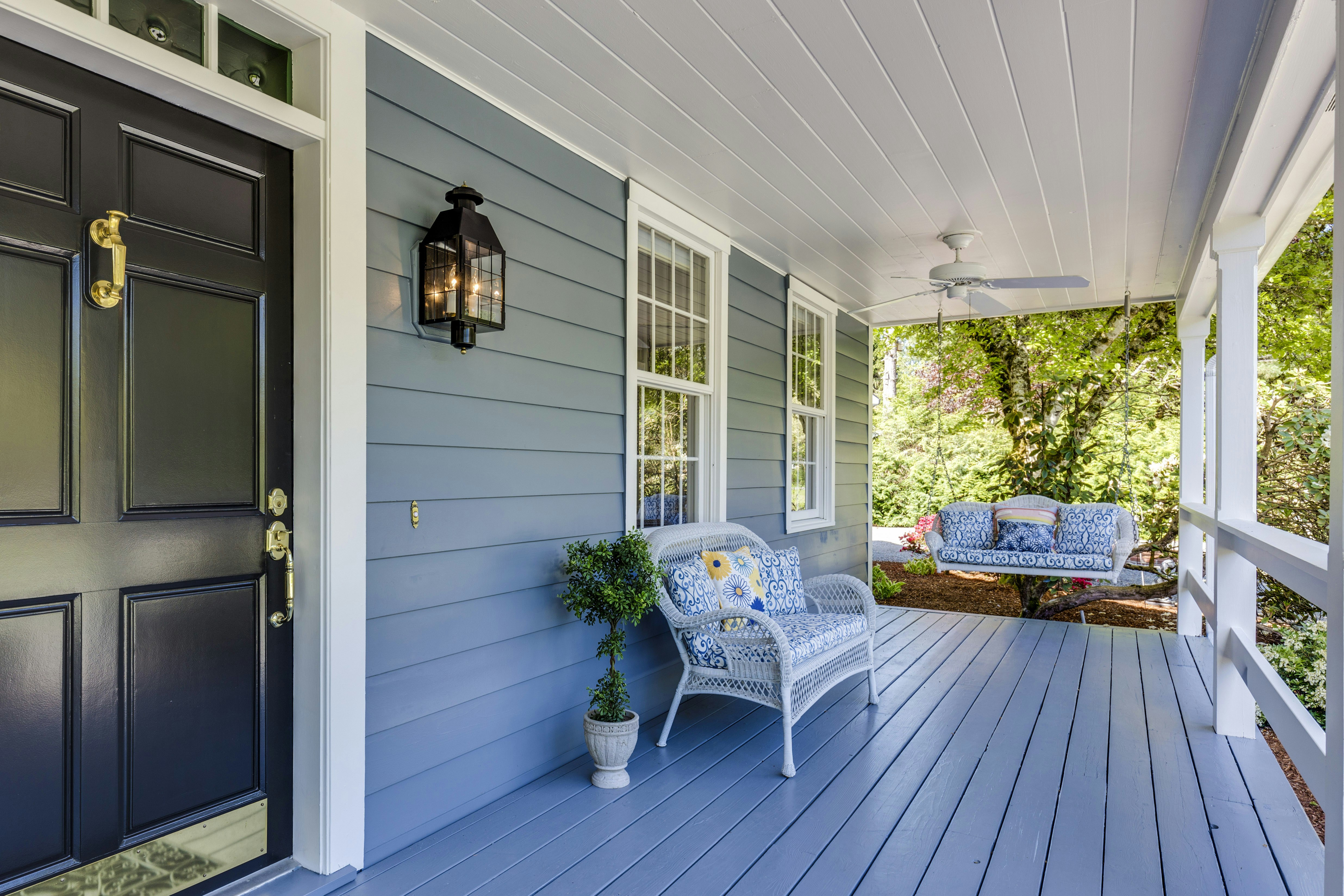
What Are The Latest Trends In Smart Home Automation?

Imagine living in a world where your home is smarter than ever before and can cater to your every need. From controlling the lights and temperature to securing your home with advanced security systems, smart home automation is revolutionizing the way we live. In this article, we will explore the latest trends in smart home automation and how they are enhancing our daily lives. Get ready to be amazed by the incredible advancements that await you in the world of smart homes.

Artificial Intelligence

Voice Control

Voice control is one of the latest trends in smart home automation that is revolutionizing the way we interact with our devices. With the advancement of artificial intelligence (AI), voice assistants like Amazon Alexa, Google Assistant, and Apple’s Siri have become an integral part of smart homes. By simply using your voice, you can control various aspects of your home such as turning on the lights, adjusting the temperature, playing music, and even ordering groceries. The convenience and hands-free operation offered by voice control make it a must-have feature for any smart home.

Machine Learning

Machine learning is another exciting trend in smart home automation that leverages AI to provide personalized experiences. Through continuous learning and analysis of user behavior, machine learning algorithms can understand your preferences, habits, and patterns. This allows your smart home devices to automatically adjust settings, recommend personalized content, and anticipate your needs. For example, your smart thermostat can learn your temperature preferences and adjust accordingly, while your smart TV can suggest shows based on your viewing history. Machine learning brings a whole new level of intelligence and convenience to smart homes.

Smart Sensors

Smart sensors are an essential component of smart home automation, enabling devices to interact with and respond to their environment. These sensors can detect motion, temperature, light levels, humidity, and more, allowing your devices to automatically adjust settings based on real-time data. For instance, motion sensors can turn on lights when you enter a room and turn them off when you leave, saving energy and enhancing safety. Smart sensors also enable security systems to detect unauthorized entry, trigger alarms, and send notifications to your smartphone. The integration of smart sensors enhances the overall efficiency and functionality of your smart home.

Internet of Things

Connected Devices

The Internet of Things (IoT) is the interconnection of everyday devices through the internet, enabling them to send and receive data. This trend has paved the way for a wide range of connected devices in smart homes. From smart TVs and thermostats to refrigerators and doorbells, all these devices can communicate with each other, providing a seamless and interconnected experience. For example, you can receive notifications on your smartwatch when someone rings your smart doorbell or have your smart locks automatically disarm your security system when you unlock the front door using a specific code. The possibilities of connected devices in a smart home are endless, making our lives more convenient and efficient.

Smart Appliances

Smart appliances are becoming increasingly popular in smart home automation. These appliances, such as refrigerators, washing machines, and ovens, are equipped with sensors and Wi-Fi connectivity, allowing you to control and monitor them remotely. For instance, you can check the contents of your smart refrigerator from your smartphone while grocery shopping or receive notifications when your laundry is done. Smart appliances not only enhance convenience but also help save energy and optimize usage through features like load monitoring, temperature control, and energy efficiency recommendations. Incorporating smart appliances into your smart home can greatly simplify your everyday tasks and improve energy management.

Energy Management

Energy efficiency is a key concern for homeowners, and smart home automation offers innovative solutions for effective energy management. Smart thermostats are a prime example of energy-efficient devices that can help reduce heating and cooling costs. These thermostats learn your heating and cooling preferences, adjust settings based on occupancy patterns, and can even be controlled remotely. LED lighting is another energy-saving trend in smart homes, as these bulbs consume less energy and have a longer lifespan compared to traditional incandescent bulbs. Moreover, integrating solar power into your smart home can further optimize energy consumption, allowing you to generate renewable energy and reduce your reliance on the grid. Energy management is not only beneficial for the environment but also for your wallet, and smart home automation can help you achieve substantial energy savings.

What Are The Latest Trends In Smart Home Automation?

This image is property of images.unsplash.com.

Home Security

Smart Doorbells

Smart doorbells have become a popular component of smart home security systems, offering advanced features that go beyond traditional doorbells. With features like high-definition video, two-way audio, and motion detection, smart doorbells allow you to see, hear, and speak to visitors from your smartphone or tablet. Some models even have facial recognition capabilities, enabling you to receive personalized alerts when someone familiar approaches your front door. Smart doorbells provide an extra layer of security, allowing you to monitor your home even when you’re away.

Smart Locks

Smart locks are an essential part of modern home security systems, offering convenience and enhanced protection. These locks can be remotely controlled, allowing you to lock or unlock your doors from anywhere using a smartphone app. You can also grant temporary access to family members, friends, or service providers, eliminating the need for physical keys. Smart locks often come with additional security features like tamper detection, activity logs, and integration with other smart devices. By integrating smart locks into your home, you can have peace of mind knowing that your doors are secure and easily manageable.

Video Surveillance

Video surveillance systems have evolved significantly with the advent of smart home automation. High-definition cameras with wide-angle views and night vision capabilities provide a comprehensive surveillance solution for your property. These cameras can be accessed and controlled remotely, allowing you to monitor live feeds and recordings from your smartphone or computer. Some advanced systems even offer facial recognition, human detection, and smart alert notifications. Video surveillance is an essential aspect of home security, providing visual evidence and deterrents to protect your home and loved ones.

Health Monitoring

Smart Wearables

Smart wearables, such as fitness trackers and smartwatches, have gained immense popularity in recent years and have become an integral part of health monitoring in smart homes. These devices can track your heart rate, sleep patterns, steps taken, and even monitor your stress levels. The data collected by smart wearables can be accessed through smartphone apps, giving you valuable insights into your overall health and well-being. Health monitoring is not limited to physical activities, as some smart wearables also offer features like menstrual cycle tracking and stress management. By incorporating smart wearables into your daily routine, you can stay motivated, improve your fitness, and lead a healthier lifestyle.

Remote Health Tracking

Remote health tracking is a significant trend in smart home automation, enabling individuals to monitor their health conditions remotely. Devices like blood pressure monitors, glucose meters, and pulse oximeters can seamlessly connect to your smartphone or smart hub, allowing you to track and share vital health information with healthcare providers. This remote monitoring capability is particularly beneficial for individuals with chronic conditions or those who require regular monitoring. By leveraging smart home automation for health tracking, you can proactively manage your health, receive timely notifications, and ensure effective communication with medical professionals.

Medication Management

Medication management is an essential aspect of healthcare, and smart home automation offers innovative solutions to ensure medication adherence. Smart pill dispensers can be programmed to dispense the right medications at the right times, providing reminders and alerts to individuals or caregivers. Some smart pill dispensers also offer features like medication tracking, refill notifications, and syncing with smartphone apps for comprehensive management. By incorporating smart medication management systems into your smart home, you can reduce the risk of medication errors, improve adherence, and enhance overall healthcare outcomes.

What Are The Latest Trends In Smart Home Automation?

This image is property of images.unsplash.com.

Smart Entertainment

Voice-activated TVs

Voice-activated TVs are revolutionizing the way we interact with our entertainment systems. By integrating voice control technology, smart TVs allow you to change channels, adjust volume, search for content, and navigate menus with simple voice commands. This eliminates the need for remote controls or complicated menu navigation, making your entertainment experience more intuitive and enjoyable. Voice-activated TVs also have the capability to connect with other smart home devices, enabling you to control your lights, blinds, or even your streaming services using voice commands. With voice-activated TVs, you can sit back, relax, and simply enjoy your favorite shows and movies.

Wireless Audio Systems

Wireless audio systems have gained popularity in smart home automation due to their convenience and versatility. These systems allow you to wirelessly stream audio from your smartphone, tablet, or computer to multiple speakers throughout your home. With multi-room audio capabilities, you can listen to music in one room while others enjoy different audio in other areas. Some wireless audio systems also offer voice control integration, enabling you to play music, adjust volume, or switch playlists using voice commands. Whether you’re hosting a party or simply enjoying some downtime, wireless audio systems ensure a seamless and immersive audio experience.

Virtual Reality Integration

Virtual reality (VR) has become a significant part of entertainment, gaming, and even educational experiences. Smart home automation is embracing this trend by integrating VR capabilities into entertainment systems. With VR integration, you can transform your living room into a virtual world, immersing yourself in interactive games, educational simulations, or even virtual travel. Advanced VR systems can synchronize with other smart home devices, creating an enhanced sensory experience by adjusting lighting, sound effects, and even temperature. Virtual reality integration takes entertainment to a whole new level, offering endless possibilities for immersive and engaging experiences.

Connected Kitchen

Smart Refrigerators

Smart refrigerators are transforming the way we interact with our kitchen appliances. Equipped with touchscreens, cameras, and internet connectivity, these refrigerators offer features that go beyond simply chilling food. You can view the contents of your fridge remotely, receive expiration date reminders, and even get recipe suggestions based on the ingredients you have. Some models even have voice control capabilities, allowing you to add items to your shopping list or adjust temperatures using voice commands. Smart refrigerators help streamline your grocery planning, reduce food waste, and enhance overall kitchen efficiency.

Smart Cooking Devices

Smart cooking devices, such as smart ovens and sous vide machines, bring convenience and precision to culinary experiences. With Wi-Fi connectivity and smartphone apps, you can remotely control and monitor your cooking devices, ensuring perfectly cooked meals every time. For example, you can preheat your oven from your office or receive notifications when your dinner is ready. These devices often come with pre-programmed recipes and cooking presets, making it easier for novice cooks to prepare gourmet meals. Smart cooking devices take the guesswork out of cooking, allowing you to master culinary skills and experiment with new flavors.

Automated Grocery Shopping

Automated grocery shopping is a game-changer in smart home automation, making the process of restocking your pantry hassle-free. Smart kitchen appliances, such as refrigerators or pantry organizers, can detect when your supplies are running low and automatically add those items to your shopping list. Some models even have built-in grocery delivery services, allowing you to place orders directly from your smart devices. By automating grocery shopping, you can save time, reduce food waste, and ensure that your kitchen is always well-stocked with the essential ingredients.
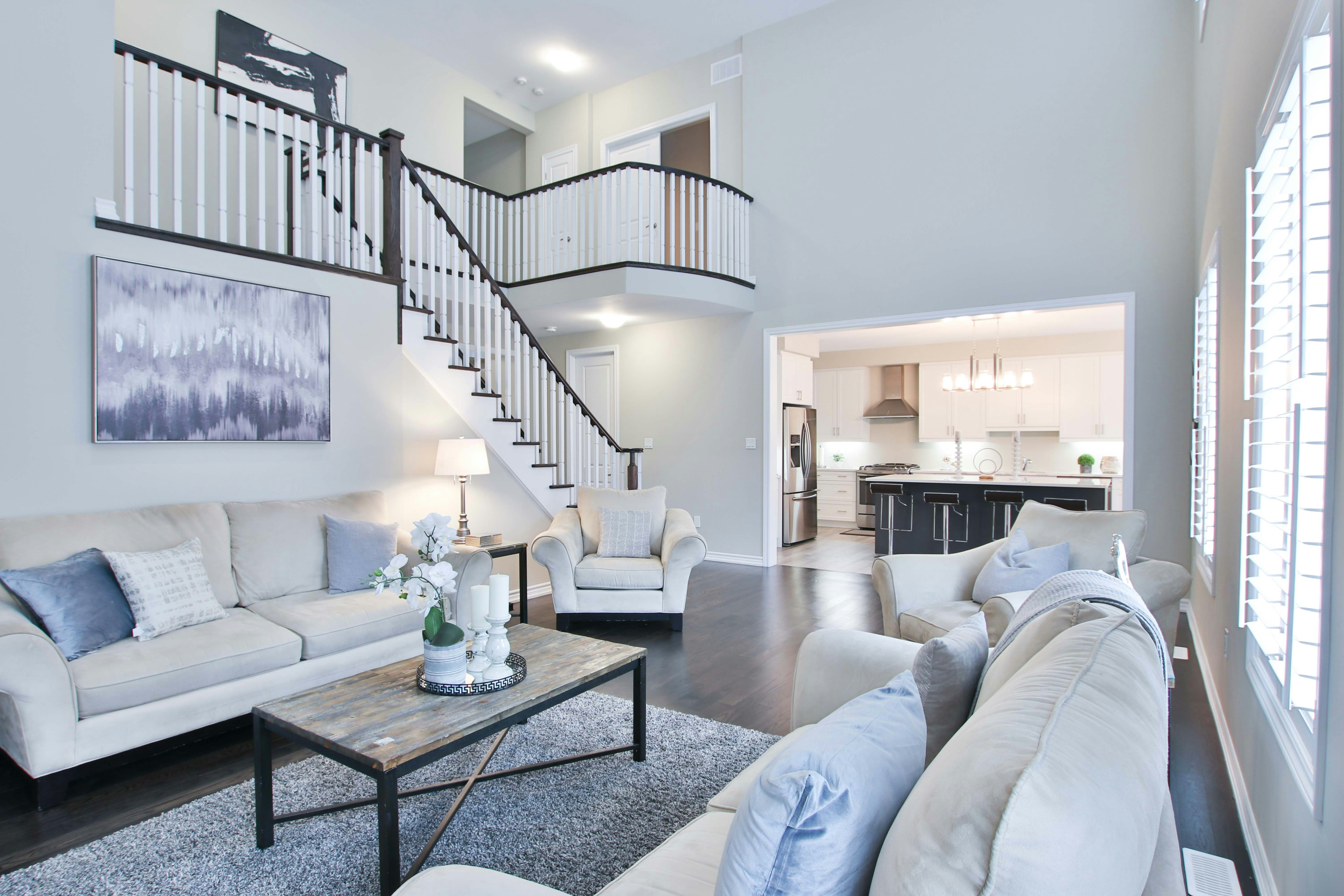
What Are The Latest Trends In Smart Home Automation?

This image is property of images.unsplash.com.

Smart Lighting

Color-changing Bulbs

Color-changing bulbs are a fun and versatile trend in smart home automation, allowing you to customize the ambiance of any room. These bulbs can be controlled through smartphone apps or voice assistants, enabling you to change colors, adjust brightness, and even create dynamic lighting scenes. Whether you want to create a cozy atmosphere for a movie night or host a vibrant party, color-changing bulbs provide endless possibilities for creative lighting designs. Additionally, some color-changing bulbs also offer features like syncing with music or adjusting lighting based on your circadian rhythm, enhancing your overall well-being.

Motion-activated Lights

Motion-activated lights are a practical and energy-efficient feature in smart home automation. These lights use built-in motion sensors to detect movement and automatically turn on or off. They are particularly useful in hallways, staircases, and outdoor spaces where hands-free lighting is beneficial. Motion-activated lights not only provide convenience but also serve as a security measure by deterring potential intruders. Moreover, by automatically turning off when no motion is detected, they help save energy and reduce electricity bills. Motion-activated lights are a simple yet effective addition to any smart home lighting setup.

Customizable Lighting Scenes

Customizable lighting scenes allow you to personalize and establish the perfect lighting ambiance for any occasion. With smart home automation, you can create scenes like “Movie Night,” “Relaxation,” or “Dinner Party,” which adjust multiple lights simultaneously to pre-set levels and colors. For example, the “Movie Night” scene can dim the lights, turn them to a warm white, and activate ambient backlights for a cinematic experience. By simply activating a scene through your smartphone or voice assistant, you can set the mood and transform your living space instantly. Customizable lighting scenes enhance the aesthetics and functionality of your smart home lighting system, giving you full control over your home’s ambiance.

Smart Home Hubs

Centralized Control Systems

Smart home hubs serve as the central control point for all your smart home devices, allowing you to manage and interact with them from a single interface. These hubs typically come in the form of a smart speaker with integrated voice assistants or dedicated smart home control panels. With a centralized control system, you can issue voice commands, view device statuses, monitor energy usage, and even create automation routines. Whether you want to turn off all the lights, adjust the temperature, or lock all the doors before going to bed, a smart home hub simplifies the management of your smart home devices and enhances overall convenience.

Integration of Multiple Devices

One of the highlights of smart home automation is the seamless integration of multiple devices within a single ecosystem. Smart home hubs enable the integration of various devices, regardless of their manufacturers or protocols used. This means that devices from different brands, such as smart lights, thermostats, security cameras, and door locks, can work together harmoniously, sharing data and triggering actions based on specific events or user-defined rules. For example, you can create a routine that turns off the lights, locks the doors, and arms the security system when you say “Goodnight” to your smart home hub. The integration of multiple devices ensures a cohesive and unified experience throughout your smart home.

Advanced Compatibility

Compatibility is a crucial aspect of smart home automation, and smart home hubs play a vital role in ensuring seamless connectivity and integration. These hubs often support various communication protocols, such as Wi-Fi, Bluetooth, Zigbee, and Z-Wave, making them compatible with a wide range of smart home devices. This ensures that you can easily incorporate new devices into your smart home ecosystem without worrying about compatibility issues. Additionally, smart home hubs often support third-party integrations and have open platforms, allowing developers to create custom applications and expand the capabilities of your smart home. Advanced compatibility ensures that your smart home remains future-proof and adaptable to evolving technologies.

What Are The Latest Trends In Smart Home Automation?

Smart Home Security Systems

24/7 Monitoring

Smart home security systems provide round-the-clock monitoring of your property, ensuring that you are always aware of any suspicious activity. These systems combine various components like door sensors, window sensors, motion detectors, and security cameras to provide comprehensive security coverage. Whenever a potential threat is detected, the system can send instant notifications to your smartphone and trigger alarm sirens to deter intruders. Some advanced security systems also offer professional monitoring services, where security experts monitor your home 24/7 and dispatch emergency services when necessary. With smart home security systems, you can have peace of mind knowing that your home and loved ones are protected at all times.

Mobile App Control

Mobile app control is a key feature of smart home security systems, allowing you to monitor and manage your security system remotely. Through intuitive smartphone apps, you can arm or disarm your security system, view live camera feeds, receive real-time alerts, and review recorded events. This level of control and access provides flexibility and convenience, as you can keep tabs on your home’s security even when you’re away. Mobile app control ensures that you are always connected to your smart home security system, giving you the ability to respond promptly to any security incidents or emergencies.

Enhanced Emergency Response

Smart home security systems offer enhanced emergency response capabilities, ensuring a rapid and effective response in critical situations. These systems can automatically contact emergency services, like the police or fire department, when triggered by specific security events. Additionally, some security systems have panic buttons or wearable panic buttons that can be activated in case of emergencies. These buttons instantly notify authorities and provide your exact location, ensuring swift assistance. The enhanced emergency response capabilities of smart home security systems provide an added layer of safety and protection for you and your loved ones.


How Do I Ensure Compliance With The Fair Housing Act?

Are you a landlord or property manager looking to ensure compliance with the Fair Housing Act? Look no further! This article will provide you with valuable insights and practical tips on how to navigate the complexities of the Fair Housing Act, ensuring that you are doing everything within your power to provide equal housing opportunities for all. From understanding the key provisions of the Act to implementing nondiscriminatory practices, we’ve got you covered. Let’s get started on this journey to fostering a more inclusive and fair housing environment for everyone.

Understanding the Fair Housing Act

Overview of the Fair Housing Act

The Fair Housing Act is a landmark piece of legislation that prohibits discrimination in the sale, rental, and financing of housing based on a person’s race, color, religion, sex, national origin, familial status, or disability. This law ensures that everyone has equal access to housing opportunities and promotes diverse communities. The Fair Housing Act applies to most housing providers, including landlords, property managers, real estate agents, lenders, and homeowners associations.

The purpose and goals of the Fair Housing Act

The primary purpose of the Fair Housing Act is to eliminate housing discrimination and ensure equal housing opportunities for all individuals. It aims to eradicate discriminatory practices that have historically prevented certain groups from accessing housing and perpetuated segregation. By providing legal protection and enforcing fair housing practices, the Act seeks to foster inclusive communities and promote social justice.

Legal Requirements

Prohibited activities under the Fair Housing Act

The Fair Housing Act prohibits certain activities that discriminate against individuals in housing transactions. These activities include refusing to sell, rent, or negotiate with potential buyers or tenants based on their protected characteristics. It is also illegal to set different terms, conditions, or privileges for housing based on a person’s protected class. Additionally, providing false information about the availability of housing or steering individuals to certain neighborhoods based on their protected characteristics is strictly prohibited.

Protected classes under the Act

The Fair Housing Act provides protection to several specific classes of individuals. These protected classes include race, color, religion, sex, national origin, familial status, and disability. It is essential to understand that these characteristics are protected at all stages of the housing process, including advertising, renting, selling, financing, and providing access to facilities and services.

How Do I Ensure Compliance With The Fair Housing Act?

This image is property of images.unsplash.com.

Creating a Compliant Advertising Strategy

Understanding the requirements for advertisements

When advertising housing, it is crucial to ensure compliance with the Fair Housing Act. Advertisements should not contain any discriminatory language or indicate a preference, limitation, or discrimination based on protected characteristics. This means avoiding phrases that imply a preference for certain races or religions, such as “ideal for young professionals” or “near a specific place of worship.” Ads should focus on the features and amenities of the housing, rather than the intended demographic.

Avoiding discriminatory language and practices in advertisements

To create a compliant advertising strategy, it is essential to use inclusive language that welcomes individuals from all backgrounds. Emphasize the neutral aspects of the property, such as its location, size, and amenities. If any special features are mentioned, make sure they are applicable to a wide range of potential tenants. It is also advisable to use diverse images in advertisements to reflect the inclusive nature of the property and avoid stereotyping.

Establishing Non-Discriminatory Rental Policies

Creating a fair screening process for potential tenants

When screening potential tenants, it is crucial to establish a fair and consistent process that does not discriminate against any protected class. Develop objective criteria for evaluating applicants, such as their credit history, income, and rental references. Avoid subjective factors that could potentially lead to discrimination, such as considering an applicant’s national origin or familial status. It is advisable to document the screening process and keep records of the criteria used to demonstrate your commitment to fair practices.

Avoiding discriminatory rental terms or conditions

Rental terms and conditions should be fair and equitable for all tenants. Avoid setting different rental rates, security deposit requirements, or lease terms based on protected characteristics. Ensure that all tenants receive the same rights and benefits, regardless of their race, religion, gender, or disability. Additionally, make reasonable accommodations for individuals with disabilities, such as allowing service animals or providing accessible parking spaces, as required by law.

How Do I Ensure Compliance With The Fair Housing Act?

This image is property of images.unsplash.com.

Training and Education

Educating employees on Fair Housing Act requirements

It is crucial to provide comprehensive training to employees who interact with tenants or are involved in the housing process. All staff members should have a deep understanding of the Fair Housing Act requirements and their responsibilities in ensuring compliance. Train them on recognizing and avoiding discriminatory practices, understanding the protected classes, and responding to accommodation requests. Regularly review and update training materials to stay current with any changes in regulations or guidelines.

Providing training on recognizing and preventing discriminatory practices

In addition to understanding legal requirements, it is important to provide training on recognizing and preventing discriminatory practices that may not be as obvious. This includes implicit biases and microaggressions that can unintentionally create a hostile or unwelcoming environment. Encourage employees to examine their own biases and foster an inclusive workplace culture. By promoting awareness and empathy, you can minimize the risk of unintentional discriminatory actions or behaviors.

Reasonable Accommodations and Modifications

Understanding the obligations to provide reasonable accommodations

Under the Fair Housing Act, housing providers have an obligation to provide reasonable accommodations to individuals with disabilities. This may include making changes to policies, practices, or physical structures to enable individuals to fully enjoy and access their housing. Reasonable accommodations may encompass installing grab bars in bathrooms, allowing assistance animals, or providing reserved parking spaces. Housing providers must engage in an interactive process with individuals requesting accommodations to determine the most appropriate solutions.

Determining when modifications to housing are necessary

In certain cases, individuals with disabilities may require modifications to the physical structure of the housing to meet their specific needs. Housing providers generally have an obligation to permit such modifications at the tenant’s expense, unless the modifications would fundamentally alter the nature of the property or impose an undue financial burden. It is crucial to have clear guidelines in place for evaluating modification requests and ensuring timely responses to accommodate individuals’ needs.

How Do I Ensure Compliance With The Fair Housing Act?

This image is property of images.unsplash.com.

Handling Reasonable Accommodation Requests

Establishing a clear process for handling accommodation requests

To ensure compliance, establish a clear process for handling reasonable accommodation requests. This should include designated channels for individuals to submit their requests, documentation requirements, and a timeline for reviewing and responding to the requests. Train employees responsible for handling accommodation requests on the process and emphasize the importance of prompt and respectful communication with the requester. Maintain records of all requests and responses to protect against potential legal claims.

Responding promptly and working with the requester to find a solution

When a reasonable accommodation request is received, it is crucial to respond promptly and engage in an interactive dialogue with the requester. This conversation allows the housing provider to fully understand the individual’s needs and determine the most appropriate accommodation. Work together to find a solution that meets both parties’ needs and comply with legal obligations. Document all discussions and agreements reached during the interactive process.

Maintaining Records and Documentation

Keeping detailed records of rental transactions and interactions with tenants

Maintaining thorough records is essential in demonstrating compliance with the Fair Housing Act. Document all rental transactions, including applications, lease agreements, and any communications with tenants. This includes any notifications, maintenance requests, or complaints that have been received or addressed. Detailed records provide evidence of fair and consistent practices and can be invaluable in resolving disputes or defending against legal claims.

Understanding the importance of documentation in case of a complaint or legal action

In case of a complaint or legal action related to fair housing practices, proper documentation becomes critical. Detailed records can help substantiate the timeline of events, provide evidence of non-discriminatory practices, and showcase the commitment to fair housing principles. Ensure that all documentation is organized, easily accessible, and securely stored to protect sensitive information. Regularly review and update record-keeping procedures to comply with legal requirements and emerging best practices.

How Do I Ensure Compliance With The Fair Housing Act?

Addressing Complaints and Enforcement

Developing a procedure for addressing complaints promptly and effectively

It is essential to establish a formal procedure for addressing housing-related complaints promptly and effectively. This includes designating responsible individuals or departments to handle complaints, conducting thorough investigations, and taking appropriate corrective actions when necessary. Treat every complaint seriously and maintain open lines of communication with the complainant throughout the process. Regularly review and update complaint-handling procedures to ensure compliance with legal requirements and promote fair resolution.

Cooperating with investigations and taking corrective actions when necessary

Cooperation with investigations is critical in demonstrating a commitment to fair housing practices. If a government agency or enforcement authority initiates an investigation, promptly respond to all inquiries and provide any requested documentation or information. If a violation is identified, take immediate corrective actions to rectify the situation and mitigate any harm caused. By cooperating and taking proactive steps, you can help resolve issues amicably and avoid prolonged legal disputes.

Staying Informed About Changes and Updates

Monitoring updates to Fair Housing Act regulations and guidelines

The Fair Housing Act and its regulations are subject to periodic updates and changes. It is crucial to stay informed about any new developments, amendments, or guidelines issued by the government or housing authorities. Regularly monitor official sources, such as government websites or industry publications, for the latest information. This allows you to proactively adjust policies and practices to ensure ongoing compliance and avoid potential legal pitfalls.

Seeking legal advice or guidance when needed

Compliance with fair housing laws can be complex, and legal advice or guidance may be necessary in certain situations. If you are unsure about interpretation, application, or compliance with specific aspects of the Fair Housing Act, consult with a qualified attorney or seek guidance from a fair housing organization. Investing in professional assistance can help mitigate risks and ensure that your practices align with legal requirements.

How Do I Ensure Compliance With The Fair Housing Act?

What Are The Essentials For A Rental Property Welcome Package?

So, you’ve just acquired a new rental property and you’re eager to start welcoming your tenants. But what exactly should you include in a rental property welcome package? From practical information about the property to local recommendations, a well-crafted welcome package can make all the difference in ensuring your tenants feel at home from the moment they step foot through the door. In this article, we’ll explore the essentials you should consider including in your welcome package, helping you create a warm and inviting experience for your tenants right from the start.

What Are The Essentials For A Rental Property Welcome Package?

This image is property of images.pexels.com.

1. Property Information

1.1. Location

When you rent a property, it’s important to know its location. Our rental property is situated in a convenient and desirable area that offers easy access to various amenities and attractions. Whether you’re looking to explore the vibrant city or enjoy the tranquility of nature, our property is perfectly located to cater to your needs.

1.2. Contact Information

To ensure that your stay is smooth and hassle-free, we provide you with all the necessary contact information. In case you have any questions, concerns, or need assistance during your stay, you can easily reach out to us. We are available via phone, email, and even have on-site staff to cater to your needs promptly.

1.3. Emergency Contacts

Your safety and security are our top priorities. In case of any emergencies, we provide you with a list of important contacts. Whether it’s a medical emergency, fire, or any other unexpected situation, you can find the relevant emergency contact information in your welcome package. Rest assured, we have you covered.

2. House Rules

2.1. Quiet Hours

To ensure a peaceful and comfortable experience for all our guests, we have established quiet hours. During these hours, we kindly request that you keep noise levels to a minimum to avoid any disturbances. It’s important to be mindful of the other guests and residents in the area, and we appreciate your cooperation in maintaining a serene atmosphere.

2.2. Smoking Policy

As a considerate property, we have implemented a strict no-smoking policy within our premises. This policy extends to all indoor areas of the property, including common areas and individual units. We kindly request that you refrain from smoking in these areas to maintain a clean and fresh environment for all guests. However, designated smoking areas are available outside the property for guests who wish to smoke.

2.3. Pet Policy

We understand the love and companionship that pets provide, but to ensure the comfort and safety of all our guests, we have a pet policy in place. Prior approval is required if you wish to bring your furry friend along. Please note that certain restrictions and additional fees may apply. We appreciate your understanding and cooperation in adhering to our pet policy.

3. Check-In Procedures

3.1. Key Exchange

Check-in is a seamless process at our property. Upon your arrival, keys to your unit will be provided to you. We are happy to arrange a convenient key exchange method based on your preference. Our staff will guide you through the process and ensure you have a smooth transition into your rental property.

3.2. Access Codes

For added security and convenience, our property utilizes access codes. These codes will grant you access to various entry points, including main entrances, common areas, and your unit. These codes will be shared with you during the check-in process, allowing you easy and secure access to the property throughout your stay.

3.3. Parking Information

We understand the importance of parking convenience, and we have made sure to provide ample parking spaces for our guests. Detailed information regarding parking spaces, regulations, and any fees associated will be provided in your welcome package. Rest assured, you’ll have a hassle-free parking experience during your stay with us.

4. Amenities

4.1. Wi-Fi

In today’s digitally connected world, we understand the importance of staying connected. That’s why we offer complimentary high-speed Wi-Fi to all our guests. You can stay connected with your loved ones, catch up on work, or simply browse the internet to discover local attractions and events. The login credentials for the Wi-Fi will be provided in your welcome package.

4.2. Television

To ensure your entertainment needs are met, we provide televisions in all our rental units. Whether you want to unwind with your favorite shows, catch up on the latest news, or simply relax with a movie, you’ll have access to a wide range of channels. So sit back, relax, and enjoy your favorite programs during your stay with us.

4.3. Kitchen Appliances

We pride ourselves on providing a fully equipped kitchen in our rental units. Whether you love cooking up a storm or prefer simple meals, you’ll find all the necessary kitchen appliances and utensils at your disposal. From a stove and oven to a microwave, refrigerator, and dishwasher, we have you covered. So feel free to whip up your favorite meals and enjoy the comforts of a well-equipped kitchen.

What Are The Essentials For A Rental Property Welcome Package?

This image is property of images.pexels.com.

5. Local Attractions

5.1. Restaurants

Exploring the local culinary scene can be an exciting part of your stay. Our welcome package includes a curated list of nearby restaurants, ranging from fine dining establishments to hidden gems and popular local favorites. Whether you’re craving international cuisine or want to try local specialties, you’ll find plenty of options to satisfy your taste buds.

5.2. Sightseeing Spots

Immerse yourself in the local culture and history by visiting the nearby sightseeing spots. From iconic landmarks to hidden treasures, there’s something for everyone. Our welcome package includes information about popular attractions, walking tours, and local guides to ensure you make the most of your stay and create unforgettable memories.

5.3. Shopping Centers

If shopping is on your agenda, you’ll be pleased to know that our property is conveniently located near shopping centers. Whether you’re looking for high-end fashion, souvenirs, or unique local crafts, you’ll find a diverse range of shopping options in the vicinity. Our welcome package will provide you with information about the best shopping centers, ensuring a delightful shopping experience.

6. Maintenance and Repairs

6.1. Reporting Issues

While we strive to provide you with a seamless stay, unforeseen issues may arise. We encourage you to report any maintenance or repair issues you encounter during your stay. Simply reach out to our property manager, and they will promptly address your concerns, ensuring that your stay remains comfortable and enjoyable.

6.2. Emergency Repairs

In the event of an emergency requiring immediate attention, we have a reliable network of skilled professionals on standby. Whether it’s a plumbing issue, electrical problem, or any other emergency repair, our team will act swiftly to resolve the situation. Your safety and comfort are of utmost importance to us.

6.3. Renters’ Responsibilities

As a responsible renter, we kindly request that you treat the property and its amenities with care and respect. Any damage caused during your stay should be reported immediately. We also appreciate your cooperation in keeping the property clean and tidy. By adhering to these responsibilities, you contribute to a positive and enjoyable environment for all guests.

What Are The Essentials For A Rental Property Welcome Package?

This image is property of images.pexels.com.

7. Rental Policies

7.1. Payment Terms

To secure your reservation, our rental property requires payment according to the agreed terms and conditions. The payment details will be provided during the booking process. We accept various payment methods, making it convenient for you to finalize your reservation and start looking forward to your stay.

7.2. Cancellation Policy

We understand that plans can change unexpectedly. Our cancellation policy aims to provide flexibility while ensuring fairness to all parties involved. The specific details of our cancellation policy will be outlined in your booking confirmation. We recommend reviewing this policy carefully to understand any potential fees or restrictions associated with cancellations.

7.3. Deposit and Refund Policy

To guarantee the condition of the property during your stay, we may require a security deposit. This deposit will be fully refundable under the terms and conditions outlined in your welcome package. We strive to process refunds promptly after checkout, ensuring a transparent and fair deposit and refund policy.

8. Frequently Asked Questions

8.1. How to Use Appliances

If you have any questions about how to operate the appliances in your rental unit, our welcome package includes a comprehensive guide. This guide will provide step-by-step instructions that cover everything from using the stove and oven to operating the dishwasher and other household appliances. We want to ensure that you have a seamless experience during your stay.

8.2. Where to Dispose of Garbage

Proper waste disposal is important for maintaining a clean and hygienic environment. In your welcome package, you’ll find detailed information about garbage disposal procedures. We’ll explain where the garbage bins are located and provide guidance on differentiating between recyclable and non-recyclable waste. By following these guidelines, you contribute to sustainability efforts and maintain the cleanliness of the property.

8.3. How to Work Heating and Cooling Systems

To ensure your utmost comfort, our rental properties are equipped with heating and cooling systems. If you have any questions or need assistance in operating these systems, we have you covered. Our welcome package includes clear instructions on how to work the heating and cooling systems, allowing you to adjust the temperature to your preference and enjoy a cozy stay.

What Are The Essentials For A Rental Property Welcome Package?

9. Contact Information

9.1. Property Manager

We understand that communication is key to a pleasant stay. Our property manager is available to address any questions or concerns you may have during your time with us. They can provide assistance, offer recommendations about local attractions, and ensure that your stay is nothing short of exceptional. Their contact information will be provided in your welcome package.

9.2. Emergency Contacts

In case of any emergencies, we provide a list of important local contacts. These include emergency services, medical facilities, and other relevant emergency contacts. The safety and well-being of our guests are of utmost importance, and we want to ensure that you have the necessary resources at hand should any unforeseen circumstances arise.

9.3. Local Services

To make your stay as convenient as possible, we have compiled a list of local services that you may find useful. From grocery stores and pharmacies to transportation services and nearby attractions, this comprehensive list will help you navigate the area with ease and make the most of your time here.

10. Feedback and Reviews

10.1. Leave Feedback

Your satisfaction and feedback are incredibly valuable to us. We encourage you to share your experience through our feedback system. Your suggestions, compliments, and constructive criticism are all welcome as they help us continuously improve our services and ensure a memorable stay for all our guests.

10.2. Online Reviews

Sharing your experience through online reviews is another powerful way to help future guests make informed decisions. If you have enjoyed your stay, we would greatly appreciate if you could take a moment to leave a positive review on platforms such as TripAdvisor or Airbnb. Your feedback will not only help us but also assist fellow travelers in choosing the perfect rental property for their needs.

10.3. Suggestions for Improvement

We are always striving to enhance our guests’ experience. If you have any suggestions or recommendations for improvement, we welcome your input. Our goal is to exceed your expectations, and your valuable insights can guide us in achieving that. Your satisfaction is our priority, and we are committed to making your stay as pleasant and enjoyable as possible.

In conclusion, our rental property welcome package includes a comprehensive range of information and resources to ensure a smooth, comfortable, and enjoyable stay for our guests. From essential property information and house rules to local attractions and assistance contacts, everything is designed with your needs and convenience in mind. We value your feedback and are committed to providing exceptional service, so please reach out to us with any questions or concerns. We look forward to hosting you and making your stay truly unforgettable.

What Are The Essentials For A Rental Property Welcome Package?

How Do I Maintain The Structural Integrity Of My Home During Renovations?

You’re embarking on an exciting journey of home renovations, but the thought of potentially compromising the structural integrity of your beloved abode may be keeping you up at night. Don’t fret, because in this article, we’ll guide you on how to maintain the structural integrity of your home during renovations. From hiring experienced contractors to conducting thorough inspections, we’ll share some valuable tips and tricks to ensure that your home remains solid and secure throughout the entire process. So, let’s dive right in and get you on your way to a successful renovation project without any structural hiccups!

How Do I Maintain The Structural Integrity Of My Home During Renovations?

This image is property of images.pexels.com.

Planning and Preparation

Assessing the Renovation Scope

Before embarking on any renovation project, it is important to assess the scope of the project. This involves identifying which areas of your home you plan to renovate and determining the extent of the changes you want to make. By carefully assessing the renovation scope, you can ensure that you have a clear understanding of what needs to be done and can develop a plan accordingly.

Consulting with a Structural Engineer

When it comes to renovating your home, consulting with a structural engineer is vital. A structural engineer can assess the existing structure of your home and provide expert advice on how to proceed with your renovation plans while maintaining the structural integrity. They can help identify any potential issues, such as load-bearing walls or foundation stability concerns, and offer recommendations on how to address them.

Obtaining Permits and Licenses

Before you can start any renovation project, it is important to obtain the necessary permits and licenses from your local authorities. These permits ensure that the renovation work meets building codes and regulations, helping to ensure the safety and structural integrity of your home. By obtaining the required permits and licenses, you can have peace of mind knowing that your renovation is in compliance with the law.

Evaluation of Existing Structure

Identifying Load-Bearing Walls

During the evaluation of your existing structure, it is important to identify and understand the load-bearing walls in your home. Load-bearing walls provide support to the upper levels and the roof of your home. Before making any modifications or renovations that involve these walls, it is essential to consult with a structural engineer to determine the best course of action. This will help ensure that the structural integrity of your home is maintained throughout the renovation.

Checking Foundation Stability

The stability of your home’s foundation is crucial in maintaining its structural integrity. Before undertaking any renovations, it is important to inspect your foundation for any cracks, settling, or other signs of instability. If any issues are detected, it is recommended to consult with a structural engineer to determine the appropriate steps to address and mitigate potential problems. Taking the time to evaluate and address foundation stability will help prevent future structural issues.

Inspecting Roof Condition

A well-maintained roof is essential for the structural integrity of your home. Before starting any renovations, it is important to inspect the condition of your roof. Look for any signs of damage, such as missing shingles or leaks. If any issues are found, it is crucial to address them promptly to prevent further damage. Consulting with a roofing professional can help ensure that your roof is in good condition and ready to handle any structural modifications or additions.

Temporary Structural Support

Installing Temporary Beams or Columns

During the renovation process, it may be necessary to install temporary beams or columns to provide additional support to your home’s structure. Temporary beams or columns can help distribute the weight of the construction materials and equipment, minimizing stress on the existing structure. It is important to work with a structural engineer to determine the proper placement and specifications for these temporary supports to ensure the structural integrity of your home throughout the renovation.

Using Adjustable Steel Props

Adjustable steel props are another temporary structural support option that can be used during renovations. These props are adjustable in height and can be used to support beams, walls, or other load-bearing elements. They are typically used when additional support is needed for temporary removal of load-bearing walls or during floor leveling. When using adjustable steel props, it is crucial to follow the manufacturer’s guidelines and consult with a structural engineer to ensure proper installation and support.

Utilizing Hydraulic Jacks

Hydraulic jacks are commonly used as temporary structural supports during renovations. They are typically used to raise or support heavy loads, such as beams or walls, while work is being done underneath. Hydraulic jacks provide a stable and adjustable support system, allowing for precise positioning and control. However, it is important to use hydraulic jacks correctly and consult with a structural engineer to ensure that they are being used safely and appropriately.

Protection of Existing Structure

Covering Surfaces with Protective Sheets

To protect your existing structure during renovations, it is important to cover surfaces with protective sheets. These sheets can be used to cover floors, walls, furniture, and other susceptible areas. Protective sheets help prevent damage from tools, debris, and other construction materials. By taking the time to properly cover surfaces, you can minimize the risk of scratches, dents, or other forms of damage to your existing structure.

Securing Furniture and Belongings

During renovations, it is essential to secure your furniture and belongings to protect them from damage. This can be done by moving furniture to unaffected areas of your home or covering them with protective sheets. Fragile or valuable items should be safely stored away to prevent accidental damage. By securing your furniture and belongings, you can minimize the risk of damage and ensure that they are in good condition once the renovation is complete.

Implementing Dust Control Measures

Renovations often generate a significant amount of dust, which can not only be an annoyance but also pose potential health risks. Implementing dust control measures is crucial to protect your existing structure, as well as your health and the health of your family members. This can include using dust barriers, air filters, and regularly cleaning the work area. By effectively controlling dust, you can prevent it from settling on surfaces and causing damage or potential respiratory issues.

How Do I Maintain The Structural Integrity Of My Home During Renovations?

This image is property of images.pexels.com.

Safe Removal of Building Materials

Proper Removal of Asbestos

If your home was constructed before the 1980s, there is a possibility that it contains asbestos, a hazardous material. Before starting any renovations, it is important to have a professional assess your home for the presence of asbestos. If asbestos is present, proper removal and disposal procedures must be followed to ensure the safety of everyone involved. Hiring a licensed asbestos removal contractor is crucial to ensure that the removal is done safely and in compliance with regulations.

Safely Handling Lead-based Paint

Similarly, if your home was built before 1978, there may be lead-based paint present, which can be hazardous, especially during renovations. It is important to take the necessary precautions to avoid lead exposure. This can include using containment barriers, wearing personal protective equipment, and following safe work practices. Seeking guidance from professionals who specialize in lead-based paint removal is highly recommended to maintain the structural integrity of your home and protect the health of you and your family.

Disposal of Construction Debris

Proper disposal of construction debris is crucial to maintain the structural integrity of your home and ensure a safe environment. This includes disposing of materials such as wood, drywall, and other debris in accordance with local regulations. It is important to separate and discard waste materials correctly to prevent contamination or damage to the environment. By following proper disposal procedures, you can maintain a clean and safe workspace while minimizing the potential impact on the structural integrity of your home.

Foundational Integrity

Monitoring Foundation Settlement

Throughout the renovation process, it is important to monitor the settlement of your home’s foundation. Settlement refers to the sinking or shifting of the foundation due to various factors, such as soil conditions or construction activities. Monitoring foundation settlement can help identify any potential issues early on and allow for timely intervention. This can be done with the help of a structural engineer, who can conduct regular inspections and measurements to ensure that the foundation remains stable and the structural integrity of your home is maintained.

Addressing Cracks in Foundation

Cracks in the foundation can occur over time or as a result of the renovation process. It is important to address these cracks promptly to prevent further damage to your home’s structure. Cracks can be filled or repaired using various methods, depending on the severity and cause of the cracks. Consulting with a structural engineer or foundation repair specialist is recommended to determine the best approach for repairing the cracks and maintaining the structural integrity of your home.

Repairing or Reinforcing Foundation

In some cases, renovations may require repairs or reinforcement of the foundation to ensure its stability and the structural integrity of your home. This can involve techniques such as underpinning, which strengthens the foundation by adding more support. These repairs or reinforcements should always be done under the guidance of a structural engineer or foundation specialist to ensure that the work is carried out correctly and in compliance with applicable regulations. By addressing foundation issues appropriately, you can maintain the structural integrity of your home for years to come.

How Do I Maintain The Structural Integrity Of My Home During Renovations?

This image is property of images.pexels.com.

Structural Modifications and Additions

Consulting with an Architect or Engineer

When undertaking structural modifications or additions, it is important to consult with an architect or engineer. These professionals can provide expert advice on the design and feasibility of the modifications, ensuring that they are structurally sound. They can also help you navigate any necessary permits and building codes. By involving an architect or engineer in the planning process, you can ensure that your structural modifications or additions are done correctly and maintain the overall integrity of your home.

Determining Structural Load Capacity

Before making any structural modifications or additions, it is crucial to determine the load capacity of your existing structure. This involves assessing the strength and stability of the components that will be impacted by the changes. By working with a structural engineer, you can determine the maximum load that can be safely supported by your home’s structure. This information will guide the design and implementation of any modifications or additions, ensuring that they do not compromise the structural integrity of your home.

Using Approved Building Techniques

When making structural modifications or additions, it is essential to use approved building techniques. These techniques have been tested and proven to meet building codes and regulations, ensuring the safety and structural integrity of your home. By following approved building techniques, you can have peace of mind knowing that your modifications or additions are being done correctly and will stand the test of time. It is important to work with professionals who are knowledgeable about these techniques to ensure that the work is done to the highest standard.

Electrical and Plumbing Considerations

Ensuring Wiring Compliance

When renovating your home, it is important to ensure that all electrical wiring is in compliance with safety standards. This involves inspecting existing wiring and ensuring that it meets current codes and regulations. If necessary, electrical modifications should be made by a licensed electrician to ensure that the work is done correctly and safely. By addressing electrical compliance during the renovation process, you can maintain the structural integrity of your home while also ensuring the safety of your electrical systems.

Updating Plumbing Systems

Renovations often involve modifications or additions to the plumbing systems in your home. This can include adding new fixtures, relocating pipes, or upgrading existing plumbing. It is important to work with a licensed plumber to ensure that all plumbing work is done correctly and meets building codes and regulations. Upgrading plumbing systems not only improves functionality but also helps maintain the structural integrity of your home by preventing potential water damage or leaks.

Avoiding Interference with Load-Bearing Elements

When making electrical or plumbing modifications, it is important to avoid interference with load-bearing elements of your home’s structure. Load-bearing elements include walls, beams, and columns that provide support to the overall structure. Modifying or cutting into these elements without proper consideration can compromise the structural integrity of your home. It is crucial to consult with a structural engineer when planning electrical or plumbing work to ensure that load-bearing elements are not compromised and the overall structure remains stable.

How Do I Maintain The Structural Integrity Of My Home During Renovations?

Inspection and Quality Assurance

Engaging Professional Inspectors

Regular inspections by professional inspectors play a crucial role in maintaining the structural integrity of your home during renovations. These inspections should be conducted at various stages of the renovation process to ensure that the work meets building codes and regulations. By engaging professional inspectors, you can identify any deviations from the original plans or potential structural issues early on, allowing for prompt correction and ensuring the quality and safety of the renovation.

Checking for Structural Deviations

During inspections, it is important to check for any structural deviations from the approved plans. This includes verifying that load-bearing walls are properly supported, foundation modifications are carried out correctly, and structural reinforcements are in place. Any deviations should be addressed promptly to prevent potential structural problems down the line. By consistently checking for structural deviations, you can ensure that the renovation is being executed as planned and that the structural integrity of your home is maintained.

Adhering to Building Codes and Standards

Throughout the renovation process, it is crucial to adhere to building codes and standards. These codes and standards are in place to ensure the safety and structural integrity of buildings. By following these regulations, you can be confident that your renovation work meets the required standards and will stand the test of time. It is important to work with professionals who are knowledgeable about building codes and standards and can ensure compliance throughout the renovation process.

Regular Maintenance and Repairs

Inspecting and Repairing Cracks

Regular maintenance and repairs are essential for maintaining the structural integrity of your home in the long run. It is important to periodically inspect your home for cracks in walls, ceilings, or floors. These cracks may be an indicator of underlying structural issues. It is crucial to address cracks promptly by consulting with a structural engineer or contractor to determine the cause and appropriate repair method. By regularly inspecting and repairing cracks, you can prevent further damage and ensure the ongoing stability of your home’s structure.

Maintaining Proper Drainage

Proper drainage is vital for maintaining the structural integrity of your home. Poor drainage can lead to water accumulation, which can cause foundation issues or damage to your home’s structure. Regularly inspect gutters, downspouts, and drainage systems to ensure they are functioning correctly and free from blockages. Keeping your property well-drained helps prevent water-related damage and maintains the stability of your home’s foundation and structure.

Addressing Structural Vulnerabilities

Over time, your home may develop structural vulnerabilities that require attention. This can include weak or sagging floors, cracked or shifting walls, or problems with the roof. It is important to address these vulnerabilities promptly to prevent further deterioration and potential safety hazards. Consult with a structural engineer or contractor to assess the extent of the vulnerabilities and determine the appropriate course of action. By addressing structural vulnerabilities proactively, you can maintain the overall integrity and safety of your home.

In conclusion, maintaining the structural integrity of your home during renovations is of utmost importance. By carefully planning and preparing, evaluating the existing structure, providing temporary structural support, protecting the existing structure, safely removing materials, monitoring foundational integrity, considering electrical and plumbing aspects, conducting inspections, and ensuring regular maintenance and repairs, you can ensure that your home remains safe, stable, and structurally sound throughout the renovation process and beyond. Remember, consulting with professionals such as architects, engineers, and inspectors is key to successfully maintaining the structural integrity of your home during renovations.

How Do I Maintain The Structural Integrity Of My Home During Renovations?

What Are The Legalities Surrounding Commercial Property Leases?

You have decided to embark on the exciting journey of leasing a commercial property, but before diving into this venture, it is crucial to understand the legalities surrounding commercial property leases. In this article, we will explore the key legal aspects that you need to be aware of when entering into a commercial property lease. From understanding lease agreements to tenant rights and responsibilities, this article will equip you with the knowledge necessary to navigate the world of commercial property leases with confidence.

What Are The Legalities Surrounding Commercial Property Leases?

This image is property of images.unsplash.com.

Understanding Commercial Property Leases

Definition of a Commercial Property Lease

A commercial property lease refers to a legal agreement between a landlord and a tenant for the rental of a commercial property. Unlike residential leases, commercial leases are specifically designed for business purposes and involve a wide range of legal considerations. The lease sets out the terms and conditions that govern the use of the property, rental payments, and the rights and responsibilities of both parties.

Types of Commercial Property Leases

There are various types of commercial property leases available, each catering to different business needs and circumstances. The most common types include:

  1. Full-Service Lease: In this type of lease, the tenant pays a fixed monthly rent that includes all operating expenses, such as utilities, maintenance, and property taxes. It provides convenience and financial predictability for the tenant.

  2. Net Lease: Under a net lease, the tenant pays a base rent, as well as additional expenses such as property taxes, insurance, and maintenance costs. The responsibilities for these costs are usually allocated between the landlord and the tenant in the lease agreement.

  3. Percentage Lease: A percentage lease is commonly used for retail businesses. In addition to a base rent, the tenant also pays a percentage of their sales as rent. This type of lease allows the landlord to share in the tenant’s success.

  4. Gross Lease: A gross lease is a simple and straightforward arrangement where the tenant pays a fixed rent amount, and the landlord is responsible for all operating expenses. It provides simplicity and ease for both parties.

Benefits of Commercial Property Leases

Stability and Security

One of the key benefits of a commercial property lease is stability and security for both the landlord and the tenant. A lease provides a fixed period of occupancy, giving the tenant the assurance that they can operate their business from the premises without the fear of sudden eviction. Similarly, the landlord can rely on a steady rental income from the tenant during the lease term.

Flexibility and Adaptability

Commercial leases offer flexibility and adaptability to meet the changing needs of businesses. As a tenant, you have the opportunity to negotiate lease terms and conditions that best align with your business requirements. Whether you need to expand the space, make alterations to the premises, or sublease a portion of it, a commercial lease allows for such flexibility, ensuring your business can grow and evolve.

Cost-Effective Solution

Renting a commercial property through a lease is often a more cost-effective solution compared to purchasing your own property. This is particularly beneficial for small and medium-sized businesses that may not have the financial resources to invest in buying real estate. Leasing a property allows businesses to allocate their capital towards growth and other operational expenses, instead of tying it up in a property purchase.

Negotiating and Drafting Commercial Property Leases

Key Terms and Conditions

When negotiating a commercial property lease, it is important to pay close attention to the key terms and conditions that will govern the lease. These may include clauses related to rent, lease duration, fees and charges, maintenance responsibilities, and permissible uses of the premises. It is crucial to clearly understand and discuss these terms to ensure they align with your business needs and goals.

Rent and Lease Duration

The rent amount and the duration of the lease are critical factors that both parties need to agree upon. The rent should be a fair reflection of the market value of the property, taking into consideration factors such as location, size, and condition. The lease duration should also be carefully considered, as it affects the stability and long-term planning for both the tenant and the landlord.

Use and Restrictions

Commercial leases usually include provisions regarding how the premises can be used and any restrictions that may apply. It is important to clarify the permitted uses and any restrictions on activities that may impact the property or other tenants. Understanding these restrictions upfront will help you ensure compliance and avoid potential conflicts in the future.

Legal Obligations and Responsibilities

Maintenance and Repairs

The responsibilities for maintenance and repairs of the commercial property should be clearly stated in the lease agreement. Generally, landlords are responsible for structural repairs, while tenants are responsible for maintaining and repairing their own fixtures and fittings. It is crucial to clearly define these obligations to avoid disputes and confusion during the lease term.

Insurance and Liability

Both landlords and tenants have insurance and liability obligations when it comes to commercial property leases. Landlords typically carry insurance for the building, while tenants are responsible for insuring their own contents and liabilities specific to their business. It is important to discuss and understand these insurance requirements to ensure proper coverage and protection for all parties involved.

Compliance with Government Regulations

Commercial property leases must comply with various government regulations and laws, including zoning ordinances, health and safety regulations, and accessibility requirements. As a tenant, it is essential to understand these obligations and ensure compliance to avoid costly penalties and legal issues. Landlords should also provide necessary documentation and information to assist tenants in meeting these compliance requirements.

What Are The Legalities Surrounding Commercial Property Leases?

This image is property of images.unsplash.com.

Tenant Rights and Protections

Quiet Enjoyment

One of the fundamental rights of a commercial tenant is the right to quiet enjoyment of the premises. This means that the tenant has the right to use and enjoy the property without interference from the landlord. Landlords should respect this right and refrain from activities that disrupt the tenant’s business operations, unless explicitly stated in the lease agreement.

Renewal and Termination Rights

Commercial leases typically include provisions regarding lease renewal and termination. Tenants should carefully review these clauses to understand their options at the end of the lease term. Lease renewal rights give tenants the opportunity to extend the lease, while termination rights allow for the lease to be ended before the agreed-upon term. Understanding these rights beforehand will help tenants plan for the future of their business.

Dispute Resolution

Disputes can arise between landlords and tenants despite their best efforts to maintain a harmonious relationship. Commercial leases often include provisions for dispute resolution, which may involve negotiation, mediation, or arbitration. It is important to understand the dispute resolution process outlined in the lease agreement and seek legal advice if needed to ensure a fair and equitable resolution.

Landlord Rights and Protections

Rent Collection and Late Payments

Landlords have the right to collect rent from their tenants as agreed upon in the lease agreement. In case of late payments, landlords may have the right to charge interest or impose penalties. It is important for landlords to clearly outline these rent collection procedures and penalties in the lease to ensure timely and consistent payment.

Property Inspection and Access

Landlords have the right to inspect the property to ensure compliance with lease obligations and to address maintenance concerns. However, it is essential for landlords to provide reasonable notice to tenants before entering the premises, unless there is an emergency situation. Respecting the tenant’s privacy and business operations is crucial to maintaining a positive landlord-tenant relationship.

Tenant Default and Eviction

In situations where a tenant fails to pay rent, breaches lease terms, or engages in illegal activities, landlords have the right to take legal action, including eviction. However, landlords must follow due process and adhere to the laws and regulations governing eviction procedures. It is important for landlords to understand their rights and responsibilities in these situations and seek legal advice when necessary.

What Are The Legalities Surrounding Commercial Property Leases?

This image is property of images.unsplash.com.

Assignment and Subletting

Transferring Lease to a Third Party

In some cases, tenants may want to transfer their lease to a third party, either through an assignment or by subletting the premises. Assignments involve transferring the entire lease to a new tenant, while subletting involves renting out a portion of the premises to another business. Commercial leases usually include provisions related to assignments and subletting, specifying the requirements and conditions that must be met for these arrangements.

Subleasing all or Part of the Premises

Subleasing can provide flexibility for tenants who may not require the full premises themselves. By subleasing all or part of the premises, tenants can offset some of the rental costs and potentially form beneficial partnerships with other businesses. However, it is important to obtain the landlord’s consent and follow the rules and guidelines outlined in the lease agreement.

Common Legal Issues and Disputes

Breach of Lease Agreement

Breach of lease agreements can occur when either the tenant or the landlord fails to fulfill their respective obligations as outlined in the lease. Such breaches can lead to conflicts and legal disputes. It is crucial for both parties to understand their responsibilities and act in accordance with the terms of the lease. In case of a breach, seeking legal advice and exploring dispute resolution options is recommended.

Rent Review Disputes

Rent review provisions in commercial leases determine how and when rent adjustments will occur during the lease term. Disputes may arise when determining the appropriate rent increase, method of calculation, or the timing of the review. It is important for both parties to carefully review and negotiate these provisions to minimize the risk of disputes and ensure fair and reasonable rent adjustments.

Interpretation and Misrepresentation

Commercial lease agreements are legally binding documents, and disputes can arise if there is ambiguity or misinterpretation of any clauses or terms. It is important to seek legal advice when drafting or reviewing a lease agreement to ensure clarity and avoid potential misrepresentation. Both parties should clearly understand their rights, obligations, and any potential risks before signing the lease.

What Are The Legalities Surrounding Commercial Property Leases?

Termination of Commercial Property Leases

Expiry of Lease Term

The most common way a commercial property lease terminates is by reaching the end of the agreed-upon lease term. When the lease expires, the tenant typically moves out, and the landlord is free to lease the property to a new tenant or negotiate a lease renewal with the current tenant. It is important for both parties to plan for the expiration of the lease and discuss their intentions well in advance.

Breaking the Lease

Breaking a commercial lease refers to terminating the lease before the agreed-upon term. This can occur due to various reasons, such as bankruptcy, a change in business circumstances, or lease violations by either party. Breaking a lease prematurely may have legal and financial consequences, so it is crucial to understand the terms and conditions related to lease termination outlined in the agreement.

Forfeiture and Remedies

Forfeiture refers to the act of the landlord terminating the lease and repossessing the property due to the tenant’s breach of lease terms. In case of a significant breach, landlords may have the right to seek remedies such as damages, injunctions, or termination of the lease. It is important for both landlords and tenants to understand the potential consequences of forfeiture and seek legal advice if needed.

Legal Advice and Support

Importance of Professional Legal Counsel

When entering into a commercial property lease, seeking professional legal counsel is highly advisable. Commercial leases involve complex legal considerations and implications that require specialized knowledge and expertise. Experienced real estate lawyers can help navigate the negotiation, drafting, and review process, ensuring that all parties’ rights and interests are protected.

Seeking Legal Assistance and Representation

In case of any disputes, breaches, or uncertainties related to a commercial property lease, it is important to seek legal assistance and representation promptly. Lawyers with expertise in commercial real estate law can provide guidance, advice, and representation in negotiations, dispute resolution, lease termination, and other related matters. Having reliable legal support can help resolve issues efficiently and protect your rights and interests throughout the lease term.

In summary, commercial property leases involve a multitude of legal considerations, rights, and responsibilities for both landlords and tenants. Understanding these legalities is crucial for maintaining a harmonious and mutually beneficial landlord-tenant relationship. Seeking professional legal counsel and assistance can ensure all parties are well-informed, protected, and able to navigate the complexities of commercial property leases with confidence.

What Are The Legalities Surrounding Commercial Property Leases?

How Do I Handle Complaints From Neighbors About My Tenants?

Living in a close-knit community often means dealing with the occasional hiccup, such as complaints from neighbors about your tenants. It’s essential to handle these concerns with grace and understanding, nurturing a harmonious environment for everyone involved. In this article, we will explore effective strategies on how to address and resolve complaints from neighbors in a friendly and respectful manner, ensuring a peaceful coexistence within your neighborhood.

How Do I Handle Complaints From Neighbors About My Tenants?

This image is property of images.unsplash.com.

Understanding the Complaints

Identify the specific complaints

When faced with complaints from neighbors about your tenants, it is essential to first identify the nature of the complaints. Are they related to noise disturbances, property damage, or any other specific concerns? Understanding the specific complaints will help you address them more effectively.

Analyze the validity of the complaints

After identifying the complaints, it is crucial to analyze their validity. Are the complaints reasonable and justified, or are they perhaps exaggerated or unfounded? Take into account the credibility of the neighbors raising the concerns and assess the information objectively.

Consider if the complaints are recurring

Another important aspect to consider is whether the complaints are recurring issues. If multiple neighbors have raised similar complaints about your tenants in the past, it suggests a pattern of behavior that needs to be addressed. Recurring complaints may require more proactive measures to ensure the comfort and well-being of all residents.

Communication with Neighbors

Listen to the neighbors’ concerns

When communicating with neighbors who have complaints about your tenants, it is crucial to listen attentively. Give them the opportunity to express their concerns and frustrations without interruption. By actively listening, you show empathy and respect for their perspective.

Acknowledge the neighbors’ feelings

It is important to acknowledge the emotions of the complaining neighbors. Let them know that their concerns are valid and that you understand the impact it has had on their quality of life. Validating their feelings can help foster a sense of understanding and open communication.

Explain your position and responsibilities as a landlord

Once you have listened to the neighbors’ concerns and acknowledged their feelings, take the time to explain your position and responsibilities as a landlord. Help the neighbors understand any limitations you may have in resolving the issues and assure them that you are committed to finding a mutually satisfactory resolution.

Assessing the Tenants’ Behavior

Review the lease agreement

Before addressing the complaints with your tenants, review the lease agreement. Familiarize yourself with the terms and conditions that govern their behavior as tenants. This will provide a foundation for discussing any issues that may have arisen.

Contact the tenants about the complaints

Reach out to your tenants and inform them about the complaints from neighbors. Share the specific concerns raised and give them an opportunity to explain their perspective. Open and honest communication is key to resolving issues effectively.

Document instances of problematic behavior

While discussing the complaints with your tenants, make sure to document instances of problematic behavior. This documentation will serve as evidence of the issues raised and may be useful in future discussions or disputes regarding the tenants’ behavior.

Addressing the Complaints Directly

Discuss the complaints with the tenants

Schedule a meeting with your tenants to discuss the complaints in detail. Create a comfortable and non-confrontational environment where they feel encouraged to share their side of the story. Encourage open dialogue and active listening between you and the tenants.

Provide specific examples of complaints and ask for their response

During the meeting, present the tenants with specific examples of the complaints raised by the neighbors. Give them an opportunity to respond and provide their perspective on each complaint. By discussing each issue individually, you can better understand the tenants’ behavior and find ways to address the concerns.

Suggest solutions and compromises

After discussing the complaints and understanding both sides, work together with the tenants to identify potential solutions and compromises. This collaborative approach allows for a sense of ownership and involvement from the tenants, increasing the likelihood of successful resolution.

How Do I Handle Complaints From Neighbors About My Tenants?

This image is property of images.unsplash.com.

Communicating Expectations to Tenants

Reinforce the lease agreement terms

During discussions with your tenants, reinforce the terms and conditions outlined in the lease agreement. Remind them of their responsibilities as tenants and emphasize the importance of respectful behavior and maintaining a peaceful living environment for all residents.

Clearly communicate the expectations regarding behavior and noise levels

In addition to reinforcing the lease agreement, clearly communicate your expectations regarding behavior and noise levels. Provide specific guidelines on acceptable noise levels during different times of the day and encourage respectful interactions with neighbors. Clarity in expectations helps avoid future misunderstandings.

Provide written notice of any changes or reminders

To ensure that your tenants understand and remember their responsibilities, provide them with written notice of any changes or reminders regarding behavior and noise levels. This serves as a tangible reference and helps minimize confusion or forgetfulness.

Resolving Noise-Related Complaints

Investigate the noise complaints properly

When faced with noise complaints, it is important to investigate them thoroughly. Determine the source of the noise and assess whether it violates any noise regulations or disturbs the peace of other residents. Fair and unbiased investigations ensure appropriate action is taken.

Advise the tenants on noise reduction measures

If the investigation reveals that the tenants’ behavior is causing excessive noise, advise them on effective noise reduction measures. Provide suggestions on insulation, quiet appliances, or lifestyle changes that could help minimize noise disturbances for the neighbors.

Consider implementing quiet hours in the building

To address recurring noise problems, consider implementing designated quiet hours in the building. Inform your tenants of the specific time periods during which they are expected to ensure minimal noise. Establishing such guidelines can significantly reduce noise-related complaints.

How Do I Handle Complaints From Neighbors About My Tenants?

This image is property of images.unsplash.com.

Addressing Property Damage Concerns

Inspect the property for damages

Upon receiving property damage concerns, promptly inspect the affected areas. Assess the extent of the damage and determine whether repairs are necessary. Thorough inspections help accurately assess responsibility for the damages.

Determine if repairs are necessary

Once the inspections are completed, evaluate whether repairs are necessary to address the property damage. If repairs are needed, take immediate action to mitigate further damage and restore the property to its original condition.

Charge the tenants for any damages they are responsible for

If the investigation reveals that the tenants are responsible for the property damage, inform them of their financial responsibility. Charge the tenants for any repairs or restoration costs according to the terms outlined in the lease agreement. Transparency in assessment and charges helps maintain accountability.

Involving Mediation or Arbitration

Consider using a professional mediator

In situations where resolution seems challenging or unattainable through direct communication, consider involving a professional mediator. Mediators can facilitate productive dialogue between the parties involved, helping find mutually agreeable solutions.

Explore the option of arbitration

Arbitration may be another alternative for resolving disputes if direct communication and mediation have not been successful. Understand the laws and regulations governing arbitration and consider its feasibility based on the circumstances of the complaints.

Follow legal procedures if necessary

If the complaints persist and legal action becomes necessary, it is important to follow the appropriate legal procedures. Consult an attorney who specializes in landlord-tenant issues to understand your rights and obligations. Adherence to legal procedures ensures a fair and lawful resolution.

How Do I Handle Complaints From Neighbors About My Tenants?

Documenting Complaints and Actions Taken

Keep a record of all complaints received

Maintain a comprehensive record of all complaints received from neighbors. Include details such as the date, nature of the complaint, and any actions taken. This record will serve as a historical reference and provide evidence of your efforts to address the concerns raised.

Document steps taken to address the complaints

In addition to recording the complaints, it is important to document the steps taken to address them. Include details of meetings, discussions, and any agreements or compromises reached. This documentation demonstrates your commitment to resolving issues promptly and effectively.

Maintain a communication log for future reference

To ensure effective communication and tracking of progress, maintain a communication log that documents all interactions with tenants and neighbors. This log allows for a quick reference to past conversations and provides a comprehensive overview of the complaint resolution process.

Seeking Legal Advice if Necessary

Consult with an attorney regarding potential liability

If the complaints escalate and legal liabilities become a concern, it is prudent to consult with an attorney. Seek legal advice to understand your potential liabilities as a landlord and any further actions that may be necessary to protect your interests.

Understand local laws and regulations

Familiarize yourself with the local laws and regulations governing landlord-tenant relationships. Understanding the legal framework provides guidance on the appropriate actions and ensures compliance with legal obligations.

Determine the best course of action to protect your interests

Based on the advice received from legal professionals and your understanding of local laws, determine the best course of action to protect your interests as a landlord. This may include eviction procedures, mediation, or other legal remedies available to you.

Handling complaints from neighbors about your tenants can be challenging, but with understanding, effective communication, and a proactive approach, you can work towards resolving these issues. By addressing complaints promptly, documenting actions taken, and seeking appropriate legal advice if necessary, you can ensure a harmonious living environment for all residents under your management. Remember, proactive measures and open dialogue are key to fostering positive relationships between tenants and neighbors.

How Do I Handle Complaints From Neighbors About My Tenants?

What’s The Best Way To Approach Landscaping On A Budget?

When it comes to landscaping on a budget, there are plenty of creative ways to transform your outdoor space without emptying your wallet. From utilizing native plants to repurposing materials, there’s no shortage of cost-effective options to enhance your garden and create a stunning landscape. Discover how you can make the most of your budget and achieve the beautiful backyard you’ve always dreamed of.

1. Assessing your Needs and Priorities

Consider your desired outcome

When approaching landscaping on a budget, it is important to first consider your desired outcome. What do you envision for your outdoor space? Are you looking to create a serene and peaceful retreat, or a vibrant and colorful garden? By clearly defining your desired outcome, you can better prioritize your resources and tailor your landscaping plan accordingly.

Identify your priorities

Next, identify your priorities when it comes to your outdoor space. Do you place a higher importance on curb appeal, functionality, or sustainability? By identifying your priorities, you can make more informed decisions about where to allocate your budget and what elements of your landscaping plan are non-negotiable.

2. Establishing a Realistic Budget

Evaluate your financial resources

To approach landscaping on a budget, it is crucial to evaluate your financial resources. Take a realistic look at your available funds and determine how much you are willing and able to spend on your landscaping project. Remember to consider not only the initial costs but also any ongoing maintenance expenses.

Determine the scope of the project

After evaluating your financial resources, it is essential to determine the scope of your landscaping project. Are you planning on tackling the entire outdoor space, or just specific areas? By narrowing down the scope, you can better allocate your budget and ensure that you can complete the project within your financial constraints.

Whats The Best Way To Approach Landscaping On A Budget?

This image is property of images.unsplash.com.

3. Planning and Designing

Research and gather ideas

Before diving into your landscaping project, take the time to research and gather ideas. Look for inspiration from magazines, books, online sources, and even your own neighborhood. By exploring different styles and designs, you can find cost-effective and creative solutions for your own space.

Create a rough sketch or layout

Once you have gathered ideas, it is essential to create a rough sketch or layout of your outdoor space. Determine the placement of different elements such as plants, pathways, and seating areas. This will help you visualize the end result and make any necessary adjustments to ensure a harmonious and functional design.

4. DIY vs. Hiring Professionals

Assess your skills and capabilities

When approaching landscaping on a budget, it is important to assess your skills and capabilities. Are you comfortable with DIY projects and have the necessary knowledge and tools? If so, you may be able to save money by completing certain tasks yourself. However, if you lack the expertise or time, hiring professionals may be a more cost-effective option in the long run.

Consider the complexity of the project

Consider the complexity of the landscaping project when deciding whether to DIY or hire professionals. Some tasks, such as basic planting and mulching, may be suitable for a DIY approach. However, more complex projects, such as installing irrigation systems or constructing retaining walls, may require professional assistance to ensure proper execution and long-term functionality.

Get quotes from different professionals

If you decide to hire professionals, it is important to get quotes from different landscape contractors or designers. This will allow you to compare prices and services, ensuring that you are getting the best value for your money. Be sure to communicate your budget constraints and ask for recommendations on cost-effective solutions.

Whats The Best Way To Approach Landscaping On A Budget?

This image is property of images.unsplash.com.

5. Maximizing the Use of Existing Features

Work with the natural elements

To save money on your landscaping project, consider working with the natural elements already present in your outdoor space. Incorporate existing trees, rocks, or slopes into your design, as they can provide a foundation for a visually appealing and functional landscape. By minimizing the need for extensive modifications, you can reduce costs while still achieving a beautiful outdoor environment.

Repurpose and recycle existing materials

Another cost-saving strategy is to repurpose and recycle existing materials. Consider salvaging old bricks, stones, or wood from other areas of your property or even from demolition sites. These materials can be used for pathways, borders, or garden structures, adding character to your landscape while minimizing expenses.

Consider adaptive reuse

Instead of buying new decorative items or furniture, consider adaptive reuse. Look for opportunities to repurpose items you already own or find affordable second-hand options. For example, an old wooden ladder can be transformed into a unique plant display, or repurposed tires can be used as colorful containers for flowers. By thinking creatively and reimagining the purpose of items, you can save money while adding personality to your outdoor space.

6. Focus on Low-Maintenance Options

Choose native plants

When landscaping on a budget, selecting native plants can be a cost-effective and low-maintenance option. Native plants are adapted to the local climate and soil conditions, requiring less water, fertilizer, and overall care. Additionally, they are often more resistant to pests and diseases, reducing the need for costly treatments. Choose a variety of native plants that bloom at different times of the year to ensure year-round beauty and interest in your garden.

Opt for drought-tolerant species

To further minimize maintenance and water usage, opt for drought-tolerant plant species. These plants have adapted to dry environments and can thrive with minimal irrigation. By incorporating drought-tolerant plants into your landscaping, you can significantly reduce water bills and maintenance requirements, while still enjoying a lush and attractive outdoor space.

Explore artificial turf alternatives

If you are looking for a low-maintenance and budget-friendly alternative to natural grass, consider exploring artificial turf options. Artificial turf requires no mowing, watering, or fertilizing, saving both time and money in the long run. Additionally, it remains green and vibrant year-round, providing a visually appealing backdrop to your outdoor activities.

Whats The Best Way To Approach Landscaping On A Budget?

This image is property of images.unsplash.com.

7. DIY Landscaping Techniques

Preparing the soil

Properly preparing the soil is crucial for the success of your landscaping project. Start by removing any weeds, rocks, or debris from the area. Then, amend the soil with organic matter such as compost to improve its fertility and drainage. By preparing the soil yourself, you can save money on hiring professionals and ensure that your plants have a healthy foundation to thrive.

Mulching and composting

Mulching and composting are cost-effective techniques that provide numerous benefits to your landscape. Mulching helps retain moisture in the soil, suppresses weeds, and moderates soil temperature. Composting allows you to recycle organic waste and create nutrient-rich soil amendments. By incorporating these DIY techniques, you can improve the health and appearance of your garden while minimizing the need for expensive fertilizers and treatments.

Planting and transplanting

Planting and transplanting are tasks that can often be successfully accomplished by DIY enthusiasts. Research the specific planting requirements of your chosen plants and follow proper techniques to ensure their successful establishment. If you have existing plants that need to be relocated, consider transplanting them instead of purchasing new ones. This can save money and preserve mature plants that can instantly add beauty and maturity to your landscape.

Implementing proper irrigation

Proper irrigation is essential for maintaining a healthy and thriving landscape. DIY techniques such as installing drip irrigation systems or utilizing soaker hoses can help save water and minimize costs. These techniques ensure that water is delivered directly to the roots of the plants, reducing water loss through evaporation and runoff. Follow watering guidelines specific to your plant selections to avoid overwatering or underwatering, which can lead to unnecessary expenses.

Creating pathways and edging

Creating pathways and edging in your landscape can enhance both the visual appeal and functionality of your outdoor space. DIY options such as using gravel, stepping stones, or reclaimed materials can be more cost-effective than purchasing pre-made paving materials. Research different design options and installation techniques to ensure a durable and aesthetically pleasing result. By creating pathways and edging yourself, you can add personal touches and save money on hiring professionals.

8. Saving Money on Materials

Comparison shop for plants and materials

When it comes to purchasing plants and materials for your landscaping project, comparison shopping is key. Visit multiple nurseries, garden centers, and online retailers to compare prices and quality. Look for sales, promotions, or clearance items that can help you save money. Additionally, consider joining local gardening clubs or forums where members often exchange or sell plants at a lower cost.

Buy in bulk or during off-season

Buying in bulk or during the off-season can significantly reduce the cost of materials. Nurseries and garden centers often offer discounts for purchasing larger quantities, saving you money in the long run. Additionally, buying plants and materials during the off-season, when demand is lower, can result in significant savings. While it requires some patience and planning, buying smartly can make a big difference in your landscaping budget.

Consider second-hand or reclaimed materials

For a unique and budget-friendly approach, consider using second-hand or reclaimed materials in your landscaping project. Visit salvage yards, architectural salvage stores, or online marketplaces where you can find affordable materials such as bricks, stones, or decorative elements. These materials can add character and charm to your landscape without breaking the bank.

Explore community-based resources

Don’t forget to explore community-based resources when seeking materials for your landscaping project. Check with local municipalities, parks, or utility companies to inquire about free or discounted compost, mulch, or plants. Often, these organizations have programs in place to promote sustainable landscaping and may offer resources to residents at no or reduced cost. By tapping into these resources, you can make your budget stretch further.

Whats The Best Way To Approach Landscaping On A Budget?

9. Maintaining and Updating on a Budget

Establish a regular maintenance routine

To keep your landscape looking its best without breaking the bank, establish a regular maintenance routine. Regularly mow the lawn, prune plants, and remove weeds to maintain a neat and tidy appearance. By addressing small maintenance tasks regularly, you can prevent larger issues from arising and save money on costly remedies or replacements.

Practice proper watering and pruning

Practicing proper watering and pruning techniques is essential for maintaining a healthy and thriving landscape. Water plants deeply and less frequently to encourage deep root growth and water conservation. Similarly, follow proper pruning guidelines to promote plant health and maintain desired shapes and sizes. By avoiding overwatering and improper pruning, you can save water, minimize plant stress, and reduce the need for costly replacements.

Implement cost-effective updates and enhancements

If you are looking to update or enhance your landscape on a budget, there are cost-effective options to consider. Paint or stain existing structures such as fences or decks to give them a fresh look. Add inexpensive decorative elements such as outdoor lighting, bird feeders, or garden ornaments to create visual interest. By focusing on small, affordable updates, you can transform your landscape without breaking the bank.

10. Long-Term Planning and Future Expansion

Allocate budget for future improvements

When planning your landscaping project, it is important to allocate a portion of your budget for future improvements. This will allow you to gradually expand and enhance your outdoor space as your finances permit. By creating a long-term plan, you can avoid overspending in the initial stages and ensure that your landscape continues to evolve and improve over time.

Plan for gradual expansion

To approach long-term landscaping on a budget, plan for gradual expansion. Break down your vision into smaller phases or projects that can be completed over time. This approach allows you to spread out the costs and tackle one area at a time, without overwhelming your budget. By taking incremental steps, you can steadily transform your outdoor space while staying within your financial limits.

Consider low-cost seasonal changes

Lastly, consider low-cost seasonal changes to add variety and interest to your landscape. By incorporating annual flowers or seasonal decorations, you can easily refresh the look of your outdoor space without significant financial investment. Swap out planters, add hanging baskets, or change out the types of flowers depending on the season. These small changes can make a big impact on the overall aesthetic of your landscape without straining your budget.

In conclusion, approaching landscaping on a budget requires careful planning, prioritization, and a bit of creativity. By assessing your needs, establishing a realistic budget, and implementing cost-saving strategies, you can create a beautiful and functional outdoor space without breaking the bank. Whether you choose to tackle the project yourself or hire professionals, remember to maximize the use of existing features, focus on low-maintenance options, and explore cost-effective materials and techniques. With thoughtful planning and a bit of DIY spirit, you can transform your outdoor space into a budget-friendly oasis for years to come.

Whats The Best Way To Approach Landscaping On A Budget?

How Do Adverse Possession Laws Work?

Imagine this scenario: you’ve been using a small piece of land adjacent to your property for years, tending to it as if it were your own. Suddenly, you find out that you may actually have a legal claim to that land through something called adverse possession. But what exactly is adverse possession, and how does it work? In this article, we will unravel the intricacies of adverse possession laws, giving you a clear understanding of how this peculiar legal doctrine can potentially grant ownership of property to someone who did not originally own it. So buckle up and get ready to navigate the fascinating world of adverse possession!

How Do Adverse Possession Laws Work?

This image is property of images.pexels.com.

What is Adverse Possession?

Adverse possession is a legal concept that allows a person to acquire ownership of someone else’s property through continuous and uninterrupted possession of that property for a specified period of time. This period of possession, known as the statutory period, varies depending on the jurisdiction. Adverse possession laws are rooted in the idea that it is unfair for a property owner to neglect or abandon their land while another individual takes possession and improves upon it.

Definition of adverse possession

Adverse possession can be defined as the legal mechanism by which an individual obtains ownership of another person’s property by occupying and using it openly and without permission for a specified period of time.

Requirements for adverse possession

To establish a claim of adverse possession, several elements must be satisfied. Firstly, the possession must be actual, meaning that the claimant physically occupies and controls the property. Secondly, the possession must be open and notorious, meaning that it is visible and apparent to others. Thirdly, the possession must be exclusive, meaning that the claimant has exclusive control over the property. Additionally, the possession must be hostile, meaning that it is without the permission or consent of the true owner. Finally, the possession must be continuous for the entire statutory period.

Purpose of adverse possession laws

Adverse possession laws serve several purposes. Firstly, they aim to ensure that land is being put to productive use and not left unused or abandoned. Secondly, they provide a mechanism for resolving disputes over long-standing occupation of a property, preventing endless legal battles. Lastly, adverse possession laws can contribute to the social and economic development of a community by encouraging individuals to invest in and improve neglected or underutilized properties.

Understanding the Elements of Adverse Possession

Actual possession

To establish adverse possession, the claimant must physically possess and control the property. This means using the property as an average property owner would, such as living in a house, cultivating land, or maintaining structures.

Open and notorious possession

The possession must be open and notorious, meaning that it is visible and apparent to others. It should put the true owner on notice that another person is claiming the property. This requirement prevents stealthy or secretive possession from qualifying for adverse possession.

Exclusive possession

The claimant must demonstrate exclusive possession of the property, meaning that they have sole control and use of it. Sharing possession with the true owner or other individuals may prevent a claim of adverse possession.

Hostile possession

For adverse possession to be claimed, the possession must be hostile, meaning it is without the permission or consent of the true owner. However, “hostile” does not necessarily imply ill-intent; rather, it means that the claimant is occupying the property in a manner inconsistent with the true owner’s rights.

Continuous possession

The possession must be continuous throughout the entire statutory period without any significant interruptions. Infrequent use or temporary absences may not necessarily break the continuity of possession, as long as the claimant maintains their intent to possess the property.

Statutory period

Each jurisdiction has its own statutory period, which is the length of time the claimant must possess the property openly, notoriously, and continuously to establish adverse possession. The duration of the statutory period varies from a few years to several decades, depending on the specific laws of the jurisdiction.

Proving Adverse Possession

Collecting evidence

When asserting a claim of adverse possession, it is crucial to collect sufficient evidence to prove each element. Evidence may include photographs, witness testimony, utility bills, property tax payments, and any other documentation that demonstrates the claimant’s possession and use of the property.

Burden of proof

The burden of proving adverse possession rests on the claimant. They must provide clear and convincing evidence of each required element to convince the court to grant them ownership of the property. In some cases, the true owner may also have the opportunity to present evidence to rebut the claim.

Adverse possession and tacking

Tacking refers to adding together the periods of possession by successive possessors in order to satisfy the full statutory period. However, the ability to tack periods of adverse possession varies depending on the jurisdiction and the specific circumstances of the case.

Defenses against adverse possession claims

There are several defenses available to a true owner who wishes to contest an adverse possession claim. These may include proving that the possession was permissive, that the claimant did not meet all the required elements, or that the statutory period was not satisfied. Additionally, the true owner may argue that the claimant has not acted in good faith or that they have abandoned the property.

Adverse Possession Laws Around the World

Variations in adverse possession laws

Adverse possession laws can vary significantly from one jurisdiction to another. The statutory period required for adverse possession to be established differs, as do the specific elements that must be proven. Some jurisdictions have additional requirements, such as the payment of property taxes or the improvement of the property.

International perspectives on adverse possession

Adverse possession laws exist in various countries around the world, although the specific details and requirements can vary greatly. In some countries, adverse possession is recognized as a legal principle, while in others, it may be explicitly prohibited or only applied under certain circumstances.

Comparative analysis of different legal systems

A comparative analysis of different legal systems reveals the diverse approaches to adverse possession. Common law jurisdictions, such as the United States and the United Kingdom, generally recognize adverse possession. However, civil law countries, like France and Germany, have a more limited recognition or do not recognize adverse possession at all.

How Do Adverse Possession Laws Work?

This image is property of images.pexels.com.

Implications of Adverse Possession

Land ownership disputes

Adverse possession can lead to land ownership disputes, as it involves a transfer of ownership without the consent of the true owner. Disputes often arise when the true owner discovers the adverse possession claim and disputes the legitimacy of the claimant’s ownership.

Impact on property values

The existence of adverse possession laws can have an impact on property values. These laws may incentivize individuals to invest in neglected properties, leading to their improvement and increased market value. However, the potential risk of adverse possession claims can also deter some potential buyers in real estate transactions.

Social and economic aspects

Adverse possession can have social and economic implications for communities. It provides a mechanism for individuals to revitalize abandoned or underused properties, contributing to neighborhood revitalization and economic development. However, it may also result in the displacement of individuals who have occupied the property without legal ownership.

Policy implications

Adverse possession laws are influenced by policy considerations. Policymakers must weigh the interests of property owners, the need for land utilization, and the desire to prevent unjust enrichment. Balancing these factors is crucial to creating effective and fair adverse possession laws that address the needs of society.

Controversies and Criticisms

Unjust enrichment

One of the main criticisms of adverse possession is the potential for unjust enrichment. Some argue that it is unfair for an individual to gain ownership of someone else’s property simply by occupying it for a specified period of time, especially if the true owner was unaware of the adverse possession claim.

Potential for abuse

There is also concern about the potential abuse of adverse possession laws. Critics argue that individuals may intentionally occupy properties without permission, banking on the fact that the true owners may not be aware of their rights or may not take legal action within the statutory period.

Fairness and equity concerns

Adverse possession raises questions of fairness and equity. Critics argue that it is unjust to allow someone to profit from another person’s neglect or unintentional abandonment of their property. They contend that true owners should have the right to reclaim their property without a lengthy legal process.

Reform proposals

Due to the controversies and criticisms surrounding adverse possession, there have been calls for reform in some jurisdictions. Proposed reforms often aim to strike a balance between protecting true owners’ rights while still allowing for the positive outcomes of adverse possession, such as incentivizing the productive use of neglected properties.

How Do Adverse Possession Laws Work?

This image is property of images.pexels.com.

Case Studies of Adverse Possession

Famous examples of adverse possession cases

Several famous examples of adverse possession cases have gained public attention. The case of the “Squatting Millionaire” in England, where a man occupied multimillion-dollar properties without permission, illustrates the potential for abuse of adverse possession laws.

Landmark court decisions

Landmark court decisions have shaped the application of adverse possession laws. The case of Moore v. Regents of the University of California in the United States established that institutions like universities could be vulnerable to adverse possession claims, even if they were unaware of the claimant’s possession.

Lessons from notable cases

Notable cases provide valuable lessons and insights into the complexities of adverse possession. They highlight the importance of understanding the specific requirements of the jurisdiction and the potential consequences for both claimants and true owners.

Legal Requirements and Timeframes

Specific requirements in different jurisdictions

Each jurisdiction has specific legal requirements that must be met for adverse possession claims to be successful. These requirements may include elements such as continuous possession, payment of property taxes, and good faith occupation.

Duration of adverse possession periods

The duration of adverse possession periods varies widely depending on the jurisdiction. While some jurisdictions set a relatively short statutory period, such as a few years, others require several decades of continuous possession before adverse possession can be claimed.

How Do Adverse Possession Laws Work?

Advantages and Disadvantages

Benefits of adverse possession laws

Adverse possession laws can have several benefits. They can lead to the productive use of neglected properties, encourage investment in communities, and provide a mechanism for resolving disputes over long-standing occupation. These laws can also contribute to the overall efficiency and effective utilization of land.

Drawbacks and negative consequences

However, adverse possession laws are not without drawbacks. The potential for abuse, the risk of unjust enrichment, and the occurrence of land ownership disputes are significant disadvantages. There is also a perception that adverse possession laws undermine the fundamental principle of respecting private property rights.

Adverse Possession vs. Squatter’s Rights

Differences between adverse possession and squatter’s rights

Adverse possession and squatter’s rights are two related concepts but have distinct differences. Adverse possession refers to the legal acquisition of ownership rights through continuous possession, while squatter’s rights, also known as the right to the property by adverse possession, typically refers to a more informal recognition of possessory rights without the full legal transfer of ownership.

Legal protections for squatters

In some jurisdictions, squatters may be afforded certain legal protections. These protections can include provisions that prevent immediate eviction and provide avenues for negotiating with property owners or local authorities.

In conclusion, adverse possession is a legal concept that allows individuals to acquire ownership of someone else’s property through continuous and uninterrupted possession for a specified statutory period. Understanding the elements and requirements is essential for both claimants and true owners involved in adverse possession cases. While these laws have advantages in promoting land utilization and resolving disputes, controversies exist regarding fairness and equity. Case studies and international perspectives further illustrate the complexities surrounding adverse possession laws. As jurisdictions continue to evolve their laws, there is ongoing debate about the reform proposals and finding a balanced approach that addresses concerns while considering the broader social, economic, and policy implications.

How Do Adverse Possession Laws Work?

What Strategies Can Help In Preventing Tenant Turnover?

Are you a landlord or property manager looking for ways to reduce tenant turnover? Well, you’re in luck! In this article, we will explore several effective strategies that can help you retain your tenants and create a sense of stability in your rental property. By implementing these techniques, you can minimize vacancies, build positive long-term relationships with your tenants, and ultimately increase your rental income. So, let’s dive right in and discover the key strategies that can make a significant difference in preventing tenant turnover.

What Strategies Can Help In Preventing Tenant Turnover?

This image is property of images.pexels.com.

Effective Communication

Communication is a vital aspect of any successful landlord-tenant relationship. By establishing regular communication with your tenants, you can foster a sense of trust and ensure that their needs are being met. Make a point to check in with your tenants on a regular basis, whether it’s through phone calls, emails, or in-person meetings. This open line of communication allows tenants to feel comfortable approaching you with any concerns or issues they may have.

Regular Communication with Tenants

One of the key strategies for preventing tenant turnover is maintaining regular communication with your tenants. By reaching out to your tenants on a consistent basis, you can establish a strong rapport and address any concerns they may have before they become major problems. Take the time to inquire about their satisfaction with the property and see if there is anything you can do to improve their living experience. This proactive approach shows your tenants that you genuinely care about their well-being and are invested in providing a positive rental experience.

Addressing Issues Promptly

When it comes to preventing tenant turnover, addressing issues promptly is crucial. No tenant wants to live in a property where maintenance and repair issues are left unattended. By promptly addressing any issues that arise, such as plumbing problems or broken appliances, you demonstrate your commitment to maintaining a high standard of living for your tenants. Additionally, promptly addressing issues can prevent minor problems from escalating into major headaches, which can ultimately lead to tenant dissatisfaction and turnover.

Open Channels of Communication

To effectively prevent tenant turnover, it’s important to establish and maintain open channels of communication. Encourage your tenants to reach out to you whenever they have a question, concern, or request. Make it clear that you are available to listen and address their needs. Providing multiple methods of communication, such as phone, email, and even a dedicated online portal, ensures that your tenants can easily get in touch with you when necessary. By maintaining open lines of communication, you create an environment of transparency and trust, reducing the likelihood of turnover.

Creating a Positive Rental Experience

Creating a positive rental experience is key to keeping tenants happy and preventing turnover. When tenants are satisfied with their living situation, they are more likely to renew their lease and stay for the long term. Here are some strategies that can help you create a positive rental experience for your tenants.

Maintaining Clean and Attractive Properties

One of the most important aspects of creating a positive rental experience is ensuring that your properties are clean and attractive. A well-maintained property not only enhances the overall living experience for your tenants but also makes a positive impression and increases tenant satisfaction. Regularly inspect the property, perform necessary maintenance tasks, and ensure that common areas are clean and inviting. By taking pride in the appearance of your properties, you show your tenants that you value their comfort and well-being.

Providing Amenities and Services

Another effective strategy for creating a positive rental experience is providing amenities and services that enhance the quality of life for your tenants. Consider amenities such as laundry facilities, fitness centers, or outdoor recreational spaces. Additionally, offering services such as snow removal, landscaping, or trash pickup can alleviate some of the burdens of property maintenance for your tenants. These added conveniences and benefits make your rental properties more attractive and increase tenant satisfaction.

Making Repairs and Upgrades

Regularly making necessary repairs and upgrades to your rental properties is essential for creating a positive rental experience. When tenants see that you are proactive in addressing maintenance issues and continuously improving the quality of their living space, they are more likely to feel valued and content. Regularly inspect your properties to identify any maintenance or upgrade needs, and take prompt action to address them. This not only enhances the overall living experience for your tenants but also helps to maintain the long-term value of your properties.

Offering Lease Renewal Incentives

An effective way to encourage tenant retention is by offering lease renewal incentives. Consider providing discounts on rent for tenants who choose to renew their lease or offering other incentives such as free parking or upgraded appliances. By offering these incentives, you demonstrate your appreciation for your tenants and give them an incentive to stay. It also serves as a way to differentiate yourself from other rental properties and make your tenants feel valued and appreciated.

Setting Realistic Rent Prices

Setting appropriate rent prices is essential for attracting and retaining tenants. By conducting market research, considering tenant affordability, and balancing competitive pricing with profitability, you can ensure that your rent prices are both fair and sustainable.

Conducting Market Research

To determine realistic rent prices, it’s important to conduct thorough market research. Research the rental market in your area to gain an understanding of the average rent prices for similar properties. Look for trends and fluctuations in the market, as well as any factors that may influence rental prices, such as location or amenities. By staying informed about the rental market, you can set rent prices that are competitive and attractive to potential tenants.

Considering Tenant Affordability

While it’s important to set rent prices that are competitive, it’s equally important to consider the affordability of your target tenants. Research the average income and living costs in your area to assess what tenants can reasonably afford to pay in rent. Taking into account the financial constraints of your target demographic will help ensure that your rent prices are reasonable and realistic, making it more likely that tenants will choose to stay.

Balancing Competitive Pricing with Profitability

When setting rent prices, it’s essential to find the balance between being competitive in the rental market and ensuring profitability for your investment. While it may be tempting to set higher rent prices to increase your profit margins, it’s important to consider the market demand and the value of your property. Price your rental units accordingly to attract and retain tenants while still ensuring that your investment remains profitable in the long run.

Tenant Screening and Selection

Selecting the right tenants is crucial for preventing turnover and maintaining a positive rental experience. By performing thorough background checks, verifying employment and income, and checking rental history and references, you can effectively screen and select reliable and responsible tenants.

Performing Thorough Background Checks

When screening potential tenants, performing thorough background checks is imperative. This includes checking for any criminal records or prior evictions. By conducting background checks, you can identify any red flags that may indicate a potential tenant’s reliability and suitability for your property. This step ensures that you are renting to individuals who are trustworthy and will treat your property with respect.

Verifying Employment and Income

Verifying a potential tenant’s employment and income is another important aspect of tenant screening. Request proof of employment, such as pay stubs or employment verification letters, to ensure that the tenant has a stable source of income. This verification process helps ensure that potential tenants have the financial means to consistently pay rent and fulfill their lease obligations.

Checking Rental History and References

Checking a potential tenant’s rental history and references provides valuable insight into their past behavior as a tenant. Contact previous landlords to inquire about the tenant’s rental conduct, whether they paid rent on time, and if there were any issues during their tenancy. References from employers or personal acquaintances can also shed light on the tenant’s character and reliability. This thorough screening process helps identify reliable and responsible tenants who are more likely to stay long-term.

What Strategies Can Help In Preventing Tenant Turnover?

This image is property of images.pexels.com.

Flexible Lease Terms

Offering flexible Lease terms can be an effective strategy for preventing tenant turnover. By providing options such as month-to-month leases, longer lease options, and allowing early termination clauses, you can cater to different tenant needs and increase the likelihood of tenant retention.

Offering Month-to-Month Leases

Month-to-month leases provide tenants with flexibility and allow them to make decisions about their living situation on shorter notice. This can be particularly attractive to tenants who may have uncertain plans or who prefer not to commit to a long-term lease. By offering month-to-month leases, you give your tenants the freedom to adjust their living arrangements as needed, increasing the likelihood that they will choose to stay.

Providing Longer Lease Options

While month-to-month leases offer flexibility, some tenants may prefer the stability and security of longer lease terms. Offering longer lease options, such as one or two-year leases, allows tenants to plan for the future and provides a sense of stability in their housing situation. By catering to tenants who prefer longer lease terms, you can attract tenants who are more likely to stay for an extended period, reducing turnover.

Allowing Early Termination Clauses

Including early termination clauses in your lease agreements can provide tenants with an added level of flexibility. This allows tenants to end their lease early if necessary, providing them with an exit strategy if their circumstances change unexpectedly. By including this flexibility, you demonstrate your understanding of your tenants’ needs and enhance their overall satisfaction with the rental experience.

Establishing Clear Expectations

To prevent tenant turnover, it’s essential to establish clear expectations from the beginning of the landlord-tenant relationship. This includes providing detailed lease agreements, outlining rules and policies, and clarifying maintenance responsibilities.

Providing Detailed Lease Agreements

A comprehensive and detailed lease agreement is crucial for establishing clear expectations with your tenants. Include all relevant terms and conditions, such as rent payment deadlines, late fees, pet policies, and maintenance responsibilities. By providing a clear and transparent lease agreement, you avoid confusion and potential disputes in the future, creating a positive rental experience for your tenants.

Outlining Rules and Policies

In addition to the lease agreement, it’s important to outline any additional rules and policies that tenants must adhere to. This may include guidelines for noise levels, parking regulations, or rules regarding common space usage. By clearly communicating these rules and policies, tenants know what is expected of them, creating a harmonious living environment and reducing potential conflicts.

Clarifying Maintenance Responsibilities

Clearly defining maintenance responsibilities is essential for establishing clear expectations with your tenants. Outline which maintenance tasks are the responsibility of the tenant, such as minor repairs or regular cleaning, and specify which tasks are the responsibility of the landlord or property management company. This clarity helps alleviate confusion and ensures that maintenance issues are addressed promptly and efficiently, increasing tenant satisfaction.

What Strategies Can Help In Preventing Tenant Turnover?

This image is property of images.pexels.com.

Responsive Property Management

Responsive property management is crucial for maintaining tenant satisfaction and preventing turnover. By providing timely maintenance and repairs, offering 24/7 emergency support, and conducting regular property inspections, you demonstrate your commitment to the well-being of your tenants and the upkeep of your properties.

Timely Maintenance and Repairs

Promptly addressing maintenance and repair requests is a fundamental aspect of effective property management. When tenants report a problem, whether it’s a leaking faucet or a malfunctioning appliance, it’s important to respond in a timely manner and schedule necessary repairs. By addressing maintenance issues promptly, you show your tenants that their concerns are a priority, enhancing their overall satisfaction and reducing the likelihood of turnover.

24/7 Emergency Support

Providing 24/7 emergency support is essential for ensuring the well-being and peace of mind of your tenants. Emergencies can happen at any time, and being available to respond to urgent situations demonstrates your commitment to the safety and satisfaction of your tenants. Whether it’s a burst pipe or a power outage, having a reliable emergency contact that tenants can reach at any time helps to prevent tenant turnover and maintain a positive landlord-tenant relationship.

Regular Property Inspections

Regular property inspections are an effective way to identify maintenance issues, ensure compliance with lease agreements and rules, and address any potential problems early on. By conducting inspections on a regular basis, you can proactively identify and address any maintenance concerns before they escalate. Additionally, inspections provide an opportunity to engage with your tenants, assess their satisfaction, and address any questions or concerns they may have. These regular interactions help to foster a positive relationship and prevent turnover.

Incentivizing Tenant Retention

Incentivizing tenant retention can be a valuable strategy for reducing turnover and maintaining a stable tenant base. By offering renewals discounts or rent reductions, providing referral bonuses, and organizing tenant appreciation events, you can motivate tenants to stay for the long term.

Offering Renewal Discounts or Rent Reductions

One effective way to incentivize tenant retention is by offering renewal discounts or rent reductions. Consider providing a discounted rent rate for tenants who choose to renew their lease for another term. This cost-saving incentive encourages tenants to stay and demonstrates your commitment to rewarding loyalty. By offering these incentives, you not only reduce turnover but also build a positive reputation as a landlord who values and rewards long-term tenants.

Providing Referral Bonuses

Another effective way to incentivize tenant retention is by offering referral bonuses. Encourage your current tenants to refer friends, family members, or colleagues to your rental properties. When a referral leads to a successful new lease, reward the referring tenant with a bonus, such as a rent reduction or a gift card. Referral bonuses not only motivate tenants to stay but also help attract new tenants who are more likely to stay long-term.

Organizing Tenant Appreciation Events

Organizing tenant appreciation events is a fun and engaging way to foster a sense of community and show your appreciation to your tenants. Consider hosting events such as BBQs, holiday parties, or game nights. These events provide an opportunity for tenants to socialize, meet their neighbors, and build a sense of belonging. By creating a positive and inclusive community, you increase tenant satisfaction and reduce turnover.

What Strategies Can Help In Preventing Tenant Turnover?

Fostering a Sense of Community

Fostering a sense of community within your rental properties can significantly contribute to tenant satisfaction and retention. By organizing social activities, encouraging tenant interaction, and creating shared spaces, you can create an environment where tenants feel connected and invested in their living experience.

Organizing Social Activities

Organizing social activities is an effective strategy for fostering a sense of community among your tenants. Consider hosting events such as movie nights, potluck dinners, or community clean-up days. These activities provide opportunities for tenants to interact, form friendships, and build a sense of belonging. By creating these social connections, you create a positive living environment that encourages tenants to stay.

Encouraging Tenant Interaction

Encouraging tenant interaction is key to fostering a sense of community. Provide common areas or shared spaces where tenants can interact and engage with one another. Install benches or picnic areas in outdoor spaces, or create a communal lounge area in the building. By facilitating opportunities for tenants to interact and connect, you create a welcoming and inclusive community that tenants will be more likely to remain a part of.

Creating Shared Spaces

Creating shared spaces within your rental properties can contribute to a sense of community and enhance the overall rental experience. Consider amenities such as a community garden, a shared laundry facility, or a fitness center. These shared spaces provide opportunities for tenants to interact, engage in activities together, and build relationships. By providing these shared spaces, you foster a sense of community and increase tenant satisfaction, reducing turnover.

Effective Conflict Resolution

Conflict is inevitable in any landlord-tenant relationship, but how you handle it can greatly impact tenant turnover. By handling disputes fairly and professionally, mediating between tenants, and providing clear procedures for conflict resolution, you can effectively manage conflicts and maintain positive relationships with your tenants.

Handling Disputes Fairly and Professionally

When conflicts arise between tenants, it’s important to handle them fairly and professionally. Listen to both sides of the argument and objectively assess the situation. Implement a fair and consistent conflict resolution process that allows for open communication and mediation. By handling disputes in a fair and professional manner, you demonstrate your commitment to maintaining a positive living environment and encourage tenants to stay.

Mediating Between Tenants

As a landlord, you have a responsibility to mediate disputes between tenants. Act as a neutral third party and facilitate open communication between the parties involved. Encourage tenants to find mutually beneficial solutions and consider implementing a formal mediation process if necessary. By mediating between tenants, you help to resolve conflicts and maintain a harmonious living environment.

Providing Clear Procedures for Conflict Resolution

To effectively manage conflicts, it’s essential to provide clear procedures for conflict resolution. Include information in your lease agreements outlining how disputes will be handled and what steps tenants should take in the event of a disagreement. Clearly communicate any policies or guidelines for conflict resolution and ensure that tenants are aware of their rights and responsibilities. By providing clear procedures, you empower tenants to address conflicts and reduce turnover by resolving disputes effectively.

In conclusion, implementing these strategies can greatly contribute to preventing tenant turnover and fostering a positive rental experience. By focusing on effective communication, creating a positive rental experience, setting realistic rent prices, conducting thorough tenant screening, offering flexible lease terms, establishing clear expectations, providing responsive property management, incentivizing tenant retention, fostering a sense of community, and implementing effective conflict resolution procedures, you can establish a strong and long-lasting landlord-tenant relationship. Ultimately, by prioritizing tenant satisfaction and well-being, you can reduce turnover, maximize occupancy rates, and ensure the success of your rental properties.

What Strategies Can Help In Preventing Tenant Turnover?

How Can I Incorporate Natural Light Into A Room Without Many Windows?

Imagine walking into a room filled with warm, natural light, bringing a sense of cheerfulness and tranquility. But what if that room lacks the abundance of windows typically associated with such a bright and airy space? Don’t despair, for there are indeed ways to infuse your room with the benefits of natural light, even without many windows. Whether you’re working with a small space, a basement, or simply a room that’s lacking in windows, this article will provide you with creative and practical ideas to effortlessly incorporate natural light and transform your space into a welcoming oasis.

Choose a Light Color Palette

Use light-colored paint on walls

One of the most effective ways to incorporate natural light into a room without many windows is to choose a light color palette. Start by using light-colored paint on the walls. Light colors, such as whites, creams, and pastels, have the ability to reflect and amplify whatever natural light is available in the room. This creates a bright and airy atmosphere, making the space feel more open and welcoming.

Opt for light-colored flooring

In addition to light-colored walls, opt for light-colored flooring. Whether you choose hardwood, laminate, or tile, lighter shades will help to enhance the natural light that enters the room. Light-colored flooring acts as another reflective surface, bouncing light around the space and making it appear larger. It also creates a clean and fresh aesthetic, adding to the overall brightness of the room.

Select light-colored furniture and accessories

To further enhance the natural light in a room, select light-colored furniture and accessories. Choosing pieces in shades of white, beige, or pastels will contribute to the overall light and airy feeling. Lighter furniture reflects more light, creating a sense of space and openness. Additionally, consider incorporating accessories with reflective surfaces, such as glass or mirrored accents, to maximize the impact of natural light in the room.

Hang Mirrors Strategically

Place mirrors opposite existing windows

Mirrors are a fantastic tool for increasing natural light in a room without many windows. By strategically placing mirrors opposite existing windows, you can effectively double the amount of natural light that enters the space. This technique works by reflecting the natural light from the window back into the room, bouncing it off the mirror and spreading it throughout the space. The result is a brighter and more illuminated room.

Use large mirrors or mirrored furniture

To maximize the natural light effect, consider using large mirrors or incorporating mirrored furniture. Large mirrors have a greater surface area to reflect light, making them particularly effective at amplifying the amount of natural light in a room. Mirrored furniture, such as dressers or coffee tables, also helps to bounce light around the space, creating a brighter and more open ambiance.

Reflect light from lamps or other light sources

Mirrors aren’t just limited to reflecting natural light. They can also be used to reflect light from lamps or other light sources in the room. By strategically placing mirrors near light fixtures, you can redirect and amplify the artificial light, making it appear as if there are more light sources in the room. This technique is especially useful in the evenings or in rooms that lack adequate natural light, ensuring a well-lit and inviting atmosphere.

How Can I Incorporate Natural Light Into A Room Without Many Windows?

This image is property of images.pexels.com.

Install Skylights

Consider adding skylights to the ceiling

If you’re looking to infuse a room without many windows with natural light, consider adding skylights to the ceiling. Skylights are windows installed in the roof that bring in significant amounts of natural light from the outdoors. They can dramatically transform a room by introducing a direct source of daylight. When strategically placed, skylights can make a room feel brighter, more spacious, and connected to the outdoor environment.

Opt for fixed or vented skylights depending on the room’s requirements

When choosing skylights for your room, you have the option of selecting fixed or vented skylights. Fixed skylights are stationary and do not open, allowing only natural light to enter the space. They are ideal for rooms that primarily require daylighting, such as living rooms or offices. Vented skylights, on the other hand, can be opened to allow fresh air to circulate while still providing ample natural light. These are a great option for rooms like kitchens or bathrooms that may benefit from both light and ventilation.

Ensure proper insulation around skylights

While skylights offer an excellent solution for increasing natural light, it’s important to ensure they are properly insulated. Proper insulation helps to prevent any heat gain or loss, ensuring your room remains comfortable year-round. Additionally, by choosing energy-efficient skylights with low-emissivity glass, you can further reduce heat transfer and block harmful UV rays. This ensures that your skylights not only flood your room with natural light but also maintain an optimal temperature.

Utilize Window Treatments Effectively

Opt for sheer curtains or blinds

Window treatments play a crucial role in controlling the amount of natural light that enters a room without many windows. For those seeking to maximize natural light, opting for sheer curtains or blinds is a wise choice. Sheer fabrics allow a sufficient amount of light to filter through while still providing privacy. By utilizing sheer curtains or blinds, you can enjoy natural light while enjoying a soft, diffused glow in your space.

Hang curtains higher and wider to create the illusion of larger windows

To enhance the appearance of natural light and create the illusion of larger windows, consider hanging curtains higher and wider than the actual window frame. This technique allows more natural light to enter the room as it exposes a greater portion of the window. By extending the curtain rod beyond the width of the window, you can make the window appear longer and create a sense of grandeur. This optical trickery maximizes the impact of natural light and creates the illusion of a more expansive view.

Choose light-colored window treatments

When selecting window treatments for a room with limited windows, it’s crucial to choose light-colored options. Light-colored curtains or blinds reflect more natural light, brightening up the space. Opt for shades of white, cream, or pastels to create a bright and airy atmosphere. Darker window treatments tend to absorb light and can make a room feel smaller and dimmer, whereas lighter options will enhance the natural light and make the room feel more open and inviting.

How Can I Incorporate Natural Light Into A Room Without Many Windows?

This image is property of images.pexels.com.

Use Light-Reflecting Surfaces

Select glossy or metallic finishes for furniture and decor

To maximize the impact of natural light in a room, select furniture and decor with glossy or metallic finishes. These surfaces have a reflective quality that bounces natural light around the space, making it appear brighter and more illuminated. Consider incorporating items such as mirrored coffee tables, metallic vases, or glossy finish cabinets. These light-reflecting surfaces create a sense of depth and luminosity, enhancing the overall visual appeal of the room.

Incorporate glass or mirrored surfaces

Another effective way to utilize light-reflecting surfaces is by incorporating glass or mirrored furniture and accessories. Glass tables or shelves, for instance, allow light to pass through, giving the illusion of a larger space. Mirrored surfaces, on the other hand, reflect light from various angles, making the room feel brighter and more expansive. By strategically placing and incorporating these elements, you can enhance the natural light in a room without many windows.

Use reflective tiles or backsplashes in kitchens and bathrooms

In areas like kitchens and bathrooms, incorporating reflective tiles or backsplashes can significantly enhance the natural light. These surfaces create a bright and luminous environment by reflecting light from both natural and artificial sources. Not only do reflective tiles or backsplashes bring in additional light, but they also add a touch of elegance and sophistication to the space. This simple yet effective solution is a great way to make a confined area feel more open and illuminated.

Maximize Artificial Lighting

Install a combination of ambient, task, and accent lighting

While natural light is ideal, sometimes it’s necessary to maximize artificial lighting in a room without many windows. To create a well-lit and inviting space, install a combination of ambient, task, and accent lighting. Ambient lighting, such as overhead fixtures or recessed lights, provides a general, overall illumination. Task lighting, such as desk lamps or under-cabinet lights, is directed light for specific activities. Accent lighting, such as spotlights or wall sconces, adds depth and highlights architectural features. By combining these types of lighting, you can create a balanced and well-lit environment.

Choose light fixtures with bright bulbs or LEDs

When selecting light fixtures, opt for those with bright bulbs or LEDs. The brightness of the bulbs directly impacts the amount of light emitted in the room. Choosing higher wattage bulbs or LEDs with a higher lumens output will ensure that your room is adequately lit. Additionally, consider using bulbs with a color temperature closer to natural daylight, typically around 5000K, to create a crisp and bright ambiance that mimics the effects of natural light.

Strategically place floor and table lamps to brighten darker areas

In a room without many windows, there may be darker areas that require additional lighting. Strategically placing floor and table lamps in these areas can make a significant difference. These portable light sources can be easily maneuvered to brighten up specific spots and provide targeted illumination. By using lamps with adjustable necks or shades, you can direct the light exactly where it’s needed, effectively brightening up any dark corners or overlooked areas of the room.

How Can I Incorporate Natural Light Into A Room Without Many Windows?

This image is property of images.pexels.com.

Remove or Minimize Obstacles

Trim or remove overgrown plants outside windows

If you have plants or shrubs outside the windows of a room with limited natural light, it’s important to trim or remove any overgrowth that may be obstructing light from entering the room. Overgrown foliage can block a significant amount of natural light, casting shadows and reducing the overall brightness. Regular maintenance and trimming of plants will ensure that light can freely enter the room and brighten up the space.

Replace heavy curtains or blinds with lighter options

Another obstacle to natural light is heavy curtains or blinds that block out the sunlight. Consider replacing these with lighter options that allow more natural light to enter the room. Sheer curtains or blinds, as mentioned earlier, are a great choice as they still provide privacy while allowing adequate light to filter through. Lighter, translucent materials not only brighten the room but also create a more open and welcoming atmosphere.

Consider rearranging furniture to allow light to flow freely

The positioning of furniture can also impact the flow of natural light in a room. If your furniture is blocking windows or obstructing light pathways, consider rearranging the layout to allow light to flow freely. This might involve moving larger pieces of furniture away from windows or reorienting the layout to create a more open space. By doing so, you’ll maximize the amount of natural light that enters the room and improve the overall brightness and ambiance.

Utilize Light-Refracting Elements

Add a water feature or aquarium to create light reflections

A unique and visually appealing way to incorporate light into a room without many windows is by adding a water feature or an aquarium. The movement of water creates mesmerizing reflections that bounce and play with the available light, adding a dynamic element to the space. The water acts as a natural prism, refracting light and creating beautiful patterns and colors. By strategically placing a water feature or aquarium near existing light sources, you can enhance the natural light effect and create a tranquil and captivating atmosphere.

Hang prisms or crystals near light sources

Prisms and crystals are another excellent way to utilize light-refracting elements in a room. Hanging prisms or crystals near windows or light fixtures allows them to catch the light and disperse it into rainbows or beautiful reflections. These dazzling displays can instantly elevate the ambiance of the room, creating a magical and ethereal environment. Whether you choose a chandelier adorned with crystals or individual prisms hung from the ceiling, these light-refracting elements add a touch of elegance and sparkle to your space.

Use light-refracting films on existing windows

For those seeking a more subtle approach, light-refracting films applied to existing windows can add a soft and diffused light effect. These films utilize micro prisms that scatter and bend light as it passes through, creating a gentle and flattering glow. Unlike traditional window treatments, these films still allow privacy while maximizing the amount of natural light that enters the room. By applying them to windows or glass partitions, you can create a serene and luminous environment without compromising on privacy.

How Can I Incorporate Natural Light Into A Room Without Many Windows?

Optimize Room Layout

Arrange furniture to create open and uncluttered spaces

To optimize the available natural light in a room, arrange furniture to create open and uncluttered spaces. Avoid placing furniture directly in front of windows, as this can obstruct the flow of light into the room. Instead, position furniture around the perimeter of the space, allowing light to penetrate freely. By creating open areas, you enhance the overall brightness and spaciousness of the room, making it feel more inviting and comfortable.

Avoid blocking light pathways with large furniture pieces

In addition to arranging furniture to open up the space, it’s crucial to avoid blocking light pathways with large furniture pieces. Bulky items like bookshelves or tall cabinets positioned in front of windows can cast shadows and prevent natural light from spreading throughout the room. Whenever possible, opt for smaller or more transparent furniture pieces that allow light to pass through. This will ensure that the maximum amount of natural light can reach every corner of the room.

Consider moving functional areas closer to windows

If you have the flexibility to customize the layout of the room, consider moving functional areas, such as seating areas or workspaces, closer to windows. By positioning these areas near windows, you allow occupants to benefit from both natural light and an enjoyable view. Natural light has been shown to improve mood, boost productivity, and enhance overall well-being. By bringing functional areas closer to the windows, you create a harmonious connection between the indoors and outdoors, making the space even more enjoyable.

Enhance Natural Light Effectively

Utilize natural materials, such as wood or stone, for flooring or furniture

When designing a room with limited windows, incorporating natural materials such as wood or stone can enhance the effects of natural light. These materials have a warm and organic quality that complements the natural light, creating a harmonious and inviting atmosphere. Whether it’s hardwood flooring, a stone fireplace, or wooden furniture, these natural elements add a sense of elegance and timelessness to the space, enhancing the overall visual appeal.

Choose light-colored or sheer window coverings

To optimize the natural light in a room, choose light-colored or sheer window coverings. Light-colored curtains or blinds allow bright daylight to filter through, illuminating the room. Sheer window coverings, as mentioned previously, provide privacy while still allowing ample natural light to enter the room. By keeping the window coverings light and transparent, you can create a soft and luminous environment that takes full advantage of the available natural light.

Place potted plants near windows to add a natural element

Incorporating plants into a room without many windows can create a sense of natural light and vitality. Place potted plants near windows to take advantage of any available natural light. Greenery not only adds a pop of color and texture but also helps to create a more vibrant and inviting space. Additionally, plants are known to improve indoor air quality and have a calming effect, contributing to a healthy and peaceful environment.

In conclusion, incorporating natural light into a room without many windows is entirely possible with the right strategies. By choosing a light color palette, hanging mirrors strategically, installing skylights, utilizing window treatments effectively, using light-reflecting surfaces, maximizing artificial lighting, removing or minimizing obstacles, utilizing light-refracting elements, optimizing room layout, and enhancing natural light effectively, you can create a bright, airy, and inviting space that maximizes the benefits of natural light.