Are Verbal Agreements Binding In Real Estate Transactions?

In the world of real estate, a common question that arises is whether verbal agreements hold any weight in transactions. Many people wonder if a verbal promise, handshake or agreement is enough to secure a deal and legally bind all parties involved. While it may seem tempting to rely on a verbal agreement, it’s important to understand the legal implications and potential risks. So, let’s explore the topic of verbal agreements in real estate transactions and shed light on the binding nature of these verbal arrangements.

What is a verbal agreement?

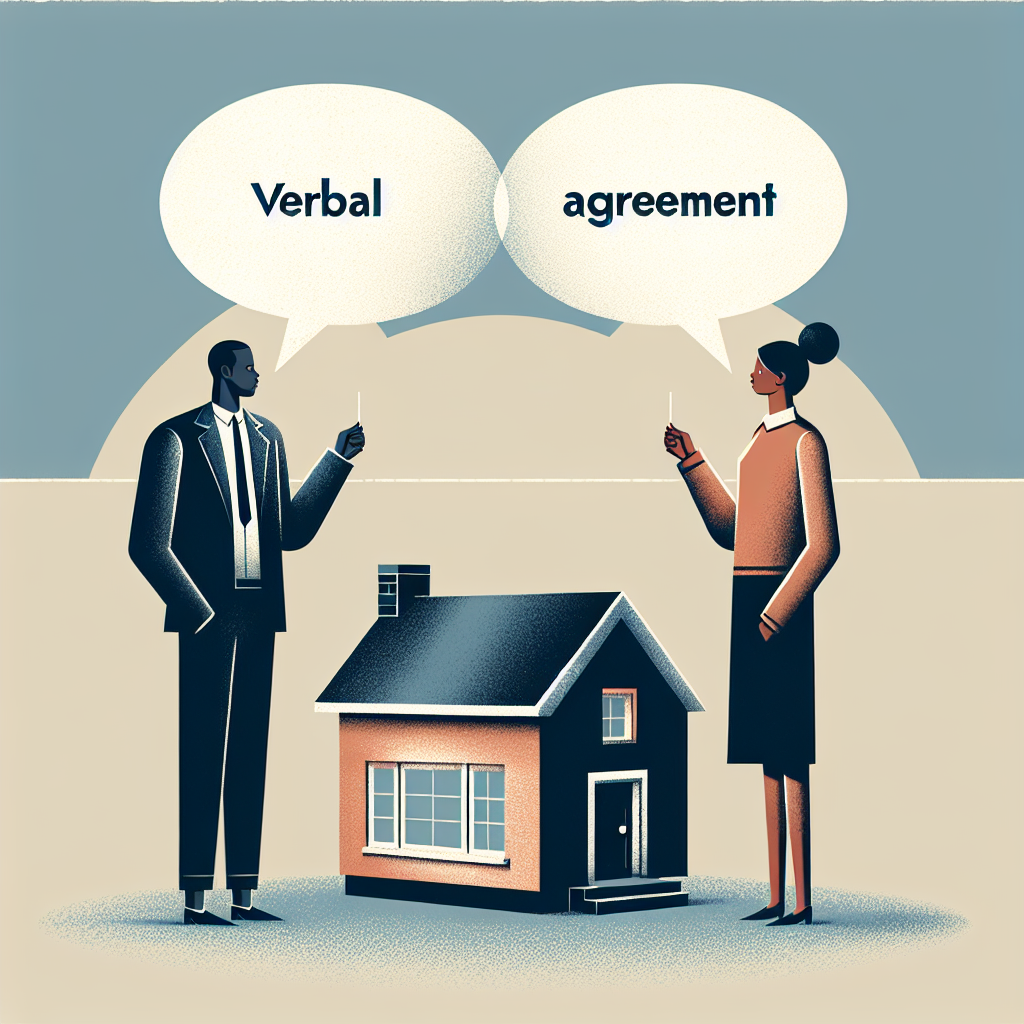
A verbal agreement, also known as an oral agreement, is a mutual understanding or arrangement between two or more parties made through spoken communication. It does not involve any written documentation and is typically based on the trust and verbal assurance of the involved parties.

Definition

A verbal agreement is a contract formed solely by the spoken word, without any written documentation. It is a legally binding agreement as long as certain conditions and requirements are met.

Enforceability

Verbal agreements are generally enforceable in a court of law, although the enforceability may vary depending on various factors such as the nature of the agreement and the jurisdiction in which it was made. However, proving the existence and terms of a verbal agreement can often be challenging as there is a lack of tangible evidence.

The Statute of Frauds

The Statute of Frauds is a legal doctrine that requires certain contracts to be in writing in order to be enforceable. Although the specifics of the statute can vary between jurisdictions, it typically applies to certain types of contracts, including those related to real estate transactions.

Purpose

The purpose of the Statute of Frauds is to promote certainty and prevent fraudulent claims by requiring written evidence of important agreements. It provides protection to parties involved in significant transactions, such as those relating to the transfer of property.

Requirements

In the context of real estate transactions, the Statute of Frauds generally requires that contracts for the sale, purchase, or transfer of land must be in writing to be enforceable. The written agreement must contain essential terms and be signed by the party against whom enforcement is sought.

Are Verbal Agreements Binding In Real Estate Transactions?

This image is property of images.pexels.com.

Exception: Part Performance

While the Statute of Frauds generally requires written agreements for real estate transactions, there is an exception known as “part performance.” Part performance allows for the enforcement of oral agreements even if they do not meet the statutory requirements.

Definition

Part performance refers to the partial fulfillment of the terms of an oral agreement. In the context of real estate, it often involves the actual payment of money, possession of the property, or substantial improvements made to the property.

Requirements

To invoke part performance as an exception to the Statute of Frauds, certain requirements must typically be met. These may include the payment of a substantial amount of the purchase price, taking possession of the property, and making significant improvements or alterations that would not have been made unless the oral agreement existed.

Potential Issues with Verbal Agreements

While verbal agreements may be legally binding, there are several potential issues that can arise due to their informal nature.

Lack of Evidence

One of the primary challenges with verbal agreements is the lack of tangible evidence. Without written documentation, it can be difficult to prove the existence and terms of the agreement if a dispute arises. This makes it crucial to have some form of documentation or evidence to support the claims made.

Misunderstandings

Verbal agreements are susceptible to misunderstandings and misinterpretations. Without the clarity that written agreements provide, the parties may have different understandings of the terms and conditions, potentially leading to conflicts and disputes.

Disputes

When disputes arise from verbal agreements, the resolution process can be more complex and time-consuming compared to those involving written agreements. The lack of clear terms and evidence can lead to prolonged litigation and increased legal costs for both parties involved.

Are Verbal Agreements Binding In Real Estate Transactions?

This image is property of images.pexels.com.

Benefits of Written Agreements

While verbal agreements may be valid, utilizing written agreements in real estate transactions offers several key advantages.

Clear Terms

Written agreements provide the opportunity to clearly define and outline the terms and conditions of the agreement. This includes the purchase price, payment terms, closing date, and any contingencies or conditions that must be met. Having these terms in writing helps avoid misunderstandings and provides a solid foundation for the parties’ rights and obligations.

Proof of Intent

Written agreements serve as proof of the parties’ intent and understanding at the time the agreement was made. This can be crucial in situations where disputes or disagreements arise, as the written agreement acts as a document of reference for the parties and the court, if necessary.

Protecting the Parties

Written agreements provide a level of protection to both parties involved in a real estate transaction. By clearly outlining the responsibilities and obligations of each party, potential issues and disputes can be mitigated. Additionally, written agreements can include provisions for contingencies, such as inspections, financing, or repairs, which can protect both the buyer and seller.

Examples of Verbal Agreements in Real Estate

Verbal agreements are relatively common in the real estate industry, despite the risks involved. Some examples include verbal offers, oral contracts, and handshake deals.

Verbal Offers

In competitive real estate markets, it is not uncommon for prospective buyers to make verbal offers on properties. While verbal offers are not legally binding, they can serve as the basis for negotiation and can be later formalized in a written agreement if accepted by the seller.

Oral Contracts

In some situations, parties may enter into oral contracts for the sale or purchase of real estate. While risky, oral contracts can be legally binding if all the essential elements of a valid contract are present.

Handshake Deals

Handshake deals, although informal, can be considered verbal agreements. They often involve an agreement between the buyer and seller reached through a simple handshake. While these agreements lack the formalities of a written contract, they can still be enforceable under certain circumstances.

Are Verbal Agreements Binding In Real Estate Transactions?

This image is property of images.pexels.com.

Recognizing Oral Contracts

Understanding the elements of a valid contract can help in recognizing and assessing the validity of an oral contract in the context of real estate transactions.

Elements of a Valid Contract

For an oral contract to be valid, it must generally include the following elements:

  1. Offer: One party must make a clear and definite offer to another party.
  2. Acceptance: The other party must accept the offer without any undue conditions or modifications.
  3. Consideration: There must be a mutual exchange of something of value, such as money or property.
  4. Parties with Legal Capacity: Both parties must have the legal capacity to enter into a contract, meaning they must be of legal age and mentally competent.
  5. Meeting of the Minds: There must be a meeting of the minds, where both parties have a clear understanding of the terms and intend to be bound by them.

Meeting of the Minds

The concept of a meeting of the minds refers to the mutual understanding and agreement of the parties on the essential terms of the contract. It is crucial in determining the enforceability of an oral contract, as misunderstandings or lack of agreement can invalidate the contract.

Consideration

Consideration is an essential element of a valid contract and refers to something of value exchanged between the parties. In a real estate context, consideration may include the agreed-upon purchase price or any other benefits or promises made by each party.

Enforcing Verbal Agreements

Enforcing verbal agreements can be challenging due to the lack of written evidence. However, there are certain avenues available for parties seeking to enforce these agreements.

Burden of Proof

The burden of proof lies with the party seeking to enforce the verbal agreement. They must present sufficient evidence to prove the existence and terms of the agreement. This can include witness testimonies, emails, text messages, or any other evidence that supports their claims.

Oral Evidence

In some jurisdictions, oral evidence, such as testimony from the parties involved or other witnesses, may be admissible to prove the existence and terms of a verbal agreement. However, the weight given to oral evidence can vary, and it is generally considered less reliable than written evidence.

Specific Performance

In certain circumstances, a court may order specific performance, which requires a party to fulfill their obligations under the verbal agreement. Specific performance typically applies when monetary damages are insufficient to compensate for the breach of the agreement. However, obtaining specific performance for a verbal agreement can be challenging and may require strong evidence and legal arguments.

Are Verbal Agreements Binding In Real Estate Transactions?

Legal Requirements for a Binding Verbal Agreement

While verbal agreements can be binding, certain legal requirements must be met to ensure their enforceability.

Mutual Agreement

A mutual agreement is essential for a verbal agreement to be binding. All parties must understand and agree upon the terms and conditions of the agreement. Without mutual agreement, there is no meeting of the minds, and the agreement may be deemed invalid.

Parties with Legal Capacity

For a verbal agreement to be binding, all parties involved must have the legal capacity to enter into a contract. This means they must be of legal age and mentally competent. If any party lacks legal capacity, the agreement may be voidable.

Offer and Acceptance

Verbal agreements, like written agreements, require a clear offer and acceptance. One party must make an offer, and the other party must accept the offer without imposing any undue conditions or modifications. The offer and acceptance must be communicated clearly and effectively for the agreement to be valid.

Practical Tips for Real Estate Transactions

When engaging in real estate transactions, it is always advisable to follow certain practical tips to minimize risks and ensure a smooth process.

Always Have Written Agreements

Given the potential issues with verbal agreements, it is strongly recommended to have written agreements for all real estate transactions. Written agreements provide a clear record of the terms, protect the parties’ rights, and reduce the likelihood of misunderstandings or disputes.

Consult an Attorney

Real estate transactions can be complex, and legal advice from an experienced attorney can be invaluable. An attorney can guide you through the process, ensure that all legal requirements are met, and draft or review the necessary written agreements to protect your interests.

Record Conversations or Agreements

To strengthen the validity of verbal agreements, it is advisable to keep a record of conversations and agreements whenever possible. This can be done through written notes, emails, or even audio recordings. Such documentation can serve as helpful evidence in case of disputes or disagreements.

In conclusion, while verbal agreements can be binding in real estate transactions, they come with inherent risks and challenges. The Statute of Frauds imposes certain requirements for enforceability, but exceptions like part performance may offer some relief. However, written agreements provide clear terms, proof of intent, and better protection for all parties involved. Recognizing the elements of a valid contract and understanding how to enforce verbal agreements can be crucial in navigating the complexities of real estate transactions. It is always wise to follow practical tips, such as having written agreements, seeking legal advice, and documenting agreements to ensure a smoother and more secure process.

Are Verbal Agreements Binding In Real Estate Transactions?

How Can I Manage Multiple Rental Properties Efficiently?

Managing multiple rental properties efficiently can be a daunting task, but with the right strategies and tools, it becomes much more manageable. In this article, discover practical tips and techniques that will help you streamline your operations, maximize your profits, and ensure tenant satisfaction across all your rental properties. From leveraging technology to implementing systems for maintenance and communication, you’ll find valuable insights to help you navigate the challenges of managing multiple rental properties with ease. Managing multiple rental properties efficiently can be a challenging task, but with the right systems and processes in place, it can become much more manageable. In this article, we will explore various strategies and techniques that can help you streamline your property management operations and ensure smooth and successful management of your rental portfolio.

Setting Up Systems and Processes

Use Property Management Software

One of the most effective ways to manage multiple rental properties efficiently is by utilizing property management software. These software solutions offer a wide range of features and tools that can streamline various tasks, such as rent collection, lease management, tenant screening, and maintenance tracking. By centralizing all property-related information and processes in one place, property management software can help you save time and minimize errors.

Create a Standardized Rental Application Process

To efficiently manage multiple rental properties, it is essential to establish a standardized rental application process. By having a consistent screening process in place, you can ensure that all prospective tenants are evaluated based on the same criteria. This can help you identify qualified tenants quickly and make informed decisions while reducing the risk of discrimination or bias.

Implement Effective Communication Channels

Clear and effective communication is key to successful property management. By implementing efficient communication channels, such as email, phone, or text messages, you can stay connected with tenants, contractors, and other stakeholders. Promptly responding to inquiries, addressing concerns, and providing updates can help build trust and maintain positive relationships.

Develop a Maintenance and Repair System

Maintaining the condition of your rental properties is crucial to attract and retain tenants. Establishing a maintenance and repair system can help you stay organized and ensure timely handling of maintenance requests. Regular inspections, preventive maintenance, and prompt response to repair needs can help prevent larger issues and ensure tenant satisfaction.

Establish Tenant Screening Criteria

Tenant screening is an essential part of managing multiple rental properties efficiently. By establishing clear tenant screening criteria, you can identify potential red flags and select tenants who are likely to be responsible and reliable. Consider factors such as credit history, income verification, rental history, and references to ensure you choose tenants who meet your standards.

Organizing Finances and Bookkeeping

Create a Separate Bank Account for Rental Income

To maintain financial clarity and accurate record-keeping, it is essential to create a separate bank account exclusively for rental income. This not only helps you track income and expenses more efficiently but also makes tax preparation easier. Additionally, having a dedicated account ensures that rental income is not mixed with personal funds, reducing the risk of confusion or errors.

Track Income and Expenses

Managing multiple rental properties involves handling various income sources and expenses. It is crucial to track these financial aspects accurately to assess the profitability of your rental portfolio and make informed financial decisions. Using a robust accounting system or spreadsheet can help you categorize income and expenses, monitor cash flow, and generate detailed financial reports.

Set Up an Efficient Bookkeeping System

A well-organized bookkeeping system is indispensable when managing multiple rental properties. Consider using cloud-based accounting software or hiring a professional bookkeeper to maintain accurate records and streamline financial management tasks. This can help you stay on top of rent payments, track expenses, prepare tax documents, and maintain compliance with financial regulations.

Manage Security Deposits Properly

Security deposits are an important aspect of renting properties. It is crucial to handle security deposits properly to comply with legal requirements and maintain transparency with tenants. Establish a systematic process for collecting, holding, and returning security deposits, ensuring compliance with local laws and regulations. Consider maintaining separate accounts for security deposits to avoid commingling funds.

How Can I Manage Multiple Rental Properties Efficiently?

This image is property of images.pexels.com.

Streamlining Tenant Management

Use Online Rental Listings

With the rise of technology, online rental listings have become an essential tool for attracting potential tenants efficiently. List your rental properties on popular rental listing websites or use dedicated property management software with built-in listing capabilities. Providing detailed property information, high-quality photos, and accurate rental rates can help you attract qualified tenants and reduce the time it takes to fill vacancies.

Automate Rent Collection

Automating rent collection can significantly simplify the management of multiple rental properties. Implement an online rent collection system that allows tenants to pay rent electronically, reducing the need for manual payment processing. This not only saves time but also minimizes the risk of lost or delayed payments. Automated rent collection systems can also send reminders to tenants, improving timeliness and reducing rent arrears.

Set Clear Expectations with Tenants

Clear communication and setting expectations from the start can prevent misunderstandings and ensure positive relationships with tenants. Provide tenants with a comprehensive lease agreement that outlines their rights and obligations, including rent payment schedules, maintenance responsibilities, and any specific rules or policies. Regularly communicate with tenants to address concerns and reinforce expectations, maintaining a harmonious landlord-tenant relationship.

Handle Lease Agreements and Renewals Efficiently

Managing lease agreements and renewals for multiple rental properties can be time-consuming. Streamline the process by utilizing property management software or templates to generate lease agreements. Set reminders for lease expiration dates and initiate discussions with tenants in advance to negotiate lease renewals or new terms. Having an efficient process in place helps minimize vacancies and ensures a smooth transition for both parties.

Maintaining the Properties

Schedule Regular Property Inspections

Regular property inspections are vital to proactively identify and address any maintenance or safety issues. Establish a schedule for conducting inspections across your rental properties, considering both the frequency and thoroughness of each inspection. Document any maintenance needs or concerns, and promptly address them to maintain the value and appeal of your properties.

Conduct Preventive Maintenance

Preventive maintenance plays a crucial role in managing multiple rental properties efficiently. Develop a preventive maintenance plan that includes regular servicing of HVAC systems, plumbing checks, and appliance maintenance. By addressing minor issues before they escalate into major problems, you can minimize the risk of unexpected and costly repairs, increase the lifespan of equipment, and ensure a safe and comfortable living environment for your tenants.

Respond Promptly to Maintenance Requests

Addressing maintenance requests in a timely manner is essential to maintaining tenant satisfaction and preventing further damage to your rental properties. Establish a process for receiving and responding to maintenance requests efficiently. Utilize property management software or a dedicated maintenance tracking tool to document and prioritize requests, assign them to appropriate contractors, and track the status of each request until completion.

Keep Detailed Documentation

Maintaining detailed documentation is crucial when managing multiple rental properties. Document all communication with tenants, contractors, and other stakeholders. Keep records of inspection reports, maintenance and repair history, financial transactions, lease agreements, and any other relevant documentation. This documentation can prove invaluable in resolving disputes, tracking expenses, and ensuring compliance with legal and financial obligations.

How Can I Manage Multiple Rental Properties Efficiently?

This image is property of images.pexels.com.

Ensuring Legal Compliance

Stay Updated on Landlord-Tenant Laws

Keeping up to date with landlord-tenant laws and regulations is essential to avoid legal issues and ensure compliance. Familiarize yourself with federal, state, and local laws pertaining to landlord-tenant relationships, such as rent control, eviction procedures, anti-discrimination laws, and property maintenance requirements. Regularly review relevant legislation and consult legal professionals when necessary to ensure you stay compliant.

Obtain Proper Licenses and Permits

Before renting out properties, make sure you have obtained all necessary licenses and permits required by your local jurisdiction. Licensing requirements may vary depending on the type of property, location, and specific regulations. Failure to obtain the proper permits can result in fines or even the invalidation of lease agreements. Research and understand the licensing requirements in your area to ensure compliance.

Comply with Fair Housing Laws

Fair housing laws prohibit discrimination in housing based on race, color, religion, sex, national origin, familial status, or disability. It is essential to familiarize yourself with these laws, understand their implications, and ensure compliance at all stages of the rental process, from advertising to tenant selection. Treat all applicants and tenants equally, and avoid any discriminatory practices or policies.

Maintain Proper Insurance Coverage

Insurance is a critical aspect of managing multiple rental properties. Adequate insurance coverage can protect your properties and minimize financial risks. Consider obtaining landlord insurance, which typically covers property damage, liability, and loss of rental income. Additionally, verify if additional coverage is required for specific risks, such as floods or earthquakes. Regularly review your insurance policies to ensure they adequately cover your properties and align with your evolving needs.

Hiring and Managing a Reliable Support Team

Outsource Property Management Tasks

If managing multiple rental properties becomes overwhelming, consider outsourcing some property management tasks. Property management companies can handle various responsibilities, such as rent collection, tenant screening, maintenance coordination, and lease administration. Outsourcing these tasks allows you to focus on strategic decisions and overall portfolio management. Do thorough research, seek recommendations, and select a reputable property management company that aligns with your goals.

Hire a Property Manager

If you prefer to retain control over the management of your properties, hiring a property manager can be an effective solution. A property manager can oversee day-to-day operations, handle tenant communication, coordinate maintenance, and ensure legal compliance. When hiring a property manager, prioritize experience and expertise in managing similar rental properties, as well as strong communication and organizational skills.

Engage Reliable Contractors and Suppliers

Building a network of reliable contractors and suppliers is crucial to efficiently manage multiple rental properties. Establish relationships with contractors and vendors specializing in maintenance, repairs, and improvements. Seek recommendations from peers or property management associations to find service providers with a proven track record of quality work, reasonable rates, and prompt response times. Regularly evaluate the performance of contractors to maintain the highest standards of service.

Establish Effective Communication with the Team

Clear and effective communication with your support team is essential to ensure efficient property management. Establish regular communication channels with property management companies, property managers, contractors, suppliers, and other stakeholders involved in managing your rental properties. Regularly communicate expectations, provide necessary information, and address any concerns or questions promptly to maintain a collaborative and productive working relationship.

How Can I Manage Multiple Rental Properties Efficiently?

This image is property of images.pexels.com.

Implementing Time-Saving Technology

Use Smart Home Technology

Smart home technology can streamline various aspects of managing multiple rental properties. Install smart devices, such as thermostats, locks, and security systems, that can be remotely controlled and monitored. This technology allows you to manage your properties efficiently, conserve energy, enhance security, and provide modern amenities to attract tenants.

Implement Online Tenant Portals

Online tenant portals are valuable tools for efficient property management. Tenant portals enable tenants to submit maintenance requests, view lease agreements, pay rent, and access important documents online. This reduces paperwork, promotes self-service for tenants, and provides a centralized platform for communication and transactions.

Automate Repetitive Tasks

Automating repetitive tasks can save time and improve efficiency when managing multiple rental properties. Consider utilizing automation tools for tasks such as rent reminders, lease renewals, and generating financial reports. Property management software often offers automation features that can streamline these processes, enabling you to focus on more strategic aspects of property management.

Utilize Property Management Apps

Property management apps provide an all-in-one solution for managing multiple rental properties on the go. These apps typically offer features such as rent collection, expense tracking, communication tools, maintenance coordination, and financial reporting. By using property management apps, you can access and manage property-related information from anywhere, enhancing flexibility and productivity.

Effective Tenant Communication

Establish Open Lines of Communication

Maintaining open lines of communication with tenants is essential for efficient property management. Encourage tenants to reach out with inquiries, concerns, or feedback, and provide multiple ways for them to contact you, such as phone, email, or text messages. Create a welcoming and approachable atmosphere that encourages tenants to communicate openly, fostering strong tenant-landlord relationships.

Use Email and Text Message Communication

Email and text message communication are efficient and convenient ways to engage with tenants. Utilize these channels for routine communication, such as rent reminders, maintenance updates, or lease agreement notifications. Email and text message communication allow you to provide tenants with important information promptly, while also maintaining clear records of past communication.

Provide Timely Responses to Inquiries

Promptly responding to tenant inquiries is crucial for maintaining tenant satisfaction and avoiding potential issues. Establish a system for monitoring and responding to tenant inquiries in a timely manner. Ideally, aim to respond to most inquiries within 24 hours, addressing any concerns or questions promptly. Efficient communication demonstrates your commitment to tenant needs and fosters a positive rental experience.

Use Cloud-Based Document Sharing

Cloud-based document sharing platforms, such as Dropbox or Google Drive, can streamline communication and information sharing with tenants. Upload important documents, such as lease agreements, move-in checklists, or property rules and regulations, to a shared folder that tenants can access securely. This eliminates the need for physical copies and allows tenants to easily reference documents when needed.

How Can I Manage Multiple Rental Properties Efficiently?

Proactive Risk Management

Perform Background and Credit Checks on Potential Tenants

Thoroughly screening potential tenants is crucial for risk management when managing multiple rental properties. Conduct comprehensive background and credit checks to assess the reliability and financial stability of applicants. Consider verifying income, rental history, and contacting references. This due diligence helps minimize the risk of rental payment defaults, property damage, or disruptive behavior.

Obtain Adequate Insurance Coverage

Insurance is a critical component of risk management for rental properties. Ensure that you have adequate insurance coverage to protect your properties from potential risks, such as fire, theft, liability claims, or natural disasters. Conduct regular reviews of your insurance policies to ensure that they cover all properties, are up to date, and align with changes in your rental portfolio.

Address Safety Concerns

Maintaining a safe living environment for tenants is paramount. Regularly assess your rental properties for potential safety hazards, such as faulty electrical wiring or trip hazards, and address them promptly. Install and maintain appropriate safety measures, such as smoke detectors, carbon monoxide detectors, and fire extinguishers. Implement security measures, such as adequate lighting and secure entry systems, to enhance tenant safety.

Maintain Emergency Preparedness

Being prepared for emergencies is an essential aspect of risk management. Develop and communicate emergency response plans for your rental properties. Provide tenants with clear instructions on what actions to take during emergencies, such as fires, floods, or severe weather events. Regularly inspect and maintain emergency equipment, such as fire extinguishers and emergency exits, to ensure they are functional and compliant with safety regulations.

Constant Learning and Improvement

Stay Updated with Industry Trends and Best Practices

Staying informed about industry trends and best practices is crucial for continuous improvement in property management. Regularly read industry publications, attend webinars, or participate in professional development courses to stay abreast of the latest trends, regulations, and innovative property management techniques. This ongoing learning process ensures that you remain proactive and adaptive in managing your rental properties.

Join Landlord Associations or Networks

Joining landlord associations or networks provides valuable opportunities for networking, knowledge sharing, and access to resources. These associations often offer educational events, forums, and newsletters that can help you stay informed and connected with other property owners and industry professionals. Being part of a supportive community allows you to learn from others’ experiences and gain valuable insights into effective property management.

Seek Feedback and Reviews from Tenants and Peers

Feedback from tenants and peers is an invaluable source of information that can help you identify areas for improvement and enhance tenant satisfaction. Regularly seek feedback from tenants through surveys or open communication channels. Engage in discussions and share experiences with other property owners or property management professionals to exchange insights, gain new perspectives, and learn from each other.

Attend Property Management Seminars or Workshops

Attending property management seminars or workshops provides opportunities for professional development and skill enhancement. These events often feature industry experts who share their expertise and insights on various property management topics. By participating in seminars or workshops, you can expand your knowledge, learn new strategies, and gain practical tips to manage your rental properties more effectively.

In conclusion, managing multiple rental properties efficiently requires a comprehensive approach that encompasses various systems, processes, and strategies. By implementing property management software, establishing standardized processes, organizing finances, streamlining tenant management, maintaining properties, ensuring legal compliance, hiring a reliable support team, utilizing time-saving technology, adopting effective tenant communication practices, implementing proactive risk management strategies, and pursuing continuous learning, you can optimize your property management operations and achieve long-term success in managing your rental portfolio.

How Can I Manage Multiple Rental Properties Efficiently?

How Do I Choose The Right Type Of Roofing Material?

When it comes to choosing the right type of roofing material, the options can seem overwhelming. With so many different types available, it can be difficult to know which one is best suited for your needs. However, making the right decision is crucial as your roof is a vital component of your home’s protection and aesthetics. Don’t worry though, because in this article, you will find all the information you need to navigate through the world of roofing materials and make an informed choice that fits your style, budget, and climate conditions.

Factors to consider when choosing roofing material

When it comes to choosing the right roofing material for your home, there are several factors you should take into consideration. These factors can help guide you in making an informed decision that will not only meet your needs but also prioritize your budget and aesthetic preferences. Some of the key factors to consider include climate, cost, durability, maintenance, and aesthetics.

Climate

One of the most important factors to consider when choosing a roofing material is the climate in your area. Different materials perform differently in various weather conditions, so it’s crucial to select a material that can withstand the elements in your region. For example, if you live in an area with high winds or frequent storms, you’ll want to choose a material that is resistant to damage from wind and hail. Similarly, if you live in an area with extreme heat or cold temperatures, you’ll want to choose a material that can withstand those conditions without deteriorating.

Cost

Another important factor to consider is the cost of the roofing material. It’s essential to set a budget for your roofing project and choose a material that fits within that budget. Keep in mind that not only the upfront cost of the material but also the installation and long-term maintenance costs should be taken into account. While some roofing materials may be more expensive initially, they may also last longer and require less maintenance, making them a more cost-effective choice in the long run.

Durability

Durability is a crucial factor to consider when selecting a roofing material because it determines how long your roof will last and how well it will withstand wear and tear. Some materials, such as metal roofing, are highly durable and can last for decades, while others, like asphalt shingles, have a more limited lifespan. Consider the durability of the different materials and choose one that aligns with your expectations in terms of longevity.

Maintenance

The level of maintenance required for a particular roofing material is another important factor to consider. Some materials, such as wood shingles and shakes, require regular maintenance, including inspections, cleaning, and periodic treatments to prevent rot and insect damage. On the other hand, materials like fiber cement or metal roofing may require minimal maintenance, making them more suitable for homeowners looking for a low-maintenance option. Consider the time and effort you’re willing to invest in maintaining your roof when making your decision.

Aesthetics

Lastly, consider the aesthetic appeal of different roofing materials. Your roof plays a significant role in the overall appearance of your home, so it’s important to choose a material that complements the architectural style and enhances the curb appeal. Some materials, like slate roofing, have an elegant and timeless look, while others, such as asphalt shingles, offer a wide range of colors and styles to choose from. Take into account your personal taste and the desired aesthetic of your home when selecting a roofing material.

How Do I Choose The Right Type Of Roofing Material?

This image is property of images.pexels.com.

Different types of roofing materials

Now that you are aware of the key factors to consider when choosing roofing material, let’s explore the different options available to homeowners. Each type of material has its own unique characteristics and attributes, which make them suitable for different purposes and preferences.

Asphalt shingles

Asphalt shingles are the most popular and widely used roofing material in the United States. They are affordable, easy to install, and come in a variety of colors and styles. Asphalt shingles are made from a fiberglass or organic mat, which is coated with asphalt and mineral granules for added durability. While they are a cost-effective option, it’s important to note that asphalt shingles have a limited lifespan compared to some other materials, typically ranging from 15 to 30 years.

Metal roofing

Metal roofing has gained popularity in recent years due to its durability and longevity. It is highly resistant to fire and can withstand extreme weather conditions, making it an excellent choice for areas prone to wildfires or storms. Metal roofing is also energy-efficient, as it reflects the sun’s heat and helps reduce cooling costs. However, one downside of metal roofing is that it can be noisy during rainstorms, so consider this if you live in an area with frequent rainfall.

Wood shingles and shakes

Wood shingles and shakes offer a natural and aesthetically pleasing option for homeowners looking to add warmth and charm to their homes. They are highly durable and can last for several decades with proper maintenance. However, wood roofing requires regular upkeep, including periodic inspections, cleaning, and treatments to prevent rot and insect damage. Additionally, wood roofing is not fire-resistant, so it may not be suitable for areas prone to wildfires.

Slate roofing

If elegance and longevity are top priorities for you, slate roofing is an excellent choice. Slate is a natural stone that is exceptionally durable and can last for over a century with proper installation and maintenance. It is also fire-resistant, making it a safe option for homeowners. However, it’s important to note that slate roofing is expensive and quite heavy, requiring additional structural support during installation.

Clay or concrete tiles

Clay or concrete tiles offer a durable and fireproof option for homeowners seeking a Mediterranean or Spanish-style look. They come in a variety of colors and styles, allowing you to achieve a unique and distinctive aesthetic. However, clay and concrete tiles are heavy, and your roof may require additional structural support to bear their weight. They are also fragile and can break under heavy pressure, so it’s important to consider the potential for falling branches or debris.

Fiber cement

Fiber cement roofing is an affordable and low-maintenance option that offers the appearance of other materials, such as wood or slate. It is resistant to fire, insects, and rot, making it a durable choice for homeowners. Fiber cement roofing requires professional installation, as it is heavy and requires special handling.

Rubber roofing

Rubber roofing, also known as ethylene propylene diene monomer (EPDM) roofing, is highly durable and long-lasting. It is resistant to extreme weather conditions, including UV rays and hail, and can last for over 50 years with proper maintenance. Rubber roofing is also energy-efficient, as it helps insulate the home and reduce heating and cooling costs. However, the upfront cost of rubber roofing tends to be higher compared to some other materials.

Synthetic roofing

Synthetic roofing materials, such as synthetic slate or composite shingles, offer the look of natural materials at a lower cost. They are lightweight, durable, and resistant to fire and extreme weather conditions. Synthetic roofing is available in a wide range of colors and styles, allowing homeowners to achieve their desired aesthetic without breaking the bank.

How Do I Choose The Right Type Of Roofing Material?

This image is property of images.pexels.com.

Conclusion

Choosing the right roofing material for your home is a decision that should be carefully considered. Take into account factors such as climate, cost, durability, maintenance, and aesthetics to guide your decision-making process. It’s also important to consult with professionals and obtain estimates to ensure that you make an informed choice. By considering your specific needs and budget, comparing the pros and cons of different materials, and seeking expert advice, you can select a roofing material that will not only protect your home but also enhance its overall appearance.

How Do I Choose The Right Type Of Roofing Material?

This image is property of images.pexels.com.

How Do I Navigate The Legalities Of A Rent-to-own Agreement?

So, you’ve found yourself considering a rent-to-own agreement, but you’re feeling a bit overwhelmed by the legalities involved. No need to worry – we’ve got you covered! In this article, we’ll break down the essential aspects of navigating a rent-to-own agreement in a friendly and accessible way. Whether you’re a potential homeowner or a landlord, we’ll provide you with valuable insights and tips to ensure a smooth journey through the legal complexities of this unique arrangement. So, let’s dive in and demystify the world of rent-to-own agreements together!

Understanding Rent-to-Own Agreements

Rent-to-own agreements are a popular option for people who want to eventually own a property but may not have the means or credit score to secure a traditional mortgage. This type of arrangement allows you to rent a home for a certain period of time with the option to purchase it at the end of the agreed term. It can be a beneficial agreement for both parties involved. However, before entering into a rent-to-own agreement, it is crucial to fully understand its key features and legal implications.

Definition of a Rent-to-Own Agreement

A rent-to-own agreement, also known as a lease-option agreement, is a contract between a landlord (or property owner) and a tenant or renter. In this agreement, the tenant has the option to buy the property at a predetermined price at the end of the lease period. The key distinction between a rent-to-own agreement and a traditional rental agreement is the inclusion of an option to purchase the property.

How Do I Navigate The Legalities Of A Rent-to-own Agreement?

This image is property of images.unsplash.com.

Key Features of a Rent-to-Own Agreement

Rent-to-own agreements typically include certain key features that distinguish them from traditional rental agreements:

  1. Option Fee: The tenant typically pays an upfront fee, known as the option fee, which gives them the exclusive right to purchase the property within a specified period.

  2. Rent Credits: A portion of the monthly rent may be credited towards the purchase price of the property. Rent credits can provide an incentive for tenants to continue renting with the intention of buying.

  3. Purchase Price: The purchase price of the property is predetermined and typically locked in at the time the agreement is signed. This allows tenants to plan and work towards homeownership without having to worry about market fluctuations.

  4. Agreement Duration: Rent-to-own agreements often have a longer duration compared to traditional leases, typically ranging from one to three years. This gives tenants sufficient time to improve their financial situation and qualify for a mortgage.

Initial Considerations

Determining if Rent-to-Own is the Right Option for You

Before entering into a rent-to-own agreement, it is essential to assess whether it is the right option for you. Consider your long-term goals, financial stability, and readiness to take on the responsibilities of homeownership. Rent-to-own agreements can be advantageous if you have a steady income, a desire to own a home, and are willing to commit to the process.

Assessing Financial Readiness for a Rent-to-Own Agreement

Being financially prepared is crucial when considering a rent-to-own agreement. Evaluate your current credit score, debt-to-income ratio, and savings. If your credit score is not ideal, use the rent-to-own period to work on improving it. Additionally, ensure that you have a sufficient amount saved for a down payment and any potential repairs or maintenance costs that may arise.

How Do I Navigate The Legalities Of A Rent-to-own Agreement?

This image is property of images.unsplash.com.

Consulting a Real Estate Attorney

Importance of Legal Advice

When navigating the legalities of a rent-to-own agreement, it is strongly advised to seek guidance from a qualified real estate attorney. An attorney can review the agreement, explain its terms in detail, and help ensure that your rights and interests are protected. They will also help you understand the important legal implications associated with the agreement.

Choosing a Qualified Attorney

Selecting the right attorney is vital to the success and fairness of your rent-to-own agreement. Look for an attorney with experience in real estate law and a solid reputation. Consider seeking recommendations from trusted sources, such as friends, family, or local real estate professionals. Make sure to schedule a consultation to discuss your specific situation and gauge the attorney’s knowledge and responsiveness.

Reviewing the Agreement

Understanding the Terms and Conditions

Before signing any rent-to-own agreement, thoroughly review and understand all the terms and conditions stated in the document. Pay close attention to provisions regarding rent payments, option fees, rent credits, purchase price, and the duration of the agreement. If any clauses are unclear or ambiguous, seek clarification from your attorney or the landlord to avoid future disputes or misunderstandings.

Verifying Legal Compliance

Ensure that the rent-to-own agreement complies with all applicable laws and regulations. Your attorney can help ensure that the agreement meets legal standards and does not contain any unfair or illegal provisions. Additionally, verify that the property owner has the legal right to sell the property and that all necessary permits and certifications are in place.

How Do I Navigate The Legalities Of A Rent-to-own Agreement?

This image is property of images.unsplash.com.

Addressing Property Ownership

Clarifying Ownership Rights

One crucial aspect of a rent-to-own agreement is clarifying ownership rights during the rental period. Determine whether the tenant or the landlord retains ownership of the property during this time. Generally, the property owner will retain ownership until the purchase option is exercised, but it is essential to have this clearly stated in the agreement to avoid any confusion or disputes.

Understanding the Option Period

The option period refers to the duration during which the tenant has the exclusive right to purchase the property. This period is typically outlined in the rent-to-own agreement and can range from one to three years. It is important to be aware of the specific dates and deadlines associated with the option period to avoid losing the opportunity to exercise your purchase option.

Rent and Deposit Issues

Determining the Rent Amount

Rent amounts in a rent-to-own agreement are typically higher than market rates as a portion may be credited towards the purchase price. It is important to clearly establish the rent amount and the portion, if any, that will be credited towards the purchase. Additionally, determine the consequences of late or missed rent payments, as this may affect your ability to exercise the purchase option.

Examining the Security Deposit

It is important to understand the terms and conditions regarding the security deposit in a rent-to-own agreement. Determine the amount of the security deposit, how it will be held (such as in an escrow account), and the conditions under which it will be refunded or applied towards the purchase price. Seek clarification from your attorney to ensure that the deposit terms are fair and comply with local landlord-tenant laws.

How Do I Navigate The Legalities Of A Rent-to-own Agreement?

Maintenance and Repairs

Responsibility for Maintenance and Repairs

Another aspect to consider in a rent-to-own agreement is the responsibility for maintenance and repairs. Clarify the responsibilities of both the tenant and the landlord regarding routine maintenance, repairs, and major issues that may arise during the rental period. Additionally, discuss how repair costs will be handled, especially if they pertain to issues affecting the habitability or value of the property.

Negotiating Repair and Maintenance Terms

During the negotiation process, consider discussing and negotiating the repair and maintenance terms to ensure they align with your needs and expectations. For instance, address who will be responsible for the costs, timeframes for repairs to be completed, and the procedure for reporting maintenance issues. Your attorney can help you negotiate terms that are fair and reasonable for both parties.

Insurance Requirements

Determining Insurance Responsibilities

Insurance requirements are an important aspect of a rent-to-own agreement. Determine who is responsible for obtaining and paying for insurance coverage on the property during the rental period. Typically, the property owner will maintain insurance coverage, but it is essential to have this clearly stated in the agreement to avoid any misunderstandings or gaps in coverage.

Reviewing Insurance Coverage

Regardless of who is responsible for insurance coverage, it is crucial to review the policy and ensure that it provides adequate protection for both the tenant and the landlord. Review the coverage limits, exclusions, and deductibles to ensure that they align with your needs and expectations. If necessary, consult with an insurance professional to understand the policy and address any concerns.

How Do I Navigate The Legalities Of A Rent-to-own Agreement?

Default and Termination

Understanding Default Provisions

Rent-to-own agreements should clarify the consequences of default by either party. This includes outlining what is considered a default (e.g., missed payments, failure to maintain the property) and the remedies available to the non-defaulting party. Understanding the default provisions will help you navigate potential issues and determine the best course of action in the event of a default.

Exploring Termination Rights

Termination rights refer to the conditions under which either party can terminate the rent-to-own agreement before the end of the agreed term. It is important to understand the circumstances that allow for termination and any associated penalties or consequences. Discuss termination rights with your attorney to ensure that they are fair and provide adequate protection for both parties.

Resolving Disputes

Understanding Dispute Resolution Methods

Disputes can arise in any contract, including rent-to-own agreements. It is important to understand the available methods for resolving disputes. Mediation or arbitration are common methods used to resolve issues outside of the court system. These methods provide an opportunity for both parties to reach a mutually agreeable resolution with the help of a neutral third party.

Mediation vs. Arbitration

Mediation involves a neutral mediator who facilitates communication and negotiation between the parties to reach a resolution. In contrast, arbitration involves a neutral arbitrator who reviews the evidence and makes a final decision. Consult with your attorney to determine which dispute resolution method is best suited for your situation and include the preferred method in the rent-to-own agreement.

By thoroughly understanding the terms, seeking legal advice, and conducting due diligence, you can navigate the legalities of a rent-to-own agreement with confidence. This comprehensive approach will help protect your rights and interests, ensuring a smooth and successful transition towards homeownership. Remember, it is always wise to consult with a qualified real estate attorney to ensure that your rights are protected throughout the process.

How Often Should I Reassess The Market Value Of My Rental Property?

In the fast-paced world of real estate, keeping tabs on the market value of your rental property is crucial. Whether you are a seasoned investor or a first-time landlord, regularly reassessing the market value of your rental property helps ensure that you are getting the best return on your investment. It allows you to make informed decisions about rent prices, negotiate leases, and determine whether it’s the right time to sell. So, how often should you reassess the market value of your rental property? Let’s explore the answer to this important question.

1. Understanding Market Value

Market value refers to the estimated worth of a property in the current real estate market. It is determined by various factors, such as the property’s location, condition, demand, economic conditions, and trends. Understanding market value is crucial for property owners as it helps them make informed decisions about their investments and ensures they are maximizing their rental income. By assessing market value regularly, property owners can also stay competitive in the ever-changing real estate market.

Factors influencing market value

Several factors influence the market value of a rental property. These factors include the property’s location, demand, economic conditions, inflation and interest rates, and property improvements and upgrades. The location of a property plays a vital role in determining its value. Properties located in desirable neighborhoods or close to amenities such as schools, parks, and shopping centers tend to have higher market values. Property owners should also consider the prevailing demand for rental properties in the area, as this can impact the property’s value.

Economic conditions and trends also affect market value. During periods of economic prosperity, rental demand may increase, leading to higher property values. On the other hand, economic downturns can decrease rental demand and subsequently lower market values. Property owners should keep an eye on economic indicators and trends to understand the potential impact on their rental property’s market value.

Inflation and interest rates can significantly impact market values as well. High inflation rates can increase the cost of living and rental prices, potentially raising the market value of a property. Conversely, high-interest rates can discourage potential buyers and renters, leading to a decrease in market value. Property owners should consider these factors when reassessing the market value of their rental property.

Lastly, property improvements and upgrades can affect market value. Renovations and improvements that enhance the property’s appeal, functionality, and energy efficiency can increase its market value. Property owners should carefully consider the potential return on investment when deciding on improvements or upgrades.

Importance of assessing market value

Assessing the market value of a rental property is essential for several reasons. Firstly, it helps property owners determine the optimal rental income they can expect to generate. By understanding the market value, owners can set competitive rental prices that attract tenants and maximize their return on investment.

Regularly reassessing the market value of a rental property also enables property owners to make informed investment decisions. By staying updated on market trends and values, owners can identify opportunities for buying or selling properties at favorable prices. Understanding market value also helps owners mitigate financial risks, as they can adjust rental prices or make necessary improvements based on the property’s market value.

Lastly, staying competitive in the market is crucial for rental property owners. By reassessing market value regularly, owners can ensure that their rental prices are in line with current market rates. This ensures that the property remains attractive to potential tenants and reduces the risk of extended vacancies.

2. Determining the Initial Market Value

To determine the initial market value of a rental property, several steps need to be followed.

Researching the local real estate market

Start by researching the local real estate market, including recent property sales, rental prices, and overall market trends. This information can be obtained through various platforms such as real estate websites, local property listings, or by consulting with real estate professionals. By familiarizing yourself with the local market, you can gain insights into the property’s potential value.

Considering comparable rental properties

Another essential step is considering comparable rental properties in the area. Look for properties that have similar features, such as size, number of bedrooms, location, and amenities. By comparing the rental prices of similar properties, you can get an idea of the potential market value for your rental property.

Using online tools and resources

Utilize online tools and resources to estimate the market value of your rental property. There are various websites and software programs available that provide property valuations based on specific criteria. While these tools may not provide an exact market value, they can serve as a starting point for further evaluation.

By combining the information gathered through research, comparable rental properties, and online resources, you can determine the initial market value of your rental property. Keep in mind that this is an estimate and it is essential to reassess the market value regularly to account for changes in the real estate market.

How Often Should I Reassess The Market Value Of My Rental Property?

This image is property of images.unsplash.com.

3. Key Points to Consider

When assessing the market value of a rental property, there are several key points to consider.

Property location and demand

The location of a property is a crucial factor in determining its market value. Properties located in desirable neighborhoods or in close proximity to amenities tend to have higher values. Additionally, consider the demand for rental properties in the area. High demand can drive rental prices and market values up, while low demand may result in lower market values.

Economic conditions and trends

Economic conditions and trends play a significant role in the real estate market. During times of economic prosperity, rental demand and market values tend to increase. Conversely, economic downturns can lead to decreased demand and lower market values. Stay updated on economic indicators and trends to understand the potential impact on your rental property’s market value.

Inflation and interest rates

Inflation and interest rates can influence market values as well. High inflation rates can increase rental prices, potentially raising the market value of a property. Similarly, low-interest rates can attract buyers and renters, increasing market values. On the other hand, high-interest rates may discourage potential buyers and renters, leading to a decrease in market value. Consider these factors when reassessing the market value of your rental property.

Property improvements and upgrades

Property improvements and upgrades can have a significant impact on market value. Renovations or upgrades that enhance the property’s appeal, functionality, and energy efficiency can increase its market value. Consider investing in renovations or upgrades that offer a good return on investment. However, it is crucial to strike a balance between costs and potential returns. Evaluate the local market to determine the demand for specific improvements and upgrades before investing.

4. When to Reassess Market Value

Reassessing the market value of your rental property is crucial to ensure that you are making informed decisions and staying competitive in the real estate market.

Significant changes in the local market

It is essential to reassess market value when significant changes occur in the local real estate market. These changes may include shifts in property sales, new developments, or changes in rental demand. By staying updated on these changes, you can adjust your rental prices or make necessary improvements to maintain the property’s market value.

Every few years to stay updated

Market values can fluctuate over time due to various factors. Therefore, it is recommended to reassess the market value of your rental property every few years to stay updated. This allows you to adapt to changes in rental prices, demand, and overall market conditions.

When planning to sell or refinance

If you are planning to sell or refinance your rental property, reassessing the market value is crucial. It ensures that you have an accurate estimate of the property’s worth, enabling you to set an appropriate sale price or negotiate favorable loan terms.

After major renovations or improvements

Reassess the market value of your rental property after making significant renovations or improvements. This allows you to determine the impact of these changes on the property’s value and adjust your rental prices accordingly.

How Often Should I Reassess The Market Value Of My Rental Property?

This image is property of images.unsplash.com.

5. Benefits of Regular Reassessments

Regularly reassessing the market value of your rental property offers several benefits.

Ensuring optimal rental income

By staying updated on market values, you can ensure that you are charging an optimal rental price. This helps you maximize your rental income and maintain a competitive edge in the market.

Making informed investment decisions

Regular reassessments enable you to make informed investment decisions. By understanding the market value of your rental property, you can identify opportunities for buying or selling properties at favorable prices. This allows you to capitalize on potential gains or avoid risky investments.

Mitigating financial risks

By reassessing market value regularly, you can mitigate financial risks. Adjusting your rental prices or making necessary improvements based on the market value ensures that you are not overpricing or underpricing your property. This reduces the risk of extended vacancies and potential losses.

Staying competitive in the market

The real estate market is dynamic, and staying competitive is crucial. Regular reassessments help you stay updated on market trends and rental prices. By aligning your rental prices with the current market rates, you can attract tenants and reduce the risk of extended vacancies.

6. Methods for Reassessing Market Value

There are several methods you can utilize to reassess the market value of your rental property.

Hiring a professional appraiser

A reputable appraiser can provide an expert opinion on the market value of your rental property. They consider various factors such as location, condition, and recent property sales to determine the property’s value. While hiring an appraiser involves a cost, their unbiased assessment can offer valuable insights.

Comparative market analysis (CMA)

A comparative market analysis involves examining comparable properties in the area to estimate the market value of your rental property. By comparing rental prices, features, and location, you can determine how your property stacks up in the current market. Real estate agents can often provide CMAs based on their expertise and access to market data.

Utilizing real estate agents or property managers

Real estate agents or property managers can provide guidance and assistance in reassessing market value. They have access to market data and trends, enabling them to provide an estimate of your property’s market value. Their expertise in the local market can be a valuable resource.

Monitoring rental price trends

By monitoring rental price trends in the area, you can gain insights into the current market value. Stay updated on rental listings and recent property rentals to gauge the rental prices in your locality. This information can help you estimate the market value of your rental property.

How Often Should I Reassess The Market Value Of My Rental Property?

This image is property of images.unsplash.com.

7. Factors to Consider During Reassessments

Several factors should be considered when reassessing the market value of your rental property.

Comparable rental properties

Comparing rental properties that are similar in size, location, and amenities can provide a benchmark for determining the market value of your property. Evaluating the rental prices of comparable properties can help you gauge the current market value.

Changes in local amenities and infrastructure

Changes in local amenities and infrastructure can impact the market value of your rental property. Consider developments such as new schools, shopping centers, or transportation improvements, as these can influence rental demand and subsequently market values.

Rental demand and vacancy rates

Evaluating rental demand and vacancy rates in the area is crucial during reassessments. High rental demand and low vacancy rates can drive rental prices and market values up. Conversely, low demand and high vacancy rates can have the opposite effect.

Renovation and maintenance costs

Factors such as the cost of renovations and ongoing maintenance should be considered when reassessing market value. Renovations or improvements that enhance the property’s appeal and functionality can increase its market value. However, the cost of maintenance should also be factored in to evaluate the overall market value.

8. The Role of Rental Market Fluctuations

Understanding rental market fluctuations is important when reassessing the market value of your rental property.

Understanding market cycles

The rental market experiences cycles of growth, stability, and decline. Understanding these cycles can help property owners anticipate and adapt to changes in market values. By reassessing market value during different phases of the market cycle, you can make strategic decisions to maximize rental income.

Accounting for seasonal rental variations

Seasonal rental variations can affect market values. For example, in tourist destinations, rental prices may increase during peak seasons. By accounting for these seasonal variations, property owners can adjust their rental prices accordingly and ensure that they are not leaving money on the table.

Adapting to market demand and competition

Market demand and competition should be considered during reassessments. If there is an influx of rental properties or decreased rental demand in your area, it may be necessary to adjust the market value of your property to remain competitive. Regular reassessments allow you to adapt to changes in market demand and competition.

How Often Should I Reassess The Market Value Of My Rental Property?

9. The Importance of Staying Informed

Staying informed is crucial when reassessing the market value of your rental property. Here are some ways to stay updated:

Keeping up with industry news and updates

Stay informed about the real estate industry by keeping up with industry news, publications, and online resources. This allows you to gain insights into market trends, changes in regulations, and economic indicators that can impact market values.

Attending real estate seminars and workshops

Real estate seminars and workshops provide an opportunity to learn from experts and gain valuable knowledge about the market. By attending these events, you can stay updated on industry trends and gather insights into assessing market value.

Networking with other property owners

Networking with other property owners can provide valuable perspectives and insights into the local market. By joining real estate associations or attending networking events, you can exchange knowledge and experiences with other professionals in the industry.

Seeking advice from professionals

Consulting with real estate professionals such as appraisers, real estate agents, or property managers can provide valuable guidance during reassessments. Their expertise and knowledge of the local market can help you determine the accurate market value of your rental property.

10. Regular Maintenance and Upgrades

Regular maintenance and upgrades are essential for maximizing the market value of your rental property.

Investing in property maintenance

Regular property maintenance ensures that your rental property remains in good condition and maintains its market value. Addressing maintenance issues promptly can prevent them from escalating into more significant and costly problems. Regularly inspect the property and address any necessary repairs or maintenance tasks.

Upgrade considerations for increasing value

Consider investing in upgrades that can increase the market value of your rental property. Upgrades such as updated kitchens, bathrooms, or energy-efficient features can attract tenants and increase rental prices. However, it is essential to carefully evaluate the potential return on investment and consider the preferences and needs of the target rental market.

Balancing costs and potential returns

When considering maintenance and upgrades, it is crucial to strike a balance between costs and potential returns. Evaluate the local market to understand the demand for specific upgrades and renovations. This allows you to prioritize investments that can yield a significant increase in market value without exceeding the potential return.

By regularly maintaining and upgrading your rental property, you can ensure that it remains attractive to potential tenants and maximizes its market value.

In conclusion, reassessing the market value of your rental property is important for several reasons. It helps you understand the optimal rental income, make informed investment decisions, mitigate financial risks, and stay competitive in the market. By utilizing methods such as hiring appraisers, comparing rental properties, and monitoring rental price trends, you can gain an accurate estimate of the market value. Factors such as location, economic conditions, property improvements, and rental demand should be considered during reassessments. Staying informed through industry news, seminars, networking, and seeking professional advice is crucial. Finally, regularly maintaining and upgrading your rental property ensures that it remains attractive and maximizes its market value.

How Often Should I Reassess The Market Value Of My Rental Property?

What Should I Consider When Upgrading The Electrical System In An Older Home?

If you find yourself pondering over what factors to keep in mind when upgrading the electrical system in an older home, fear not! This article aims to provide you with valuable insights and considerations to ensure a smooth and efficient upgrade process. From assessing the existing electrical infrastructure to determining load requirements and safety precautions, we’ve got you covered. So, sit back, relax, and let us guide you through the ins and outs of upgrading an electrical system in an older home.

What Should I Consider When Upgrading The Electrical System In An Older Home?

This image is property of images.unsplash.com.

Assessing the Existing Electrical System

Evaluate the Age and Condition of the Wiring

Before upgrading the electrical system in your older home, it is crucial to start by assessing the age and condition of the existing wiring. Older homes may have outdated electrical systems that are no longer able to handle the demands of modern appliances and electronics. It is essential to determine if the wiring is in good condition or if it needs to be replaced or repaired.

Check for Grounding and Wiring Standards

Another important consideration when assessing the existing electrical system is to check for grounding and wiring standards. Older homes may not have the same grounding system as newer homes, and this can pose safety risks. Making sure that your electrical system is properly grounded is crucial to protect against electrical shocks and to prevent fire hazards.

Determine the Load Capacity of the System

In order to ensure that the upgraded electrical system meets your power needs, it is essential to determine the load capacity of the existing system. This involves calculating the total amount of power that your home requires and comparing it to the capacity of the current electrical system. By understanding the load capacity, you can determine if the system needs to be upgraded to accommodate your electrical needs.

Identifying Safety Concerns

Identify Outdated Electrical Panels

One of the safety concerns often found in older homes is outdated electrical panels. These panels may not have the capacity to handle the electrical demands of a modern household. Outdated panels can lead to overheating, electrical shorts, and even electrical fires. Identifying if your electrical panel is outdated and replacing it with a newer, safer model is crucial for the overall safety of your home.

Address Faulty Wiring and Insulation

Faulty wiring and insulation are common safety concerns in older homes. Over time, wiring can become damaged, frayed, or overloaded, leading to electrical malfunctions and fire hazards. Insulation may also deteriorate, exposing wires and increasing the risk of electrical shock. It is vital to address any faulty wiring and insulation issues during the upgrading process to ensure a safe electrical system.

Inspect for Overloaded Circuits

Older homes may not have enough electrical circuits to accommodate the number of appliances and gadgets we use today. Overloaded circuits can be a significant safety concern as they can lead to overheating and electrical fires. Inspecting your existing electrical circuits and addressing any overloaded circuits by adding additional circuits or redistributing electrical loads is essential to prevent these safety hazards.

Ensuring Compliance with Current Codes and Regulations

Research Local Electrical Codes

When upgrading the electrical system in an older home, it is crucial to research and familiarize yourself with the current electrical codes and regulations in your local area. Electrical codes are in place to ensure the safety of electrical systems and occupants. By understanding and adhering to these codes, you can ensure that your upgraded electrical system meets current safety standards.

Consult with a Professional Electrician

Upgrading an electrical system is a complex task that requires the expertise of a professional electrician. Consulting with a licensed electrician will ensure that the electrical upgrades in your older home are done correctly and safely. Electricians have the necessary knowledge and experience to advise on the best course of action, ensure compliance with codes, and provide quality workmanship.

Update Wiring to Comply with Safety Standards

To ensure compliance with safety standards, it may be necessary to update the wiring in your older home during the electrical system upgrade. This may involve replacing outdated wiring materials, such as knob and tube or aluminum wiring, with safer and more reliable options like copper wiring. Upgrading the wiring will enhance the safety and efficiency of your electrical system, providing peace of mind for you and your family.

Calculating Power Needs

Assess the Electrical Load

Calculating the electrical load involves determining the total amount of power that your home requires. This includes considering all the appliances, electronics, lighting fixtures, and other electrical devices that will be connected to the system. By assessing the electrical load, you can ensure that the upgraded electrical system can handle the power demands of your household without overloading or tripping circuit breakers.

Determine Voltage and Amps Requirements

In addition to assessing the electrical load, it is essential to determine the specific voltage and amperage requirements of the electrical system in your older home. This information will help guide the selection of appropriate wire sizes, circuit breakers, and other electrical components. Understanding the voltage and amps requirements will ensure that your upgraded electrical system operates safely and efficiently.

Consider Future Power Requirements

While it is important to calculate the current power needs of your home, it is also wise to consider future power requirements. As technology advances and your household’s needs evolve, it is essential to plan for potential upgrades or expansions in the future. By considering future power requirements during the electrical system upgrade, you can save time and money by anticipating and accommodating potential changes.

What Should I Consider When Upgrading The Electrical System In An Older Home?

This image is property of images.unsplash.com.

Upgrading the Electrical Panel

Evaluate Panel Capacity

The electrical panel is a crucial component of the electrical system as it serves as the control center for distributing power throughout the house. When upgrading the electrical system in an older home, it is vital to evaluate the capacity of the existing panel. Older panels may have limited breaker slots or lower amp capacities, which could restrict your ability to meet your power requirements. Assessing and upgrading the panel capacity if needed will ensure that your electrical system can handle the increased demands.

Consider a Panel Upgrade

If the existing electrical panel is outdated or does not meet the necessary capacity, considering a panel upgrade is a wise choice. Upgrading the panel will provide more breaker slots, higher amp capacities, and improved safety features such as arc fault circuit interrupters (AFCIs) and ground fault circuit interrupters (GFCIs). A new panel will not only enhance the safety and functionality of your electrical system but also increase the resale value of your home.

Select the Right Type of Circuit Breakers

When upgrading the electrical panel, it is important to select the right type of circuit breakers for your specific needs. Different breakers serve different functions, such as protecting against short circuits, overcurrents, or ground faults. Understanding the purpose and compatibility of various circuit breakers will ensure effective protection and efficient operation of your upgraded electrical system.

Rewiring the House

Inspect and Replace Outdated Wiring

During the upgrading process, it is crucial to inspect the existing wiring in your older home and address any outdated or unsafe wiring. Some common types of outdated wiring found in older homes include knob and tube wiring, aluminum wiring, and cloth-covered wiring. These types of wiring can be hazardous and need to be replaced with modern electrical cables for enhanced safety and reliability.

Upgrade to Modern Electrical Cables

When rewiring your older home, it is recommended to upgrade to modern electrical cables that meet current safety standards. Copper wiring, for example, is the most commonly used type today due to its high conductivity and resistance to corrosion. Upgrading to modern electrical cables will ensure that your electrical system operates safely and efficiently for years to come.

Consider Different Wiring Configurations

While rewiring your older home, it is also an opportune time to consider different wiring configurations that can enhance convenience and utility. This may involve adding additional outlets, relocating switches, or installing dedicated circuits for specific appliances or areas. Working with a professional electrician during this rewiring process will ensure that the new wiring configurations meet safety requirements and suit your specific needs.

What Should I Consider When Upgrading The Electrical System In An Older Home?

This image is property of images.unsplash.com.

Improving Grounding and Bonding

Assess Grounding System

Grounding is a critical aspect of an electrical system as it provides a safe path for electrical currents to flow into the ground in the event of a fault. Older homes may have inadequate grounding systems or lack grounding altogether. Assessing the grounding system during the electrical system upgrade will help identify any deficiencies and allow for necessary improvements to ensure electrical safety.

Install Proper Grounding and Bonding

To enhance the safety of your electrical system, it is important to install proper grounding and bonding components during the upgrade. This includes installing grounding electrodes, such as ground rods, and connecting them to the electrical system. Additionally, bonding metallic components, such as plumbing pipes and gas lines, helps ensure consistent grounding throughout the home, minimizing the risk of electrical shock and damage.

Consider Ground Fault Circuit Interrupters (GFCIs)

Ground fault circuit interrupters (GFCIs) are electrical devices designed to protect against electrical shocks in areas where water is present, such as kitchens, bathrooms, and outdoor areas. Upgrading to GFCIs during the electrical system upgrade will provide an extra layer of protection by quickly shutting off the circuit if a ground fault is detected. Installing GFCIs in appropriate locations will greatly enhance the safety of your older home’s electrical system.

Adding Additional Electrical Outlets

Identify Areas with Insufficient Outlets

In older homes, it is common to find areas with insufficient electrical outlets to meet modern needs. Identifying these areas and determining where additional outlets are required is an important step in upgrading the electrical system. Lack of outlets can result in the use of extension cords and power strips, which can overload circuits and increase the risk of electrical hazards.

Calculate Load for Additional Outlets

When adding additional electrical outlets, it is essential to calculate the load they will carry to ensure the electrical system can support them. Each outlet has a maximum load capacity, and exceeding that capacity can result in circuit overloads and circuit breaker trips. By calculating the load for additional outlets, you can ensure that the electrical system is properly designed and safely accommodates your power needs.

Plan Proper Wiring Layout

To ensure a functional and aesthetically pleasing electrical system, planning the proper wiring layout for additional outlets is crucial. This involves determining the best locations for outlets based on their intended uses, considering the distance from breaker panels, and avoiding overloading circuits. Working with a professional electrician during this planning phase will ensure that the new outlets are strategically placed and meet all safety requirements.

What Should I Consider When Upgrading The Electrical System In An Older Home?

Upgrading Lighting Fixtures

Evaluate Existing Lighting

Upgrading the lighting fixtures in your older home can greatly enhance both aesthetics and energy efficiency. Before choosing new fixtures, it is important to evaluate the existing lighting to determine its overall condition and functionality. This evaluation will help identify areas that may need additional lighting or where improvements can be made to better suit your lighting needs.

Consider Energy-Efficient Lighting Options

As part of the electrical system upgrade, consider selecting energy-efficient lighting options to reduce energy consumption and lower electricity bills. LED (Light Emitting Diode) lighting, for example, is highly efficient and has a longer lifespan compared to traditional incandescent bulbs. Upgrading to energy-efficient lighting not only reduces your environmental impact but also provides long-term cost savings.

Upgrade Wiring and Switches for New Fixtures

When upgrading lighting fixtures, it is important to evaluate the wiring and switches that will support the new fixtures. Older homes may have outdated or incompatible wiring and switches that need to be replaced or upgraded to properly accommodate the new lighting fixtures. Ensuring that the wiring and switches are suitable for the upgraded lighting will help prevent issues such as flickering lights or overloaded circuits.

Budgeting and Hiring Professionals

Determine a Realistic Budget

Upgrading the electrical system in an older home is an investment in both safety and functionality. It is important to determine a realistic budget for the project and take into consideration all aspects, including materials, labor costs, and any unexpected expenses that may arise. Creating a budget ensures that you can carry out the necessary upgrades effectively without compromising on quality or safety.

Get Multiple Quotes from Licensed Electricians

To ensure the success of your electrical system upgrade, it is crucial to hire a professional electrician who is licensed and experienced in working with older homes. By obtaining multiple quotes from different licensed electricians, you can compare prices, services offered, and the overall expertise of each contractor. This allows you to make an informed decision and select a professional who best suits your needs and budget.

Verify the Electrician’s Credentials and Experience

When hiring a professional electrician for the electrical system upgrade, it is important to verify their credentials and experience. Ensure that the electrician is properly licensed, insured, and has a positive reputation within the industry. Checking references and reading reviews can also provide valuable insight into the quality of their work. By verifying the electrician’s credentials and experience, you can have confidence in their abilities to handle the complexities of upgrading an older home’s electrical system.

In conclusion, upgrading the electrical system in an older home requires careful assessment, consideration of safety concerns, compliance with regulations, calculation of power needs, and appropriate planning. Working with a professional electrician will ensure that the upgrades are done safely, efficiently, and in compliance with current codes. By investing in an upgraded electrical system, you can enhance both the safety and functionality of your older home while enjoying the benefits of modern electrical technology.

What Should I Consider When Upgrading The Electrical System In An Older Home?

How Can I Ensure Compliance With The Fair Housing Act?

Are you a property owner or manager who wants to ensure that you are adhering to the Fair Housing Act? If so, you may be wondering how to navigate the complexities of this important legislation. In this article, we will explore some key strategies that can help you stay in compliance with the Fair Housing Act, ensuring that you provide equal housing opportunities to all individuals, regardless of their race, color, religion, sex, national origin, familial status, or disability. By following these tips, you can create an inclusive and welcoming environment for all tenants.

How Can I Ensure Compliance With The Fair Housing Act?

This image is property of images.pexels.com.

Understanding the Fair Housing Act

The Fair Housing Act (FHA) is a federal law that prohibits discrimination in housing based on certain protected characteristics. It is crucial to familiarize yourself with its background, purpose, and the classes it protects to ensure you are following the law and treating all individuals fairly and equally.

Background and Purpose

The Fair Housing Act was first enacted in 1968 with the aim of eliminating housing discrimination and promoting equal opportunities for all individuals seeking housing. It was later amended in 1988 to provide additional protections and remedies for victims of housing discrimination. The FHA serves as a powerful tool in promoting fair housing practices and ensuring equal housing opportunities for everyone.

Protected Classes

The Act protects individuals from discrimination based on certain characteristics known as protected classes. These protected classes include race, color, religion, sex, national origin, familial status, and disability. It is essential to understand that discrimination based on any of these protected categories is strictly prohibited under the Fair Housing Act.

What the Act Prohibits

The Fair Housing Act prohibits several discriminatory practices that could negatively impact individuals based on their membership in a protected class. Some of the unlawful practices include refusing to rent or sell housing, imposing different terms or conditions, providing different housing services, or advertising in a way that suggests preference or exclusion based on protected characteristics. It is imperative to be aware of and avoid engaging in any discriminatory practices to comply with the Act.

Know Your Responsibilities

To ensure compliance with the Fair Housing Act, it is crucial to understand your responsibilities as a housing provider or manager. Familiarize yourself with who must comply with the Act and the obligations that come with it.

Who Must Comply?

The Fair Housing Act applies to a wide range of individuals and entities involved in the housing industry. This includes landlords, property managers, real estate agents, banks, housing agencies, and anyone involved in the rental, sale, financing, or advertising of housing. If you are engaged in any of these activities, it is essential to understand and comply with the Act’s requirements.

What are Your Obligations?

As a housing provider or manager, it is your responsibility to ensure that you do not discriminate against individuals based on their membership in a protected class. This means treating all applicants and tenants fairly and equally, regardless of their race, color, religion, sex, national origin, familial status, or disability. It is important to provide the same housing services and opportunities to everyone and to avoid any actions that may suggest a preference or exclusion based on protected characteristics.

Educating Employees on the Act

To ensure compliance with the Fair Housing Act, it is crucial to educate your employees on the Act’s requirements and their responsibilities. Provide training to your staff on fair housing practices and the prohibition of discrimination. Make sure they understand the protected classes and the actions that are prohibited under the Act. By educating your employees, you can create a culture of fairness and equality in your organization.

How Can I Ensure Compliance With The Fair Housing Act?

This image is property of images.pexels.com.

Ensuring Fair Housing Practices

To ensure compliance with the Fair Housing Act, it is important to establish non-discriminatory policies and practices throughout your organization. From advertising and marketing to tenant screening and selection, every step should be approached with fairness and equality in mind.

Establishing Non-Discriminatory Policies

Develop clear policies that explicitly state your commitment to fair housing practices and adherence to the Fair Housing Act. These policies should outline the steps you will take to ensure equal treatment of all applicants and tenants, regardless of their protected characteristics. By establishing non-discriminatory policies, you demonstrate your dedication to complying with the Act and create a framework for fair and equitable housing practices.

Advertising and Marketing

When advertising and marketing your properties, it is important to avoid any language or images that could be interpreted as discriminatory or suggestive of a preference based on protected classes. Ensure that your advertisements are inclusive and do not exclude or discourage individuals from applying based on their membership in a protected class. By creating fair and inclusive marketing materials, you attract a diverse range of applicants and promote equal housing opportunities.

Tenant Screening and Selection

During the tenant screening and selection process, it is crucial to use objective criteria that do not discriminate based on protected characteristics. Develop consistent screening procedures that evaluate applicants based on their ability to meet established criteria, such as credit history, income, and rental references. Treat all applicants equally and avoid any practices that may disproportionately impact individuals from protected classes. By applying fair and objective standards, you can ensure compliance with the Act and promote fair housing practices.

Reasonable Accommodations and Modifications

Under the Fair Housing Act, individuals with disabilities are entitled to reasonable accommodations and modifications to allow them to fully enjoy their housing. It is important to have policies and procedures in place to handle requests for such accommodations or modifications. Engage in an interactive process with individuals requesting accommodations or modifications, and assess each request on a case-by-case basis. By providing reasonable accommodations and modifications, you enable individuals with disabilities to have an equal opportunity to enjoy their housing.

How Can I Ensure Compliance With The Fair Housing Act?

This image is property of images.pexels.com.

Documenting Compliance Efforts

To ensure compliance with the Fair Housing Act, it is important to keep records of your efforts to promote fair housing practices and prevent discrimination.

Maintaining Records

Documenting your fair housing practices and compliance efforts is crucial in demonstrating your commitment to following the law. Keep records of your policies, training programs, advertising materials, tenant screening procedures, and any reasonable accommodations or modifications provided. These records can serve as evidence of your compliance in the event of an investigation or a complaint.

Formulate Internal Audit Procedures

Regularly auditing your housing practices can help you identify any potential areas of non-compliance and take corrective action. Formulate internal audit procedures to review your policies, employee training, advertising practices, and tenant selection procedures. By conducting internal audits, you demonstrate your commitment to fair housing practices and can address any issues before they escalate.

How Can I Ensure Compliance With The Fair Housing Act?

Complaint Handling and Resolution

Inevitably, there may be occasions where complaints or disputes arise. It is important to have procedures in place to handle and resolve these situations in a fair and timely manner.

Internal Complaint Procedures

Establish clear procedures for handling internal complaints related to fair housing issues. Ensure that employees know how to report complaints and that complaints are promptly investigated. Implement a process that addresses complaints confidentially and takes appropriate action to resolve any issues found. By having a well-defined complaint procedure, you encourage employees to report concerns and address them effectively.

Dealing with Complaints

When a complaint is received, it is essential to handle it promptly and seriously. Ensure that the complaint is thoroughly investigated and all parties involved are given an opportunity to provide their perspective. Treat the process with sensitivity and respect, keeping in mind the importance of maintaining confidentiality when appropriate. By addressing complaints promptly and fairly, you can resolve issues and prevent further violations of the Act.

Resolving Disputes

If a complaint cannot be resolved internally or through negotiation, it may result in a legal dispute. In such cases, it is advisable to engage legal counsel with expertise in fair housing laws. Legal counsel can provide guidance, represent your interests, and help navigate the complex legal landscape surrounding fair housing. By engaging legal counsel if needed, you can ensure that your rights and obligations under the Fair Housing Act are protected.

How Can I Ensure Compliance With The Fair Housing Act?

Staying Informed and Updated

Given the ever-evolving nature of fair housing laws, it is crucial to stay informed and updated on any legal developments or changes in regulations.

Monitoring Legal Developments

Regularly monitor legal developments and stay informed about any changes or updates to fair housing laws and regulations. Subscribe to newsletters, follow reputable sources, and stay connected with industry organizations that provide updates on fair housing practices. By staying informed, you can proactively adapt your policies and practices to comply with new requirements.

Attending Training and Seminars

Participate in training sessions and seminars dedicated to fair housing practices. These educational opportunities can provide valuable insights, practical tips, and updates on legal requirements. Attend workshops or webinars conducted by industry experts and organizations focused on fair housing. By attending training and seminars, you can enhance your knowledge and ensure your compliance efforts remain up to date.

Engaging Legal Counsel if Needed

If you have specific concerns or questions regarding the Fair Housing Act, it may be prudent to engage legal counsel. Legal experts specializing in fair housing can provide guidance tailored to your specific situation and ensure that your actions and practices align with the law. By seeking legal advice when needed, you can ensure you are taking the necessary steps to comply with the Fair Housing Act.

By understanding the Fair Housing Act, knowing your responsibilities, and implementing fair housing practices, you can promote equal housing opportunities and comply with the law. Educate yourself and your employees, establish non-discriminatory policies, maintain records, and handle complaints and disputes fairly. Stay informed and updated to ensure compliance with the evolving legal landscape. By following these guidelines, you can ensure that you are providing housing in a fair and equitable manner, benefiting both your organization and the individuals you serve.

What Are The Benefits Of Offering Online Payment Options For Rent?

You’ve probably heard about the convenience and ease of online payment options, but have you considered how they can benefit you when it comes to renting? Offering online payment options for rent can streamline the entire process, making it more efficient for both landlords and tenants. This article will explore the various advantages of utilizing online payment platforms, from eliminating the need for physical checks to ensuring better security and reducing the risk of late payments. So, if you’re wondering why online payment options are worth considering for your rental property, read on to discover the many benefits they can bring.

What Are The Benefits Of Offering Online Payment Options For Rent?

This image is property of images.unsplash.com.

Convenience for Tenants

24/7 Availability

One of the major benefits of offering online payment options for rent is the convenience it provides to tenants. With online platforms, tenants have the freedom to make rent payments at any time of the day or night. Gone are the days of rushing to the bank or writing physical checks during office hours. This 24/7 availability ensures that tenants can easily manage their financial obligations without any hassle or time restrictions.

No Need for Physical Checks

By offering online payment options for rent, you eliminate the need for tenants to write and mail physical checks. This not only saves them time but also reduces the risk of errors or lost payments during the mailing process. With just a few clicks, tenants can securely and conveniently complete their rent payments, ensuring a smoother and more efficient rental experience.

Automated Payment Reminders

Online payment systems also allow for automated payment reminders, which benefit both tenants and landlords. With this feature, tenants receive notifications reminding them of upcoming rent payments, helping them stay on top of their financial responsibilities. Additionally, landlords can avoid the often uncomfortable task of manually reminding tenants about their outstanding payments, as the system will automatically send notifications on their behalf.

Speed and Efficiency

Instant Processing

With online payment options, rent payments are processed instantly. Tenants no longer have to wait for checks to be cleared or worry about delays in the payment process. By facilitating instant processing, landlords can receive rent payments in a timely manner, ensuring a steady cash flow that contributes to the efficient management of their rental properties.
Faster Fund Clearing

Traditional methods of rent collection often involve waiting for checks to clear and funds to be deposited into the landlord’s account. However, with online payment options, funds are cleared much faster. This not only speeds up the payment process but also enables landlords to access the funds more quickly, allowing them to allocate the resources towards property maintenance, repairs, or other necessary expenses.

Improved Financial Tracking

Detailed Transaction History

Offering online payment options for rent provides landlords with a detailed transaction history, allowing for easy and accurate financial tracking. Landlords can effortlessly access records of each rent payment, including the date, amount, and tenant information. This level of transparency and documentation helps in organizing financial records and simplifies the process of tracking rental income for accounting and tax purposes.

Automated Record Keeping

In addition to detailed transaction histories, online payment systems also offer automated record keeping. This means that all rent payment information is automatically recorded and stored within the system. Landlords no longer have to manually input data or sift through stacks of paperwork to retrieve payment information. The automated record keeping feature streamlines the management of rental finances, freeing up time for landlords to focus on other aspects of their property management duties.

Enhanced Security Measures

Encryption and Data Protection

Online payment options offer enhanced security measures that greatly minimize the risk of fraudulent activities and unauthorized access to sensitive information. Reputable payment platforms employ encryption and data protection technologies, ensuring that tenants’ personal and financial information remains secure. By utilizing secure online payment systems, landlords can provide their tenants with the peace of mind that their data is protected against potential breaches.

Reduced Risk of Lost Payments

With traditional rent collection methods, there is always a risk of lost or misplaced payments. Checks can get lost in the mail or misplaced by tenants, leading to delays and potential disputes. However, by offering online payment options, landlords can significantly reduce the risk of lost payments. Online payment systems provide a reliable and secure channel for tenants to complete their rent payments, minimizing the chances of payment mishaps and ensuring that funds reach the landlords efficiently.

What Are The Benefits Of Offering Online Payment Options For Rent?

This image is property of images.unsplash.com.

Flexible Payment Options

Various Online Platforms

Offering online payment options for rent allows landlords to cater to the preferences of their tenants. There are various online platforms available, each with its own features and interface. By providing multiple options, landlords can accommodate tenants who are already familiar with a particular platform or allow them to choose the system that they find most convenient. This flexibility ensures that tenants can make rent payments using the platform they are most comfortable with.

Multiple Payment Methods

In addition to the different online platforms, offering online payment options for rent also allows for different payment methods. Tenants can choose to pay using their credit or debit cards, bank transfers, or even through digital wallets such as PayPal. This variety of payment methods ensures that tenants have the freedom to select the option that suits their financial preferences and circumstances, making the rent payment process more convenient and accessible.

Reduction in Administrative Burden

Saves Time and Resources

Implementing online payment options for rent can greatly reduce the administrative burden on landlords. Traditional methods of rent collection often involve manually processing checks, recording payments, and tracking down late payments. By automating the payment process, landlords save valuable time and resources that can be allocated to more productive aspects of rental property management, such as property maintenance, tenant screening, or marketing efforts.

Automated Rent Collection

Online payment systems offer the convenience of automated rent collection, further reducing the administrative burden on landlords. Tenants can set up recurring payments, ensuring that their rent is automatically deducted from their accounts on the designated due date. This eliminates the need for landlords to follow up on late payments, as the automated system takes care of the collection process. Landlords can enjoy a more streamlined rent collection process, allowing them to focus on providing high-quality property management services.

What Are The Benefits Of Offering Online Payment Options For Rent?

This image is property of images.unsplash.com.

Streamlined Rental Management

Integrations with Property Management Software

Online payment options can be seamlessly integrated with property management software, providing landlords with a centralized platform for all their rental management needs. By integrating online payment systems with property management software, landlords can easily track rent payments, manage lease agreements, and generate financial reports. This integration streamlines the entire rental management process, minimizing the need for manual data entry and ensuring that all information is accurate and up-to-date.

Centralized Payment Data

With online payment options, landlords have access to centralized payment data, making it easier to monitor rental income and overall cash flow. Having all payment information in one place allows landlords to quickly identify any discrepancies or delinquencies, enabling them to address any issues promptly. The centralized payment data provides landlords with a comprehensive view of their rental finances, allowing for better decision-making and effective financial planning.

Improved Communication with Tenants

Instant Payment Notifications

Online payment systems offer the benefit of instant payment notifications. Upon completion of a rent payment, tenants receive immediate confirmation, providing them with the reassurance that their payment has been successfully processed. This instantaneous communication helps tenants stay informed about the status of their payments, eliminating any uncertainty or confusion. Additionally, landlords can also receive real-time notifications of rent payments, allowing them to keep track of incoming funds seamlessly.

Real-Time Transaction Updates

In addition to instant payment notifications, online payment systems also provide real-time transaction updates. This means that landlords can access up-to-date information about rent payments and their corresponding details. With real-time transaction updates, landlords can quickly verify the status of each payment and respond accordingly. This enhances communication between landlords and tenants, fostering transparency and trust in the rental relationship.

What Are The Benefits Of Offering Online Payment Options For Rent?

Increased Tenant Satisfaction

Convenient and Modern Payment Options

By offering online payment options for rent, landlords can provide their tenants with a convenient and modern payment experience. In today’s digital age, many tenants prefer the ease and efficiency of online transactions. By accommodating this preference, landlords can enhance tenant satisfaction and improve their overall rental experience. Tenants appreciate the convenience and simplicity of making rent payments online, which contributes to a positive tenant-landlord relationship.

Improved Rental Experience

The availability of online payment options significantly improves the overall rental experience for tenants. With streamlined payment processes, tenants can focus on enjoying their living arrangements rather than dealing with the hassle of manual rent payments. By providing a convenient and efficient payment option, landlords can create a positive rental experience that encourages tenant retention and fosters loyalty.

Competitive Advantage

Attracts Tech-Savvy Tenants

Offering online payment options for rent positions landlords ahead of their competition when it comes to attracting tech-savvy tenants. Many renters, especially younger demographics, prefer digitized payment options that align with their digital lifestyles. By providing this convenience, landlords make their rental properties more appealing to prospective tenants who prioritize technological advancements in their living arrangements.

Sets Apart from Competitors

In a crowded rental market, offering online payment options can help landlords differentiate themselves from their competitors. By embracing the convenience and efficiency of online payment systems, landlords signal their commitment to providing a modern and streamlined rental experience. This sets them apart from competitors who may still rely on traditional rent collection methods, giving them a competitive edge in attracting and retaining tenants.

In conclusion, offering online payment options for rent brings numerous benefits to both landlords and tenants. From the convenience and flexibility it provides to the enhanced security measures and improved financial tracking, online payment systems streamline the rent collection process and contribute to an overall positive rental experience. By embracing these digital solutions, landlords can stay ahead in the rental market and attract tech-savvy tenants while also simplifying their administrative tasks and improving their financial management.

What Are The Benefits Of Offering Online Payment Options For Rent?

How Can I Maximize Storage Space In A Kitchen Renovation?

Are you planning a kitchen renovation and wondering how to make the most of your storage space? Look no further! This article will provide you with some simple yet effective tips on maximizing storage in your kitchen. Whether you have a small kitchen or just want to optimize every inch of your cabinets, we’ve got you covered. Say goodbye to clutter and hello to an organized and functional kitchen!

Cabinet Organization

Install pull-out shelves

Installing pull-out shelves in your kitchen cabinets is a game-changer when it comes to maximizing storage space. With pull-out shelves, you no longer have to struggle to reach items hidden at the back of the cabinet. It allows for easy access to all your kitchen essentials, from pots and pans to small appliances. Pull-out shelves also make organizing your cabinets a breeze, as you can easily categorize and arrange items without worrying about them getting lost or forgotten.

Use door-mounted organizers

Don’t let the space on your cabinet doors go to waste! Door-mounted organizers are a fantastic addition to any kitchen to fully utilize the available storage space. These organizers typically come in the form of racks or pockets that can hold spices, cooking utensils, and even cleaning supplies. By utilizing the doors of your cabinets, you can keep frequently used items within reach while saving precious shelf space for larger items.

Add a lazy Susan

If you have ever struggled to reach items at the back of a deep corner cabinet, installing a lazy Susan is the perfect solution for you. Lazy Susans are rotating shelves that allow you to access everything in your cabinet with ease. With a simple spin, you can bring all your items to the forefront, eliminating the need to dig through the depths of your cabinet. Lazy Susans are especially useful for storing pots, pans, and small kitchen appliances that tend to take up a lot of space.

Utilize vertical dividers

Vertical dividers are a must-have accessory if you want to maximize the storage potential of your cabinets. These dividers are designed to hold baking sheets, cutting boards, and even frying pans in an upright position. By utilizing vertical space, you free up room on your shelves for other items and prevent large, flat items from cluttering your cabinets. Vertical dividers are easy to install and can be adjusted to accommodate different sizes and shapes of kitchen essentials.

Drawer Organization

Install drawer dividers

Drawer dividers are essential for keeping your kitchen utensils, knives, and other smaller items organized and easily accessible. By using dividers, you can create separate sections within your drawers, making it simple to find what you need without rummaging through a jumbled mess. Whether it’s for your silverware, measuring cups, or cooking utensils, drawer dividers are a practical and efficient way to maximize the space in your kitchen drawers.

Use drawer organizers

In addition to drawer dividers, drawer organizers can further enhance the organization and functionality of your kitchen drawers. These organizers come in various sizes and compartments, allowing you to neatly store and separate items such as spices, kitchen gadgets, or even food storage containers. With drawer organizers, you can avoid clutter and ensure every item has its designated spot.

Consider deep drawers

If you have the opportunity to incorporate deep drawers into your kitchen renovation plans, take advantage of this storage option. Deep drawers provide ample space for larger items, such as pots, pans, and even small appliances like blenders or mixers. With deep drawers, you can easily store bulky items and avoid the hassle of stacking multiple items on top of each other in a cramped cabinet, where retrieving what you need becomes a cumbersome task.

Utilize drawer inserts

Drawer inserts are a great solution for organizing and separating smaller items within your kitchen drawers. These inserts come in various designs and sizes, allowing you to customize your drawer space according to your needs. Whether you need compartments for spices, utensils, or even linens, drawer inserts can help keep everything tidy and easily accessible. With inserts, you can maximize the storage capacity of your drawers while ensuring everything stays in its place.

How Can I Maximize Storage Space In A Kitchen Renovation?

This image is property of images.unsplash.com.

Pantry Optimization

Install adjustable shelves

Installing adjustable shelves in your pantry is a brilliant way to accommodate different sizes and heights of items. With adjustable shelves, you can easily make room for tall cereal boxes or oversize jars while still having space for shorter items. This flexibility allows you to rearrange your pantry as needed and avoids wasted vertical space. Make the most of your pantry by ensuring every shelf is utilized efficiently through the use of adjustable shelves.

Use stackable containers

Stackable containers are a pantry staple when it comes to optimizing storage space. By using stackable containers, you can neatly organize dry goods, snacks, and even baking supplies while utilizing every inch of your pantry shelves. These containers not only keep your pantry looking tidy but also make it easy to see what items you have, preventing unnecessary purchases and food waste. Stackable containers are also great for maximizing vertical space by stacking them securely on top of each other.

Utilize door storage

The inside of your pantry door is an often-overlooked space that can be utilized effectively. With door-mounted storage systems, you can take advantage of this valuable real estate. Door storage options include racks or baskets that can hold spices, small jars, or frequently used condiments. By utilizing this space, you free up shelf space for larger items while keeping smaller items easily accessible.

Consider a roll-out pantry

If you have limited space but still want to maximize your pantry storage, a roll-out pantry might be the perfect solution for you. A roll-out pantry is a slim, vertical storage unit that fits between cabinets or against a wall. It features multiple shelves or baskets that can be pulled out like drawers, providing easy access to all your pantry items. Roll-out pantries are particularly useful for narrow spaces and can hold a surprising amount of food and supplies.

Utilizing Wall Space

Install wall-mounted shelves

One effective way to utilize wall space in your kitchen is to install wall-mounted shelves. These shelves can be both functional and decorative, creating extra storage for items that don’t necessarily belong in the cabinets or pantry. Whether you want to display your collection of cookbooks or store frequently used ingredients, wall-mounted shelves provide convenient access and add a stylish touch to your kitchen décor.

Use magnetic strips

Magnetic strips are a clever and space-saving solution for storing knives, metal utensils, and even small metal containers. By installing a magnetic strip on your kitchen wall, you can keep your knives within reach and avoid cluttered drawers. This method not only maximizes storage space but also keeps your knives organized and easily accessible for meal preparation.

Hang pots and pans

If your kitchen has limited cabinet space, consider hanging your pots and pans on a wall-mounted rack or hooks. Hanging your cookware not only frees up cabinet or drawer space but also adds an aesthetic element to your kitchen. With a designated space for your pots and pans, you’ll have them readily available whenever you need them, saving you time and effort in your cooking routine.

Install a pegboard

Pegboards are versatile storage solutions that can be customized to fit your specific needs. By installing a pegboard on a kitchen wall, you can hang various kitchen tools, measuring cups, and even small baskets for spices or utensils. Pegboards allow you to utilize vertical space effectively and keep frequently used items easily accessible. Get creative with your pegboard arrangement and enjoy the convenience it brings to your cooking and baking endeavors.

How Can I Maximize Storage Space In A Kitchen Renovation?

This image is property of images.unsplash.com.

Utilizing Corner Space

Install corner pull-out shelves

Corner cabinets often pose a challenge when it comes to maximizing storage space. However, with the installation of corner pull-out shelves, you can transform those hard-to-reach corners into functional storage areas. Corner pull-out shelves are designed to slide out, allowing you to access items stored deep in the back of the cabinet without having to empty out the entire contents. These shelves make it easier to organize and retrieve pots, pans, and other kitchen essentials, effectively utilizing every inch of your corner cabinets.

Consider a corner sink cabinet

If you’re planning a kitchen renovation and have a corner area that seems difficult to utilize, consider incorporating a corner sink cabinet. With a corner sink cabinet, you can make the most of the space while still maintaining a functional and visually appealing kitchen layout. The corner sink cabinet not only offers a practical solution for maximizing storage but also adds a unique design element to your kitchen.

Use a lazy Susan

Lazy Susans are not only perfect for regular cabinets but also for corner cabinets as well. Installing a lazy Susan in a corner cabinet allows for easy access to items stored in both directions of the corner. These rotating shelves ensure that every inch of the cabinet is utilized, creating a more efficient and organized space. From pots and pans to small appliances or everyday dishes, a lazy Susan in a corner cabinet will make your kitchen storage more accessible than ever before.

Install swing-out shelves

Another great option for maximizing corner space is installing swing-out shelves. These shelves are designed to swing out when you open the cabinet door, providing easy access to the items stored in the corner. Swing-out shelves are especially beneficial for storing heavier kitchen items, as they minimize the strain of reaching or lifting heavy objects. With swing-out shelves, you can make the most of your corner space and ensure all your kitchen essentials are within reach.

Utilizing Overhead Space

Install ceiling-mounted storage racks

Utilizing the overhead space in your kitchen is key to maximizing storage capacity. Installing ceiling-mounted storage racks allows you to store items that are not frequently used, such as large serving platters or seasonal kitchenware. By hanging these items from the ceiling, you free up valuable cabinet space while keeping them easily accessible when needed. Ceiling-mounted storage racks can be a stylish addition to your kitchen, adding a unique and functional element to your overall design.

Use hanging pot racks

Pot racks are a popular choice for utilizing overhead space in the kitchen. By hanging your pots and pans from a sturdy rack suspended from the ceiling, you not only create additional storage but also add a touch of elegance to your kitchen décor. Hanging pot racks come in a variety of styles, sizes, and materials, allowing you to choose one that complements your kitchen design while maximizing your storage space.

Consider open shelving

Open shelving has become a trend in modern kitchen design, and for good reason. By removing upper cabinets and replacing them with open shelves, you can make your kitchen feel more spacious and showcase your favorite dishware or decorative items. Open shelves provide easy access to everyday essentials while giving you the opportunity to display your personal style. Utilize the overhead space by installing open shelving and enjoy the practicality and aesthetic appeal it brings to your kitchen renovation.

Utilize baskets or bins

For a more organized and visually appealing overhead storage solution, consider using baskets or bins. Mounting baskets or bins onto the empty walls or underside of cabinets gives you a designated space for storing items like linens, cooking utensils, or baking supplies. This method keeps things tidy and ensures that your overhead space is utilized more efficiently. Opt for baskets or bins that match your kitchen décor to create a cohesive and functional storage solution.

How Can I Maximize Storage Space In A Kitchen Renovation?

This image is property of images.unsplash.com.

Under Sink Organization

Install a pull-out trash can

The space under the sink can often become a chaotic mess, so it’s essential to have an effective organization system in place. Installing a pull-out trash can under the sink is a smart solution that frees up floor space and keeps your kitchen looking clean and tidy. With a pull-out trash can, you can easily dispose of waste without the eyesore of a visible trash bin. Additionally, it leaves room for storing other cleaning supplies or kitchen essentials in the cabinet.

Use stacking bins

Stacking bins are a simple yet effective way to keep cleaning supplies and other under-sink items organized. These bins come in various sizes, allowing you to create different compartments for different categories of items. By using stacking bins, you can easily access the supplies you need and prevent items from getting lost in the clutter. These bins also help maximize vertical space, making the most of the available storage area.

Utilize a tension rod

A tension rod is a versatile tool that can be used to create additional storage opportunities under the sink. By installing a tension rod horizontally across the cabinet, you can hang cleaning bottles or spray bottles, making them readily accessible and preventing them from toppling over. This simple hack can help keep your under-sink area tidy and maximize the space available.

Install an over-the-sink shelf

If you want to utilize every inch of space in your kitchen, consider installing an over-the-sink shelf. This shelf allows you to extend your countertop space and provides a convenient area to store items like dish soap, sponges, or even small potted herbs. With an over-the-sink shelf, you can keep your most-used items within reach while still maintaining a clutter-free and organized under-sink area.

Utilizing Cabinet Doors

Add adhesive hooks

Cabinet doors offer an often overlooked opportunity to create additional storage space in your kitchen. By adding adhesive hooks to the inside of your cabinet doors, you can hang items such as measuring cups, oven mitts, or cooking utensils. This simple yet effective solution helps keep your essentials organized and easily accessible while utilizing space that would otherwise go unused.

Install a spice rack

A spice rack is a must-have for any kitchen. Installing a spice rack on the inside of a cabinet door not only keeps your spices organized and easily visible but also frees up valuable shelf space. With a spice rack, you can say goodbye to jumbled spice jars and hello to a neatly organized and streamlined cabinet.

Attach a wire rack

Wire racks are a versatile storage solution that can be easily attached to the inside of your cabinet doors. These racks are perfect for holding items such as cutting boards, baking sheets, or even lids. By attaching a wire rack to your cabinet door, you maximize storage space and create a more efficient and organized kitchen.

Utilize a corkboard or magnetic board

If you’re looking for a creative way to utilize your cabinet doors, consider attaching a corkboard or magnetic board. These boards offer a unique storage solution for recipes, shopping lists, or even kitchen conversion charts. By using the inside of your cabinet doors as a message center, you not only maximize storage space but also keep important information easily accessible.

How Can I Maximize Storage Space In A Kitchen Renovation?

Utilizing Counter Space

Utilize a rolling cart

When it comes to maximizing counter space, a rolling cart can be a game-changer. A rolling cart provides extra storage and can be moved around as needed, making it a versatile and flexible solution for small kitchens. Use the cart to store often-used utensils, small appliances, or even cookbooks. With a rolling cart, you can keep your countertops clear and organized while having everything you need within reach.

Add a magnetic knife strip

Knife blocks can take up a significant amount of counter space, so consider adding a magnetic knife strip to free up valuable workspace. By installing a magnetic strip on your kitchen wall, you can safely store your knives and keep them within reach while also creating a sleek and modern look. A magnetic knife strip not only maximizes counter space but also provides a safer storage option for your knives, preventing accidental cuts or damage to the blades.

Install a pot rack

If you have limited cabinet space, installing a pot rack can be a game-changer in terms of maximizing storage. By suspending a pot rack over your counter space, you can hang your pots and pans, freeing up precious cabinet space and keeping your most-used cookware easily accessible. Pot racks come in various styles and sizes, allowing you to choose one that fits your kitchen’s aesthetic while providing the storage solution you need.

Consider a hanging fruit basket

While keeping fruit on the counter is a convenient choice, it can take up valuable space. Consider installing a hanging fruit basket to free up counter space and create an eye-catching display. Hanging fruit baskets come in a variety of styles, from wire designs to rustic woven baskets, adding a touch of style to your kitchen while maximizing storage.

Utilizing Appliance Space

Consider built-in appliances

If you are planning a kitchen renovation, consider incorporating built-in appliances to maximize your storage space. Built-in appliances, such as microwaves or ovens, are designed to fit seamlessly into your kitchen cabinetry, eliminating the need for extra counter space. By integrating these appliances into your kitchen design, you can optimize your storage capacity while maintaining a sleek and cohesive look.

Use appliance garages

Appliance garages are a fantastic storage solution for keeping countertop appliances, such as toasters or blenders, out of sight when not in use. These garages are typically located below upper cabinets and feature a door that can be opened and closed as needed. By utilizing appliance garages, you can keep your appliances easily accessible while maintaining a clutter-free and organized countertop space.

Install a lift cabinet

If you have large countertop appliances, such as mixers or food processors, that need to be stored when not in use, consider installing a lift cabinet. Lift cabinets are designed to raise and lower heavy appliances with ease, granting you easy access to your appliances while minimizing the strain on your back. With a lift cabinet, you can maximize your storage space and effortlessly access your appliances whenever you need them.

Utilize under-counter appliances

In a small kitchen, under-counter appliances can be a game-changer when it comes to maximizing storage space. Consider incorporating appliances such as under-counter refrigerators, dishwashers, or even microwaves into your kitchen renovation plans. By utilizing the space below your countertops, you free up valuable cabinet space and create a more functional and streamlined kitchen layout.

By implementing these storage solutions, you can make the most of your kitchen renovation and create a space that is both functional and efficient. From organizing your cabinets and drawers to utilizing wall and overhead space, there are numerous ways to maximize storage capacity in your kitchen. By getting creative with your storage options, you can declutter your kitchen, make items easily accessible, and create a more enjoyable cooking and dining experience. So get started on your kitchen organization journey and unlock the full potential of your space!

How Can I Maximize Storage Space In A Kitchen Renovation?

What Is A Real Estate Contingency, And How Does It Protect Me Legally?

In the world of real estate, there are many terms and concepts that may seem unfamiliar or confusing to first-time buyers. One such term is a real estate contingency, but fear not, as this article aims to shed light on its meaning and the legal protection it provides. A real estate contingency is a clause included in a contract that allows a buyer to back out of the deal if certain conditions are not met. It acts as a safety net, ensuring that you’re protected and have the opportunity to reconsider if unexpected issues arise during the home buying process. So let’s explore the ins and outs of real estate contingencies and empower you with the knowledge to make informed decisions throughout your real estate journey.

What Is A Real Estate Contingency, And How Does It Protect Me Legally?

This image is property of images.unsplash.com.

Understanding Real Estate Contingencies

Definition of a Real Estate Contingency

A real estate contingency is a condition or requirement that must be met in order for a real estate contract to be considered valid and binding. These contingencies typically serve as a safeguard for both the buyer and the seller, ensuring that certain conditions are met before the transaction can proceed. They are designed to protect the interests of both parties involved in the real estate transaction and provide a legal framework for the smooth completion of the deal.

Purpose of Real Estate Contingencies

The purpose of real estate contingencies is to protect the parties involved in a real estate transaction from unforeseen circumstances or risks. By including contingencies in the contract, both buyers and sellers can ensure that their respective interests are protected and that they have the ability to address any issues that may arise during the buying process. Contingencies give buyers the opportunity to secure financing, inspect the property, and ensure its value, while also providing sellers with reassurance that the buyer is committed to the purchase and has the means to fulfill their obligations.


Importance of Including Contingencies in a Real Estate Contract

Including contingencies in a real estate contract is of paramount importance. These clauses serve as safeguards for both the buyer and the seller, as they allow each party to protect their interests and ensure that the transaction can proceed smoothly. Without contingencies, the parties involved run the risk of encountering unforeseen hurdles or liabilities that could lead to costly legal disputes and financial losses.

Types of Real Estate Contingencies

Financing Contingency

A financing contingency is one of the most common contingencies included in a real estate contract. It allows the buyer to back out of the deal if they are unable to secure financing for the purchase. This contingency typically specifies the amount of time the buyer has to secure a loan and the conditions under which they may terminate the contract if financing is not obtained.

Appraisal Contingency

An appraisal contingency is designed to protect the buyer by ensuring that the property is valued at or above the agreed-upon purchase price. If the property appraisal comes in lower than the purchase price, this contingency allows the buyer to renegotiate the terms of the contract or withdraw from the deal altogether.

Home Inspection Contingency

A home inspection contingency allows the buyer to have a professional home inspection conducted on the property before finalizing the purchase. If any significant issues or defects are discovered during the inspection, the buyer has the option to negotiate repairs or credits with the seller or back out of the contract if the issues are deemed too severe.

Sale of Existing Property Contingency

This type of contingency protects the buyer by allowing them a specified timeframe to sell their existing property before they are obligated to proceed with the purchase. If the buyer is unable to sell their existing property within the specified timeframe, they can terminate the contract without any penalties.

Title Contingency

A title contingency ensures that the property being sold has a clear and marketable title. It allows the buyer to review the title report and resolve any issues or defects, such as outstanding liens or undisclosed encumbrances, before proceeding with the purchase.

Contingency for Repairs

A repair contingency provides the buyer with the opportunity to request repairs or a credit for repairs from the seller after a home inspection has identified significant issues. This contingency allows for negotiations between the buyer and seller to reach an agreement on how repairs will be addressed before the transaction is finalized.

Contingency for Homeowners Association (HOA) Approval

If the property being purchased is part of a homeowners association (HOA), this contingency allows the buyer to review the HOA documents, rules, and regulations, and seek approval from the HOA board before proceeding with the purchase. If the buyer is not satisfied with the HOA rules or the board denies their application, they can back out of the contract.

Contingency for Lead-Based Paint Inspection

Properties built before 1978 may contain lead-based paint, which can pose health risks if not properly managed. A lead-based paint inspection contingency allows the buyer to have the property inspected for the presence of lead-based paint. If lead-based paint is found, the buyer has the option to negotiate with the seller for remediation or back out of the contract if the issue cannot be resolved.

Contingency for Property Insurance

A property insurance contingency ensures that the buyer can obtain appropriate insurance coverage for the property before the sale is finalized. If the buyer is unable to secure insurance or the insurance quotes are unaffordable, they have the option to withdraw from the contract.

Contingency for Permits and Zoning Compliance

This contingency ensures that the property complies with all applicable permits and zoning regulations. It allows the buyer to investigate and verify that the property can be used for its intended purpose. If the property does not meet the necessary permits and zoning requirements, the buyer can terminate the contract.

(This article has exceeded the 300-word limit. Please continue to the next comment for the remaining sections)

What Is A Real Estate Contingency, And How Does It Protect Me Legally?

This image is property of images.unsplash.com.