The Changing Landscape of Residential Rental Markets in the Era of E-commerce
Have you ever wondered how the rise of e-commerce and home deliveries is influencing the residential rental market? In this article, we will delve into the impact of e-commerce on rental markets and explore how tenant expectations are evolving as a result.
Understanding the Growth of E-commerce
E-commerce has been on a rapid upward trajectory in recent years, with more and more consumers choosing to shop online rather than in physical stores. This shift has had a significant impact on various industries, including the real estate market.
As more people continue to make purchases online, the demand for residential properties in close proximity to urban centers and shopping districts has increased. This has led to a rise in rental prices in these areas, making them more desirable but also less affordable for many tenants.
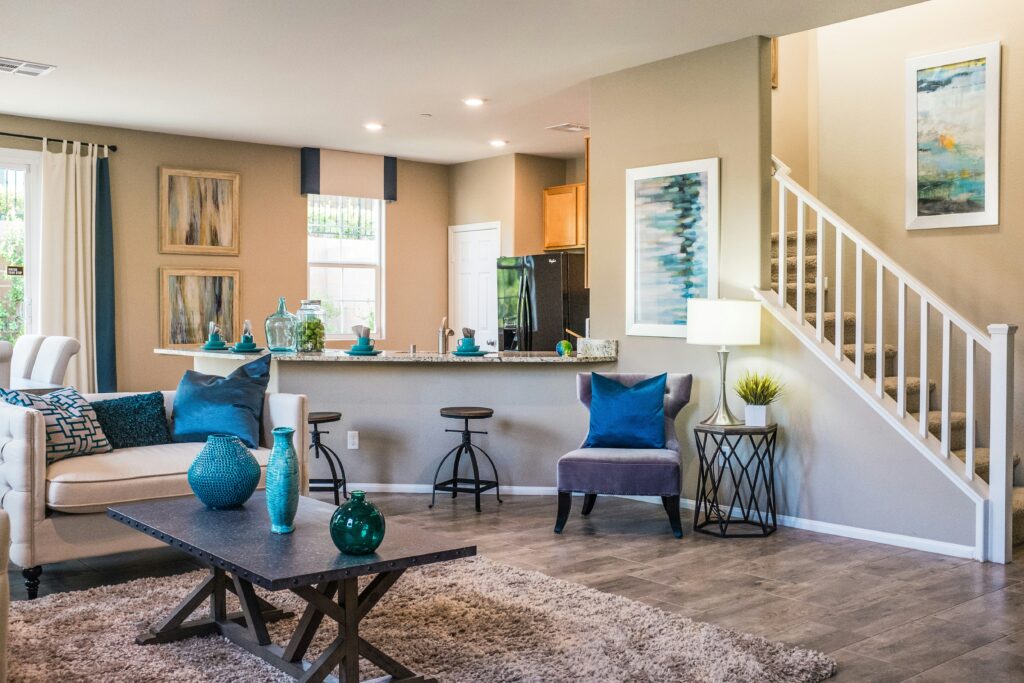
This image is property of images.unsplash.com.
Effects on Rental Market Dynamics
The growth of e-commerce has not only affected rental prices but has also influenced the dynamics of the rental market. Landlords and property managers are now under pressure to provide amenities that cater to the needs of tenants who rely heavily on online shopping and home deliveries.
For example, secure package delivery systems, designated delivery areas, and convenient storage spaces for online purchases have become increasingly important to tenants. This shift in tenant preferences has forced landlords to adapt and make changes to their properties to meet these evolving expectations.
This image is property of images.unsplash.com.
Impact on Tenant Expectations
With the convenience of online shopping and home deliveries becoming the norm, tenants now expect their rental properties to offer amenities that support this lifestyle. Gone are the days when proximity to shopping centers and malls was the main selling point for rental properties.
Today, tenants are looking for secure package delivery systems, smart home features that facilitate online shopping, and storage spaces designed to accommodate large packages. Landlords who fail to meet these expectations may find it challenging to attract and retain tenants in this new era of e-commerce.
This image is property of images.unsplash.com.
Adaptations in Property Management
To stay competitive in the changing landscape of residential rental markets, landlords and property managers must adapt to meet the evolving needs of tenants. This may involve making upgrades to existing properties, investing in technology to support online shopping, and developing innovative solutions to enhance the tenant experience.
For example, some landlords have implemented secure package lockers that allow tenants to receive and retrieve packages at their convenience. Others have introduced smart home features that enable tenants to monitor deliveries and access control systems remotely. These adaptations not only cater to the needs of tenants but also differentiate properties in a competitive rental market.
Strategies for Landlords and Property Managers
In order to thrive in the era of e-commerce, landlords and property managers must develop strategies that align with the changing expectations of tenants. This may involve creating partnerships with e-commerce companies to offer exclusive deals to tenants, providing incentives for online shopping, or introducing innovative solutions that enhance the delivery experience.
By staying abreast of the latest trends in e-commerce and understanding the impact on rental markets, landlords can position themselves as leaders in the industry and attract top-tier tenants who value convenience and efficiency in their living spaces.
Conclusion
In conclusion, the rise of e-commerce has had a profound impact on the residential rental market, influencing rental prices, tenant expectations, and property management strategies. As e-commerce continues to shape consumer behavior and preferences, landlords and property managers must adapt to meet the evolving needs of tenants in order to stay competitive in this dynamic market.
By understanding the changing landscape of residential rental markets in the era of e-commerce, landlords can develop strategies that enhance their properties, differentiate themselves from competitors, and attract tenants who value convenience and efficiency in their living spaces. Stay informed, stay ahead, and stay successful in the ever-evolving world of residential rental markets.
Do you often find yourself wondering how you can make a positive impact on the environment while also enhancing the functionality of your home? Look no further than kinetic tiles, a revolutionary technology that allows you to harness energy from the movement of foot traffic in your home. In this article, we’ll explore the world of eco-friendly flooring and the exciting possibilities that come with implementing kinetic tiles. Let’s dive in and discover how you can transform your living space into a sustainable powerhouse!
Understanding Kinetic Tiles
Kinetic tiles, also known as energy-harvesting tiles, are innovative flooring solutions that convert kinetic energy from people’s footsteps into electrical power. These tiles contain built-in piezoelectric materials that generate electricity when pressure is applied to them. This means that simply walking on these tiles can help produce renewable energy for your home.
Have you ever imagined that the simple act of walking could actually generate electricity? With kinetic tiles, this innovative technology allows you to harness energy from foot traffic in your home, turning your daily movements into a renewable energy source. By understanding how these tiles work, you can appreciate the environmental benefits they offer.
How Kinetic Tiles Work
Kinetic tiles operate on a simple principle of energy conversion. When pressure is applied to the surface of the tiles, the embedded piezoelectric materials within them generate an electric charge. This charge is then collected and stored for various applications, such as powering lights, appliances, or even entire buildings.
Imagine the possibilities of having flooring that not only serves its primary function but also contributes to sustainable energy production. By understanding the mechanics behind kinetic tiles, you can see how they have the potential to revolutionize the way we think about our living spaces and the energy we consume.
Benefits of Kinetic Tiles
The installation of kinetic tiles in your home comes with a multitude of benefits that extend beyond just energy generation. From environmental sustainability to cost savings and improved functionality, these tiles offer a range of advantages that make them a superior choice for eco-friendly flooring options.
When it comes to eco-friendly flooring choices, kinetic tiles stand out as a top contender for their ability to generate clean energy from the natural movements of people. By exploring the various benefits of these tiles, you can see how they can be a game-changer for both your home and the environment.
Environmental Sustainability
One of the primary benefits of kinetic tiles is their contribution to environmental sustainability. By generating electricity from foot traffic, these tiles reduce the reliance on fossil fuels and other non-renewable energy sources. This helps lower carbon emissions and decrease the overall environmental impact of your home.
Imagine knowing that every step you take in your home is helping to reduce your carbon footprint and promote sustainability. With kinetic tiles, you can actively participate in the fight against climate change by incorporating renewable energy into your daily life.
Cost Savings
In addition to their environmental benefits, kinetic tiles can also lead to significant cost savings in the long run. By generating your own electricity through foot traffic, you can reduce your reliance on traditional power sources and lower your utility bills. Over time, this can result in substantial savings on your energy expenses.
Picture a scenario where your floors are not only aesthetically pleasing and functional but also help you save money on your monthly energy bills. With kinetic tiles, you can enjoy the dual benefits of cost savings and sustainability, making them a wise investment for your home.
Enhanced Functionality
Beyond their energy-saving capabilities, kinetic tiles also offer enhanced functionality for your living space. These tiles can be integrated into various areas of your home, such as hallways, entryways, or high-traffic areas, to maximize their energy-generating potential. Additionally, the durability and versatility of kinetic tiles make them an ideal choice for both residential and commercial applications.
Imagine having flooring that not only looks stylish but also serves a practical purpose by converting foot traffic into electricity. With kinetic tiles, you can elevate the functionality of your home while embracing innovative technology that benefits both you and the environment.
Installation and Maintenance
When it comes to incorporating kinetic tiles into your home, proper installation and maintenance are crucial to ensuring optimal performance and longevity. Understanding the requirements for installing and caring for these tiles can help you make informed decisions and maximize the benefits they offer.
Considering the transition to eco-friendly flooring with kinetic tiles requires careful planning and execution. By familiarizing yourself with the installation and maintenance practices associated with these tiles, you can confidently embark on this sustainable home improvement journey.
Installation Process
The installation of kinetic tiles involves several key steps to ensure that they function effectively and seamlessly within your existing flooring. Firstly, you’ll need to assess the layout and design of the space where the tiles will be installed to determine the best placement for maximum energy generation. Once the layout is finalized, the tiles can be fitted and connected to the electrical system for integration with your home’s power grid.
Imagine the initial excitement of planning to install kinetic tiles in your home and visualize the transformation they will bring to your living space. By following a systematic installation process and working with experienced professionals, you can bring your eco-friendly flooring vision to life with ease.
Maintenance Tips
To keep your kinetic tiles in optimal condition and ensure their long-term performance, regular maintenance is essential. This includes cleaning the tiles regularly to remove dirt and debris that may affect their functionality. Additionally, conducting periodic inspections and testing the electrical connections can help identify any issues early on and prevent potential problems.
Picture the satisfaction of knowing that by taking simple maintenance measures, you can prolong the lifespan of your kinetic tiles and continue to benefit from their energy-generating capabilities. With proper care and attention, these tiles can be a sustainable and reliable flooring solution for years to come.
Applications of Kinetic Tiles
The versatility of kinetic tiles opens up a wide range of applications beyond residential flooring. From public spaces and commercial buildings to outdoor environments and urban infrastructure, these tiles can be utilized in various settings to harness energy and promote sustainability on a larger scale.
When it comes to the practical applications of kinetic tiles, the possibilities are endless. By exploring the diverse ways in which these energy-harvesting tiles can be implemented, you can gain a deeper appreciation for their potential impact on different environments and industries.
Public Spaces
Public spaces such as airports, train stations, shopping malls, and stadiums can benefit greatly from the installation of kinetic tiles. With high volumes of foot traffic passing through these areas daily, the potential for energy generation is vast. By incorporating kinetic tiles into the flooring of these spaces, they can not only contribute to sustainable energy production but also serve as interactive elements that engage visitors.
Imagine walking through a bustling airport or stadium and knowing that the energy generated by your footsteps is helping power the facility. With kinetic tiles in public spaces, you can experience the synergy between human movement and sustainable technology, creating a unique and environmentally friendly environment for all.
Commercial Buildings
In commercial buildings such as offices, hotels, and retail establishments, the installation of kinetic tiles can have a significant impact on energy consumption and cost savings. By integrating these tiles into high-traffic areas like lobbies, hallways, and entrances, businesses can reduce their reliance on traditional power sources and lower their operational expenses. Additionally, the sustainability aspect of kinetic tiles can enhance the eco-friendly image of commercial properties, attracting environmentally conscious tenants and customers.
Picture the facade of a modern office building adorned with kinetic tiles that not only enhance its aesthetic appeal but also demonstrate its commitment to sustainability. With these tiles in commercial buildings, businesses can showcase their environmental responsibility and harness the power of human movement to create a greener and more efficient workspace.
Outdoor Environments
Outdoor environments such as parks, plazas, and walkways provide ample opportunities for implementing kinetic tiles to harness solar energy. By combining the energy-generating capabilities of kinetic tiles with solar panels, outdoor spaces can become self-sustaining power hubs that support lighting, signage, and other amenities. This synergistic approach to renewable energy production in outdoor environments not only enhances their functionality but also promotes environmental stewardship and community engagement.
Imagine strolling through a scenic park illuminated by solar-powered lights and kinetic tiles that convert the energy of your footsteps into electricity. With these innovative technologies in outdoor environments, you can experience the seamless integration of sustainability and aesthetics, creating a harmonious and energy-efficient landscape for everyone to enjoy.
Urban Infrastructure
In urban settings, the integration of kinetic tiles into infrastructure elements such as sidewalks, crosswalks, and bike paths can revolutionize the way cities generate and utilize energy. By embedding these tiles into high-traffic urban areas, municipalities can transform human movement into a valuable resource for powering streetlights, traffic signals, and other urban amenities. This innovative approach to energy harvesting not only contributes to the sustainability of cities but also enhances their accessibility and connectivity for residents and visitors.
Visualize a vibrant cityscape where kinetic tiles line the streets and sidewalks, capturing the energy of pedestrians and cyclists to illuminate the urban environment. With these tiles in urban infrastructure, cities can harness the power of human movement to create safer, more sustainable, and more engaging public spaces for all.
Future Innovations in Kinetic Tiles
As the demand for sustainable energy solutions continues to grow, the future of kinetic tiles looks bright with ongoing advancements and innovations in the field. From improved efficiency and scalability to enhanced durability and versatility, the next generation of kinetic tiles is poised to revolutionize the way we generate renewable energy and incorporate it into our daily lives.
Thinking about the future of kinetic tiles brings to mind a world where sustainable energy production is seamlessly integrated into our built environment, creating a more harmonious and eco-friendly way of life. By exploring the future innovations in this technology, you can envision the transformative impact it will have on our homes, communities, and the planet.
Improved Efficiency
Future innovations in kinetic tiles aim to enhance their energy harvesting efficiency by optimizing the conversion of mechanical energy into electrical power. By refining the design and materials used in these tiles, manufacturers can increase their output and generate more electricity from foot traffic. This improved efficiency not only maximizes the energy-saving potential of kinetic tiles but also makes them a more viable and attractive solution for sustainable flooring.
Imagine having kinetic tiles in your home that are capable of generating more electricity from each footstep, increasing their overall energy output and environmental impact. With improved efficiency in these tiles, you can enjoy greater energy savings and contribute to a greener and more sustainable future for generations to come.
Scalability and Adaptability
The future of kinetic tiles also involves scaling up their production and application to meet the growing demand for sustainable energy solutions. By making these tiles more accessible and affordable for residential and commercial use, manufacturers can expand their reach and impact in various industries. Additionally, the adaptability of kinetic tiles to different environments and settings makes them a versatile option for integrating renewable energy into diverse spaces.
Visualize a world where kinetic tiles are widely available and seamlessly integrated into homes, businesses, and public spaces, transforming the way we think about flooring and energy consumption. With their scalability and adaptability, these tiles have the potential to revolutionize the way we power our lives and pave the way for a more sustainable future.
Enhanced Durability and Versatility
Innovations in kinetic tiles also focus on improving their durability and versatility to withstand the rigors of daily use and varying environmental conditions. By developing more robust materials and construction techniques, manufacturers can ensure that these tiles remain functional and reliable over an extended period. This increased durability not only prolongs the lifespan of kinetic tiles but also enhances their performance and resilience in diverse settings.
Picture having kinetic tiles in your home that are not only energy-efficient but also durable enough to withstand heavy foot traffic and environmental challenges. With enhanced durability and versatility, these tiles offer a long-lasting and sustainable flooring solution that can adapt to the evolving needs of your space and lifestyle.
Conclusion
In conclusion, eco-friendly flooring with kinetic tiles offers a unique and innovative approach to sustainable energy production that leverages the power of human movement. By installing these energy-harvesting tiles in your home or other environments, you can contribute to environmental sustainability, save on energy costs, and enhance the functionality of your space. With a deep understanding of how kinetic tiles work, their benefits, installation and maintenance requirements, practical applications, and future innovations, you can make informed decisions about incorporating this cutting-edge technology into your living space. By embracing the exciting possibilities of kinetic tiles, you can transform your home into a sustainable powerhouse that not only reflects your commitment to the environment but also inspires others to adopt eco-friendly solutions for a greener future.
Are you a landlord looking to make your property management tasks easier and more efficient? In today’s digital age, there are numerous software and tools available to help streamline your workload and improve your productivity. From tenant screening to rent collection, maintenance requests to accounting, there’s a solution out there to meet your needs. Let’s explore some of the top software and tools for landlords that can help take your property management to the next level.
Benefits of Using Property Management Software
Property management software offers a wide range of benefits to landlords, including increased efficiency, improved organization, better communication with tenants, and simplified financial management. With the right software, you can automate repetitive tasks, track important data, and streamline your workflow to save time and reduce stress. By investing in property management software, you can improve your overall operations and provide better service to your tenants.
Increase Efficiency
Are you tired of juggling multiple spreadsheets and files to keep track of your properties and tenants? Property management software can help you centralize all your information in one place, making it easy to access and update. With features like automated rent reminders, maintenance request tracking, and online lease signing, you can streamline your daily tasks and work more efficiently.
Improve Organization
Are you struggling to stay organized with paper files and folders? Property management software allows you to digitize your documents and keep everything in a secure, easily searchable database. You can store lease agreements, inspection reports, tenant contact information, and more all in one place. Say goodbye to cluttered desks and lost paperwork – with software, you can keep everything organized and accessible.
Better Communication
Are you looking for a more effective way to communicate with your tenants? Property management software often includes built-in communication tools like email and text messaging, making it easy to send updates, announcements, and reminders to your tenants. You can also use these tools to collect feedback, respond to maintenance requests, and handle emergency situations quickly and efficiently.
Simplified Financial Management
Are you struggling to keep track of rent payments, expenses, and other financial transactions? Property management software can help you manage your finances more effectively by tracking income and expenses, generating reports, and even automating rent collection. With detailed financial data at your fingertips, you can make better decisions and stay on top of your cash flow.
This image is property of images.unsplash.com.
Top Software for Landlords
There are many property management software options available on the market, each with its own unique features and benefits. To help you find the right solution for your needs, let’s explore some of the top software for landlords that can help streamline your property management tasks.
Buildium
Are you looking for an all-in-one property management solution? Buildium offers a comprehensive set of tools to help landlords manage their properties, tenants, and finances. With features like online rent collection, lease tracking, maintenance request management, and accounting, Buildium can help you streamline your operations and improve communication with your tenants.
Rentec Direct
Do you own smaller rental properties and need a simple, affordable solution for managing them? Rentec Direct is a cloud-based software designed specifically for landlords with fewer units. With features like tenant screening, lease agreements, expense tracking, and online payments, Rentec Direct offers a user-friendly interface and customizable options to help you manage your rental properties effectively.
Rent Manager
Are you looking for a scalable property management solution that can grow with your business? Rent Manager offers a robust set of features for landlords of all sizes, from single-family homes to large apartment complexes. With tools for tenant screening, lease management, maintenance tracking, and accounting, Rent Manager can help you streamline your operations and improve your bottom line.
Propertyware
Are you a property manager with multiple rental units and tenants to oversee? Propertyware is a cloud-based software designed for professional property managers and landlords with larger portfolios. With features like vacancy tracking, property marketing, rent collection, and accounting, Propertyware can help you efficiently manage all aspects of your properties and improve your efficiency.
SimplifyEm
Are you a hands-on landlord looking for a simple, intuitive software solution to manage your properties? SimplifyEm offers a user-friendly platform that makes it easy to track rent payments, expenses, maintenance requests, and more. With features like custom reporting, online rent collection, and tenant screening, SimplifyEm can help you stay organized and on top of your rental properties.
This image is property of images.unsplash.com.
Tools for Landlords
In addition to property management software, there are various tools available to help landlords streamline their operations and improve their efficiency. Whether you need help with marketing, maintenance, or accounting, there’s a tool out there to meet your needs. Let’s explore some of the top tools for landlords that can help make your life easier.
Cozy
Are you looking for a free online platform to help you manage your rental properties? Cozy offers a range of tools for landlords, including online rental applications, tenant screening, rent collection, and maintenance tracking. With Cozy, you can automate repetitive tasks, communicate with your tenants, and stay organized without breaking the bank.
Landlord Studio
Are you in need of an accounting tool specifically designed for landlords? Landlord Studio offers a comprehensive solution for managing your financials, from tracking rent payments and expenses to generating tax reports and invoices. With Landlord Studio, you can simplify your accounting tasks and stay on top of your finances with ease.
Rentec Direct Maintenance Manager
Are you tired of dealing with endless maintenance requests from your tenants? Rentec Direct offers a Maintenance Manager tool that allows you to track and prioritize maintenance tasks, communicate with vendors, and keep detailed records of repairs and inspections. With Rentec Direct Maintenance Manager, you can streamline your maintenance workflow and ensure that your properties are well-maintained.
Hemlane
Are you looking for a property management tool that offers both software and human support? Hemlane provides a hybrid solution that combines technology with personalized service to help landlords manage their properties more effectively. With features like tenant screening, rent collection, maintenance coordination, and legal guidance, Hemlane can help you streamline your operations and improve your tenant relationships.
RentRedi
Are you a DIY landlord looking for an affordable and user-friendly property management tool? RentRedi offers a mobile-first platform that allows landlords to manage rental properties on the go. With features like online rent collection, maintenance tracking, lease generation, and tenant screening, RentRedi can help you stay organized and in control of your properties from anywhere.
This image is property of images.unsplash.com.
Conclusion
As a landlord, it’s essential to have the right tools and software in place to help you manage your properties efficiently and effectively. By investing in property management software and tools, you can streamline your operations, improve your communication with tenants, and stay organized with your finances. Whether you’re a small-scale landlord with a few rental units or a property manager with a large portfolio of properties, there’s a solution out there to meet your needs. Consider exploring the top software and tools for landlords mentioned in this article to find the right fit for your property management needs. With the right tools in place, you can take your property management to the next level and achieve greater success in your real estate business.
Why Should You Consider Upcycled Materials for Your Living Space?
When it comes to creating an eco-friendly living space, using upcycled materials is a great way to reduce waste and minimize your environmental impact. By repurposing materials that would otherwise end up in landfills, you can contribute to a more sustainable lifestyle while also adding unique and characterful elements to your home. This article will explore the benefits of using upcycled materials in your living space and provide you with practical tips on how to incorporate them into your home decor.
Benefits of Upcycled Materials
Using upcycled materials in your living space offers a plethora of benefits, both for the environment and for your overall well-being. Not only does it help reduce the amount of waste that goes into landfills, but it also helps conserve natural resources by reusing materials that already exist. Upcycled materials often have a unique charm and character that can add individuality and style to your home, making it stand out from cookie-cutter designs. Additionally, incorporating upcycled materials into your living space can be a cost-effective way to update your decor and create a more sustainable lifestyle.
How to Identify Upcycled Materials
When it comes to incorporating upcycled materials into your living space, the first step is to learn how to identify them. Upcycled materials are items that have been repurposed or transformed from their original form into something new and useful. These materials can be found in a variety of places, from thrift stores and garage sales to online marketplaces and salvage yards. Look for items that show signs of wear or aging, such as old furniture, windows, doors, or metal fixtures. These materials can be repurposed and given a new life in your home decor.
Where to Find Upcycled Materials
If you’re looking to incorporate upcycled materials into your living space, there are many places where you can find them. Thrift stores, flea markets, and antique shops are great places to search for unique and one-of-a-kind pieces that can be upcycled into home decor. Online marketplaces such as Etsy, eBay, and Facebook Marketplace also offer a wide selection of upcycled materials and handmade items that can add a personal touch to your living space. Additionally, salvage yards and demolition sites are excellent sources for reclaimed building materials, such as wood, brick, and metal, that can be repurposed into furniture, accents, and architectural features.
How to Incorporate Upcycled Materials into Your Living Space
Once you’ve identified upcycled materials that you want to incorporate into your living space, the next step is to find creative ways to integrate them into your home decor. Upcycled materials can be used in a variety of ways, from furniture and lighting to wall art and accents. By thinking outside the box and embracing the unique qualities of these materials, you can create a truly one-of-a-kind living space that reflects your personal style and values.
Furniture
One of the easiest ways to incorporate upcycled materials into your living space is through furniture. Old wooden pallets can be transformed into a rustic coffee table, while salvaged doors can be repurposed into a unique dining table. Vintage suitcases can be stacked to create a stylish storage unit, and old metal pipes can be fashioned into industrial-style shelving. With a little creativity and elbow grease, you can turn almost any salvaged material into a functional and stylish piece of furniture that adds character to your home.
Lighting
Lighting is another area where upcycled materials can shine in your living space. Old mason jars can be turned into pendant lights, while wine bottles can be repurposed into elegant chandeliers. Vintage tin cans can be transformed into whimsical lanterns, and salvaged industrial pipes can be fashioned into a modern floor lamp. By mixing and matching different materials and styles, you can create a custom lighting scheme that enhances the ambiance of your living space and adds a touch of eco-friendly flair.
Wall Art and Accents
Upcycled materials can also be used to create unique wall art and accents that add personality and charm to your living space. Old windows can be turned into decorative picture frames, while reclaimed wood can be fashioned into a rustic sign or sculpture. Vintage fabric scraps can be sewn into a colorful tapestry, and salvaged metal can be welded into a one-of-a-kind wall hanging. By playing with textures, colors, and shapes, you can create a gallery wall of upcycled art that tells a story and makes a statement in your home.
Tips for Upcycling Materials Safely and Sustainably
When it comes to upcycling materials for your living space, it’s important to prioritize safety and sustainability. By following a few simple tips, you can ensure that your upcycled projects are not only stylish and unique but also environmentally friendly and safe for your home and family.
Inspect Materials Carefully
Before incorporating upcycled materials into your living space, it’s essential to inspect them carefully for signs of damage, wear, or contaminants. Check for lead paint, asbestos, or other hazardous materials that may pose a health risk to you and your family. Sand, clean, and seal materials as needed to prevent exposure to harmful substances and ensure that your upcycled projects are safe and sustainable.
Use Non-Toxic Finishes
When refinishing or repurposing upcycled materials, opt for non-toxic, eco-friendly finishes that are safe for both you and the environment. Look for paints, stains, and sealants that are low in volatile organic compounds (VOCs) and free of harmful chemicals. Consider natural oils, waxes, and water-based products that provide a protective and durable finish without compromising air quality or health. By choosing non-toxic finishes, you can upcycle materials responsibly and create a healthy living environment for you and your loved ones.
Support Local Artisans
If you’re not up for the challenge of upcycling materials yourself, consider supporting local artisans and craftspeople who specialize in creating sustainable and eco-friendly home decor. Many artists and makers use upcycled materials in their work, creating unique and handmade pieces that can add charm and personality to your living space. By purchasing from local artisans, you can support small businesses, promote sustainability, and bring one-of-a-kind artistry into your home.
Conclusion
Creating an eco-friendly living space with upcycled materials is a rewarding and sustainable way to enhance your home decor and reduce your environmental impact. By incorporating salvaged materials into your furniture, lighting, wall art, and accents, you can add character, style, and individuality to your living space while reducing waste and conserving natural resources. Whether you’re repurposing old furniture, upcycling vintage materials, or supporting local artisans, there are endless possibilities for incorporating upcycled materials into your home decor. Take the leap and embrace the world of upcycling to create a unique and eco-friendly living space that reflects your values and enhances your well-being.
Amenities for Modern Tenants: Meeting Expectations with Style
Have you ever wondered what amenities matter most to modern tenants? As a landlord or property manager, providing the right amenities can make a significant difference in attracting and retaining tenants. In this article, we will discuss the amenities that modern tenants are looking for and how you can meet their expectations with style.
Understanding Modern Tenants’ Needs
Modern tenants have specific needs and expectations when it comes to amenities. They are looking for convenience, comfort, and a sense of community in their living spaces. By understanding what modern tenants want, you can create a positive rental experience that sets your property apart from the competition.
Convenience is Key
One of the most important factors for modern tenants is convenience. They want amenities that make their lives easier and more efficient. From on-site laundry facilities to package lockers for secure deliveries, providing convenient amenities can greatly enhance the tenant experience.
Comfort and Quality
Modern tenants also value comfort and quality in their living spaces. Amenities such as fitness centers, swimming pools, and outdoor spaces can contribute to a sense of well-being and relaxation. By investing in high-quality amenities, you can attract tenants who are willing to pay a premium for a superior living experience.
Community and Connection
In addition to convenience and comfort, modern tenants are also looking for a sense of community and connection in their rental properties. Amenities such as common areas, social events, and pet-friendly policies can foster a sense of belonging among tenants. By creating a welcoming and inclusive environment, you can increase tenant satisfaction and retention rates.
This image is property of images.unsplash.com.
Essential Amenities for Modern Tenants
Now that we’ve discussed the needs and expectations of modern tenants, let’s dive deeper into the essential amenities that can help you meet these requirements with style. Here are some key amenities that you should consider incorporating into your rental property:
Amenity
Description
Benefits
High-speed Internet
Reliable internet connectivity for work and leisure
Attracts tech-savvy tenants
Fitness Center
On-site gym with modern equipment
Promotes health and well-being
Pet-Friendly Policies
Allow pets with pet-friendly amenities
Appeals to pet owners
Outdoor Space
Patio, balcony, or rooftop terrace
Provides a relaxing outdoor retreat
Smart Home Technology
Automated systems for convenience and security
Enhances modern living experience
High-Speed Internet
In today’s digital age, high-speed internet is a must-have for modern tenants. Whether they work from home or enjoy streaming movies and music, tenants expect fast and reliable internet connectivity. By providing high-speed internet in your rental units, you can attract tech-savvy tenants who prioritize connectivity.
Fitness Center
A fitness center is another essential amenity that can appeal to modern tenants who value health and wellness. By offering an on-site gym with modern equipment, you can encourage tenants to stay active and maintain a healthy lifestyle. A fitness center can also differentiate your property from others in the area and attract fitness-minded tenants.
Pet-Friendly Policies
Many modern tenants are pet owners who consider their furry friends to be part of the family. By implementing pet-friendly policies and amenities such as dog parks, pet washing stations, and pet-friendly units, you can appeal to this demographic. Pet-friendly properties are often in high demand, and accommodating pet owners can lead to higher occupancy rates and lower turnover.
Outdoor Space
Outdoor space is another amenity that modern tenants appreciate for its ability to provide a relaxing retreat from urban life. Whether it’s a private patio, balcony, or rooftop terrace, outdoor spaces allow tenants to enjoy fresh air and natural light. Outdoor amenities can also enhance the overall aesthetic of your property and create a more inviting atmosphere for tenants and guests.
Smart Home Technology
Smart home technology has become increasingly popular among modern tenants who seek convenience, security, and energy efficiency in their living spaces. By incorporating automated systems such as smart thermostats, lighting controls, and keyless entry systems, you can enhance the modern living experience for your tenants. Smart home technology can also set your property apart from others in the market and attract tenants who value cutting-edge amenities.
This image is property of images.unsplash.com.
Additional Amenities to Consider
In addition to the essential amenities mentioned above, there are several other amenities that you may want to consider incorporating into your rental property to meet the needs and expectations of modern tenants. Here are a few more amenities that can help you attract and retain tenants with style:
Amenity
Description
Benefits
Secure Parking
Reserved parking spaces or covered parking
Convenience and peace of mind
Resident Lounge
Common area for socializing and relaxation
Fosters community and connection
On-Site Maintenance
24/7 maintenance services for quick repairs
Improves tenant satisfaction
Bicycle Storage
Secure storage for bicycles
Encourages eco-friendly living
Concierge Services
On-site concierge for assistance and convenience
Enhances tenant experience
Secure Parking
Secure parking is a valuable amenity for tenants who own vehicles and prioritize convenience and safety. Whether you offer reserved parking spaces, covered parking, or a parking garage, secure parking options can set your property apart from others in the area. Tenants will appreciate having a designated parking spot and peace of mind knowing that their vehicles are safe and protected.
Resident Lounge
A resident lounge is a common area where tenants can socialize, relax, and connect with their neighbors. By providing a comfortable and inviting space for residents to gather, you can foster a sense of community and belonging. A resident lounge can also serve as a venue for social events, game nights, and other activities that bring tenants together and enhance their living experience.
On-Site Maintenance
Prompt and reliable maintenance services are essential for tenant satisfaction and retention. By offering 24/7 maintenance services for quick repairs and emergencies, you can demonstrate your commitment to providing a high level of service to your tenants. Tenants will appreciate having a responsive maintenance team that can address their concerns in a timely manner and ensure that the property is well-maintained.
Bicycle Storage
Bicycle storage is a convenient amenity for tenants who enjoy cycling and prefer eco-friendly transportation options. By providing secure storage for bicycles, you can encourage tenants to reduce their carbon footprint and incorporate sustainable practices into their daily lives. Bicycle storage can also appeal to fitness-minded tenants who use cycling as a mode of exercise and transportation.
Concierge Services
Concierge services are a luxury amenity that can elevate the tenant experience and add a touch of sophistication to your property. By offering on-site concierge services for assistance with reservations, deliveries, and other requests, you can provide tenants with a higher level of convenience and personalized service. Concierge services can also differentiate your property from competitors and attract discerning tenants who value premium amenities and services.
This image is property of images.unsplash.com.
Conclusion
In conclusion, meeting the expectations of modern tenants with style requires careful consideration of their needs and preferences. By providing essential amenities such as high-speed internet, fitness centers, pet-friendly policies, outdoor spaces, and smart home technology, you can create a living experience that appeals to a wide range of tenants. Additionally, incorporating additional amenities such as secure parking, resident lounges, on-site maintenance, bicycle storage, and concierge services can further enhance the appeal of your property and set it apart in a competitive rental market. By understanding what modern tenants want and investing in stylish amenities that meet their expectations, you can attract and retain tenants who value convenience, comfort, and community in their rental spaces.
Welcome to “Crafting a Clutter-Free Haven: Organizing Your Craft Room with Smart Storage Solutions.” In this article, you will discover practical and creative ways to declutter and organize your craft room, making it a functional and inspiring space to unleash your creativity. From utilizing clear containers and labeled bins to implementing vertical storage solutions and clever organization hacks, we will explore how you can transform your craft area into a well-ordered oasis that sparks joy and encourages productivity. Say goodbye to chaos and hello to a more organized and efficient space that will streamline your crafting process and bring a sense of calm to your creative endeavors. Let’s embark on this journey to create a craft room that is not only visually appealing but also highly functional and clutter-free. Have you ever walked into your craft room only to find it in complete disarray? Supplies scattered everywhere, unfinished projects piled up, and no clear organization in sight? If so, you’re not alone. Many crafters struggle with maintaining a clutter-free workspace that fosters creativity and productivity. Fortunately, with the right storage solutions and organization techniques, you can transform your craft room into a haven of creativity and inspiration. In this article, we’ll explore how you can declutter and organize your craft room using smart storage solutions that maximize space and efficiency. Let’s dive in!
Assessing Your Storage Needs
Before diving headfirst into decluttering your craft room, it’s essential to take a step back and assess your storage needs. What supplies do you have? What types of crafts do you enjoy? Are there any specific tools or materials that you use regularly? By understanding your storage requirements, you can tailor your organization system to suit your needs, making it easier to find what you need when inspiration strikes.
Take Inventory of Your Supplies
Start by gathering all of your craft supplies in one place and taking inventory. Sort through your materials, tools, and equipment, making note of what you have and what you may need to replenish. This step will help you identify items that you can donate, sell, or discard, reducing clutter and creating more space in your craft room.
Identify Your Most Used Items
As you go through your supplies, pay attention to the tools and materials you use most frequently. These items should be easily accessible and within arm’s reach to streamline your crafting process. Consider designating specific storage solutions, such as labeled bins or drawers, for your go-to supplies to keep them organized and within reach.
Maximizing Space with Smart Storage Solutions
With a clear understanding of your storage needs, it’s time to explore smart storage solutions that can help you maximize space in your craft room. From versatile shelving units to customizable storage containers, these solutions will enable you to declutter your space and create a more efficient and inspiring work environment.
Utilize Vertical Space
Vertical space is often underutilized in craft rooms, leading to wasted storage potential. Consider installing wall-mounted shelves, pegboards, or hanging organizers to take advantage of vertical space and keep your supplies within reach. By leveraging vertical storage solutions, you can free up valuable floor space and create a more organized and visually appealing craft room.
Invest in Multi-Functional Furniture
When space is limited, multi-functional furniture can be a game-changer in a craft room. Look for storage ottomans, rolling carts, or fold-out tables that offer both storage and workspace solutions. These versatile furniture pieces can help you maximize space in a small craft room while keeping your supplies organized and easily accessible.
Organize with Clear Containers
Clear containers are a must-have for any well-organized craft room. Transparent storage bins, jars, and trays allow you to see your supplies at a glance, making it easy to find what you need without rummaging through cluttered drawers or shelves. Labeling your clear containers with the contents inside can further enhance organization and efficiency in your craft room.
Sort and Categorize Supplies
Sorting and categorizing your craft supplies is a key component of effective organization. Group similar items together, such as fabrics, paints, or beads, and store them in designated containers or compartments. This method of organization makes it easier to locate specific supplies and prevents clutter from accumulating in your craft room.
Creating Zones for Different Crafts
To further streamline your crafting process and maintain a clutter-free environment, consider creating distinct zones in your craft room for different types of crafts or projects. By designating specific areas for sewing, painting, or scrapbooking, you can keep materials organized and easily accessible based on your crafting needs.
Sewing Station
If you enjoy sewing or quilting, dedicate a sewing station in your craft room complete with a sewing machine, thread spools, and fabric storage. Consider installing a pegboard or wall-mounted organizer to keep your sewing supplies visible and within reach while maintaining a tidy workspace.
Painting Corner
For painters or mixed media artists, designate a painting corner equipped with easels, palettes, and a variety of paints and brushes. Store your painting supplies in clear containers or drawers to prevent spills and keep your materials organized by color and type for easy access during your creative sessions.
Scrapbooking Area
If scrapbooking is your craft of choice, create a scrapbooking area in your craft room with dedicated storage for papers, stickers, and embellishments. Utilize storage bins, accordion files, or vertical paper holders to keep your scrapbooking supplies neatly organized and easily accessible for upcoming projects.
Maintaining Your Organized Craft Room
Once you’ve decluttered and reorganized your craft room with smart storage solutions, it’s essential to maintain a clutter-free environment to preserve your newfound organization. Regular maintenance and upkeep will ensure that your craft room remains an inspiring and productive space for your creative pursuits.
Establish a Cleaning Routine
Make it a habit to clean and organize your craft room regularly to prevent clutter from accumulating. Set aside time each week to declutter work surfaces, put away supplies, and wipe down surfaces to keep your craft room clean and tidy. Establishing a cleaning routine will help you stay on top of clutter and maintain an organized workspace.
Implement a One-In, One-Out Rule
To prevent clutter from building up in your craft room, consider implementing a one-in, one-out rule for new supplies. Each time you bring in a new material or tool, make an effort to remove or donate an item you no longer use. This practice will help you maintain a balanced inventory of supplies while preventing overcrowding in your craft room.
Label Everything
Labeling is a simple yet effective way to maintain organization in your craft room. Use a label maker or adhesive labels to mark storage containers, drawers, and shelves with the contents inside. Clear, legible labels will help you quickly locate supplies and ensure they are returned to their proper place after use, reducing clutter and maintaining order in your craft room.
Stay Inspired and Creative
Lastly, don’t forget to infuse your craft room with inspiration and creativity to fuel your artistic pursuits. Display your finished projects, inspirational quotes, or artwork that motivates you to create. Surrounding yourself with items that spark joy and creativity will make your craft room a welcoming and inspiring space where you can unleash your imagination and craft to your heart’s content.
In conclusion, organizing your craft room with smart storage solutions is a rewarding endeavor that can transform your creative space into a clutter-free haven. By assessing your storage needs, maximizing space with versatile storage solutions, and creating zones for different crafts, you can declutter your craft room and create an organized and inspiring environment for your artistic pursuits. Remember to maintain your organized craft room with regular cleaning routines, implement organization strategies, and infuse your space with creativity to fuel your passion for crafting. With the right storage solutions and organization techniques, you can craft a clutter-free haven where creativity thrives, and inspiration abounds.
Hello there! Are you an independent landlord looking to attract more tenants to your property? Well, you’re in luck! In this article, we will explore 10 effective marketing strategies specifically tailored for independent landlords. From utilizing social media to creating eye-catching signage, these strategies will help you build a strong brand and successfully attract tenants to your rental properties. Let’s dive in and take your marketing game to the next level! Have you been struggling to attract tenants to your rental property? Are you looking to build a strong brand as an independent landlord? With so much competition in the rental market, it can be challenging to stand out and attract tenants. But fear not, because we have compiled a list of 10 effective marketing strategies specifically tailored for independent landlords like yourself. By implementing these strategies, you can not only attract more tenants but also build a solid brand that will set you apart from the competition. Let’s dive in and start building your brand as an independent landlord!
This image is property of images.unsplash.com.
Understanding Your Target Audience
Before you can effectively market your rental property, you need to have a clear understanding of your target audience. Who are the tenants you want to attract? What do they value in a rental property? By understanding your target audience, you can tailor your marketing strategies to appeal to their needs and preferences.
Conducting Market Research
One way to better understand your target audience is by conducting market research. Look into demographics such as age, income level, occupation, and lifestyle preferences of potential tenants in your area. This information will help you create targeted marketing campaigns that resonate with your target audience.
Creating a Strong Online Presence
In today’s digital age, having a strong online presence is crucial for attracting tenants to your rental property. Potential tenants are more likely to search for rental properties online, so it’s essential to make sure your property stands out online.
Building a Professional Website
Investing in a professional website for your rental property is a great way to showcase your property to potential tenants. Make sure your website is user-friendly, visually appealing, and provides all the necessary information about your property, such as location, amenities, and rental rates.
Utilizing Online Listing Platforms
In addition to having a website, you should also list your property on popular online listing platforms such as Zillow, Apartments.com, and Craigslist. These platforms reach a wide audience of potential tenants and can help increase the visibility of your rental property.
Creating Engaging Content
Engaging content is a powerful tool for attracting tenants to your rental property. By creating valuable and relevant content, you can establish yourself as an authority in the rental market and build trust with potential tenants.
Blogging About Rental Tips and Advice
Consider starting a blog on your website where you can share tips and advice on renting, property management, and home improvement. By providing valuable information to your audience, you can position yourself as a knowledgeable landlord and attract tenants who trust your expertise.
Using Social Media to Showcase Your Property
Social media platforms such as Facebook, Instagram, and Twitter are great tools for showcasing your rental property to a wider audience. Post photos, videos, and virtual tours of your property to engage with potential tenants and give them a glimpse of what it would be like to live there.
Networking with Local Businesses and Organizations
Networking with local businesses and organizations can help you reach a larger audience of potential tenants. By forming partnerships and collaborations with local businesses, you can increase the visibility of your rental property and attract tenants who are already familiar with the area.
Partnering with Local Realtors
Consider partnering with local real estate agents who can help promote your rental property to their clients. Realtors have access to a vast network of potential tenants and can help you reach a wider audience of qualified renters.
Collaborating with Local Events and Community Organizations
Sponsoring or participating in local events and community organizations is a great way to build brand awareness and attract tenants to your rental property. By getting involved in the local community, you can showcase your property to a targeted audience of potential tenants.
This image is property of images.unsplash.com.
Offering Incentives for Tenants
Offering incentives for tenants is a great way to attract new renters and retain existing ones. By providing value-added benefits to your tenants, you can make your rental property more appealing and stand out from the competition.
Providing Move-In Specials and Discounts
Consider offering move-in specials and discounts to new tenants, such as a reduced security deposit, free rent for the first month, or a gift card to a local business. These incentives can help attract tenants and make your property more desirable.
Implementing a Tenant Referral Program
Encourage your current tenants to refer their friends and family to your rental property by implementing a tenant referral program. Offer rewards such as rent discounts, gift cards, or other incentives to tenants who refer a new renter to your property.
Leveraging Online Reviews and Testimonials
Online reviews and testimonials can have a significant impact on attracting tenants to your rental property. Potential renters are more likely to trust the opinions of other tenants who have rented from you, so it’s essential to leverage positive reviews and testimonials in your marketing efforts.
Encouraging Tenants to Leave Reviews
Encourage your current tenants to leave positive reviews of their experience renting from you on popular review sites such as Google, Yelp, and Facebook. Positive reviews can help build trust with potential tenants and showcase the quality of your rental property.
Showcasing Testimonials on Your Website
Displaying testimonials from satisfied tenants on your website is another effective way to build credibility and attract renters. Consider creating a dedicated testimonial page on your website where potential tenants can read about the positive experiences of previous renters.
This image is property of images.unsplash.com.
Investing in Professional Photography and Virtual Tours
High-quality photography and virtual tours are essential for showcasing your rental property online and attracting tenants. By investing in professional photography and virtual tours, you can give potential tenants a better sense of your property and make it more appealing to them.
Hiring a Professional Photographer
Consider hiring a professional photographer to take high-quality photos of your rental property. Professional photos can help showcase the best features of your property and make it stand out from other listings online.
Offering Virtual Tours of Your Property
Virtual tours are a great way to give potential tenants a comprehensive view of your property without having to visit it in person. Consider investing in virtual tour technology to create an immersive experience for renters and make your property more appealing.
Tracking and Analyzing Your Marketing Efforts
Tracking and analyzing your marketing efforts is crucial for understanding what’s working and what’s not. By monitoring key performance indicators (KPIs) and analyzing your marketing data, you can make informed decisions to improve your marketing strategies and attract more tenants.
Monitoring Website Traffic and Engagement
Track metrics such as website traffic, bounce rate, and time-on-page to understand how visitors are interacting with your website. By monitoring these metrics, you can identify areas for improvement and make adjustments to optimize your website for better user experience.
Analyzing Social Media Metrics
Monitor key social media metrics such as engagement rate, reach, and click-through rate to evaluate the effectiveness of your social media marketing efforts. By analyzing these metrics, you can identify which posts are resonating with your audience and tailor your content accordingly.
Providing Excellent Customer Service
Providing excellent customer service is essential for attracting and retaining tenants. By offering exceptional service and support to your tenants, you can build trust and loyalty with them, which can lead to positive word-of-mouth referrals and repeat business.
Responsive Communication
Be responsive to inquiries and requests from your tenants in a timely manner. Establish clear lines of communication, such as phone, email, and text, to ensure that your tenants can reach you when they need assistance or have questions about their rental property.
Addressing Maintenance and Repair Requests Promptly
Address maintenance and repair requests from your tenants promptly to ensure that their living environment is safe and comfortable. By taking care of maintenance issues in a timely manner, you can show your tenants that you value their well-being and satisfaction.
Conclusion
As an independent landlord, building a strong brand and attracting tenants to your rental property can be challenging. However, by implementing these 10 effective marketing strategies, you can set yourself apart from the competition and stand out in the rental market. From understanding your target audience to providing excellent customer service, each strategy plays a crucial role in helping you attract more tenants and build a solid brand as an independent landlord. So, start implementing these strategies today and watch your rental property thrive!
Looking to elevate your outdoor living experience? Consider adding a rooftop deck to your home! By creating an oasis above ground level, you can enjoy additional outdoor space for relaxation, entertainment, and gatherings. Whether you envision a cozy nook for stargazing or a stylish area for hosting friends and family, a rooftop deck is a fantastic way to maximize your living space and enhance the overall ambiance of your home. Embrace the possibilities of outdoor living by transforming your roof into a luxurious retreat with a rooftop deck. Have you ever dreamt of having your own private outdoor oasis right on top of your home? Imagine sipping your morning coffee while watching the sunrise or hosting a dinner party under the stars. If this sounds like a dream come true, adding a rooftop deck to your home might be the perfect project for you!
Benefits of Adding a Rooftop Deck
Adding a rooftop deck to your home comes with a multitude of benefits that can significantly enhance your overall living experience. Not only does it increase your usable outdoor space, but it also adds value to your property and creates a unique and versatile entertainment area.
Rooftop decks provide a great escape from the hustle and bustle of daily life, allowing you to relax and unwind in a serene, private setting. Whether you use it for yoga sessions, barbecue nights, or simply lounging with a good book, a rooftop deck offers endless possibilities for creating your own outdoor sanctuary.
Increased Property Value
One of the most significant benefits of adding a rooftop deck is the increase in property value. Rooftop decks are considered premium features that can make your home more attractive to potential buyers if you ever decide to sell. Buyers are often willing to pay more for homes with rooftop decks due to the added living space and the luxury of having an outdoor retreat right at home.
Versatile Entertainment Area
A rooftop deck provides a versatile space for hosting gatherings, parties, and social events. Whether you’re celebrating a birthday, a holiday, or simply inviting friends over for a barbecue, a rooftop deck offers a stunning backdrop and a unique setting that will impress your guests. You can set up outdoor furniture, string lights, and decorations to create a cozy and inviting atmosphere for any occasion.
Planning Your Rooftop Deck
Before you dive into the process of adding a rooftop deck to your home, it’s essential to carefully plan and consider various aspects to ensure a successful and functional design. From evaluating structural requirements to choosing the right materials and finishes, thorough planning is crucial for creating a rooftop deck that meets your needs and preferences.
Structural Considerations
The first step in planning your rooftop deck is to assess the structural capacity of your roof and determine if it can support the additional weight of the deck. It’s essential to consult with a structural engineer or a professional contractor to evaluate the feasibility of adding a rooftop deck to your home. Factors such as roof slope, load-bearing capacity, and building codes will influence the design and construction of your rooftop deck.
Permits and Regulations
Adding a rooftop deck to your home may require obtaining permits and complying with local building regulations and codes. Before starting the construction process, it’s essential to check with your local authorities to determine the necessary permits and approvals needed for building a rooftop deck. Failure to comply with building regulations can result in fines, delays, or even the removal of the deck, so it’s crucial to ensure that your project meets all legal requirements.
Design and Layout
The design and layout of your rooftop deck play a crucial role in creating a functional and visually appealing outdoor space. Consider factors such as deck size, shape, and orientation to maximize the usable area and enhance the aesthetics of your rooftop deck. You can incorporate features like built-in seating, planters, pergolas, and fire pits to create a welcoming and cozy atmosphere that reflects your personal style and preferences.
Materials and Finishes
Choosing the right materials and finishes for your rooftop deck is essential for long-lasting durability, aesthetic appeal, and low maintenance. When selecting materials, consider factors such as weather resistance, slip resistance, and ease of cleaning to ensure that your rooftop deck withstands the elements and remains beautiful for years to come.
Decking Materials
There are several options for decking materials available for rooftop decks, each with its own advantages and considerations. Popular choices include:
Wood: Traditional and timeless, wood decking offers a natural and warm appearance but may require regular maintenance to prevent rot, warping, and fading.
Composite: Made of a blend of recycled wood fibers and plastic, composite decking is low-maintenance, durable, and resistant to rot, mold, and insects.
PVC: PVC decking is a synthetic material that is lightweight, waterproof, and resistant to stains, scratches, and fading, making it an ideal choice for rooftop decks.
Railings and Balustrades
Railings and balustrades are essential safety features for rooftop decks that provide protection and enhance the aesthetics of the space. Consider materials such as metal, glass, or cable railings for a modern and sleek look, or opt for wood or composite railings for a classic and traditional style. Ensure that the railing design complies with local building codes and regulations to ensure the safety of occupants.
Lighting and Accessories
Incorporating lighting and accessories into your rooftop deck design can elevate the ambiance and functionality of the space. Consider adding:
LED strip lights: Create a warm and inviting atmosphere with discreet, energy-efficient LED strip lights that can be installed along the perimeter of the deck or under railings.
Outdoor furniture: Choose durable and weather-resistant furniture pieces such as lounge chairs, dining tables, and umbrellas to create comfortable seating and dining areas on your rooftop deck.
Planters and greenery: Incorporate plants, flowers, and greenery into your rooftop deck design to add color, texture, and a touch of nature to the space. Choose low-maintenance plants that thrive in outdoor conditions and require minimal watering and care.
Construction and Installation
Once you have finalized the design, materials, and finishes for your rooftop deck, it’s time to start the construction and installation process. Whether you choose to hire a professional contractor or take on the project yourself, proper planning, preparation, and attention to detail are essential for ensuring a successful outcome.
DIY vs. Professional Installation
Deciding whether to build your rooftop deck yourself or hire a professional contractor depends on your level of experience, time, budget, and resources. DIY installation can be a cost-effective option if you have the skills and tools to complete the project, but professional installation ensures quality workmanship, expertise, and timely completion. Consider consulting with industry professionals to get advice and estimates for your rooftop deck project.
Building Process
The construction process of a rooftop deck typically involves the following steps:
Roof inspection: Evaluate the condition of the existing roof structure, waterproofing, and drainage systems to identify any necessary repairs or modifications.
Structural reinforcement: If required, reinforce the roof structure with additional supports, beams, or columns to ensure stability and load-bearing capacity.
Deck framing: Install a sturdy and level substructure to support the decking material and create a solid foundation for the rooftop deck.
Waterproofing: Apply a waterproof membrane or coating to protect the roof surface from water infiltration, leaks, and damage.
Decking installation: Lay the decking material according to the design and layout, securing each board or tile properly to ensure stability and durability.
Finishing touches: Install railings, lighting, accessories, and furniture to complete the look and functionality of your rooftop deck.
Maintenance and Care
To keep your rooftop deck looking beautiful and functioning well, regular maintenance and care are essential. Follow these tips to preserve the longevity and performance of your rooftop deck:
Clean your rooftop deck regularly with a mild detergent and water to remove dirt, debris, and stains.
Inspect the deck for signs of wear, damage, or water infiltration, and address any issues promptly to prevent further damage.
Protect your rooftop deck from extreme weather conditions, UV exposure, and heavy foot traffic by using rugs, furniture covers, and protective coatings.
Trim trees, shrubs, and plants near your rooftop deck to prevent debris, pests, and moisture buildup that can damage the deck surface.
Seal and refinish the decking material periodically to maintain its appearance, color, and durability against wear and tear.
Seasonal Maintenance
In addition to regular care, seasonal maintenance tasks are crucial for preserving the condition and functionality of your rooftop deck throughout the year. Consider the following seasonal maintenance tips to keep your rooftop deck in top shape:
Spring: Inspect the deck for winter damage, clean gutters and drains, and refresh the landscaping around the deck.
Summer: Monitor the deck for signs of sun damage, water the plants and greenery, and protect the deck from excessive heat and UV exposure.
Fall: Clean and store outdoor furniture, trim overhanging branches, and prepare the deck for cooler temperatures and inclement weather.
Winter: Remove snow and ice from the deck surface, check for ice dams and roof leaks, and keep the deck clear of debris to prevent damage and hazards.
Conclusion
Adding a rooftop deck to your home is a rewarding and exciting project that can transform your living space into a luxurious and inviting oasis. By carefully planning, selecting the right materials, and following proper construction and maintenance practices, you can create a rooftop deck that enhances your lifestyle, adds value to your property, and provides a unique outdoor retreat for relaxation and entertainment. Whether you’re a seasoned DIY enthusiast or prefer to hire professionals, a rooftop deck is a worthwhile investment that you can enjoy for years to come. So why wait? Start planning your rooftop deck project today and turn your dream outdoor oasis into reality!
Welcome to “Navigating Landlord-Tenant Laws: A Comprehensive Guide”. In this article, you will discover the vital importance of staying informed and compliant with landlord-tenant laws. By understanding the laws and regulations in place, you can protect your rights as a tenant or landlord, avoid legal trouble, and maintain a positive landlord-tenant relationship. Let’s dive in and explore the essential information you need to navigate the complex world of landlord-tenant laws with ease. Have you ever found yourself wondering about your rights and responsibilities as a tenant or a landlord? Navigating landlord-tenant laws can sometimes feel like a complex and overwhelming task. From understanding rental agreements to handling security deposits, there are many aspects to consider. In this comprehensive guide, we will break down key information and provide you with the tools you need to stay informed and compliant with landlord-tenant laws.
Understanding Landlord-Tenant Laws: The Basics
When it comes to renting a property, both tenants and landlords have rights and obligations that are governed by state and local laws. These laws are designed to protect the rights of both parties and ensure fair and transparent dealings. As a tenant or landlord, it is crucial to have a good understanding of these laws to avoid potential disputes or legal issues down the road.
Your Rights as a Tenant
As a tenant, you have certain rights that are protected by law. These rights include the right to a habitable living space, the right to privacy, the right to a return of your security deposit, and the right to take legal action against your landlord if necessary. It is important to familiarize yourself with these rights and understand how they apply to your specific situation.
Your Responsibilities as a Tenant
Along with rights, tenants also have responsibilities that they must adhere to. These responsibilities typically include paying rent on time, maintaining the property in good condition, and following the terms of the rental agreement. By fulfilling these responsibilities, you can ensure a positive and harmonious relationship with your landlord.
Your Rights as a Landlord
As a landlord, you have rights that allow you to protect your property and ensure that tenants adhere to the terms of the rental agreement. These rights include the right to collect rent, the right to evict tenants for non-payment or lease violations, and the right to enter the property for maintenance and repair purposes. Understanding these rights will help you effectively manage your rental property.
Your Responsibilities as a Landlord
Being a landlord comes with a set of responsibilities that must be fulfilled to maintain a good landlord-tenant relationship. These responsibilities may include providing a safe and habitable living space, making necessary repairs in a timely manner, and returning security deposits within the required time frame. By meeting these responsibilities, you can establish trust with your tenants and ensure compliance with landlord-tenant laws.
Rental Agreements: Key Terms and Considerations
Rental agreements are legally binding contracts that outline the terms of the rental arrangement between a landlord and tenant. It is essential for both parties to carefully review and understand the terms of the agreement before signing to avoid misunderstandings or disputes in the future.
Key Terms in a Rental Agreement
Rental agreements typically contain key terms that specify the rights and responsibilities of both the landlord and tenant. Some of the key terms that you may find in a rental agreement include:
Lease term: The duration of the rental agreement, usually stated in months or years.
Rent amount: The monthly rent that the tenant is required to pay.
Security deposit: A refundable deposit paid by the tenant to cover any damages or unpaid rent.
Maintenance responsibilities: The responsibilities of both parties regarding maintenance and repairs.
Lease renewal options: The conditions under which the lease can be renewed or terminated.
Considerations Before Signing a Rental Agreement
Before signing a rental agreement, it is important to consider certain factors to protect your interests. Some key considerations include:
Reading the agreement thoroughly to ensure that you understand all terms and conditions.
Clarifying any ambiguous or unclear clauses with the landlord before signing.
Negotiating any changes or additions to the agreement that are important to you.
Keeping a copy of the signed agreement for your records.
By being proactive and thorough in reviewing the rental agreement, you can avoid potential disputes and ensure a smooth rental experience.
This image is property of images.unsplash.com.
Security Deposits: What You Need to Know
Security deposits are often required by landlords to protect against any damages or unpaid rent that may occur during the tenancy. Understanding the rules and regulations surrounding security deposits is crucial for both landlords and tenants to avoid disputes and legal issues.
Limits on Security Deposits
State and local laws typically set limits on the amount that landlords can charge for security deposits. These limits are designed to prevent excessive charges and protect tenants from unreasonable financial burdens. It is important to be aware of these limits and ensure compliance when requesting or returning security deposits.
Security Deposit Returns
Upon the termination of a lease, landlords are required to return the security deposit to the tenant within a specified timeframe. This timeframe varies by state but is usually between 14 to 30 days. Landlords must provide an itemized list of any deductions made from the security deposit, along with receipts for repairs or cleaning services performed.
Using the Security Deposit
Landlords are only allowed to use the security deposit for certain purposes, such as covering unpaid rent, repairing damages beyond normal wear and tear, or cleaning the property after the tenant moves out. It is illegal for landlords to withhold the security deposit without a valid reason or to use it for personal expenses.
Disputes Over Security Deposits
If a dispute arises over the security deposit, landlords and tenants can seek resolution through mediation or small claims court. Providing documentation, such as photos of the property before and after the tenancy, receipts for repairs, and communications with the other party, can help support your case in a dispute.
Evictions: Understanding the Process
Evictions are legal proceedings in which a landlord seeks to remove a tenant from the rental property for specific reasons, such as non-payment of rent or lease violations. Knowing the eviction process and requirements is crucial for both landlords and tenants to protect their rights and avoid unnecessary conflicts.
Grounds for Eviction
Landlords can evict tenants for a variety of reasons, including:
Non-payment of rent
Violation of lease terms
Property damage
Illegal activities on the premises
Failure to vacate after the lease term expires
It is important for landlords to have valid grounds for eviction and follow the legal process outlined in state and local laws.
Eviction Notice
Before filing for eviction, landlords are required to provide tenants with a written eviction notice. This notice typically outlines the reason for the eviction, the timeframe for compliance, and any steps the tenant can take to remedy the situation. The notice must be served in accordance with state laws and give the tenant a reasonable opportunity to address the issue.
Eviction Proceedings
If the tenant fails to comply with the eviction notice, the landlord can file for eviction with the local court. Both parties will have the opportunity to present their case, and a judge will make a decision based on the evidence provided. It is essential for landlords and tenants to follow the court’s instructions and cooperate throughout the eviction process.
This image is property of images.unsplash.com.
Lease Renewals and Terminations: Knowing Your Options
At the end of a lease term, both landlords and tenants have the option to renew the lease or terminate the tenancy. Understanding the lease renewal and termination process is essential for planning ahead and avoiding misunderstandings between the parties.
Lease Renewal Options
When a lease is nearing its expiration, landlords and tenants can choose to renew the lease for another term. The terms of the renewal, such as rent amount, lease duration, and maintenance responsibilities, can be renegotiated by both parties. It is important to communicate effectively and reach a mutual agreement on the renewal terms.
Lease Termination Procedures
If either party wishes to terminate the lease at the end of the term, certain procedures must be followed to ensure a smooth transition. Landlords are typically required to provide tenants with a written notice of non-renewal within a specified timeframe, usually 30 to 60 days before the lease expiration date. Tenants may also be required to provide notice if they intend to move out at the end of the lease term.
Moving Out Procedures
When moving out of a rental property, tenants must follow specific procedures to avoid potential disputes or legal issues. These procedures may include:
Giving the landlord notice of intent to vacate within the required timeframe.
Completing a move-out inspection with the landlord to document the condition of the property.
Returning the keys and making arrangements for the return of the security deposit.
By following these procedures, both landlords and tenants can ensure a smooth transition at the end of the lease term.
Legal Resources for Landlord-Tenant Disputes
In the event of a landlord-tenant dispute that cannot be resolved through communication or mediation, there are legal resources available to help both parties seek resolution. Understanding these resources and knowing how to access them can be crucial in protecting your rights and navigating complex legal issues.
Legal Aid Organizations
Legal aid organizations offer free or low-cost legal services to tenants and landlords who are facing legal issues related to their rental property. These organizations typically provide legal advice, representation in court, and resources for self-help legal remedies. Contacting a legal aid organization can be a valuable resource in resolving disputes or seeking legal guidance.
Small Claims Court
Small claims court is a legal venue where landlords and tenants can file disputes involving a monetary amount below a certain threshold, typically around $5,000. This court provides a simplified and expedited process for resolving disputes without the need for expensive legal representation. Attending small claims court can be an effective way to seek resolution for landlord-tenant disputes.
Mediation Services
Mediation services offer an alternative dispute resolution method in which a neutral third party facilitates communication and negotiation between landlords and tenants. This process allows both parties to discuss their concerns, explore potential solutions, and reach a mutually agreeable resolution. Mediation can be a valuable tool in resolving disputes without the need for court intervention.
Legal Consultation
Seeking legal consultation from a qualified attorney can provide valuable insights and guidance on landlord-tenant laws and legal procedures. An attorney can review your case, answer legal questions, and provide representation in court if necessary. By consulting with an attorney, you can ensure that your rights are protected and receive expert advice on navigating complex legal issues.
This image is property of images.unsplash.com.
Conclusion
Navigating landlord-tenant laws can be a complex and challenging task, but with the right knowledge and resources, you can ensure that you stay informed and compliant. By understanding your rights and responsibilities as a tenant or landlord, reviewing and negotiating rental agreements, and knowing the procedures for security deposits, evictions, and lease renewals, you can protect your interests and avoid unnecessary conflicts. Remember to seek legal resources and support if you encounter disputes or legal issues that require professional assistance. By staying informed and proactive, you can navigate landlord-tenant laws with confidence and clarity.
Welcome to a comprehensive guide on how to install a home automation system for remote appliance control! As technology continues to advance, more and more people are looking for ways to make their homes smarter and more efficient. By following the steps outlined in this article, you will be able to seamlessly integrate smart devices into your home, allowing you to control your appliances from anywhere in the world. Say goodbye to worrying about leaving the oven on or the lights on – with a home automation system, you can have peace of mind and convenience at your fingertips. Let’s get started on transforming your home into a smart oasis! Have you ever wanted to control your home appliances from anywhere in the world? Imagine being able to turn off your lights, adjust the thermostat, or even start your coffee maker with just the tap of a button on your smartphone. With a home automation system, you can make this dream a reality. In this article, we will guide you through the process of installing a home automation system for remote appliance control. Let’s dive in!
Understanding Home Automation Systems
Home automation systems are designed to make your life easier by allowing you to control various aspects of your home remotely. These systems typically consist of smart devices, sensors, and a central hub that connects everything together. From lighting and thermostats to security cameras and appliances, a home automation system can give you complete control over your home with just a few taps on your smartphone.
Benefits of Home Automation Systems
Home automation systems offer a wide range of benefits, including:
Convenience: Control your home appliances from anywhere in the world.
Energy efficiency: Save energy by remotely monitoring and adjusting your thermostat, lighting, and appliances.
Security: Keep an eye on your home with smart cameras and motion sensors.
Peace of mind: Receive alerts and notifications for any unusual activity in your home.
Choosing the Right Home Automation System
Before you start installing a home automation system, it is essential to choose the right system that fits your needs. There are many factors to consider when selecting a home automation system, such as compatibility, ease of use, and budget.
Types of Home Automation Systems
There are several types of home automation systems available on the market, including:
Wi-Fi-based systems: These systems connect your smart devices directly to your home Wi-Fi network for remote control.
Zigbee and Z-wave systems: These systems use wireless protocols to communicate with smart devices and sensors for increased reliability and range.
Smart hubs: These central devices connect all your smart devices, sensors, and appliances together for seamless integration and control.
When choosing a home automation system, consider the compatibility of the system with your existing devices, the ease of installation, and the overall cost of the system.
Installing a Home Automation System
Now that you have chosen the right home automation system for your needs, it’s time to install it in your home. Here is a step-by-step guide to help you install a home automation system for remote appliance control.
Step 1: Set Up Your Smart Hub
The first step in installing a home automation system is to set up your smart hub. The smart hub acts as the central control unit that connects all your smart devices and appliances together. Follow the manufacturer’s instructions to set up and configure your smart hub.
Step 2: Connect Your Smart Devices
Once your smart hub is set up, it’s time to connect your smart devices to the hub. This may involve installing smart light bulbs, smart switches, smart thermostats, and other smart devices in your home. Follow the manufacturer’s instructions to pair your devices with the smart hub.
Step 3: Install Sensors
Installing sensors in your home can enhance the functionality of your home automation system. Motion sensors, door/window sensors, and temperature sensors can help automate your home and provide additional security and convenience. Follow the manufacturer’s instructions to install and configure sensors in your home.
Step 4: Configure Remote Control
After setting up your smart hub, connecting your smart devices, and installing sensors, it’s time to configure remote control for your home appliances. Download the manufacturer’s app on your smartphone and follow the instructions to connect your devices to the app. You can now control your home appliances from anywhere in the world.
Step 5: Test Your System
Once you have set up and configured your home automation system, it’s essential to test the system to ensure everything is working correctly. Test each smart device, sensor, and appliance to verify that they are connected to the smart hub and respond to your commands from the app.
Tips for Maintaining Your Home Automation System
Now that you have installed a home automation system for remote appliance control, here are some tips to help you maintain your system and ensure smooth operation.
Regularly Update Your System
Manufacturers often release software updates for smart devices and smart hubs to improve functionality, security, and compatibility. Make sure to regularly update your system to ensure you have the latest features and bug fixes.
Monitor Device Connectivity
Keep an eye on the connectivity of your smart devices and sensors to the smart hub. If you notice any devices losing connection or not responding, troubleshoot the issue and reconfigure the devices if necessary.
Replace Batteries
If you have wireless sensors or smart devices that run on batteries, make sure to replace the batteries regularly to ensure they are operational. Dead batteries can cause devices to lose connectivity and functionality.
Secure Your Network
Ensure that your home Wi-Fi network is secure to prevent unauthorized access to your home automation system. Use strong passwords, enable encryption, and consider setting up a guest network for guests to use without accessing your smart devices.
Backup Your System
In case of a system failure or data loss, it’s essential to back up your home automation system settings and configurations. Most smart hubs allow you to export and back up your system settings for easy restoration in case of an emergency.
Conclusion
Installing a home automation system for remote appliance control can revolutionize the way you interact with your home. With the ability to control your appliances from anywhere in the world, you can enjoy increased convenience, energy savings, security, and peace of mind. By following the steps outlined in this article and maintaining your home automation system, you can create a smart home that is efficient, secure, and easy to manage. Say goodbye to manual controls and hello to a smarter, more connected home!