What Amenities Are Most Desired By Today’s Renters?

Imagine walking into your dream apartment – spacious living room, cozy bedroom, and a stunning view. But what truly sets it apart are the amenities that cater to every aspect of your lifestyle. Today’s renters have high expectations when it comes to the features and facilities provided by their rental properties. From modern fitness centers and pet-friendly zones to high-speed internet and smart home technology, it’s all about creating the ultimate living experience. In this article, we will explore the most sought-after amenities by today’s renters, giving you an insight into what makes a rental property truly desirable.

What Amenities Are Most Desired By Todays Renters?

This image is property of images.unsplash.com.

Location

Proximity to workplaces

When looking for a new apartment, one of the key factors to consider is its proximity to your workplace. Having your home conveniently located near your office can save you precious time and energy on your daily commute. It allows for a shorter travel time, reducing stress and providing you with more time to unwind and enjoy other activities. So, when searching for an apartment, consider its location in relation to your workplace to make your daily routine much more manageable.

Access to transportation

In addition to being close to your workplace, having access to transportation options is another crucial aspect to consider in choosing the right apartment. Whether it’s a well-connected public transportation system or easy access to major highways, a convenient location with various transportation options can greatly enhance your daily life. It allows you to explore the city easily, visit friends and family without hassle, and generally have the flexibility of getting around efficiently.

Nearby amenities such as grocery stores and restaurants

Living in an area with convenient access to grocery stores and restaurants is a significant advantage for many renters. Having these essential amenities nearby means you won’t have to travel far to do your grocery shopping or dine out. It not only saves you time but also provides you with the convenience of having everything you need within reach. Whether you prefer cooking at home or enjoying a meal at a nearby restaurant, having these amenities close by can make a big difference in your day-to-day life.

Safety and Security

Gated community

For those who prioritize safety and security, living in a gated community can provide peace of mind. Gated communities typically have restricted access, ensuring that only residents and authorized individuals can enter the premises. This added layer of security can help create a sense of safety within the community, keeping unwanted visitors at bay and providing residents with a secure living environment.

Secure entry systems

Apartments with secure entry systems, such as key fobs or keyless access, offer an additional level of security. These systems ensure that only authorized individuals can enter the building, providing residents with confidence in their safety. By having secure entry systems in place, the property management helps to maintain a controlled environment, reducing the risk of unauthorized entry and promoting a safer living experience for all residents.

24/7 surveillance

Having 24/7 surveillance in place is another essential safety feature that many renters look for in their apartment complex. With surveillance cameras strategically placed in common areas, parking lots, and other important locations, potential security threats can be detected and dealt with promptly. This round-the-clock surveillance adds an extra layer of protection and reinforces the overall sense of safety within the community.

Well-lit premises

A well-lit environment is not only aesthetically pleasing but also contributes to overall safety. Well-lit pathways, parking areas, and common areas make it easier to navigate the community, especially during evening hours. It creates a sense of security, allowing residents to feel comfortable walking around the premises at any time. Well-lit surroundings also serve as a deterrent to potential criminal activity, ensuring that the community remains a safe and welcoming place to live.

Smoke detectors and sprinkler systems

Safety in an apartment extends beyond just security. It also involves fire prevention and protection measures. Apartments equipped with smoke detectors and sprinkler systems provide an added layer of safety in the event of a fire. These systems are designed to detect smoke or heat and activate sprinklers, minimizing the risk of extensive damage and providing residents with the necessary time to evacuate safely. Having these safety features in place can provide peace of mind, knowing that your apartment is equipped to handle any potential fire emergencies.

Maintenance and Repairs

Responsive property management

When renting an apartment, it’s important to consider the responsiveness of the property management team. A responsive management team is essential in ensuring that your maintenance and repair needs are addressed in a timely manner. Whether it’s a leaky faucet or a broken appliance, having a management team that promptly addresses and resolves issues can make all the difference in your living experience. Friendly and efficient communication with the property management team helps foster a positive living environment for all residents.

Quick and efficient maintenance services

In addition to responsive property management, quick and efficient maintenance services are also highly desired by renters. When faced with a maintenance issue, having a maintenance team that can address the problem promptly and efficiently is crucial. This minimizes any inconvenience caused and allows you to continue enjoying your apartment without unnecessary disruption. A well-maintained and properly functioning apartment makes your life easier and more enjoyable, and quick maintenance services play a significant role in achieving that.

Regular upkeep of common areas

Living in an apartment complex means sharing common areas with other residents. Whether it’s the lobby, hallways, or outdoor spaces, regular upkeep of these areas is an important aspect of apartment living. Regular cleaning, landscaping, and general upkeep contribute to a clean and attractive environment for all residents to enjoy. It creates a sense of pride and community within the complex, making it a more pleasant place to call home.

Pet-Friendly Policies

Allowance for pets

If you are a pet owner, finding an apartment that allows pets is essential. Many renters consider their pets as part of the family, and living in a pet-friendly apartment allows you to share your home with your furry companion. Having the freedom to have a pet creates a more fulfilling and enjoyable living experience. It eliminates the stress of finding alternative accommodation for your pet and allows you to fully embrace the joys of pet ownership within your apartment.

Dog parks or pet-friendly areas

In addition to allowing pets, having dedicated dog parks or pet-friendly areas within the apartment complex is a significant advantage for pet owners. These spaces provide opportunities for your furry friends to socialize, exercise, and have fun in a safe and controlled environment. It allows them to have their own designated space to play and interact with other pets, promoting a sense of community for both pets and their owners.

Pet grooming and washing facilities

Another amenity that pet owners highly appreciate is the availability of pet grooming and washing facilities within the apartment complex. Having these facilities conveniently located means you don’t have to travel far to keep your pet clean and well-groomed. It saves you time and effort and ensures that your pet is well-cared for within the comfort of your apartment community.

What Amenities Are Most Desired By Todays Renters?

This image is property of images.unsplash.com.

Fitness and Recreational Facilities

Fully equipped gym

Staying active and maintaining a healthy lifestyle is a priority for many renters. Having a fully equipped gym within the apartment complex eliminates the need for an expensive gym membership or traveling long distances. It allows you to conveniently work out whenever it suits your schedule, saving you time and effort. A well-equipped gym with a variety of exercise machines and weights provides you with the tools you need to stay fit and healthy without leaving your apartment community.

Swimming pool

A swimming pool is a desirable amenity for many residents, especially in warm climates or during the summer months. It provides a refreshing and enjoyable way to cool off, exercise, or simply relax and unwind. Whether you’re an avid swimmer or just enjoy lounging by the water, having a swimming pool within the apartment complex offers a convenient and fun way to beat the heat and make the most of your living experience.

Tennis or basketball courts

For those who enjoy playing sports, having tennis or basketball courts within the apartment complex is a fantastic amenity. It allows you to engage in friendly matches, practice your skills, or simply enjoy a game with friends and neighbors. Having these facilities on-site eliminates the need to search for alternative locations or pay for gym memberships. It provides a convenient way to stay active, have fun, and build a sense of community with fellow residents.

Walking trails or bike paths

If you enjoy spending time outdoors, having walking trails or bike paths nearby can significantly enhance your apartment living experience. These paths provide opportunities for leisurely walks, jogging, or cycling, allowing you to enjoy nature and get some fresh air without venturing too far from home. Whether you prefer a solo stroll or enjoy a bike ride with friends, having these recreational options nearby encourages an active and healthy lifestyle.

Parks or green spaces nearby

Living amid parks or green spaces can provide residents with a sense of tranquility and a connection to nature. Easy access to parks allows you to enjoy picnics, outdoor activities, or simply relax and unwind in a peaceful environment. Whether it’s a sprawling park with recreational facilities or a small green space with benches, having these areas nearby provides a serene escape from busy city life and offers a place to rejuvenate and recharge.

Utilities and Technology

High-speed internet connectivity

In today’s digital age, high-speed internet connectivity has become an essential requirement for many renters. Whether you work from home, enjoy streaming movies and TV shows, or simply rely on the internet for communication and entertainment, having reliable and fast internet is crucial. Apartments that offer high-speed internet connectivity as part of their amenities ensure that you have seamless online experiences and the convenience of a stable internet connection.

Cable or satellite TV availability

For those who enjoy watching their favorite shows and movies on cable or satellite TV, having these options available is a significant bonus. Having the ability to easily connect and enjoy your preferred entertainment provides a sense of comfort and familiarity in your apartment. It allows you to stay up-to-date with your favorite programs and unwind after a long day, without the hassle of setting up external subscriptions or installing additional equipment.

In-unit washer and dryer

Laundry is a necessary chore, and having an in-unit washer and dryer can make a world of difference in your living experience. It eliminates the need to use shared laundry facilities or travel to a laundromat, making laundry day much more convenient and efficient. Having these appliances in your apartment allows you to maintain your laundry routine with ease, saving you time and effort in the process. It’s a highly desirable amenity that many renters appreciate for its practicality and convenience.

Energy-efficient appliances

Many renters are conscious of their environmental impact and prefer apartments with energy-efficient appliances. Energy-efficient appliances not only help reduce electricity consumption but also contribute to lower utility bills. These appliances are designed to use less energy while still performing their intended functions effectively. By choosing an apartment with energy-efficient appliances, you can prioritize sustainability and reduce your carbon footprint without sacrificing the convenience and comfort of modern amenities.

Smart home features (e.g., automated lighting, temperature control)

Technology has revolutionized the way we live, and smart home features are becoming increasingly popular among renters. Apartments equipped with smart home features offer a level of convenience and control that enhances daily living. Automated lighting systems, temperature control, and other smart features allow you to customize your living space to your preferences, saving energy and creating a comfortable environment. Whether it’s adjusting the lights or setting the temperature using your smartphone or voice commands, smart home features can make your apartment feel modern and sophisticated.

What Amenities Are Most Desired By Todays Renters?

This image is property of images.unsplash.com.

Parking

Assigned parking spaces

Parking can be a significant concern for renters, especially in crowded urban areas. Having assigned parking spaces ensures that you always have a guaranteed spot for your vehicle. It eliminates the inconvenience of searching for parking or having to compete with other residents for available spaces. Assigned parking adds convenience and peace of mind, allowing you to easily access your car without any hassles.

Covered parking

In areas with inclement weather or extreme temperatures, having covered parking is a desirable amenity. It provides protection for your vehicle from the elements, whether it’s scorching heat, heavy rain, or snowstorms. Covered parking helps preserve your vehicle’s condition, shielding it from potential damage and minimizing the need for frequent cleaning or repairs. It’s a feature that many renters appreciate for its practicality and the added peace of mind it offers.

Visitor parking availability

Having designated visitor parking spaces within the apartment complex is beneficial for both residents and their guests. It ensures that visitors have a convenient and secure place to park, without the need for them to search for street parking or risk parking violations. Visitor parking availability contributes to a more welcoming and hassle-free experience for guests, making your apartment community a more inviting place to visit.

Electric vehicle charging stations

As electric vehicles become more prevalent, the availability of electric vehicle charging stations is a highly valued amenity for many renters. Having charging stations within the apartment complex allows electric vehicle owners to conveniently charge their cars without the need for external facilities. It eliminates the hassle of searching for charging stations in the surrounding area and promotes sustainable transportation options within the community. For eco-conscious renters, the availability of electric vehicle charging stations is a significant advantage.

Flexible Lease Terms

Short-term lease options

For those seeking flexibility in their living arrangements, short-term lease options can be a game-changer. Whether you’re in between homes, traveling for work, or simply prefer not to be tied down to a long-term lease, short-term lease options provide the flexibility you need. It allows you to tailor your lease term based on your specific circumstances, providing peace of mind and minimizing any potential financial burdens associated with long-term commitments.

Month-to-month rentals

Similar to short-term lease options, month-to-month rentals offer flexibility in the duration of your lease agreement. Month-to-month rentals allow you to have more control over your living arrangements, making it easier to adapt to changing circumstances. Whether you’re unsure of your long-term plans or simply prefer the freedom to move when it suits you, month-to-month rentals provide the flexibility and convenience that many renters desire.

Lease transfer or subletting options

Lease transfer or subletting options can be advantageous for renters who may need to relocate temporarily or want to share their living space with others. Lease transfer allows you to transfer your lease agreement to another tenant, while subletting enables you to rent out a portion of your apartment to a temporary tenant. These options provide renters with more flexibility and the opportunity to maximize the use of their space. It allows for greater adaptability and can provide financial relief for those seeking alternative living arrangements.

What Amenities Are Most Desired By Todays Renters?

Community Spaces

Social lounge or clubhouse

Community spaces play a vital role in fostering a sense of belonging and connection among apartment residents. Having a social lounge or clubhouse within the apartment complex provides a dedicated space for residents to socialize, relax, and engage in community activities. Whether it’s hosting parties, game nights, or other gatherings, these spaces encourage social interaction and create a vibrant and inclusive atmosphere within the community.

Outdoor seating areas

Outdoor seating areas are highly valued by renters who appreciate the opportunity to enjoy fresh air and outdoor relaxation. Whether it’s a patio, balcony, or garden space, having outdoor seating areas allows you to unwind and enjoy the natural surroundings of your apartment community. It provides a space to read a book, sip your morning coffee, or simply soak up the sun. Outdoor seating areas offer a peaceful escape from the confines of your apartment and enhance the overall living experience.

BBQ and picnic areas

For those who enjoy hosting outdoor gatherings and barbecues, having BBQ and picnic areas within the apartment complex is a fantastic amenity. These designated spaces provide the necessary facilities for residents to grill, dine, and enjoy outdoor meals with friends, family, and neighbors. It promotes a sense of community and provides opportunities for socializing and building connections within the apartment complex. BBQ and picnic areas offer a fun and convenient way to enjoy outdoor activities and create lasting memories.

Co-working spaces

With the rise of remote work and freelancing, having co-working spaces within an apartment complex has become increasingly important. Co-working spaces provide residents with a dedicated area to work, collaborate, and be productive without the need to leave the comfort of their community. These spaces are designed to accommodate different work styles and offer amenities such as desks, meeting rooms, and high-speed internet connectivity. Co-working spaces offer residents the flexibility to work from home while still enjoying the benefits and professional environment of a traditional office setting.

Entertainment rooms (theater, game room)

For those looking for entertainment options without leaving their apartment complex, having entertainment rooms such as a theater or game room is a highly desirable amenity. These spaces offer a place to unwind, have fun, and enjoy leisure activities without the need to travel elsewhere. Whether you’re a movie buff looking for a cinematic experience or enjoy friendly competitions in a game room, these amenities provide an additional layer of entertainment and contribute to a vibrant and lively atmosphere within the apartment community.

Sustainability Initiatives

Energy-efficient building design

Sustainability is a growing concern for many renters, and apartments with energy-efficient building designs are becoming increasingly popular. Energy-efficient buildings utilize architectural and design features that minimize energy consumption and reduce environmental impact. From efficient insulation to smart lighting systems, these designs prioritize sustainability while providing residents with comfortable and environmentally friendly living spaces. Choosing an apartment with an energy-efficient building design allows you to align your lifestyle with your values and contribute to a greener future.

Green building certifications

Green building certifications, such as LEED (Leadership in Energy and Environmental Design), are a testament to an apartment complex’s commitment to sustainability. These certifications indicate that the building has met specific criteria related to energy efficiency, water conservation, waste management, and overall environmental impact. Renting an apartment with green building certifications provides assurance that the property has undergone rigorous assessments and adheres to sustainable practices. It allows you to live in a space that prioritizes sustainability and actively contributes to a more eco-friendly future.

Recycling programs

Many renters are conscious of their environmental impact and actively seek apartments with recycling programs in place. Recycling programs make it easy to dispose of recyclable materials and contribute to waste reduction efforts. Having designated recycling bins within the apartment complex encourages residents to separate their waste and promotes responsible recycling practices. It’s a small but significant amenity that allows renters to incorporate sustainable habits into their daily routines and contribute to a cleaner and greener community.

Electric vehicle charging infrastructure

As electric vehicles gain popularity, having electric vehicle charging infrastructure in place is a noteworthy amenity for many renters. Electric vehicle charging stations within the apartment complex not only provide convenience for electric vehicle owners but also encourage the adoption of sustainable transportation options. It allows residents to charge their vehicles at their convenience, eliminating the need for external charging stations and fostering a more sustainable living environment. For those committed to reducing their carbon footprint, the availability of electric vehicle charging infrastructure is an attractive feature.

Community gardens or green spaces

Community gardens or green spaces within the apartment complex offer residents the opportunity to connect with nature and embrace a greener lifestyle. These spaces provide areas for gardening, growing vegetables and herbs, or simply enjoying the beauty of nature. Community gardens promote a sense of community, encourage sustainable living practices, and offer a peaceful retreat from the hustle and bustle of daily life. Whether you have a green thumb or simply appreciate the benefits of being surrounded by greenery, having community gardens or green spaces is a thriving amenity for nature enthusiasts and environmentally conscious renters alike.

In conclusion, when searching for the perfect apartment, there are numerous factors to consider. From the location and proximity to workplaces and amenities to safety and security measures, maintenance and repair responsiveness, pet-friendly policies, fitness and recreational facilities, utilities and technology options, parking availability, flexible lease terms, community spaces, and sustainability initiatives – each aspect contributes to creating an ideal living environment. By understanding your priorities and preferences, you can find an apartment that meets your needs and enhances your overall living experience. Whether it’s a modern apartment with high-speed internet and smart home features, a gated community with 24/7 surveillance, or a pet-friendly complex with dedicated spaces for your furry friends – there’s an apartment out there that will provide you with the amenities and comforts you desire. Happy apartment hunting!


What Amenities Are Most Desired By Todays Renters?

How Can I Incorporate Smart Home Features Into My Renovation?

Thinking about renovating your home and want to upgrade it with some smart features? Look no further! In this article, we will explore various ways in which you can seamlessly incorporate smart home features into your renovation plans. From automated lighting and security systems to voice-controlled appliances and energy-saving thermostats, we have got you covered. So, let’s get started on transforming your home into a smart paradise!
How Can I Incorporate Smart Home Features Into My Renovation?

This image is property of images.unsplash.com.

Considerations before incorporating smart home features

Assessing your needs and goals

Before incorporating smart home features into your renovation, it’s crucial to assess your needs and goals. Consider what aspects of your home you want to make “smart” and how these features will enhance your lifestyle. Are you looking for convenience, energy efficiency, or improved security? By clearly defining your needs and goals, you can make informed decisions about which smart features to incorporate.

Setting a budget

Smart home technology comes with a wide range of price tags, so it’s important to set a budget before incorporating these features into your renovation. Determine how much you’re willing to invest and prioritize the features that align with your budget. Remember to factor in not only the cost of the devices but also any associated installation and ongoing maintenance expenses.

Researching available options

The world of smart home technology is constantly evolving, so it’s essential to research and stay informed about the available options. Look into different brands, models, and product reviews to understand their features, benefits, and limitations. By conducting thorough research, you can make well-informed decisions when selecting the smart home devices that best suit your needs.

Evaluating compatibility with existing systems

If you already have existing systems in your home, such as heating or security systems, you’ll need to evaluate the compatibility of these systems with the smart home features you want to incorporate. Assess whether any additional hardware or upgrades are necessary to ensure compatibility. Compatibility is crucial for seamless integration and optimal functionality of your smart home ecosystem.

Hiring professionals or DIY approach

Decide whether you want to hire professionals or take a do-it-yourself (DIY) approach when incorporating smart home features into your renovation. While hiring professionals ensures expertise and proper installation, it may add to the overall cost. On the other hand, a DIY approach can be cost-effective but requires time, effort, and technical knowledge. Consider your skills, resources, and comfort level before making a decision.

Determining the smart features you want

Smart lighting systems

Smart lighting systems allow you to control your lights remotely, adjust brightness and color, and even set up schedules or motion-activated lighting. From energy-efficient LED bulbs to smart switches and color-changing bulbs, there are various smart lighting options available to enhance the ambiance and efficiency of your home.

Smart thermostats

Smart thermostats offer precise temperature control, energy-saving features, and the convenience of remote access. These devices learn your preferences over time and can automatically adjust the temperature based on occupancy or time of day. They can also integrate with other smart devices for a more holistic approach to home automation.

Home security and surveillance

With smart home security systems, you can monitor your home remotely, receive real-time alerts, and even control locks and cameras via your smartphone. From video doorbells and motion sensors to smart locks and security cameras, these features provide peace of mind and enhance the security of your home.

Smart appliances

Smart appliances, such as refrigerators, washing machines, and ovens, offer advanced functionalities and connectivity options. With these appliances, you can receive notifications, remotely control settings, and even automate tasks for added convenience and efficiency in your daily routines.

Smart audio and entertainment

Upgrade your home’s audio and entertainment systems with smart speakers and media devices. These devices offer voice control, multi-room audio capabilities, and integration with popular streaming services. You can play music, control media playback, and even ask for information or assistance using voice commands.

Smart home assistants

With smart home assistants like Amazon Alexa or Google Assistant, you can control various smart devices using voice commands. These assistants act as the centralized hub for your smart home ecosystem, allowing you to easily manage and control different features, devices, and routines with a simple voice prompt.

Planning the infrastructure for smart home integration

Assessing the existing wiring and infrastructure

Before incorporating smart home features, assess the existing wiring and infrastructure in your home. Determine if any upgrades or modifications are needed to support the installation and integration of smart devices. This includes ensuring proper electrical wiring, internet connectivity, and networking capabilities throughout your home.

Understanding wireless protocols and connection requirements

Different smart devices use various wireless protocols, such as Wi-Fi, Zigbee, or Z-Wave, for communication and connectivity. Understand the wireless protocols and connection requirements of the devices you plan to incorporate to ensure compatibility and smooth operation. You may need to consider Wi-Fi range extenders or mesh systems to ensure reliable connectivity throughout your home.

Identifying centralized control options

Choose between centralized control options, such as a hub or controller, that will act as the command center for your smart home ecosystem. A hub consolidates and manages the connectivity and communication between your devices, while a controller may be a smartphone or tablet app. Consider the user interface, compatibility, and functionality of these options to find the most suitable choice for your needs.

Choosing between hub-based and hub-less systems

Decide whether you want to opt for a hub-based or hub-less smart home system. Hub-based systems require a central hub to control and connect devices, providing a more comprehensive and integrated experience. Hub-less systems, on the other hand, rely on direct device-to-device communication without a centralized hub. Consider your preferences, budget, and compatibility requirements when making this choice.

Planning for future scalability

When planning the infrastructure for smart home integration, consider future scalability. Leave room for additional devices or expansion as your needs and technology evolve. Consider the ability to easily integrate new devices, upgrade existing ones, and expand your smart home system without significant reconfiguration or reconstruction.

Selecting the right smart home devices and products

Comparing different brands and models

Compare different brands and models of smart home devices to find the ones that align with your needs and preferences. Look for reputable brands known for reliability, quality, and customer support. Compare features, functionalities, and price points to ensure you make an informed decision.

Reading customer reviews and ratings

Customer reviews and ratings provide valuable insights into the performance, usability, and reliability of smart home devices. Read reviews from verified purchasers to understand their experiences and any potential issues they encountered. Consider both positive and negative feedback to gain a balanced understanding of the product’s pros and cons.

Considering compatibility and integration capabilities

Ensure that the smart home devices you select are compatible with each other and can integrate seamlessly into your ecosystem. Check compatibility requirements, such as operating systems, wireless protocols, and integration with other devices or platforms. Choosing compatible devices will ensure a smooth and cohesive user experience.

Checking for energy efficiency and sustainability

Consider the energy efficiency and sustainability features of the smart home devices you’re considering. Look for devices with energy-saving modes, smart scheduling, and power usage monitoring. Energy-efficient devices not only help reduce utility bills but also contribute to a more sustainable home environment.

Exploring additional functionalities and features

Beyond the core functionalities, explore the additional features and functionalities offered by smart home devices. Some devices may offer unique capabilities, such as voice control, automation compatibility, or advanced sensors. Consider how these additional features may enhance your smart home experience and align with your needs.

How Can I Incorporate Smart Home Features Into My Renovation?

This image is property of images.unsplash.com.

Installation and setup process for smart home devices

Following manufacturer instructions and guidelines

When installing and setting up smart home devices, it’s important to carefully follow the manufacturer’s instructions and guidelines. These instructions provide crucial information for a successful installation and proper functioning of the devices. Take the time to read through the manuals and follow the step-by-step instructions provided.

Securing professional installation if required

If you are unsure of your technical abilities or encounter complex installation requirements, it’s advisable to seek professional installation services. Professionals have the expertise and knowledge to ensure proper installation, address any challenges, and optimize the functionality of your smart home devices. Consider the complexity of the installation and your comfort level before deciding on professional installation.

Preparing the necessary tools and equipment

Before installing smart home devices, gather the necessary tools and equipment as specified by the manufacturer. Common tools may include screwdrivers, wire strippers, and pliers. By having the necessary tools ready in advance, you can streamline the installation process and minimize any potential delays or frustrations.

Configuring device settings and personalized preferences

Once the devices are installed, take the time to configure the settings and personalize the preferences according to your needs. This may involve connecting the device to your home network, setting up user accounts, adjusting sensor sensitivity, or creating customized routines. Configuring the settings will ensure that the devices operate according to your specific requirements.

Pairing and connecting devices with the central control system

If you have chosen a centralized control system, such as a hub or controller, follow the instructions to pair and connect your smart home devices. This process typically involves adding the devices to the control system’s app or interface. Properly pairing and connecting the devices will enable unified control and management of your smart home ecosystem.

Integrating smart home features into the renovation plan

Collaborating with architects and contractors

If you are undergoing a major renovation, it’s important to collaborate with architects and contractors during the planning stages. Communicate your intention to incorporate smart home features so that the necessary infrastructure and wiring can be properly integrated into the design. Architects and contractors can provide valuable insights and recommendations based on their expertise.

Considering the aesthetics and design implications

When integrating smart home features, consider the aesthetics and design implications. Smart devices should seamlessly blend into your home’s design and not disrupt the overall aesthetic. Look for devices with sleek designs or options for customization to match your preferred style. Consider the placement of devices to ensure they are visually appealing and do not interfere with the functionality or flow of your space.

Allocating space for smart hubs and controllers

Ensure that you allocate adequate space for smart hubs and controllers. These devices should be easily accessible and centrally located for convenient control of your smart home ecosystem. Consider placing them in a central area or utilizing built-in wall mounts or cabinets for a neat and organized look.

Ensuring proper positioning and placement of devices

Proper positioning and placement of smart home devices play a crucial role in their performance and functionality. Follow the manufacturer’s guidelines for optimal placement, such as recommended distances from walls or obstructions. Consider factors like signal strength, line-of-sight visibility, and proximity to power sources when determining the ideal placement of each device.

Incorporating voice control and automation interfaces

Integrate voice control and automation interfaces into your renovation plan to enhance the usability and convenience of your smart home. Plan for voice control devices, such as smart speakers or microphones, in areas where you want hands-free control. Additionally, consider incorporating automation interfaces, such as wall-mounted touchscreens or mobile device docking stations, for easy access and control of your smart home features.

How Can I Incorporate Smart Home Features Into My Renovation?

This image is property of images.unsplash.com.

Establishing a secure and reliable smart home network

Securing the Wi-Fi network and router

To ensure a secure smart home network, it’s essential to secure your Wi-Fi network and router. Change the default login credentials, enable strong encryption (such as WPA2), and regularly update the router’s firmware. Secure Wi-Fi settings will help protect your smart home devices from unauthorized access and potential security breaches.

Implementing strong passwords and encryption

Protect your smart home devices and systems by implementing strong passwords and encryption. Generate unique and complex passwords for each device or app, and enable two-factor authentication whenever possible. Encryption protocols, such as SSL or TLS, can also provide an additional layer of security for data transmitted between devices and cloud servers.

Updating firmware and software regularly

Regularly update the firmware and software of your smart home devices to ensure optimal performance and security. Manufacturers often release updates that address vulnerabilities and introduce new features or enhancements. Set up automatic updates whenever possible or periodically check for updates manually to keep your devices up-to-date.

Creating separate guest networks

Consider creating separate guest networks on your Wi-Fi router to enhance network security. Guest networks allow visitors to access the internet without directly connecting to your smart home devices or main network. This isolation can help prevent unauthorized access and protect the privacy and security of your smart home ecosystem.

Considering network range extenders or mesh systems

To ensure reliable connectivity throughout your home, consider network range extenders or mesh systems. These devices help extend the coverage of your wireless network, eliminating dead zones and ensuring a strong signal for your smart home devices. Evaluate the size and layout of your home to determine whether these additional devices are necessary.

Configuring and customizing smart home automation

Exploring different automation scenarios

Explore different automation scenarios to make the most of your smart home ecosystem. Consider routines such as automatically adjusting lighting and temperature based on occupancy or time of day. Think about creating automation triggers for tasks like unlocking the front door when you arrive home or turning off appliances at specific times.

Creating personalized routines and schedules

Personalize your smart home automation by creating routines and schedules that align with your daily routines and preferences. Set up morning routines that gradually turn on lights, adjust the thermostat, and play your favorite music. Schedule lights to turn on and off when you’re away to create the illusion of occupancy. Customized routines and schedules can streamline your daily routines and enhance convenience.

Integrating with other smart devices and systems

Integrate your smart home devices with other smart devices and systems to create a cohesive and interconnected ecosystem. Link your smart lighting with your security system to enhance home security. Integrate your smart thermostat with your audio system to automate audio playback when you arrive home. The possibilities for integration are vast and can enhance the overall functionality and convenience of your smart home.

Prioritizing energy efficiency and cost savings

Use smart home automation to prioritize energy efficiency and cost savings. Create schedules for energy-consuming devices to minimize their usage during peak hours. Automate the adjustment of thermostat settings based on occupancy patterns to optimize energy consumption. By prioritizing energy efficiency, you can not only reduce your carbon footprint but also save on utility bills.

Utilizing geolocation and smartphone triggers

Leverage geolocation and smartphone triggers to automate actions based on your location. Use geofencing to automatically open your garage door as you approach home or adjust thermostat settings when you’re away. Smartphone triggers can activate specific scenes based on factors like movement, orientation, or proximity to other devices. By incorporating geolocation and smartphone triggers, you can enjoy a truly personalized and hands-free smart home experience.

How Can I Incorporate Smart Home Features Into My Renovation?

Troubleshooting common smart home issues

Identifying connectivity problems

Connectivity issues are a common challenge in smart home systems. If you encounter connectivity problems, check the Wi-Fi signal strength in the affected area and ensure that the device is within range of the router. Verify that the device and router firmware are up-to-date. Restart the device or try power cycling the router if necessary. If problems persist, consult the troubleshooting guides provided by the manufacturer.

Updating firmware and software

Firmware and software updates can address performance issues or bugs in smart home devices. If you experience glitches, slow response times, or unexpected behavior, verify that the device’s firmware and software are up-to-date. Manufacturers often release updates to improve stability and resolve known issues. By keeping your devices updated, you can often resolve common problems.

Resetting devices and troubleshooting guides

When encountering persistent issues, refer to the device’s troubleshooting guides provided by the manufacturer. These guides often include step-by-step instructions for basic troubleshooting, including device reset procedures. Resetting a device can resolve some software or configuration-related issues and restore it to its default settings. Follow the manufacturer’s instructions carefully when performing a reset.

Seeking assistance from manufacturers or professionals

If you are unable to resolve issues on your own, seek assistance from the device manufacturer’s customer support or consult professionals specializing in smart home systems. Manufacturers may offer technical support services to help troubleshoot problems or provide guidance. Professionals can diagnose more complex issues and provide recommendations or solutions tailored to your specific situation.

Monitoring and maintaining performance over time

Regularly monitor and maintain the performance of your smart home devices over time. Keep an eye out for any degradation in performance, connectivity issues, or unusual behavior. Make it a habit to periodically check for firmware and software updates and install them promptly. Taking proactive steps to monitor and maintain your devices can prevent or resolve potential issues before they become significant problems.

Staying up-to-date with the latest smart home advancements

Keeping track of new product releases

Stay informed about the latest smart home advancements by keeping track of new product releases. Follow reputable technology news sources, manufacturer websites, and online retailers to stay updated on the latest product launches. Sign up for newsletters or subscribe to RSS feeds to receive timely updates on new smart home devices and features.

Following smart home technology trends

Follow smart home technology trends to gain insights into the direction of the industry and potential advancements. Keep an eye on emerging technologies, such as artificial intelligence, voice recognition, or augmented reality, as they may influence future smart home innovations. Being aware of the latest trends can help you make informed decisions when expanding or upgrading your smart home ecosystem.

Exploring future possibilities for expansion

As smart home technology continues to evolve, explore future possibilities for expansion in your home. Consider how you can further enhance convenience, security, or energy efficiency. Research emerging technologies or concepts, such as smart windows, automated gardening systems, or solar energy integration, to envision how they could fit into your future smart home plan.

Researching new features and improvements

Continue researching new features and improvements in smart home devices and systems. Manufacturers often introduce updates or new versions with enhanced functionalities or improved performance. Read product reviews, participate in online forums, and engage with smart home communities to gain insights from other users and stay informed about the latest developments.

Engaging in smart home communities and forums

Engage in smart home communities and forums to connect with like-minded individuals and share experiences, insights, and tips. Online platforms dedicated to smart home technology offer opportunities to learn from others, ask questions, and find solutions to challenges. By participating in these communities, you can benefit from the collective knowledge and experience of fellow smart home enthusiasts.

Incorporating smart home features into your renovation requires careful planning, research, and consideration. By assessing your needs, setting a budget, and researching available options, you can make informed decisions about the smart features that align with your goals. Planning for infrastructure, selecting the right devices, and ensuring a secure network are crucial for successful integration. Configuring automation, troubleshooting issues, and staying updated with advancements will optimize your smart home experience. With proper planning and execution, you can transform your home into an efficient, convenient, and cutting-edge smart home.

How Can I Incorporate Smart Home Features Into My Renovation?

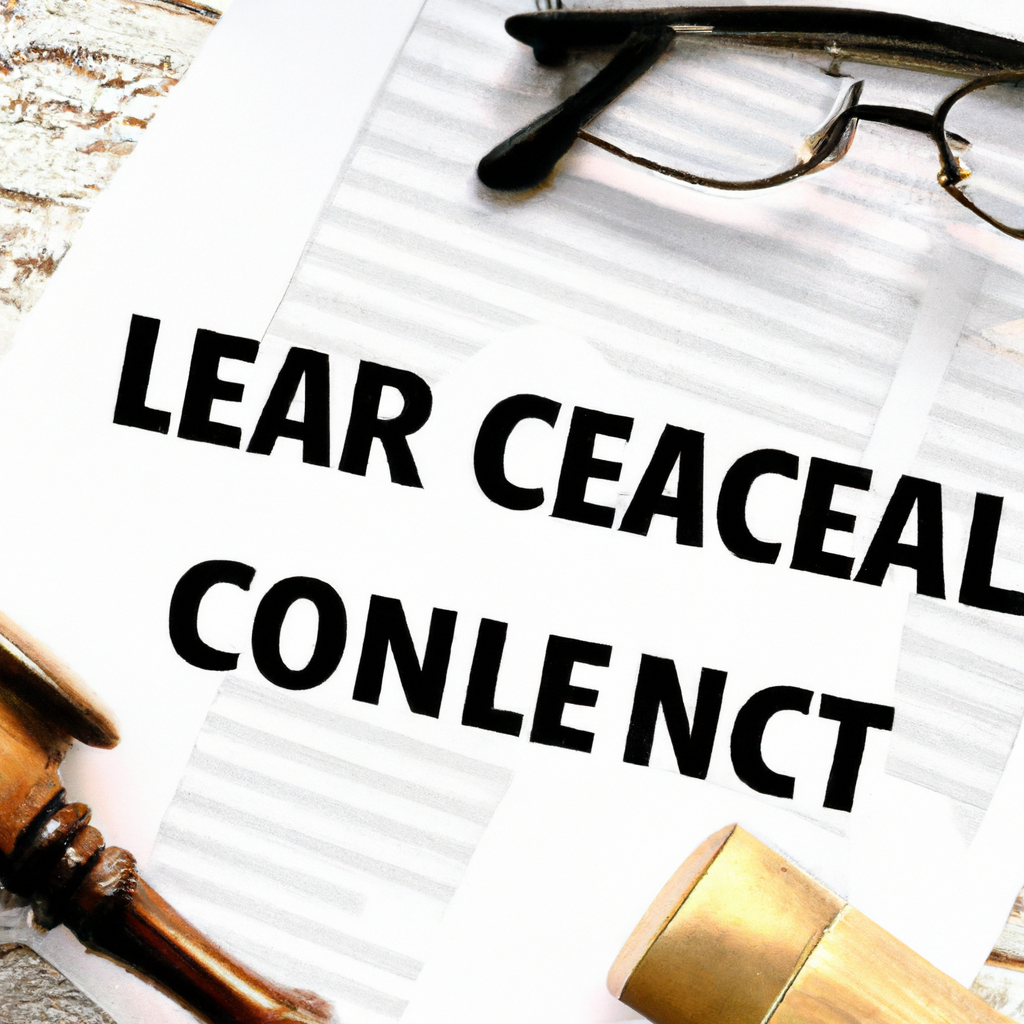
How Can I Legally Handle A Breach Of Real Estate Contract?

If you find yourself facing a breach of real estate contract, you may be wondering what steps you can take to protect your rights and resolve the situation in a legal manner. Whether you are the buyer or the seller, navigating the complexities of real estate law can be daunting. However, with the right guidance and understanding of your options, you can effectively handle a breach of contract and seek the appropriate remedies available to you. In this article, we will explore the key steps you can take to legally address a breach of real estate contract, providing you with peace of mind and clarity during this challenging situation.

How Can I Legally Handle A Breach Of Real Estate Contract?

This image is property of images.pexels.com.

Understanding Real Estate Contracts

Real estate contracts are legal agreements that outline the terms and conditions of a real estate transaction. These contracts are binding and establish the rights and obligations of both parties involved in the transaction. Whether you are buying, selling, or leasing real estate, it is essential to have a thorough understanding of the elements of a real estate contract to protect your interests.

Elements of a Real Estate Contract

A real estate contract typically includes several key elements that must be clearly defined for the contract to be valid. These elements include:

  1. Offer and Acceptance: The contract must clearly state the details of the offer made by one party and the acceptance of that offer by the other party.

  2. Consideration: Consideration refers to something of value exchanged between the parties, usually in the form of money. This element establishes mutual obligations and ensures that both parties have something at stake in the agreement.

  3. Legal Purpose: The contract must have a legal purpose and comply with all applicable laws and regulations.

  4. Competent Parties: Both parties involved in the contract must have the legal capacity to enter into a binding agreement. This means they must be of sound mind and not under any legal disabilities.

  5. Mutual Assent: Mutual assent refers to the meeting of the minds between the parties, indicating their agreement to the terms and conditions stated in the contract.

Importance of a Real Estate Contract

Real estate contracts serve a crucial role in protecting the interests of buyers, sellers, landlords, and tenants. These contracts establish clear expectations and provide legal recourse in the event of a breach or disagreement. By outlining the rights and responsibilities of each party, a real estate contract helps prevent misunderstandings and disputes.

Furthermore, a well-drafted real estate contract provides a strong foundation for the smooth completion of a real estate transaction. It ensures that all essential details, such as the purchase price, financing terms, contingencies, and closing dates, are agreed upon and documented.

Types of Real Estate Contracts

There are various types of real estate contracts, each designed to address specific situations or transactions. Here are some common types of real estate contracts:

  1. Purchase Agreement: This contract is used when buying or selling a property and outlines the terms and conditions of the sale, including the purchase price, financing arrangements, and closing dates.

  2. Lease Agreement: A lease agreement is used when renting or leasing a property. It specifies the rental terms, duration, payment obligations, and other important provisions.

  3. Listing Agreement: This contract is signed between a property owner and a real estate agent or broker, authorizing the agent to represent the property for sale or lease. It outlines the terms of the agency relationship and the agent’s compensation.

  4. Option Agreement: An option agreement grants the buyer the exclusive right to purchase a property for a specified period of time, usually in exchange for consideration. This allows the buyer the opportunity to conduct due diligence before committing to the purchase.

Identifying Breach of Contract

While real estate contracts provide a framework for a smooth transaction, situations may arise where one party fails to fulfill their obligations as outlined in the contract. This is known as a breach of contract. Identifying a breach of contract is important to protect your rights and seek appropriate remedies.

Material Breach vs. Minor Breach

Not all breaches of contract hold equal weight. The first step in identifying a breach is determining whether it is a material breach or a minor breach. A material breach is a significant failure to perform a duty under the contract, which substantially impairs the value of the agreement. A minor breach, on the other hand, is a less substantial failure to perform, typically not significant enough to justify termination of the contract.

Active vs. Passive Breach

Once a breach is identified, it can further be classified as active or passive. An active breach occurs when a party explicitly states their refusal or inability to fulfill their obligations. A passive breach, on the other hand, occurs when a party fails to perform their duties without any clear indication of intent.

Signs of a Breach

There are several signs that may indicate a breach of contract in a real estate transaction. These signs include:

  1. Non-payment: Failure to make timely payments as outlined in the contract.

  2. Non-performance: Failure to fulfill obligations such as repairs, maintenance, or delivery of required documents.

  3. Non-delivery: Failure to deliver the property or goods as agreed upon in the contract.

  4. Refusal to close: Unwillingness to complete the transaction or attend the closing as scheduled.

  5. Unilateral changes: Making significant changes to the terms of the contract without the consent of the other party.

  6. Misrepresentation: Providing false or misleading information related to the property or transaction.

Identifying signs of breach is crucial for taking appropriate actions to protect your interests and seek remedies for the breach.

Remedies for Breach of Real Estate Contract

When a breach of a real estate contract occurs, there are several remedies available to the innocent party. These remedies aim to compensate for the damages suffered and enforce the terms of the contract.

Specific Performance

Specific performance is a remedy that seeks to compel the breaching party to fulfill their obligations as outlined in the contract. This remedy is commonly used in real estate transactions where the unique nature of the property makes monetary damages inadequate. By obtaining a court order for specific performance, the innocent party can force the breaching party to complete the transaction as agreed upon.

Monetary Damages

Monetary damages are a common remedy for breach of a real estate contract. The purpose of monetary damages is to compensate the innocent party for any loss or harm suffered due to the breach. There are two main categories of monetary damages:

  1. Compensatory Damages: Compensatory damages aim to place the innocent party in the position they would have been in had the breach not occurred. This includes financial losses, such as lost profits or expenses incurred.

  2. Consequential Damages: Consequential damages refer to losses that result indirectly from the breach, such as lost opportunities or additional expenses incurred as a result of the breach.

Rescission of Contract

Rescission is a remedy that allows the innocent party to cancel the contract and be released from any further obligations. Rescission is often sought when the breach is substantial and makes it impossible or impracticable to continue with the transaction. This remedy puts the parties back in their pre-contract position as if the contract had never existed.

Liquidated Damages

Some real estate contracts include a liquidated damages clause, which specifies the amount of damages that will be awarded in the event of a breach. This predetermined amount serves as a measure of compensation for the non-breaching party. However, it is important to note that the courts may scrutinize liquidated damages clauses to ensure they are reasonable and do not serve as a penalty.

Statute of Limitations

A key consideration in handling a breach of a real estate contract is the statute of limitations. The statute of limitations sets a time limit within which legal action can be initiated for a breach of contract. It is important to understand and comply with the statute of limitations to avoid losing your right to seek a legal remedy.

Time Limits to File a Lawsuit

The specific time limits to file a lawsuit for breach of a real estate contract vary depending on jurisdiction and the nature of the dispute. Generally, the statute of limitations for breach of contract ranges from three to six years, but it is advisable to consult with an attorney to determine the exact time limit applicable to your case.

Effect of Statute of Limitations on Breach of Contract Cases

Once the statute of limitations has expired, the right to file a lawsuit for breach of contract is generally lost. Therefore, it is crucial to initiate legal action promptly if a breach occurs, allowing enough time to gather evidence, negotiate a resolution, or proceed with legal remedies if necessary. Failing to comply with the statute of limitations can result in the loss of your legal rights and remedies.

How Can I Legally Handle A Breach Of Real Estate Contract?

This image is property of images.pexels.com.

Negotiating a Resolution

While litigation is often a last resort, it may not always be the most efficient or cost-effective way to resolve a breach of a real estate contract. Negotiating a resolution with the breaching party should be considered as an alternative to court proceedings.

Communication with the Breaching Party

Open and honest communication with the breaching party is the first step in resolving a breach of contract. Express your concerns, outline the specific areas of non-performance, and propose potential solutions to address the breach. By actively engaging in dialogue, you may be able to reach a mutually agreeable resolution that avoids the need for litigation.

Mediation and Arbitration

If direct communication proves challenging or unproductive, alternative dispute resolution methods such as mediation or arbitration can be considered. Mediation involves a neutral third party who assists in facilitating communication and negotiation between the parties. Arbitration, on the other hand, is more formal and involves a third-party arbitrator who reviews evidence and makes a binding decision.

Drafting a Settlement Agreement

If a resolution is reached through negotiation, it is essential to document the terms of the agreement in a settlement agreement. A settlement agreement outlines the specific actions or obligations to be performed by each party to resolve the breach. Once both parties sign the settlement agreement, it becomes a legally binding contract.

Enforcing the Contract

If negotiations or alternative dispute resolution methods fail to resolve the breach, pursuing legal action may be necessary to enforce the terms of the contract and seek appropriate remedies. Filing a lawsuit initiates the legal process to resolve the breach of contract.

Filing a Lawsuit

The first step in enforcing the contract is to file a lawsuit in the appropriate court. Depending on the jurisdiction and the amount involved, the lawsuit may be filed in small claims court or a higher-level court. It is crucial to consult with a qualified attorney who specializes in real estate law to ensure compliance with legal requirements and maximize your chances of success.

Presenting Evidence in Court

In court, both parties will have the opportunity to present evidence to support their claims. This includes documents, such as the contract, correspondence, and any other relevant evidence that demonstrates the breach and the resulting damages. It is essential to gather and organize all relevant evidence with the guidance of your attorney to present a compelling case.

Enforcement of Court Judgments

If the court determines that a breach of contract has occurred, it may issue a judgment in favor of the innocent party. However, obtaining a judgment is not the end of the process. It is important to understand that enforcing the court judgment may require additional legal steps, such as garnishing wages, seizing assets, or placing liens on properties. Working with an attorney who specializes in enforcement proceedings can greatly assist in securing the intended outcome.

How Can I Legally Handle A Breach Of Real Estate Contract?

This image is property of images.pexels.com.

Defenses to a Breach Claim

In defending against a breach claim, the breaching party may assert various defenses to challenge the allegations made against them. Understanding these defenses is crucial for both the party making the claim and the breaching party.

Impossibility of Performance

If unforeseen circumstances arise that make it impossible for a party to fulfill their obligations under the contract, they may assert the defense of impossibility of performance. For example, if the property subject to the contract is destroyed before the closing date, it would be impossible for the seller to deliver the property as agreed upon.

Lack of Capacity

If one of the parties lacked the legal capacity to enter into the contract, such as being a minor or mentally incapacitated, this may serve as a defense to a breach claim. Lack of capacity renders the contract voidable, meaning it can be invalidated by the party lacking capacity.

Unconscionability or Fraud

A breach claim may be challenged if a party can prove that the contract was unconscionable or entered into as a result of fraud. Unconscionability refers to a contract term that is so one-sided or unfair that it shocks the conscience. Fraud involves intentional misrepresentation or concealment of material facts by one party, inducing the other party to enter into the contract.

Working with an Attorney

Navigating a breach of a real estate contract can be complex and challenging. Working with an experienced attorney who specializes in real estate law is highly recommended to ensure your rights are protected and to maximize your chances of a favorable outcome.

When to Seek Legal Counsel

Seeking legal counsel as soon as a breach is identified is crucial to protecting your rights and pursuing the appropriate legal remedies. An attorney can review the contract, assess the breach, and guide you through the necessary steps to resolve the dispute.

Choosing the Right Attorney

When selecting an attorney to handle a breach of a real estate contract, it is important to choose someone with extensive experience in real estate law and contract disputes. Look for an attorney who is familiar with the specific laws and regulations in your jurisdiction and has a successful track record in handling similar cases.

Attorney’s Role in Handling a Breach

An attorney’s role in handling a breach of a real estate contract may include various tasks, such as:

  1. Assessment and Evaluation: An attorney will review the contract, assess the breach, and evaluate the available remedies and potential defenses.

  2. Negotiation and Mediation: An attorney can represent you in negotiations with the breaching party and assist in the mediation process to reach a resolution.

  3. Litigation and Representation: If necessary, an attorney can file a lawsuit on your behalf and represent you in court proceedings, presenting your case and advocating for your rights.

  4. Enforcement of Judgments: An attorney can assist in enforcing court judgments and executing legal remedies to secure the intended outcome.

Working with an attorney can provide you with invaluable guidance and support throughout the process of handling a breach of a real estate contract.

How Can I Legally Handle A Breach Of Real Estate Contract?

Preventing Breach of Contract

While it is impossible to entirely eliminate the risk of a breach of contract, there are steps you can take to minimize the likelihood of a breach occurring.

Thoroughly Reviewing and Understanding the Contract

Before signing a real estate contract, it is essential to thoroughly review and understand its terms and conditions. Pay close attention to essential provisions, such as payment obligations, deadlines, contingencies, and dispute resolution mechanisms. If there are any ambiguous or unclear provisions, seek clarification and make necessary amendments before signing.

Including Appropriate Clauses and Contingencies

To reduce the risk of a breach, it is crucial to include specific clauses and contingencies in the contract that protect your interests. For example, include provisions that allow for inspections, financing contingencies, or remedies in case of breach. Engaging an attorney who specializes in real estate law can help ensure that the contract includes all necessary clauses and contingencies tailored to your specific needs.

Mitigating Damages

If a breach of a real estate contract occurs, it is important to take immediate steps to mitigate your damages and protect your interests.

Steps to Protect Your Interests

To mitigate damages, consider taking the following steps:

  1. Document the Breach: Keep detailed records of the breach, including dates, times, communications, and any evidence supporting your claims.

  2. Notify the Breaching Party: Promptly notify the breaching party in writing about the breach and demand compliance with the contract.

  3. Seek Legal Advice: Consult with an attorney experienced in real estate law to assess your rights, available remedies, and potential damages.

  4. Preserve Evidence: Gather and preserve all relevant documents, photos, correspondence, and any other evidence related to the breach and resulting damages.

By taking proactive measures, you can strengthen your position and minimize the potential damage caused by the breach.

Documenting Damages and Losses

Accurate documentation of damages and losses is crucial in seeking appropriate remedies for a breach of a real estate contract. Keep detailed records of any financial losses incurred, such as repair costs, additional expenses, lost rental income, or lost opportunities. Additionally, preserve any physical evidence, photographs, or other supporting documentation that substantiates your claim for damages.

Handling a breach of a real estate contract requires a comprehensive understanding of the legal principles, remedies, and strategies involved. By familiarizing yourself with these processes and seeking appropriate legal guidance, you can effectively navigate the challenges and protect your interests in the event of a breach.

How Can I Legally Handle A Breach Of Real Estate Contract?

How Can I Improve The Exterior Appeal Of My Rental Property?

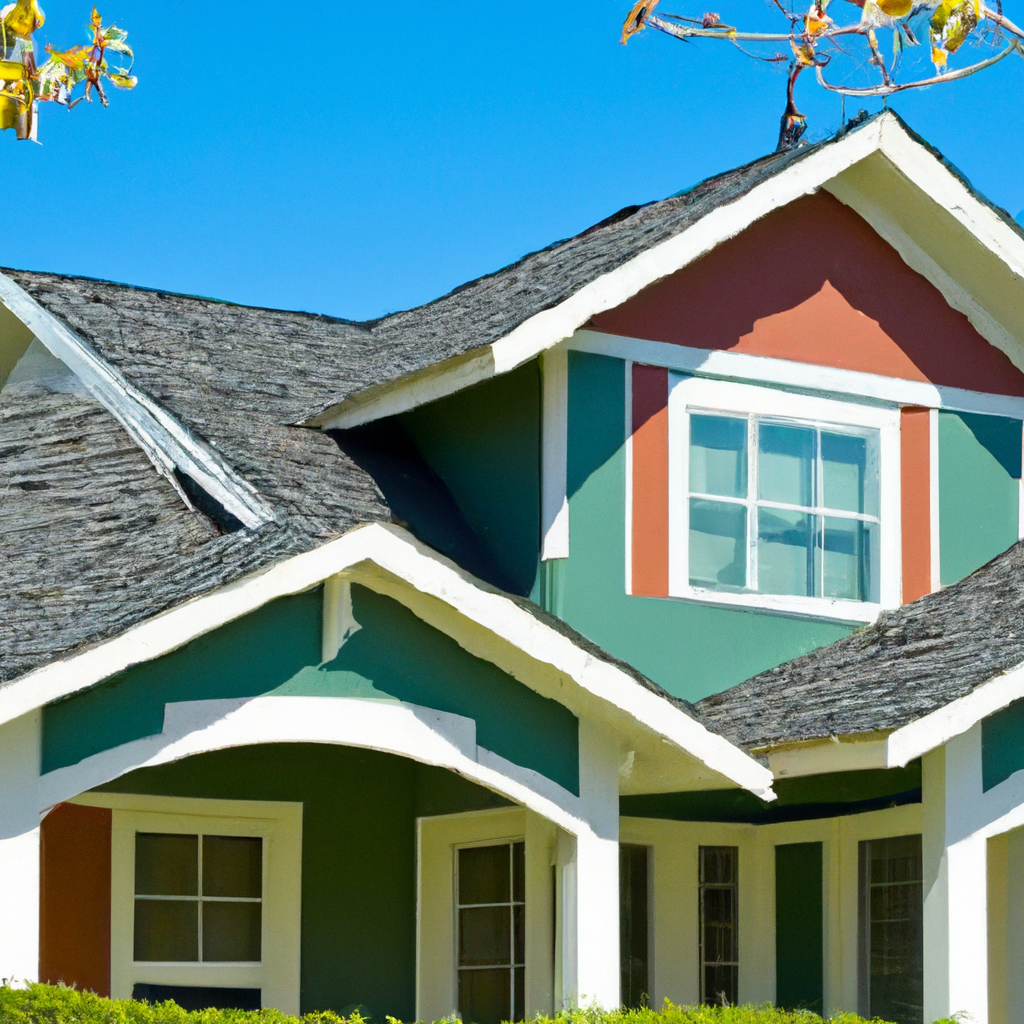
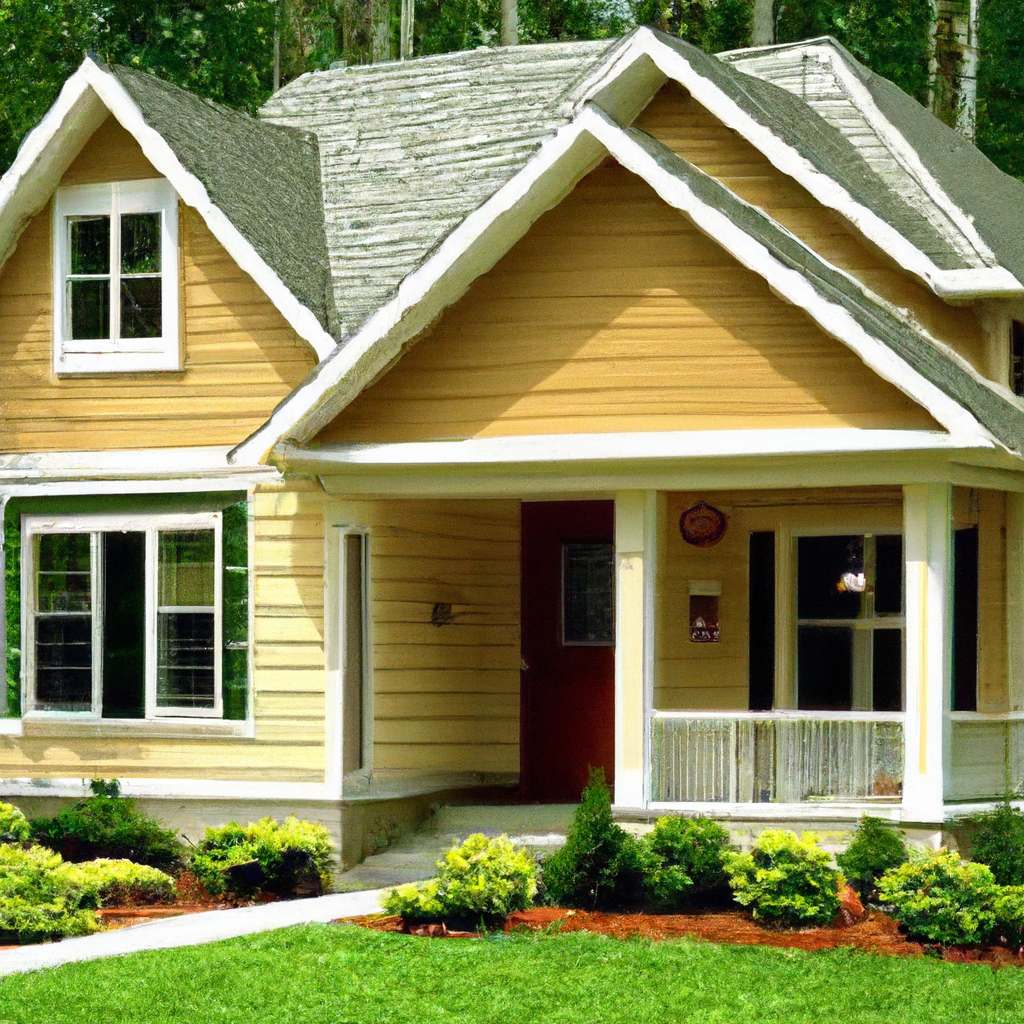
Looking to enhance the curb appeal of your rental property? With a few simple modifications, you can effortlessly elevate the overall appearance, attracting potential tenants and increasing the value of your investment. From strategic landscaping to fresh coats of paint, there are numerous practical and cost-effective ways to transform the exterior of your rental property into an inviting space that tenants will be eager to call home. So, roll up your sleeves and get ready to make a lasting impression with these tips and tricks.

Landscaping and Curb Appeal

Maintaining a Well-Manicured Lawn

One of the first things that visitors notice about your rental property is the condition of the lawn. Keeping a well-manicured lawn not only enhances the overall curb appeal but also creates a welcoming atmosphere. Regularly mowing, edging, and fertilizing the lawn will help maintain its health and vibrancy. Removing any weeds or patches of dead grass, and aerating the soil can also contribute to a lush and beautiful lawn.

Adding Colorful Plants and Flowers

Another way to enhance the exterior appeal of your rental property is by adding colorful plants and flowers. Planting vibrant flowers, shrubs, and bushes in strategic locations can create a visually appealing landscape. Consider using plants that bloom at different times of the year to ensure a continuous display of color. Additionally, container gardens or hanging baskets can be placed near the entrance to add a pop of color and inviting touch.

Installing Pathways and Walkways

Installing pathways and walkways not only adds functionality but also adds a touch of elegance to the property’s exterior. A well-constructed pathway can guide visitors to the entrance and create a sense of direction. Materials such as gravel, stone, or pavers can be used to create various designs and styles. Incorporating lighting along the path can further enhance its visual appeal and ensure safety during nighttime.

Creating Outdoor Seating Areas

Creating outdoor seating areas can transform your rental property’s exterior into a more inviting and enjoyable space. Consider adding a patio or deck with comfortable seating arrangements, allowing tenants and their guests to relax and socialize outdoors. Adding features like pergolas or umbrellas can provide shade and protection from the elements, making the space usable even on hot summer days or during light rain showers. By investing in outdoor furniture, cushions, and accessories, you can create a welcoming atmosphere that encourages tenants to spend more time outside.

Exterior Paint and Siding

Choosing a Fresh Color Palette

When it comes to the exterior appeal of your rental property, the color palette plays a significant role. Choosing a fresh and visually appealing color scheme can instantly revitalize the property’s facade. Consider factors such as the architectural style of the building, the surrounding environment, and current trends while selecting a color palette. Lighter colors can make the property appear larger, while darker colors can add an element of sophistication and elegance.

Repairing or Replacing Damaged Siding

Damaged or worn-out siding can significantly impact the overall appearance of your rental property. Cracks, dents, or peeling paint can make the property look neglected and decrease its value. Inspect the siding thoroughly and address any issues promptly. Depending on the severity of the damage, repairing or replacing the siding may be necessary. Hiring professionals for siding repairs ensures a high-quality finish and long-lasting results.

Power Washing and Cleaning the Exterior

Over time, the exterior of the rental property can accumulate dirt, grime, and mold. Power washing and cleaning the exterior surfaces can instantly enhance its appeal by restoring its original color and finish. Be sure to pay attention to areas such as the walls, windows, eaves, and gutters. This simple task can make a significant difference in the overall cleanliness and attractiveness of the property.

How Can I Improve The Exterior Appeal Of My Rental Property?

This image is property of images.unsplash.com.

Outdoor Lighting

Installing LED Landscape Lighting

Outdoor lighting not only adds beauty to your rental property but also improves safety and security. Opting for LED landscape lighting offers numerous benefits, including energy efficiency and longevity. Install lighting fixtures strategically to highlight architectural elements, pathways, and landscaping features. Consider using different types of lighting, such as uplights, spotlights, and path lights, to create a layered and visually appealing effect.

Highlighting Key Features

Outdoor lighting can be used to highlight key features of your rental property, such as a beautiful tree, a water feature, or an architectural detail. By illuminating these focal points, you draw attention to their beauty and create a stunning visual impact. Experiment with different lighting techniques and angles to find the most flattering way to showcase these features.

Adding Sensor Lights for Safety

Sensor lights are an excellent addition to any rental property, as they provide an extra layer of safety and security. Motion-activated lights near entryways, pathways, and driveways deter potential intruders and provide additional visibility during nighttime. These lights also benefit tenants, ensuring they feel safe and secure when accessing their property after dark.

Front Door and Entryway

Updating the Front Door

The front door is the focal point of your rental property’s facade, so it’s essential to ensure it is visually appealing and in good condition. Consider updating the front door by painting it in a vibrant color that complements the overall aesthetic of the property. Adding decorative elements such as a new door knocker, house numbers, or a wreath can enhance its charm and make a lasting impression.

Adding Decorative Elements

Enhancing the entryway with decorative elements can greatly improve the exterior appeal of your rental property. Consider adding a welcoming doormat, potted plants, or a seasonal wreath to create a warm and inviting atmosphere. These simple additions can make a significant difference and give tenants and visitors a positive first impression.

Enhancing the Entryway

By paying attention to the details, you can enhance the entryway of your rental property and create an inviting atmosphere. Adding a pathway or stairs leading to the front door can make the entrance more accessible and aesthetically pleasing. Additionally, installing outdoor lighting along the entryway can provide a warm and inviting glow, adding both safety and charm.

How Can I Improve The Exterior Appeal Of My Rental Property?

This image is property of images.unsplash.com.

Windows and Shutters

Cleaning and Replacing Windows

Clean, well-maintained windows are essential for improving the exterior appeal of your rental property. Regularly cleaning the windows, both inside and outside, helps remove dirt, grime, and streaks, allowing natural light to flood the interior spaces. If the windows are outdated or damaged, consider replacing them to improve energy efficiency and enhance the overall appearance of the property.

Painting and Repairing Shutters

Shutters add charm and character to any rental property, but over time, they can become worn-out or damaged. Painting and repairing shutters can breathe new life into their appearance and contribute to the overall appeal of the property. Choose a color that complements the exterior color palette while ensuring the shutters are structurally sound and functioning properly.

Adding Window Boxes

Window boxes filled with colorful flowers and plants can instantly elevate the exterior appeal of your rental property. These simple and affordable additions add a touch of charm and personality to the windows. Choose plants that thrive in your climate and that are easy to care for to ensure longevity and visual appeal.

Roof and Gutters

Inspecting and Repairing the Roof

A well-maintained roof not only protects the interior of your rental property but also enhances its exterior appeal. Regularly inspecting the roof for any signs of damage, such as missing shingles or leaks, is crucial. Addressing these issues promptly can prevent further damage and ensure the property remains visually appealing and structurally sound.

Cleaning and Replacing Gutters

Gutters play a critical role in directing rainwater away from the property’s foundation, preventing potential water damage. Cleaning the gutters regularly and removing any debris ensures they function properly. If the gutters are damaged or worn-out, consider replacing them to maintain the property’s overall appearance and functionality.

Removing or Trimming Overhanging Trees

Tree branches hanging over the roof can cause damage to the shingles and gutters, affecting the overall appeal of your rental property. Trimming or removing overhanging branches helps prevent potential damage and improves the visual aesthetics of the property. Consult with a professional tree service to ensure the work is done safely and correctly.

How Can I Improve The Exterior Appeal Of My Rental Property?

This image is property of images.unsplash.com.

Decks, Patios, and Porches

Refinishing or Staining the Deck

If your rental property has a deck, patio, or porch, it’s important to keep these areas well-maintained and visually appealing. Refinishing or staining the deck can revive its appearance and protect it from weather damage. Choose a color that complements the property’s exterior and consider adding a sealant to prolong its lifespan.

Adding Outdoor Furniture and Accessories

To create a welcoming outdoor space, consider adding comfortable and durable outdoor furniture and accessories to the deck, patio, or porch. This creates an additional living area for tenants to relax, entertain guests, or enjoy meals outside. Choose furniture and accessories that are easy to clean and maintain while also complementing the overall style and color palette of the property.

Creating a Welcoming Outdoor Space

By adding finishing touches to your rental property’s outdoor spaces, you can create a warm and welcoming environment for tenants and guests. Enhance the ambiance with outdoor lighting, such as string lights or lanterns, to create a cozy and inviting atmosphere. Incorporating plants, cushions, and decor that reflect the tenant’s lifestyle and interests can make the outdoor space feel like a personal oasis.

Garage and Driveway

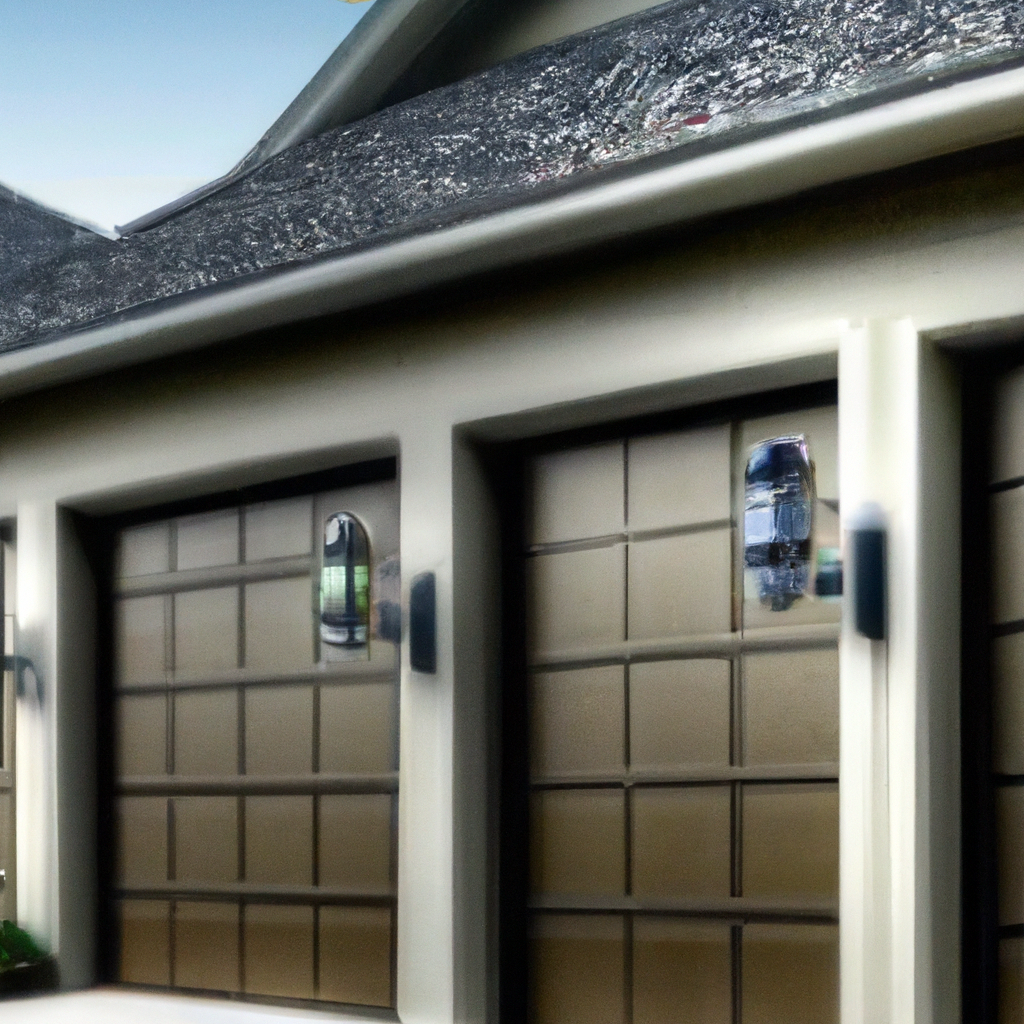
Updating the Garage Door

If your rental property has a garage, updating the garage door can significantly improve its exterior appeal. A new garage door can enhance the property’s overall aesthetic and make a positive impression on tenants and potential renters. Choose a design and color that complements the property’s architecture and color palette to achieve a cohesive and visually pleasing look.

Repairing or Repaving the Driveway

The driveway is an essential element of your rental property’s exterior, so it’s important to keep it in good condition. Repair any cracks, potholes, or uneven surfaces to ensure safe and convenient parking for tenants. If the driveway is beyond repair, consider repaving it to create a smooth and visually appealing surface.

Organizing and Decluttering the Garage

A well-organized and clutter-free garage not only improves the exterior appeal but also provides practical benefits for tenants. Encourage tenants to keep the garage clean and organized by providing storage solutions such as shelves, hooks, and bins. This ensures that the garage remains functional and visually appealing.

How Can I Improve The Exterior Appeal Of My Rental Property?

Fencing and Gates

Repairing or Replacing Fencing

The condition of the fencing surrounding your rental property has a significant impact on its exterior appeal. Repair any damages, such as broken panels or loose posts, to maintain the property’s security and visual appeal. If the fencing is beyond repair, consider replacing it to enhance privacy, security, and the overall aesthetic of the property.

Adding Decorative Elements to the Gate

The entrance gate is an ideal place to add decorative elements that enhance the exterior appeal of your rental property. Consider adding ornamental details, such as a decorative gate latch, house numbers, or potted plants, to bring a touch of charm and elegance to the entrance. These small additions can greatly contribute to the overall impression of the property.

Enhancing Privacy and Security

Fencing can not only enhance the visual appeal of your rental property but also contribute to privacy and security. Consider installing taller fencing or adding privacy panels, lattice, or trellis to increase privacy for tenants. Additionally, ensure that the gates are in good working order and use security measures such as locks or keypads to provide a sense of safety for tenants.

Regular Maintenance and Upkeep

Cleaning and Power Washing

Regular cleaning and power washing of the exterior surface of your rental property are essential for maintaining its appeal. This includes cleaning windows, doors, walls, and other surfaces to remove dirt, dust, and grime. Power washing can be especially beneficial for removing tough stains, mold, and mildew, revitalizing the property’s overall appearance and maintaining its value.

Trimming and Pruning Trees and Shrubs

Overgrown trees and shrubs can make your rental property look neglected and unkempt. Regularly trimming and pruning these plants maintains their shape and prevents them from obstructing windows, pathways, and other exterior features. Additionally, regular maintenance helps promote the health and longevity of the landscaping, ensuring a visually appealing environment for tenants.

Repairing any Visible Damage

Inspect your rental property’s exterior regularly for any visible damage and address it promptly. Whether it’s a cracked walkway, a chipped paint on the front door, or a loose railing, taking care of these minor repairs helps maintain the property’s overall appearance and prevents further deterioration. Keep a checklist of any visible damage and schedule regular maintenance to ensure the property remains visually appealing throughout the year.

In conclusion, improving the exterior appeal of your rental property is vital for attracting tenants, maintaining property value, and creating an inviting atmosphere. By following these tips and regularly maintaining the landscaping, paint, lighting, entryway, windows, roof, outdoor spaces, garage, fencing, and overall upkeep, you can ensure that your rental property’s exterior is always welcoming and visually appealing. Remember, a well-maintained exterior not only enhances curb appeal but also creates a positive first impression that can lead to long-term tenant satisfaction.

How Can I Improve The Exterior Appeal Of My Rental Property?

What’s Involved In Finishing A Basement?

Have you ever considered transforming your basement into a functional and inviting space? In “What’s Involved In Finishing A Basement?”, we will explore the exciting process of turning your underutilized basement into a beautiful room that enhances your home’s value and provides endless possibilities for relaxation and entertainment. Discover the key steps, from planning and design to insulation and lighting, that are involved in this transformative endeavor.

Planning and Design

Assessing the space

Before you begin the process of finishing your basement, it’s important to assess the space and determine its potential. Take a look at the layout and dimensions of the basement and consider any existing structural elements such as support beams or columns. This will help you understand the limitations and possibilities for your basement renovation.

Determining the purpose of the basement

Next, you need to determine the purpose of your finished basement. Will it be used as a family room, an entertainment area, a home office, or maybe even a guest bedroom? Understanding the intended use of the space will help guide your design choices and ensure that the finished basement meets your specific needs.

Creating a layout

With the purpose in mind, it’s time to create a layout for your finished basement. Consider how you want the space to flow and how different areas within the basement will be utilized. For example, if you plan to include a home theater area, you’ll need to consider seating arrangements and the placement of audiovisual equipment. Sketching out a basic floor plan can help you visualize the layout and make necessary adjustments before starting the construction process.

Obtaining necessary permits

Before you begin any work on your basement, it’s crucial to check with your local building department and obtain the necessary permits. The requirements may vary depending on your location, but in most cases, you will need permits for electrical, plumbing, and structural work. It’s important to follow the proper procedures and regulations to ensure your basement renovation is safe and up to code.

Insulation and Waterproofing

Insulating the walls

Proper insulation is crucial for maintaining a comfortable temperature in your finished basement. Insulating the walls will not only help with temperature control but also improve soundproofing. Choose insulation material suitable for basements (such as foam board insulation) and install it between the studs of the exterior walls. This will create a thermal barrier and prevent heat loss or gain.

Insulating the ceiling

To further enhance energy efficiency in your finished basement, insulating the ceiling is essential. Use insulation batts or blown-in insulation to minimize heat transfer between the basement and upstairs living spaces. This will help regulate temperatures and make the basement more comfortable throughout the year.

Waterproofing the basement

Basements are prone to moisture-related issues, so waterproofing is a crucial step in finishing your basement. Start by identifying any signs of water infiltration or existing leaks, as these issues should be addressed before proceeding with the renovation. Apply a waterproofing membrane or coating on the walls and floors to prevent water from seeping in. Additionally, consider installing an interior drainage system or sump pump to deal with any potential water accumulation.

Installing a vapor barrier

Installing a vapor barrier is necessary to prevent moisture buildup within the walls. This barrier will help protect the insulation and prevent the growth of mold or mildew. Place a plastic vapor barrier on the interior side of the insulated basement walls before adding any finishings. Be sure to seal all seams and edges properly to create an airtight barrier.

Whats Involved In Finishing A Basement?

This image is property of images.unsplash.com.

Electrical and Plumbing

Running electrical wires

Proper electrical wiring is essential for powering your finished basement. Plan your electrical layout to include outlets, light fixtures, and any other electrical components you’ll need. Carefully run electrical wires through the walls and ceiling, following local building codes and safety regulations. It’s crucial to hire a licensed electrician to handle this part of the project, ensuring that the wiring is done correctly and safely.

Installing outlets and light fixtures

Once the electrical wiring is in place, you can proceed with installing outlets and light fixtures. Determine the optimal locations for outlets based on your planned use of the space. Install switches, dimmers, and lighting fixtures according to your design preferences and the lighting needs of each area within the finished basement.

Adding plumbing for sinks or bathrooms

If you’re planning to include a bathroom or a sink in your finished basement, you’ll need to add plumbing. This will involve running water supply lines and drainage pipes. Ensure that you have the necessary permits and hire a licensed plumber to handle the plumbing installation. Proper plumbing is crucial for functionality and compliance with plumbing codes.

Connecting to the main plumbing system

When adding plumbing fixtures to your finished basement, you’ll need to connect them to the existing main plumbing system. This will involve tapping into the main water supply line and connecting the drainage pipes to the existing sewer or septic system. It’s important to follow local plumbing codes and hire a professional to ensure proper connection and prevent any potential plumbing issues in the future.

HVAC Systems

Evaluating existing HVAC systems

Before proceeding with the HVAC system installation in your finished basement, evaluate the existing heating and cooling systems in your home. Depending on the capacity and condition of your current system, you may need to upgrade or extend it to adequately heat and cool the basement area. Consult with an HVAC professional to determine the best course of action based on your specific needs.

Upgrading or extending heating and cooling systems

If your existing HVAC system is insufficient to meet the heating and cooling demands of your finished basement, you may need to upgrade or extend it. This could involve installing additional vents, ductwork, or adding a separate HVAC unit for the basement. Proper sizing and installation are crucial to ensure optimal comfort and efficiency in the finished space.

Adding ventilation

Proper ventilation is essential for maintaining good air quality in your finished basement. Installing ventilation systems, such as exhaust fans or air exchangers, can help remove excess moisture and prevent the buildup of mold or stale air. Consider the specific needs of your basement space and consult with an HVAC professional to determine the best ventilation options for your project.

Installing ductwork

If your finished basement requires heating or cooling, installing ductwork is necessary to distribute air throughout the space. This will involve routing ducts from the main HVAC system to the basement area. Proper planning and installation of ductwork are essential for efficient temperature control and airflow. It’s recommended to consult with an HVAC contractor to ensure the ductwork is designed and installed correctly.

Whats Involved In Finishing A Basement?

This image is property of images.unsplash.com.

Framing

Building walls and dividing the space

Framing is an integral part of finishing your basement as it involves building walls to divide the space into different rooms or areas. Measure and mark the locations of the walls according to your layout. Use pressure-treated lumber for the bottom plate to prevent moisture damage. Install vertical framing studs, top plates, and headers to create a sturdy frame for your walls. Follow building codes and regulations when framing walls in a basement.

Creating doorways and windows

In the framing process, you’ll also need to create doorways and window openings as per your design. Measure and mark the desired locations for doors and windows and frame them accordingly. Use appropriate framing techniques to ensure structural integrity and proper support for the doors and windows. This will also allow for the future installation of doors and windows during the finishing stages.

Installing fire-safety materials

Fire safety is crucial in a finished basement, so it’s essential to install fire-safety materials during the framing stage. This includes fire-rated drywall, which provides enhanced fire resistance, especially when used around utilities or key access points. Additionally, install fire-rated doors in areas that require them, such as bedrooms or utility rooms. Follow local fire codes and regulations to ensure adequate fire safety measures are in place.

Securing the walls to the foundation

To secure the framed walls to the foundation of the basement, use anchor bolts or concrete screws. Attach the bottom plates of the framed walls securely to the floor using fasteners specifically designed for masonry. This will ensure stability and prevent any shifting or movement of the walls over time. Proper anchoring is crucial to maintain the structural integrity of your finished basement.

Drywall and Ceilings

Hanging drywall panels

Once the framing is complete, you can move on to hanging drywall panels. Measure and cut the drywall to fit the walls and ceilings of your finished basement. Use drywall screws to attach the panels to the framing, ensuring a secure and even installation. Be sure to leave space around doors and windows for future trimming and finishings.

Taping and finishing drywall

After the drywall panels are hung, it’s time to tape and finish the joints. Apply drywall tape to cover the seams and corners of the panels. Use joint compound to fill in the gaps and create a smooth surface. Sand the dried compound until it is flush with the surrounding drywall. Repeat the process of applying joint compound and sanding as necessary until the entire surface is smooth and ready for painting.

Installing suspended or drop ceilings

If you prefer a suspended or drop ceiling in your finished basement, this is the time to install it. Measure and mark the proper height for the suspended ceiling, considering any necessary clearance for ductwork, pipes, or other utilities. Install the suspended ceiling grid system according to the manufacturer’s instructions and insert the ceiling tiles. This type of ceiling offers easy access to utilities and can enhance the overall aesthetic appeal of your finished basement.

Creating access panels for utility areas

To maintain accessibility to utility areas in your finished basement, create access panels in the drywall or ceiling. These panels will provide a convenient way to reach electrical panels, plumbing connections, or heating and cooling systems for future maintenance or repairs. Incorporate the access panels into your design plan to ensure the functionality and longevity of your finished basement.

Whats Involved In Finishing A Basement?

This image is property of images.unsplash.com.

Flooring

Choosing suitable flooring options

When it comes to choosing flooring for your finished basement, consider factors such as durability, moisture resistance, and aesthetics. Some suitable flooring options for basements include carpet, laminate, vinyl, or tile. Determine the specific needs of each area within your basement and select the flooring material that best meets those requirements.

Preparing the floor surface

Proper preparation of the floor surface is essential for successful flooring installation. Clean the concrete floor thoroughly, removing any dust or debris. Fill any cracks or uneven areas with a suitable floor leveling compound to create a smooth and even surface. This will ensure proper adhesion and a long-lasting flooring installation.

Installing carpet, laminate, or tile

Depending on your chosen flooring material, follow the manufacturer’s instructions for installation. If you opt for carpet, hire a professional carpet installer to ensure a proper fit and secure installation. For laminate or tile flooring, carefully place and secure the flooring material according to the recommended installation method. Take your time and follow each step correctly to achieve a professional-looking finish.

Sealing the floor for moisture protection

To provide extra protection against moisture, particularly if you have a concrete basement floor, consider sealing the floor. Use a suitable concrete sealant to create a barrier that prevents moisture from seeping through the concrete and damaging your flooring. Follow the product instructions for application and maintenance to ensure long-term moisture protection in your finished basement.

Lighting and Electrical Fixtures

Installing recessed lights

Recessed lighting can provide an elegant and modern look to your finished basement. Determine the optimal locations for your recessed lights based on your layout and desired lighting effects. Carefully cut holes in the drywall or ceiling and install the recessed light fixtures following the manufacturer’s instructions. Connect the wiring and secure the fixtures in place. Consider using LED bulbs for energy efficiency and longevity.

Adding track or pendant lights

In addition to recessed lights, you may want to incorporate track or pendant lights into your finished basement. Track lighting allows for flexibility in positioning and directing light, while pendant lights can add a decorative element to the space. Determine the desired locations for these types of fixtures and follow the manufacturer’s instructions for installation. Make sure to connect the wiring correctly and mount the fixtures securely.

Mounting light switches and dimmers

Install light switches and dimmers in convenient locations to control the lighting in your finished basement. Determine the optimal placements for switches based on the room layout and user comfort. Cut holes in the drywall or wall panels and install the electrical boxes. Connect the wiring and attach the switches or dimmers, ensuring they are secure and properly grounded. Test the switches to ensure they’re functioning correctly.

Connecting electrical fixtures

Once the electrical fixtures are installed, you’ll need to properly connect them to the electrical wiring. Ensure that all fixtures are wired correctly and securely attached to the junction boxes. Follow the manufacturer’s instructions for wiring and connection to avoid any electrical hazards. If you’re unsure about electrical work, consult with a licensed electrician to ensure safety and compliance with electrical codes.

Whats Involved In Finishing A Basement?

Plumbing and Bathroom Fixtures

Installing bathroom fixtures

If your finished basement includes a bathroom, it’s time to install the bathroom fixtures. This includes items such as sinks, toilets, and showers or bathtubs. Make sure you have the necessary plumbing connections in place and follow the manufacturer’s instructions for installation. Hire a licensed plumber if you’re not familiar with plumbing work to ensure proper installation and functionality.

Setting up drainage and water supply

When installing bathroom fixtures in your finished basement, it’s crucial to set up the drainage and water supply properly. Connect the drainage pipes to the existing plumbing system, ensuring proper slope and alignment for effective drainage. Install the water supply lines and connect them to the main water supply. Check for any leaks or issues and make necessary adjustments to ensure a functioning and leak-free plumbing system.

Adding sinks, toilets, and showers

Once the drainage and water supply are properly set up, you can proceed with installing sinks, toilets, and showers in your finished basement bathroom. Follow the manufacturer’s instructions for installation and secure the fixtures in place. Ensure that all connections are tight and properly sealed to prevent leaks. Test the fixtures for functionality before moving on to the finishing stages of your basement renovation.

Applying waterproofing for bathroom areas

In a bathroom within a finished basement, it’s important to apply proper waterproofing measures. Use waterproofing membranes or coatings on the walls and floors of the bathroom area to prevent water damage. Pay special attention to areas around showers or tubs, ensuring proper sealing and protection against moisture. Following waterproofing guidelines will extend the lifespan of your finished basement and prevent potential issues like mold or mildew growth.

Painting and Finishing

Priming the walls and ceilings

Before painting the walls and ceilings of your finished basement, it’s essential to prime them first. Priming helps to create an even surface and enhances the adhesion of the paint. Use a high-quality primer suitable for your chosen paint type and apply it evenly with a brush or roller. Allow the primer to dry thoroughly before proceeding with the paint application.

Choosing paint colors and finishes

The choice of paint colors and finishes can greatly impact the overall look and feel of your finished basement. Consider the desired ambiance and style you want to achieve. Opt for lighter and warmer colors to make the space feel larger and more inviting. Choose paint finishes that are easy to clean and maintain, especially in high-traffic areas like hallways or playrooms.

Applying paint and trim

Once the primer is dry, you can begin applying paint to your finished basement walls and ceilings. Use a high-quality paint and apply it evenly with a brush or roller. Take your time and ensure that the paint coverage is consistent. Trim areas, such as baseboards and crown molding, can also be painted at this stage. Apply multiple coats if necessary for the desired color and finish.

Finishing touches like baseboards and crown molding

To add a polished and finished look to your basement, install baseboards and crown molding. These architectural elements can enhance the overall aesthetic appeal of the space. Measure and cut the molding or baseboards to fit and install them securely with nails or adhesive. Make sure the joints are properly aligned and fill any gaps with caulk. Paint or stain the trim to match the rest of the finished basement.

By following this comprehensive guide, you can successfully finish your basement and transform it into a functional and inviting living space. Remember to consult with professionals when necessary and obtain the required permits for each stage of your basement renovation. With proper planning, careful execution, and attention to detail, you can create a wonderful basement space that adds value and enjoyment to your home.

Whats Involved In Finishing A Basement?

What Legal Obligations Do I Have Towards Ensuring Property Safety?

If you own or manage a property, be it a home, office building, or rental property, it is crucial to understand the legal obligations you have towards ensuring the safety of that property. From maintaining fire safety equipment to preventing slip and fall accidents, your responsibilities as a property owner or manager go beyond just aesthetics. This article will explore the legal obligations you need to be aware of to ensure the safety and well-being of anyone who enters your property. So let’s dive in and find out what steps you need to take to fulfill your legal obligations towards property safety.

Landlord Responsibilities

As a landlord, you have several important responsibilities when it comes to ensuring the safety of your rental property and its occupants. The well-being of your tenants should always be a priority, and there are various steps you can take to maintain a safe environment.

Maintaining a safe environment

One of your primary responsibilities as a landlord is to provide a safe living environment for your tenants. This involves regular maintenance and inspection of the property to identify and address any potential hazards or safety concerns. From ensuring that the electrical and plumbing systems are in proper working order to fixing structural issues, you must take prompt action to rectify any problems that may compromise the safety of the property.

Regular property inspections

Regular property inspections are crucial to identify any potential hazards or maintenance issues that need to be addressed. By conducting inspections on a periodic basis, you can proactively identify and rectify problems before they escalate and put your tenants at risk. These inspections should cover all areas of the property, including common areas and individual units.

Proper installation and maintenance of security measures

As a landlord, it is your responsibility to ensure that your rental property is equipped with adequate security measures to protect your tenants and their belongings. This includes properly installing and maintaining security features such as locks, lighting, and alarm systems. Regularly check and test these security measures to ensure they are in good working condition.

Informing tenants

Effective communication with your tenants is essential for maintaining a safe living environment. It is important to inform your tenants about any safety protocols or procedures they should follow, such as emergency evacuation plans or rules for the safe use of common areas. Regularly communicate with your tenants to keep them informed about any safety updates or reminders.

Ensuring compliance with building codes and regulations

To ensure the safety of your rental property, you must adhere to all relevant building codes and regulations set by local authorities. Familiarize yourself with these requirements and make sure your property meets all necessary standards. From fire and safety codes to accessibility regulations, compliance with these rules is essential for maintaining a safe living environment for your tenants.

Tenant Responsibilities

While the responsibility for maintaining a safe living environment primarily lies with the landlord, tenants also have certain obligations to uphold. By fulfilling these responsibilities, tenants can contribute to the overall safety of the property and foster a secure community.

General upkeep and cleanliness

Tenants should be responsible for keeping their living space clean and well-maintained. Regular cleaning and proper upkeep of the property can help prevent the accumulation of dirt, pests, or other hazards that may compromise the safety of the premises. By promptly cleaning up spills, disposing of trash properly, and keeping their units tidy, tenants can contribute to a safer living environment.

Reporting safety concerns

Tenants should promptly report any safety concerns or maintenance issues to their landlord. Whether it’s a faulty electrical outlet, a leaky faucet, or a potential safety hazard, reporting these problems allows the landlord to take appropriate action to address them. Timely reporting can help prevent accidents and ensure that necessary repairs are carried out in a timely manner.

Proper use of equipment and appliances

Tenants should use all equipment and appliances provided by the landlord in a responsible and safe manner. Following the manufacturer’s instructions for their use and maintenance can help prevent accidents and minimize the risk of damage to the property. Tenants should also refrain from tampering with or attempting to fix any equipment or appliances themselves, as this could lead to further issues or potential safety hazards.

Avoiding hazards

Tenants should be mindful of their actions and take steps to avoid creating hazards within the rental property. This includes refraining from blocking emergency exits or tampering with safety features such as smoke detectors or fire extinguishers. Additionally, tenants should refrain from engaging in any activities that could potentially compromise the structural integrity of the property or pose a risk to themselves or others.

Complying with safety regulations

Tenants have a responsibility to comply with any safety regulations or guidelines set forth by the landlord or local authorities. This may include adhering to any rules regarding smoking, the storage of flammable materials, or the use of common areas. By following these safety regulations, tenants can contribute to the overall well-being of the property and help create a safe and harmonious living environment.

What Legal Obligations Do I Have Towards Ensuring Property Safety?

This image is property of images.unsplash.com.

Legal Standards and Regulations

When it comes to property safety, there are several legal standards and regulations that landlords and tenants must abide by. Understanding and complying with these laws is essential for ensuring the safety and well-being of all parties involved.

Occupational Safety and Health Administration (OSHA) guidelines

OSHA guidelines set standards for workplace safety and may be applicable to rental properties, particularly if there are employees or contractors working on the premises. Landlords should familiarize themselves with relevant OSHA guidelines to ensure compliance and provide a safe working environment for anyone working on the property.

Fair Housing Act requirements

The Fair Housing Act prohibits discrimination in the rental housing industry and sets forth guidelines for landlords to follow. While not directly related to property safety, compliance with the Fair Housing Act ensures that all tenants are treated fairly and have equal access to safe housing.

Local building codes and regulations

Local building codes and regulations are in place to ensure that properties are constructed, maintained, and used in a safe manner. Landlords must familiarize themselves with these codes and ensure that their rental property meets all necessary requirements. This may include standards for electrical systems, plumbing, fire safety, and accessibility, among others.

Fire and safety codes

Fire and safety codes are specific regulations that focus on preventing and mitigating fire hazards in buildings. Compliance with these codes is crucial for the safety of both the property and its occupants. Landlords must ensure that their rental property meets all fire and safety code requirements, which may include the installation of smoke detectors, fire extinguishers, and the availability of emergency exits.

Building access regulations

Building access regulations pertain to the security and accessibility of rental properties. These regulations may cover issues such as building entry, key management, and visitor access control. Landlords must adhere to these regulations to ensure the safety and security of the property and its occupants.

Fire Safety Measures

Fire safety is of utmost importance when it comes to property safety. Implementing appropriate fire safety measures can help minimize the risk of fire-related accidents and ensure a prompt and effective response in case of an emergency.

Installation of smoke detectors

Smoke detectors are essential for early detection of fires and can greatly increase the chances of escape. Landlords should ensure that smoke detectors are installed in all required areas of the property, such as bedrooms, hallways, and living areas. Regularly test and maintain these detectors to ensure they are functioning properly.

Placement and maintenance of fire extinguishers

Fire extinguishers are crucial for containing small fires and preventing them from spreading. Landlords should provide properly maintained fire extinguishers in easily accessible areas throughout the property. Educate your tenants about the location of these extinguishers and how to use them effectively.

Emergency exit accessibility

In the event of a fire or other emergencies, clear and unobstructed emergency exit routes are essential for the safety of everyone in the building. Landlords must ensure that emergency exits are readily accessible, free from obstructions, and clearly marked. Regularly inspect these routes to ensure their usability and inform tenants about their locations.

Regular fire drills

Conducting regular fire drills can help familiarize tenants with emergency procedures and enhance their ability to respond effectively in case of a fire. Landlords should coordinate and organize fire drills periodically to ensure that tenants are prepared and know how to evacuate the property safely.

Fire alarm systems

Fire alarm systems are crucial for alerting occupants in the event of a fire. Landlords should install and maintain fire alarm systems that comply with all relevant regulations and standards. Regularly test these systems to ensure they are in proper working order and promptly address any issues that may arise.

What Legal Obligations Do I Have Towards Ensuring Property Safety?

This image is property of images.unsplash.com.

Security Measures

Ensuring the security of your rental property is essential for the safety and peace of mind of your tenants. By implementing appropriate security measures, you can help prevent unauthorized access and protect your property from potential threats.

Proper lighting around the property

Adequate lighting is an important deterrent to potential criminals and can significantly enhance the overall security of the property. Install proper lighting fixtures in both outdoor and common areas to ensure good visibility and minimize the risk of accidents. Regularly check and replace any faulty or dim lighting to maintain a well-lit environment.

Secure and functional locks

Proper locks are the first line of defense against unauthorized entry. Install high-quality locks on all exterior doors and windows to ensure the security of the property. Regularly inspect and maintain these locks to ensure they are in good working condition. Consider upgrading to more secure lock systems, such as deadbolts or smart locks, for enhanced protection.

Security cameras and surveillance systems

Installing security cameras and surveillance systems can help deter criminal activities and provide valuable evidence in case of incidents. Consider installing security cameras in common areas, entrances, and other strategic locations. Ensure that the cameras are properly maintained and regularly checked for functionality.

Fences and gates

Fences and gates can provide an additional layer of security for your rental property. Install sturdy fences around the perimeter of the property to restrict unauthorized access. Make sure that gates are properly maintained and functioning effectively. Consider implementing access control systems for added security.

Burglar alarms

Burglar alarms can serve as an effective deterrent against break-ins and intrusions. Install burglar alarm systems in your rental property to alert tenants and nearby authorities in case of unauthorized entry. Regularly test and maintain these systems to ensure their proper functioning.

Maintenance and Repairs

Proper maintenance and timely repairs are essential for ensuring the safety and functionality of your rental property. By promptly addressing maintenance requests and addressing safety hazards, you can create a secure and comfortable living environment for your tenants.

Prompt addressing of maintenance requests

Tenants may encounter maintenance issues from time to time, and it is essential to respond to these requests promptly. Establish a clear system for reporting maintenance issues and ensure that tenants are aware of how to submit their requests. Address these requests in a timely manner to maintain a safe and habitable living environment.

Fixing structural issues

Structural issues can pose significant safety risks if not addressed promptly. From cracks in the foundation to sagging ceilings, it is crucial to identify and fix these problems to prevent further damage or accidents. Work with qualified professionals to assess and repair any structural issues in your rental property.

Repairing electrical and plumbing problems

Electrical and plumbing problems can not only inconvenience your tenants but also pose serious safety hazards. If tenants report issues with electrical outlets, wiring, or plumbing fixtures, ensure that these problems are addressed by licensed professionals. Neglecting electrical or plumbing problems can lead to fire risks, water damage, or other safety hazards.

Addressing safety hazards

It is the responsibility of the landlord to identify and address safety hazards in the rental property. This includes hazards such as broken stairs, loose handrails, or slippery surfaces. Regularly inspect the property for any potential safety hazards and take prompt action to fix them. By maintaining a hazard-free environment, you can minimize the risk of accidents and injuries.

Regular cleaning and upkeep

Regular cleaning and upkeep of the property are essential for maintaining a safe and healthy living environment. Clean common areas, walkways, and ventilation systems regularly to prevent the accumulation of dust, mold, or pests. Ensure that trash is properly disposed of and that garbage bins are regularly emptied to avoid attracting pests or causing unsanitary conditions.

What Legal Obligations Do I Have Towards Ensuring Property Safety?

This image is property of images.unsplash.com.

Liability and Insurance

Understanding liability and insurance obligations is crucial for landlords to protect themselves and their tenants in the event of accidents or emergencies. By having the right insurance coverage and following legal requirements, you can mitigate potential risks and ensure adequate protection.

Liability for injuries or accidents

Landlords can be held liable for injuries or accidents that occur on their rental property if it is determined that negligence or failure to address safety issues contributed to the incident. It is essential to maintain a safe living environment, promptly address maintenance issues, and comply with all relevant safety regulations to minimize the risk of accidents and potential liability.

Renter’s insurance

While landlords are responsible for the overall safety of the property, tenants are typically responsible for their personal belongings. Encourage your tenants to obtain renter’s insurance, which can provide coverage for their personal property in the event of theft, fire, or other unforeseen events. Renter’s insurance also offers liability coverage, protecting tenants from potential legal claims.

Additional liability coverage

In addition to renter’s insurance, landlords may want to consider obtaining additional liability coverage through landlord insurance policies. This type of insurance provides protection for landlords against potential liability claims arising from accidents, injuries, or property damage. Consult with an insurance professional to determine the appropriate coverage for your specific needs.

Understanding policy terms and conditions

When obtaining insurance coverage, it is important to thoroughly understand the terms and conditions of the policy. Familiarize yourself with the coverage limits, exclusions, and requirements outlined in the policy. Compliance with any stipulations or safety requirements set forth by the insurance provider is crucial to ensure that your coverage remains valid.

Seeking legal advice if necessary

If you have concerns or questions about your liability or insurance obligations as a landlord, it is advisable to seek legal advice. A qualified attorney can provide guidance and clarification on legal requirements and help you navigate any potential legal issues that may arise. By seeking professional advice, you can ensure that you are fulfilling your legal obligations and protecting yourself and your tenants.

Regulations for Rental Properties

Landlords must adhere to various regulations and requirements to ensure the safety and habitability of rental properties. Familiarize yourself with these regulations to ensure compliance and provide a secure and comfortable living environment for your tenants.

Habitability requirements

Habitability requirements set forth specific standards for rental properties to ensure the health and safety of tenants. These requirements may address issues such as heating, ventilation, plumbing, and electrical systems. Landlords must comply with these regulations to provide habitable living conditions for their tenants, including the provision of potable water and adequate heating.

Required safety features

There may be specific safety features that are legally mandated for rental properties. These features can include smoke detectors, carbon monoxide detectors, fire extinguishers, and secure windows and doors. Familiarize yourself with the safety features required by local regulations and ensure that your rental property meets all necessary requirements.

Regular property inspections

Regulations may require regular inspections of rental properties to ensure compliance with building and safety codes. These inspections may be conducted by local authorities or appointed inspectors. Cooperate with these inspections and promptly address any issues identified during the inspection process.

Landlord-tenant agreements

Landlord-tenant agreements, also known as leases, play a crucial role in outlining the rights and responsibilities of both parties. Include provisions related to property safety in your lease agreement, such as rules regarding smoking, use of common areas, and reporting of safety concerns. Clearly communicate these provisions to your tenants to ensure their understanding and compliance.

Tenant rights and responsibilities

Tenants also have rights and responsibilities when it comes to property safety. Familiarize yourself with the tenant rights and responsibilities outlined by local laws and regulations. Provide information to your tenants about their rights to a safe living environment and clearly communicate their responsibilities in maintaining the safety of the property.

What Legal Obligations Do I Have Towards Ensuring Property Safety?

Personal Safety

Personal safety should be a priority for both landlords and tenants. By implementing personal safety precautions and promoting a secure environment, everyone can contribute to the overall well-being of the property.

Implementing personal safety precautions

Encourage your tenants to take personal safety precautions, such as locking doors and windows when away, not sharing access codes or keys with unauthorized individuals, and being cautious about who they allow into the property. Consider providing educational resources on personal safety measures to assist your tenants in protecting themselves.

Maintaining a secure environment

As a landlord, you can contribute to a secure environment by implementing appropriate security measures, properly maintaining the property, and promptly addressing any safety concerns. By creating a safe atmosphere, you can foster a sense of security among your tenants and help prevent potential incidents.

Being aware of potential threats

Both landlords and tenants should be aware of potential threats and take necessary precautions to mitigate risks. Stay informed about the local crime rate and any security concerns in the area. Encourage tenants to report any suspicious activities or individuals to the proper authorities. By remaining vigilant, everyone can play a role in maintaining a safe living environment.

Safe use of common areas

If your rental property includes common areas, such as laundry rooms, parking lots, or recreational facilities, ensure that they are properly maintained and well-lit. Encourage tenants to use these areas responsibly and report any safety concerns promptly. Establish rules for their use to ensure that everyone can enjoy these amenities in a safe manner.

Reporting suspicious activities

Tenants should be encouraged to report any suspicious activities or individuals they observe within the rental property or its surroundings. Establish clear procedures for reporting these concerns and assure your tenants that their safety is a priority. Promptly investigate any reports and take appropriate action to address any potential security threats.

Legal Consequences

Failure to fulfill your legal obligations as a landlord or tenant can lead to various legal consequences. Understanding the potential legal ramifications is crucial for ensuring compliance and protecting the well-being of everyone involved.

Civil lawsuits

Failure to maintain a safe living environment can expose landlords to civil lawsuits if tenants suffer injuries or incur damages as a result. These lawsuits can result in financial liability and reputational damage. By fulfilling your responsibilities and taking necessary precautions, you can minimize the risk of legal action.

Penalties and fines

Non-compliance with legal requirements and regulations can lead to penalties and fines imposed by local authorities. These penalties can be significant and may escalate if violations persist. By familiarizing yourself with the relevant regulations and ensuring compliance, you can avoid unnecessary fines and legal consequences.

Property damage claims

Failure to address maintenance issues promptly can result in property damage claims. If tenants suffer property damage due to negligence or lack of timely repairs, they may seek compensation for their losses. To minimize the risk of property damage claims, prioritize regular maintenance and promptly address any reported issues.

Termination of lease agreements

Serious safety violations or repeated non-compliance with legal obligations can lead to the termination of lease agreements. Local laws may provide tenants with the right to terminate their lease if their living conditions become unsafe. By fulfilling your responsibilities, you can maintain positive relationships with your tenants and avoid the termination of lease agreements.

Criminal charges

In extreme cases, criminal charges may be filed against landlords for serious safety violations or negligence. If such charges are proven, landlords may face fines, probation, or even imprisonment. It is essential to prioritize the safety of your property and tenants to avoid the potential legal ramifications of criminal charges.

In conclusion, ensuring property safety is a shared responsibility between landlords and tenants. By fulfilling your obligations and complying with legal requirements, you can create a secure living environment for your tenants. Regular maintenance, adherence to safety regulations, and effective communication with tenants are key factors in maintaining property safety. Prioritize your tenant’s well-being, understand your legal obligations, and take the necessary steps to promote a safe and comfortable living environment.

What Legal Obligations Do I Have Towards Ensuring Property Safety?

What Insurance Considerations Should I Be Aware Of For Rental Properties?

Owning rental properties can be a great way to generate income, but it also comes with a set of responsibilities and considerations. When it comes to insurance, it’s important to be aware of certain factors that can greatly impact your investment. From liability coverage to property damage, understanding the ins and outs of insurance for rental properties is crucial to protecting your assets and ensuring a smooth rental experience. In this article, we will explore the key insurance considerations that every property owner should keep in mind. Whether you’re a seasoned landlord or just starting out in the rental market, this information will help you navigate the world of insurance and make informed decisions that will safeguard your investment. As a landlord or a tenant, it is important to understand the various insurance considerations for rental properties. Property damage, liability claims, natural disasters, and other unforeseen circumstances can lead to significant financial losses if you are not adequately protected. In this comprehensive guide, we will take a closer look at the different types of insurance coverage available for rental properties, factors that affect insurance premiums, deductible options, additional endorsements or riders to consider, and the importance of regularly reviewing and updating insurance policies. We will also emphasize the value of working with a knowledgeable insurance agent who can guide you through the complexities of insurance policies and help you find the best coverage options for your specific needs.

Property Insurance

Coverage for Property Damage

Property insurance provides coverage for damage to the physical structure of the rental property itself. This includes protection against perils such as fire, lightning, wind, hail, and other named hazards. It is crucial for landlords and tenants to have property insurance in place to protect their investment or personal belongings respectively. Whether you own a single-family home or a multi-unit building, property insurance is essential for covering the cost of repairs or rebuilding in the event of unforeseen damage.

Liability Coverage for Rental Properties

Liability coverage is another important aspect of property insurance. This coverage provides financial protection in the event that someone is injured on the rental property and holds the landlord or tenant responsible. Liability coverage can help cover medical expenses, legal fees, and potential settlements or judgments. It is vital for landlords and tenants to have liability coverage to safeguard their assets and mitigate the risk of financial losses resulting from personal injury claims.

Vandalism and Theft Coverage

Vandalism and theft are unfortunate realities that landlords and tenants may encounter. Vandalism coverage protects against intentional damage inflicted on the rental property by individuals, whereas theft coverage provides financial reimbursement for stolen belongings or damage caused during a theft. Having vandalism and theft coverage can provide peace of mind and help mitigate the financial impact of these unfortunate events.

Loss of Rental Income Coverage

For landlords, loss of rental income coverage is critical. In the event that a rental property becomes uninhabitable due to covered perils, this coverage can provide compensation for the lost rental income during the time required for repairs or rebuilding. It helps protect landlords from the financial burden of mortgage payments and other expenses while the property is unusable. Having loss of rental income coverage ensures landlords maintain a steady cash flow even during unexpected disruptions.

Landlord Insurance

Protection for Landlord’s Personal Property

In addition to property insurance, landlords should consider insurance coverage for their personal property that may be located in the rental unit. This includes appliances, furniture, carpets, and any other belongings provided to tenants as part of the rental agreement. Landlord insurance protects against loss or damage to these personal property items, ensuring landlords are financially protected in case of theft, vandalism, or other covered perils.

Liability Coverage for Landlord-Related Claims

Landlord insurance also includes liability coverage specific to the responsibilities and risks associated with being a landlord. This coverage protects landlords against claims brought by tenants or third parties for bodily injury or property damage occurring on the rental property. It is essential for landlords to have this coverage to safeguard their assets and protect against potential lawsuits that could arise from accidents or incidents on the rental property.

Fair Rental Income Coverage

Another important component of landlord insurance is fair rental income coverage. This coverage provides financial protection for landlords in the event of a covered loss that renders the rental property uninhabitable and results in a loss of rental income. Fair rental income coverage helps ensure landlords can cover mortgage payments, taxes, and other expenses even when their property is temporarily vacant or undergoing repairs.

Tenant Eviction Coverage

Tenant eviction coverage is an option that landlords can consider adding to their landlord insurance policy. This coverage helps protect landlords in case they need to evict a tenant due to failure to pay rent or violating the terms of the rental agreement. It can help cover legal expenses associated with eviction proceedings, providing financial relief for landlords facing disputes or challenges with difficult tenants.

What Insurance Considerations Should I Be Aware Of For Rental Properties?

This image is property of images.unsplash.com.

Tenant Insurance

Coverage for Tenant’s Personal Belongings

Tenant insurance, also known as renter’s insurance, is designed to protect the personal belongings of tenants in a rental property. It provides coverage for loss or damage to items such as furniture, electronics, clothing, and other personal belongings due to covered perils such as fire, theft, vandalism, or natural disasters. Tenant insurance ensures that tenants are financially protected in case of unexpected events that could lead to the loss of their personal belongings.

Liability Coverage for Tenant-Related Claims

Similar to landlord insurance, tenant insurance also includes liability coverage. This coverage protects tenants against claims for bodily injury or property damage they may be held responsible for. For example, if a guest is injured in the tenant’s rental unit, liability coverage can help cover medical expenses, legal fees, and potential settlements or judgments. It is essential for tenants to have liability coverage to protect their assets and safeguard them from the financial repercussions of potential lawsuits.

Natural Disasters Considerations

Flood Insurance

Flood insurance is a critical consideration for rental properties, especially in flood-prone areas. Standard property insurance policies usually do not cover damage caused by flooding, so it is important for landlords and tenants to secure separate flood insurance coverage. Flood insurance helps protect against the financial losses caused by flood-related damage, which can include structural damage, damage to personal belongings, and the costs of cleaning and restoration.

Earthquake Insurance

If you live in an earthquake-prone region, earthquake insurance is essential to protect your rental property or belongings. Earthquake damage is generally not covered by standard property insurance, so it is necessary to obtain separate earthquake insurance coverage. Earthquake insurance helps cover the cost of repairing or rebuilding damaged structures, ensuring that landlords and tenants are not left financially burdened after an earthquake.

Hurricane and Windstorm Insurance

For rental properties located in coastal regions or areas prone to hurricanes and strong windstorms, it is crucial to have specific insurance coverage to protect against these perils. Standard property insurance policies may exclude or limit coverage for hurricanes and windstorms, so it is important to obtain additional coverage. Hurricane and windstorm insurance provide financial protection in the event of damage caused by these natural disasters, including structural damage, water damage, and damage to personal property.

What Insurance Considerations Should I Be Aware Of For Rental Properties?

This image is property of images.unsplash.com.

Liability Insurance

Protection against Property Damage or Injury Claims

Liability insurance provides protection for both landlords and tenants against property damage or injury claims resulting from their negligence or actions. If a tenant or visitor is injured on the rental property or experiences property damage caused by the landlord or tenant’s negligence, liability insurance can help cover the associated costs. This coverage is essential for mitigating financial risks and avoiding potentially expensive lawsuits or claims.

Umbrella Liability Coverage

Umbrella liability coverage is an additional layer of liability protection that goes beyond the limits of standard liability insurance. It provides higher coverage limits and broader protection, which can be particularly beneficial for landlords or tenants with significant assets. Umbrella liability coverage helps protect against large liability claims that exceed the limits of primary liability insurance policies. By having umbrella liability coverage, landlords and tenants can have peace of mind knowing their assets are adequately protected.

Medical Payments Coverage

Medical payments coverage is another aspect of liability insurance that can be beneficial for landlords and tenants. This coverage helps cover medical expenses if someone is injured on the rental property, regardless of who is at fault. Medical payments coverage can help mitigate the financial burden of immediate medical expenses and may help prevent potential lawsuits or claims arising from minor injuries.

Factors Affecting Insurance Premiums

Location and Crime Rates

The location of the rental property plays a significant role in determining insurance premiums. Areas with higher crime rates, a history of natural disasters, or a higher likelihood of perils such as flooding or earthquakes will generally have higher insurance premiums. Insurance companies assess the risk associated with the location of the rental property and adjust premiums accordingly. Factors such as the proximity to fire stations, the quality of local infrastructure, and the availability of emergency services also influence insurance premiums.

Age and Condition of the Property

The age and condition of the rental property can impact insurance premiums. Older properties may pose higher risks, as they might have outdated electrical systems or plumbing, making them more susceptible to damage or incidents. Properties that have been well-maintained and updated are generally considered lower risk, resulting in lower insurance premiums. Insurance companies may also take into account the type of construction materials used, as some materials may be more fire-resistant or durable, reducing the risk of damage.

Type of Rental Property

The type of rental property, whether it is a single-family home, a multi-unit building, or a condominium, can also affect insurance premiums. Factors such as the number of units, the presence of common areas, and the level of tenant turnover can impact the level of risk associated with the property. Insurance premiums will typically be higher for multi-unit buildings with more tenants, as there is a higher probability of accidents, liability claims, or property damage occurring.

Presence of Safety Features

The presence of safety features in a rental property can positively affect insurance premiums. Installing safety measures such as smoke detectors, fire extinguishers, burglar alarms, and security systems can reduce the risk of property damage, theft, or fire, making the property less risky to insure. Insurance companies may offer discounts or reduced premiums for properties equipped with these safety features.

Claims History

The claims history of a rental property can impact insurance premiums. Properties that have a history of multiple claims may be viewed as higher risk by insurance companies. Insurance policies typically take into account the frequency and severity of previous claims, and higher claim activity may result in higher premiums. Conversely, properties with a clean claims history may be eligible for lower insurance premiums and discounts.

What Insurance Considerations Should I Be Aware Of For Rental Properties?

This image is property of images.unsplash.com.

Deductibles and Coverage Limits

Choosing the Right Deductible Amount

Insurance policies have deductibles, which are the out-of-pocket expenses that policyholders must pay before the insurance coverage kicks in. Choosing the right deductible amount is an important decision to make when selecting an insurance policy. A higher deductible will result in lower insurance premiums, but it also means that policyholders will have to bear a larger portion of the expenses in the event of a claim. On the other hand, a lower deductible will lead to higher insurance premiums but will require a smaller out-of-pocket expense when a claim is made. It is essential to strike the right balance and select a deductible that aligns with your financial situation and risk tolerance.

Determining Appropriate Coverage Limits

Coverage limits refer to the maximum amount an insurance policy will pay for a covered loss. It is crucial to accurately determine the appropriate coverage limits for your rental property or personal belongings to ensure you are adequately protected. Underinsuring may result in financial losses if a claim exceeds the policy’s coverage limits, while overinsuring may result in unnecessarily high insurance premiums. Evaluating the value of your property, personal belongings, and potential liabilities can help you determine the appropriate coverage limits to ensure you maintain appropriate insurance protection.

Additional Endorsements or Riders

Flood Insurance Endorsements

While flood insurance is typically acquired through a separate policy, some insurance companies offer flood insurance endorsements. These endorsements provide additional coverage for flood-related damage and can be added to existing property insurance policies. Flood insurance endorsements can help cover damage caused by floodwaters, including structural damage, damage to personal belongings, and the costs of cleaning and restoration. Adding a flood insurance endorsement to your property insurance policy can provide convenience and potentially save on expenses.

Sewer and Drain Backup Coverage

Sewer and drain backups can cause significant damage to rental properties and personal belongings. Standard property insurance policies may not automatically cover these types of perils, so it is important to consider adding sewer and drain backup coverage. This additional coverage provides financial protection for repairs and replacements due to damage caused by backups in sewers, drains, or sump pumps. Sewer and drain backup coverage can save you from unexpected expenses and the hassle of dealing with the aftermath of such incidents.

Coverage for Home Business Activities

If you run a home-based business from your rental property, it is crucial to understand that standard property insurance may not cover business-related losses or liabilities. Adding coverage for home business activities to your insurance policy can provide essential protection for your business assets, equipment, inventory, and potential liability claims resulting from your business operations. It is important to discuss your home business activities with your insurance agent to ensure you have the appropriate coverage in place.

What Insurance Considerations Should I Be Aware Of For Rental Properties?

Reviewing and Updating Insurance Policies

Regularly Reviewing Coverage and Policy Terms

Insurance needs may change over time, so it is important to regularly review your insurance coverage and policy terms. Changes in the value of your property, renovations or additions, acquisitions of expensive personal belongings, or changes in rental terms may all warrant adjustments to your insurance coverage. Regularly reviewing your policies allows you to ensure that your insurance coverage adequately meets your current needs and protects you from potential financial losses.

Updating Policies to Reflect Property Changes

When making significant changes to your rental property, such as renovations, additions, or improvements, it is crucial to inform your insurance provider and update your insurance policy accordingly. Failure to notify your insurance company and adjust your coverage to reflect property changes may result in coverage gaps or potential denial of claims. Keeping your insurance provider up to date with any modifications to your rental property ensures that you continue to maintain appropriate coverage.

Evaluating Insurance Needs with an Agent

Insurance needs can be complex, especially when it comes to rental properties. Consulting with an experienced insurance agent can help you evaluate your specific insurance needs and find the best coverage options. An insurance agent can guide you through the process of assessing your risks, understanding policy language and exclusions, and comparing quotes and coverage options. Seeking professional advice ensures that you make informed decisions and select the insurance coverage that provides adequate protection for your rental property or personal belongings.

Working with an Insurance Agent

Choosing a Knowledgeable Agent

When it comes to insurance for rental properties, it is important to work with a knowledgeable insurance agent who specializes in this area. A knowledgeable agent will understand the unique risks and needs of landlords and tenants, and can help you navigate the complexities of insurance policies. Look for an agent who has experience in rental property insurance and a deep understanding of the specific coverage options available to landlords and tenants.

Understanding the Insurance Policy Language

Insurance policies can be filled with technical terms and complex language. It is important to work with an insurance agent who can help you understand the policy language, exclusions, and limitations. A knowledgeable agent will explain the coverage options in simple terms and ensure that you have a clear understanding of what is covered and what is not. By understanding the details of your insurance policy, you can make informed decisions and avoid potential surprises when filing a claim.

Comparing Quotes and Coverage Options

Insurance companies offer a variety of coverage options and pricing structures. It is important to compare quotes from multiple insurance providers to ensure you are getting the best coverage at a competitive price. A knowledgeable insurance agent can help you navigate the comparison process by providing you with quotes from different companies and explaining the differences in coverage and policy terms. By comparing quotes and coverage options, you can find the policy that offers the best value for your specific needs.

Seeking Professional Advice for Complex Rental Properties

If you own or manage complex rental properties, such as commercial properties, properties with multiple units, or properties with unique risks and challenges, seeking professional advice becomes even more crucial. Complex properties often require specialized insurance coverage and risk management strategies. A knowledgeable insurance agent with experience in insuring complex rental properties can help you evaluate your specific needs, identify potential risks, and tailor an insurance program that provides comprehensive protection.

In conclusion, insurance considerations for rental properties encompass a wide range of coverage options and factors to consider. Whether you are a landlord or a tenant, it is important to have the appropriate insurance coverage to protect your investment or personal belongings. Understanding coverage options such as property damage, liability claims, natural disasters, and additional endorsements or riders can help you make informed decisions when selecting insurance policies. Regularly reviewing and updating your insurance policies, as well as working with a knowledgeable insurance agent, are essential steps in ensuring you have the best coverage to safeguard your rental property or personal belongings. With the right insurance protection in place, you can have peace of mind knowing that you are financially protected against unexpected events and potential losses.

What Insurance Considerations Should I Be Aware Of For Rental Properties?

How Can I Prevent Mold Growth Post-renovation?

Congratulations on completing your home renovation! Now that your space has been transformed, it’s important to take steps to prevent any unwanted mold growth. In this article, we will explore some effective strategies that you can easily implement to ensure a mold-free environment in your newly renovated home. From proper ventilation to regular inspections, we’ve got you covered with easy tips and tricks to keep your space fresh, clean, and mold-free. So, let’s dive in and learn how to protect your investment and maintain a healthy living space.

Identify and Address Moisture Sources

Inspect for any plumbing leaks

One of the main sources of moisture that can lead to mold growth is plumbing leaks. It is important to regularly inspect your plumbing system, including pipes, faucets, and toilets, for any signs of leaks. Look for water stains or puddles around these fixtures, listen for the sound of running water when all faucets are turned off, and check for any unusual odors. If you notice any leaks, it is crucial to address them promptly to prevent the buildup of moisture and the growth of mold.

Address any water damage promptly

Water damage, whether it’s from leaks, floods, or other sources, can create the perfect environment for mold to thrive. If you have experienced any water damage during or after renovation, it is crucial to address it promptly. Remove any standing water, dry the affected area thoroughly, and consider using professional water extraction equipment if necessary. Additionally, be sure to inspect the surrounding areas for hidden water damage, such as inside walls, under flooring, or in ceilings, as these areas are prone to mold growth if not properly dried and treated.

Ensure proper ventilation in wet areas

Humidity and moisture tend to accumulate in wet areas such as bathrooms, kitchens, and laundry rooms. Proper ventilation is key to prevent the buildup of moisture and to ensure the area dries out quickly. Install exhaust fans in these areas to effectively remove humid air and reduce condensation. Make sure the fans are vented to the outdoors and not just into the attic. Additionally, keep bathroom doors and windows open whenever possible to promote airflow and help moisture evaporate.

Use dehumidifiers in humid areas

If you live in a humid climate or have areas in your home that tend to be constantly damp, using dehumidifiers can be a great way to control moisture levels and prevent mold growth. Dehumidifiers work by removing excess moisture from the air, which can help to maintain humidity below the optimal level for mold growth. Place dehumidifiers in areas that are prone to high humidity, such as basements, crawl spaces, or rooms with poor ventilation. Be sure to empty and clean the dehumidifier regularly to prevent the growth of mold within the appliance itself.

Control Humidity Levels

Maintain humidity below 60%

Mold thrives in environments with high humidity, so it is important to maintain humidity levels below 60%. Use a hygrometer, which is a device that measures humidity, to monitor the levels in your home. If you find that humidity is consistently high, you may need to implement additional moisture control measures such as using dehumidifiers or increasing ventilation in specific areas.

Use air conditioners and fans in high-humidity areas

Air conditioners not only help to cool the air but also dehumidify it. Running your air conditioner during humid periods can help to lower humidity levels and discourage mold growth. Additionally, using fans in high-humidity areas can promote air circulation and aid in drying out damp environments. Consider using ceiling fans or portable fans in rooms that tend to be humid, such as bathrooms or kitchens.

Install exhaust fans in bathrooms and kitchens

As mentioned earlier, installing exhaust fans in bathrooms and kitchens is crucial for proper moisture control. These areas produce a lot of moisture through activities such as cooking, showering, and washing dishes. Exhaust fans work by pulling out humid air and expelling it to the outdoors, preventing it from lingering and causing condensation. Make sure to run the exhaust fans during and after activities that generate moisture, and periodically clean the fan to ensure optimal performance.

How Can I Prevent Mold Growth Post-renovation?

This image is property of images.pexels.com.

Ensure Proper Insulation

Insulate walls, floors, and ceilings properly

Proper insulation plays a key role in preventing mold growth. Insulating walls, floors, and ceilings helps to regulate temperature and prevent condensation, which can lead to moisture buildup. Insulation acts as a barrier, reducing the transfer of heat and moisture between indoor and outdoor environments. Ensure that your home’s insulation is well-maintained and consider upgrading or adding insulation if necessary.

Use vapor barriers to prevent condensation

Vapor barriers are materials that are installed to prevent moisture from condensing and penetrating into interior spaces. These barriers are typically installed on the warm side of walls, ceilings, or floors to prevent warm, moist air from coming into contact with cold surfaces and forming condensation. By using vapor barriers, you can reduce the risk of moisture-related issues, including mold growth, in areas prone to high humidity or condensation.

Check insulation integrity after renovation

During renovations, insulation can sometimes become damaged or compromised. It is important to check the integrity of your insulation after the renovation is complete to ensure that it hasn’t been compromised and is still effectively preventing moisture buildup. Look for any signs of damage, such as holes, gaps, or wet spots, which may indicate a need for repair or replacement. By addressing any insulation issues, you can maintain a healthy indoor environment and reduce the risk of mold growth.

Improve Air Circulation

Open windows and doors to promote airflow

One of the simplest ways to improve air circulation and prevent mold growth is to open windows and doors to promote airflow. Opening windows allows fresh air to enter your home, while opening doors between rooms can help air circulate more freely. This can help to reduce humidity levels and prevent stagnant air from settling, which can create a favorable environment for mold.

Use fans to circulate air in stagnant areas

In areas where airflow is limited, such as basements or rooms with poor ventilation, using fans can be a great solution. Fans help to circulate air, preventing it from becoming stagnant and allowing moisture to accumulate. Place fans strategically in these areas to direct airflow towards damp surfaces or areas prone to moisture buildup. You can also consider using oscillating fans to ensure that air is distributed evenly throughout the room.

Avoid blocking air vents

Air vents play a vital role in maintaining proper air circulation and preventing moisture buildup. To ensure optimal airflow, it is important not to block or obstruct air vents. Arrange furniture or other objects in a way that allows air to flow freely around the room. If you are unsure about the location of air vents in your home, consult with a professional or refer to the building plans to avoid inadvertently blocking them and hindering air circulation.

How Can I Prevent Mold Growth Post-renovation?

This image is property of images.pexels.com.

Clean and Dry the Area

Clean and disinfect surfaces regularly

Regular cleaning and disinfecting of surfaces can help to prevent the growth of mold. Use a mild detergent and water to clean surfaces, and consider using a diluted bleach solution or an EPA-approved mold-fighting cleaner for disinfection. Focus on areas that are prone to moisture, such as bathrooms, kitchens, and basements. Regular cleaning not only removes existing mold spores but also helps to eliminate other potential food sources for mold, such as dirt, dust, and organic matter.

Dry wet areas within 24-48 hours

Moisture control is essential in preventing mold growth, and drying wet areas quickly is crucial. If you experience a spill or water damage, make sure to dry the affected area within 24-48 hours to prevent mold from taking hold. Use fans, dehumidifiers, or natural ventilation to dry the area efficiently. Be thorough in your drying efforts, ensuring that not only the visible surfaces are dry but also any hidden or hard-to-reach areas, such as inside walls or under flooring.

Remove any mold or mildew immediately

If you spot any signs of mold or mildew, it is important to address it immediately. Mold can spread rapidly and cause significant damage if left untreated. Use proper protective equipment, such as gloves and masks, when dealing with mold to protect yourself from potential health risks. Depending on the extent of the mold growth, you may be able to remove it yourself using appropriate cleaning products and techniques. However, for larger or extensive mold infestations, it is recommended to enlist the help of professional mold remediation specialists.

Use Mold-Resistant Materials

Choose mold-resistant drywall, flooring, and paint

When renovating or constructing a home, choosing mold-resistant materials can be an effective preventive measure. Mold-resistant drywall, flooring, and paint are specifically designed to inhibit mold growth by incorporating antimicrobial agents or moisture-resistant properties. These materials not only reduce the likelihood of mold growth but also provide added durability and longevity. Consult with a professional or research reputable brands to find mold-resistant options that suit your needs and budget.

Use mold inhibitors in construction or renovation products

In addition to using mold-resistant materials, you can further enhance mold prevention during renovations by incorporating mold inhibitors into your construction or renovation products. Mold inhibitors are chemical treatments that can be added to paints, coatings, sealants, or other building materials to inhibit the growth of mold and mildew. These inhibitors work by creating an inhospitable environment for mold spores, preventing them from colonizing and thriving. When choosing construction or renovation products, look for those specifically formulated with mold inhibitors to provide an extra layer of protection against mold growth.

How Can I Prevent Mold Growth Post-renovation?

This image is property of images.pexels.com.

Proper Waste Management

Discard renovation debris and materials properly

Proper waste management is important to prevent the accumulation of moisture and potential mold growth. During renovations, be diligent in properly disposing of debris and waste materials. Keep waste containers covered and seal bags tightly to prevent moisture from entering and creating a breeding ground for mold. If there are any items that have been affected by water damage or mold during the renovation process, separate them from other waste and handle them accordingly, following local regulations and guidelines for hazardous waste disposal if necessary.

Prevent moisture buildup in trash or waste containers

Moisture can accumulate in trash or waste containers, creating a favorable environment for mold growth. To prevent this, ensure that waste containers are kept clean and dry. Line the containers with plastic bags to create a barrier between the waste and the container, making it easier to remove and replace the waste without allowing moisture to seep into the container itself. Additionally, avoid placing wet or damp items directly into the containers, as this can contribute to moisture buildup.

Monitor and Maintain

Regularly inspect for signs of mold growth

Keeping a vigilant eye for signs of mold growth is crucial in preventing mold-related issues. Regularly inspect your home, paying attention to areas that are prone to moisture, such as bathrooms, kitchens, and basements. Look for visible signs of mold, such as discoloration, fuzzy or slimy patches, or a musty odor. It is important to address any signs of mold growth immediately to prevent it from spreading and causing further damage.

Fix any leaks or moisture issues immediately

As mentioned earlier, addressing leaks and moisture issues promptly is essential in preventing mold growth. If you discover any leaks, whether it is from plumbing, roofs, windows, or any other source, make sure to fix them as soon as possible. Repair or replace damaged pipes, fix leaking faucets, patch up roof leaks, and ensure that windows and doors are properly sealed. By taking immediate action, you can stop moisture from accumulating and prevent potential mold growth.

Monitor humidity levels with hygrometers

Monitoring humidity levels in your home can help you identify potential moisture problems and take proactive measures to prevent mold growth. Hygrometers are affordable and easy-to-use devices that measure the relative humidity in the air. Place hygrometers in different areas of your home, especially those prone to high humidity, and regularly check the readings. If you notice consistently high humidity levels above 60%, it may be necessary to implement additional moisture control techniques, such as using dehumidifiers or improving ventilation.

How Can I Prevent Mold Growth Post-renovation?

Seek Professional Assistance

Consult with mold remediation specialists

If you are unsure about dealing with mold growth on your own or if you are facing a significant mold infestation, it is highly recommended to seek professional assistance. Mold remediation specialists are trained and experienced in handling mold-related issues, and they have the necessary equipment and expertise to effectively remove mold and prevent further growth. They can assess the severity of the mold problem, provide guidance on proper remediation techniques, and ensure a safe and thorough cleanup process.

Obtain professional mold inspections

Professional mold inspections can be beneficial in identifying and addressing mold-related issues, especially in situations where mold growth is not visible or easily detectable. Mold inspections involve a detailed assessment of your home, including visual inspections, moisture measurements, and air sampling. A professional inspector can identify potential problem areas, determine the extent of mold growth, and provide recommendations for remediation and prevention. Consider scheduling a professional mold inspection, especially if you have experienced significant water damage, persistent moisture issues, or recurring mold problems.

Follow professional recommendations

If you consult with mold remediation specialists or obtain professional mold inspections, it is crucial to follow their recommendations and advice. These professionals have the expertise and experience to guide you in effectively preventing and remedying mold-related issues. Whether it involves repairing leaks, improving ventilation, or implementing specific remediation techniques, following their recommendations will help ensure a successful and long-lasting mold prevention strategy.

Educate Yourself

Learn about mold prevention techniques

An educated homeowner is better equipped to prevent and deal with mold-related issues. Take the time to learn about mold prevention techniques, such as the ones mentioned in this article, as well as other strategies recommended by experts. Explore reputable sources, such as government websites, health organizations, and professional associations, to gather reliable information on mold prevention. By educating yourself, you can make informed decisions, implement effective prevention measures, and minimize the risk of mold growth in your home.

Understand the risks and health effects of mold

Understanding the risks and health effects of mold exposure is essential in prioritizing mold prevention. Mold can have a negative impact on indoor air quality and pose various health risks, especially for individuals with respiratory conditions, allergies, or compromised immune systems. Educate yourself on the potential health effects associated with mold exposure, such as allergic reactions, asthma exacerbation, respiratory infections, and other respiratory symptoms. By understanding the risks, you can take mold prevention seriously and strive to maintain a healthy and mold-free living environment.

In conclusion, preventing mold growth post-renovation requires a proactive approach to moisture control, humidity regulation, proper insulation, air circulation improvement, thorough cleaning and drying, use of mold-resistant materials, proper waste management, regular monitoring and maintenance, seeking professional assistance when necessary, and educating yourself on mold prevention techniques and health risks. By implementing these comprehensive strategies and staying vigilant, you can minimize the risk of mold growth, maintain a healthy indoor environment, and enjoy the benefits of a successful renovation.

How Can I Prevent Mold Growth Post-renovation?

How Do I Legally Deal With Disputes Over Earnest Money Deposits?

Are you facing a dispute over earnest money deposits and unsure of how to navigate the legal landscape? Look no further! In this article, we will guide you through the steps you need to take to resolve conflicts surrounding earnest money deposits in a lawful manner. Whether you’re a buyer or a seller, understanding the laws and regulations governing these deposits is essential in protecting your rights and ensuring a fair resolution. So, read on to discover valuable insights on how to handle disputes over earnest money deposits and secure a mutually agreeable outcome.

Understanding Earnest Money Deposits

What is earnest money?

When you decide to purchase a property, the seller often requires you to provide a deposit known as earnest money. This is a sum of money that demonstrates your seriousness and commitment to the transaction. It shows that you are willing to move forward with the purchase and, if everything goes as planned, the earnest money will be applied towards the purchase price.

The purpose of earnest money deposits

Earnest money serves a vital purpose in a real estate transaction. It provides a level of protection to the seller and compensates them if the buyer decides to back out of the deal without any legal justification. Additionally, it helps to ensure that both parties are equally invested in the transaction, as the buyer shows their intent, and the seller agrees to take the property off the market during the agreement period.

Importance of a Written Agreement

Why a written agreement is essential

A written agreement is crucial in protecting the interests of both the buyer and the seller. It provides a clear understanding of all the terms and conditions of the transaction, reducing the chances of misunderstandings or disputes arising later on. Without a written agreement, it can be difficult to establish what was agreed upon and enforce any legal rights if a disagreement occurs.

Key elements of a valid written agreement

To ensure the validity of a written agreement, several key elements should be included. These elements typically consist of the buyer and seller’s names and contact information, a detailed description of the property, the purchase price, any contingencies or conditions, the timeline for completing the transaction, and the agreed-upon dispute resolution methods. It is essential to carefully review these elements and seek legal advice if needed before signing the agreement.

How Do I Legally Deal With Disputes Over Earnest Money Deposits?

This image is property of images.unsplash.com.

Reviewing the Contract

Examine the contract terms

Before entering into any agreement, it is vital to thoroughly examine the contract terms. Pay close attention to the purchase price, financing conditions, inspection deadlines, and contingency clauses related to the earnest money. Make sure these terms align with your expectations and seek clarification or modifications if necessary. Understanding the contract terms is crucial to avoid potential disputes or misunderstandings in the future.

Procedures for disputes outlined in the contract

To handle disputes that may arise regarding earnest money, it is advantageous to have clear procedures outlined in the contract. These procedures typically involve steps to follow in case of a disagreement, such as notifying the other party in writing, attempting mediation or negotiation, or pursuing legal action. By having these procedures established in advance, you can navigate any disputes more easily and with a clear understanding of the next steps.

Negotiation and Mediation

Importance of communication

When faced with a dispute over earnest money, effective communication plays a significant role in resolving the issue amicably. It is essential to express your concerns, expectations, and desired outcomes clearly and respectfully. By engaging in open and honest communication with the other party, you increase the chances of reaching a mutually agreeable solution.

Exploring mediation options

Mediation can be an effective alternative to litigation when seeking resolution for earnest money disputes. Mediation involves hiring a neutral third party, typically a mediator with expertise in real estate matters, who helps facilitate communication and negotiations between the parties involved. Mediation allows both parties to express their perspectives, explore creative solutions, and work towards a mutually satisfactory resolution.

How Do I Legally Deal With Disputes Over Earnest Money Deposits?

This image is property of images.unsplash.com.

Consulting a Real Estate Attorney

When to seek legal advice

If you find yourself in a dispute over earnest money that cannot be resolved through negotiation or mediation, it is wise to consult with a real estate attorney. An attorney can provide essential guidance concerning your rights, obligations, and possible legal remedies. They can assess the facts of your case, review the relevant contracts and documentation, and advise you on the best course of action to protect your interests.

How an attorney can assist you

A real estate attorney can assist you in various ways when dealing with earnest money disputes. They can help you understand the legal requirements and obligations related to your specific situation. An attorney can review and interpret the contracts, assess the strength of your case, and provide you with options and strategies for resolution. If necessary, they can also initiate legal action on your behalf to seek a fair outcome.

Small Claims Court

Understanding small claims court jurisdiction

Small claims court is a legal avenue to consider when the amount in dispute falls within the court’s jurisdictional limits. These limits vary from jurisdiction to jurisdiction, but generally, small claims courts handle disputes involving smaller sums of money. Seeking resolution through small claims court can provide a quicker and less formal process than traditional litigation.

Filing a small claims lawsuit

To file a small claims lawsuit, you will typically need to complete a specific form provided by the court and pay a filing fee. You must provide evidence supporting your claim, including any relevant documents, communication records, and receipts. Once the lawsuit is filed, the court will schedule a hearing where both parties present their cases. The judge will then make a decision based on the evidence presented.

How Do I Legally Deal With Disputes Over Earnest Money Deposits?

This image is property of images.unsplash.com.

Arbitration and Alternative Dispute Resolution

Benefits of arbitration

Arbitration is another alternative to traditional litigation for resolving earnest money disputes. It involves presenting your case to a neutral arbitrator or a panel of arbitrators instead of going to court. Arbitration offers several potential benefits, including increased privacy, potentially faster resolution, simplified procedures, and the ability to choose an arbitrator with expertise in real estate matters.

Choosing the right arbitrator or mediator

When considering arbitration or mediation, it is crucial to choose an arbitrator or mediator with relevant experience and knowledge in real estate law. Research potential candidates and consider their qualifications, reputation, and track record in handling similar cases. The right arbitrator or mediator can greatly influence the outcome of your dispute resolution process, so take the time to find the best fit for your needs.

Escrow Dispute Resolution

Escrow agent’s role in dispute resolution

If your earnest money is held in escrow, the escrow agent plays a crucial role in resolving any disputes that may arise. Escrow agents are neutral intermediaries responsible for safeguarding the funds until the closing of the transaction. They can act as facilitators between the buyer and seller, working to find a resolution that satisfies all parties involved.

Escalating disputes to higher authorities

If attempts at resolution through negotiation, mediation, or arbitration have been exhausted without success, escalating the dispute to higher authorities may be necessary. This could involve reporting misconduct to the relevant regulatory bodies, filing a complaint against the escrow agent or involved professionals, or seeking intervention from real estate associations or licensing boards. Higher authorities can provide oversight and potentially enforce remedies in situations where misconduct or negligence has occurred.

How Do I Legally Deal With Disputes Over Earnest Money Deposits?

Statutory Remedies and Consumer Protection

Understanding your legal rights and protections

When dealing with earnest money disputes, it is essential to be aware of your legal rights and the consumer protections available to you. Different jurisdictions may have specific statutes and regulations that govern real estate transactions and provide remedies for breaches of contract or misconduct. Familiarize yourself with these laws and seek legal advice to determine how they apply to your situation.

Seeking remedies under applicable laws

If you believe your rights have been violated or that you have been subject to unfair practices related to your earnest money, you can seek remedies under applicable laws. This may involve filing a complaint with a regulatory agency or pursuing legal action against the party responsible for the misconduct. A real estate attorney can guide you through the process and advocate for your rights under the relevant laws.

Documentation and Evidence

Importance of retaining all relevant documentation

To support your case in earnest money disputes, it is crucial to retain all relevant documentation. This includes copies of contracts, receipts, communication records, inspection reports, and any other documents related to the transaction. These documents can serve as evidence to establish your claims or refute the other party’s arguments. Organizing and maintaining a comprehensive file can greatly strengthen your position in a dispute.

Collecting evidence to support your case

In addition to documentation, it is essential to collect any other evidence that supports your case. This may include photographs of the property, witness statements, expert opinions, or any other relevant information. Gathering strong evidence can provide credibility to your claims and increase the likelihood of reaching a favorable resolution.

In conclusion, disputes over earnest money deposits can be complex and emotionally charged. Understanding the purpose of earnest money deposits, having a written agreement in place, and carefully reviewing the contract terms are crucial steps to minimize the potential for disagreements. Effective communication, mediation, or negotiation can often lead to resolution, but consulting a real estate attorney may be necessary in more complex cases. Explore various dispute resolution options such as small claims court, arbitration, or escalation to higher authorities if needed. Remember to retain all relevant documentation and gather evidence to support your case. By being proactive and informed, you can navigate earnest money disputes with confidence and work towards a fair resolution.

How Do I Legally Deal With Disputes Over Earnest Money Deposits?

How Do I Deal With Disruptive Or Problematic Tenants?

Dealing with disruptive or problematic tenants can be a challenge, but it doesn’t have to be a daunting one. In this article, we will explore practical strategies and helpful tips to effectively address and handle any issues that may arise with tenants who may be causing disturbances or presenting difficulties. By adopting a proactive and open-minded approach, you can maintain a positive and harmonious rental environment while ensuring that all parties involved are treated with fairness and respect.

How Do I Deal With Disruptive Or Problematic Tenants?

This image is property of images.pexels.com.

Understanding the Issue

Identify and Define Disruptive or Problematic Behavior

When dealing with disruptive or problematic tenants, it is important to first identify and define what constitutes such behavior. Disruptive behavior may include excessive noise, failure to maintain cleanliness, property damage, unauthorized occupants or pets, or any behavior that violates the terms of the lease agreement. By clearly understanding the specific actions or behaviors that are causing disruption, you can effectively address the issue.

Know Your Rights and Obligations as a Landlord

As a landlord, it is crucial to be familiar with your rights and obligations to effectively deal with disruptive tenants. Familiarize yourself with the local laws and regulations that govern landlord-tenant relationships. This includes understanding eviction procedures, lease termination requirements, and any specific rights or responsibilities outlined in your lease agreement. By having a clear understanding of your rights and obligations, you can navigate the situation in a lawful and fair manner.

Prevention Strategies

Screening Potential Tenants

One of the best ways to avoid dealing with disruptive tenants is to be proactive during the tenant selection process. Implement a thorough screening process that includes background checks, employment verification, and previous landlord references. This will help you identify tenants with a history of problematic behavior and minimize the risks of renting to individuals who may create disruptions in your property.

Setting Clear Expectations and Rules in the Lease Agreement

Another key prevention strategy is to clearly outline expectations and rules in the lease agreement. This includes specifying quiet hours, pet policies, maintenance responsibilities, and any other rules that are important to maintain a peaceful living environment. Ensure that the lease agreement is comprehensive and includes consequences for violating the rules. By setting clear expectations upfront, tenants are more likely to understand and abide by the agreed-upon terms.

Regular Communication and Building Rapport

Maintaining open lines of communication with your tenants is essential for prevention and early intervention. Regularly check in with your tenants to inquire about their satisfaction and address any concerns before they escalate. Establishing a positive rapport and showing genuine care for your tenants’ well-being can foster a sense of respect and responsibility, reducing the likelihood of disruptive behavior.

Resolving Issues Promptly

Addressing issues promptly is crucial in preventing them from escalating into more significant problems. When tenants report concerns or complaints, prioritize their concerns and take appropriate action. By promptly responding and proactively addressing the issues, you can show your tenants that their concerns are taken seriously and discourage further disruptive behavior.

Resolving Issues Amicably

Open and Honest Dialogue

When facing disruptive behavior, open and honest dialogue is often the most effective way to address the issue. Initiate a conversation with the tenant involved, expressing your concerns and seeking to understand their perspective. Create a safe space where both parties can openly communicate their grievances and work towards finding a mutually agreeable solution. This approach can often resolve conflicts and prevent further disruption.

Mediation or Negotiation

If open dialogue does not yield a satisfactory resolution, consider engaging in mediation or negotiation. Mediation involves a neutral third party who helps facilitate the conversation and guide both parties towards a mutually acceptable agreement. This process can be particularly useful when emotions are running high, and finding common ground seems challenging. By seeking mediation, you can find a middle ground and potentially salvage the tenancy.

Offering Solutions and Incentives to Improve Behavior

In some cases, disruptive behavior may stem from underlying issues that tenants may not be addressing appropriately. Offer suggestions and solutions to help tenants overcome any challenges they are facing. This could include connecting them with resources such as counseling services, suggesting community support groups, or providing incentives for improved behavior. By offering support and assistance, you demonstrate a willingness to work with the tenant to find a positive resolution.

Legal Steps

Issuing Written Warnings and Notices

When faced with persistent disruptive behavior, it may be necessary to take legal steps. Start by issuing written warnings or notices to the tenant, clearly stating the problem behavior, the violation of the lease agreement, and the consequences if the behavior continues. Make sure to follow any specific requirements outlined in local laws or your lease agreement regarding the proper format and delivery of these warnings. Written notices serve as an official record of communication and can be instrumental in future legal actions if needed.

Terminate the Lease Agreement

If unresolved disruptive behavior persists despite warnings and attempts to resolve the issue, terminating the lease agreement may be necessary. Check your local laws and lease agreement for specific requirements and steps involved in terminating a lease. Follow the legal procedures, issue appropriate notices, and provide the tenant with ample time to vacate the premises. Terminating the lease should be a last resort but is sometimes necessary to protect the rights and well-being of other tenants and your property.

Eviction Process

In severe cases where disruptive behavior continues even after lease termination, eviction may be the final legal step. The eviction process can be complex and varies by jurisdiction, so it is crucial to consult local laws and regulations. Initiate the eviction proceedings by serving the tenant with eviction notice as per legal requirements. If the tenant does not comply, file for eviction with the appropriate court. Follow all legal procedures meticulously to ensure a smooth and lawful eviction process.

Seeking Legal Assistance

Navigating legal steps in dealing with disruptive tenants can be challenging. Consider seeking legal assistance from an attorney who specializes in landlord-tenant law. They can provide guidance on your specific situation and ensure that you adhere to all applicable laws and regulations. A lawyer can help you understand your rights, draft necessary legal documents, and represent you in court if necessary. Professional legal advice can be instrumental in safeguarding your interests throughout the process.

How Do I Deal With Disruptive Or Problematic Tenants?

This image is property of images.pexels.com.

Documentation and Evidence

Maintain Detailed Records of Incidents

To support any legal actions or claims, it is crucial to maintain detailed records of all incidents related to the disruptive behavior. Document the date, time, and nature of each incident, as well as any communication or action taken to address the issue. Include photographs, videos, or any other evidence that can provide a clear picture of the situation. Keeping organized records will strengthen your case should legal proceedings be necessary.

Gather Witness Statements

If other tenants or neighbors have witnessed the disruptive behavior, gather their statements as potential witnesses. Request them to provide written statements detailing what they have observed or experienced. Witness statements can provide objective accounts of the disruptive behavior and serve as compelling evidence if the situation escalates into legal proceedings.

Collect Supporting Documentation

In addition to incident records and witness statements, gather any supporting documentation that substantiates the disruptive behavior. This may include noise complaints from neighbors, photographs of property damage, or any other relevant documentation. These pieces of evidence can reinforce your case and establish the credibility of your claims during legal proceedings.

Security Measures

Enhance Building Security

Implementing enhanced building security measures can help deter disruptive behavior and create a safer environment for all tenants. Consider installing secure entry systems, such as keyless access or intercom systems, to control access to the premises. Regularly inspect and maintain locks, door frames, and other security features to ensure functionality. By prioritizing building security, you can reduce the likelihood of disruptive incidents.

Install Surveillance Cameras

Installing surveillance cameras can serve as a deterrent and provide valuable evidence in case of disruptive incidents. Strategically place cameras in common areas and other vulnerable locations to capture any problematic behavior. Ensure that you comply with privacy laws and inform tenants about the presence of surveillance cameras to maintain transparency and respect their rights.

Ensure Adequate Lighting

Maintaining adequate lighting in and around the property is crucial for both safety and security. Well-lit areas minimize the opportunity for disruptive behavior and create a sense of visibility and surveillance. Regularly inspect and maintain outdoor lighting fixtures, and consider installing motion sensor lights in areas prone to disturbances. Adequate lighting not only promotes a safer environment but also instills a sense of security for all tenants.

How Do I Deal With Disruptive Or Problematic Tenants?

This image is property of images.pexels.com.

Support from Local Authorities

Contacting Law Enforcement

If disruptive behavior poses a threat to the safety or well-being of tenants, contacting local law enforcement may be necessary. Reach out to the appropriate authorities to report the behavior and provide them with any evidence or documentation you have collected. Law enforcement can intervene, issue warnings or citations, and potentially arrest individuals involved in illegal or dangerous activities. Cooperation with law enforcement can help protect your property and ensure the safety of all tenants.

Engaging Community Resources

In some cases, community resources can provide additional support and assistance in dealing with disruptive tenants. Contact local community organizations or government agencies that specialize in resolving tenant issues. These resources may offer mediation services, counseling, or other forms of support to help manage and resolve disruptive behavior effectively.

Reporting Chronic Issues

If you are experiencing chronic issues with disruptive tenants, it is important to report the incidents to the appropriate authorities. File complaints with local government agencies that oversee tenant-landlord relationships or regulate rental properties. By reporting chronic issues, you contribute to maintaining a record of the problematic behavior and ensure that appropriate actions are taken to address the situation.

Self-Care and Stress Management

Seeking Emotional Support

Dealing with disruptive tenants can be emotionally draining and stressful. It is essential to prioritize your own well-being by seeking emotional support when needed. Discuss your challenges and frustrations with friends, family, or fellow landlords who may have experienced similar situations. Consider joining support groups or seeking professional counseling to help manage the emotional toll of dealing with problematic tenants.

Maintaining Boundaries

Setting and maintaining personal boundaries is crucial for mitigating stress when dealing with disruptive or problematic tenants. Clearly define what you are willing and able to tolerate and communicate these boundaries to tenants. This may include setting specific office hours for communication or delegating certain responsibilities to property managers. By establishing boundaries, you create a healthier work-life balance and protect your mental well-being.

How Do I Deal With Disruptive Or Problematic Tenants?

Finalizing the Tenant Management

Learning from Experiences

Reflecting on your experiences with disruptive tenants is an important step in improving your tenant management approach. Take the time to evaluate what worked well and what could have been done differently. Learn from each situation and incorporate those lessons into your future tenant selection and management practices. Continual self-reflection and improvement can help minimize the likelihood of encountering disruptive tenants in the future.

Reviewing and Updating Lease Agreement and Policies

Regularly reviewing and updating your lease agreement and existing policies is essential for staying proactive in managing disruptive tenants. Periodically reassess the terms, rules, and expectations outlined in your lease agreement to ensure they effectively address potential disruptive behaviors. Consider seeking legal advice or consulting local housing authorities to ensure that your documents comply with current laws and regulations. By maintaining up-to-date and comprehensive lease agreements and policies, you enhance your ability to address disruptive behavior and protect your property.