What Are Some Energy-efficient Window Options?

If you’re looking to enhance the energy efficiency of your home, choosing the right windows is a crucial decision. With a multitude of options available, finding the perfect energy-efficient window might seem overwhelming, but fret not! This article has got you covered. From double-pane to low-emissivity glass, we’ll explore a variety of window options that will not only keep your energy bills in check but also make your home more comfortable and environmentally-friendly. So, let’s dive in and discover the world of energy-efficient windows!

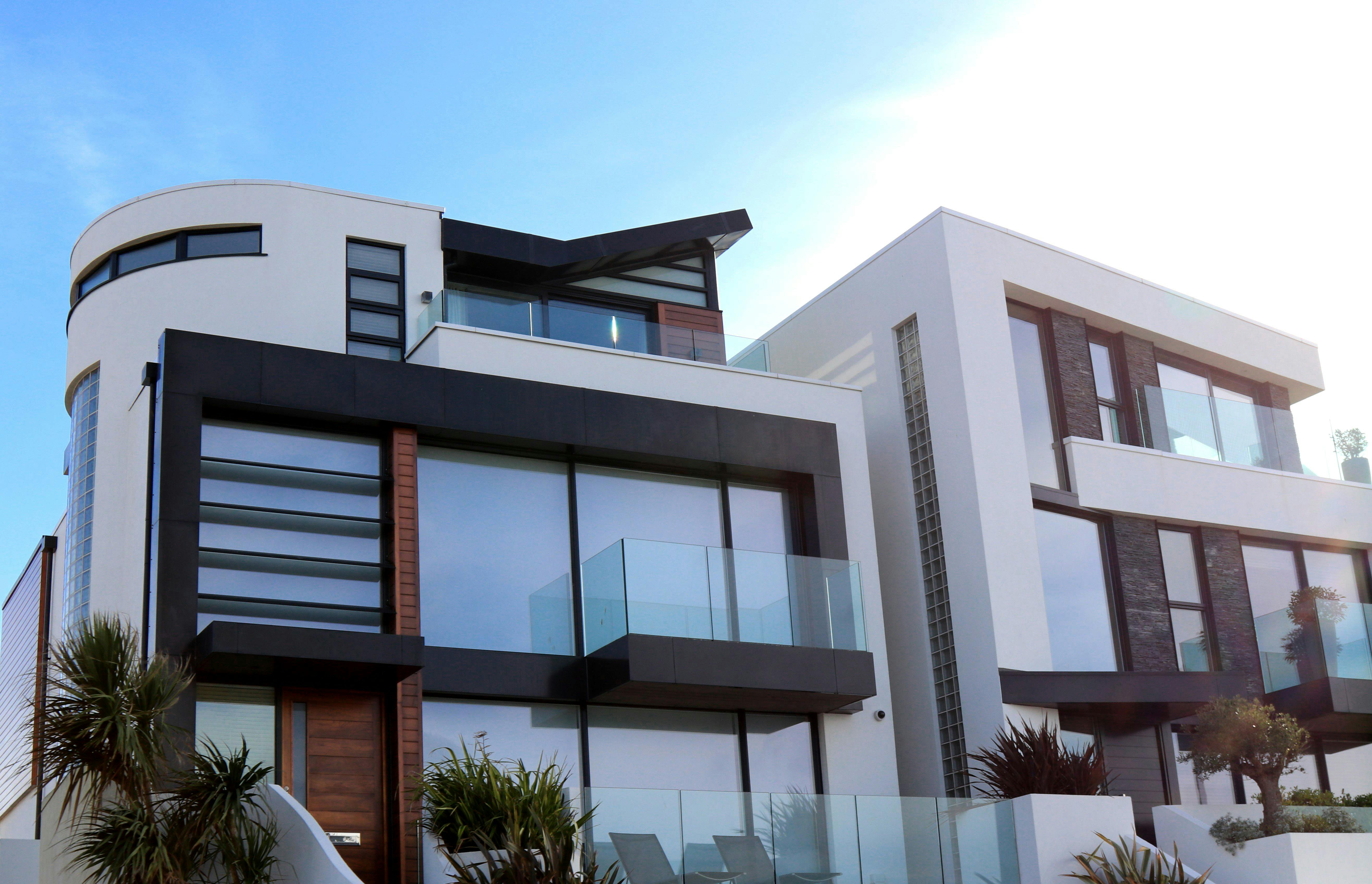
What Are Some Energy-efficient Window Options?

This image is property of images.pexels.com.

Double-pane windows

How double-pane windows work

Double-pane windows, also known as dual-pane windows, consist of two layers of glass with an air gap between them. The space between the glass panes is filled with air or sometimes an insulating gas, such as argon or krypton. This design helps in reducing heat transfer and improving the insulation of the window.

When sunlight or heat from outside enters the double-pane window, the inner pane traps the heat. The air or gas in between the two panes acts as an insulator, preventing the heat from entering the room. This insulation property makes double-pane windows more energy-efficient compared to single-pane windows.

Benefits of double-pane windows

Double-pane windows offer several benefits that make them a popular choice for energy-efficient homes. Firstly, they provide enhanced insulation, reducing heat loss during colder months and minimizing heat gain during warmer months. This insulation helps in maintaining a comfortable indoor temperature and reduces reliance on heating and cooling systems.

In addition to energy efficiency, double-pane windows also provide improved sound insulation. The two layers of glass and the air or gas between them act as a barrier against outside noise, creating a quieter and more peaceful indoor environment.

Double-pane windows also contribute to increased home security. The added layer of glass makes it more difficult for intruders to break through, enhancing the overall safety of your home.

Considerations when choosing double-pane windows

When selecting double-pane windows, it is important to consider a few factors. The first is the type of gas used between the glass panes. Argon and krypton gases are commonly used due to their higher insulating properties compared to regular air. However, windows with gas-filled panes can be more expensive than those filled with air.

Another consideration is the glass itself. Low-emissivity (Low-E) coatings can be applied to the glass for additional insulation and UV protection. Additionally, look for windows with a good energy efficiency rating to ensure optimal performance and energy savings.

Lastly, it is essential to choose reputable and experienced window manufacturers and installers to ensure proper installation and maximize the benefits of double-pane windows.

Triple-pane windows

Advantages of triple-pane windows

Triple-pane windows, as the name suggests, consist of three layers of glass with multiple gas-filled spaces between them. The additional glass pane and gas layers provide superior insulation compared to double-pane windows.

The primary advantage of triple-pane windows is their exceptional energy efficiency. The extra layer of glass and the additional insulating gas greatly reduce heat loss, making them ideal for extremely cold climates. They can also prevent heat gain during hot summers, thus helping to maintain a comfortable indoor temperature year-round.

Triple-pane windows significantly reduce outside noise when compared to single or double-pane windows. The multiple layers of glass, combined with the insulating gas, create an excellent sound barrier, allowing you to enjoy a quieter and more peaceful living environment.

Disadvantages of triple-pane windows

While triple-pane windows offer numerous benefits, they do come with a few drawbacks. The first is the increased cost. The additional glass pane and the multiple gas-filled spaces make triple-pane windows more expensive than their double-pane counterparts. However, the long-term energy savings and improved comfort may outweigh the initial investment.

Another consideration is the weight of triple-pane windows. The added layers of glass and gas make them heavier, which may require additional structural support during installation. It is important to ensure that your window frames and infrastructure can accommodate the increased weight before choosing triple-pane windows.

Factors to consider when selecting triple-pane windows

When choosing triple-pane windows, several factors should be considered. Firstly, select an energy-efficient glass with a low U-factor and a high R-value. These ratings indicate the window’s insulating ability, with lower U-factor and higher R-value values indicating better insulation.

The type of gas used between the glass panes is also important. Argon and krypton gases are commonly used for their superior insulating properties. Consider the gas that best suits your climate and budget.

Lastly, choose a reputable window manufacturer and installer who specializes in triple-pane windows. Proper installation is crucial to maximize the energy-saving benefits and overall performance of these windows.

Low-emissivity (Low-E) coatings

What are Low-E coatings?

Low-emissivity (Low-E) coatings are thin layers of metallic particles applied to window glass. These coatings are designed to reflect infrared heat while allowing visible light to pass through.

The primary function of Low-E coatings is to reduce heat transfer through the windows. They accomplish this by reflecting the heat back to its source, whether it’s the sun during summer or interior heating during winter. At the same time, Low-E coatings allow natural light to enter the space, helping to maintain a bright and vibrant interior.

Benefits of Low-E coatings

Low-E coatings provide several benefits that contribute to energy efficiency and overall comfort. Firstly, they significantly reduce the amount of heat entering or escaping through the windows. This reduces the reliance on heating and cooling systems, resulting in lower energy consumption and reduced utility bills.

In addition to energy savings, Low-E coatings also offer UV protection. They block a significant amount of harmful UV rays, protecting your furniture, flooring, and other interior elements from fading or deteriorating over time.

Moreover, Low-E coatings help to maintain a comfortable indoor temperature by minimizing hot spots near windows. They create a more consistent temperature throughout the room and reduce the need for adjusting thermostats or using additional heating or cooling methods.

Limitations of Low-E coatings

While Low-E coatings offer numerous benefits, there are a few limitations to consider. The first is the cost. Windows with Low-E coatings can be more expensive than those without, adding to the overall upfront cost of window replacement or installation. However, the long-term energy savings and improved comfort may justify the investment.

Another consideration is the reduction in solar heat gain. While Low-E coatings are designed to reduce heat transfer, they also limit the amount of solar heat entering the space. This can be an advantage in warmer climates but may be a disadvantage in colder regions where passive solar heating is desired.

Lastly, the performance of Low-E coatings can vary depending on the orientation of the window and the climate. It is important to choose the appropriate Low-E coating based on your specific needs and consult with experts to ensure optimal performance.

Gas-filled windows

Types of gas used in gas-filled windows

Gas-filled windows are designed with an insulating gas sealed between the glass panes. The type of gas used can significantly impact the energy efficiency and insulating properties of the window.

Argon gas is the most commonly used gas in gas-filled windows. It is a non-toxic, odorless gas that provides good insulation and reduces heat transfer. Argon-filled windows are an excellent choice for enhancing energy efficiency and maintaining a comfortable indoor temperature.

Krypton gas is another option for gas-filled windows. It is a denser gas than argon and offers higher insulating properties. Krypton-filled windows are advantageous in extreme climates or areas where maximum insulation is required.

Advantages of gas-filled windows

Gas-filled windows provide several advantages that contribute to their energy efficiency. Firstly, the gas between the glass panes acts as an insulator, reducing heat transfer and improving overall thermal performance. This insulation helps in maintaining a comfortable indoor temperature, reducing energy consumption, and lowering utility bills.

Additionally, gas-filled windows also offer enhanced sound insulation. The gas-filled space between the glass panes acts as a noise barrier, reducing outside noise and creating a quieter living environment.

Gas-filled windows are also desirable for their ability to eliminate or reduce condensation on the inner surface of the window. The insulating gas helps to maintain a consistent temperature on the interior glass pane, reducing the likelihood of condensation formation.

Things to consider when choosing gas-filled windows

When selecting gas-filled windows, it is important to consider a few factors. Firstly, the type of gas used between the glass panes. Argon and krypton are the most common options, with krypton providing higher insulating properties. Consider the climate and specific insulation needs of your location before choosing the gas.

Another consideration is the overall energy efficiency of the window. Look for windows with low U-factor and high R-value ratings, indicating better insulation and energy-saving capabilities.

Lastly, ensure that the gas-filled windows are installed properly by experienced professionals. Improper installation can compromise the energy efficiency and performance of the windows, resulting in decreased insulation and potential issues down the line.

What Are Some Energy-efficient Window Options?

This image is property of images.pexels.com.

Insulated window frames

Different types of insulated window frames

Insulated window frames are an essential component for energy-efficient windows. Different types of insulated window frames offer varying levels of insulation and durability.

Vinyl frames are a popular choice for their affordability and excellent insulation properties. They are made from PVC (polyvinyl chloride) and feature multiple chambers that enhance thermal performance and reduce heat transfer.

Wood frames provide natural insulation and are known for their classic aesthetics. They offer good energy efficiency but may require regular maintenance to prevent decay or warping.

Fiberglass frames are durable and have excellent insulation properties. They expand and contract at a similar rate to the glass, reducing the likelihood of seal failures. Fiberglass frames can also be painted to match your home’s decor.

Aluminum frames are less energy-efficient than other options, but thermal breaks can be added to improve insulation. They are lightweight and low-maintenance, making them a popular choice for commercial buildings or modern residential designs.

Benefits of insulated window frames

Insulated window frames offer several benefits that contribute to energy efficiency and overall comfort. Firstly, they provide excellent insulation, reducing heat loss during colder months and minimizing heat gain during warmer months. This insulation helps in maintaining a comfortable indoor temperature and reduces the workload on heating and cooling systems.

In addition to energy efficiency, insulated window frames also offer improved sound insulation. The multiple layers and insulation materials reduce noise transmission, creating a quieter and more peaceful living environment.

Insulated window frames are also durable and weather-resistant. They can withstand extreme temperatures, high winds, and moisture without warping, rotting, or deteriorating. This durability ensures that your windows will last longer, providing long-term energy savings.

Factors to consider when selecting insulated window frames

When choosing insulated window frames, there are a few factors to consider. Firstly, assess the climate conditions in your area. Different materials have varying levels of resistance to extreme temperatures and moisture, so select a frame material that suits your climate.

Additionally, consider the long-term durability and maintenance requirements of the window frames. Wood frames may require regular maintenance and refinishing, while vinyl and fiberglass frames are low-maintenance options.

Lastly, choose a reputable window manufacturer and installer who specializes in energy-efficient window frames. Proper installation is crucial for maximizing the insulation benefits and overall performance of insulated window frames.

Window tinting

How window tinting works

Window tinting involves applying a thin layer of film to the glass surface of a window. This film contains microscopic particles that absorb or reflect sunlight, adjusting the amount of heat and visible light that enters the space.

The tinted film can be either reflective or absorbing. Reflective films have a mirrored appearance and reflect a significant amount of sunlight, reducing heat gain and minimizing glare. Absorbing films, on the other hand, absorb the sunlight, preventing it from entering the room and reducing heat transfer.

Advantages of window tinting

Window tinting provides several advantages in terms of energy efficiency and indoor comfort. Firstly, it reduces heat gain by blocking a significant amount of solar heat. This helps in maintaining a cooler indoor temperature and reducing the need for excessive air conditioning, resulting in lower energy consumption and utility bills.

Window tinting also contributes to glare reduction. The tinted film reduces the amount of visible light entering the space, minimizing eyestrain and improving the overall comfort of the occupants. Additionally, it provides enhanced privacy by reducing the visibility from the outside.

Another advantage of window tinting is UV protection. The tinted film blocks a considerable portion of harmful UV rays, minimizing the fading and damage caused to furniture, flooring, and other interior elements by prolonged sun exposure.

Considerations for window tinting

When considering window tinting, there are a few factors to take into account. Firstly, check the local regulations regarding window tint darkness and reflective properties. Some areas may have specific restrictions or requirements that need to be followed.

Additionally, consider the specific needs of each room when choosing the tint shade. Different rooms may require varying levels of natural light and heat reduction. For instance, south-facing rooms may benefit from a darker tint to reduce heat gain, while north-facing rooms may require a lighter tint to maintain brightness.

Lastly, consult with professionals who specialize in window tinting to ensure proper installation and the selection of the most suitable tint for your needs. Improper installation can result in bubbling or peeling of the film, compromising its effectiveness and overall appearance.

What Are Some Energy-efficient Window Options?

This image is property of images.pexels.com.

Warm edge spacers

What are warm edge spacers?

Warm edge spacers are components used in insulated windows to separate and seal the glass panes. Unlike traditional metal spacers, warm edge spacers are made from low-conductivity materials, such as foam or thermoplastic.

The primary purpose of warm edge spacers is to improve the thermal performance of the window and reduce heat transfer at the edges. By minimizing heat loss or gain through the edges of the glass panes, warm edge spacers contribute to enhanced energy efficiency and overall insulation of the window.

Benefits of warm edge spacers

Warm edge spacers offer several benefits that contribute to energy efficiency and indoor comfort. Firstly, they significantly reduce heat loss through the edges of the glass panes. This improves the overall thermal performance of the window and helps to maintain a comfortable indoor temperature.

By minimizing the temperature difference between the edges and the center of the glass panes, warm edge spacers also reduce the likelihood of condensation formation. This helps in preventing moisture buildup, which can lead to mold growth and damage to window sills or surrounding areas.

Warm edge spacers also contribute to the longevity and durability of windows. By reducing stress on the glass caused by temperature fluctuations, they help to prolong the lifespan of the window and enhance its overall performance.

Things to consider when choosing warm edge spacers

When selecting warm edge spacers, there are a few factors to consider. Firstly, assess the insulating properties of the spacer material. Look for spacers made from low-conductivity materials, such as foam or thermoplastic, which offer superior insulation compared to metal spacers.

It is also important to consider the compatibility of the warm edge spacers with the specific type of window you have or plan to install. Different types of windows may require different spacer systems, so consult with professionals to ensure compatibility and optimal performance.

Lastly, choose a reputable window manufacturer or installer who specializes in energy-efficient window systems. Proper installation is crucial to maximize the benefits of warm edge spacers and ensure the overall efficiency and longevity of the windows.

Reflective coatings

Overview of reflective coatings

Reflective coatings, also known as mirror coatings or reflective films, are applied to window glass to reduce heat gain and glare. These coatings consist of microscopic layers of metallic particles that reflect a significant portion of sunlight back into the atmosphere.

The primary function of reflective coatings is to block or reflect solar heat while allowing visible light to pass through. They are commonly used in commercial buildings and areas with high sun exposure.

Advantages of reflective coatings

Reflective coatings provide several advantages in terms of energy efficiency and indoor comfort. Firstly, they significantly reduce heat gain by reflecting a substantial amount of solar heat back into the atmosphere. This helps in maintaining a cooler indoor temperature and reducing the workload on air conditioning systems, resulting in lower energy consumption and utility bills.

Reflective coatings also minimize glare from direct sunlight, improving visual comfort and reducing eyestrain. The metallic particles in the coating reduce the amount of visible light entering the space, making it more comfortable for occupants.

Additionally, reflective coatings offer privacy during the daytime by creating a mirrored or one-way mirror effect from the outside. This allows you to enjoy natural light and outside views while maintaining privacy from prying eyes.

Limitations of reflective coatings

While reflective coatings provide numerous advantages, there are a few limitations to consider. The first is the reduced visibility from the inside during nighttime. The mirrored effect of the coating prevents clear outside views when the interior lights are turned on, resulting in a limited perspective.

Another consideration is the aesthetics of reflective coatings. They can significantly change the appearance of windows, giving them a mirrored or tinted appearance. This may not be desirable for some architectural styles or personal preferences, so it is important to consider the overall aesthetics of your space before opting for reflective coatings.

Lastly, reflective coatings can also be affected by scratching or peeling over time. It is crucial to ensure proper maintenance and avoid harsh cleaning agents that may damage the coating.

What Are Some Energy-efficient Window Options?

Smart windows

Features of smart windows

Smart windows, also known as switchable glass or dynamic windows, are technologically advanced windows that can switch between clear and opaque states. They have the ability to adjust their transparency or shading properties based on external factors, such as light intensity or temperature.

Smart windows utilize various technologies to achieve this functionality. One common type is electrochromic windows, which use an electric current to change the tint or opacity of the glass. Other types include thermochromic, photochromic, and suspended particle devices (SPD) windows.

Benefits of smart windows

Smart windows offer several benefits that contribute to energy efficiency and overall comfort. Firstly, they provide superior control over natural light and solar heat gain. By adjusting their transparency or tint, smart windows can effectively block or allow sunlight into the space, reducing the reliance on artificial lighting and minimizing heat gain during hot weather.

Smart windows also offer privacy on demand. With the ability to switch between transparent and opaque states, they allow you to maintain privacy when needed without the need for curtains or blinds.

In addition to energy efficiency and privacy, smart windows also provide aesthetic flexibility. They can be integrated into modern architectural designs, offering a sleek and sophisticated appearance. The ability to control the tint or transparency of the glass adds a dynamic and customizable element to the overall design of your space.

Considerations for smart windows

When considering smart windows, there are a few factors to take into account. Firstly, assess the specific needs and functionalities required for your space. Different types of smart windows offer varying degrees of control and adaptability, so choose the technology that suits your preferences and needs.

Another consideration is the initial cost and long-term maintenance of smart windows. The advanced technology and functionality may come with a higher upfront cost compared to traditional windows. Additionally, ensure that you have access to reliable service and technical support in case of any issues or maintenance requirements.

Lastly, consult with professionals who specialize in smart windows to ensure proper installation and integration with your existing automation systems or controls. Expert guidance can help you make informed decisions and optimize the performance and benefits of smart windows.

Energy-efficient window installation

Proper sealing and insulation

Proper sealing and insulation are crucial aspects of energy-efficient window installation. When windows are not correctly installed, gaps and air leaks can occur, leading to energy loss and reduced performance.

During installation, it is important to ensure that the window is properly aligned, leveled, and sealed. Weatherstripping should be used to seal any gaps between the window frame and the wall. This helps to prevent air infiltration and heat transfer, maximizing energy efficiency.

Insulation around the window frame is also important in preventing heat loss or gain. Insulating materials, such as expanding foam or fiberglass batts, can be used to fill the gaps between the frame and the wall. This helps to create a thermal barrier and improve the overall insulation of the window.

Techniques for optimizing energy efficiency

Optimizing energy efficiency during window installation involves implementing various techniques and considerations. Firstly, choose windows with high energy efficiency ratings, such as those certified by ENERGY STAR or other reputable organizations. These windows are tested to meet strict energy efficiency standards, ensuring optimal performance and long-term energy savings.

Consider the orientation of the windows when selecting glass types and coatings. South-facing windows may benefit from coatings that allow more sunlight to enter during the winter to maximize passive solar heating. On the other hand, east or west-facing windows may require coatings that reduce solar heat gain to prevent overheating during the summer.

Implementing window shading strategies, such as exterior shading devices or interior blinds and curtains, can also enhance energy efficiency. These strategies help to block direct sunlight and reduce heat gain, allowing for better control of indoor temperatures.

Lastly, consult with experienced professionals who specialize in energy-efficient window installation. Their expertise and knowledge will ensure that the proper techniques and considerations are implemented, maximizing the energy efficiency and overall performance of the windows.

Choosing the right installment professionals

Choosing the right professionals for window installation is essential to ensure quality workmanship and maximize the benefits of energy-efficient windows. Consider the following factors when selecting installers:

  1. Experience and Expertise: Look for professionals with a proven track record in installing energy-efficient windows. They should have a thorough understanding of the specific requirements and techniques necessary for optimal performance.

  2. Certifications and Accreditation: Check if the installers have certifications or accreditation from reputable organizations, such as the Window & Door Manufacturers Association (WDMA) or the National Fenestration Rating Council (NFRC). This ensures that they adhere to industry standards and best practices.

  3. References and Reviews: Ask for references from previous clients or read online reviews to gauge the quality of their work and customer satisfaction. Positive feedback and recommendations indicate a reliable and reputable installer.

  4. Warranty and Guarantees: Inquire about the warranty and guarantees offered by the installation company. A comprehensive warranty provides peace of mind and ensures that any potential issues or concerns will be addressed and resolved.

  5. Cost and Estimates: Obtain detailed cost estimates from multiple installers to compare prices and services. However, prioritize quality and reliability over cost alone, as the long-term benefits of energy-efficient windows outweigh any initial savings.

By selecting experienced and reputable professionals, you can ensure that the installation of energy-efficient windows is done correctly, maximizing energy savings and enhancing the overall comfort and efficiency of your home.

In conclusion, energy-efficient windows offer numerous benefits, including improved insulation, reduced energy consumption, enhanced comfort, and increased savings on utility bills. By considering factors such as the type of window, gas-filled panes, coatings, frame materials, and installation techniques, you can make informed decisions to optimize the energy efficiency of your windows. Whether choosing double-pane or triple-pane windows, applying Low-E coatings, utilizing gas-filled windows, or incorporating smart window technology, energy-efficient windows provide a sustainable and cost-effective solution for a more comfortable and environmentally friendly home.

What Are Some Energy-efficient Window Options?

Can I Legally Terminate A Contract With A Real Estate Agent?

So you’ve found yourself stuck in a contract with a real estate agent, and for one reason or another, you’re thinking about getting out. But before you make any hasty decisions, it’s important to know where you stand legally. Can you actually terminate that contract without facing any consequences? In this article, we’ll explore the ins and outs of terminating a contract with a real estate agent, so you can make an informed decision that best suits your needs and protects your interests.

Terminating a Contract with a Real Estate Agent

Understanding the Legal Implications

When entering into a contract with a real estate agent, it is important to understand the legal implications of terminating the agreement. Terminating a contract should not be taken lightly, as it can have serious consequences and potential legal ramifications. It is crucial to review the contract terms, consult with an attorney, and explore contractual grounds for termination before taking any action.

Reviewing the Contract Terms

Before considering termination, it is essential to thoroughly review the contract terms. Pay close attention to the provisions regarding termination and any penalties or consequences outlined in the agreement. Understanding your rights and obligations as outlined in the contract will help you make an informed decision regarding termination.

Can I Legally Terminate A Contract With A Real Estate Agent?

This image is property of images.pexels.com.

Consulting with an Attorney

Seeking legal advice is always a wise move when dealing with contract termination. An experienced real estate attorney can review your contract, provide guidance on the legal implications of termination, and help you navigate through the process. They will assist in determining if you have valid grounds for termination and guide you through the necessary steps to protect your interests.

Exploring Contractual Grounds for Termination

There are several potential grounds for terminating a contract with a real estate agent. It is essential to recognize and document any valid reasons for termination before proceeding. The following are some common grounds for termination:

Can I Legally Terminate A Contract With A Real Estate Agent?

This image is property of images.pexels.com.

1. Breach of Contract

If the real estate agent fails to fulfill their contractual obligations, it may constitute a breach of contract. This could include any violation of the terms and conditions set forth in the agreement. Examples of breach of contract may include failure to market the property effectively, not acting in your best interests, or misrepresentation.

2. Failure to Perform

Similar to breach of contract, failure to perform refers to situations where the agent does not fulfill their duties as outlined in the agreement. This could include not conducting necessary inspections, failing to negotiate effectively, or not providing timely updates on property listings and offers.

Can I Legally Terminate A Contract With A Real Estate Agent?

This image is property of images.pexels.com.

3. Mutual Agreement

If both parties mutually agree to terminate the contract, it can be done without any legal consequences. This is often the simplest and most straightforward way to terminate the agreement, as long as both parties are in agreement on the termination terms.

4. Unprofessional Conduct

Unprofessional conduct by a real estate agent can range from rude behavior to unethical or discriminatory practices. If you feel that the agent’s conduct is unprofessional or violates ethical standards, it may be valid grounds for termination.

Can I Legally Terminate A Contract With A Real Estate Agent?

5. Failure to Meet Deadlines

A real estate agent is responsible for adhering to deadlines and timelines as agreed upon in the contract. Failure to meet these deadlines, such as missing a closing date or not completing necessary paperwork in a timely manner, can be considered a valid reason for termination.

6. Inadequate Communication

Effective communication is crucial in any client-agent relationship. If your real estate agent fails to communicate regularly, respond to your inquiries promptly, or keep you informed about the progress of your property sale or purchase, it may be grounds for termination.

Can I Legally Terminate A Contract With A Real Estate Agent?

7. Misrepresentation of Property

If the agent misrepresents the property or provides false information that leads to financial loss, termination may be justified. Misrepresentations can include misleading disclosures, incorrect property descriptions, or providing inaccurate data about the market value of the property.

8. Unresolved Conflicts of Interest

Real estate agents have a fiduciary duty to act in the best interests of their clients. If a conflict of interest arises where the agent’s personal interests interfere with their ability to act solely in your best interest, termination may be necessary to protect your rights and avoid potential harm.

9. Agent’s Incompetence

If your real estate agent demonstrates a lack of knowledge, skills, or expertise necessary to effectively represent your interests, terminating the contract may be the best course of action. It is essential to have a competent and experienced agent who can navigate the complex real estate transactions on your behalf.

10. Unsatisfactory Performance

Ultimately, if you are not satisfied with the performance of your real estate agent, termination may be an option. Whether it is due to the agent’s inability to generate offers, lack of effort, or any other valid reason, you have a right to seek better representation.

Documenting the Reason for Termination

Once you have identified the grounds for termination, it is crucial to document them thoroughly. Keep records of any incidents or actions that support your decision to terminate the contract. This documentation will be valuable if any disputes or legal issues arise after termination.

Notifying the Real Estate Agent

When terminating a contract with a real estate agent, it is important to formally notify them in writing. Send a written notice clearly stating your intention to terminate the contract and the reasons for doing so. Be professional and avoid any unnecessary confrontation or hostility, as it can escalate the situation and potentially result in further legal complications.

Following Proper Termination Procedures

Always follow the proper termination procedures outlined in your contract. Adhere to any notice periods and requirements specified in the agreement. Failure to comply with the contractual termination procedures may have consequences, including financial penalties or even legal repercussions.

Potential Consequences of Terminating the Contract

Terminating a contract with a real estate agent is not without its potential consequences. Depending on the terms outlined in the contract, there may be financial penalties, such as paying a commission or reimbursing the agent for expenses incurred. Additionally, terminating a contract may impact your ability to sell or purchase a property within a specific timeframe. It is important to carefully consider these potential consequences before making a decision.

Conclusion

Terminating a contract with a real estate agent should never be taken lightly. It is important to understand the legal implications, review the contract terms, and consult with an attorney before proceeding. By exploring the contractual grounds for termination, documenting the reasons, and following proper procedures, you can protect your interests and navigate through this process smoothly. Remember, seeking legal advice is crucial to ensure you make a sound and informed decision when terminating a contract with a real estate agent.

What Are Some Strategies For Maintaining High Occupancy Rates?

Are you a business owner or property manager looking to keep your occupancy rates high? Look no further! In this article, we will explore various strategies that can help you maintain a consistently high occupancy rate for your properties. Whether you’re in the hotel industry, managing rental properties, or running a retail business, these proven techniques will surely keep your occupancy rates soaring. From effective marketing campaigns to providing exceptional customer service, we’ve got you covered. So buckle up and get ready to discover the secrets to maintaining high occupancy rates!

Marketing and Advertising

Creating a strong online presence

In today’s digital age, creating a strong online presence is crucial for maintaining high occupancy rates. By having a well-designed and user-friendly website, you can showcase your property and its offerings to potential guests. Your website should provide detailed information about your rooms, amenities, and special features. It should also include high-quality photos and virtual tours, allowing prospective guests to visualize their stay. Additionally, optimizing your website for search engines will help potential guests find your property when they search for accommodations in your area.

Utilizing social media platforms

Social media platforms have become powerful marketing tools that can significantly impact your occupancy rates. By setting up accounts on popular platforms such as Facebook, Instagram, and Twitter, you can engage with potential guests and build a loyal following. Regularly posting enticing content, such as photos and videos showcasing your property’s unique features and promotions, can generate interest and attract bookings. Moreover, social media allows for direct interaction with guests, enhancing customer satisfaction and the chances of repeat bookings.

Targeted advertising campaigns

Developing targeted advertising campaigns can help your property reach the right audience and increase occupancy rates. Through various digital marketing channels, such as pay-per-click (PPC) advertising, display ads, and email marketing campaigns, you can tailor your message to specific demographics. For example, if your property caters predominantly to business travelers, you can focus your advertising efforts on platforms that target this group. By precisely targeting your advertising spending, you can optimize your return on investment and maximize bookings.

Building partnerships with local businesses

Building partnerships with local businesses can be mutually beneficial for increasing occupancy rates. Collaborating with nearby attractions, restaurants, and event organizers allows you to tap into their customer base and vice versa. For example, offering exclusive discounts or packages for guests at popular local restaurants can attract more bookings. Additionally, arrangements with local tour operators can promote your property to their clients, boosting visibility and occupancy rates. By forming strategic alliances with local businesses, you can create a network that drives guest bookings and enhances the overall guest experience.

Customer Experience

Providing excellent customer service

One of the most important strategies for maintaining high occupancy rates is providing excellent customer service. Guests who have a positive experience during their stay are more likely to return and recommend your property to others. Train your staff to be attentive, knowledgeable, and friendly, ensuring that they exceed guest expectations. It is crucial to address guest concerns promptly and efficiently, showing that you value their satisfaction. By consistently delivering exceptional service, you can build a reputation for excellence and establish a loyal customer base.

Offering personalized experiences

To differentiate your property from competitors and attract repeat guests, focus on offering personalized experiences. Tailor your services to meet the individual preferences and needs of each guest. This can range from welcome amenities based on guest preferences, to customized itineraries that highlight local attractions they may be interested in. Personalization can also extend to providing room upgrades or special packages for loyal customers. By going the extra mile to make guests feel valued and catered to, you enhance their overall experience and increase the likelihood of returning visits.

Providing competitive pricing and packages

Pricing plays a critical role in attracting guests and maintaining high occupancy rates. Conduct market research to determine competitive rates in your area and adjust your prices accordingly. Offering a range of packages, such as discounted rates for extended stays or bundled services, can incentivize guests to book with your property. Keep an eye on pricing trends and adjust your rates when necessary to remain competitive. Additionally, consider offering exclusive promotions or discounts to guests who book directly through your website or loyalty program, further incentivizing direct bookings.

Creating loyalty programs

Implementing a loyalty program can be an effective way to increase repeat bookings and maintain high occupancy rates. Offer incentives, such as exclusive discounts, complimentary upgrades, or access to special events, to guests who enroll in your loyalty program. Regularly communicate with program members, informing them about upcoming promotions and events. By rewarding loyal guests, you encourage them to choose your property for future stays and create a sense of belonging. Additionally, loyal customers are more likely to recommend your property to friends and family, further boosting occupancy rates.

What Are Some Strategies For Maintaining High Occupancy Rates?

This image is property of images.unsplash.com.

Facilities and Amenities

Ensuring well-maintained and comfortable rooms

One of the key factors that influence guest satisfaction and occupancy rates is the quality of your rooms. Regularly inspect and maintain all rooms to ensure they meet high cleanliness and comfort standards. Replace worn-out furniture and fixtures promptly, maintaining a fresh and inviting atmosphere in each room. Pay attention to details such as comfortable beds, quality linens, and modern amenities to enhance the guest experience. By consistently providing well-maintained and comfortable rooms, you create a positive impression and encourage guests to return.

Offering a variety of amenities

To attract a wide range of guests and increase occupancy rates, offer a variety of amenities that cater to different needs and preferences. Basic amenities such as free Wi-Fi, a fitness center, and a business center are now expected by most travelers. Consider expanding your offerings by including additional amenities such as a spa, swimming pool, or on-site restaurant. Take into account the demands and preferences of your target market segments when selecting amenities. By offering a diverse range of amenities, you can cater to a broader audience and increase the appeal of your property.

Regularly updating and upgrading facilities

To stay competitive and attract guests, it is essential to regularly update and upgrade your property’s facilities. Keep up with industry trends and guest preferences, and invest in improvements accordingly. This could involve renovating outdated areas, upgrading technology and entertainment options, or adding environmentally friendly features. When guests see that your property is continuously improving and adapting to their needs, they are more likely to choose your accommodations over competitors. Regular facility updates also help maintain favorable online reviews and recommendations.

Offering special promotions

To drive bookings during peak and slow periods, offering special promotions can be an effective strategy. Consider creating limited-time offers, such as discounted rates for specific dates or package deals that include additional amenities or services. Promote these promotions through your website, social media channels, and targeted advertising campaigns. By generating excitement and providing added value, you can attract guests who may have been considering other options. Special promotions can also encourage guests to book directly with your property, bypassing online travel agencies and increasing revenue.

Revenue Management

Implementing dynamic pricing strategies

Optimizing your revenue requires implementing dynamic pricing strategies that adapt to market demand and fluctuations. Through revenue management software, analyze historical data, market trends, and competitor rates to determine the optimal price for your rooms. Implement pricing structures that consider factors such as seasonality, day of the week, and local events. By adjusting prices in real-time based on supply and demand, you can maximize revenue and maintain high occupancy rates.

Analyzing market and competitor rates

To effectively manage revenue and occupancy rates, stay informed about market and competitor rates. Regularly review rates of other properties in your area, focusing on those targeting similar customer segments. This knowledge will help you position your property competitively and adjust your pricing strategies accordingly. Additionally, monitor shifts in local market demand, such as major events or seasonal trends, to capitalize on peak periods and adjust rates to attract guests during slower times.

Offering promotional packages and discounts

Promotional packages and discounts can be effective tools for increasing occupancy rates and maximizing revenue. Develop packages that combine room rates with additional services or activities, such as spa treatments, dining experiences, or local tours. These packages can be marketed as offering exceptional value, encouraging guests to choose your property over others. Additionally, consider offering discounts for last-minute bookings or for guests who extend their stay. These promotions can fill gaps in occupancy and generate additional revenue.

Implementing revenue management software

To streamline revenue management processes and optimize occupancy rates, consider implementing revenue management software. These software systems use complex algorithms to analyze data and make pricing recommendations. By automating pricing decisions, you can save time and ensure accurate and timely adjustments. Revenue management software can also provide insights into booking patterns, guest preferences, and market trends, allowing you to make informed decisions that maximize revenue and occupancy rates.

What Are Some Strategies For Maintaining High Occupancy Rates?

This image is property of images.unsplash.com.

Targeted Marketing

Identifying target market segments

Identifying target market segments is crucial for developing effective marketing strategies that drive bookings. Analyze guest data, historical booking patterns, and market research to identify the demographics and preferences of your typical guests. For example, you may find that your property attracts predominantly business travelers, families, or leisure tourists. By understanding who your target market segments are, you can tailor your marketing efforts and messages to resonate with their specific needs and desires.

Tailoring marketing messages for different demographic groups

Once you have identified your target market segments, tailor your marketing messages to resonate with each group’s preferences and interests. Craft compelling copy and visuals that highlight the unique features and benefits your property offers to each demographic. For example, business travelers may prioritize convenience and productivity, so emphasize your proximity to major business centers and amenities such as meeting rooms and high-speed internet. Families, on the other hand, may value spacious rooms, childcare services, and nearby family-friendly attractions. By tailoring your marketing messages, you can appeal directly to the desires of each target market segment.

Utilizing data analytics for targeted marketing

Data analytics plays a crucial role in targeted marketing efforts. Utilize data tracking tools to collect and analyze information on guest demographics, booking behavior, and preferences. This data can inform your marketing strategies and help you identify trends and patterns. For example, you may discover that a specific demographic segment tends to book longer stays or spends more on additional services. By leveraging this information, you can create targeted campaigns that speak directly to the desires and behaviors of each demographic group.

Creating partnerships with travel agencies and tour operators

Creating partnerships with travel agencies and tour operators can significantly expand your reach and increase occupancy rates. Collaborate with reputable agencies and operators that cater to your target market segments. By offering attractive incentives, such as exclusive discounts or commission rates, you can encourage them to promote your property to their clients. These partnerships can be especially valuable for attracting international visitors or guests interested in package deals that include accommodations and activities. By leveraging existing distribution channels, you can tap into new markets and increase bookings.

Online Reviews and Reputation Management

Monitoring and responding to online reviews

Online reviews have a significant impact on travelers’ decision-making process. Monitoring and responding to reviews is essential for maintaining a positive reputation and encouraging future bookings. Regularly monitor review platforms such as TripAdvisor, Google Reviews, and social media channels to stay updated on guest feedback. Respond promptly and professionally to both positive and negative reviews, addressing any concerns or issues raised. By engaging in constructive dialogue with guests, you demonstrate a commitment to excellent customer service and show future guests that their feedback is valued.

Encouraging guests to leave positive reviews

Encouraging guests to leave positive reviews is an effective strategy for improving your online reputation and attracting new bookings. After guests have checked out, follow up with a personalized email thanking them for their stay and kindly requesting that they leave a review. Provide links to popular review platforms to make the process as easy as possible for guests. Additionally, consider incentivizing guests by offering a small discount or bonus for leaving a review. Their positive reviews will not only boost your online reputation but also inspire confidence in potential guests.

Implementing reputation management strategies

Implementing reputation management strategies ensures your property is consistently portrayed in a positive light online. This includes proactively managing online listings and ensuring accurate and up-to-date information is displayed. Regularly monitor social media channels and search engine results for mentions of your property, addressing any inaccuracies or negative content promptly. Implement strategies to generate positive reviews, such as surveys after check-out or follow-up emails requesting feedback. By actively managing your online reputation, you can control the narrative surrounding your property and increase trust among potential guests.

Addressing negative feedback promptly

Addressing negative feedback in a timely and empathetic manner is crucial for maintaining a positive online reputation. When a guest expresses dissatisfaction, respond promptly and apologize for their negative experience. Offer a solution or compensation if appropriate, and highlight any measures you are taking to rectify the issue. It is essential to show potential guests that you are committed to providing exceptional experiences and that you take guest feedback seriously. By addressing negative feedback promptly and professionally, you can mitigate the impact on your reputation and demonstrate your commitment to guest satisfaction.

What Are Some Strategies For Maintaining High Occupancy Rates?

This image is property of images.unsplash.com.

Efficient Operations and Staffing

Optimizing staff scheduling

Efficient staff scheduling is essential for providing excellent service and maximizing productivity. Analyze historical booking patterns and guest data to determine peak periods and adjust staffing levels accordingly. During busier times, ensure that sufficient staff members are available to handle check-ins, guest inquiries, and other tasks. During slower periods, adjust schedules to avoid overstaffing and unnecessary labor costs. By optimizing staff scheduling, you can maintain high service standards while minimizing operational expenses.

Implementing efficient check-in and check-out processes

The check-in and check-out processes heavily contribute to guests’ overall experience, and efficient processes can positively impact occupancy rates. Streamline these procedures by implementing technology solutions such as self-check-in kiosks or mobile check-in options. Additionally, ensure that staff members are well-trained in providing swift and seamless service. Clear signage, well-organized reception areas, and streamlined paperwork can further enhance the efficiency of the check-in and check-out processes. By minimizing waiting times and providing a hassle-free experience, you create a positive first and last impression on your guests.

Ensuring cleanliness and maintenance standards

Maintaining cleanliness and upholding maintenance standards is vital for guest satisfaction and positive reviews. Implement regular inspections and cleaning protocols to ensure all areas of your property are well-maintained and hygienic. Train your housekeeping staff to pay attention to every detail, from pristine bathrooms to thoroughly vacuumed carpets. Promptly address any maintenance issues or repairs to prevent guest inconvenience. By consistently providing a clean and well-maintained environment, you create a positive impression and instill confidence in guests, leading to repeat bookings and positive recommendations.

Training and empowering staff

Well-trained and empowered staff members are essential for delivering exceptional service and ensuring guest satisfaction. Provide comprehensive training programs that encompass both technical skills and soft skills such as communication and problem-solving. Encourage staff members to take ownership of their roles and empower them to make decisions that enhance the guest experience. Regularly provide feedback, recognize achievements, and conduct ongoing training to support personal and professional growth. By investing in your staff’s development, you foster a positive work culture and create a team that is committed to delivering outstanding service.

Corporate and Group Bookings

Establishing relationships with corporate clients

Establishing relationships with corporate clients can contribute to maintaining high occupancy rates, especially during weekdays or non-peak seasons. Identify local businesses or organizations that frequently require accommodations for their employees or clients. Approach them with tailored proposals, highlighting the benefits and services your property can offer to their corporate travelers. Offer competitive rates, exclusive perks, and convenient business facilities to attract corporate clients. By establishing strong relationships with local businesses, you can secure regular bookings and increase occupancy rates during traditionally slower periods.

Creating attractive group booking packages

Attracting group bookings can be a valuable strategy for maintaining high occupancy rates, especially for larger properties. Develop attractive packages specifically tailored to the needs of groups, such as discounted rates, bundled services, or special amenities. Consider partnering with local event organizers, wedding planners, or travel agencies to facilitate group bookings. By offering all-inclusive packages that cater to the unique requirements and desires of group travelers, you can position your property as an ideal choice for events or group gatherings.

Offering corporate loyalty programs

Exclusively offering corporate loyalty programs can incentivize corporate clients to choose your property for their accommodation needs. Provide benefits such as discounted rates, personalized services, or dedicated account managers for corporate clients who enroll in your loyalty program. Regularly communicate program updates and exclusive offers to maintain engagement and loyalty. By recognizing the value and loyalty of corporate clients, you foster long-term relationships that result in repeat bookings and increased occupancy rates.

Providing meeting and event facilities

Providing meeting and event facilities can significantly contribute to maintaining high occupancy rates. Many businesses and organizations require venues for conferences, seminars, or team-building activities. Ensure that you provide well-equipped and flexible spaces that can accommodate various group sizes and event types. Offer packages that include both accommodations and event facilities, simplifying the booking process for organizers. By positioning your property as a one-stop destination for both accommodation and event needs, you can attract group bookings and increase occupancy rates.

What Are Some Strategies For Maintaining High Occupancy Rates?

Participating in Industry Events and Trade Shows

Networking with industry professionals

Participating in industry events and trade shows provides valuable networking opportunities and exposure to potential customers. Attend relevant conferences, seminars, or exhibitions that focus on the hospitality industry. Engage in conversations with industry professionals, including fellow hoteliers, suppliers, and travel agents. Networking allows you to exchange ideas, learn best practices, and potentially form collaborations or partnerships. By connecting with industry professionals, you gain valuable insights and expand your network, which can lead to increased bookings and referrals.

Showcasing the property and services

Industry events and trade shows provide an excellent platform to showcase your property and services to a targeted audience. Set up an attractive booth that accurately represents your property’s unique selling points and features. Utilize visual aids such as brochures, photos, and videos to grab attendees’ attention. Offer interactive experiences or demonstrations that highlight your property’s amenities or services. By putting your property in the spotlight and effectively communicating its value, you can generate interest and bookings from industry professionals and potential guests.

Participating in educational sessions and workshops

Educational sessions and workshops at industry events offer valuable learning opportunities for improving operational strategies and staying updated on industry trends. Attend sessions led by industry experts that discuss topics such as revenue management, customer experience, or marketing techniques. By staying informed about the latest developments and best practices, you can implement innovative strategies that drive bookings and enhance guest experience. Additionally, actively participate in workshops that allow for hands-on learning and provide actionable insights that you can apply to your property.

Collecting leads and generating referrals

Industry events and trade shows can be excellent sources for collecting leads and generating referrals. Engage with attendees, exchange contact information, and follow up with personalized emails or phone calls. Provide incentives for referrals, such as discounts or exclusive offers for attendees who refer others to your property. By actively pursuing leads and referrals, you expand your customer base and increase the chances of securing bookings. Additionally, nurture relationships with industry professionals, as they may refer guests to your property based on their positive experiences with you.

Continuous Market Research

Staying updated with market trends and demands

Continuous market research is essential for keeping your property competitive and attracting bookings. Stay updated on the latest market trends, preferences, and demands through industry publications, market reports, and data analytics. Identify emerging travel trends, such as eco-tourism or wellness travel, and adapt your offerings accordingly. Regularly conduct guest surveys or feedback requests to gather firsthand insights. By staying informed and understanding the evolving needs and desires of travelers, you can proactively adjust your strategies to attract bookings.

Monitoring competition and benchmarking

Monitoring your competitors’ activities and benchmarking against industry standards is critical for maintaining a competitive edge. Regularly review other properties in your area or similar markets to identify potential areas for improvement or areas where you can differentiate yourself. Consider conducting competitor analysis to gather insights on their pricing strategies, customer service practices, and marketing tactics. Benchmarking against best practices and successful competitors can help you identify areas for growth and implement strategies that stand out in the market.

Gathering and analyzing guest feedback

Gathering and analyzing guest feedback is an invaluable source of information for improving your property and attracting bookings. Implement guest satisfaction surveys or follow-up emails that allow guests to provide feedback on their experience. Analyze this feedback to identify trends, common areas for improvement, or areas of strength. Actively respond to feedback and address any concerns raised, demonstrating your commitment to guest satisfaction. By continuously listening to your guests and making improvements based on their feedback, you enhance the overall guest experience and build a reputation for excellence.

Conducting regular surveys and market studies

In addition to gathering guest feedback, conducting regular surveys and market studies can provide valuable insights into industry trends and guest preferences. Engage with market research companies or partner with research professionals to conduct surveys or focus groups that gather insights specific to your property’s target market segments. These studies can provide detailed data on market trends, customer preferences, and competitors. By investing in comprehensive surveys and market studies, you can make informed decisions that align with current market demands and attract bookings.

What Are Some Strategies For Maintaining High Occupancy Rates?

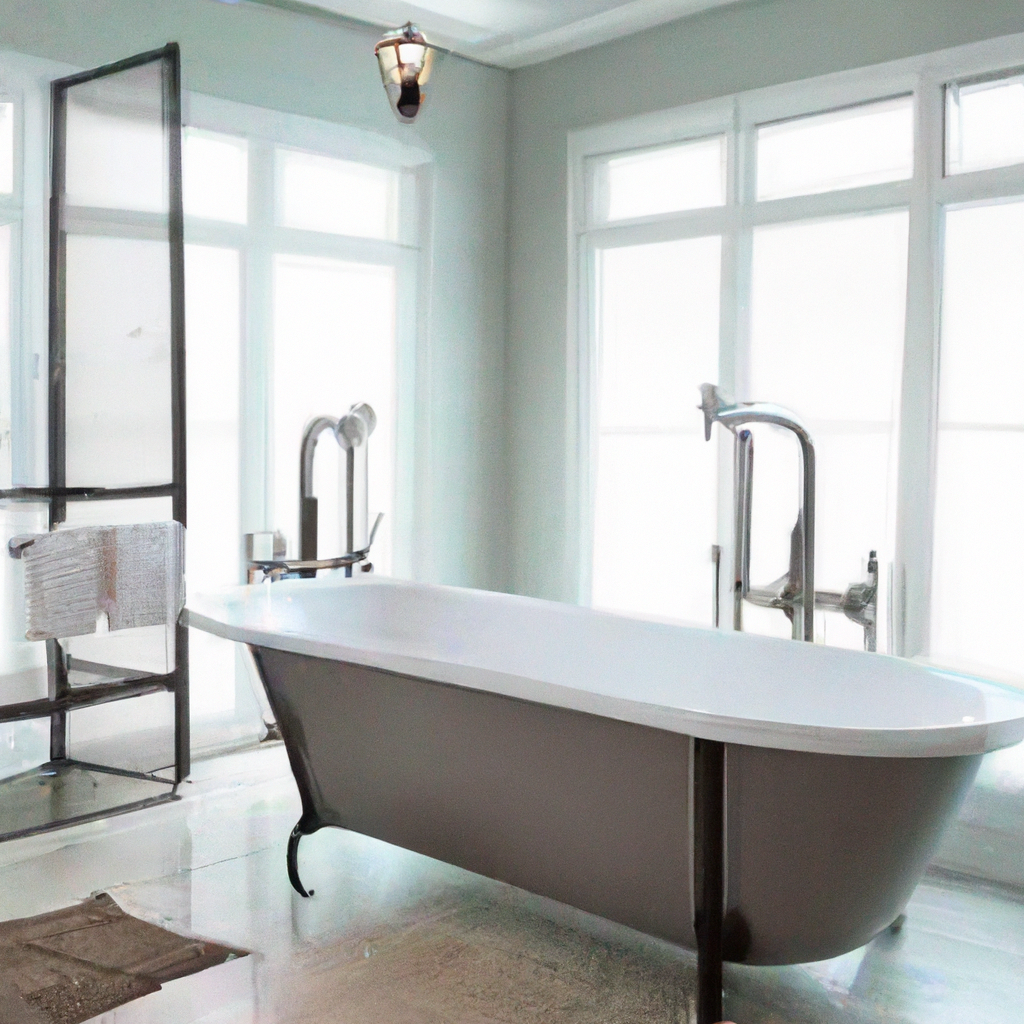
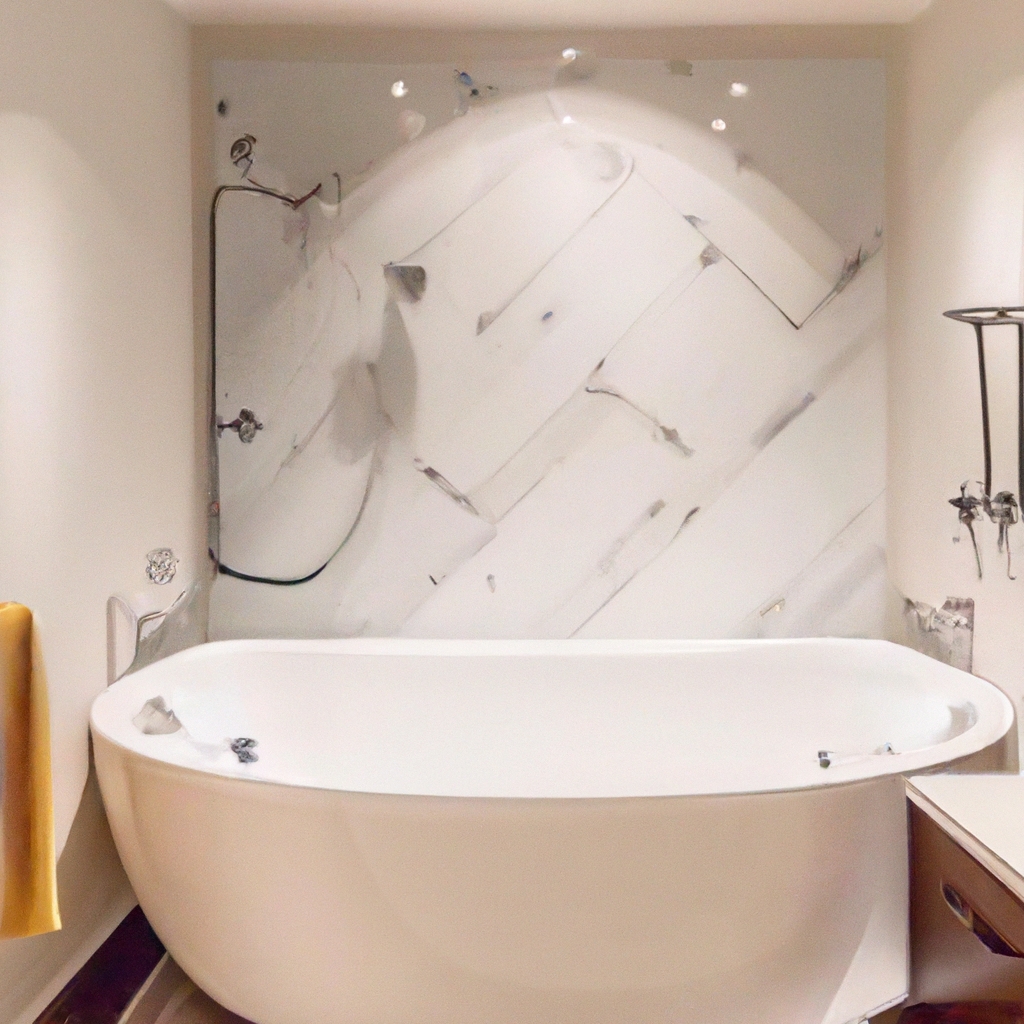
How Do I Choose Between A Bathtub And A Walk-in Shower?

Are you torn between the comfort of a bathtub or the convenience of a walk-in shower? Deciding which one is right for you can be a daunting task, but fear not! In this article, we will explore the factors to consider when making this important decision. From space limitations to personal preferences, we will help you weigh the pros and cons of each option so that you can make a well-informed choice that suits your needs. Say goodbye to the dilemma of choosing between a bathtub and a walk-in shower, as we guide you towards the perfect solution for your bathroom.

How Do I Choose Between A Bathtub And A Walk-in Shower?

This image is property of images.pexels.com.

Cost

When considering the cost of a bathroom renovation, there are several factors to keep in mind. Firstly, there is the initial cost of purchasing either a bathtub or a walk-in shower. Bathtubs generally come in a variety of price ranges depending on their size, material, and features. Walk-in showers can also vary in price, largely dependent on the type of shower enclosure and any additional features such as grab bars or seating options.

In addition to the initial cost, it’s important to consider the installation cost. Installing a bathtub may require more plumbing work due to the need for fixtures such as faucets and drains. On the other hand, walk-in showers may require specialized installation if you opt for a barrier-free design. This could potentially involve modifications to your bathroom floor and may require professional help.

Maintenance and repair costs are another factor to take into account. Bathtubs typically require regular cleaning and occasional repairs or replacements of parts such as faucets or drains. In contrast, walk-in showers may have fewer maintenance requirements, but any repairs needed for the shower enclosure or specialized features can be more costly.

Space

When it comes to the space available in your bathroom, both bathtubs and walk-in showers have their pros and cons. The size of your bathroom will largely dictate which option is more suitable for you.

Bathroom size is a key consideration when deciding between a bathtub and a walk-in shower. If you have a small bathroom, a walk-in shower can be a space-saving solution. They tend to have a smaller footprint and can create a more open and airy feel in tight spaces. On the other hand, if you have a larger bathroom, a bathtub can be a luxurious addition that offers a focal point for relaxation.

Layout and design also play a role in utilizing the available space effectively. Walk-in showers can be designed to fit in corners or along walls, allowing for more flexibility in bathroom layout. Bathtubs, on the other hand, require a designated area that can sometimes limit your options for bathroom design.

Functionality is another important aspect to consider. If you have a busy family or individuals with different bathing preferences, having both a bathtub and a walk-in shower might be the ideal solution. This allows for versatility and accommodates the needs of everyone in your household.

Accessibility

When it comes to accessibility, both mobility and safety are important considerations. Depending on your needs, one option may be more suitable than the other.

For individuals with mobility challenges or those who require assistance, walk-in showers offer enhanced accessibility features. They often have low or no thresholds, making it easier to enter and exit the shower. Additionally, grab bars and built-in seating options can provide added support for those who need it. These features improve safety and reduce the risk of accidents.

Aging in place is a growing trend, and many individuals prefer to remain in their homes as they get older. In this case, it’s crucial to consider options that ensure long-term accessibility and safety. Walk-in showers are often considered a more practical choice for aging in place due to their accessibility features and potential for customization to accommodate changing needs.

Comfort and Relaxation

Creating a bathroom space that promotes comfort and relaxation is a priority for many homeowners. Both bathtubs and walk-in showers offer unique benefits in this regard.

Hydrotherapy is a popular feature in bathtubs that can provide therapeutic benefits. Soaking in warm water can help soothe sore muscles and relieve stress. Many bathtubs also offer additional features such as whirlpool jets or air jets that provide a massaging effect. This can enhance relaxation and make the bathing experience more enjoyable.

On the other hand, walk-in showers can also provide a sense of relaxation. Although they do not offer the full-body immersion that bathtubs do, walk-in showers can be equipped with features such as rainfall showerheads or adjustable water pressure, creating a spa-like experience. Additionally, the open and spacious design of walk-in showers can contribute to a calming ambiance.

How Do I Choose Between A Bathtub And A Walk-in Shower?

This image is property of images.pexels.com.

Convenience

When it comes to convenience, aspects such as ease of use, cleaning, and maintenance play a significant role in decision-making.

Ease of use is an important consideration, especially for individuals with limited mobility or disabilities. Walk-in showers generally offer easier accessibility, eliminating the need to step over high tub walls. This makes them more user-friendly and convenient for individuals of all ages.

Cleaning and maintenance requirements are also factors to consider. Bathtubs can be more time-consuming to clean, particularly if they have intricate designs or jets. Walk-in showers, on the other hand, have a simpler design and are generally easier to clean. The absence of a tub well makes them less prone to accumulation of dirt and grime.

Safety

Ensuring safety in the bathroom is crucial, especially considering the potential for slips and falls. Both bathtubs and walk-in showers have distinct safety aspects to consider.

Slip and fall risk is a concern in any bathroom, and it is important to weigh the risk associated with different bathing options. Bathtubs can pose a higher risk due to their high sides and the need to step in and out. However, the use of non-slip mats and grab bars can help mitigate this risk.

Doorless showers, also known as curbless or walk-in showers, have become increasingly popular due to their accessibility features. The absence of a step or threshold eliminates tripping hazards and makes them a safer option, especially for individuals with mobility challenges. The inclusion of grab bars and non-slip surfaces further enhances safety.

Walk-in tubs are another alternative that combines the convenience of a shower with the safety features of a bathtub. These tubs feature a door that allows for easy entry and exit, reducing the risk of falls associated with traditional bathtubs.

How Do I Choose Between A Bathtub And A Walk-in Shower?

This image is property of images.pexels.com.

Resale Value

Considering the potential impact on the resale value of your home is important when making any major renovation decisions, including the choice between a bathtub and a walk-in shower.

Homebuyer preferences can vary, and it’s essential to understand the market trends in your area. In some cases, having a bathtub can be seen as a desirable feature, particularly for families with young children. However, there is a growing trend towards walk-in showers, especially among older adults and those with accessibility needs.

It’s advisable to consider the potential buyer demographic in your area and weigh the resale value implications of either option. Ultimately, making a decision that appeals to a wider range of potential buyers can increase the value of your home.

Personal Preference

Personal preference is an important factor when it comes to your bathroom renovation. Understanding your individual needs and considering your lifestyle factors can help guide your decision.

Individual needs vary, and it’s essential to choose a bathing option that aligns with your specific requirements. If you enjoy the therapeutic benefits of soaking in a bathtub or have specific physical limitations that require certain features, a bathtub might be the better choice for you. On the other hand, if accessibility, space-saving, or ease of use is a priority, a walk-in shower may be more suitable.

Lifestyle factors also come into play. Consider how you typically use your bathroom and what activities are important to you. For example, if you have a busy schedule and prefer quick showers over long, leisurely baths, a walk-in shower may be the more efficient choice.

How Do I Choose Between A Bathtub And A Walk-in Shower?

Environmental Impact

Considering the environmental impact of your bathroom renovation can help you make a more sustainable choice.

Water conservation is an important aspect to consider. Bathtubs typically require more water to fill compared to walk-in showers. If water efficiency is a concern, choosing a walk-in shower with a low-flow showerhead can significantly reduce water consumption.

Energy efficiency is another factor to consider. Bathtub heating systems, such as jet systems, can consume more energy. Walk-in showers, especially those equipped with energy-efficient fixtures and showerheads, tend to be more energy-efficient.

Customizability

The ability to customize your bathroom to your specific taste and style is important for many homeowners.

Design options vary between bathtubs and walk-in showers. Bathtubs come in a wide range of styles, materials, and designs, allowing for customization that can complement your overall bathroom aesthetics. From traditional clawfoot tubs to modern freestanding models, there is a vast array of options to choose from.

Walk-in showers also offer customization options. From the type of shower enclosure to the style of showerhead, you can personalize your walk-in shower to suit your preferences. Additionally, the accessibility features of walk-in showers can be customized to accommodate your specific needs.

In conclusion, when choosing between a bathtub and a walk-in shower, it’s essential to consider factors such as cost, space, accessibility, comfort, convenience, safety, resale value, personal preference, environmental impact, and customizability. By carefully evaluating the advantages and disadvantages of each option, you can make an informed decision that meets your specific needs and enhances your bathroom renovation.

How Do I Choose Between A Bathtub And A Walk-in Shower?

What Are My Legal Rights If A Seller Backs Out Of A Deal?

So, you’ve been eagerly shopping around for your dream home or searching for the perfect car, and finally, you found it. You negotiated a deal with the seller, everything seemed set, and you were already envisioning life with your new purchase. However, it unfortunately happens that the seller suddenly changes their mind and backs out of the deal. Now, you find yourself wondering what your legal rights are in this frustrating situation. In this article, we will shed light on the subject and provide you with valuable insights on what recourse you may have when a seller backs out of a deal. Let’s find out what options are available to you.

What Are My Legal Rights If A Seller Backs Out Of A Deal?

This image is property of images.pexels.com.

Understanding a Seller Backing Out of a Deal

Definition of Seller Backing Out

Seller backing out of a deal refers to the situation where a seller decides not to proceed with the sale of a property, despite initially showing interest and entering into negotiations or signing a contract with a potential buyer. This can be frustrating and disappointing for the buyer, who may have invested time, effort, and resources into the transaction. It is important for buyers to be aware of their rights and options in such situations.

Reasons for Seller Backing Out

There can be various reasons why a seller may choose to back out of a deal. One common reason is a change in the seller’s personal circumstances, such as finding a different property or facing a financial setback. Additionally, the seller may receive a better offer from another buyer, leading them to reconsider the deal with the current buyer. Other reasons could include issues with the property, such as damage or title defects, or complications with financing.

Legal Implications of Seller Backing Out

The legal implications of a seller backing out of a deal can vary depending on the specific circumstances and the terms of the contract. In some cases, the buyer may have legal recourse to seek remedies or damages from the seller. However, it is crucial to consult with a real estate attorney to understand the applicable laws and regulations in your jurisdiction, as they can play a significant role in determining the available legal options.

Preventing Seller Backing Out

Signing a Binding Contract

To protect themselves from seller backing out, buyers should ensure that they sign a legally binding contract with the seller. A binding contract is an agreement that outlines the terms and conditions of the sale, including the purchase price, closing date, and any contingencies or conditions that must be met. By having a binding contract in place, buyers have a stronger legal position if the seller attempts to back out of the deal.

Including Contingencies in the Contract

Including contingencies in the contract is an effective way to safeguard your position as a buyer. Contingencies are conditions that must be met for the contract to remain valid. Common contingencies include obtaining financing, satisfactory home inspection results, and clear title verification. If any of the contingencies are not met, the buyer may have the right to terminate the contract without penalty.

Performing Due Diligence

Performing due diligence is an essential step for buyers to ensure that they are making an informed decision and uncover any potential issues with the property. This typically includes conducting inspections, reviewing relevant documents, and verifying the accuracy of the seller’s disclosures. By thoroughly investigating the property before finalizing the deal, buyers can reduce the risk of unexpected surprises and improve their bargaining power.

Working with a Real Estate Agent

Engaging the services of a professional real estate agent can greatly help in preventing seller backing out of a deal. A skilled and experienced agent can guide buyers through the negotiation process, provide valuable insights, and handle paperwork and legal formalities. Additionally, agents have access to comprehensive property databases and can assist in finding suitable homes that meet the buyer’s requirements, reducing the likelihood of a seller backing out.

Exploring Potential Remedies and Recourses

Specific Performance

Specific performance is a legal remedy that requires the defaulting seller to fulfill their obligations under the contract. In other words, if the seller attempts to back out, the buyer can seek a court order compelling the seller to complete the sale. This remedy is typically sought when monetary damages are insufficient or impractical to compensate for the buyer’s loss.

Monetary Damages

When a seller backs out of a deal, the buyer may be entitled to seek monetary damages. These damages can include the buyer’s expenses incurred during the transaction, such as inspection costs, appraisal fees, and legal fees. Additionally, the buyer may also seek compensation for the difference in the market value of the property at the time of the breach and the contract price.

Legal Action

If all else fails, pursuing legal action against the seller may be an option. This involves taking the matter to court and seeking a judgment in favor of the buyer. However, legal action can be time-consuming, expensive, and uncertain. It is advisable to consult with a real estate attorney to assess the strength of your case and explore alternative dispute resolution methods before resorting to litigation.

Negotiation or Mediation

Before initiating legal proceedings, it is often beneficial for buyers to attempt negotiation or mediation to resolve the dispute. This involves communicating with the seller and discussing the issue in a constructive manner, with the goal of reaching a mutually acceptable resolution. Mediation, in particular, involves the intervention of a neutral third party who facilitates the negotiation process and helps parties find common ground.

Seller Disclosures and Misrepresentation

Importance of Seller Disclosures

Seller disclosures are an essential part of any real estate transaction. Sellers are typically required by law to disclose any known material defects or issues with the property that may affect its value or desirability. These disclosures provide buyers with crucial information that allows them to make informed decisions and assess the true condition of the property.

Types of Misrepresentation

Misrepresentation occurs when the seller provides false or misleading information about the property. This can include misrepresenting the condition of the property, its history, renovations, or any other aspect that can significantly impact its value. It is important for buyers to thoroughly review the seller’s disclosures and verify the accuracy of the information provided to protect themselves from potential misrepresentation.

Legal Recourse for Misrepresentation

If a seller is found to have misrepresented or withheld material information about the property, the buyer may have legal recourse to seek remedies. This can include filing a lawsuit for damages or rescinding the contract. It is advisable to consult with a real estate attorney who can evaluate the circumstances, gather evidence, and guide you through the legal process.

What Are My Legal Rights If A Seller Backs Out Of A Deal?

This image is property of images.pexels.com.

Understanding the Role of Earnest Money

Definition of Earnest Money

Earnest money is a deposit made by the buyer to demonstrate their intention to proceed with the purchase of the property. It serves as a form of assurance for the seller that the buyer is serious about the transaction. The amount of earnest money is typically a percentage of the purchase price and is held in escrow until the closing of the deal.

Seller’s Right to Keep Earnest Money

In certain situations where the seller has valid reasons for backing out, they may have the right to keep the earnest money deposit. This can occur if the buyer fails to meet the agreed-upon conditions or contingencies within the specified timeframe. It is crucial for both parties to clearly understand the terms surrounding the earnest money, as it can have financial implications for the buyer if the seller retains the deposit.

Buyer’s Right to Retrieve Earnest Money

If the seller backs out of the deal without valid reasons, the buyer may have the right to retrieve the earnest money deposit. This typically requires the buyer to prove that the seller’s breach of the contract was unjustified and that they suffered damages as a result. Consultation with a real estate attorney is recommended to evaluate the specific circumstances and enforce the buyer’s rights to the earnest money deposit.

Seeking Legal Advice

Consulting with an Attorney

When faced with a seller backing out of a deal or any other real estate legal issue, seeking professional legal advice is crucial. A real estate attorney can provide guidance, assess your rights and options, and help navigate the complexities of the legal system. They will work to protect your interests and ensure that you are aware of any potential risks or consequences associated with your situation.

Understanding State Laws and Regulations

Real estate laws and regulations can vary significantly from state to state. It is essential to have a comprehensive understanding of the relevant laws in your jurisdiction and how they may impact your legal rights. Consulting with a real estate attorney who specializes in your state’s laws will ensure that you receive accurate and tailored advice that is specific to your circumstances.

What Are My Legal Rights If A Seller Backs Out Of A Deal?

This image is property of images.pexels.com.

Handling Seller Non-Disclosure

Investigating the Non-Disclosure

In cases of seller non-disclosure, where the seller fails to disclose material defects or issues with the property, it is important for the buyer to thoroughly investigate the situation. This may involve hiring professionals, such as inspectors or appraisers, who can assess the property’s condition and identify any hidden issues. Collecting evidence of the seller’s non-disclosure is crucial in pursuing potential legal remedies.

Legal Recourse for Non-Disclosure

If a seller is found to have intentionally concealed or failed to disclose material information about the property, the buyer may be entitled to legal recourse. This can include filing a lawsuit for damages, pursuing contract rescission, or negotiating for compensation. Consulting with a real estate attorney who specializes in non-disclosure cases will help you understand the strength of your claim and the available legal options.

Considering Alternative Dispute Resolution

Benefits of Alternative Dispute Resolution

Alternative dispute resolution methods, such as mediation or arbitration, offer several advantages over traditional litigation. These methods provide a more informal and collaborative approach to resolving disputes, allowing both parties to have a say in the outcome. Alternative dispute resolution can save time, money, and stress, as it often leads to faster and less adversarial resolutions.

Mediation

Mediation involves the assistance of a neutral third party, the mediator, who facilitates communication and negotiation between the buyer and the seller. The mediator does not make decisions but helps the parties reach a mutually agreeable solution. Mediation is a voluntary process and can be a cost-effective and efficient way to resolve conflicts. It allows both parties to actively participate in finding a resolution that meets their interests.

Arbitration

Arbitration is a more formal alternative to mediation, where an impartial arbitrator or panel of arbitrators is appointed to hear both sides of the dispute and make a binding decision. Unlike mediation, arbitration is typically binding, meaning that the decision of the arbitrator(s) is legally enforceable. Arbitration can be faster and less expensive than litigation, making it a popular choice for resolving real estate disputes.

What Are My Legal Rights If A Seller Backs Out Of A Deal?

Exploring Potential Contractual Remedies

Liquidated Damages Clause

A liquidated damages clause is a contractual provision that specifies the predetermined amount of damages a breaching party must pay in the event of a contract breach. Including a liquidated damages clause in the purchase agreement can provide certainty and clarity regarding the financial consequences of a seller backing out of the deal. However, it is crucial to ensure that the specified amount is reasonable and does not function as a penalty.

Penalty Clause

While less common, a penalty clause is a provision that imposes a harsh and excessive financial penalty on the breaching party. Penalty clauses are generally disfavored by the courts, as their primary purpose is to punish the breaching party rather than compensate the injured party for their losses. It is advisable to consult with a real estate attorney to determine the enforceability and validity of penalty clauses in your jurisdiction.

Specific Performance Clause

A specific performance clause is a contractual provision that allows the buyer to seek a court order compelling the seller to complete the sale as originally agreed. This remedy is typically sought when monetary damages are inadequate or impractical. Including a specific performance clause in the contract can provide buyers with a stronger legal position if the seller attempts to back out of the deal.

Finalizing the Deal with a Seller

Reviewing the Contract and Contingencies

Before finalizing the deal, it is critical for both the buyer and the seller to review the contract and ensure that all agreed-upon terms and contingencies have been met. This includes verifying that any repairs or modifications negotiated during the transaction have been completed satisfactorily. By carefully reviewing the contract, both parties can confirm that all conditions have been fulfilled and proceed with confidence to the closing stage.

Completion of Due Diligence

The completion of due diligence is a crucial step before finalizing the deal with the seller. This may involve conducting a final inspection of the property, reviewing necessary documents, and ensuring that all necessary permits and certifications are in order. Complete due diligence ensures that the buyer is aware of any last-minute issues or concerns and can address them in a timely manner, preventing future complications.

Closing the Deal

Once all the necessary steps are completed, and both parties are satisfied with the terms and conditions, the final stage is closing the deal. At the closing, the buyer pays the remaining funds, and the seller transfers ownership of the property through the execution of relevant legal documents. It is essential to follow the required procedures, including recording the transaction with the appropriate government entities, to ensure a smooth and legally binding closing process.

In conclusion, understanding the potential implications of a seller backing out of a deal is essential for buyers. By being aware of their legal rights, taking necessary precautions, and seeking professional advice when needed, buyers can navigate real estate transactions more confidently and protect their interests. It is advisable to consult with a real estate attorney who can provide personalized guidance based on the specific circumstances and applicable laws in the relevant jurisdiction.

What Are My Legal Rights If A Seller Backs Out Of A Deal?

How Can I Ensure A Smooth Move-out Process For Tenants?

Moving can be a stressful experience, especially for tenants who are leaving their current rental property. As a landlord or property manager, it is important to prioritize a smooth move-out process to ensure the satisfaction of your tenants. In this article, we will explore some practical tips and strategies that will help you navigate the move-out process with ease, ensuring that both you and your tenants have a positive experience.

1. Clear Communication before Move-out

Moving out of a rental property can be a stressful and overwhelming experience for tenants. As a landlord or property manager, it is important to establish clear communication with your tenants before the move-out process begins. By providing move-out guidelines, scheduling an inspection, and ensuring that the tenant understands lease terms and deposits, you can help alleviate some of the potential confusion and frustration.

1.1 Providing Move-out Guidelines

Before the move-out date, it is essential to provide your tenants with a comprehensive set of move-out guidelines. These guidelines should outline the necessary steps and expectations for the move-out process. Include details on cleaning requirements, any necessary repairs or maintenance, and instructions on returning keys and other access devices. Providing this information in writing ensures that both you and your tenants have a clear understanding of what is expected.

1.2 Schedule an Inspection

Scheduling a move-out inspection is crucial to assess the condition of the property before the tenant leaves. This inspection gives you an opportunity to identify any damages or issues that need to be addressed, allowing the tenant to rectify them before moving out. By scheduling the inspection well in advance, you give the tenant ample time to plan and make any necessary repairs or improvements. This helps ensure a smooth transition to the next tenant and protects your investment.

1.3 Ensure Tenant understands Lease Terms and Deposits

To avoid potential disputes or misunderstandings, it is important to ensure that your tenant clearly understands the lease terms and deposits. Review the lease agreement together with them, emphasizing the sections related to the move-out process. Clearly explain any conditions for the return of the security deposit, including any deductions that may be made. By having an open and transparent discussion, you can ensure that the tenant fully comprehends their obligations and rights during the move-out process.

2. Provide Ample Notice

When it comes to the move-out process, providing ample notice to your tenants is essential. By doing so, you demonstrate respect for their time and give them the opportunity to plan accordingly. This section covers the importance of reviewing the lease agreement, following legal requirements, and communicating the move-out timeline effectively.

2.1 Review Lease Agreement

Before giving notice to vacate, thoroughly review the lease agreement with your tenant. Familiarize yourself with the specific terms regarding move-out procedures, notice periods, and any penalties or fees associated with early termination. Adhering to the lease agreement ensures that you are acting within the legal boundaries and protects both you and the tenant.

2.2 Follow Legal Requirements

Each jurisdiction has its own laws and regulations governing the landlord-tenant relationship, including the move-out process. It is essential to familiarize yourself with the local laws and ensure that you comply with all legal requirements. This includes providing the required notice period and following proper procedures for handling security deposits. By staying informed and following the law, you can avoid legal complications and maintain a harmonious relationship with your tenants.

2.3 Communicate Move-out Timeline

Once you are aware of the legal requirements and have reviewed the lease agreement, it is important to communicate the move-out timeline to your tenant. Provide clear instructions on when the notice to vacate should be given and when the tenant should expect to vacate the property. By establishing a clear timeline, you prevent any misunderstandings and allow both parties to make necessary arrangements. Remember to provide this information in writing to ensure clarity and avoid any potential disputes.

How Can I Ensure A Smooth Move-out Process For Tenants?

This image is property of images.pexels.com.

3. Offer Assistance and Resources

Transitioning from one residence to another can be overwhelming, and tenants often appreciate any assistance or resources that can facilitate the process. By offering moving resources, recommendations for cleaning services, and assistance with the transfer of utilities, you can make the move-out process smoother and more manageable for your tenants.

3.1 Provide Moving Resources

Moving can be a logistical challenge, so providing your tenants with helpful moving resources can alleviate some of the stress. This can include sharing information about reputable moving companies, providing packing tips, or recommending storage facilities if needed. By offering these resources, you demonstrate that you are invested in their well-being and aim to simplify their transition.

3.2 Offer Recommendations for Cleaning Services

To ensure that the property is returned in the agreed-upon condition, it may be beneficial to offer recommendations for professional cleaning services. This can be especially helpful for tenants who may not have the time or resources to thoroughly clean the property themselves. By providing recommendations, you enable your tenants to access reliable cleaning services that can expedite the move-out process and increase the chances of receiving their security deposit back in full.

3.3 Assist with Transfer of Utilities

As the move-out date approaches, tenants may have several utility accounts that need to be transferred or disconnected. Offering assistance with this process can simplify their responsibilities and contribute to a smoother move-out. Provide information on how to transfer electricity, water, and other utility services to their new residence. Alternatively, assist them in contacting utility providers to ensure a seamless transition.

4. Conduct a Pre-move-out Inspection

A pre-move-out inspection is a crucial step in ensuring that the property is in satisfactory condition before the tenant leaves. By explaining the inspection process and documenting the condition of the property through photographs and written reports, you can effectively assess any required repairs or maintenance.

4.1 Explain Inspection Process

Before conducting a pre-move-out inspection, it is essential to explain the process to your tenant. Clearly communicate the purpose of the inspection, highlighting that its primary goal is to identify any damages or issues that require attention before the tenant moves out. Explain that this inspection benefits both parties by ensuring that the property is returned in an acceptable condition and reducing the chances of disputes or deductions from the security deposit.

4.2 Document and Photograph Condition of Property

During the pre-move-out inspection, meticulously document the condition of the property. Take photographs of each room, including any areas that may require attention or repairs. Additionally, create a written report outlining the findings. This documentation serves as evidence of the property’s condition at the time of the inspection, protecting both you and the tenant in case of any disputes. Make sure to share this documentation with the tenant to maintain transparency and open communication.

How Can I Ensure A Smooth Move-out Process For Tenants?

This image is property of images.pexels.com.

5. Address Maintenance and Repairs

As a responsible landlord or property manager, it is your duty to address any necessary repairs or maintenance before the new tenant moves in. By evaluating and scheduling repairs promptly and coordinating any required maintenance work, you can ensure a smooth transition between tenancies and maintain the value of your property.

5.1 Evaluate and Schedule Necessary Repairs

After the pre-move-out inspection, evaluate the findings and determine which repairs are required to bring the property back to an acceptable condition for the next tenant. Address any damages or issues promptly by scheduling repairs with qualified professionals or contractors. Timely repairs demonstrate your commitment to maintaining a well-maintained property and attract potential tenants.

5.2 Coordinate any Maintenance work

In addition to repairs, it may be necessary to coordinate general maintenance tasks before a new tenant moves in. This can include routine tasks such as checking and servicing HVAC systems, inspecting plumbing, or addressing any landscaping needs on the property. Taking care of these maintenance tasks helps ensure a welcoming environment for the next tenant and minimizes potential disruptions.

6. Ensure Proper Return of Security Deposits

The return of the security deposit is a critical aspect of the move-out process. By familiarizing yourself with security deposit laws, assessing any deductions with fairness, and providing the tenant with a detailed itemized statement, you can ensure the proper handling of security deposits and maintain a positive landlord-tenant relationship.

6.1 Familiarize Yourself with Security Deposit Laws

Each jurisdiction has specific laws and regulations governing the handling of security deposits. It is essential to familiarize yourself with these laws to ensure compliance. Understanding the legally required procedures for holding and returning the security deposit enables you to protect both your interests and the rights of the tenant. Consult local resources or seek legal advice if needed to ensure you are following the proper guidelines.

6.2 Assess any Deductions

When assessing deductions from the security deposit, it is important to be fair and transparent. Thoroughly inspect the property after the tenant has moved out and compare the condition to the move-in inspection report. Deduct only for damages beyond normal wear and tear, as defined by local laws and the lease agreement. Keep detailed records of any deductions and the corresponding expenses to justify your actions if disputes arise.

6.3 Provide Tenant with Itemized Statement

After deducting any necessary expenses from the security deposit, provide the tenant with a detailed itemized statement. The statement should outline each deduction and include supporting documentation such as receipts, invoices, or estimates. By providing a clear breakdown of the deductions, you show transparency and demonstrate that the deductions are valid and reasonable. This documentation can help resolve any disputes and maintain a positive relationship with the tenant.

How Can I Ensure A Smooth Move-out Process For Tenants?

This image is property of images.pexels.com.

7. Document Move-out Process

Documenting the move-out process is crucial to ensure a smooth and well-documented transition between tenants. By creating a move-out checklist and obtaining the tenant’s signature on it, you establish a clear record of the property’s condition and the tenant’s responsibilities.

7.1 Create a Move-out Checklist

A move-out checklist serves as a comprehensive guide to ensure that all necessary steps are followed during the move-out process. Include items such as returning keys, removing personal belongings, and cleaning requirements. By creating a detailed checklist, you minimize the risk of oversights and ensure that both you and your tenant are on the same page regarding expectations.

7.2 Obtain Tenant’s Signature on Checklist

Once the move-out checklist is complete, it is essential to obtain the tenant’s signature. By doing so, you confirm that they have reviewed and agreed to the outlined expectations. This signature serves as proof that both parties were aware of their responsibilities and can be referenced in case of any disputes or disagreements. Keep a copy of the signed checklist for your records.

8. Conduct Final Inspection

The final inspection is the last step in ensuring that the property is in satisfactory condition before the new tenant takes over. By thoroughly inspecting the property and addressing any remaining concerns, you can make the transition as seamless as possible.

8.1 Thoroughly Inspect Property

During the final inspection, meticulously inspect the property to ensure that all move-out obligations have been met. Check that the property is clean, all personal belongings have been removed, and any required repairs or maintenance have been completed. By conducting a thorough inspection, you mitigate potential issues and protect the interests of both parties.

8.2 Address any Remaining Concerns

If any concerns or issues are identified during the final inspection, address them promptly. Communicate with the tenant and discuss any outstanding matters. Whether it is an overlooked repair, an area that requires additional cleaning, or any other unresolved issue, ensure that it is addressed before the new tenant moves in. By resolving any remaining concerns, you facilitate a smooth transition and maintain the integrity of your property.

How Can I Ensure A Smooth Move-out Process For Tenants?

9. Follow Legal Procedures for Handling Abandoned Property

In some cases, tenants may leave behind personal belongings or property when moving out. As a responsible landlord, it is important to familiarize yourself with local laws and regulations regarding abandoned property. By understanding the proper procedures for storing and notifying the tenant, you can handle these situations in compliance with the law and maintain professionalism.

9.1 Understand Local Laws and Regulations

Local laws and regulations regarding abandoned property vary, so it is crucial to educate yourself on the specific legal requirements in your jurisdiction. Understand the timeframes and procedures for storing and disposing of abandoned property to avoid any legal complications. Consult legal resources or seek professional advice if necessary to ensure that you handle abandoned property in accordance with the law.

9.2 Properly Store and Notify Tenant

If a tenant leaves behind personal belongings or property, take steps to properly store and notify them. Store the belongings in a safe and secure location, following the legal requirements for your jurisdiction. Notify the tenant in writing, providing clear instructions on how to retrieve their property within the specified timeframe. By following these procedures, you protect yourself legally and maintain a professional approach to handling abandoned property situations.

10. Maintain Professionalism and Respect

Throughout the move-out process, it is important to maintain professionalism and respect in all interactions with your tenants. By communicating respectfully, providing timely responses to inquiries, and addressing concerns promptly, you foster a positive and constructive relationship.

10.1 Communicate respectfully with Tenants

Effective communication is the cornerstone of a successful move-out process. Be respectful and considerate in all interactions with your tenants, whether it is providing move-out guidelines, discussing repairs, or addressing any concerns they may have. Treat tenants as valued partners in the process and listen actively to their perspectives. By showing respect, you contribute to a positive landlord-tenant dynamic.

10.2 Provide Timely responses to inquiries

During the move-out process, tenants may have questions or concerns that require your attention. It is crucial to respond to these inquiries promptly and efficiently. Timely responses demonstrate your commitment to addressing their needs and alleviate any potential anxiety or confusion. Whether it is via email, phone, or in person, make yourself accessible and ensure that tenants feel heard and supported.

In conclusion, ensuring a smooth move-out process for your tenants requires clear communication, ample notice, assistance and resources, thorough inspections, adherence to legal procedures, and professionalism throughout. By following the guidelines outlined in this article, you can facilitate a positive experience for both you and your tenants, fostering a harmonious landlord-tenant relationship.

How Can I Ensure A Smooth Move-out Process For Tenants?

How Can I Improve The Curb Appeal Of My Home?

Have you ever wondered how you can elevate the curb appeal of your home? It’s natural to want your house to make a great first impression, and luckily, there are plenty of simple yet effective ways to achieve that. From freshening up your landscaping to adding a pop of color with some vibrant flowers, this article will guide you through some easy and affordable steps you can take to enhance the overall look and feel of your home’s exterior. Let’s get started and make your home the envy of the neighborhood!

How Can I Improve The Curb Appeal Of My Home?

This image is property of images.unsplash.com.

Landscaping

Mowing the Lawn

One of the simplest yet most effective ways to improve the curb appeal of your home is by mowing the lawn regularly. Having a well-maintained and neatly trimmed lawn instantly gives your property a polished and inviting look. Make sure to set the mower at the appropriate height to avoid cutting the grass too short, as this can damage the roots and make it more susceptible to diseases and pests. Additionally, always remember to clean up any clippings or debris after mowing for a clean and tidy appearance.

Trimming Trees and Shrubs

Another important aspect of landscaping is keeping your trees and shrubs properly trimmed. Overgrown branches and unevenly shaped shrubs can make your property look untidy and unkempt. Regularly trimming your trees not only improves their appearance but also helps promote healthy growth and prevents potential hazards such as falling branches. Similarly, shaping shrubs and hedges adds a touch of elegance to your home’s exterior. Take care to trim them evenly and create clean lines for a well-manicured look.

Planting Flowers and Plants

Adding colorful flowers and plants to your landscape can significantly enhance the curb appeal of your home. Choose a variety of plants that bloom in different seasons to maintain a vibrant and inviting atmosphere all year round. Whether you opt for potted plants, flower beds, or hanging baskets, ensure that they are well-maintained and receive adequate care. Regular watering, weeding, and deadheading will keep your flowers and plants looking fresh and blooming beautifully.

Installing Landscape Lighting

Installing landscape lighting not only enhances the aesthetic appeal of your home but also improves its safety and security. Strategically placed lighting fixtures can highlight architectural features, illuminate pathways, and create a warm and welcoming ambiance. Consider using solar-powered lights for an eco-friendly option and to reduce energy costs. Additionally, adding motion sensor lights near entryways and dark corners adds an extra layer of security by deterring potential intruders. Do not underestimate the impact that well-placed and well-designed landscape lighting can have on the overall look and feel of your home’s exterior.

Exterior Cleaning

Pressure Washing the Exterior

Over time, the exterior of your home is exposed to dirt, grime, mold, and mildew, which can significantly detract from its curb appeal. Pressure washing is a highly effective method to remove these unsightly stains and restore the original appearance of your home’s exterior. Ensure that you use the appropriate pressure and cleaning solution for different surfaces to avoid causing damage. Pressure washing can be applied not only to your walls but also to your driveway, walkways, and even fences to give them a fresh and clean look.

Cleaning Windows and Gutters

Clean windows and gutters contribute to the overall cleanliness and attractiveness of your home. Regularly cleaning the windows from the inside and out can make your home look brighter and more inviting from both the inside and the outside. Additionally, clean gutters free from debris allow for proper drainage and prevent potential water damage. It is recommended to clean the gutters at least twice a year, especially in the fall and spring, to ensure they function optimally and maintain the curb appeal of your home.


Removing Stains and Mildew

Stains and mildew on exterior surfaces can be an eyesore and give your home a neglected appearance. If pressure washing alone does not fully remove the stains, there are various stain removers and mildew treatments available on the market that can help restore the look of your home’s exterior. Be sure to follow the instructions carefully and use appropriate safety measures when applying these products. Removing stains and mildew not only improves aesthetic appeal but also protects your home from potential damage caused by these substances.

Driveway and Walkways

Repairing Cracks and Potholes

Cracks and potholes in your driveway and walkways not only diminish the visual appeal but also pose potential safety hazards. Regularly inspect these surfaces and address any cracks or potholes promptly. Simple repairs, such as filling in cracks with an appropriate filler or patching potholes, can significantly improve the overall appearance and functionality of your driveway and walkways. By maintaining a smooth and well-maintained surface, you provide a welcoming path to your home.

Sealing the Surface

Sealing your driveway and walkways not only adds an extra layer of protection but also enhances their appearance. Sealing helps to prevent water penetration, cracking, and deterioration caused by harsh weather conditions. It also makes regular cleaning and maintenance easier, as the sealed surface is less likely to accumulate dirt and stains. Consider using a sealant that matches the material of your driveway and walkways for optimal results. Sealing not only prolongs their lifespan but also gives them a fresh and polished look.

Adding Decorative Elements

To further enhance the visual appeal of your driveway and walkways, consider adding decorative elements. These could include potted plants on either side of the entrance, decorative stones or bricks along the edges, or even outdoor sculptures or fountains. These small touches can personalize your pathway and create a welcoming and visually pleasing entrance to your home.

Front Door

Repainting or Refinishing

The front door is a focal point of your home’s exterior and can greatly impact its overall curb appeal. If your front door is looking worn-out or faded, giving it a fresh coat of paint or refinishing it can instantly transform its appearance. Choose a color that complements the architectural style of your home and adds a pop of personality. Whether you opt for a classic black, a vibrant red, or a trendy pastel hue, a well-maintained and aesthetically pleasing front door can significantly enhance the curb appeal of your home.

Replacing Hardware

Replacing the hardware on your front door, such as the doorknob, lockset, and hinges, is a cost-effective way to update its look and functionality. Choose hardware that complements the style and finish of your front door for a cohesive and polished appearance. This small change can make a big difference and give your front door a fresh and modern update.

Adding a Decorative Wreath or Door Mat

To complete the look of your front door, consider adding a decorative wreath or door mat. A wreath can add a touch of seasonal charm and personality, while a well-chosen door mat can welcome guests and provide a functional and stylish element. Opt for colors and designs that coordinate with the overall aesthetic of your home’s exterior for a cohesive and inviting entrance.

How Can I Improve The Curb Appeal Of My Home?

This image is property of images.unsplash.com.

Exterior Walls

Painting or Refreshing the Siding

The exterior walls of your home are constantly exposed to the elements, which can cause the paint to fade, chip, or peel over time. A fresh coat of paint or refreshing the siding can revive the appearance of your home and give it a polished and well-maintained look. Choose a color that complements the architectural style of your home and consider using high-quality paint that is designed to withstand the elements for longer-lasting results.

Repairing Any Damaged Areas

Inspect the exterior walls of your home for any signs of damage, such as cracks, holes, or rotting wood. Address these issues promptly to prevent further deterioration and maintain the integrity of your home. Whether you need to patch small cracks or replace sections of damaged siding, repairing these areas ensures that your home’s exterior remains in optimal condition and retains its curb appeal.

Replacing Outdated Materials

If your home’s exterior walls are made of outdated or worn-out materials, such as old-fashioned brick or vinyl siding, consider replacing them with more modern and visually appealing options. Upgrading to materials such as stone veneer, fiber cement siding, or stucco can give your home a fresh and updated look while improving its energy efficiency and durability.

Roof

Cleaning or Replacing Shingles

The condition of your roof significantly affects the curb appeal of your home. Ensure that your roof is free from debris, such as leaves and branches, and regularly clean any moss or algae growth. If your shingles are damaged, brittle, or missing, it may be time to replace them. A well-maintained and visually appealing roof not only enhances the overall look of your home but also protects it from potential leaks and water damage.

Repairing Leaks or Damage

A leaking roof not only compromises the integrity of your home but also leaves a negative impression on its curb appeal. Regularly inspect your roof for any signs of leaks, such as water stains on the ceiling or dampness in the attic. Addressing leaks promptly can save you from costly repairs in the long run and maintain the overall appearance and value of your home.

Installing a Weather Vane or Chimney Cap

For an added touch of charm and personality, consider installing a weather vane or chimney cap. These decorative elements not only enhance the architectural features of your roof but also serve a functional purpose. A weather vane indicates the direction of the wind, while a chimney cap helps prevent debris and animals from entering your chimney. Choose designs and finishes that complement the style of your home while adding an interesting focal point to its exterior.

How Can I Improve The Curb Appeal Of My Home?

This image is property of images.unsplash.com.

Windows and Shutters

Cleaning and Repainting

Clean and well-maintained windows greatly contribute to the overall curb appeal of your home. Regularly clean the windows from both the inside and the outside to ensure they look pristine. In addition to cleaning, consider repainting any peeling or fading window frames for a fresh and polished appearance. Opt for high-quality paint that is designed for exterior use and matches the style and color scheme of your home.

Replacing Broken or Outdated Windows

If your windows are old, damaged, or simply outdated, replacing them can have a significant impact on your home’s curb appeal. Consider upgrading to energy-efficient windows that not only enhance the visual appeal of your home but also improve its insulation and reduce energy costs. With a wide range of window styles and materials available, you can choose options that best suit your home’s architectural style and personal preferences.

Adding Decorative Shutters

Adding decorative shutters can instantly elevate the exterior of your home and create a charming and inviting aesthetic. Choose shutters that complement the architectural style of your home and opt for colors that contrast or coordinate with the facade. Decorative shutters can be installed on either side of the windows, adding depth and visual interest to your home’s exterior.

Exterior Lighting

Installing Pathway Lights

Pathway lights are not only functional but also add an elegant touch to your home’s exterior. Whether lining the driveway or illuminating walkways and steps, these lights provide guidance and enhance safety and security. Choose lights that emit a warm and welcoming glow and consider using energy-saving LED bulbs for long-lasting and cost-effective illumination.

Adding Motion Sensor Lights

Motion sensor lights are a practical addition to your home’s exterior, deterring potential intruders and providing instant illumination as you approach. These lights automatically detect movement, triggering the light to turn on and alerting you of any activity outside your home. Place them near entryways, along the sides of your house, or in areas where additional security is desired.

Highlighting Architectural Features

Accentuating the architectural features of your home through well-placed lighting can create a stunning visual impact. Use spotlights or well lights to highlight unique elements such as columns, dormers, or intricate stone work. This not only adds depth and dimension to your home but also creates an inviting and aesthetically pleasing atmosphere.

How Can I Improve The Curb Appeal Of My Home?

Fencing and Gates

Repairing or Replacing Damaged Fencing

A well-maintained fence adds both privacy and aesthetic appeal to your property. Regularly inspect your fence for any signs of damage or wear. Repair or replace broken boards, reinforce weak sections, and repaint or stain the fence to rejuvenate its appearance. Keeping your fence in good condition not only enhances the overall curb appeal of your home but also provides security and defines your property boundaries.

Painting or Staining for a Fresh Look

If your fence is in good condition but looks dull or faded, consider painting or staining it to breathe new life into its appearance. Choose a color that complements your home’s exterior and opt for high-quality paint or stain that is specifically formulated for outdoor use. Applying a fresh coat of paint or stain can transform the look of your fence and make it stand out as an attractive feature of your home’s curb appeal.

Adding Decorative Gate Features

Adding decorative elements to your gates can enhance the visual appeal of your property’s entrance. Consider installing decorative ironwork, finials, or ornate hinges on your gates to create an elegant and personalized touch. These small details can make a big difference in the overall aesthetic of your home and provide a warm and inviting welcome to visitors.

Mailbox and House Numbers

Replacing or Repainting the Mailbox

The mailbox is often one of the first things people notice when approaching your home. If your mailbox is worn-out, damaged, or simply outdated, consider replacing it with a new one that complements your home’s exterior style. Alternatively, if your mailbox is still in good condition, a fresh coat of paint in a vibrant color can instantly refresh its look and make it stand out.

Updating House Numbers with Modern Styles

House numbers play an important role not only in identifying your home but also in its overall curb appeal. If your house numbers are old or fading, consider updating them with modern styles that complement your home’s exterior. Choose numbers that are easy to read and opt for finishes that coordinate with other elements, such as the front door hardware or outdoor lighting fixtures.

Adding Landscaping around the Mailbox

To further enhance the curb appeal of your mailbox, consider adding landscaping around it. Planting colorful flowers or decorative plants nearby can make your mailbox area a focal point and create an inviting first impression. Make sure to choose plants that thrive in the specific conditions of the area, such as sun exposure and soil type, to ensure they remain vibrant and well-maintained.

Improving the curb appeal of your home is not only satisfying but also adds value and attractiveness to your property. By investing a little time and effort into landscaping, exterior cleaning, maintaining essential features, and adding decorative touches, you can create a welcoming and visually appealing environment that you and others will enjoy. Remember, a beautiful exterior is not only a reflection of your home but also enhances your neighborhood and creates a positive impression for all who pass by.

How Can I Improve The Curb Appeal Of My Home?

How Does The “statute Of Frauds” Relate To Real Estate?

Have you ever wondered about the legal requirements surrounding real estate transactions? Well, one important aspect to consider is the “statute of frauds”. This legal principle, which varies in different jurisdictions, dictates that certain types of contracts, including those related to real estate, must be in writing to be legally enforceable. In this article, we will explore how the “statute of frauds” relates specifically to the realm of real estate and its implications for both buyers and sellers. So, whether you’re a prospective homeowner or a real estate professional, read on to learn more about this crucial legal concept and its impact on the world of real estate.

The Basics of the Statute of Frauds

The Statute of Frauds is a legal concept that dates back to English common law and has been adopted in various forms by many jurisdictions around the world, including the United States. Its purpose is to require certain contracts to be in writing in order to be enforceable, thereby preventing fraudulent or unreliable oral agreements. In the context of real estate transactions, the Statute of Frauds plays a crucial role in ensuring the validity and enforceability of contracts.

Definition and Purpose of the Statute of Frauds

The Statute of Frauds requires certain types of contracts, including those related to real estate, to be in writing and signed by the parties involved in order to be legally enforceable. The purpose of this requirement is to prevent disputes arising from verbal agreements that may be difficult to prove or inconsistent with what the parties intended. By requiring written evidence, the Statute of Frauds promotes transparency, certainty, and fairness in real estate transactions.

How Does The statute Of Frauds Relate To Real Estate?

This image is property of images.pexels.com.

Historical Background

The Statute of Frauds has its roots in English law, where it was first enacted in 1677. At that time, there was a concern about fraudulent claims and unreliable oral agreements, especially in relation to the transfer of land. The Statute of Frauds was introduced as a means to address these concerns and protect parties from potential fraud or deception. Over time, the Statute of Frauds has evolved and been adopted by various legal systems to encompass a range of contracts, including those related to real estate.

Application to Real Estate Transactions

The Statute of Frauds applies to various types of real estate contracts, ensuring their enforceability and promoting clarity in transactions. These contracts include sales contracts, lease agreements, mortgages, and promissory notes. In each of these situations, the Statute of Frauds requires that the contract be in writing and signed by the parties involved.

How Does The statute Of Frauds Relate To Real Estate?

This image is property of images.pexels.com.

Types of Real Estate Contracts Covered by the Statute of Frauds

Sales Contracts

Sales contracts for the transfer of real property, such as houses, buildings, or land, fall within the purview of the Statute of Frauds. To be enforceable, these contracts must be in writing and contain the necessary information, including the identities of the buyer and seller, a description of the property, the purchase price, and any terms and conditions agreed upon by the parties.

Lease Agreements

Lease agreements, whether residential or commercial, are also subject to the requirements of the Statute of Frauds. These contracts must be in writing and signed by both the landlord and the tenant. They should include the names of the parties, a description of the leased property, the duration of the lease, and any terms and conditions agreed upon, such as rent amount, payment schedule, and obligations of each party.

Mortgages and Promissory Notes

In real estate transactions involving financing, the Statute of Frauds applies to mortgages and promissory notes. For a mortgage to be enforceable, it must be in writing and signed by the parties involved. The same applies to promissory notes, which evidence a debt and the borrower’s promise to repay. These documents should clearly identify the parties, describe the property or loan, and include the terms and conditions of the agreement.

Requirements for Enforceability

To satisfy the requirements of the Statute of Frauds and make a real estate contract enforceable, certain elements must be present in the written agreement.

Written Evidence

The contract must be in writing, whether in traditional hardcopy or electronic format. It should memorialize the agreement and contain all essential terms and conditions to avoid ambiguity or misunderstandings.

Signature

The written contract must be signed by the parties involved. This signature serves as evidence of their intention to be bound by the terms and conditions outlined in the agreement.

Identification of Parties and Subject Property

The contract should clearly identify the buyer, seller, landlord, tenant, or any other parties involved in the transaction. Additionally, it should provide an accurate description of the property being transferred or leased, including its address, legal description, or any other distinguishing features.

Specificity of Terms and Conditions

The terms and conditions of the contract should be sufficiently clear and specific to avoid misinterpretation or dispute. The contract should outline the purchase price, payment terms, terms of possession, duration of lease, and any other relevant provisions.

How Does The statute Of Frauds Relate To Real Estate?

This image is property of images.pexels.com.

Exceptions to the Statute of Frauds

While the Statute of Frauds generally requires real estate contracts to be in writing, there are exceptions in certain situations where oral agreements may still be enforceable.

Part Performance

If one party has partially performed their obligations under an oral contract, a court may recognize their actions as evidence of the existence and terms of the agreement, even if it does not meet the formal requirements of the Statute of Frauds. For example, if a buyer has made substantial improvements to a property based on an oral agreement to purchase, a court may grant specific performance.

Judicial Admission

In some cases, a party may admit in court testimony or legal documents the existence and terms of an oral agreement. This admission can serve as an exception to the Statute of Frauds and allow the contract to be enforced.

Estoppel

Estoppel occurs when a party has changed their position or suffered a detriment based on the reliance of an oral agreement. If enforcing the Statute of Frauds would be unfair or unjust to the party who relied on the oral agreement, a court may apply the doctrine of estoppel to prevent an injustice.

Promissory Estoppel

Similar to estoppel, promissory estoppel arises when one party makes a promise to another and the recipient reasonably relies on that promise to their detriment. In such cases, even if the promise is not in writing, a court may enforce it to prevent an inequitable outcome.

Equitable Estoppel

Equitable estoppel can apply when one party has misled or induced another party to reasonably rely on an oral agreement. If the party who made the oral promise acts in a way that would make it unfair for them to go back on their word, a court may enforce the agreement.

Consequences of Statute of Frauds Violation

Failing to comply with the requirements of the Statute of Frauds can have significant consequences on the enforceability of oral contracts in real estate transactions.

Unenforceability of Oral Contracts

Oral contracts that fail to meet the statutory requirements of the Statute of Frauds are generally unenforceable. This means that if a dispute arises regarding an oral agreement, a court will likely not uphold the contract and the aggrieved party may be left without a legal remedy.

Defenses against Enforcement

If a party seeks to enforce a contract that is subject to the Statute of Frauds, the other party may raise statutory defenses to argue against its enforceability. These defenses include asserting that the contract was not in writing, not signed, not sufficiently specific, or lacked other necessary elements required by the Statute of Frauds.

Remedies for Breach

If an oral contract that violates the Statute of Frauds is breached by one party, the innocent party will typically have limited options for seeking remedies. Depending on the jurisdiction, they may be entitled to seek restitutionary relief or recover any money or property that they have provided under the contract, but they may not be able to compel specific performance or claim damages for breach of contract.

How Does The statute Of Frauds Relate To Real Estate?

Statute of Frauds and Electronic Contracts

As technology advances, the question arises: does the Statute of Frauds apply to electronic contracts and signatures in real estate transactions?

Validity of Electronic Signatures and Records

Many jurisdictions have enacted legislation recognizing the validity of electronic signatures and records. Electronic signatures, such as those created with digital signatures, are generally considered legally equivalent to handwritten signatures. Likewise, electronic records, including contracts and other real estate documents, are generally deemed admissible as evidence in legal proceedings.

Requirements for Electronic Contracts

To ensure the enforceability of electronic contracts, the same underlying principles of the Statute of Frauds apply. The agreement must be in writing, contain the necessary terms, be signed electronically, and accurately identify the parties and subject property. Additionally, parties must consent to conducting the transaction electronically and have the ability to access and retain the electronic record.

Specific Considerations for Real Estate Transactions

When using electronic contracts in real estate transactions, there are some unique considerations to keep in mind. It is important to ensure that electronic signatures used comply with the applicable laws and regulations. Parties should also consider the security and integrity of the electronic records to prevent tampering or unauthorized access. Finally, it is crucial to include clear provisions in the electronic contract regarding any necessa

What Are The Pros And Cons Of Furnished Vs. Unfurnished Rentals?

Have you ever wondered about the advantages and disadvantages of choosing between a furnished or unfurnished rental? In this article, we will explore the pros and cons of both options, allowing you to make an informed decision that suits your needs and preferences. Whether you’re looking for a temporary home or a long-term residence, understanding the benefits and drawbacks of furnished and unfurnished rentals will help you make the right choice. So, let’s dive into the world of rental properties and discover what’s best for you!

Initial Considerations

Cost

When deciding between a furnished or unfurnished rental, one of the first things you need to consider is the cost. Furnished rentals typically come at a higher price due to the inclusion of furniture and other amenities. On the other hand, unfurnished rentals have a lower rental cost as tenants are responsible for purchasing their own furniture.

Duration of Stay

The duration of your stay is another crucial aspect to consider. If you are planning to stay in a place for a shorter period, such as a few months or a year, a furnished rental might be the more convenient option. However, if you are looking for a long-term housing solution and plan to stay for several years, an unfurnished rental may be a wiser choice.

Pros of Furnished Rentals

Convenience

One of the key advantages of furnished rentals is the convenience they offer. Moving into a furnished rental means you can simply pack your personal belongings and settle in right away. You don’t have to worry about shopping for furniture or dealing with the hassle of moving heavy items.

Saves Time and Effort

Renting a furnished property saves you valuable time and effort. Instead of spending hours researching, shopping, and arranging for furniture deliveries, you can focus on other aspects of your move or enjoy your new home immediately. Furnished rentals are ideal for those with busy schedules or who prefer a more hands-off approach when it comes to setting up their living space.

No Need for Furniture Purchases

Choosing a furnished rental eliminates the need to purchase furniture. This can be a significant cost savings, especially if you are on a tight budget or prefer not to invest in furniture at the moment. It also removes the stress of trying to find the perfect pieces to fit your space and style.

Flexibility

Furnished rentals offer flexibility in terms of lease duration. Whether you need a short-term housing solution or are in a transitional phase, furnished rentals provide the flexibility to move in and out without being tied to a furniture investment.

Attractive for Short-Term or Transitional Housing

If your lifestyle requires frequent moves or you are going through a transitional period, furnished rentals are highly attractive. They offer a temporary solution while you figure out your long-term plans or adapt to a new city. Furnished rentals are often popular among students, professionals on temporary assignments, or those in the midst of a relocation.

What Are The Pros And Cons Of Furnished Vs. Unfurnished Rentals?

This image is property of images.pexels.com.

Cons of Furnished Rentals

Higher Rental Costs

The main drawback of furnished rentals is the higher rental costs. While the convenience of having furniture provided is appealing, it comes at a price. Furnished rentals often have a higher monthly rent due to the inclusion of furniture, appliances, and other amenities.

Limited Personalization

With a furnished rental, your ability to personalize your living space is limited. You have to work with the existing furniture and decor, which may not align with your personal taste or style. You won’t be able to create a space that truly feels like your own.

Possibility of Lower Quality Furniture

In some cases, furnished rentals may come with lower quality furniture. Landlords and property owners may opt for inexpensive or easily replaceable items to lower their costs. This can result in furniture that is less comfortable, less durable, or not to your preferred standards.

Less Control over Design and Layout

Renting a furnished property means you have less control over the design and layout of your living space. The furniture and decorations are already in place, and you may not be able to rearrange or modify them to suit your preferences. This lack of control can be a drawback for those who have a specific vision for their home.

Pros of Unfurnished Rentals

Lower Rental Costs

One of the primary advantages of unfurnished rentals is the lower rental costs compared to furnished options. Without furniture included, landlords can offer lower monthly rents, making unfurnished rentals more affordable for individuals on a tight budget.

Freedom to Customize

Renting an unfurnished property allows you the freedom to customize the space according to your own taste and style. You can choose furniture that reflects your personality and create a home that truly feels like yours. This level of customization can greatly contribute to your overall enjoyment and comfort in your living space.

Choose Quality Furniture

With an unfurnished rental, you have the opportunity to select and invest in quality furniture that meets your standards. Instead of relying on pre-existing furniture, you can handpick pieces that suit your needs and preferences. This ensures a higher level of comfort and durability in your home.

Control over Design and Layout

Unlike furnished rentals, unfurnished properties give you full control over the design and layout of your living space. You can arrange the furniture and decor to create a layout that optimizes the functionality and flow of the space. This control allows you to personalize your home to a greater extent.

What Are The Pros And Cons Of Furnished Vs. Unfurnished Rentals?

This image is property of images.pexels.com.

Cons of Unfurnished Rentals

Requires Furniture Purchases or Rental

The main disadvantage of unfurnished rentals is the need to purchase or rent furniture. This can be a significant upfront expense for individuals who do not already own furniture. However, it is important to note that furniture can also be rented for a temporary period if purchasing is not a viable option.

Added Time and Effort

Renting an unfurnished property entails additional time and effort in terms of sourcing and acquiring furniture. You will need to spend time researching and shopping for furniture, coordinating deliveries, and setting up your new space. This process can be time-consuming and may not suit those with a busy schedule or who prefer a more streamlined move.

Less Convenient for Short-Term or Transitional Housing

Unfurnished rentals may be less convenient for individuals in need of short-term or transitional housing. If you are only planning to stay in a place for a few months or do not want to invest in furniture for a temporary period, the process of furnishing an unfurnished rental may not be practical.

Factors Impacting the Decision

Budget

Your budget will play a significant role in determining whether a furnished or unfurnished rental is the right choice for you. Consider the upfront costs of furnishing an unfurnished rental versus the higher rental costs of a furnished rental.

Duration of Stay

The length of your stay is a vital factor to consider. If you are moving frequently or planning to stay for a shorter period, a furnished rental might be the more logical option. Conversely, if you are looking for a long-term home, an unfurnished rental may be more suitable.

Personal Preferences

Your personal preferences and priorities should guide your decision. If you value customization and control over your living space, an unfurnished rental might align better with your preferences. Alternatively, if convenience and avoiding furniture purchases are your priorities, a furnished rental could be the right choice.

Moving Frequency

If you frequently move or have a transient lifestyle, the convenience of a furnished rental might outweigh the costs and limitations. However, if you rarely move or plan to settle for an extended period, the flexibility of an unfurnished rental may be more appealing.

Accessibility to Resources

Consider the availability and accessibility of resources. If you have easy access to affordable furniture stores or furniture rental services, furnishing an unfurnished rental may be more feasible. On the other hand, if such resources are limited in your area, opting for a furnished rental could be more practical.

What Are The Pros And Cons Of Furnished Vs. Unfurnished Rentals?

This image is property of images.pexels.com.

Consideration of Lifestyle

Minimalistic Approach

If you embrace a minimalistic approach and prefer to have fewer possessions, a furnished rental may align better with your lifestyle. You can enjoy a clutter-free and simplified living space without the need for excess furniture.

Emphasis on Personal Style

If personal style and aesthetics are important to you, an unfurnished rental offers the opportunity to curate a home that reflects your unique taste. You can decorate and furnish your living space with furniture and decor that truly resonate with your style and preferences.

Traveling Preferences

Consider your traveling preferences. If you often travel for extended periods or have a nomadic lifestyle, a furnished rental can provide a hassle-free solution upon your return. You won’t have to worry about storing or selling furniture during your absence.

Sense of Ownership

For those who value a sense of ownership and investment in their living space, an unfurnished rental might offer a better fit. By personally furnishing your home, you can create a sense of ownership and pride in your living space.

How to Decide

Evaluate Budget and Financial Constraints

Begin by carefully evaluating your budget and financial constraints. Determine how much you are willing to spend on furniture or how much of a monthly rental cost you can afford. This will help guide your decision-making process.

Assess Length of Stay and Flexibility Required

Consider the duration of your stay and the flexibility you require. Forecast your future plans and determine if you will need to move frequently or if you have a long-term lifestyle in mind. This assessment will help determine whether a furnished or unfurnished rental is more suitable for you.

Consider Personal Preferences and Priorities

Reflect on your personal preferences and priorities. Are you someone who values convenience and minimalism, or do you prioritize customization and control? Understanding your preferences will help you make a decision that aligns with your lifestyle and values.

Weigh the Benefits and Drawbacks

Carefully weigh the pros and cons of furnished and unfurnished rentals discussed earlier in this article. Consider how each factor and aspect aligns with your needs and priorities. By analyzing the benefits and drawbacks, you can make a well-informed decision.

Explore Availability and Market Conditions

Finally, explore the availability and market conditions in your desired area. Consider the supply and demand for furnished and unfurnished rentals, as well as the overall rental market. This research will help you understand the options available to you and the feasibility of your decision.

What Are The Pros And Cons Of Furnished Vs. Unfurnished Rentals?

Conclusion

Deciding between a furnished or unfurnished rental is a significant choice that depends on various factors, including cost, duration of stay, personal preferences, and lifestyle considerations. Each option has its own pros and cons, so it’s essential to carefully evaluate these factors and consider your individual needs and priorities. By assessing your budget, length of stay, personal preferences, and factors impacting the decision, you can make an informed choice that aligns with your lifestyle and creates a comfortable and enjoyable living space.

What Are The Best Materials For Outdoor Decking?

When it comes to creating a stunning outdoor retreat, choosing the right materials for your decking is essential. Not only do you want a material that is strong and durable, but one that also adds a touch of elegance and style to your outdoor space. With so many options available, from wood to composite to PVC, it can be quite overwhelming to make a decision. However, fear not, as this article will walk you through the best materials for outdoor decking, helping you create a beautiful and functional space that you can enjoy for years to come. When it comes to outdoor decking, there are a wide variety of materials to choose from. Each material has its own unique characteristics, so it’s important to consider your needs and preferences before making a decision. Let’s take a closer look at some of the top materials for outdoor decking.

Wood Decking

Wood decking is a classic and popular choice for many homeowners. The natural beauty and warmth of wood can enhance any outdoor space. There are several types of wood decking available, including pressure-treated lumber, cedar, redwood, and tropical hardwoods.

Pressure-Treated Lumber

Pressure-treated lumber is one of the most common types of wood decking. It is treated with chemicals to resist rot, decay, and insects, making it a durable option. Pressure-treated lumber is also more affordable compared to other wood decking materials, which makes it a popular choice for many homeowners.

Cedar

Cedar is a softwood that offers natural beauty and a pleasant aroma. It is known for its resistance to decay and insects, making it a durable choice for outdoor decking. Cedar also has natural oils that help protect it from weathering, making it a great option for areas with harsh weather conditions.

Redwood

Redwood is another popular choice for wood decking. It has a rich, reddish color that adds warmth and character to any outdoor space. Redwood is naturally resistant to insects and decay, making it a long-lasting option. However, redwood is generally more expensive than other wood decking materials.

Tropical Hardwoods

Tropical hardwoods, such as ipe, Brazilian walnut, and tigerwood, are known for their durability and exotic beauty. These woods are highly resistant to rot, insects, and decay, making them suitable for outdoor use. Tropical hardwoods do require regular maintenance, such as oiling or sealing, to preserve their natural color and prevent fading.

Composite Decking

Composite decking is a popular alternative to traditional wood decking. It is made from a combination of recycled wood fibers and plastic. Composite decking offers the look and feel of wood without the high maintenance requirements. There are two main types of composite decking: capped composite and uncapped composite.

Capped Composite

Capped composite decking is coated with a protective layer, usually made of plastic or resin. This protective layer helps to seal out moisture, making capped composite decking highly resistant to rot, mold, and mildew. Capped composite decking also resists staining and fading, making it a low-maintenance option.

Uncapped Composite

Uncapped composite decking does not have a protective layer, so it is more susceptible to moisture damage. However, uncapped composite decking is generally more affordable than capped composite decking. It still offers the benefits of low maintenance and durability, but it may require more frequent cleaning and sealing to prevent moisture-related issues.

PVC Decking

PVC decking is made from 100% synthetic materials, such as PVC (polyvinyl chloride) and plastic. It is extremely durable, resistant to stains, scratches, and fading. PVC decking is also highly resistant to moisture, making it ideal for areas with high humidity or frequent exposure to water. Additionally, PVC decking is easy to clean and maintain, requiring only regular washing with soap and water.

What Are The Best Materials For Outdoor Decking?

This image is property of images.unsplash.com.

Plastic Decking

Plastic decking is another popular choice for outdoor decking. It is made from 100% plastic materials, such as HDPE (high-density polyethylene), PVC, or polypropylene. Plastic decking is highly resistant to moisture, rot, insects, and UV rays. It is also lightweight and easy to install, making it a convenient option for DIY projects. There are several types of plastic decking, including HDPE, PVC, and polypropylene.

HDPE

HDPE decking is made from high-density polyethylene, which is a durable and environmentally friendly material. It is resistant to rot, insects, and mildew, and it does not require any sealing or staining. HDPE decking is available in a wide range of colors and textures, allowing homeowners to create a customized outdoor space.

PVC

PVC decking, as mentioned earlier, is made from polyvinyl chloride. It offers similar benefits to PVC decking, including resistance to moisture, rot, insects, and fading. PVC decking is also available in a variety of colors and textures, allowing homeowners to achieve the desired look for their outdoor space.

Polypropylene

Polypropylene decking is made from a thermoplastic polymer known for its strength and durability. It is resistant to moisture, rot, insects, and fading, making it a suitable choice for outdoor decking. Polypropylene decking is lightweight and easy to install, and it requires minimal maintenance to keep it looking its best.

Aluminum Decking

Aluminum decking is a unique and modern option for outdoor decking. It is made from extruded aluminum panels that are lightweight, durable, and resistant to rust and corrosion. There are two main types of aluminum decking: powder-coated aluminum and interlocking aluminum.

Powder-Coated Aluminum

Powder-coated aluminum decking is coated with a durable powder finish that adds a layer of protection and enhances its appearance. The powder coating helps to resist fading, scratching, and staining, making powder-coated aluminum decking a long-lasting and low-maintenance option.

Interlocking Aluminum

Interlocking aluminum decking consists of individual aluminum planks that lock together to create a seamless and watertight surface. This type of decking is highly durable, slip-resistant, and waterproof. Interlocking aluminum decking is a popular choice for areas with high moisture, such as pool decks or waterfront properties.

What Are The Best Materials For Outdoor Decking?

This image is property of images.unsplash.com.

Concrete Decking

Concrete decking is a versatile option that offers a modern and sleek look for outdoor spaces. It is durable, low-maintenance, and can withstand extreme weather conditions. There are several types of concrete decking, including traditional concrete, stamped concrete, and exposed aggregate concrete.

Traditional Concrete

Traditional concrete decking is a straightforward and cost-effective option. It is poured as a solid slab and can be left as is or finished with a variety of coatings, stains, or sealants to enhance its appearance. Traditional concrete decking is durable and long-lasting, but it may require occasional maintenance, such as patching or sealing.

Stamped Concrete

Stamped concrete decking is created by imprinting patterns or textures onto the surface of the concrete. This technique allows homeowners to achieve the look of other materials, such as brick, stone, or tile, at a lower cost. Stamped concrete decking is available in a wide range of designs and colors, providing endless possibilities for customization.

Exposed Aggregate Concrete

Exposed aggregate concrete decking is created by removing the top layer of concrete to reveal the natural aggregates, such as pebbles or stones, embedded within. This creates a textured and visually appealing surface. Exposed aggregate concrete decking is slip-resistant, durable, and requires minimal maintenance.

Stone Decking

Stone decking offers a timeless and elegant look for outdoor spaces. It is durable, low-maintenance, and can withstand harsh weather conditions. There are several types of stone decking, including slate, granite, and marble.

Slate

Slate decking is known for its rich colors and unique textures. It is a natural stone that is highly durable and resistant to scratches and stains. Slate decking offers a rustic and earthy look, making it a great choice for outdoor spaces with a natural aesthetic.

Granite

Granite decking is a popular choice for its durability and versatility. It is a dense and hard stone that is resistant to heat, scratches, and stains. Granite decking comes in a wide range of colors and finishes, allowing homeowners to achieve their desired look.

Marble

Marble decking offers a luxurious and sophisticated look for outdoor spaces. It is a soft and porous stone that requires regular sealing to protect it from stains and scratches. Marble decking is available in various colors and patterns, creating a high-end aesthetic for any outdoor setting.

What Are The Best Materials For Outdoor Decking?

This image is property of images.unsplash.com.

Tile Decking

Tile decking is a versatile option that allows homeowners to create a customized look for their outdoor spaces. There are several types of tile decking, including porcelain tile, ceramic tile, and stone tile.

Porcelain Tile

Porcelain tile decking is known for its durability and low maintenance requirements. It is resistant to moisture, stains, and fading, making it suitable for outdoor use. Porcelain tile decking comes in a wide range of colors, patterns, and textures, allowing homeowners to create a unique and stylish outdoor space.

Ceramic Tile

Ceramic tile decking offers a wide variety of design options. It is available in different sizes, colors, and finishes, making it a versatile choice for outdoor decking. Ceramic tile decking is durable, easy to clean, and resistant to moisture, making it ideal for areas with high humidity or frequent exposure to water.

Stone Tile

Stone tile decking is a natural and durable option for outdoor spaces. It is available in various types of stone, such as slate, granite, and limestone, offering a wide range of colors and textures. Stone tile decking is resistant to moisture, scratches, and fading, and it can withstand extreme weather conditions.

Rubber Decking

Rubber decking is a unique and eco-friendly option for outdoor spaces. It is made from recycled rubber materials that offer excellent shock absorption and slip resistance. There are two main types of rubber decking: recycled rubber and rubber pavers.

Recycled Rubber

Recycled rubber decking is made from discarded rubber tires, making it an environmentally friendly choice. It is highly durable, resistant to impact, and provides a soft and comfortable surface to walk on. Recycled rubber decking is also slip-resistant and requires minimal maintenance.

Rubber Pavers

Rubber pavers are individual rubber tiles that can be interlocked to create a customizable outdoor surface. They are durable, weather-resistant, and offer excellent slip resistance. Rubber pavers are available in various colors and patterns, allowing homeowners to create a unique and functional outdoor space.

What Are The Best Materials For Outdoor Decking?

Composite Wood Decking

Composite wood decking is a sustainable and eco-friendly alternative to traditional wood decking. It is made from a combination of recycled wood fibers and recycled plastic materials. There are two main types of composite wood decking: rice husk composite and bamboo composite.

Rice Husk Composite

Rice husk composite decking is made from a combination of rice husks, recycled plastic, and additives. It is a durable and environmentally friendly option that offers the look and feel of real wood. Rice husk composite decking is resistant to rot, insects, and fading, making it a low-maintenance choice for outdoor decking.

Bamboo Composite

Bamboo composite decking is made from a mixture of bamboo fibers, recycled plastic, and additives. It is a sustainable and durable option that offers the natural beauty of bamboo. Bamboo composite decking is resistant to rot, insects, and fading, making it a long-lasting and low-maintenance choice for outdoor spaces.

Synthetic Decking

Synthetic decking is a versatile option that combines the best features of different materials. It is made from synthetic materials, such as fiberglass and synthetic teak. There are two main types of synthetic decking: fiberglass and synthetic teak.

Fiberglass

Fiberglass decking is made from layers of fiberglass reinforced with resin. It offers excellent durability, resistance to water, and minimal maintenance requirements. Fiberglass decking is lightweight, non-slip, and provides a high-end look for outdoor spaces.

Synthetic Teak

Synthetic teak decking is made from synthetic materials that mimic the look and feel of real teak wood. It offers the benefits of low maintenance and durability, as well as resistance to fading and stains. Synthetic teak decking is a popular choice for boat decks and outdoor areas where a classic and luxurious look is desired.

In conclusion, when it comes to outdoor decking, there are many materials to choose from, each with its own advantages and characteristics. From the natural beauty of wood decking to the low maintenance and durability of composite decking, there is a material suitable for every preference and budget. Consider your needs, style, and the climate of your area when making a decision, and you’ll be able to create a beautiful and functional outdoor space that you can enjoy for years to come.

What Are The Best Materials For Outdoor Decking?