If you’ve ever dreamed of having your very own wine cellar, then look no further! In this article, we will guide you through the process of building a custom wine storage solution that will make your dreams come true. Whether you’re a wine connoisseur or simply enjoy the occasional glass, having a dedicated space to store and display your favorite bottles can add a touch of elegance and luxury to your home. From choosing the right materials and layout to incorporating climate control systems and lighting, we’ll cover all the essential elements to help you create the perfect wine cellar that suits your taste and style. So grab a glass of your favorite vintage and let’s start planning your dream wine cellar together!
Assessing Your Wine Collection
Before embarking on the journey of building your dream wine cellar, it is important to assess your wine collection. Take some time to evaluate the types and quantities of wine you currently possess. This will help you determine the size and capacity requirements of your cellar. Consider the different varietals and how they need to be stored – some wines thrive in cooler temperatures while others prefer a slightly warmer climate.
In addition to assessing your current wine collection, it is also important to consider your future wine collecting goals. Do you plan on expanding your collection in the coming years? Will you be purchasing wines that require longer aging? Having a clear understanding of your wine collecting aspirations will help guide you in creating a cellar that can accommodate your growing collection.
Choosing the Location
Finding a suitable location for your wine cellar is crucial. It should be a place in your home that provides the ideal conditions for wine storage. Consider factors such as temperature and humidity control, as they play a significant role in preserving the quality of your wine.
Ideally, the location should be away from direct sunlight and heat sources. A basement or a room on a lower floor is often a good choice, as they tend to offer more consistent temperatures. Evaluate the insulation of the room to ensure that it can maintain the desired temperature range for your wines.
Designing the Layout
Once you have chosen the location for your wine cellar, it is time to think about the layout. There are different types of wine cellars to consider – in-ground, above-ground, or hybrid. Each has its own advantages and aesthetic appeal. Carefully assess your space and personal preferences to determine which type is best suited for your needs.
Shelving and racking options are another important aspect of designing the layout. Consider the size and shape of your wine bottles, as well as any irregularly shaped bottles you may acquire in the future. You want to ensure that your racks and shelves can accommodate all varieties of wine bottles.
Lastly, plan for proper lighting and aesthetics. Lighting not only enhances the visual appeal of your wine cellar but also allows you to easily locate your desired bottle. Opt for LED lights that emit minimal heat to prevent any damage to your wines.
Installing the Cooling System
Maintaining the right temperature for your wine cellar is essential for preserving your wines. Select a cooling unit that is appropriate for the size and capacity of your cellar. Consider factors such as noise levels, energy efficiency, and ease of maintenance when choosing a cooling system.
Calculating the required BTU capacity is crucial to ensure that the cooling system can adequately regulate the temperature. An undersized unit will struggle to cool the cellar, while an oversized unit may cause excessive humidity and temperature fluctuations.
Proper ventilation and ducting are important to ensure effective air circulation. This helps in preventing any hot or cold spots within your wine cellar. Consult with a professional to determine the best ventilation and ducting setup for your specific cellar.
Insulating and Sealing
To create the optimal environment for wine storage, proper insulation is essential. Choose insulation materials that have a high R-value to provide effective thermal insulation. This will help maintain a consistent temperature and minimize temperature fluctuations.
Sealing the wine cellar against moisture and outside air is equally important. Moisture can damage labels and even seep into the wine bottles, affecting their quality. Use weatherstripping and sealants to prevent any air leakage, ensuring a stable environment for your wines.
Consider incorporating vapor barriers in your insulation strategy. These barriers help prevent the migration of moisture into the cellar, further protecting your wine collection from humidity-related issues.
Selecting Wine Racks and Shelving
The right wine racks and shelving are crucial for organizing and showcasing your wine collection. Determine the optimal storage capacity based on the current size of your collection and any future expansion plans. It’s always better to have some extra space for new additions.
When choosing between wood, metal, or glass racks, consider both aesthetics and functionality. Wood racks provide a classic and traditional look, while metal racks offer a more modern and sleek appearance. Glass racks are an excellent choice if you want to showcase your wines visually.
You also have the option to choose between modular or custom-built wine racks. Modular racks offer flexibility and the ability to easily adjust the configuration as your collection grows. Custom-built options allow for unique designs that can fit the exact specifications of your wine cellar.
Managing Temperature and Humidity
Temperature and humidity control are critical elements in maintaining the quality of your wines. Install a hygrometer to monitor the humidity levels inside your wine cellar. This device will alert you if the humidity levels fall outside the optimal range. Humidity levels between 50% and 70% are generally recommended for wine storage.
Investing in a temperature control system will provide you with the ability to regulate the temperature accurately. This ensures that your wines are stored within the ideal temperature range of 50°F to 59°F (10°C to 15°C) for most wines. Some systems even come with built-in humidity control features to manage both aspects simultaneously.
Maintaining a consistent environment for aging is crucial for wine maturation. Temperature fluctuations can negatively impact the aging process, so it is important to monitor and adjust the temperature regularly to maintain stability.
Organizing and Cataloging Your Wine
Developing a wine inventory system is essential for effectively managing your wine collection. This can be as simple as creating a spreadsheet or using specialized wine cellar management software. Make sure to include information such as wine name, vintage, region, and storage location.
Labeling and organizing your wine bottles will make it easier to find and access specific bottles when needed. Consider using a uniform labeling system, such as numbering or color-coding, to streamline the organization process. This will save you time and effort in the long run.
Digital wine cellar management tools can be a valuable asset for keeping track of your collection. These tools allow you to easily update and access your wine inventory from anywhere, making it convenient to manage and plan your wine purchases. Explore different options and choose the one that best suits your needs.
Enhancing Security and Access Control
Protecting your wine collection is of utmost importance. Installing a reliable wine cellar security system will help ensure the safety of your valuable bottles. Look for alarm systems that have motion detection and tamper-proof features to deter potential intruders.
Consider incorporating biometric locks or keycard access for an added layer of security. These access control measures allow only authorized individuals to enter your wine cellar, giving you peace of mind knowing that your collection is safe.
In addition to security systems, it is important to maintain proper wine cellar security protocols. Limit access to the cellar to trusted individuals and establish a protocol for granting access. Regularly audit your collection to ensure that no bottles are missing or misplaced.
Incorporating Entertainment and Display Elements
A wine cellar can be more than just a storage space – it can also be a place for entertainment and showcasing your collection. Consider installing a tasting area or bar where you can enjoy your wines with guests. This creates a welcoming and social atmosphere, enhancing the overall experience.
Adding a wine cellar display or artwork can further elevate the aesthetics of your cellar. This can be a focal point that showcases your most prized wines or a piece of art that complements the overall design. Choose something that reflects your personal style and adds a touch of elegance to the space.
Integrating a seating and entertainment space in your wine cellar allows you to relax and enjoy the ambiance. Consider cozy seating options, a small table for wine tasting, and even a media setup for entertainment. This creates a versatile space that can be used for personal enjoyment as well as hosting events.
Building a custom wine cellar is an exciting endeavor that requires careful planning. By following these steps and considering each aspect, you can create a wine storage solution that not only protects and enhances your collection but also adds value and enjoyment to your home. Cheers to creating your dream wine cellar!
Step into the digital age of property tours and discover how virtual reality and online showings are revolutionizing the way potential tenants experience rental properties. With the advent of virtual reality technology, gone are the days of physically visiting multiple locations to find the perfect home or apartment. Now, with just a few clicks and the aid of a VR headset, you can explore and visualize properties from the comfort of your own couch. Online showings take it a step further, allowing you to take interactive tours, ask questions, and even negotiate leases, all without leaving your home. Discover how these advancements are shaping the future of property searching and bringing convenience and accessibility to the forefront of the rental market.
The Evolution of Property Tours
This image is property of images.pexels.com.
Traditional Property Tours
For many years, traditional property tours have been the standard method for showcasing rental properties to potential tenants. These tours involve physically visiting the property, either by scheduling an appointment with a real estate agent or attending an open house event. During the tour, interested parties can explore the property, observe the layout and features, and get a feel for the overall ambiance. Traditional property tours have been an integral part of the rental market, allowing tenants to get a firsthand experience of the property before making a decision.
Limitations of Traditional Property Tours
While traditional property tours have their benefits, they also present several limitations. One of the main drawbacks is the limited time and availability. Coordinating schedules between potential tenants, real estate agents, and landlords can be challenging, often leading to missed opportunities. Additionally, traditional property tours can be time-consuming and costly, especially for individuals who are relocating or have limited time to physically visit multiple properties. Furthermore, the touring experience may not accurately represent the property’s full potential, as it relies on the individual’s imagination to envision the possibilities.
Introduction of Virtual Reality and Online Showings
Fortunately, with the advancements in technology, the property industry has embraced virtual reality (VR) and online showings as an innovative solution to overcome the limitations of traditional property tours. Virtual reality property tours utilize immersive technology to create a simulated experience that allows potential tenants to explore properties remotely. Online showings, on the other hand, leverage various digital platforms, such as video calls or pre-recorded videos, to showcase properties virtually. These new approaches provide convenience, accessibility, and enhanced visual experiences for both tenants and landlords.
Benefits of Virtual Reality Property Tours
Immersive Experience for Potential Tenants
Virtual reality property tours offer a unique and immersive experience for potential tenants. By wearing a VR headset, individuals can virtually step into different rooms, walk through hallways, and even get a sense of the property’s external surroundings. They can observe details such as the property’s layout, architectural features, and the overall atmosphere. This immersive experience provides a more realistic sense of what it would be like to live in the property, enabling potential tenants to make more informed decisions without physically being present.
Ability to Virtually Navigate the Property
One of the significant advantages of virtual reality property tours is the ability to navigate the property freely. Unlike traditional property tours, where one must follow a predetermined route guided by a real estate agent, virtual reality tours grant tenants the freedom to explore the property at their own pace and in their preferred order. They can focus on specific areas or rooms that pique their interest, spend more time evaluating different features, and even revisit areas as needed. This level of control empowers tenants to make thorough assessments and ensures they don’t miss any crucial details.
Time and Cost Savings for Landlords
Virtual reality property tours also offer significant time and cost savings for landlords. By eliminating the need for physical tours, landlords can showcase their properties to a wider audience efficiently and without incurring additional expenses. They can conduct virtual tours at any time, accommodating potential tenants from different time zones or those with busy schedules. Additionally, landlords can showcase multiple properties without the need for travel, reducing travel costs and saving time. This efficiency benefits both parties involved, as landlords can reach more potential tenants, and tenants can explore a greater number of properties in less time.
Impact of Virtual Reality on Property Industry
This image is property of images.pexels.com.
Increased Visibility and Accessibility
One of the primary impacts of virtual reality on the property industry is the increased visibility and accessibility it offers. Virtual reality property tours allow landlords to showcase their properties to a global audience, breaking down geographical boundaries and reaching potential tenants who may not have been able to physically visit the property. This increased visibility expands the pool of potential tenants, increasing the chances of finding suitable renters. Furthermore, virtual reality tours can attract international tenants who are looking to relocate without the need for extensive travel or multiple visits.
Wider Reach for Rental Property Listings
With the integration of virtual reality, rental property listings can now include immersive virtual tours. These tours provide potential tenants with a more comprehensive understanding of the property, enhancing the listing’s appeal and engaging prospective tenants. It allows tenants to virtually step inside the property, evaluate its features, and envision themselves living in the space. As a result, virtual reality property tours contribute to higher engagement rates and a wider reach for rental property listings, ultimately leading to more inquiries and potential rental agreements.
Competitive Advantage for Landlords
In a saturated rental market, landlords are continually seeking ways to stand out and attract tenants. Virtual reality property tours provide a competitive advantage by offering a modern and innovative approach to showcasing rental properties. Landlords who incorporate virtual reality into their marketing strategies set themselves apart from competitors who rely solely on traditional property tours. The immersive experience and convenience of virtual reality tours create a memorable impression on potential tenants, making properties more desirable and increasing the likelihood of securing tenants quickly.
Challenges and Concerns with Virtual Reality Property Tours
This image is property of images.pexels.com.
Requires Investment in Technology
Implementing virtual reality property tours comes with certain challenges and concerns, especially regarding the initial investment in technology. Real estate agents and landlords need to acquire suitable VR equipment, such as headsets and cameras, to create and facilitate virtual tours. Additionally, they must invest in software and platforms that support virtual reality presentations. While this upfront investment may seem significant, it should be considered as a long-term investment, as virtual reality tours have the potential to attract more tenants and generate increased rental revenue.
Limited Physical Interaction with Property
Virtual reality property tours offer a visual and immersive experience, but they can be limited in terms of physical interaction. Potential tenants may desire to interact with key features, such as opening cabinets, testing the water pressure in the shower, or assessing the functionality of appliances. While virtual reality cannot replicate physical touch or practical engagements, advancements in haptic technology may offer potential solutions in the future. However, it is important to note that virtual reality tours are primarily focused on providing a visual experience rather than tactile engagement.
Potential Privacy and Security Risks
With any digital platform, privacy and security risks are a concern. Virtual reality property tours involve sharing personal information, such as addresses and property layouts, which can potentially be exploited by malicious actors. It is crucial for real estate agents and landlords to take appropriate security measures, such as password-protecting virtual tours and ensuring the privacy of sensitive information. Additionally, tenants should be made aware of the potential risks and be provided with clear guidelines on how their data will be protected.
Online Showings: An Alternative to Virtual Reality
While virtual reality property tours have gained popularity, there are instances where an alternative approach may be more suitable. Online showings provide tenants with the opportunity to explore rental properties through various online platforms, including video calls or pre-recorded videos. This alternative method offers its own set of benefits and can be a viable option for both tenants and landlords.
Diverse Range of Online Showing Methods
Online showings encompass a diverse range of methods that cater to different preferences and needs. Video calls allow real estate agents to guide tenants through the property virtually, answering questions and providing real-time information. Pre-recorded videos, on the other hand, offer flexibility for tenants to view the property at their convenience, pausing and replaying sections as needed. Additionally, some platforms provide 3D tours or interactive floor plans, allowing tenants to explore the property independently while still providing a more visual and interactive experience than traditional photos or descriptions.
Real-Time Interactions with Property Managers
One significant advantage of online showings is the opportunity for real-time interactions with property managers. Through video calls, potential tenants can ask specific questions about the property, seek clarification on any concerns, and receive immediate responses. This real-time interaction bridges the gap between physical tours and virtual experiences, providing tenants with a personalized approach and the ability to address any uncertainties they may have. Real estate agents and property managers can offer insights, share additional information, and provide valuable guidance to potential tenants, ensuring a seamless and informative viewing experience.
Convenience for Potential Tenants
Online showings offer a high level of convenience for potential tenants. Instead of having to schedule and coordinate physical tours, tenants can view properties from the comfort of their own homes or any location with internet access. This convenience is especially beneficial for individuals who are relocating, have busy schedules, or are unable to physically visit the property due to distance or other constraints. Online showings provide flexibility, allowing tenants to view properties at their preferred time and pace, without the need to rush or travel extensively, ultimately saving time and reducing unnecessary stress.
Integration of Virtual Reality and Online Showings
Recognizing the benefits of both virtual reality property tours and online showings, many industry professionals are integrating these two approaches to create a comprehensive and enhanced property tour experience. By combining immersive and interactive elements, this hybrid approach caters to various tenant preferences and provides an even more comprehensive view of the property.
Combining Immersive and Interactive Elements
The integration of virtual reality and online showings allows potential tenants to benefit from both immersive and interactive elements. Virtual reality can be utilized to offer a simulated walkthrough of the property, providing an immersive experience that showcases the property’s layout and features. Online showings, on the other hand, can supplement the virtual reality experience by offering real-time interactions, answering questions, and providing additional information. This combination ensures a well-rounded property tour, addressing both the visual and interactive aspects that are crucial for potential tenants’ decision-making process.
Enhancing Property Tours with Virtual Reality Features
Virtual reality features can enhance property tours by providing additional layers of information and customization. For example, virtual reality property tours can incorporate interactive hotspots that provide detailed information about specific features, appliances, or amenities within the property. This allows potential tenants to obtain a comprehensive understanding of the property’s offerings without relying solely on verbal explanations or written descriptions. By leveraging virtual reality’s capabilities, property tours become more engaging, informative, and memorable for tenants, increasing their overall satisfaction.
Benefits of a Hybrid Approach
The integration of virtual reality and online showings offers several benefits for both tenants and landlords. For tenants, this hybrid approach provides a more comprehensive and interactive property tour experience, allowing them to evaluate properties thoroughly and make informed decisions. Landlords benefit from increased visibility, wider reach, and the ability to attract more interested tenants. Additionally, the hybrid approach saves time and resources for both parties, streamlining the rental process and increasing the efficiency of renting out properties.
Changing Tenant Expectations and Preferences
The rapid evolution of property tours, driven by technological advancements, has directly influenced tenant expectations and preferences when it comes to property search and decision-making. Tenants now have a growing reliance on technology-driven solutions and a desire for virtual tours and online showings.
Shift towards Technology-driven Property Search
In today’s digital age, tenants increasingly rely on technology-driven solutions for their property search. Traditional methods, such as print advertisements or physical property viewings, are no longer the sole sources of information. Instead, potential tenants turn to online platforms, mobile apps, and virtual reality to explore available properties. The ease of access, instant information availability, and convenience offered by technology-driven property search have reshaped tenant expectations and preferences.
Demand for Virtual Tours and Online Showings
Virtual tours and online showings have become highly desired features in the rental market. Tenants expect the ability to view properties virtually, either through virtual reality or online showings, as it allows them to assess properties and narrow down their choices before committing to a physical visit. The convenience and time savings provided by virtual tours and online showings align with modern lifestyles, where individuals value efficiency and seamless experiences. As a result, landlords who offer virtual tours and online showings have a competitive edge, attracting tenants who prioritize these features in their property search.
Influence on Rental Decision-making
The availability of virtual tours and online showings has a significant impact on rental decision-making. Potential tenants can now gather a wealth of information without physically visiting properties, allowing them to assess multiple options and create a shortlist based on their preferences and requirements. Virtual tours and online showings contribute to more informed decisions, as tenants are better equipped to evaluate properties, compare features, and envision themselves living in the space. This shift in decision-making empowers tenants, reduces the likelihood of unnecessary physical visits, and streamlines the rental process for both tenants and landlords.
Future Implications and Trends
As technology continues to advance, the future implications of virtual reality and online showings in the property industry are vast. Several key trends are emerging, indicating the direction of the industry and its potential impact on property marketing and leasing.
Continued Advancements in Virtual Reality Technology
Virtual reality technology continues to evolve at a rapid pace, offering more sophisticated and realistic experiences. Improvements in visual quality, immersion, and motion tracking are making virtual reality property tours even more compelling. As the technology becomes more accessible and user-friendly, it is expected that virtual reality property tours will become the norm rather than a novelty in the property industry. Moreover, advancements in haptic technology, which allows users to experience tactile feedback, could further bridge the gap between physical and virtual experiences, enhancing the realism of virtual property tours.
Potential Integration with Artificial Intelligence
Artificial intelligence (AI) has the potential to revolutionize the property industry by enhancing virtual reality and online showings. AI-powered chatbots can provide virtual assistance to potential tenants during property tours, answering questions, providing recommendations, and guiding users through the virtual experience. Furthermore, AI algorithms can analyze user preferences and behaviors to personalize the property tour experience, showcasing properties that align with individual interests and requirements. Through the integration of AI, virtual reality and online showings can become increasingly interactive, tailored, and engaging.
Transformation of Property Marketing and Leasing
The adoption of virtual reality and online showings is transforming property marketing and leasing in profound ways. The future of property marketing will likely rely heavily on virtual reality tours and online showings as the primary means of showcasing properties. Traditional photos and descriptions will be supplemented or replaced by immersive experiences that allow potential tenants to truly envision themselves in the space. Additionally, as virtual reality becomes more prevalent, landlords may experience a shift in the leasing process, with potential tenants relying primarily on virtual tours to make rental decisions, reducing the need for physical property viewings.
The Role of Real Estate Agents and Property Managers
As property tours evolve in the digital landscape, real estate agents and property managers have a crucial role in adapting to these changes. Their ability to provide tech-enabled property tours, address tenant concerns, and offer guidance will significantly impact the success of virtual reality and online showings.
Adapting to the Digital Landscape
Real estate agents and property managers must adapt to the increasing reliance on virtual reality and online showings by embracing and leveraging these technologies. They should invest in the necessary equipment, software, and training to facilitate virtual tours effectively. Additionally, they must familiarize themselves with the different methods of conducting online showings, ensuring they can accommodate different tenant preferences and needs. Adapting to the digital landscape and staying up-to-date with technological advancements will allow real estate agents and property managers to provide the best possible service to their clients.
Providing Tech-enabled Property Tours
Real estate agents and property managers play a vital role in facilitating virtual reality property tours and online showings. They should be knowledgeable about the technology and platforms used to conduct these tours, ensuring a seamless and informative experience for potential tenants. By providing the necessary guidance, answering questions, and offering personalized advice, real estate agents and property managers can enhance the overall property tour experience and instill confidence in tenants. Their expertise and guidance are especially valuable in virtual tours, as they can point out specific features and highlights that may be overlooked by tenants during independent exploration.
Alleviating Tenant Concerns and Questions
As with any new technology, virtual reality and online showings may raise concerns and questions from potential tenants. Real estate agents and property managers can alleviate these concerns by proactively addressing them and providing comprehensive explanations. They should be prepared to answer questions related to the security and privacy of virtual tours, the accuracy of virtual representations, and any technical aspects associated with the tours. By openly discussing potential concerns and providing reassurance, real estate agents and property managers can build trust and instill confidence in tenants, encouraging them to embrace virtual tours as a reliable and effective method of property viewing.
Impacts on Property Market and Rental Industry
The rise of virtual reality and online showings has far-reaching implications for the property market and rental industry. These technological advancements are already bringing about significant changes, influencing rental prices, rental property availability, and the overall traditional property market.
Effect on Rental Prices
The introduction of virtual reality and online showings has the potential to impact rental prices. Virtual property tours allow potential tenants to explore a greater number of properties without the constraints of physical visits. This increased accessibility may result in more competitive rental negotiations, as tenants have a wider range of options to choose from. Furthermore, virtual tours provide tenants with a better understanding of the property’s condition and offerings, enabling them to make more informed decisions when it comes to rental prices. Landlords who accurately showcase the value of their properties through virtual tours may have a better chance of securing higher rental prices.
Changes in Rental Property Availability
Virtual reality and online showings can also affect the availability of rental properties. With the convenience and efficiency offered by virtual tours, landlords can reach a larger audience and attract potential tenants who may not have considered their properties due to geographical or time constraints. This increased visibility and accessibility may lead to properties being rented out more quickly and for longer durations, reducing the overall availability of rental properties in certain areas. Additionally, the ability to showcase properties virtually may encourage landlords to enter the rental market, further increasing the supply of rental properties.
Disruption of Traditional Property Market
The integration of virtual reality and online showings disrupts the traditional property market by challenging the established norms and practices. As tenants increasingly rely on technology-driven property search methods, traditional advertising platforms and physical tours may become less effective. Real estate agents and landlords who fail to adapt to these changes may find themselves at a disadvantage, struggling to attract potential tenants and compete with landlords who offer virtual tours and online showings. The virtualization of property tours and the shift towards digital platforms reshape the dynamics of the property market, requiring industry professionals to rethink their strategies and embrace technology to remain competitive.
In conclusion, the evolution of property tours through the introduction of virtual reality and online showings has transformed the way potential tenants view rental properties. Virtual reality property tours offer an immersive experience, allowing tenants to virtually navigate properties and save time for both tenants and landlords. The impact of virtual reality on the property industry includes increased visibility, wider reach for rental property listings, and a competitive advantage for landlords. However, challenges and concerns such as investment in technology, limited physical interaction with the property, and privacy and security risks should be considered. Online showings provide an alternative to virtual reality and offer convenience and real-time interactions with property managers. The integration of virtual reality and online showings creates a hybrid approach that enhances property tours with immersive and interactive elements. Changing tenant expectations and preferences drive the demand for virtual tours and online showings, influencing rental decision-making. Future implications and trends include continued advancements in virtual reality technology, potential integration with artificial intelligence, and the transformation of property marketing and leasing. Real estate agents and property managers play a crucial role in adapting to the digital landscape, providing tech-enabled property tours, and addressing tenant concerns. The impacts on the property market and rental industry include effects on rental prices, changes in rental property availability, and the disruption of the traditional property market. Overall, virtual reality and online showings have revolutionized property tours, providing enhanced experiences for tenants and transforming the way the rental industry operates.
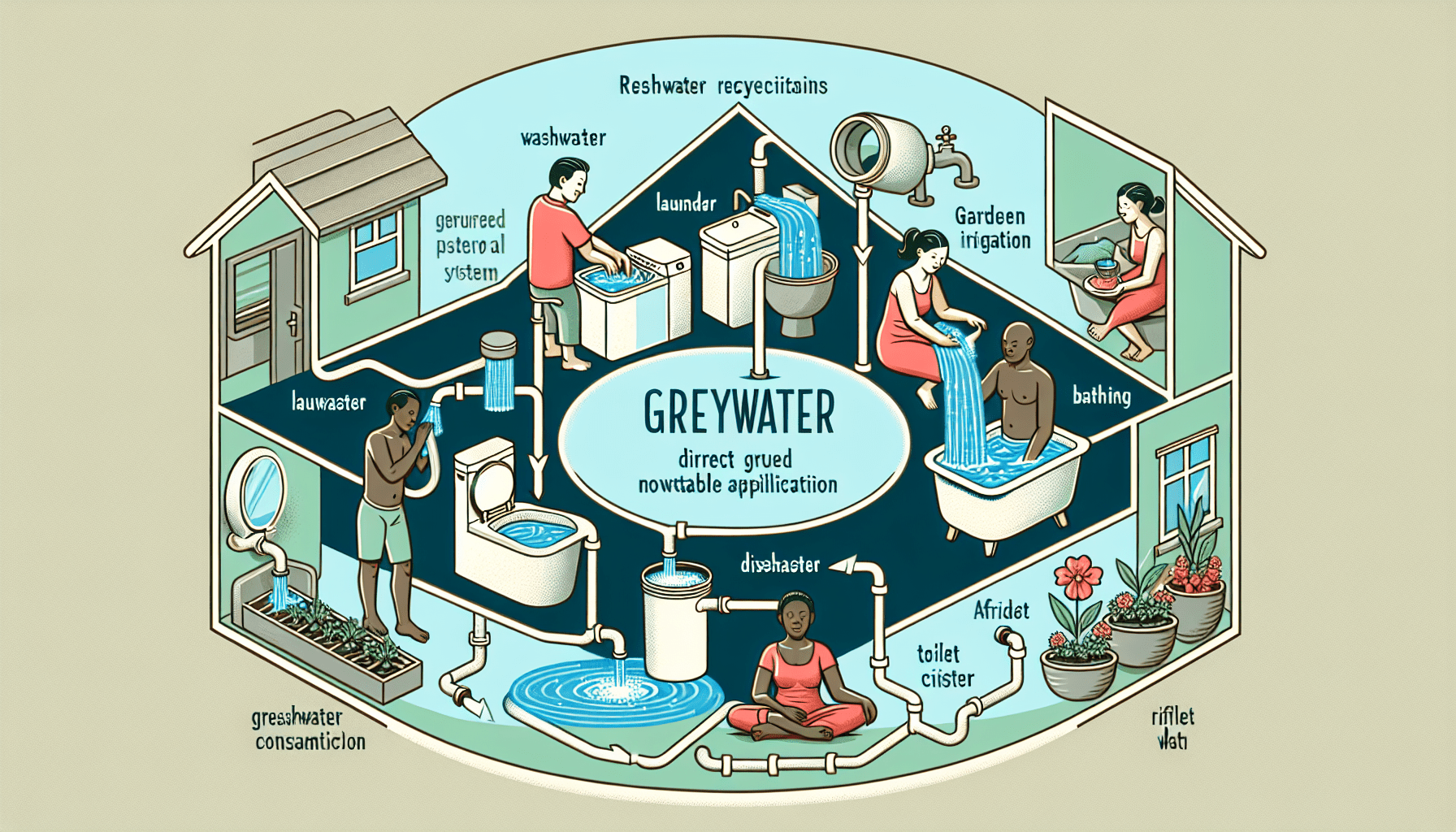
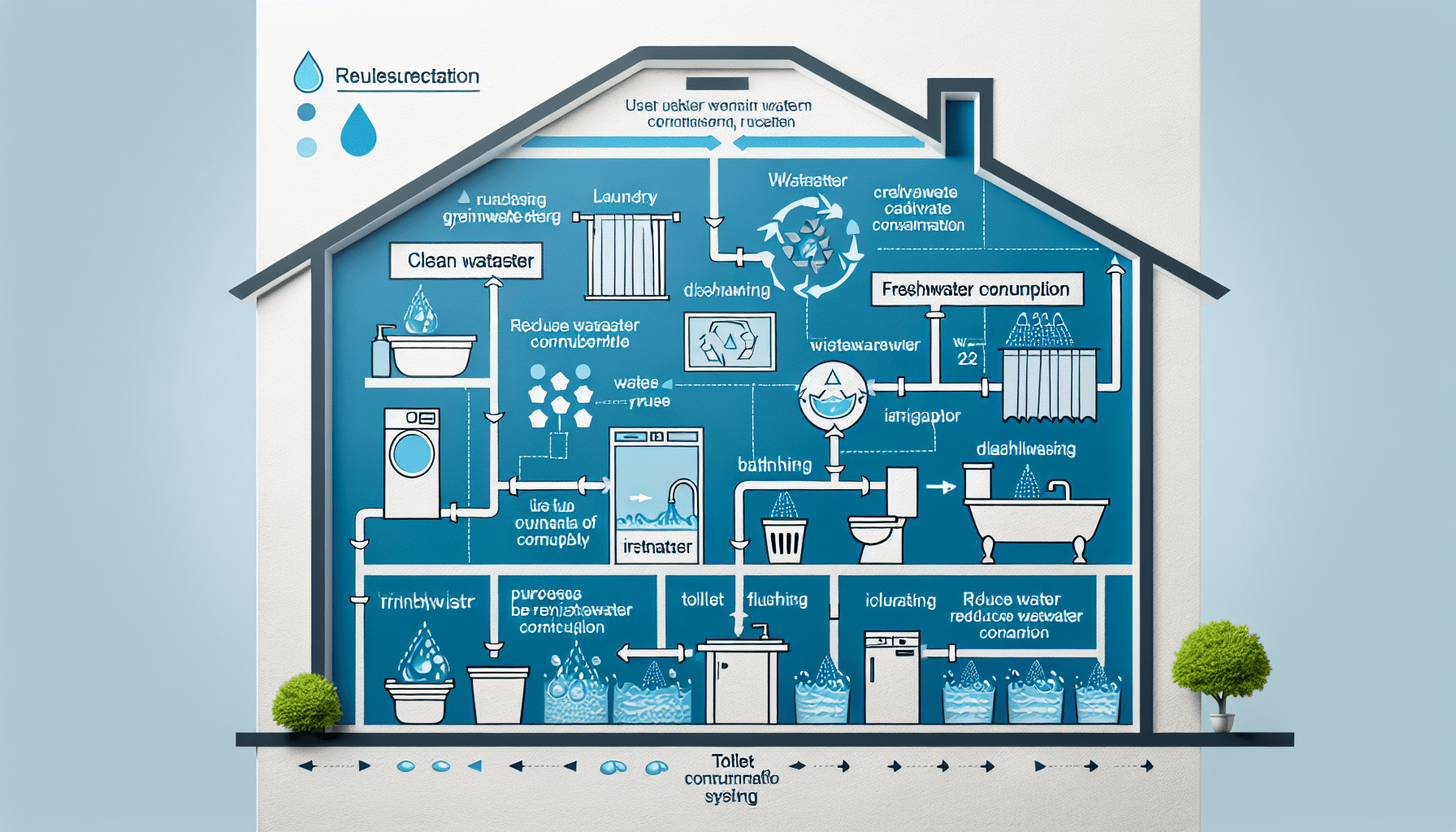
If you’re looking to make your home more efficient and sustainable, implementing a greywater system is a game-changer. This innovative concept allows you to maximize the use of water by repurposing it for toilet flushing and garden watering. Not only does it help reduce water waste, but it also adds value to your living by creating a more eco-friendly environment. By exploring the possibilities of technological advancements and sustainability efforts, you can take small steps towards a greener future. So why not embrace the idea of a greywater system and make a positive impact on the planet while enjoying the benefits of a more efficient and sustainable lifestyle?
Benefits of a Greywater System
A greywater system offers several notable benefits, including water conservation and a reduction in utility bills. By repurposing water that would otherwise go to waste, you can make a positive impact on the environment and your wallet.
Water conservation
One of the primary benefits of a greywater system is water conservation. With a greywater system in place, you can reuse water from various household sources, such as bathroom sinks, showers, bathtubs, and laundry machines, for tasks like toilet flushing and garden watering. This allows you to minimize your freshwater consumption and contribute to the preservation of this precious resource.
Reduction in utility bills
Another significant advantage of a greywater system is the potential for a reduction in utility bills. By reusing greywater instead of relying solely on fresh, potable water, you can significantly decrease your water usage and, in turn, lower your water bills. Additionally, using greywater for toilet flushing and garden watering may reduce the need for fertilizer and irrigation, leading to potential savings in your overall utility expenses.
Components of a Greywater System
In order to effectively implement a greywater system, it is important to understand its key components. These components work together to collect, treat, and distribute greywater throughout your home and garden.
Greywater source
The greywater source is where the water for recycling originates. Common greywater sources include bathroom sinks, showers, bathtubs, and laundry machines. By diverting this lightly used water away from the regular wastewater system, you can harness its potential for reuse.
Treatment and filtration system
Once collected, greywater needs to undergo treatment and filtration before it can be safely used for other purposes. There are several options for treating and filtering greywater, including biological systems, mechanical filtration, and chemical treatment, each with its own advantages and considerations. These systems help remove impurities and ensure that the greywater is suitable for its intended use.
Distribution system
The distribution system is responsible for delivering treated greywater to its desired destinations, such as toilets or the garden. The choice of distribution method will depend on factors such as the layout of your property, the distance between the greywater source and the intended use area, and local regulations. Common distribution methods include subsurface irrigation, sprinkler systems, and drip irrigation.
Greywater Sources
Greywater can be sourced from various areas within the home. By understanding which sources can contribute to your greywater system, you can maximize the effectiveness and efficiency of your water recycling efforts.
Bathroom sinks
Greywater from bathroom sinks can provide a significant amount of reusable water. This source is relatively easy to collect and can be diverted to a greywater treatment system for filtration.
Showers and bathtubs
Showers and bathtubs are another excellent source of greywater. By capturing and redirecting the water used during bathing, you can reduce water waste and contribute to the sustainability of your household.
Laundry machines
Laundry machines consume a considerable amount of water during each cycle. By repurposing this water instead of sending it directly to the sewer, you can make a significant impact on reducing your household’s water consumption.
Treatment and Filtration Options
To ensure the safety and quality of the recycled water, greywater must undergo treatment and filtration. There are several options to consider when choosing the best treatment and filtration system for your needs.
Biological systems
Biological systems rely on natural processes, such as plant and microbial action, to treat and filter greywater. These systems use vegetation beds or filters to remove impurities and contaminants from the water. Biological systems are environmentally-friendly and low-maintenance, making them a popular choice for greywater treatment.
Mechanical filtration
Mechanical filtration involves the use of physical barriers, such as screens or filters, to remove solids and larger particles from the greywater. This method is effective in preventing clogs and ensuring the longevity of your greywater system.
Chemical treatment
Chemical treatment involves the use of disinfectants or other chemical agents to kill bacteria and pathogens in the greywater. While chemical treatment can be effective in ensuring water safety, it should be used with caution due to potential environmental and health concerns. It is important to follow all recommended guidelines and regulations when utilizing chemical treatments.
Distribution Methods
Once the greywater has been treated and filtered, it needs to be distributed to its intended uses. There are several distribution methods to consider when designing your greywater system.
Subsurface irrigation
Subsurface irrigation is a low-maintenance and efficient method of distributing greywater to your garden. This method involves burying pipes or tubes underground, allowing the water to seep directly into the soil, where it can be absorbed by plant roots.
Sprinkler system
A sprinkler system can be an effective way to distribute greywater to larger areas of your garden. By attaching sprinkler heads to the greywater distribution pipes, you can evenly distribute the water, ensuring adequate coverage for your plants.
Drip irrigation
Drip irrigation involves the use of drip emitters or tubing to deliver small amounts of water directly to the base of plants. This method is highly efficient and minimizes water loss through evaporation or runoff.
Design Considerations
When planning and implementing a greywater system, there are several design considerations that need to be taken into account. These factors can impact the efficiency, effectiveness, and compliance of your greywater system.
Building codes and regulations
Before installing a greywater system, it is essential to research and comply with local building codes and regulations. These codes may dictate the types of greywater systems that are permitted, as well as any necessary permits or inspections.
Greywater storage capacity
The storage capacity of your greywater system will depend on factors such as the size of your household, the amount of greywater generated, and the intended uses for the recycled water. Having an appropriate storage capacity ensures a steady supply of greywater when needed.
Maintenance requirements
Regular maintenance is crucial for the proper functioning of a greywater system. This may include cleaning filters, inspecting pumps and pipes, and monitoring the overall performance of the system. Understanding and adhering to the recommended maintenance requirements will help ensure the longevity and effectiveness of your greywater system.
Benefits for Toilet Flushing
Implementing a greywater system for toilet flushing offers several compelling benefits, both for the environment and your household expenses.
Reduced freshwater consumption
By using greywater for toilet flushing instead of potable water, you can significantly reduce your freshwater consumption. This conservation effort helps to preserve this valuable resource for other essential uses and contributes to a more sustainable future.
Cost savings
Utilizing greywater for toilet flushing can result in significant cost savings. With a reduced reliance on fresh water, your water bills will decrease accordingly. By repurposing greywater for this purpose, you can make a positive impact on your household budget.
Benefits for Garden Watering
Greywater can be a valuable resource for maintaining a healthy and thriving garden. By using greywater for garden watering, you can enjoy a range of benefits for both your plants and the environment.
Reduced reliance on potable water
By diverting greywater to your garden, you can reduce your reliance on potable water for irrigation. Instead of using fresh water, which is often in limited supply, you can repurpose lightly used water from your household to nourish your plants. This approach helps conserve valuable freshwater resources.
Healthier plants and soil
Greywater contains nutrients that can benefit your plants and soil. By irrigating your garden with greywater, you can provide additional nourishment to your plants, promoting healthier growth and enhancing their overall vitality. Additionally, the organic matter present in greywater can contribute to the improvement of soil structure and fertility.
Installation Process
Implementing a greywater system requires careful assessment, planning, and installation. By following a systematic approach, you can ensure a successful installation and maximize the efficiency of your greywater system.
Assessment and planning
Start by assessing your water usage patterns and identifying potential greywater sources within your home. Consider the layout of your property, the proximity of the greywater source to the intended use area, and any regulatory requirements that need to be met. Plan the design and layout of your greywater system accordingly, considering factors such as treatment and filtration options, distribution methods, and storage capacity.
Installation of components
Once the planning phase is complete, it’s time to install the components of your greywater system. This may involve diverting greywater from its sources, installing treatment and filtration systems, and setting up the chosen distribution method. It is important to follow all manufacturer guidelines and local regulations during the installation process.
Testing and adjustments
After the installation is complete, thorough testing and adjustments are necessary to ensure the proper functioning of your greywater system. Test the system by running water through the designated greywater sources and monitoring the treatment and filtration processes. Make any necessary adjustments to optimize performance and address any issues that arise.
Maintenance and Troubleshooting
To keep your greywater system running smoothly, regular maintenance and troubleshooting are essential. By following recommended cleaning and maintenance schedules and being vigilant for common issues, you can prolong the lifespan and effectiveness of your greywater system.
Cleaning and maintenance schedule
Create a regular cleaning and maintenance schedule for your greywater system. This may include tasks such as cleaning filters, inspecting pumps and pipes, and checking for leaks. Following a routine maintenance schedule will help identify and resolve any potential problems before they escalate.
Identifying and fixing common issues
It is important to be familiar with common issues that may arise with a greywater system and know how to troubleshoot them. These issues can include clogs in filters or pipes, malfunctioning pumps, or inefficient distribution methods. By promptly identifying and addressing these issues, you can minimize downtime and maintain the optimal functioning of your greywater system.
In conclusion, implementing a greywater system offers numerous benefits, including water conservation, reduced utility bills, and improved sustainability. By understanding the components of a greywater system and considering factors such as greywater sources, treatment and filtration options, distribution methods, and design considerations, you can create an efficient and effective greywater system tailored to your needs. Additionally, utilizing greywater for toilet flushing and garden watering offers specific advantages such as reduced freshwater consumption, cost savings, and healthier plants and soil. To ensure a successful installation and ongoing performance, it is important to follow a systematic approach, including thorough assessment and planning, proper installation of components, and regular maintenance and troubleshooting. By embracing a greywater system, you can make a positive impact on the environment while enjoying the benefits of reduced water usage and a more sustainable lifestyle.
Are you a landlord or property manager struggling to find a middle ground between accommodating tenants with pets and maintaining a well-managed rental property? Look no further! In the article “Managing Pet Policies in Rental Properties,” we will explore effective strategies that help you strike the perfect balance between the needs of your tenants and maintaining a pet-friendly rental environment. From setting clear guidelines to implementing pet deposits, this article will provide you with valuable insights on managing pet policies in rental properties. So let’s dive in and discover how you can create a harmonious living experience for both human and furry residents.
This image is property of images.unsplash.com.
Understanding the Importance of Pet Policies
Pet policies play a crucial role in rental properties, as they balance the needs of both tenants and property owners. By allowing pets in rental properties, property owners can attract a larger pool of potential tenants and increase the overall tenant satisfaction. However, there are also challenges that come with allowing pets, such as potential property damage and noise disturbances. It is important to carefully consider and develop pet policies that strike a balance between accommodating pet owners and maintaining a peaceful living environment for all residents.
Benefits of Allowing Pets in Rental Properties
Allowing pets in rental properties brings numerous benefits for both landlords and tenants. Firstly, it expands the pool of potential tenants, as many pet owners struggle to find suitable housing that accommodates their furry family members. By opening up rentals to pet owners, landlords have a greater chance of attracting responsible and reliable tenants. Furthermore, allowing pets can lead to longer tenancy durations, as pet owners typically face more difficulties when moving to new properties. Additionally, studies have shown that pet-friendly rentals often have higher tenant satisfaction and lower vacancy rates.
Challenges of Allowing Pets in Rental Properties
While there are clear benefits to allowing pets in rental properties, there are also challenges that must be addressed. One of the main concerns is the potential damage that pets can cause to rental units. Landlords may have to deal with scratched floors, chewed furniture, and stained carpets. Another challenge is the potential for noise disturbances, especially if tenants do not properly train or control their pets. It is crucial for landlords to find a balance that ensures the well-being of the pets and the comfort of all residents.
Developing Pet Policies
In order to establish effective pet policies, landlords should consider several key factors. One important aspect is setting clear guidelines for pets. This includes determining the maximum number of pets allowed per unit, as well as any size or weight restrictions. By defining acceptable pet types and breeds, landlords can mitigate potential issues related to aggressive or dangerous animals.
Another crucial element of pet policies is establishing pet limits and restrictions. These limitations may include requirements for up-to-date vaccinations, spaying/neutering, and licensing. Furthermore, landlords should consider implementing noise control measures and restrictions on certain pet-related activities within the rental property.
To protect against potential pet-related damage, it is common for landlords to impose pet deposits and fees. These extra charges help cover any damages or extra cleaning that may be required as a result of the pet’s presence. Pet deposits are typically refundable upon the tenant’s move-out, assuming there are no significant damages.
This image is property of images.unsplash.com.
Communicating Pet Policies to Prospective Tenants
To ensure that prospective tenants fully understand the pet policies, it is essential to include them in the rental agreements. This clearly outlines the expectations and responsibilities of pet owners, as well as any consequences for policy violations. The pet policies should be presented in a clear and concise manner, avoiding complex legal jargon that could confuse tenants.
During the rental application process, landlords should request detailed pet information from tenants. This includes information about the pet’s breed, size, weight, and vaccination records. By collecting this information upfront, landlords can assess whether the pet is suitable for the rental property and ensure that it complies with the established pet policies.
It is also important to address any concerns or questions raised by prospective tenants regarding the pet policies. Landlords can provide additional clarification and offer reassurance to potential renters who may have reservations about these policies.
Screening Pet Owners
Screening potential pet owners is a critical step in managing pet policies effectively. Landlords should request detailed information about the prospective tenant’s pets during the application process to ensure they meet the established criteria. This information can include the pet’s age, size, and breed.
Verifying pet vaccinations and licenses is crucial for maintaining a safe and healthy environment for all residents. Landlords should request documentation from tenants to confirm that their pets are up-to-date with vaccinations and licensed as required by local regulations. This helps prevent the spread of diseases and protects the well-being of both pets and other residents.
Checking for any pet-related incidents in a tenant’s previous rental history is another important aspect of screening pet owners. This can help identify any red flags or patterns of irresponsible pet ownership, such as property damage or noise complaints. By conducting thorough background checks, landlords can minimize the risk of having problem tenants with pets.
This image is property of images.unsplash.com.
Managing Pet-related Issues and Complaints
Establishing a clear and efficient pet complaint procedure is crucial for addressing pet-related issues and complaints in a timely manner. This procedure should outline the steps tenants should take to report concerns or incidents related to pets. By providing a straightforward process, landlords can ensure that complaints are handled promptly and fairly.
One common issue related to pets in rental properties is noise and disruption. Landlords should have guidelines in place to address excessive barking or noisy pets. Communication with pet owners is key, as they may not always be aware of the disturbance caused by their animals. In cases where the issue persists, landlords can take necessary action according to the established policies.
Resolving damage caused by pets is another important responsibility of landlords. Regular inspections of rental units can help identify any pet-related damages early on. Landlords should clearly communicate the process for resolving and charging for damages caused by pets, whether through the use of the pet deposit or charging additional fees.
In situations involving pet aggression or safety concerns, landlords should promptly address these issues to ensure the safety of all residents. This may involve working with the pet owner to find a resolution or, in extreme cases, enforcing policies that result in the removal of the pet from the property.
Enforcing Pet Policies
Consistent enforcement of pet policies is essential for maintaining a harmonious living environment for all residents. Regular inspections and monitoring of rental units can help ensure that tenants are complying with the established pet limits and restrictions. This also provides an opportunity to identify any potential issues or violations early on.
Issuing warnings and notices for policy violations is an important step in enforcing pet policies. Landlords should provide clear guidelines regarding the consequences for violating the policies, such as fines or potential eviction. However, it is important to exercise compassion and understanding when dealing with minor infractions, as education and communication can often resolve the issue without severe consequences.
For repeated policy violations, landlords may need to implement more significant consequences. This can include additional fines, termination of the rental agreement, or enforcing legal action if necessary. By taking appropriate action, landlords can maintain a safe and peaceful environment for all residents while upholding the integrity of their pet policies.
Implementing Pet Amenities
Providing pet-specific facilities is an excellent way to accommodate pet owners and enhance their living experience. This can include designated areas for pets to relieve themselves, such as dog parks or pet relief stations. These amenities contribute to a positive living environment and encourage responsible pet ownership.
Designating pet-friendly areas within the rental property is another way to balance the needs of pet owners and non-pet owners. For example, landlords may designate specific floors or buildings within a multi-unit property as pet-friendly, while reserving other areas as pet-free zones. This allows non-pet owners to live harmoniously alongside their pet-owning neighbors.
Partnering with local pet service providers can also be beneficial for both landlords and tenants. Collaborating with veterinary clinics, pet groomers, or pet training services can provide convenient access to essential pet care services for tenants. This partnership can also foster a sense of community among pet owners within the rental property.
Educating Tenants About Responsible Pet Ownership
Educating tenants about responsible pet ownership is crucial for promoting a positive living environment. Landlords can provide valuable resources and pet care tips to help tenants properly care for their pets. This can include information on training techniques, socialization, and general pet health and well-being.
Encouraging pet training and socialization is another way to promote responsible pet ownership. Landlords can organize pet training sessions or recommend reputable trainers to ensure that pets are well-behaved and respectful of others within the rental property. This helps prevent behavioral issues and contributes to a more harmonious living environment.
Promoting responsible waste disposal is an essential aspect of responsible pet ownership. Landlords should provide convenient waste disposal stations and encourage tenants to clean up after their pets. By emphasizing the importance of proper waste management, landlords can maintain cleanliness and hygiene within the rental property.
Handling Pet Allergies and Health Concerns
Given that some residents may have allergies or health concerns related to pets, it is important for landlords to address these issues. Offering pet-free building zones can provide a solution for residents who are highly sensitive to pet allergens. This allows them to live comfortably and safely without the risk of triggering allergies.
Implementing air quality control measures is another way to address pet allergies and health concerns. Regular maintenance and cleaning of common areas can help reduce pet dander and allergens in the air. Additionally, landlords can utilize air filtration systems to improve indoor air quality for residents with allergies or respiratory issues.
Providing resources for allergy management can benefit both pet owners and residents with allergies. Landlords can share information about allergen-reducing products, such as hypoallergenic cleaning supplies or air purifiers. This proactive approach helps create a supportive living environment for all residents.
Updating and Modifying Pet Policies
Regularly reviewing and assessing pet policies is essential for ensuring that they remain effective and relevant. Landlords should consider tenant feedback and input when evaluating the existing pet policies. This can be done through surveys or open communication channels to gather valuable insights from both pet owners and non-pet owners.
By considering feedback from tenants and property managers, landlords can identify areas for improvement and address emerging needs and issues. As circumstances change, such as the introduction of new pet breeds or changes in local regulations, pet policies may need to be updated or modified accordingly. Landlords should stay informed about current industry trends and best practices to adapt their policies as needed.
In conclusion, managing pet policies in rental properties requires careful consideration and a balanced approach. By understanding the importance of pet policies and their benefits, landlords can attract responsible tenants and promote tenant satisfaction. Developing comprehensive policies, effectively communicating them to prospective tenants, screening pet owners diligently, and addressing pet-related issues are crucial steps in managing pet policies successfully. Enforcing the policies consistently, providing pet amenities, educating tenants about responsible pet ownership, and handling pet allergies and health concerns demonstrate a commitment to creating a harmonious and inclusive living environment. Regularly updating and modifying pet policies based on feedback and emerging needs ensures their ongoing effectiveness. By implementing and managing pet policies effectively, landlords can achieve a healthy and thriving rental property for tenants and their furry companions.
Looking to transform an underutilized space in your home into a cozy and functional retreat? Look no further than the idea of designing a home library with built-in bookshelves. This concept not only maximizes your available space but also provides a haven for relaxation and inspiration. Emphasizing the importance of reading and knowledge, a home library creates an inviting atmosphere that encourages both productivity and leisure. Whether you’re an avid reader or simply want a place to showcase your collection, incorporating built-in bookshelves into your library design allows you to organize and display your books while adding a touch of elegance to your space. So grab your favorite book, cozy up in a reading nook, and let your imagination run wild in your very own personal library.
Maximizing Space: Designing a Home Library with Built-in Bookshelves
Are you a book lover? Do you dream of having your own personal library right within the comforts of your home? Well, look no further! In this article, we will guide you through the process of designing a home library with built-in bookshelves. From planning the space to personalizing the final touches, we will cover everything you need to know to create the perfect sanctuary for your literary adventures.
1. Planning the Space
Consider the available space
Before diving into the world of bookshelf designs, it’s crucial to consider the available space in your home. Take a look around and identify a room that can be transformed into your dream library. It could be an unused guest room, a corner of your living room, or even a spacious hallway. Think about the overall size and layout of the room and envision how you can make the most of the space.
Evaluate the room’s layout and dimensions
Once you have chosen the room, evaluate its layout and dimensions. Take measurements of the walls, windows, and doors to better understand the space you’re working with. This will help you determine where the bookshelves should be placed and how they can be arranged to optimize both functionality and aesthetics.
Determine the optimal location for the home library
After considering the available space and evaluating the room’s layout, it’s time to decide on the optimal location for your home library. Consider factors such as natural light, noise levels, and proximity to other areas of your home where you relax or entertain guests. Select a location that offers a serene and peaceful environment, allowing you to immerse yourself in the world of books without distractions.
2. Choosing the Bookshelf Design
Decide on the type of bookshelves
When it comes to choosing the design for your bookshelves, the options are virtually limitless. Determine whether you prefer traditional wooden shelves, contemporary metal designs, or a combination of both. Consider the overall style of your home decor and choose a design that complements it seamlessly.
Consider adjustable or modular bookshelves
If you anticipate your book collection growing over time, it might be wise to consider adjustable or modular bookshelves. These versatile designs allow you to rearrange and expand your shelving as needed, ensuring that your library can adapt to your evolving literary passions.
Select a style that complements the overall home decor
To create a visually cohesive and harmonious space, select a bookshelf style that complements your overall home decor. Whether you prefer sleek and minimalist or ornate and classic, make sure the bookshelves blend seamlessly with the existing furniture and aesthetic of your home.
3. Determining the Bookshelf Size
Measure the dimensions of the available wall space
To ensure the bookshelves fit perfectly in your home library, measure the dimensions of the available wall space. Take note of the width, height, and depth, as these measurements will play a crucial role in determining the size of your bookshelves.
Calculate the number of books the bookshelves need to accommodate
Consider the size of your existing book collection and estimate how many books the bookshelves need to accommodate. This will help you determine the number of shelves required and the spacing between them. Additionally, factor in any future book purchases you anticipate, allowing for ample space to expand your literary treasure trove.
Ensure sufficient depth for various book sizes
Books come in various sizes and dimensions, so it’s important to ensure that your bookshelves have sufficient depth to accommodate all types of books. Measure the thickest and tallest books in your collection and add a few inches of additional space to ensure they fit comfortably on the shelves.
4. Incorporating Reading Nooks
Identify suitable areas for reading nooks
A home library wouldn’t be complete without cozy reading nooks. Identify suitable areas within your library space where you can create these inviting spots. Look for corners with ample natural light or windowsills that can be transformed into comfortable reading spots.
Choose comfortable seating options such as armchairs or window seats
When it comes to choosing seating options for your reading nooks, prioritize comfort. Opt for plush armchairs, cozy window seats, or even a comfortable chaise lounge. Select furniture that encourages relaxation and allows you to sink into the pages of your favorite books for hours on end.
Consider adding built-in lighting for reading
For those late-night reading sessions, consider incorporating built-in lighting into your reading nooks. Wall-mounted reading lamps or adjustable spotlights can provide the perfect amount of illumination without disturbing the overall ambiance of your library. Ensure that the lighting is positioned strategically to avoid casting shadows on the pages of your books.
5. Enhancing Lighting
Assess the existing lighting in the room
Before making any lighting modifications, assess the existing lighting in the room. Is it sufficient for reading? Does it create a warm and inviting atmosphere? If not, consider upgrading or adding additional lighting elements to enhance the overall ambiance of your home library.
Install adjustable or dimmable lighting for different purposes
To cater to various activities in your home library, install adjustable or dimmable lighting. This allows you to customize the ambiance based on your mood or specific needs. Bright lighting can be ideal for studying or working, while softer, dimmed lighting can create a cozy atmosphere for reading or relaxation.
Consider incorporating natural light sources like windows or skylights
Natural light can greatly enhance the aesthetics and overall atmosphere of your home library. If possible, consider incorporating windows or skylights into the design. Not only do they provide an abundance of natural light during the day, but they also offer beautiful views and a connection to the outside world.
6. Organizing the Bookshelves
Sort and categorize books before arranging them
Before arranging your books on the shelves, take some time to sort and categorize them. Organize them by genre, author, or any other system that makes sense to you. This will not only make it easier to find specific books but also add a sense of order and visual appeal to your library.
Utilize a combination of vertical and horizontal placements
To add visual interest and create a balanced look, utilize a combination of vertical and horizontal placements when arranging your books. Stack some horizontally on top of others, interspersing them with vertically lined books. This not only adds variety but also allows you to maximize the use of space on each shelf.
Consider using bookends or dividers for better organization
To further enhance the organization of your bookshelves, consider incorporating bookends or dividers. These can help separate different categories or sections within your collection and prevent books from toppling over. Choose bookends or dividers that match the overall style and theme of your library for a cohesive look.
7. Adding Decorative Elements
Include plants or artwork to add visual interest
To elevate the aesthetics of your home library, consider including plants or artwork. Plants not only add a touch of greenery and life to the space but also purify the air and create a calming atmosphere. Artwork, whether it’s paintings, photographs, or sculptures, can add a personal touch and evoke inspiration within your library.
Integrate decorative objects like vases or sculptures
In addition to plants and artwork, consider integrating decorative objects like vases or sculptures. These can act as focal points and add a touch of elegance and sophistication to your home library. Select objects that resonate with your personal style and contribute to the overall atmosphere you want to create.
Display collectibles or personal mementos
Your home library is a reflection of your personality and interests, so don’t hesitate to display your collectibles or personal mementos. Whether it’s a series of antique globes, a collection of vintage typewriters, or family heirlooms, incorporating these items into your library adds a personal touch and makes it uniquely yours.
8. Incorporating Functional Features
Include a desk or workspace for studying or working
If you plan to use your home library for studying or working, consider incorporating a desk or workspace. A well-designed desk with ample storage and a comfortable chair can create a productive environment within your library. This allows you to seamlessly transition from leisurely reading sessions to focused work or study sessions.
Consider a built-in sound system for background music or audiobooks
To enhance your reading experience, consider incorporating a built-in sound system into your home library. This allows you to enjoy background music that complements the mood of your books or listen to audiobooks while lounging in your reading nooks. Ensure that the speakers are strategically placed to provide an immersive and balanced audio experience.
Incorporate storage compartments or drawers for various items
In addition to book storage, consider incorporating storage compartments or drawers into your bookshelves. These compartments can be used to store various items such as magazines, notebooks, or reading glasses. By having these essentials readily accessible, you can fully immerse yourself in the reading experience without interruptions.
9. Ensuring Accessibility and Safety
Arrange the bookshelves at appropriate heights for easy access
Ensure that the bookshelves are arranged at appropriate heights for easy access to your books. Place frequently read books at eye level and reserve higher shelves for less frequently used items. This not only ensures accessibility but also adds a visual balance to your library.
Secure heavy or fragile items to prevent accidents
To ensure the safety of both your books and yourself, securely fasten heavy or fragile items to prevent accidents. Use bookends, shelf brackets, or other suitable fasteners to secure the items in place. This will provide peace of mind and protect your valuable books from damage.
Ensure proper ventilation to prevent mold or damage to books
Books require a well-ventilated environment to prevent mold or damage from moisture. Ensure that your home library has adequate ventilation by allowing air to circulate freely. Avoid placing bookshelves near humid areas such as bathrooms or kitchens, as the moisture can adversely affect the condition of your books.
10. Personalizing the Space
Add personal touches like family photos or favorite quotes
To truly make your home library a reflection of yourself, don’t forget to add personal touches. Display family photos, favorite quotes, or inspirational words that hold special meaning to you. These small details add warmth and character to the space, creating a welcoming environment where you can truly feel at home.
Include comfortable rugs or cushions for a cozy atmosphere
To add an extra layer of comfort and coziness to your home library, include comfortable rugs or cushions. Soft area rugs can provide warmth and texture to the floor, while cushions and throw pillows can make your reading nooks even more inviting. Choose fabrics and colors that complement the overall color scheme and style of your library.
Create a relaxing ambiance with scented candles or essential oils
Finally, create a relaxing ambiance in your home library by incorporating scented candles or essential oils. Choose fragrances that promote relaxation and focus, such as lavender or eucalyptus. The gentle flickering of candlelight or the subtle aroma of essential oils can further enhance your reading experience and create a tranquil atmosphere.
Designing a home library with built-in bookshelves and reading nooks is a dream come true for any book lover. By carefully planning the space, choosing the right bookshelf design, considering the size and layout, and incorporating functional and personal elements, you can create a sanctuary where you can escape into the magical world of literature. So go ahead, unleash your creativity, and start designing your dream home library today!
Imagine living in a vibrant community where the streets are lined with beautifully maintained homes and the sense of unity is palpable. This is the result of quality rentals that not only provide comfortable living spaces but also play a significant role in the development and revitalization of communities. In this article, we will explore how these quality rentals contribute to community development, fostering a sense of pride and belonging among residents. From economic impact to social cohesion, the effects of quality rentals are far-reaching and undeniable. So, let us delve into the transformational power of these rentals and how they shape the communities we call home.
The Importance of Quality Rentals
Quality rentals are essential for community development as they contribute to the overall well-being and progress of a neighborhood. These properties are characterized by their high standards, both in terms of physical infrastructure and the quality of living they provide for tenants. They play a crucial role in enhancing the economic, social, and environmental aspects of a community.
Definition of quality rental properties
Quality rental properties are those that meet certain standards in terms of their construction, amenities, maintenance, and management. These properties are well-maintained, safe, and offer a comfortable living environment for tenants. They adhere to local building codes and regulations, ensuring that occupants have a high standard of living. Quality rental properties come in various forms, including apartments, houses, and condominiums.
Significance of quality rentals for community development
The presence of quality rental properties is vital for the overall development of a community. They contribute to the economic growth, social cohesion, and environmental sustainability of a neighborhood. By promoting stable and attractive living options, they attract individuals and families, which, in turn, stimulates economic activity and improves the overall quality of life in the area.
Economic Impact
Increased property values
Quality rental properties have a positive impact on property values in their surrounding areas. When well-maintained rental properties are present, it signals investment in the community, making it more desirable for potential homeowners. The increased demand for housing leads to an appreciation of property values, benefiting both property owners and the community at large.
Job creation and local economy support
The development and maintenance of quality rental properties create job opportunities, thus stimulating the local economy. Construction workers, property managers, maintenance staff, and various service providers are all part of the ecosystem surrounding quality rentals. This job creation bolsters economic growth, further benefiting the community through increased consumer spending and tax revenues.
Increased tax revenue
Quality rental properties contribute to the generation of tax revenue for local governments. As property values increase due to the presence of well-maintained rentals, property taxes also increase. This additional revenue can be allocated towards various community development initiatives, including infrastructure improvements, educational programs, and social services.
This image is property of images.unsplash.com.
Social Impact
Strengthening community bonds
The availability of quality rental properties fosters community engagement and enhances social bonds among residents. When individuals and families have stable and comfortable housing options, they are more likely to become invested in the well-being of their neighborhood. Community events and initiatives can be organized, bringing neighbors together, fostering a sense of belonging, and strengthening community bonds.
Promoting diversity and inclusivity
Quality rental properties offer housing options for individuals from diverse backgrounds, promoting diversity and inclusivity within communities. They provide opportunities for people from different socio-economic backgrounds, ages, and cultures to live and interact in close proximity. This diversity enriches the fabric of a community, leading to cultural exchange, increased tolerance, and the development of a vibrant and inclusive environment.
Enhancing overall quality of life
Quality rentals contribute to an improved quality of life for residents. When individuals have access to safe, well-maintained homes in close proximity to various amenities, it enhances their well-being and satisfaction. Access to recreational facilities, parks, schools, and healthcare services promotes a healthier, happier community. Quality rentals also often come with modern amenities and sustainable features, further enhancing the overall comfort and convenience for residents.
Revitalization of Neighborhoods
Transforming blighted areas
Quality rental properties have the power to transform blighted and neglected areas into vibrant and desirable neighborhoods. These properties act as catalysts for revitalization efforts, attracting investment and spurring further development. As neglected properties are renovated or replaced with high-quality rentals, the physical landscape of the neighborhood improves, leading to a positive change in perception and desirability.
Attracting investment and businesses
When a community offers quality rental options, it becomes more attractive to potential investors and businesses. Investors are more likely to engage in property development projects, knowing that there is a demand for high-quality housing options. New businesses, such as retail shops, restaurants, and service providers, are more inclined to establish themselves in areas with a stable and financially viable population.
Reducing crime rates
The presence of quality rental properties can contribute to a reduction in crime rates within a neighborhood. Neglected and abandoned properties often become hotspots for criminal activity, leading to a sense of insecurity among residents. By revitalizing these areas and providing safe and well-maintained rentals, the potential for criminal behavior decreases. The increased social cohesion and resident participation that comes with quality rentals also contribute to a safer community.
This image is property of images.unsplash.com.
Affordable Housing and Accessibility
Importance of affordable rental options
Quality rentals serve a crucial role in providing affordable housing options for individuals and families who may not be able to afford homeownership. Affordable rental properties help prevent homelessness and provide stability for those in need. They ensure that people have access to safe and adequate housing, promoting social equity and reducing the risk of housing insecurity.
Ensuring housing accessibility for all
Quality rental properties prioritize accessibility, ensuring that housing is available for individuals with diverse needs. Both physical accessibility, such as wheelchair ramps and elevators, and affordability considerations are taken into account. By providing accessible housing options, communities can support individuals with disabilities, seniors, and other marginalized groups, allowing them to live with dignity and independence.
Mitigating gentrification concerns
High-quality rentals can help mitigate the negative impacts of gentrification. Gentrification often leads to the displacement of long-term residents due to rising property values, often caused by an influx of investment. By ensuring the availability of quality rental properties at various price points, communities can offer affordable options for residents, reducing the risk of displacement and promoting a more inclusive and diverse neighborhood.
Community Engagement and Empowerment
Promoting resident participation
Quality rentals promote community engagement and resident participation. By providing well-maintained common areas, organizing community events, and encouraging open communication between tenants, residents become more invested in the betterment of their community. They have a sense of pride in their living environment and are more likely to actively participate in neighborhood initiatives, further strengthening the fabric of the community.
Building a sense of belonging
When individuals have access to quality rental properties, they are more likely to establish roots in the community and develop a sense of belonging. This sense of belonging fosters a supportive and inclusive environment where residents look out for one another and work collectively towards common goals. It enhances social cohesion and creates a strong community identity.
Empowering community members
Quality rental properties can empower community members by providing them with secure and stable housing options. When individuals have a safe and comfortable place to call home, they have a solid foundation from which they can pursue educational and career opportunities. This empowerment allows individuals and families to thrive and contribute to the overall well-being and progress of the community.
This image is property of images.unsplash.com.
Environmental Considerations
Sustainable building practices
Quality rental properties often incorporate sustainable building practices, reducing their environmental impact. These practices can include the use of eco-friendly materials, energy-efficient appliances, and renewable energy sources. By implementing sustainable building practices, rental properties minimize their carbon footprint and help protect the environment for future generations.
Energy-efficient rental properties
Quality rentals frequently prioritize energy efficiency, reducing utility costs and minimizing resource consumption. Energy-efficient features, such as insulation, LED lighting, and energy-efficient heating and cooling systems, not only benefit tenants through lower utility bills but also contribute to environmental conservation. Reduced energy consumption leads to a decrease in greenhouse gas emissions and promotes a more sustainable community.
Supporting environmental consciousness
The presence of quality rental properties can promote environmental consciousness within communities. By incorporating green spaces, community gardens, and recycling initiatives, these properties encourage residents to adopt eco-friendly practices. As individuals witness the positive impact of sustainable living, they become more conscious of their own environmental footprint, contributing to a greener and more environmentally resilient community.
Supporting Local Educational Systems
Proximity to quality schools
Quality rental properties situated in close proximity to quality schools have a significant impact on the educational opportunities available to residents. When families have access to reputable educational institutions, it enhances the educational outcomes for children, fostering their development and future success. Proximity to quality schools is an attractive feature for families seeking rental options, contributing to a thriving educational system.
Promoting educational opportunities
Quality rental properties can actively support educational opportunities within the community. By partnering with local schools and educational organizations, rental properties can host workshops, tutoring programs, and educational events that benefit residents of all ages. These initiatives promote lifelong learning, skill development, and personal growth, creating an intellectually stimulating environment.
Advancing community educational programs
High-quality rental properties can provide a platform for community educational programs. Spaces within the properties can be utilized for adult education classes, job training workshops, and other skill-building activities. By offering these opportunities, rental properties contribute to economic mobility, empowerment, and the overall development of the community.
Infrastructure and Transportation
Improving transportation networks
Quality rental properties can play a role in improving transportation networks within a community. By locating rentals near public transportation hubs or implementing shuttle services, residents have easier access to transportation options. Improved transportation networks reduce reliance on private vehicles, ease congestion, and promote more sustainable travel choices, benefitting both residents and the environment.
Enhancing infrastructure development
The presence of quality rental properties often leads to increased infrastructure development in the surrounding area. These properties attract investments, and as a result, local governments and stakeholders are more likely to allocate resources towards infrastructure improvements. Upgraded roads, parks, and public spaces benefit not only the residents of the rental properties but also the wider community, enhancing the overall livability of the neighborhood.
Reducing traffic congestion
By strategically locating quality rental properties near transportation hubs or urban centers, developers can contribute to reducing traffic congestion. When individuals have easy access to public transportation or their workplaces, they are more likely to opt for alternative modes of transportation, such as walking, biking, or using public transit. This reduces the number of cars on the road, decreases traffic congestion, and improves air quality.
Tackling Homelessness
Role of quality rentals in addressing homelessness
High-quality rental properties play a vital role in addressing homelessness within communities. They provide stable housing options for individuals experiencing homelessness, offering them a safe and secure place to rebuild their lives. These rentals often come with support systems, such as on-site social services or partnerships with local organizations, to ensure residents have the necessary resources to transition out of homelessness successfully.
Collaborative initiatives and support systems
Addressing homelessness requires collaboration between rental property owners, local governments, and social service providers. By working together, these stakeholders can create comprehensive support systems to help individuals experiencing homelessness secure quality rental properties. This collaboration may include rent subsidies, case management services, and ongoing support to ensure the success and stability of tenants.
Providing stability and support
For individuals experiencing homelessness, the provision of quality rental properties offers much more than a roof over their heads. It provides stability, support, and a foundation from which they can rebuild their lives. Stable housing is critical in addressing the underlying factors contributing to homelessness, such as mental health challenges or lack of employment opportunities. By providing long-term housing solutions, communities can support individuals on their journey towards self-sufficiency and improved well-being.
In conclusion, the importance of quality rentals cannot be understated when it comes to community development. These properties have a significant impact on the economic, social, and environmental aspects of a neighborhood. With their ability to increase property values, create jobs, support local economies, and promote diversity and inclusivity, quality rentals contribute to the overall well-being and progress of communities. Their presence revitalizes neighborhoods, provides affordable housing options, promotes community engagement and empowerment, and supports various educational, environmental, and transportation initiatives. By recognizing and prioritizing the importance of quality rentals, communities can thrive and flourish, creating a better future for all residents.
Imagine having a serene sanctuary right in the comforts of your own home, designed to cater to all your senses and promote relaxation and stress relief. From incorporating state-of-the-art technology to embracing sustainable practices, the possibilities for enhancing your living space are endless. Whether you’re seeking a quiet oasis for personal wellness or a space for entertaining, these ideas are sure to inspire and add value, efficiency, and enjoyment to your home. So, get ready to embark on a journey of creating a tranquil multi-sensory haven that will rejuvenate your mind, body, and soul.
Designing a Tranquil Multi-Sensory Haven in Your Home
Creating a multi-sensory room for relaxation and stress relief is a wonderful way to enhance your well-being and transform your home into a peaceful sanctuary. By carefully selecting the right location, incorporating soothing design elements, and utilizing smart home technology, you can create a tranquil space that rejuvenates your mind, body, and soul.
Choosing the Right Location
Identifying a Quiet Space in Your Home
When selecting the location for your multi-sensory room, it’s important to choose a quiet and secluded area where you can escape from the hustle and bustle of daily life. Look for a room that is removed from high-traffic areas and noise sources, such as the main living room or kitchen. This will help create a peaceful ambiance and ensure that you can fully relax and unwind.
Considering Natural Light and Views
Natural light has a profound effect on our mood and well-being. When designing your multi-sensory haven, consider a space with ample natural light and beautiful views. Positioning your room near large windows or incorporating skylights can bring in the soothing benefits of natural light and provide a connection to the outside world. Taking in stunning views of nature can also help create a sense of calm and tranquility.
Minimizing Distractions and Clutter
To truly create a tranquil and peaceful space, it’s essential to minimize distractions and clutter. Clear out any unnecessary objects or furniture that may cause visual clutter. Keep the room neat and organized to promote a sense of serenity. Removing distractions, such as electronics or work-related materials, will also help you focus on relaxation and create a soothing atmosphere.
Creating a Peaceful Color Palette
Using Cool and Neutral Colors
Color plays a crucial role in setting the tone and atmosphere of a room. For your multi-sensory haven, opt for a color palette that promotes tranquility and serenity. Cool and neutral colors, such as blues, greens, grays, and whites, are known for their calming effects. These colors can help reduce stress and create a peaceful ambiance in your space.
Incorporating Soft Pastel Shades
Soft pastel shades can add a touch of warmth and coziness to your multi-sensory haven. Light pinks, lavender, and pale yellows can evoke feelings of relaxation and serenity. Consider incorporating these gentle hues through wall paint, furniture upholstery, or decorative accents to create a visually soothing environment.
Avoiding Loud and Bright Colors
While vibrant and bold colors have their place in certain design styles, they may not be the best choice for a tranquil multi-sensory room. Loud and bright colors can be stimulating and energetic, which may work against the goal of relaxation. It’s best to stick with softer tones and avoid overwhelming the space with intense and contrasting colors.
Utilizing Natural Elements and Materials
Bringing in Plants and Greenery
Bringing nature indoors is an excellent way to create a sense of tranquility in your multi-sensory room. Houseplants not only improve air quality but also have a calming effect. Choose plants that are low-maintenance and known for their air-purifying properties, such as peace lilies, snake plants, and pothos. The presence of greenery can help improve your overall well-being and bring a touch of nature into your space.
Using Natural Fabrics and Textures
Incorporating natural fabrics and textures adds depth and tactile comfort to your multi-sensory haven. Opt for soft and cozy materials like linen, cotton, or wool for your furniture upholstery and curtains. Consider adding textural elements such as rattan or wicker furniture, jute rugs, or silk cushions to create a visually and physically calming environment.
Incorporating Wood and Stone Elements
Wood and stone are natural elements that can bring warmth and serenity to your multi-sensory room. Incorporate wooden furniture pieces, such as a reclaimed wood coffee table or a teak bookshelf, to add a sense of grounding and natural beauty. Similarly, stone elements, like a marble side table or a slate accent wall, can create a serene and luxurious atmosphere.
Introducing Soothing Lighting Options
Installing Dimmers for Adjustable Lighting
Having control over the lighting in your multi-sensory room is essential for creating a calm and relaxing environment. Install dimmer switches or use smart bulbs that allow you to adjust the brightness and color temperature of the lighting. This flexibility enables you to customize the lighting to suit your mood and enhance the overall ambiance of the room.
Using Warm and Soft Lighting Fixtures
To evoke a sense of coziness and relaxation, opt for warm and soft lighting fixtures in your multi-sensory haven. Choose fixtures that emit a warm white light or even amber tones. Floor lamps with soft fabric shades, string lights, or wall sconces can create a gentle and soothing illumination that promotes relaxation.
Incorporating Natural Light Sources
In addition to artificial lighting, incorporating natural light sources is key to designing a tranquil multi-sensory space. Position your room near windows to allow the soft glow of natural light to fill the space. Consider adding sheer curtains or blinds that can be adjusted to control the amount of natural light entering the room. The combination of artificial and natural light can create a balanced and soothing atmosphere.
Enhancing Ambient Sounds
Installing a White Noise Machine
White noise machines are a popular choice for creating a soothing auditory environment. These devices emit a constant and consistent sound that helps mask unwanted noise and promotes relaxation. Whether you prefer the sound of rain, ocean waves, or gentle wind, a white noise machine can help drown out distractions and create a peaceful atmosphere in your multi-sensory room.
Adding Relaxing Music or Nature Sounds
Playing soft and calming music or nature sounds can further enhance the ambiance of your multi-sensory haven. Consider installing a sound system in your room or using portable Bluetooth speakers to create your desired auditory experience. Choose instrumental music, classical compositions, or nature sounds like chirping birds or flowing water to accompany your moments of relaxation.
Creating a Soundproofed Environment
To truly immerse yourself in the serenity of your multi-sensory haven, consider soundproofing the room. Soundproofing materials, such as acoustic panels, mass-loaded vinyl, or thick curtains, can help minimize outside noises and create a quieter environment. This will enhance the overall peace and tranquility of your space and promote a deeper sense of relaxation.
Integrating Aromatherapy
Using Essential Oils and Diffusers
Aromatherapy is a powerful tool for promoting relaxation and well-being. Essential oils, like lavender, chamomile, or ylang-ylang, have calming properties that can help reduce stress and anxiety. Use a diffuser to disperse these soothing scents throughout your multi-sensory room. Experiment with different essential oils to find the ones that resonate with you and create a tranquil atmosphere.
Selecting Calming Scents like Lavender or Chamomile
When choosing scents for your multi-sensory haven, opt for calming and soothing fragrances. Lavender and chamomile, in particular, are renowned for their relaxing properties. These scents can help create a serene environment and promote a restful state of mind. Incorporate these fragrances through essential oils, scented candles, or diffusers to enjoy their tranquilizing benefits.
Avoiding Strong or Overpowering Fragrances
While scents can be incredibly calming, it’s important to avoid overpowering fragrances in your multi-sensory room. Strong or overpowering scents can be distracting and may even cause discomfort. Stick to subtle and gentle fragrances that promote relaxation without overwhelming the space. Remember, the goal is to create a harmonious and peaceful ambiance.
Incorporating Comfortable and Cozy Furniture
Choosing Soft and Supportive Seating
In your multi-sensory haven, prioritize comfort when selecting furniture. Invest in soft and supportive seating options, such as plush armchairs, cozy sofas, or ergonomic recliners. Look for furniture pieces that provide ample cushioning and proper lumbar support. The comfort of your seating will play a significant role in helping you relax and unwind in your tranquil space.
Including Plush Pillows and Blankets
Adding plush pillows and cozy blankets to your multi-sensory haven can enhance the comfort and coziness of the space. Choose pillows with soft and hypoallergenic materials, such as down or memory foam, for ultimate relaxation. Incorporate warm and tactile blankets made from natural fibers like wool or cashmere to create a cozy atmosphere that invites you to unwind and snuggle up.
Creating a Relaxing Reading Nook
If you enjoy reading or simply want a designated space for quiet contemplation, consider creating a relaxing reading nook in your multi-sensory room. Install a comfortable armchair or chaise lounge near a well-lit area, with a side table to hold your books or a cup of tea. Layer the space with soft cushions and a cozy throw blanket to create a peaceful spot for hours of relaxation and indulgence in literature.
Designing a Tranquil Water Feature
Installing a Small Indoor Fountain
The gentle and rhythmic sound of trickling water can have a calming effect on the mind and body. Installing a small indoor fountain in your multi-sensory haven can bring a sense of tranquility and serenity. Whether it’s a tabletop fountain or a wall-mounted water feature, the presence of moving water can help create a soothing ambiance and promote relaxation.
Incorporating a Relaxing Fish Tank
Watching fish gracefully swim in a tank can be mesmerizing and therapeutic. Incorporating a fish tank in your multi-sensory room can add a touch of nature and create a calming visual centerpiece. Opt for a tank size that suits the available space and choose fish species known for their peaceful and calming presence, such as betta fish or guppies.
Creating a Miniature Zen Garden
Zen gardens are known for their meditative qualities and ability to induce a sense of tranquility. Creating a miniature Zen garden in your multi-sensory haven can bring a sense of peace and serenity. Use a shallow tray or dish filled with sand or small pebbles and arrange mini rakes or stones to create patterns. Take a moment to engage with the garden by raking the sand or arranging the stones, allowing yourself to find inner calm and focus.
Adding Meditation and Yoga Spaces
Creating a Dedicated Meditation Corner
Designating a dedicated meditation corner in your multi-sensory room can serve as a welcoming space for mindfulness and relaxation. Choose a comfortable meditation cushion or mat and place it in a quiet and secluded area. Customize the space with meaningful statues or symbols, candles, or small plants to create a serene and spiritual atmosphere. This dedicated corner will give you the opportunity to disconnect, reconnect with yourself, and find peace within.
Incorporating Yoga Mats and Props
If you enjoy practicing yoga or want to incorporate gentle stretching into your relaxation routine, consider adding yoga mats and props to your multi-sensory haven. Roll out a yoga mat in a spacious area of the room and have blocks, straps, or bolsters nearby for support. This will create a designated space for invigorating and revitalizing your body while embracing the calming ambiance of your tranquil environment.
Including Inspirational Art and Quotes
Inspirational art and quotes can be powerful tools for cultivating a serene environment and uplifting your spirits. Hang artwork that aligns with your personal values and resonates with you. Choose pieces that depict serene landscapes, abstract patterns, or inspirational quotes. These visual cues can serve as gentle reminders of peace, inner strength, or the beauty of the world around us, contributing to the overall tranquility of your multi-sensory haven.
Implementing Smart Home Technology
Installing Voice-Controlled Lighting Systems
Taking advantage of smart home technology can greatly enhance the tranquility and functionality of your multi-sensory room. Consider installing voice-controlled lighting systems that allow you to adjust the lighting ambiance without even lifting a finger. Whether you want to dim the lights, change the color temperature, or turn them off completely, voice commands can add convenience and simplicity to your relaxation routine.
Utilizing Smart Thermostats for Comfort
Maintaining a comfortable temperature is crucial for relaxation. Smart thermostats enable you to easily control the temperature in your multi-sensory room with voice commands or through a smartphone app. Set the perfect temperature for your relaxation sessions and create a cozy and comfortable space that supports your well-being.
Automating Curtains and Blinds for Privacy
Privacy is essential for creating a tranquil retreat in your multi-sensory haven. Automated curtains or blinds offer convenience and privacy control at the touch of a button. Program your curtains or blinds to open gradually, allowing natural light to gently fill the room. Likewise, close them in the evening to create a cozy and intimate atmosphere. The ability to automate the curtains or blinds ensures your privacy and maintains the peaceful ambiance of your space.
Creating a harmonious and tranquil multi-sensory haven in your home is a wonderful way to prioritize self-care, recharge your energy, and find inner peace. By carefully selecting the right location, incorporating soothing design elements, and utilizing smart home technology, you can design a space that envelops you in tranquility and restores your well-being. Make your home a place where you can escape, relax, and rejuvenate, and create a haven that truly allows you to thrive.
In this article, we will explore the role of social media in marketing rental properties and provide you with useful tips and strategies to effectively leverage these platforms. Whether you are a landlord or a property manager, social media can be a powerful tool to increase your property’s visibility, engage with potential tenants, and enhance your brand. By understanding how to navigate the ever-changing landscape of social media, you can stay ahead of the competition and attract the right tenants for your rental properties. So, let’s get started on this exciting journey of marketing rental properties using social media!
Choosing the Right Social Media Platforms
When it comes to marketing rental properties, one of the first steps is choosing the right social media platforms to utilize. Researching and understanding your target audience is essential in ensuring that you reach the right people in the right places. Different social media platforms cater to different demographics and interests, so it’s crucial to identify platforms that align with your target audience.
For example, if you’re targeting younger professionals or students, platforms like Instagram and TikTok might be more effective in reaching them. On the other hand, if your rental properties are geared towards families and homeowners, Facebook and Pinterest might be better options. By understanding your target audience, their preferences, and where they spend their time online, you can make informed decisions about which platforms to focus your marketing efforts on.
It’s also important to consider the specific features and advantages of each platform. Different platforms offer different functionalities and engagement opportunities, so it’s essential to choose the ones that align with your overall marketing goals. For instance, Instagram is highly visual and ideal for showcasing the aesthetic appeal of your rental properties through high-quality photos. On the other hand, Twitter might be useful for sharing quick updates and engaging in real-time conversations with potential tenants. By considering the unique advantages of each platform, you can effectively tailor your content and strategies to maximize their impact.
This image is property of images.pexels.com.
Creating an Engaging Profile
Creating an engaging profile is crucial to attract potential tenants and make a lasting impression. Your profile serves as a digital storefront, a window into your rental properties and brand. It’s essential to invest time and effort in making it visually appealing and effectively representing your brand.
Using high-quality visuals and appealing branding is key to catching the attention of potential tenants. Make sure to showcase your rental properties with aesthetically pleasing photos that truly showcase the unique selling points. Whether it’s the beautiful facade, modern interior, or stunning views, let your visuals speak for themselves. Additionally, ensure that your branding, including your logo and color scheme, is consistent across all profiles to create a cohesive and professional image.
Writing an attention-grabbing bio or description is also important in attracting potential tenants. In a concise and compelling manner, highlight the key features and benefits of your rental properties. Emphasize what sets them apart from the competition and why they should choose to rent from you. By focusing on the unique selling points and value propositions, you can capture the interest of your target audience.
Including contact information and links to the rental property website is crucial to facilitate easy communication and encourage potential tenants to take the next steps. Make sure to provide accurate and up-to-date contact information, including phone numbers, email addresses, and links to your website. By making it easy for potential tenants to get in touch or access more information, you can increase the chances of conversions.
This image is property of images.pexels.com.
Developing a Content Strategy
Once you have established an engaging profile, it’s time to develop a content strategy that consistently delivers value to your audience. By creating relevant and compelling content, you can establish yourself as a knowledgeable authority in the rental property market and build trust with your potential tenants.
Start by identifying relevant topics and themes for your content. What are the pain points, challenges, or interests of your target audience? What type of information would they find helpful or valuable? For example, if you’re targeting first-time renters, you could create content about finding the right rental property, understanding lease agreements, or tips for a smooth move-in process. By addressing the specific needs of your audience, you can establish your brand as a go-to resource in the rental property market.
Utilizing photos, videos, and virtual tours of rental properties is a powerful way to showcase your properties and grab the attention of potential tenants. High-quality visuals can give potential tenants a realistic and immersive preview of what it’s like to live in your rental properties. Consider creating virtual tours or videos that highlight the key features, amenities, and ambiance of each property. This can significantly increase the chances of potential tenants being interested and reaching out for more information.
In addition to showcasing your rental properties, sharing helpful tips and information for potential tenants can also be valuable content. For example, you could create blog posts, infographics, or video tutorials about topics such as budgeting for rent, selecting the right neighborhood, or maintaining a rental property. By providing valuable information, you can position yourself as a trusted resource and build a positive association with your brand.
Optimizing Posts for Maximum Reach
Creating great content is only half the battle. To maximize your reach and engagement, it’s important to optimize your posts on social media. One key technique is the use of appropriate hashtags. Research popular and relevant hashtags in the rental property industry and incorporate them into your posts. This will make your content discoverable by a broader audience who are searching or following those hashtags. For example, using hashtags like #rentalproperty, #apartmenthunt, or #homeforrent can help you reach potential tenants who are actively looking for available properties.
Timing your posts for optimal visibility and engagement is also crucial. Research your target audience’s online behavior and determine the best times to post on each platform to maximize their visibility. For instance, posting during peak hours when your target audience is most active on social media can increase the chances of your posts being seen. It’s also important to analyze your own post performance and identify patterns of when your audience tends to engage the most. By consistently posting when your audience is most likely to be online, you can enhance the visibility and effectiveness of your content.
Encouraging audience interaction through comments and shares is another effective way to expand your reach and engagement. Ask questions, encourage feedback, and create opportunities for your audience to share their thoughts and experiences. For example, you could ask your audience to share their favorite rental property amenities or tips for a stress-free move-in. By fostering a sense of community and encouraging interaction, you can increase the visibility and virality of your posts.
Are you tired of wasting water and overspending on your garden’s irrigation system? Look no further! In this article, we will explore the benefits of maximizing water efficiency with a smart irrigation system. These advanced systems not only help conserve water but also optimize its usage in your garden. By implementing this technology, you can take a step towards a more sustainable future while saving money on your water bills. Say goodbye to overwatering and hello to a beautifully lush garden with the help of a smart irrigation system.
Benefits of Smart Irrigation Systems
Water Conservation
One of the primary benefits of using a smart irrigation system is water conservation. Traditional irrigation methods often result in overwatering, which not only wastes water but can also harm plants. Smart irrigation systems use advanced technology to monitor soil moisture levels and weather conditions, allowing them to provide the appropriate amount of water to plants. By reducing water waste, these systems help conserve this precious resource and promote sustainable gardening practices.
Cost Savings
Smart irrigation systems can also lead to significant cost savings. By efficiently controlling water usage, these systems help reduce water bills, especially in areas where water is expensive or in high demand. Additionally, by preventing overwatering, these systems help minimize plant damage and the need for costly replacements. With smart irrigation, you can enjoy a vibrant garden while keeping your expenses low.
Time Savings
Gardening can be time-consuming, especially when it comes to watering plants. However, with a smart irrigation system, you can save valuable time. These systems automate the watering process based on personalized settings, eliminating the need for manual watering. Whether you are at home or away, your plants will receive the necessary water without requiring your constant attention. This gives you more free time to focus on other aspects of gardening or enjoy your garden without the hassle of daily maintenance.
Optimal Plant Health
Proper watering is crucial for maintaining the health and vitality of your plants. Underwatering can cause wilting and stunted growth, while overwatering can lead to root rot and disease. Smart irrigation systems ensure that plants receive the right amount of water at the right time, promoting optimal plant health. By monitoring soil moisture levels and adjusting watering schedules accordingly, these systems help plants thrive, resulting in lush landscaping and bountiful harvests.
Components of a Smart Irrigation System
Weather Sensors
Weather sensors are an integral part of a smart irrigation system. These sensors gather real-time weather data, including temperature, humidity, rainfall, and solar radiation. By incorporating this information into the watering schedule, the system can adjust watering based on current weather conditions. For example, if rain is forecasted, the system can automatically skip a watering cycle to avoid overwatering. Weather sensors ensure that your plants receive water when they need it most, taking into account environmental factors that affect watering requirements.
Soil Moisture Sensors
Soil moisture sensors measure the amount of moisture content in the soil. These sensors are buried in the ground and provide accurate readings of the soil’s moisture level. By monitoring soil moisture, smart irrigation systems can determine when to water and when to withhold water. This prevents overwatering and ensures that plants are not deprived of necessary moisture. Soil moisture sensors offer precise control over irrigation, helping to maintain the ideal soil conditions for plant growth and health.
Controller
The controller serves as the brain of the smart irrigation system. It receives data from weather and soil moisture sensors and controls the timing and duration of watering cycles. The controller can be programmed with specific watering schedules to cater to the unique needs of different zones within your garden. It also allows you to adjust settings based on seasonal changes or specific plant requirements. With a user-friendly interface, the controller makes it easy to manage and customize your irrigation system.
Valves and Sprinklers
Valves and sprinklers are responsible for delivering water to your plants. In a smart irrigation system, these components are equipped with advanced features to ensure efficient water distribution. Valves control the flow of water to different zones, allowing you to water specific areas separately. Sprinklers come in various types, such as rotary or misting, and can be adjusted to deliver the right amount of water over a designated area. With proper positioning and adjustment, valves and sprinklers work in harmony to optimize water usage and meet the watering needs of your plants.
Smartphone App
Many smart irrigation systems come with a corresponding smartphone app that allows you to control and monitor your irrigation system remotely. With the app, you can access real-time data, adjust settings, and receive notifications on your mobile device. This convenience enables you to manage your garden’s irrigation system from anywhere, providing flexibility and peace of mind. Whether you are at home, at work, or on vacation, you can stay connected to your garden and ensure that your plants receive the care they need.
Choosing the Right Smart Irrigation System
Assessing Garden Needs
Before choosing a smart irrigation system, it’s important to assess your garden’s specific needs. Consider the size of your garden, the types of plants you have, and the local climate conditions. This information will help you determine the appropriate system capacity and the necessary features for your garden.
Researching Available Systems
Do thorough research on the different smart irrigation systems available on the market. Look for systems that have positive reviews and are known for their reliability and effectiveness. Pay attention to the features offered by each system and ensure they align with your garden’s specific requirements.
Comparing Features and Compatibility
Compare the features of different smart irrigation systems to find the one that best suits your needs. Some systems offer advanced features like weather integration, zone-specific watering, and water consumption tracking. Additionally, ensure that the system you choose is compatible with your existing infrastructure, such as water sources and sprinkler types.
Reading Customer Reviews
Customer reviews provide valuable insights into the performance and user experience of smart irrigation systems. Read reviews from other gardeners who have used the systems you are considering. Pay attention to feedback regarding ease of installation, effectiveness, and customer support. Customer reviews can help you make an informed decision and avoid potential issues with your chosen system.
Installing a Smart Irrigation System
Identifying Water Source
Start by identifying the water source for your smart irrigation system. This can be an outdoor faucet, a well, or any other water supply available in your garden. Ensure that the water source is easily accessible and can provide sufficient water pressure to meet the requirements of your system.
Mapping Out Zones
Map out the different zones in your garden based on factors like plant types, sun exposure, and water requirements. Divide your garden into separate irrigation zones to allow for precise control of water distribution. This zoning will enable you to cater to the specific needs of different plants and prevent overwatering or underwatering.
Installing Sensors and Controller
Install the weather and soil moisture sensors in the designated areas of your garden. Follow the manufacturer’s instructions for proper sensor placement and installation. Install the controller in a convenient and protected location, such as a garage or utility room. Ensure that the controller is connected to a power source and can communicate with the sensors wirelessly or through wiring.
Connecting Valves and Sprinklers
Connect the valves and sprinklers to the main irrigation lines according to your garden’s layout and zoning. Install the valves in a valve box for protection and easy access. Properly position and adjust the sprinklers to ensure optimal water coverage for each zone. Test the valves and sprinklers to ensure they are functioning correctly before proceeding to the calibration stage.
Testing and Calibration
Once the system is fully installed, run a test cycle to check for leaks, proper water coverage, and overall performance. Make any necessary adjustments to valves, sprinklers, and sensor settings based on the results of the test. Calibration may involve fine-tuning watering durations and frequencies to achieve optimal water efficiency and plant health.
Programmable Settings for Efficient Watering
Adjusting Irrigation Schedule
With a smart irrigation system, you can easily adjust the irrigation schedule to suit seasonal changes or specific plant requirements. For example, you can increase watering during hot summer months or decrease it during periods of rainfall. Adjusting the schedule ensures that plants receive the right amount of water at the right time, promoting water efficiency and preventing overwatering.
Integrating Weather Data
Take advantage of the weather integration feature in your smart irrigation system. By incorporating real-time weather data into the watering schedule, the system can automatically adjust irrigation based on current conditions. If rain is expected, the system can skip a watering cycle, saving water and avoiding unnecessary watering.
Setting Zone-Specific Watering
Dividing your garden into different irrigation zones allows for zone-specific watering. Each zone can have its own watering schedule and duration based on the unique needs of the plants in that area. Zone-specific watering ensures that plants are not overwatered or underwatered, leading to healthier and more vibrant landscaping.
Implementing Rain Delay Feature
Most smart irrigation systems offer a rain delay feature that automatically postpones watering when rain is detected. This feature prevents wasteful watering during or immediately after rainfall. By utilizing the rain delay feature, you can ensure that your plants receive sufficient water without contributing to water waste.
Adding Flexibility for Manual Control
While smart irrigation systems automate the watering process, it’s essential to have the option for manual control. In case of specific watering needs or emergencies, the system should allow for manual activation or adjustment of watering schedules. The ability to override automated settings provides flexibility and ensures that your plants receive the care they need, regardless of the predefined schedule.
Monitoring and Managing Water Usage
Accessing Data via Smartphone App
Many smart irrigation systems come with a smartphone app that allows you to access data related to your water usage. Through the app, you can monitor real-time water consumption, track watering schedules, and receive notifications or alerts. The app provides convenient access to essential information, enabling you to manage and optimize your water usage effectively.
Analyzing Water Consumption Patterns
By analyzing water consumption patterns, you can gain insights into your garden’s specific needs and identify opportunities for further water efficiency improvements. Smart irrigation systems often provide data on water usage per zone, allowing you to identify zones that may require adjustments to watering schedules or plant selection.
Identifying and Resolving Issues
Smart irrigation systems make it easier to identify potential issues with your irrigation system. By monitoring data and system performance, you can quickly identify leaks, malfunctioning valves, or other issues that may lead to water waste. Timely detection and resolution of these issues help maintain efficient water usage and prevent damage to your garden.
Tracking Water Savings
Monitoring and tracking water savings is an excellent way to gauge the effectiveness of your smart irrigation system. By comparing water consumption before and after system installation, you can quantify the amount of water saved. This information not only demonstrates the environmental impact but also serves as a reminder of the system’s value and its positive effect on your water bills.
Maintenance and Troubleshooting
Regular System Inspections
Regular inspections are essential to ensure the proper functioning of your smart irrigation system. Inspect valves, sprinklers, and sensors for any signs of damage or wear. Check for leaks, loose connections, or blockages that may affect the system’s performance. Regular inspections help catch potential issues early and prevent any disruptions to your irrigation system.
Cleaning and Replacing Sensors
Keep the sensors clean and free from debris to ensure accurate readings. Regularly check the sensors for any accumulation of dirt, leaves, or other obstructions. If necessary, clean the sensors gently using a soft cloth or brush. If a sensor becomes damaged or unreliable, replace it promptly to maintain the system’s effectiveness.
Clearing Clogged Sprinklers
Over time, sprinklers can become clogged with debris, affecting water distribution and coverage. To prevent this, periodically clean the nozzles and screens of sprinklers to remove any buildup. Check for clogs and obstruction in the system and clear them to ensure efficient water distribution.
Updating Software and Firmware
To take advantage of the latest features and improvements, ensure that you regularly update the software and firmware of your smart irrigation system. Manufacturers often release updates to enhance system performance, address any bugs, or introduce new functionalities. Keeping your system up to date will ensure that you continue to enjoy the full benefits of your smart irrigation system.
Troubleshooting Common Problems
Even with proper maintenance, issues may occasionally arise with your smart irrigation system. Common problems may include connectivity issues, sensor calibration, or software glitches. Refer to the manufacturer’s troubleshooting guide or seek assistance from customer support to resolve these issues promptly. Addressing problems promptly ensures that your system continues to operate optimally and delivers the expected benefits.
Additional Tips for Water Efficiency
Choosing Drought-Tolerant Plants
Optimizing water efficiency goes beyond using a smart irrigation system. Selecting drought-tolerant plants suited to your climate can significantly reduce water requirements. These plants have evolved to thrive with minimal water and can withstand dry spells without suffering significant stress. Incorporating drought-tolerant plants in your garden will complement the efforts of your smart irrigation system and result in further water savings.
Implementing Mulching Techniques
Mulching is a tried-and-tested technique for retaining soil moisture and reducing water evaporation. Apply a layer of organic mulch around the base of your plants to lock in moisture, moderate soil temperature, and suppress weed growth. Mulching helps reduce the frequency of watering and promotes water conservation by preventing water loss through evaporation.
Minimizing Evaporation
During hot and dry weather conditions, water can evaporate quickly before it reaches plant roots. To minimize evaporation and maximize water absorption, adjust your watering schedule to early morning or late afternoon when temperatures are lower and sunlight intensity is reduced. By timing your watering strategically, you can ensure that more water reaches the plants and is not lost to evaporation.
Utilizing Smart Watering Techniques
In addition to using a smart irrigation system, employ smart watering techniques to further maximize water efficiency. These techniques include deep watering, which encourages plants to develop deep root systems, reducing their dependence on frequent watering. Avoiding overwatering and adjusting watering durations based on the specific needs of your plants will optimize water usage and promote healthier plants.
Collecting and Utilizing Rainwater
Rainwater harvesting is an eco-friendly practice that can supplement your irrigation needs. Install rain barrels or a rainwater collection system to capture rainwater runoff from your roof. This collected water can be used for watering your plants during dry periods, reducing the need for tap water. Rainwater is naturally pure and lacks the chemicals found in tap water, making it beneficial for the health of your plants.
Potential Challenges and Limitations
Initial Cost and Investment
While smart irrigation systems offer numerous benefits, there is an initial cost associated with installation. The cost of the system, including sensors, controllers, valves, and sprinklers, can vary depending on the size of your garden and the complexity of the system. However, it’s important to consider the long-term cost savings and water conservation benefits when evaluating the investment in a smart irrigation system.
Compatibility with Existing Systems
Every garden is unique, and existing irrigation infrastructure may differ from one garden to another. It’s essential to ensure that the smart irrigation system you choose can seamlessly integrate with your existing water source, valves, and sprinklers. Compatibility issues may require additional modifications or upgrades to your irrigation system, adding to the overall cost and installation complexity.
Reliability of Sensors and Connectivity
Smart irrigation systems rely on sensors and wireless connectivity to function efficiently. Problems with sensor accuracy, reliability, or connectivity can affect the system’s performance. While advancements in technology have improved sensor reliability, occasional malfunctions or signal interference can occur. It’s important to choose a reputable brand and system with positive reviews for sensor and connectivity reliability.
Learning Curve and Technical Support
Using a smart irrigation system involves a learning curve, especially during the initial setup and programming stages. Familiarizing yourself with the system’s features and functionalities may require some time and patience. Fortunately, most manufacturers provide user manuals, online resources, and customer support to assist you in navigating any technical challenges or questions. Taking advantage of these resources will help you maximize the benefits of your smart irrigation system.
Adapting to Changing Garden Needs
As your garden evolves and changes, your irrigation needs may also shift. Plants may grow larger, trees may cast more shade, or you may introduce new species with different watering requirements. It’s important to regularly assess and adjust your smart irrigation system to accommodate these changes. This may involve reevaluating zone configurations, adjusting sensor settings, or adding additional components to ensure optimal water efficiency.
Conclusion
Smart irrigation systems offer numerous benefits for gardeners looking to maximize water efficiency and simplify the watering process. By conserving water, reducing costs, saving time, and promoting optimal plant health, these systems are an excellent investment for any garden. When choosing a smart irrigation system, it’s important to assess your garden’s needs, research available options, and consider compatibility and customer reviews. Installation involves identifying a water source, mapping out zones, and installing sensors, valves, and sprinklers. Programmable settings allow for efficient watering, while monitoring and managing water usage help track savings and identify potential issues. Maintenance and troubleshooting practices ensure the system’s optimal performance, while additional tips for water efficiency complement the efforts of the smart irrigation system. Despite potential challenges and limitations, smart irrigation systems offer a sustainable and convenient solution for efficient garden irrigation. With advancements in technology and ongoing innovations, the future holds even more promising enhancements for smart irrigation systems, further empowering gardeners in their quest for sustainable gardening practices.
Imagine stepping into a time capsule, where the past seamlessly blends with the present. Historic homes, filled with stories that whisper through their walls, have a charm that is hard to resist. But in a world where everything seems to be constantly evolving, how can these timeless treasures adapt to meet today’s needs? In this article, we will take a closer look at the delicate balance of transforming historic homes into modern rentals. Discover the challenges and rewards that come with preserving their unique charm while seamlessly integrating modern amenities. Brace yourself for a journey that will transport you from past to present, without compromising on the essence that makes these homes so special.
Benefits of Preserving Historic Homes for Rentals
Retaining the character of a bygone era
Preserving historic homes for rentals allows you to retain the unique character and charm of a bygone era. These homes often boast exquisite architectural details and unique craftsmanship that are hard to find in modern homes. By maintaining and restoring these elements, you create a living space that transports tenants back in time and offers a truly authentic experience.
Creating a one-of-a-kind living experience
Historic homes have an undeniable charm and a distinct sense of character that sets them apart from modern properties. By preserving these homes as rentals, you offer tenants a one-of-a-kind living experience that they cannot find elsewhere. The historical significance and architectural beauty of these homes provide a sense of pride and uniqueness that can enhance the overall living experience.
Preserving local heritage and culture
One of the most significant benefits of preserving historic homes for rentals is the preservation of local heritage and culture. These homes often hold a special place in the community’s history and tell stories of the past. By maintaining these properties, you contribute to the preservation of local heritage and ensure that future generations can appreciate and learn from the past.
Increasing property value and demand
Preserving historic homes for rentals can also have a positive impact on property value and demand. These homes are often highly sought after due to their unique allure and limited availability. By preserving and restoring these properties, you increase their desirability and, in turn, their value. Additionally, the demand for historic rentals is growing as more people seek unique and authentic living experiences.
Challenges in Adapting Historic Homes for Modern Needs
Meeting current building codes and regulations
Adapting historic homes for modern needs comes with the challenge of meeting current building codes and regulations. These homes were built to different standards, and ensuring compliance with modern requirements can be a complex process. It may involve making structural modifications, updating electrical and plumbing systems, and addressing accessibility issues while still maintaining the home’s historical integrity.
Updating essential infrastructure while maintaining authenticity
Another challenge of adapting historic homes is updating essential infrastructure without compromising their authenticity. Upgrading systems like plumbing, heating, and cooling often requires careful consideration to ensure that the modifications blend seamlessly with the home’s original features. Balancing modern comfort with historical authenticity is crucial to preserve the home’s character and charm.
Addressing energy efficiency and sustainability
Historic homes are often not inherently energy-efficient, and adapting them to meet modern energy efficiency standards poses a challenge. Upgrading insulation, windows, and HVAC systems can be necessary but should be done in a way that minimizes the impact on the home’s historical integrity. Finding sustainable solutions that align with the home’s original construction methods can help strike a balance between energy efficiency and preservation.
Balancing historic preservation with modern amenities
Striking a balance between historic preservation and the integration of modern amenities is essential when adapting historic homes for rentals. Tenants expect certain conveniences and amenities in their living spaces, but it is crucial to ensure that these additions do not compromise the home’s historical integrity. Careful consideration must be given to the design and placement of modern amenities to seamlessly blend them with the home’s original features.
This image is property of images.unsplash.com.
Preservation Guidelines for Adapting Historic Homes
Researching and understanding the property’s history
Before adapting a historic home, it is crucial to conduct thorough research and gain a comprehensive understanding of its history. This includes delving into archival records, consulting historical societies, and studying local history books. Understanding the home’s architectural style, the period it was constructed in, and any significant events or individuals associated with it can inform preservation decisions.
Consulting with preservation experts and local authorities
Engaging with preservation experts and local authorities is vital throughout the process of adapting historic homes. These professionals can provide valuable guidance, offer insight into historical preservation practices, and ensure compliance with relevant regulations. Collaborating with experts helps strike a balance between modern needs and historical preservation, ensuring the best outcomes for both.
Identifying significant architectural features to retain
When adapting a historic home, it is crucial to identify and preserve significant architectural features. These features contribute to the historical and aesthetic value of the property. Elements such as original moldings, fireplaces, and unique window designs should be carefully preserved and restored to maintain the home’s character.
Documenting and protecting original materials
Documenting and protecting original materials is an essential preservation guideline. From original woodwork and flooring to plaster walls and decorative features, these materials are irreplaceable artifacts of the home’s history. Preservation efforts should include documenting the condition of these materials, ensuring appropriate storage, and implementing strategies to protect them during the renovation process.
Modernizing Historic Homes without Sacrificing Charm
Integrating modern appliances and technology inconspicuously
Integrating modern appliances and technology inconspicuously is key to modernizing historic homes without sacrificing charm. Concealing appliances behind custom cabinetry, using period-appropriate finishes, and minimizing visual impact can help maintain the home’s historical aesthetics while providing the convenience and functionality expected in a modern living space.
Optimizing layouts for contemporary lifestyles
Adapting historic homes often involves optimizing layouts to accommodate contemporary lifestyles. Open floor plans, updated kitchen and bathroom layouts, and thoughtful storage solutions can enhance the home’s functionality without compromising its historical integrity. Preserving the flow and character of the original design while making subtle adjustments can create a harmonious balance between the past and the present.
Incorporating eco-friendly and sustainable elements
Integrating eco-friendly and sustainable elements is both responsible and desirable when modernizing historic homes. Utilizing energy-efficient appliances, installing renewable energy systems, and employing sustainable building practices can enhance the home’s environmental performance while minimizing its impact on the surrounding ecosystem. Striving for harmony between sustainability and historical preservation creates a forward-thinking approach to adapting historic homes.
Blending old and new design elements harmoniously
Achieving a harmonious blend of old and new design elements is crucial when modernizing historic homes. Respecting the original architectural style and materials while incorporating contemporary design features can create a visually appealing and functional living space. Thoughtful selection of elements such as light fixtures, hardware, and furnishings can help seamlessly integrate modern design into the home’s historic framework.
This image is property of images.unsplash.com.
Balancing Preservation and Safety
Ensuring structural stability through expert assessments
When adapting historic homes for rentals, ensuring structural stability is paramount. Collaborating with structural engineers and preservation experts to conduct thorough assessments of the home’s foundation, load-bearing walls, and overall structural integrity is essential. Addressing any issues and ensuring the long-term stability of the home creates a safe living environment while preserving its historical significance.
Implementing necessary safety measures without compromising historic integrity
Implementing necessary safety measures is crucial to ensure the well-being of tenants without compromising the historic integrity of the home. This includes installing smoke detectors, carbon monoxide detectors, and fire suppression systems that meet modern safety standards while remaining inconspicuous. Strategically placing safety equipment and utilizing period-appropriate designs help minimize the visual impact on the home’s aesthetics.
Upgrading electrical and plumbing systems for modern standards
Upgrading electrical and plumbing systems to meet modern standards is essential for the safety and functionality of historic homes. Replacing outdated wiring, plumbing, and fixtures ensures the property meets current codes and reduces the risk of electrical hazards, leaks, and water damage. These upgrades must be carefully planned to minimize the impact on the home’s original features.
Fire safety considerations in historic buildings
Fire safety is a critical aspect of adapting historic homes for rentals. Implementing fire-resistant materials, installing fire-rated doors, and ensuring proper escape routes are essential in preserving both the home and the safety of its occupants. Collaborating with fire safety experts and adhering to local fire regulations guarantees that the home remains protected without compromising its historical significance.
Preserving Exterior Charm and Curb Appeal
Restoring or replicating historical facades and details
Preserving the exterior charm and curb appeal of historic homes often involves restoring or replicating historical facades and details. This includes repairing or replacing damaged architectural elements, such as ornate moldings, decorative brackets, and period-specific finishes. Recreating the original color palette and combining it with appropriate landscaping helps revive the home’s historical character and enhances its overall appeal.
Maintaining and enhancing landscaping in line with the property’s era
Landscaping plays a crucial role in preserving the exterior charm of historic homes. Maintaining and enhancing landscaping in line with the property’s era helps recreate the intended ambiance and further enhances the home’s overall appeal. Period-appropriate plant selections, garden layouts, and outdoor furnishings can transport tenants back in time, creating a cohesive and immersive historical experience.
Choosing appropriate exterior colors and finishes
Choosing appropriate exterior colors and finishes is essential to maintain the historical accuracy of the home’s facade. Researching the original color schemes and finishes used during the home’s era is crucial for selecting appropriate tones and materials. Working with preservation experts to ensure the chosen colors and finishes align with the home’s architectural style helps create a visually authentic and pleasing exterior.
Addressing maintenance and weatherproofing
Preserving historic homes also includes addressing maintenance and weatherproofing needs. Regular maintenance, such as painting and repairing damaged materials, prevents deterioration and preserves the home’s charm. Weatherproofing measures, including insulation, sealing gaps, and upgrading windows, not only increase energy efficiency but also protect the home from the elements. Ensuring proper maintenance and weatherproofing guarantees the longevity and preservation of historic homes.
This image is property of images.unsplash.com.
Maintaining Historical Accuracy in Interior Design
Researching and using period-appropriate furniture and decor
Maintaining historical accuracy in interior design involves researching and using period-appropriate furniture and decor. This requires understanding the design styles and trends of the home’s era and carefully selecting furnishings and decorations that align with those aesthetics. Incorporating authentic pieces and designs not only enhances the home’s historical integrity but also immerses tenants in an immersive living experience.
Incorporating authentic architectural elements and moldings
Incorporating authentic architectural elements and moldings is crucial for preserving historical accuracy in the interior design of historic homes. Restoring and showcasing original architectural features, such as crown moldings, ceiling medallions, and wainscoting, add a layer of authenticity and charm to the living spaces. These elements serve as reminders of the home’s rich history and architectural significance.
Preserving or restoring original flooring and wall treatments
Preserving or restoring original flooring and wall treatments is a significant aspect of maintaining historical accuracy in interior design. Floors made of hardwood, terrazzo, or tiles can be refinished to their former glory, while original wall treatments like plaster or wallpaper can be restored or replicated. Retaining these elements adds depth and character to the interior spaces, preserving their historical authenticity.
Displaying historical artifacts and art reflecting the era
Displaying historical artifacts and art that reflects the era of the home can further enrich the interior design and contribute to the overall historical experience. This may include showcasing antiques, vintage photographs, or artwork from the period, allowing tenants to immerse themselves in the history and culture of the home’s era. Thoughtfully placed historical items serve as educational reminders of the past while enhancing the charm of the living space.
Preserving Historic Homes for Long-Term Sustainability
Educating tenants about the property’s historical significance
Preserving historic homes for long-term sustainability involves educating tenants about the property’s historical significance. Providing information about the home’s history, architectural style, and notable features allows tenants to develop a deeper appreciation for their living environment. Engaging tenants in the preservation efforts and encouraging them to respect and care for the home ensures the continued preservation of its charm for generations to come.
Implementing regular maintenance and preservation schedules
Regular maintenance and preservation schedules play a vital role in ensuring the long-term sustainability of historic homes. Establishing a proactive approach to maintenance, including regular inspections, repairs, and preservation efforts, helps prevent deterioration and safeguards the home’s charm. By implementing a structured maintenance plan, you can protect the property’s historical features and preserve its value for years to come.
Periodic assessments to ensure ongoing preservation
Periodic assessments are essential for the ongoing preservation of historic homes. Conducting regular inspections enables you to identify and address any maintenance or preservation needs promptly. These assessments should encompass both the interior and exterior of the home and involve experts who specialize in historic preservation. By staying proactive and vigilant, you can maintain the home’s historical integrity and protect its unique charm.
Encouraging community involvement and support
Encouraging community involvement and support is vital for the long-term sustainability of historic homes. Engaging with local historical societies, preservation organizations, and neighborhood communities creates a network of support and resources. Community involvement can include hosting open houses, educational events, or fundraisers that raise awareness and contribute to the preservation efforts. By fostering a sense of pride and ownership within the community, you cultivate a lasting commitment to preserving historic homes.
Financial Considerations in Preserving Historic Rentals
Assessing initial investment costs versus long-term benefits
Before embarking on the preservation of historic rentals, it is essential to assess the initial investment costs versus the long-term benefits. Renovating and adapting historic homes can require substantial financial resources, including hiring preservation experts, purchasing period-appropriate materials, and addressing structural and infrastructure needs. However, the long-term benefits, such as increased property value and unique rental opportunities, can make the investment worthwhile.
Exploring tax incentives and historic preservation grants
To assist in the financial considerations of preserving historic rentals, it is valuable to explore tax incentives and historic preservation grants. Many governments offer tax incentives and grants to property owners who undertake preservation efforts. These financial incentives can help offset the costs associated with upgrading, maintaining, and preserving historic homes, making the preservation process more financially feasible.
Evaluating rental rates based on the property’s historic value
Evaluating rental rates based on the property’s historic value is crucial for ensuring a return on your preservation investment. Historic rentals offer a unique living experience that tenants are often willing to pay a premium for. Researching rental rates for comparable historic properties in the area and considering the property’s historical significance and amenities can help determine appropriate rental rates that reflect both the property’s value and the demand in the market.
Analyzing insurance coverage options for historic homes
Analyzing insurance coverage options for historic homes is essential to protect your investment. Standard insurance policies may not fully cover the unique risks associated with historic properties. Working with insurance professionals who specialize in historic homes can help tailor coverage that addresses the specific needs and risks of these properties. Adequate insurance coverage provides peace of mind and financial protection in the event of unforeseen circumstances.
Conclusion
Preserving charm in modern rentals by adapting historic homes for today’s needs is a rewarding endeavor. By retaining the character of a bygone era, creating a one-of-a-kind living experience, preserving local heritage and culture, and increasing property value and demand, historic rentals offer unique and desirable living experiences. While challenges exist in meeting building codes and regulations, updating infrastructure, addressing energy efficiency, and preserving historical authenticity, the guidelines discussed can help navigate these challenges. Balancing preservation and safety, preserving exterior charm and curb appeal, maintaining historical accuracy in interior design, and ensuring long-term sustainability contribute to the success of preserving historic rentals. Considering financial aspects, such as initial investment costs, tax incentives, rental rates, and insurance coverage, is crucial for the financial viability of these projects. Ultimately, the preservation of historic rentals offers a combination of historical significance, architectural beauty, and modern comfort, providing tenants with a truly unique and enriching living experience.