Improving Home Insulation and Air Quality with Green Roofs

Looking to enhance the comfort and sustainability of your home? Look no further than the power of green roofs! In this article, we will explore how the addition of a green roof or living walls can not only improve insulation but also enhance the air quality inside your home. From reducing energy consumption to promoting a healthier living environment, these innovative concepts are sure to add value and enjoyment to your everyday living. So, let’s dive into the world of green roofs and discover how this eco-friendly solution can transform your home for the better.

Benefits of Green Roofs

Green roofs offer numerous benefits for homeowners, making them an excellent choice for improving the overall quality of your living space. From enhanced insulation to reduced energy consumption, here are some of the advantages of incorporating green roofs into your home.

Improved Home Insulation

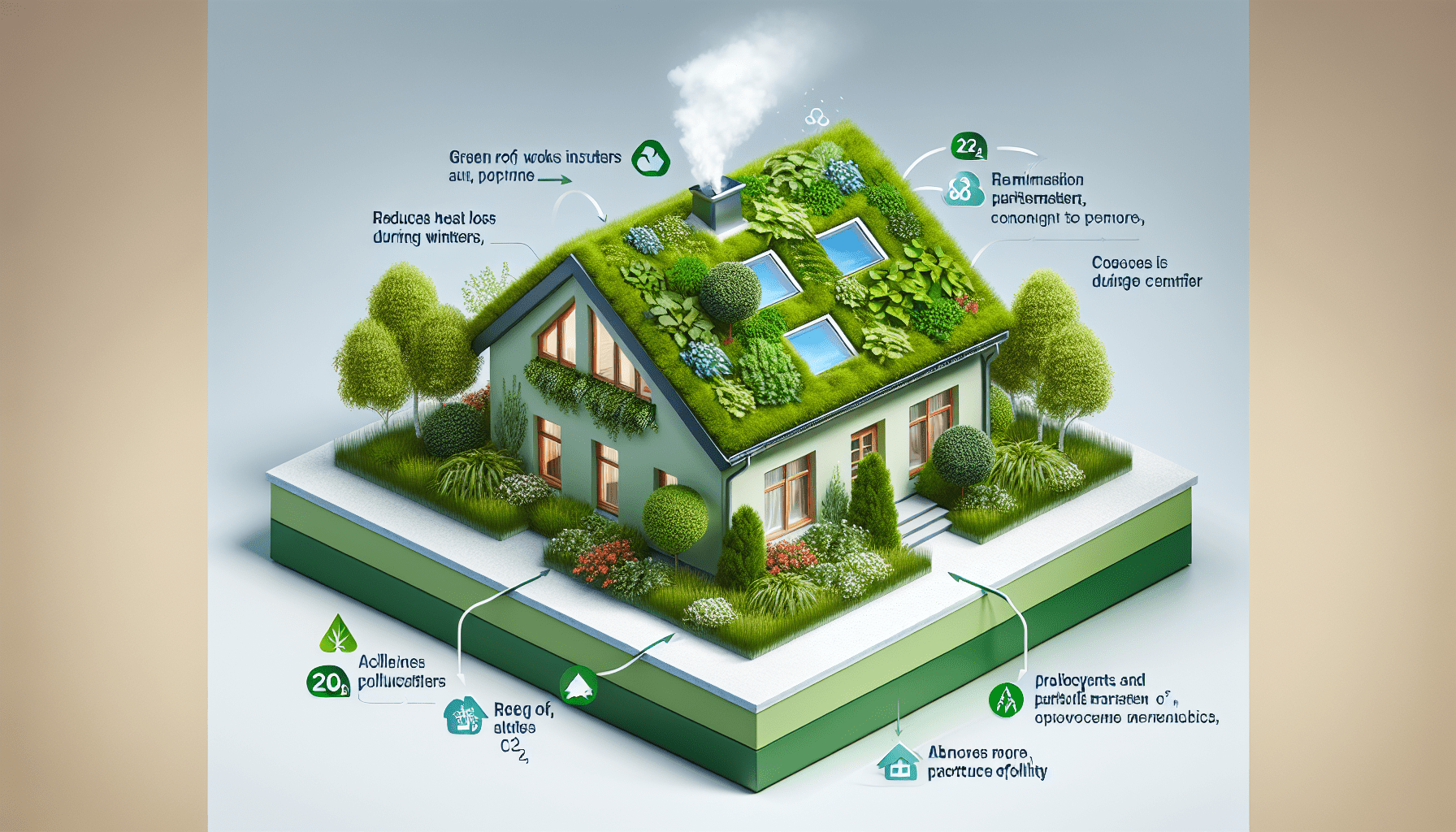
One of the significant benefits of green roofs is their ability to provide better insulation for your home. The layer of vegetation acts as an additional barrier against heat in the summer and cold in the winter. The plants and soil on the roof absorb and retain heat, reducing the need for excessive heating or cooling. This insulation effect can result in lower energy bills and a more comfortable living environment.

Enhanced Air Quality

Green roofs also contribute to improved air quality. The plants on the roof help filter pollutants and particulate matter from the air, reducing the concentration of harmful substances around your home. Additionally, the plants produce oxygen through photosynthesis, helping to maintain a healthier atmosphere. By incorporating green roofs, you can create a cleaner and fresher living space for you and your family.

Reduced Energy Consumption

By providing additional insulation, green roofs can significantly reduce your home’s energy consumption. The insulation effect helps regulate the temperature inside your house, reducing the need for constant heating or cooling. As a result, you can cut down on energy usage, which not only saves you money but also reduces your carbon footprint. Green roofs offer an environmentally-friendly solution to make your home more energy-efficient.

Stormwater Management

Another advantage of green roofs is their ability to effectively manage stormwater. The vegetation and growing medium on the roof act as a natural sponge, absorbing rainwater and reducing runoff. This can help alleviate pressure on the stormwater management system, reduce the risk of flooding, and mitigate water pollution. Green roofs play a vital role in sustainable urban development by promoting responsible water management practices.

Urban Heat Island Mitigation

Green roofs also contribute to mitigating the urban heat island effect, which refers to the phenomenon of cities retaining more heat compared to surrounding rural areas. The plants and soil on green roofs help absorb heat and provide evaporative cooling, reducing the ambient temperature in urban areas. By implementing green roofs, you can help create a more comfortable and sustainable environment in your community.

Types of Green Roofs

When considering implementing a green roof, it’s essential to understand the different types available. Each type offers varying levels of vegetation, maintenance requirements, and design possibilities. Here are the three primary types of green roofs you can choose from:

Improving Home Insulation and Air Quality with Green Roofs

Extensive Green Roofs

Extensive green roofs are characterized by a thin layer of vegetation, typically consisting of grasses, mosses, and hardy succulents such as sedum species. These roofs require minimal maintenance and are lightweight, making them suitable for buildings with lower load-bearing capacity. Extensive green roofs provide some insulation benefits and help manage stormwater but have limited options for plant diversity.

Intensive Green Roofs

Intensive green roofs are more like traditional gardens on rooftops. They allow for a greater variety of plants, including larger shrubs, trees, and even vegetable gardens. Intensive green roofs require more maintenance due to the increased vegetation and often require irrigation systems. These roofs offer greater opportunities for outdoor living spaces and can be enjoyed as rooftop gardens.

Semi-Intensive Green Roofs

Semi-intensive green roofs are a blend between extensive and intensive roofs. They provide a balance between plant diversity and maintenance requirements. These roofs typically feature a mix of low-growing sedums, grasses, and wildflowers. Semi-intensive green roofs offer greater design flexibility, allowing homeowners to incorporate different plant varieties while maintaining manageable maintenance levels.

Selecting the Right Plants

Choosing the right plants for your green roof is crucial to ensure their overall health and longevity. Here are some common plant options for green roofs:

Sedum Species

Sedums are often the go-to choice for extensive and semi-intensive green roofs. These low-maintenance succulents are highly tolerant of drought, heat, and poor soil conditions. Sedums come in various colors and textures, allowing you to create an aesthetically pleasing green roof while keeping maintenance to a minimum.

Grass Varieties

Grasses, such as fescue and buffalo grass, can be suitable options for green roofs, particularly in extensive or semi-intensive designs. These grasses are typically drought-tolerant and can withstand varying weather conditions. Grasses add texture and movement to your green roof landscape.

Improving Home Insulation and Air Quality with Green Roofs

Wildflowers

Adding wildflowers to your green roof can create a vibrant and diverse ecosystem. Wildflowers attract pollinators and provide a burst of color to your rooftop oasis. They are often chosen for their ability to adapt to various soil conditions and require minimal maintenance.

Herbs and Vegetables

For those interested in sustainable food production, incorporating herbs and vegetables into your green roof can be a great option. Herbs like thyme, rosemary, and lavender are excellent choices for their ability to thrive in well-drained conditions. Vegetables like lettuce, kale, and cherry tomatoes can also be grown in containers on your green roof, providing you with fresh produce right at your doorstep.

Components of a Green Roof

Designing and constructing a green roof involves several essential components. Each component plays a vital role in ensuring the long-term success and functionality of your green roof. Here are the key components of a green roof:

Waterproof Membrane

The waterproof membrane acts as the primary barrier that prevents water from seeping into your building structure. It is essential to choose a high-quality waterproof membrane to ensure its longevity and effectiveness. This membrane keeps your roof watertight and protects the underlying layers from water damage.

Root Barrier

A root barrier is a layer that prevents the plants’ roots from penetrating the waterproof membrane and causing damage. It is crucial to choose a root barrier that offers both strength and flexibility, as the roots of some plants can be aggressive. The root barrier ensures the integrity of the waterproofing layer and extends the lifespan of your green roof.

Drainage Layer

The drainage layer allows excess water to flow freely, preventing water accumulation and potential damage to the plants and underlying structure. It helps maintain a balanced moisture level for the plants while preventing waterlogging. Proper drainage is vital for the health and longevity of your green roof.

Improving Home Insulation and Air Quality with Green Roofs

Filter Fabric

The filter fabric sits between the drainage layer and growing medium, preventing the particles from the growing medium from clogging the drainage system. It ensures that water can pass through the system freely while retaining the necessary moisture for the plants. The filter fabric helps maintain the proper function of the green roof system.

Growing Medium

The growing medium, also known as substrate or soil, forms the foundation for the plants to grow on your green roof. It provides the necessary nutrients, moisture, and support for plant growth. The ideal growing medium should be lightweight, well-drained, and able to retain water and nutrients for the plants.

Plants

The plants themselves are a critical component of a green roof. They provide the visual appeal, insulation benefits, and environmental advantages. Choosing the right plants for your green roof design is crucial to ensure their ability to withstand the conditions and provide the desired functionality.

Installation and Construction Process

Proper installation and construction are essential for the success of your green roof. Here is a general outline of the process involved in installing a green roof:

Structural Analysis

Before beginning any construction, it is essential to assess the structural integrity of your roof. Green roofs can be heavy, especially when saturated with water, so it is crucial to ensure that your building can support the additional load. Consulting with a structural engineer will help determine if any reinforcements or modifications are necessary.

Preparing the Roof Surface

The next step is to prepare the roof surface for the green roof installation. This may involve cleaning, repairing any damages, and ensuring proper waterproofing. It is essential to have a clean and well-prepared surface to ensure the longevity and effectiveness of your green roof.

Improving Home Insulation and Air Quality with Green Roofs

Applying Waterproof Membrane and Root Barrier

Once the roof surface is ready, the waterproof membrane is applied. This layer ensures that water cannot penetrate the roof and cause damage to the structure. The root barrier is also installed to prevent plant roots from compromising the integrity of the waterproofing layer.

Installing Drainage Layer and Filter Fabric

After the waterproof membrane is in place, the drainage layer and filter fabric are installed. The drainage layer allows excess water to flow freely, while the filter fabric prevents fine particles from clogging the system. These components ensure proper moisture balance and prevent waterlogging.

Adding Growing Medium

Once the drainage layer and filter fabric are in place, the growing medium is added. The growing medium provides the necessary nutrients and support for the plants to thrive. It is essential to choose a quality growing medium that promotes healthy plant growth and offers adequate drainage.

Planting Vegetation

Once the green roof’s foundation is complete, it’s time to plant the vegetation. Carefully select and position the plants based on their compatibility with the roof topography, climate, and desired aesthetics. Proper planting and regular maintenance are necessary to ensure the long-term health and functionality of the green roof.

Maintenance and Irrigation

To ensure the continued success of your green roof, regular maintenance and irrigation are essential. Regular inspections, weeding, pruning, and fertilizing will help promote healthy plant growth. Irrigation systems may be required, especially for intensive green roofs with substantial planting.

Improving Home Insulation with Green Roofs

One of the primary benefits of green roofs is their ability to improve home insulation. Let’s explore how green roofs contribute to better insulation:
Improving Home Insulation and Air Quality with Green Roofs

Thermal Resistance

The layer of vegetation on green roofs acts as an additional barrier against heat transfer. It helps reduce the amount of heat that enters or escapes through the roof, thereby improving the thermal resistance of your home. As a result, your home stays cooler in the summer and warmer in the winter, reducing the need for excessive heating or cooling.

Reduction of Heat Transfer

Green roofs absorb and retain heat, preventing it from entering your home during hot summer days. The plants and soil act as natural insulators, keeping your home cooler and reducing the need for air conditioning. Similarly, during cold winter months, green roofs minimize heat loss by providing an extra layer of insulation.

Effective Energy Conservation

By improving home insulation, green roofs help reduce energy consumption. With better thermal resistance, your heating and cooling systems can operate more efficiently, resulting in lower energy bills. Green roofs contribute to sustainable living by conserving energy and reducing greenhouse gas emissions.

Enhancing Air Quality with Green Roofs

In addition to improving home insulation, green roofs also enhance air quality. Let’s explore the ways green roofs contribute to cleaner and healthier air:

Air Pollutant Absorption

The plants on green roofs act as natural air filters, absorbing various pollutants and contaminants from the atmosphere. They help trap harmful substances such as nitrogen dioxide and volatile organic compounds (VOCs), improving the air quality around your home. Green roofs play a crucial role in mitigating air pollution in urban areas.

Particulate Matter Filtration

Particulate matter, such as dust and pollen, can cause respiratory issues and allergies. The vegetation on green roofs helps filter out these particles, reducing their concentration in the air. By incorporating green roofs into your home, you can create a cleaner and healthier living environment for you and your family.

Reduced Urban Heat Effect

Green roofs contribute to reducing the urban heat effect, a phenomenon where urban areas experience significantly higher temperatures compared to surrounding rural areas. By absorbing and retaining heat, green roofs prevent excessive heat buildup and help regulate temperatures. This cooling effect alleviates the strain on air conditioning systems, reducing energy consumption and subsequent air pollution.

Oxygen Production

The plants on green roofs produce oxygen through photosynthesis, contributing to a healthier atmosphere. Oxygen is essential for human and environmental well-being, and green roofs provide a natural source of this vital element. By incorporating green roofs, you can help increase oxygen levels and create a fresher living environment.

Measuring the Impact

To understand the true benefits of green roofs, it is important to measure their impact. Here are some methods used to assess the effectiveness of green roofs:

Air Quality Monitoring

Monitoring air quality around green roof installations can help determine the reduction in pollutant levels and the overall improvement in air quality. Measurements of key air pollutants such as nitrogen dioxide, particulate matter, and VOCs can be taken before and after green roof implementation to assess the impact on local air quality.

Energy Consumption Analysis

Analyzing energy consumption data before and after the installation of green roofs can provide insights into their effectiveness in reducing energy usage. Comparing energy bills and HVAC system performance can help quantify the energy savings achieved through better insulation and reduced heating or cooling requirements.

Temperature and Humidity Measurements

Monitoring temperature and humidity levels can help evaluate the cooling effect of green roofs and their impact on the local microclimate. Comparing temperature and humidity data between areas with and without green roofs can demonstrate the cooling benefits and potential reduction in the urban heat island effect.

Cost Considerations

When considering the implementation of green roofs, it is essential to consider the associated costs. Here are some cost considerations:

Initial Installation Costs

Installing a green roof involves several expenses, including materials, labor, and professional services. Factors such as roof size, type of green roof, and desired plant varieties can affect the overall installation costs. It is important to obtain detailed cost estimates from reputable contractors to budget accordingly.

Long-term Savings and Benefits

While the initial installation costs of green roofs may be higher than traditional roofs, the long-term savings and benefits should be considered. With improved insulation and reduced energy consumption, homeowners can save on heating and cooling bills. Additionally, the improved air quality and stormwater management can lead to healthier living conditions and potential savings in other areas, such as healthcare costs.

Return on Investment (ROI)

Calculating the return on investment (ROI) for green roofs involves assessing the monetary savings from reduced energy consumption and maintenance costs over the roof’s lifespan. While ROI can vary depending on various factors, such as energy prices and local incentives, green roofs are generally considered a worthwhile investment due to their long-term benefits and positive environmental impact.

Case Studies

To gain a better understanding of the practical application and benefits of green roofs, let’s examine some case studies:

Residential Green Roof Projects

Residential green roofs have become increasingly popular among homeowners looking to enhance their living spaces. From small-scale gardens to extensive rooftop oases, green roofs offer aesthetic appeal, environmental benefits, and a unique outdoor experience. Numerous residential projects worldwide have successfully integrated green roofs, providing homeowners with insulation, air quality improvements, and enjoyable living environments.

Commercial Green Roof Projects

Green roofs are particularly relevant to commercial buildings, providing opportunities for improved aesthetics, energy efficiency, and sustainability. Commercial green roof projects, such as those implemented on office buildings, shopping centers, and hotels, demonstrate the potential for significant energy savings and operational efficiency. Green roofs can enhance the visual appeal of the property, attract tenants, and contribute to a more positive corporate image.

Public Building Green Roof Projects

Public buildings, such as schools, hospitals, and government structures, have also embraced green roofs to promote sustainability and improve the local environment. These green roof projects highlight the importance of utilizing rooftop spaces to create vibrant green spaces while providing insulation and air quality benefits. Public building green roofs prioritize the well-being of visitors and occupants, contributing to a healthier and more sustainable community.

In conclusion, incorporating green roofs into homes and buildings offers a multitude of benefits. From improved insulation and enhanced air quality to reduced energy consumption and stormwater management, green roofs contribute to a more sustainable and comfortable living environment. With the variety of plant options and design possibilities available, homeowners can create unique green roof systems to suit their needs and preferences. Green roofs provide a win-win solution by combining aesthetic appeal, energy efficiency, and environmental advantages.


Strategies for Landlords to Stay Competitive During Economic Shifts

In the ever-changing landscape of the rental property market, it is crucial for landlords to possess the ability to adapt their strategies in order to remain competitive and profitable, regardless of economic shifts. This article, “Strategies for Landlords to Stay Competitive During Economic Shifts,” provides invaluable insights into how these property owners can navigate the challenges and capitalize on opportunities presented by changing economic climates. By implementing innovative approaches and understanding market trends, landlords can ensure their long-term success in a dynamic industry. So, let’s explore these strategies together and arm yourself with the tools needed to thrive in any economic environment.

Strategies for Landlords to Stay Competitive During Economic Shifts

This image is property of images.pexels.com.

Understanding Economic Shifts

In order to stay competitive and profitable in the rental property market, it is essential to have a deep understanding of economic shifts. Economic shifts refer to changes in the overall economic conditions that can impact various industries, including the real estate sector.

Different types of economic shifts

There are several types of economic shifts that landlords should familiarize themselves with. These shifts can include recessions, economic booms, inflation, deflation, changes in interest rates, and fluctuations in employment rates. Each type of economic shift can have a different effect on the rental property market, and it is crucial to be able to identify and adapt to these shifts in order to stay ahead.

Factors influencing economic shifts

Economic shifts are influenced by a variety of factors, and it is important to stay informed about these factors to anticipate changes in the market. Factors that can influence economic shifts include government policies, global events, technological advancements, changes in consumer behavior, and financial market conditions. By monitoring these factors, landlords can gain valuable insights into potential shifts in the economy and adjust their strategies accordingly.

Impact of economic shifts on the rental property market

Economic shifts can have a significant impact on the rental property market. During a recession, for example, demand for rental properties may increase as individuals opt for renting rather than buying homes. On the other hand, during an economic boom, the demand for rental properties may decrease as more people are able to afford homeownership. Understanding these dynamics and adapting to the changing market conditions is crucial for landlords to maintain profitability and competitiveness.

Researching Current and Future Market Trends

To stay competitive, landlords must stay updated with current and future market trends. Researching market trends provides valuable insights into the demand and supply dynamics of the rental property market, allowing landlords to make informed decisions.

Monitoring real estate and rental market data

Monitoring real estate and rental market data is essential for understanding the current state of the market. This includes tracking rental prices, vacancy rates, and the average time it takes to rent a property in a specific area. By analyzing this data, landlords can identify trends and adjust their strategies accordingly.

Studying demographic and employment trends

Demographic and employment trends play a significant role in the rental property market. Landlords should study population growth or decline, changes in household sizes, and employment rates in the locations where their properties are located. These factors can help landlords forecast future demand for rental properties and tailor their offerings to meet the needs of potential tenants.

Analyzing economic and industry forecasts

Economic and industry forecasts provide valuable insights into the future state of the rental property market. By analyzing forecasts from reputable sources, landlords can anticipate potential economic shifts or changes in the real estate industry. This allows them to adjust their strategies and make proactive decisions to stay competitive.

Setting Competitive Rental Prices

One of the most important aspects of staying competitive as a landlord is setting competitive rental prices. By offering reasonable and attractive rental rates, landlords can attract quality tenants and maintain high occupancy rates.

Evaluating current market rental rates

To determine competitive rental prices, landlords should evaluate the current market rental rates in the locations where their properties are situated. This can be done by researching similar properties in the area and comparing their rental rates. Landlords can also consult with local real estate agents or property management companies to gain a better understanding of the market.

Comparing prices of similar properties

In addition to evaluating current rental rates, landlords should compare the prices of similar properties. This means considering factors such as property size, location, amenities, and condition to accurately assess the rental value. By setting a competitive price based on the market and the property’s unique features, landlords can attract tenants and maintain a profitable rental business.

Adjusting prices based on demand and supply

It is essential to keep an eye on the demand and supply dynamics of the rental property market. If the demand for rental properties is high and the supply is low, landlords may consider increasing the rental price slightly to maximize their profits. Conversely, if the market is saturated with available rental properties, it may be necessary to lower the rental price or offer incentives to attract tenants.

Offering incentives or discounts

In a competitive rental market, landlords can gain a competitive edge by offering incentives or discounts. This can include waiving the security deposit, offering free months of rent, or including utilities in the rental price. Providing attractive incentives can attract tenants and set a landlord apart from the competition.

Enhancing Property Features and Amenities

To stay competitive, landlords must constantly look for ways to enhance their properties and provide attractive features and amenities that meet the needs and desires of potential tenants.

Regular maintenance and upkeep

Regular maintenance and upkeep are essential for keeping properties in top condition. Landlords should establish a maintenance schedule to address any necessary repairs or improvements promptly. This includes ensuring that landscaping is well-maintained, common areas are clean and inviting, and all essential utilities are functioning properly.

Renovating and upgrading properties

To attract tenants and increase the value of their properties, landlords should consider renovating and upgrading their properties. This can include updating kitchens and bathrooms, installing new flooring, and upgrading appliances. By offering modern and appealing living spaces, landlords can stand out in a competitive rental market.

Installing energy-efficient features

As sustainability becomes increasingly important, landlords can enhance their properties by installing energy-efficient features. This can include energy-efficient appliances, LED lighting, and proper insulation. Not only does this improve the environmental footprint of the property, but it can also attract tenants who value energy conservation and lower utility bills.

Adding attractive amenities

Providing attractive amenities can give landlords a competitive advantage in the rental market. This can include amenities such as a fitness center, swimming pool, communal workspace, or outdoor recreational areas. By offering amenities that align with the preferences of potential tenants, landlords can differentiate their properties and attract quality tenants.

Strategies for Landlords to Stay Competitive During Economic Shifts

This image is property of images.pexels.com.

Improving Property Management Practices

Effective property management practices are crucial for maintaining a high level of tenant satisfaction and ensuring the long-term success of a rental property business.

Streamlining tenant screening and selection process

A streamlined tenant screening and selection process is essential for finding reliable and responsible tenants. Landlords should establish clear criteria for tenant qualifications, perform thorough background checks, and verify employment and rental history. By screening tenants effectively, landlords can minimize the risk of late payments, property damage, or problematic tenancies.

Ensuring prompt and efficient maintenance

Prompt and efficient maintenance is crucial for tenant satisfaction. Landlords should respond swiftly to maintenance requests and ensure that any repairs are carried out in a timely manner. Regular property inspections can also help identify any maintenance issues early on, allowing landlords to address them promptly and avoid potential problems.

Maintaining regular communication with tenants

Maintaining regular communication with tenants is important for building strong landlord-tenant relationships. Landlords should be proactive in addressing tenant concerns or inquiries, keeping tenants informed about any changes or updates, and providing clear channels of communication. Building a rapport with tenants can lead to increased tenant satisfaction and longer tenancies.

Providing a high level of customer service

Providing excellent customer service is essential for landlords to differentiate themselves from the competition. This includes being responsive, respectful, and attentive to tenant needs. Landlords should prioritize tenant satisfaction and ensure that any issues or concerns are addressed promptly and professionally. By providing a high level of customer service, landlords can establish a positive reputation and attract quality tenants.

Targeting Niche Markets

In a competitive rental market, targeting niche markets can be a strategic approach to maximize occupancy rates and profitability. By catering to specific tenant needs or preferences, landlords can create a unique selling proposition that sets them apart from the competition.

Identifying unique rental property opportunities

Landlords should identify unique rental property opportunities that cater to specific niche markets. This can include properties that are suited for students, families, professionals, or retirees. By offering properties that are tailored to the needs of these specific target markets, landlords can attract tenants who are looking for specialized accommodations.

Catering to specific tenant needs or preferences

Catering to specific tenant needs or preferences can be a powerful strategy for landlords. For example, offering pet-friendly properties can attract tenants who have pets and struggle to find suitable accommodations. Similarly, providing furnished rental options can attract tenants who prefer the convenience of a fully furnished space. Understanding the needs and preferences of specific niche markets allows landlords to customize their offerings and attract tenants who are willing to pay a premium for specialized features.

Customizing property features or amenities

Customizing property features or amenities can help landlords target niche markets effectively. For example, installing child-proofing measures or playground equipment can make properties more appealing to families with young children. Additionally, providing flexible workspace options or high-speed internet can attract remote workers or professionals who require a home office. By customizing properties to meet the unique needs of niche market tenants, landlords can increase their competitiveness and rental income.

Strategies for Landlords to Stay Competitive During Economic Shifts

This image is property of images.pexels.com.

Implementing Flexible Lease Terms

In a rapidly changing economic environment, implementing flexible lease terms can be advantageous for landlords. By offering flexibility in lease terms, landlords can cater to the diverse needs and preferences of tenants, ensuring high occupancy rates and tenant satisfaction.

Offering shorter lease options

Offering shorter lease options can be attractive to tenants who may have temporary housing needs or uncertain long-term plans. By providing the option of a shorter lease, landlords can accommodate tenants who require flexibility and adaptability.

Allowing flexible lease start and end dates

Allowing flexibility in lease start and end dates can be beneficial for both landlords and tenants. This flexibility enables tenants to align their lease terms with their personal circumstances, such as job transfers or academic schedules. By accommodating tenant needs, landlords can attract a wider pool of potential tenants and prevent long periods of vacancy.

Including provisions for rent adjustments

Including provisions for rent adjustments in lease agreements can provide landlords with the flexibility to respond to economic shifts. This can include clauses that allow for rent increases or decreases based on changes in the market or the overall economic conditions. By including these provisions, landlords can ensure that their rental income remains competitive and aligned with the current market trends.

Providing options for early termination

To provide added flexibility to tenants, landlords can consider offering options for early termination of the lease agreement. This can be particularly appealing to tenants who may have unpredictable circumstances or job-related relocations. By providing early termination options, landlords can build trust with tenants and attract tenants who value flexibility.

Utilizing Online Marketing Channels

In the digital age, utilizing online marketing channels is essential for landlords to reach a wider audience and stay competitive. Online marketing offers cost-effective and efficient ways to promote rental properties and attract quality tenants.

Creating professional property listings and descriptions

When promoting rental properties online, it is important to create professional and compelling property listings and descriptions. These should include detailed information about the property’s features, amenities, location, and rental terms. By highlighting the unique selling points of the property and providing accurate descriptions, landlords can attract potential tenants and generate interest in their properties.

Using high-quality photographs and videos

High-quality photographs and videos are powerful tools for showcasing rental properties online. Landlords should invest in professional photography or videography to capture the true essence of the property. By providing visually appealing representations of the property, landlords can capture the attention of potential tenants and give them a clear sense of what to expect when they visit the property.

Leveraging social media platforms

Social media platforms offer a wide-reaching and cost-effective way to promote rental properties. Landlords should create professional profiles on platforms such as Facebook, Instagram, and LinkedIn and regularly post updates about their properties. This can include sharing photos, videos, testimonials, and information about upcoming vacancies. By engaging with potential tenants on social media, landlords can build brand awareness and attract a larger pool of potential tenants.

Utilizing online rental listing websites

Online rental listing websites are valuable tools for landlords to showcase their properties to a vast audience. Websites such as Zillow, Trulia, and Apartments.com allow landlords to create detailed property listings and connect directly with potential tenants. By optimizing property listings on these platforms and utilizing their features, landlords can increase the visibility of their properties and attract quality tenants.

Strategies for Landlords to Stay Competitive During Economic Shifts

Establishing Strategic Partnerships

Establishing strategic partnerships can provide landlords with access to valuable resources, expertise, and a broader network. By collaborating with industry professionals and organizations, landlords can enhance their competitiveness and expand their reach.

Collaborating with local real estate agents

Collaborating with local real estate agents can be mutually beneficial for landlords and agents. Real estate agents have access to a wide pool of potential tenants, and landlords can benefit from their expertise in marketing and renting properties. By establishing a collaborative relationship, landlords can tap into the agent’s network and increase the visibility of their properties.

Partnering with property management companies

For landlords who prefer to outsource certain aspects of property management, partnering with property management companies can be a strategic move. Property management companies specialize in handling day-to-day property operations, tenant screening, rent collection, and maintenance. By partnering with a reputable property management company, landlords can ensure that their properties are well-managed and maintained, attracting quality tenants and maximizing profitability.

Building relationships with relocation agencies

Building relationships with relocation agencies can open up opportunities to attract tenants who are relocating to the area for work or personal reasons. Relocation agencies often have clients who require temporary or long-term housing solutions, and by establishing partnerships, landlords can tap into this target market. By offering attractive properties and competitive rental terms to relocation agency clients, landlords can secure reliable tenants and minimize vacancy periods.

Connecting with corporate housing providers

Corporate housing providers cater to business travelers and individuals who require temporary or furnished accommodations. Establishing connections with corporate housing providers can be advantageous for landlords, especially if their properties are located in areas with a high demand for corporate housing. By partnering with corporate housing providers, landlords can secure consistent bookings and generate reliable rental income.

Networking with local businesses and organizations

Networking with local businesses and organizations can provide valuable opportunities to connect with potential tenants. Landlords should attend local business events, participate in community organizations, and establish relationships with local employers. By building a network within the community, landlords can gain insights into the local rental market, access potential tenant referrals, and establish their credibility within the area.

Investing in Technology Solutions

Investing in technology solutions can streamline property management processes, enhance tenant experiences, and improve overall operational efficiency. By leveraging technology, landlords can gain a competitive edge and stay ahead in a fast-paced rental market.

Using property management software

Property management software offers a comprehensive solution for managing rental properties. This software typically includes features such as tenant screening, rent collection, maintenance tracking, and financial reporting. By adopting property management software, landlords can streamline administrative tasks, automate processes, and ensure efficient property management operations.

Automating rent collection and accounting processes

Automating rent collection and accounting processes can save landlords significant time and effort. By using online payment platforms or rental management software that integrates with a payment gateway, landlords can streamline rent collection and eliminate the need for manual rent tracking. Additionally, automated accounting processes can simplify financial record-keeping and reporting, leading to more accurate and efficient financial management.

Implementing smart home technologies

Smart home technologies offer a range of benefits for both landlords and tenants. Landlords can install smart thermostats, keyless entry systems, and smart security systems, providing convenience and security to tenants. These technologies can also help landlords manage energy usage, reduce utility costs, and attract tech-savvy tenants who value modern living spaces.

Exploring virtual reality property tours

Virtual reality (VR) property tours can revolutionize the way rental properties are showcased to potential tenants. By using VR technology, landlords can provide immersive virtual property tours, allowing potential tenants to experience the property from the comfort of their own homes. This technology can save time for both landlords and tenants, increase interest in the property, and attract quality tenants.

In conclusion, staying competitive as a landlord during economic shifts requires proactive strategies and a deep understanding of the rental property market. By researching market trends, setting competitive rental prices, enhancing property features, improving property management practices, targeting niche markets, implementing flexible lease terms, utilizing online marketing channels, establishing strategic partnerships, and investing in technology solutions, landlords can adapt to different economic climates and maintain profitability. By continuously evolving and optimizing their rental property strategies, landlords can position themselves for success in a rapidly changing market.

Strategies for Landlords to Stay Competitive During Economic Shifts

Simplifying Cleaning with an Integrated Central Vacuum System

Imagine effortlessly gliding through your home, cleaning every nook and cranny without the hassle of dragging a heavy vacuum cleaner from room to room. With an integrated central vacuum system, this becomes a reality. Say goodbye to the constant noise, tangled cords, and lugging around a bulky machine. This innovative solution offers a convenient and efficient way to keep your home spotless. By integrating the vacuum system into the walls of your home, cleaning becomes a breeze, allowing you to spend more time on the activities you love. Embrace the simplicity and ease of a central vacuum system, and transform your cleaning routine for the better.

Simplifying Cleaning with an Integrated Central Vacuum System

Benefits of an Integrated Central Vacuum System

Improved Cleaning Efficiency

An integrated central vacuum system provides improved cleaning efficiency compared to traditional vacuum cleaners. With a central vacuum system, you no longer have to carry a heavy machine around the house or worry about cords getting tangled. The power unit is installed in a designated area, such as a basement or garage, and the lightweight hose and attachments can easily reach every corner of your home. This allows for faster and more thorough cleaning, as the powerful suction of the central vacuum system can efficiently remove dirt, dust, and allergens from both carpets and hard surfaces.

Enhanced Indoor Air Quality

One of the major advantages of an integrated central vacuum system is the enhanced indoor air quality it provides. Unlike traditional vacuum cleaners that recirculate dust and allergens into the air, a central vacuum system removes these particles completely from your living space. The power unit, typically located outside the main living area, exhausts the captured dirt and debris outside, preventing it from being reintroduced into the indoor air. This is especially beneficial for individuals with allergies or respiratory conditions, as it helps to create a cleaner and healthier environment for you and your family.

Reduced Noise and Portability

Another benefit of an integrated central vacuum system is the reduced noise during cleaning. Traditional vacuum cleaners can be noisy and disruptive, especially in open floor plans or when cleaning during sensitive hours. On the other hand, central vacuum systems are designed to be quieter as the main source of noise, the power unit, is located away from the living areas. This allows for a more peaceful cleaning experience without disturbing your household members or neighbors. Additionally, the lightweight hose and attachments make it easier to clean multiple floors or hard-to-reach areas, providing greater portability and convenience.

Cost Savings

While the initial cost of installing an integrated central vacuum system may be higher compared to traditional vacuum cleaners, there are significant cost savings in the long run. Central vacuum systems are built to last, requiring fewer repairs and replacements than traditional vacuums. The durable power unit and the absence of bags or filters to regularly replace contribute to these cost savings. Additionally, central vacuum systems can also increase the value of your home, making it a worthwhile investment for both your cleaning needs and potential resale value.

Components of an Integrated Central Vacuum System

Power Unit

The power unit is the heart of an integrated central vacuum system. It is typically installed in a well-ventilated area, such as a basement or garage. The power unit houses the motor, which generates the suction power necessary for effective cleaning. It also contains the collection canister, where dirt and debris are captured during the cleaning process. Some power units come with additional features, such as self-cleaning filters or sound insulation, to further enhance their performance and convenience.

Inlet Valves

Inlet valves are strategically placed throughout the house to connect the central vacuum system to the vacuum hose. These valves are usually installed flush with the wall and covered with a small cover plate. When you need to use the central vacuum system, simply connect the hose to one of the inlet valves and the system will activate. Inlet valves can be conveniently placed in high-traffic areas or near stairs to maximize accessibility and cleaning efficiency.

Piping System

The piping system is responsible for carrying the dirt and debris from the inlet valves to the power unit. It consists of a network of PVC pipes that are hidden behind the walls and ceilings of your home. The pipes are sized according to the layout and size of your house to ensure optimal suction efficiency. The pipes are also designed with smooth interiors to prevent clogs and keep the system running smoothly. Proper installation of the piping system is crucial for the overall performance and effectiveness of the central vacuum system.

Accessories

To fully utilize the capabilities of an integrated central vacuum system, various accessories are available to enhance your cleaning experience. These accessories include different types of vacuum heads, brushes, crevice tools, and extension wands to tackle different surfaces and cleaning tasks. Additionally, accessories such as upholstery brushes, pet grooming kits, and blind cleaners can be added to customize your central vacuum system according to your specific needs. This versatility allows for efficient and thorough cleaning of every area in your home.

Installation Process of an Integrated Central Vacuum System

Choosing the Right System for Your Home

When installing an integrated central vacuum system, it is essential to choose the right system for your specific needs and home layout. Consider factors such as the size of your house, number of floors, and the type of flooring you have. You may also want to take into account any special cleaning requirements, such as pet hair or allergies. Consulting with a professional installer can help you determine the appropriate power unit size, number of inlet valves, and the overall design of the system to optimize its performance.

Planning the Installation Layout

Before starting the installation process, careful planning of the system layout is necessary. This involves determining the optimal locations for the power unit, inlet valves, and the routing of the piping system. Consider accessibility, aesthetics, and practicality when deciding on the placement of the system components. Collaboration with a professional installer can ensure that the layout is efficient and suitable for your home’s unique characteristics.

Installing the Power Unit

The power unit installation typically involves mounting the unit on a wall or securing it in an appropriate location. The power unit should be positioned in a well-ventilated area, away from living spaces, to minimize noise and exhaust emissions. It should also be accessible for maintenance and servicing. Proper positioning and securing of the power unit are crucial to ensure its long-term functionality and performance.

Setting up Inlet Valves and Piping System

The installation of inlet valves and the piping system requires careful consideration of the layout and structure of your home. Inlet valves are strategically placed throughout the house, taking into account accessibility and cleaning efficiency. The piping system is then installed, connecting the inlet valves to the power unit. Proper routing of the pipes and ensuring airtight connections are essential for optimal suction and overall system performance. Professional installers have the expertise to handle these installation tasks and ensure that the system is properly set up.

Maintenance and Care for an Integrated Central Vacuum System

Regularly Emptying the Collection Canister

To maintain the performance of an integrated central vacuum system, it is important to regularly empty the collection canister. The frequency of emptying depends on the size of the canister and the amount of dirt and debris accumulated during cleaning. Typically, it is recommended to empty the canister when it is around 2/3 full to prevent the loss of suction power. Emptying the canister is a simple process of removing it from the power unit, disposing of the contents, and reattaching it securely.

Cleaning or Replacing Filters

While central vacuum systems are designed to be low maintenance, occasional cleaning or replacement of filters may be necessary. The type and frequency of filter maintenance depend on the specific model and manufacturer’s recommendations. Some power units have self-cleaning filters that eliminate the need for manual cleaning, while others may require periodic rinsing or replacement. Clean filters ensure efficient airflow and prevent clogs, contributing to the optimal performance of the central vacuum system.

Checking for Damaged Pipes or Leaks

Periodically inspecting the piping system for any signs of damage or leaks is essential to maintain the effectiveness of the central vacuum system. Check for visible cracks, loose connections, or blockages in the pipes. If any issues are detected, consult a professional installer or technician to assess and rectify the problem. Timely repairs and maintenance of the piping system help to prevent suction loss, ensuring consistent cleaning performance.

Servicing the Power Unit

Regular servicing of the power unit is recommended to keep it in optimal condition. This includes checking and cleaning the motor, inspecting the electrical connections, and lubricating any moving parts if necessary. Professional servicing can help identify and address any potential issues before they escalate, prolonging the lifespan of the power unit and maintaining its efficiency. Follow the manufacturer’s guidelines for maintenance and consult a professional for any major servicing needs.

Simplifying Cleaning with an Integrated Central Vacuum System

Additional Features and Upgrades for Simplified Cleaning

Automatic Dustpan

An automatic dustpan is a convenient feature that can be added to an integrated central vacuum system. It is typically installed in the baseboards of your home, allowing you to sweep dirt and debris directly into the dustpan. The central vacuum system then activates, sucking up the dirt and keeping your floors clean without the need to bend down or use a separate dustpan and broom. This feature is especially useful in high-traffic areas like kitchens or entryways, where frequent sweeping is required.

Retractable Hose System

A retractable hose system is another upgrade that can simplify cleaning with an integrated central vacuum system. This feature eliminates the need to manually coil and store the vacuum hose after each use. The hose is stored within the walls or cabinets, and with a simple pull or button press, it extends to the desired length. Once you’re done cleaning, the hose automatically retracts back into its storage area, keeping your living spaces clutter-free and ready for the next use.

Wireless Control and Automation

With advancements in technology, central vacuum systems can now be integrated into smart home systems, allowing for wireless control and automation. This means you can control the central vacuum system using your smartphone, tablet, or voice command. You can turn the system on or off, adjust suction power, or schedule cleaning sessions from anywhere in your home. This level of convenience and automation further simplifies the cleaning process and enhances the overall user experience.

Comparing Central Vacuum Systems with Traditional Vacuum Cleaners

Cleaning Performance

When it comes to cleaning performance, central vacuum systems have several advantages over traditional vacuum cleaners. The powerful suction, larger dirt capacity, and longer hose length of central vacuum systems allow for more efficient and thorough cleaning. They can effectively remove dirt, dust, and allergens from both carpets and hard surfaces, providing a deeper clean compared to traditional vacuums. Additionally, the separation of the power unit from the living area ensures that particles are completely removed from the indoor air, contributing to better overall cleanliness and indoor air quality.

Convenience and Ease of Use

Central vacuum systems offer greater convenience and ease of use compared to traditional vacuum cleaners. With a central vacuum system, you no longer need to drag a heavy vacuum cleaner around the house or deal with cords and plugs. The lightweight hose and attachments make it easier to clean multiple floors or hard-to-reach areas. Inlet valves are strategically placed throughout the house, so you can conveniently connect and disconnect the hose as needed. This eliminates the need to constantly plug and unplug the vacuum, saving you time and effort during cleaning.

Long-Term Cost Comparison

While the initial cost of installing a central vacuum system may be higher than purchasing a traditional vacuum cleaner, there are long-term cost savings to consider. Central vacuum systems are built to last and require fewer repairs and replacements compared to traditional vacuums. There are no bags or filters to regularly replace, reducing ongoing maintenance costs. Additionally, central vacuum systems can increase the value of your home, making it a worthwhile investment for both your cleaning needs and potential resale value.

Value for Home

Integrating a central vacuum system into your home adds value in multiple ways. Firstly, it enhances the cleanliness and indoor air quality, creating a healthier living environment for you and your family. Improved indoor air quality can reduce the risk of allergies, asthma, and other respiratory issues. Secondly, the convenience, efficiency, and low maintenance of central vacuum systems contribute to a more streamlined and enjoyable cleaning experience. This adds value to your daily life and frees up time for other activities. Finally, the installation of a central vacuum system can increase the value of your home, making it an attractive feature for potential buyers.

Simplifying Cleaning with an Integrated Central Vacuum System

Integrating Central Vacuum System into Smart Homes

Compatibility with Home Automation Systems

Central vacuum systems can be seamlessly integrated into smart home systems, allowing for compatibility and control through various automation platforms. This means you can control and monitor the central vacuum system alongside other smart devices in your home, such as thermostats, lighting, or security systems. Integration with home automation systems provides centralized control and ease of use, enhancing the overall smart home experience.

Voice Control and Integration with Virtual Assistants

With the integration of central vacuum systems into smart homes, voice control and integration with virtual assistants become possible. You can control the central vacuum system using voice commands through devices like Amazon Alexa or Google Assistant. This hands-free control allows for a more convenient and effortless cleaning experience. Simply speak the command, and the central vacuum system will start or stop according to your instructions, making cleaning even easier and more efficient.

Monitoring and Scheduling Cleaning Sessions

Integrating a central vacuum system into a smart home also enables monitoring and scheduling of cleaning sessions. With compatible apps or devices, you can monitor the status of the system, such as the fullness of the collection canister or the need for filter replacement. You can also schedule cleaning sessions based on your specific preferences, such as cleaning certain areas at specific times or setting up recurring cleaning cycles. This level of control and automation ensures that your home stays clean and fresh without constant manual intervention.

Addressing Common Concerns and Misconceptions about Central Vacuum Systems

Installation Complexity and Cost

One common concern about central vacuum systems is the perceived complexity of installation and associated cost. While it is true that the initial installation of a central vacuum system may require professional assistance, it is not necessarily overly complicated or expensive. By working with experienced installers, you can ensure that the system is properly designed and installed to fit your home’s specific needs and layout. The long-term benefits and added value provided by a central vacuum system often outweigh the initial investment.

Limited Reach and Mobility

Another misconception about central vacuum systems is the assumption of limited reach and mobility. Central vacuum systems, when properly designed, can cover large areas or multiple floors of a house. The strategically placed inlet valves and the flexibility of the lightweight hose provide adequate coverage and efficient cleaning capabilities. Additionally, the absence of carrying a heavy vacuum cleaner and cords allows for greater mobility and ease of use. Central vacuum systems offer an effective and convenient cleaning solution without compromising reach or mobility.

Maintenance and Repairs

Maintenance and repair concerns are often raised when considering a central vacuum system. However, central vacuum systems are designed to be low maintenance and require minimal repairs compared to traditional vacuum cleaners. Regular maintenance tasks, such as emptying the collection canister and cleaning or replacing filters, are simple and straightforward. Checking for damaged pipes or leaks and servicing the power unit periodically can help prevent major issues. Should repairs or troubleshooting be required, professional technicians experienced in central vacuum systems can efficiently address the concerns.

Compatibility with Older Homes

Some homeowners worry that central vacuum systems may not be compatible with older homes. However, central vacuum systems can be installed in a wide range of homes, regardless of age or construction type. The installation process may require careful planning and adaptation to accommodate the unique characteristics of older homes, but professional installers have the knowledge and expertise to overcome these challenges. With proper planning and installation, central vacuum systems can effectively provide the benefits of improved cleaning efficiency, enhanced indoor air quality, and convenience in older homes.

Simplifying Cleaning with an Integrated Central Vacuum System

Conclusion

Streamline Your Cleaning Efforts with an Integrated Central Vacuum System. By integrating a central vacuum system into your home, you can enjoy improved cleaning efficiency, enhanced indoor air quality, reduced noise, and long-term cost savings. The key components of a central vacuum system, including the power unit, inlet valves, piping system, and accessories, work in harmony to provide a comprehensive and convenient cleaning solution. The installation process involves careful planning and consideration of your home’s layout, while regular maintenance and care ensure the system’s optimal performance. Additional features and upgrades, such as automatic dustpans, retractable hose systems, and wireless control, further simplify the cleaning process. When comparing central vacuum systems to traditional vacuum cleaners, central vacuum systems offer better cleaning performance, convenience, long-term cost savings, and increased home value. Integrating a central vacuum system into a smart home adds compatibility with automation systems, voice control, and the ability to monitor and schedule cleaning sessions. By addressing common concerns and misconceptions, such as installation complexity and cost, limited reach and mobility, maintenance and repairs, and compatibility with older homes, it is clear that central vacuum systems are a valuable addition to any home. With an integrated central vacuum system, you can achieve cleaner and healthier indoor environments while enjoying the convenience and efficiency of modern cleaning technology.

The Importance of Renters’ Insurance for Landlords and Tenants

Picture this: you’ve finally found the perfect apartment to call home. You’ve signed the lease, moved all your belongings in, and started picturing all those great memories you’ll create in your cozy new space. But have you considered what would happen if a storm damaged your valuable possessions or if a burglar broke in and stole your most prized possessions? That’s where renters’ insurance comes in. In this article, we will explore the importance of renters’ insurance for both landlords and tenants, what it covers, and why it should be an essential part of any rental agreement. So, sit back, relax, and discover why renters’ insurance is a must-have for all parties involved in the renting process.

What is Renters’ Insurance?

Definition and purpose of renters’ insurance

Renters’ insurance is a form of insurance that provides financial protection for tenants against potential risks and losses associated with renting a property. It helps to cover the cost of replacing or repairing personal belongings in case of theft, fire, vandalism, or other covered events. Additionally, renters’ insurance also provides liability coverage for tenant-related incidents, such as accidental injuries to guests or damage to the landlord’s property.

Coverage provided by renters’ insurance

Renters’ insurance typically includes two main types of coverage: personal property coverage and liability coverage. Personal property coverage protects tenants’ belongings, such as furniture, electronics, and clothing, from covered events like theft or damage. Liability coverage, on the other hand, provides financial protection in case the tenant is held responsible for an accident that causes bodily injury or property damage.

Benefits for Landlords

Protection against property damage

One of the key benefits of requiring renters’ insurance for landlords is the added protection it offers against property damage. While landlords typically have insurance to cover the structure of the property, renters’ insurance can help safeguard against tenant negligence or accidental damage. This means that if a tenant causes damage to the property, the landlord can potentially avoid out-of-pocket expenses by relying on the tenant’s renters’ insurance policy.

Liability coverage for tenant-related incidents

Landlords can also benefit from renters’ insurance because it provides liability coverage for tenant-related incidents. In the event that a tenant or their guest sustains an injury on the property and holds the landlord responsible, the liability coverage in the renters’ insurance policy can help cover legal expenses and potential settlements. This ensures that the landlord’s personal assets are protected, minimizing potential financial repercussions.

Ensuring reliable tenant behavior

Requiring renters’ insurance helps attract responsible tenants who understand the importance of protecting their belongings and complying with lease terms. Tenants who have renters’ insurance are more likely to take care of the rental property, as they are financially invested in its well-being. This can lead to improved tenant behavior, reduced incidents of property damage, and a more positive landlord-tenant relationship overall.

The Importance of Renters Insurance for Landlords and Tenants

This image is property of images.unsplash.com.

Benefits for Tenants

Protection of personal belongings

One of the primary benefits of renters’ insurance for tenants is the protection it offers for their personal belongings. Whether it’s furniture, electronics, or clothing, the cost of replacing these items can quickly add up in the event of theft, fire, or other covered events. Renters’ insurance ensures that tenants are not left financially burdened in such situations, as it helps cover the cost of replacing or repairing damaged or stolen items.

Coverage for additional living expenses

In unfortunate circumstances where a rental property becomes uninhabitable, such as due to fire or natural disasters, renters’ insurance can provide coverage for additional living expenses. This means that if a tenant needs to temporarily relocate and incur expenses for alternative accommodations, meals, or other essentials, renters’ insurance can help cover those costs.

Liability coverage for personal incidents

Another important benefit for tenants is the liability coverage provided by renters’ insurance. In the event that a tenant accidentally causes damage to the property or injures someone while on the premises, they may be held legally responsible. Renters’ insurance provides liability coverage to protect tenants from potential lawsuits and financial liabilities associated with these incidents.

Legal Considerations

Lease agreements and renters’ insurance clauses

Including a clause in the lease agreement that requires tenants to obtain renters’ insurance is a crucial legal consideration for landlords. This clause should clearly outline the tenant’s responsibility to maintain an active renters’ insurance policy throughout the duration of the lease. It should also specify the minimum coverage requirements, any additional insured parties, and provide instructions for providing proof of insurance.

Landlord’s responsibility to inform tenants

To ensure compliance, landlords have a responsibility to inform tenants about the importance of renters’ insurance. This can be done through clear communication during the leasing process, providing written materials or resources about renters’ insurance options, and answering any questions tenants may have. By educating tenants about the benefits and necessity of renters’ insurance, landlords help protect their own interests and promote a sense of shared responsibility.

Tenant’s responsibility to obtain coverage

Tenants should understand their responsibility to obtain renters’ insurance as outlined in the lease agreement. It is essential for tenants to research insurance providers, compare policies, and select coverage that suits their individual needs. Tenants should also be aware of the need to maintain and renew their insurance policy throughout their tenancy.

The Importance of Renters Insurance for Landlords and Tenants

This image is property of images.unsplash.com.

Cost of Renters’ Insurance

Factors influencing insurance premiums

Several factors can influence the cost of renters’ insurance premiums. These include the location of the rental property, the value of the tenant’s personal belongings, the deductible amount chosen, and any additional coverage options selected. Insurance companies also consider the tenant’s credit score and any applicable discounts or promotions.

Affordability and cost-saving options

Renters’ insurance is generally affordable, with premiums often ranging from $10 to $30 per month, depending on the coverage limits and other factors. Tenants can explore cost-saving options such as bundling their renters’ insurance with other policies, opting for a higher deductible, or taking advantage of discounts for safety features in the rental property.

Comparing potential losses versus insurance cost

When considering the cost of renters’ insurance, tenants should weigh it against the potential losses they could face in the absence of coverage. The cost of replacing personal belongings or dealing with legal liabilities can far exceed the cost of a monthly insurance premium. By understanding the financial risks and evaluating the coverage offered, tenants can make an informed decision about the value of renters’ insurance.

Choosing the Right Policy

Determining coverage limits

Tenants should carefully evaluate the value of their personal belongings and choose renters’ insurance coverage limits that adequately protect their assets. Conducting an inventory of possessions and estimating their worth can help in determining an appropriate coverage limit. It is important to consider any high-value items, such as jewelry or electronics, and ensure that they are adequately covered under the policy.

Evaluating deductibles and additional coverage options

Renters should also consider the deductible amount associated with their insurance policy. A higher deductible typically leads to lower monthly premiums but would require tenants to pay a larger out-of-pocket amount in the event of a claim. Additionally, tenants may want to evaluate additional coverage options, such as flood or earthquake coverage, if they live in areas prone to these risks.

Reviewing insurance companies and their reputations

Researching and comparing insurance companies is essential when choosing the right policy. Tenants should consider the reputation, financial stability, and customer service ratings of different insurance providers. Reading reviews, seeking recommendations, and consulting with insurance professionals can help tenants make an informed decision about to whom they entrust their coverage.

The Importance of Renters Insurance for Landlords and Tenants

This image is property of images.unsplash.com.

Tips for Landlords

Communicating the importance of renters’ insurance to tenants

Landlords play a crucial role in emphasizing the importance of renters’ insurance to their tenants. Before signing a lease agreement, landlords should clearly communicate the need for renters’ insurance and the benefits it provides. This can be done through in-person conversations, written materials, or even providing a sample renters’ insurance policy to help tenants understand the coverage they should obtain.

Providing resources and information about insurance options

To further support their tenants, landlords can provide resources and information about renters’ insurance options. This can include sharing brochures, websites, or contact information for reputable insurance companies that offer renters’ insurance. By arming tenants with knowledge and resources, landlords empower them to make informed decisions about their insurance needs.

Periodic reminders and lease renewals

Landlords can also incorporate periodic reminders about renters’ insurance into their communication with tenants. This can be done during lease renewals, routine maintenance visits, or in newsletters or emails. By regularly reminding tenants about the importance of renters’ insurance, landlords foster a culture of responsibility and minimize the chances of tenants neglecting their coverage.

Tips for Tenants

Understanding personal insurance needs

Tenants should take the time to understand their personal insurance needs when considering renters’ insurance. They should evaluate the value of their belongings, their financial situation, and any potential risks associated with their rental property’s location. By considering these factors, tenants can select coverage that is suited to their individual circumstances.

Researching and comparing insurance providers

To ensure they choose the most suitable policy, tenants should research and compare different insurance providers. Visiting insurance company websites, reading reviews, and obtaining quotes from multiple providers can help tenants assess their options and make an informed decision. Comparing coverage options, customer service, and overall reputation of insurance providers is vital when selecting the right policy.

Maintaining an inventory of personal belongings

To streamline the claims process and ensure accurate coverage, tenants should maintain an inventory of their personal belongings. This can involve taking photographs, noting serial numbers, and keeping receipts for valuable items. It’s important to update the inventory periodically to reflect any new purchases or changes in the value of existing possessions.

The Importance of Renters Insurance for Landlords and Tenants

Frequently Asked Questions

Is renters’ insurance mandatory?

Renters’ insurance requirements vary by location and individual lease agreements. While it may not be mandatory in all cases, landlords often include a clause in lease agreements that make it a requirement for tenants. It is always essential for tenants to review their lease agreements and understand the specific terms and conditions set by their landlord.

Does renters’ insurance cover roommates or subtenants?

If roommates or subtenants are listed as insured parties on a renters’ insurance policy, they can typically be covered under that policy. However, it is important for all parties to review the policy terms and conditions to ensure that everyone involved is adequately protected. In some cases, individual policies may be necessary to ensure complete coverage.

What happens if a tenant lacks renters’ insurance?

If a tenant does not have renters’ insurance and an incident occurs, they may be solely responsible for the financial consequences. Without renters’ insurance, the tenant may have to pay out-of-pocket for property damage, personal liability claims, or the replacement of stolen or damaged belongings. Additionally, the tenant may face legal action from the landlord for any damages caused.

Conclusion

Emphasizing the importance of renters’ insurance for both landlords and tenants is essential in promoting financial security and mitigating potential risks. This comprehensive guide has highlighted the benefits, coverage options, and legal considerations associated with renters’ insurance. By understanding the significance of this insurance and taking proactive steps to obtain the right policy, both landlords and tenants can protect their interests, assets, and peace of mind. It is crucial for all parties involved to prioritize renters’ insurance and recognize the potential risks associated with failure to obtain coverage.

The Importance of Renters Insurance for Landlords and Tenants

Creating an Outdoor Oasis with a Custom Fire Pit Area

Imagine transforming your outdoor space into a tranquil oasis, where the flickering flames of a custom fire pit area create an inviting atmosphere for relaxation and entertainment. With endless possibilities, this home improvement project allows you to add value and enjoyment to your living space. Whether you envision cozy evenings spent roasting marshmallows with loved ones or hosting lively gatherings around the warmth and ambiance of a crackling fire, a custom fire pit area brings endless opportunities for creating unforgettable moments outdoors. So why not turn your backyard into a captivating retreat where memories are made, and connections are forged? Let’s explore the world of creating an outdoor oasis with a custom fire pit area and unlock the potential of your outdoor living space.

Choosing the Right Location

Creating an Outdoor Oasis with a Custom Fire Pit Area

Assessing the available space

When choosing the location for your fire pit area, it is important to assess the available space in your outdoor area. Consider the size and shape of the space and make sure it can accommodate the size of the fire pit and the seating area. You also want to ensure that there is enough space between the fire pit and any surrounding structures to prevent any safety hazards.

Considering the proximity to other outdoor features

Another factor to consider when choosing the location for your fire pit area is the proximity to other outdoor features. Think about how the fire pit area will fit into the overall design of your outdoor space and how it will complement other features such as a patio, pool, or garden. You want to create a cohesive and functional outdoor oasis that is both visually appealing and practical.

Checking for safety measures

Safety should always be a top priority when choosing the location for your fire pit area. Ensure that the area is clear of any flammable objects such as overhanging trees or bushes. Additionally, check for any local regulations or permits required for fire pits in your area. It is important to follow all safety guidelines to prevent accidents and ensure a safe and enjoyable outdoor experience.

Selecting the Fire Pit Style

Traditional wood-burning fire pits

If you are a fan of the traditional fire pit experience, a wood-burning fire pit may be the right choice for you. These fire pits provide a rustic and cozy ambiance, and there is nothing quite like the crackling sound and aroma of a wood fire. Keep in mind that wood-burning fire pits require a steady supply of firewood and regular maintenance to keep them in good working condition.

Gas fire pits

For a more convenient and low-maintenance option, consider a gas fire pit. These fire pits run on propane or natural gas and can be easily ignited with the flip of a switch. Gas fire pits offer adjustable flame settings, making it easy to control the intensity of the fire. They are also clean-burning and do not produce smoke or ash, making them a popular choice for those with respiratory sensitivities or living in areas with strict air quality regulations.

Fire pit tables

Fire pit tables are a versatile option that combines the functionality of a fire pit with a stylish dining or coffee table. These fire pits provide both warmth and functionality, allowing you to enjoy a meal or drinks with friends and family while staying cozy by the fire. Fire pit tables come in a variety of sizes and styles, making it easy to find one that suits your outdoor decor and seating arrangements.

Designing the Fire Pit Area

Creating an Outdoor Oasis with a Custom Fire Pit Area

Determining the seating arrangement

One of the key factors in designing your fire pit area is determining the seating arrangement. Consider how many people you want to accommodate and what type of seating options will work best for your outdoor space. Options can range from traditional outdoor chairs and benches to more unique seating options such as built-in stone or concrete seating areas. Make sure to leave enough space between seats for easy movement and conversation.

Incorporating natural elements

To create an inviting and harmonious fire pit area, consider incorporating natural elements into the design. Surround the fire pit with lush greenery, such as potted plants or a well-maintained garden. You can also use natural materials, such as stone or wood, to build the seating area or create pathways leading to the fire pit. These natural elements will help create a calming and tranquil atmosphere, perfect for relaxation and enjoyment.

Adding lighting fixtures

To extend the usability of your fire pit area into the evening hours, adding lighting fixtures is essential. Consider installing ambient lighting, such as string lights or lanterns, to create a warm and inviting glow. You can also incorporate functional lighting, such as spotlights or path lights, to ensure safe navigation around the fire pit area. Lighting fixtures not only add a practical element but also enhance the overall aesthetics of the space.

Materials and Construction

Creating an Outdoor Oasis with a Custom Fire Pit Area

Selecting durable and fire-resistant materials

When it comes to building a fire pit area, selecting durable and fire-resistant materials is crucial for both safety and longevity. Opt for materials such as stone, brick, or concrete that can withstand high temperatures and won’t easily catch fire. These materials are not only safe but also add a timeless and natural element to your outdoor space. Avoid using flammable materials or those that may deteriorate quickly when exposed to heat.

Building a solid base for the fire pit

The base of your fire pit is a critical component of its construction. It needs to provide stability and prevent the fire pit from shifting or sinking over time. Start by excavating the area and clearing it of any debris or vegetation. Then, create a solid base using materials such as gravel or compacted sand. This will help ensure that the fire pit remains level and secure, allowing you to enjoy it for years to come.

Ensuring proper ventilation and drainage

Proper ventilation and drainage are essential for the safe operation of a fire pit. Adequate airflow is necessary to maintain a healthy and efficient fire, while proper drainage prevents water from accumulating in the fire pit area. When designing your fire pit area, ensure that there is enough clearance between the fire pit and any surrounding structures to allow for proper airflow. Additionally, consider incorporating drainage systems, such as gravel or a drainage pipe, to prevent water pooling around the fire pit.

Fire Pit Safety Measures

Creating an Outdoor Oasis with a Custom Fire Pit Area

Installing a fire extinguisher nearby

Safety should be a top priority when enjoying your fire pit area. Always have a fire extinguisher nearby in case of emergencies. Make sure it is easily accessible and in good working condition. Familiarize yourself with the proper use of a fire extinguisher and ensure that others in your household know how to use it as well. It is better to be prepared than to risk a small fire turning into a dangerous situation.

Using proper seating materials and placement

To prevent burns or accidents, it is important to use proper seating materials and placement around the fire pit. Avoid seating options that may be flammable or retain heat, such as plastic or metal chairs. Opt for materials that are heat-resistant and comfortable, such as outdoor-rated cushions or fabric. Additionally, ensure that the seating is placed at a safe distance from the fire pit, taking into account the size and intensity of the flames.

Implementing a spark screen or fire pit cover

To minimize the risk of embers or sparks flying out of the fire pit and onto nearby surfaces or people, consider implementing a spark screen or fire pit cover. These protective barriers help contain any stray sparks, preventing potential fires or injuries. Make sure the spark screen or cover is properly fitted and in good condition before using the fire pit. Regularly inspect and clean the screen or cover to ensure its effectiveness.

Outdoor Furniture and Decor

Creating an Outdoor Oasis with a Custom Fire Pit Area

Choosing comfortable and weather-resistant furniture

When selecting outdoor furniture for your fire pit area, prioritize comfort and durability. Choose furniture pieces that are designed to withstand outdoor elements such as sunlight, rain, and humidity. Look for materials that are resistant to fading, mildew, and water damage, such as aluminum, teak, or outdoor wicker. Comfortable seating will encourage your guests to relax and enjoy the cozy atmosphere of your fire pit area.

Adding cushions, pillows, and blankets

To enhance the comfort and coziness of your outdoor seating area, consider adding cushions, pillows, and blankets. Choose cushions and pillows made from weather-resistant fabrics that can easily be cleaned and withstand outdoor conditions. You can also incorporate blankets or throws made from warm and soft materials to keep you and your guests cozy on cooler evenings. These added touches will create a welcoming and inviting atmosphere for your fire pit area.

Incorporating decorative elements like plants and artwork

Outdoor decor plays a significant role in transforming your fire pit area into a personalized oasis. Consider incorporating decorative elements such as potted plants, artwork, or sculptures to add a touch of style and personality to the space. Choose plants that thrive in your climate and require minimal maintenance, ensuring that they will enhance the aesthetics of your fire pit area without causing additional work or stress.

Outdoor Cooking and Entertainment

Integrating a grill or cooking area

Take your outdoor entertaining to the next level by integrating a grill or cooking area into your fire pit setup. This allows you to prepare delicious meals while enjoying the warmth and ambiance of the fire. Consider installing a built-in grill or a standalone BBQ station near the fire pit area. Make sure to follow all safety precautions when setting up the cooking area, such as keeping flammable materials away from the flames and practicing proper food handling techniques.

Installing speakers or a sound system

To create a truly immersive outdoor entertainment experience, consider installing speakers or a sound system in your fire pit area. This allows you to enjoy your favorite music, podcasts, or audiobooks while relaxing by the fire. Opt for weather-resistant speakers or a wireless sound system that can be easily controlled from your smartphone or other devices. Make sure to position the speakers strategically for optimal sound quality and to avoid disturbing neighbors.

Including game or activity options

Entertain your guests and keep the fun going by including game or activity options in your fire pit area. Set up a cornhole or horseshoe pit nearby to encourage friendly competition. Alternatively, provide board games or card games that can be enjoyed around the fire. These interactive elements will create lasting memories and provide entertainment for both children and adults alike.

Environmental Considerations

Opting for eco-friendly fire pit options

When designing your fire pit area, consider opting for eco-friendly fire pit options. Look for fire pits that are certified as eco-friendly and use sustainable fuels such as compressed natural gas or sustainably sourced wood. Additionally, consider using fire pit accessories such as eco-friendly fire starters or natural firewood alternatives. By making environmentally conscious choices, you can enjoy your fire pit while minimizing your carbon footprint.

Using sustainable landscaping practices

Incorporate sustainable landscaping practices when designing your fire pit area to create an environmentally friendly outdoor space. Choose native plants that require less water, fertilizer, and maintenance. Install a rainwater harvesting system to collect water for your plants and minimize water waste. Implementing sustainable landscaping practices not only benefits the environment but also reduces your water and maintenance costs.

Utilizing solar-powered lighting

To further reduce your environmental impact, utilize solar-powered lighting in your fire pit area. Solar-powered lights harness energy from the sun, eliminating the need for electricity and reducing your carbon footprint. Install solar-powered pathway lights, string lights, or spotlights to illuminate your fire pit area during the evening hours. Harnessing the power of the sun is a cost-effective and sustainable way to create a welcoming and environmentally friendly outdoor oasis.

Fire Pit Maintenance and Cleaning

Regularly cleaning the fire pit

Regularly cleaning your fire pit is essential to ensure its longevity and optimal performance. After each use, remove any debris, ash, or leftover wood from the fire pit. Use a stiff brush and warm soapy water to clean the exterior of the fire pit. For gas fire pits, ensure that all burners and gas lines are free of debris and functioning properly. Regular cleaning not only improves the aesthetics but also prevents buildup that can compromise the safety and efficiency of the fire pit.

Inspecting and replacing damaged components

Periodically inspect your fire pit for any damaged components that may need to be replaced. Check for cracks or signs of wear on the fire pit walls, seating areas, or gas connections. Replace any damaged parts promptly to maintain the safety and functionality of the fire pit. Regular inspection and maintenance will help identify potential issues early on and prevent further damage or costly repairs.

Storing fire pit accessories properly

When the fire pit is not in use, it is important to store its accessories properly. Clean and dry any cushions, pillows, or blankets used in the seating area and store them in a dry and protected area, such as a storage shed or garage. If your fire pit has a cover or spark screen, make sure it is clean and dry before storing it to prevent mold or rust formation. Additionally, store any firewood or fuel in a covered and ventilated area to maintain its quality.

Enjoying the Fire Pit Area

Hosting social gatherings and parties

A well-designed fire pit area is the perfect setting for hosting social gatherings and parties. Invite friends and family over to enjoy the warmth and ambiance of the fire while catching up and creating lasting memories. Arrange the seating area to encourage conversation and interaction, and provide ample space for guests to move around comfortably. Enhance the atmosphere with soft lighting, festive decorations, and delicious snacks or drinks.

Relaxing by the fire with family or friends

One of the simplest pleasures of having a fire pit area is the ability to relax and unwind by the fire with your loved ones. Settle into comfortable seating and let the mesmerizing flames create a soothing and cozy atmosphere. Spend quality time with your family or close friends, swapping stories, roasting marshmallows, or simply enjoying each other’s company. The fire pit area provides the perfect backdrop for these intimate and cherished moments.

Creating a cozy and inviting atmosphere

Above all else, a fire pit area is meant to create a cozy and inviting atmosphere. Use soft lighting, comfortable seating, and warm blankets to set the mood. Incorporate personal touches such as outdoor rugs, decorative pillows, or artwork that reflect your style and personality. Consider adding a water feature or a fire pit focal point, such as a sculpture or a fire glass display, to further enhance the ambiance. Creating a cozy and inviting atmosphere will make your fire pit area a place you and your guests will never want to leave.

In conclusion, building a fire pit area for outdoor relaxation and entertainment requires careful consideration of factors such as location, fire pit style, design elements, materials, safety measures, outdoor furniture and decor, cooking and entertainment options, environmental considerations, maintenance and cleaning, and ultimately, creating a cozy and inviting atmosphere. By following these guidelines and incorporating your personal style and preferences, you can create a custom fire pit area that becomes the centerpiece of your outdoor oasis. So go ahead, gather around the fire, and enjoy the warmth, beauty, and joy of your very own fire pit area.

Fostering a Sense of Belonging: Landlords’ Guide to Building Community Among Tenants

Are you a landlord looking to enhance the sense of community among your tenants? Look no further! Our article, “Fostering a Sense of Belonging: Landlords’ Guide to Building Community Among Tenants,” provides valuable strategies to help you create a welcoming environment that not only boosts tenant satisfaction but also increases retention rates. By implementing our proven tips, you’ll be on your way to cultivating a thriving and connected community within your rental properties. Say goodbye to impersonal residences and hello to a warm and inviting atmosphere!

Creating Common Spaces

Designating common areas in the property

One of the first steps in fostering a sense of community among tenants is by designating common areas in the property. These could include spaces such as a community lounge, rooftop terrace, or a courtyard where tenants can come together. By providing these common spaces, you create opportunities for tenants to interact and build relationships with their neighbors.

Furnishing common spaces for tenant use

Once you have designated common spaces in your property, it is essential to furnish them adequately. Comfortable seating, tables, and some recreational options like board games or a pool table can enhance the usability of these areas. By creating inviting and well-equipped common spaces, you encourage tenants to utilize these areas and engage with one another.

Organizing regular maintenance of common areas

To ensure that your common spaces remain inviting and well-maintained, it is crucial to organize regular maintenance. This includes periodic cleaning, arranging repairs whenever necessary, and keeping the areas well-lit and aesthetically pleasing. By consistently maintaining these spaces, you demonstrate your commitment to creating a positive living environment for your tenants, which in turn fosters a sense of community.

Encouraging Social Interaction

Hosting community events and gatherings

Hosting community events and gatherings is an excellent way to encourage social interaction among tenants. These events could range from a holiday party or barbeque to a movie night or book club. By organizing these events, you provide tenants with an opportunity to meet and interact with one another outside of their individual units.

Providing shared amenities or facilities

Another effective method of encouraging social interaction is by providing shared amenities or facilities within the property. This could include a fitness center, a swimming pool, or a communal garden. By offering these shared spaces, you create a natural setting for tenants to come together and engage in activities that foster a sense of community.

Promoting communication among tenants through digital platforms

In today’s digital age, promoting communication among tenants through digital platforms has become increasingly important. Creating an online platform, such as a dedicated forum or a social media group, allows tenants to connect, share information, and plan events. By leveraging technology, you provide a convenient and accessible way for tenants to interact with one another.

Fostering a Sense of Belonging: Landlords Guide to Building Community Among Tenants

This image is property of images.unsplash.com.

Establishing Tenant Committees

Encouraging tenant participation in decision-making

By encouraging tenant participation in decision-making processes, you empower them to take ownership of their living environment. This could involve seeking their input on matters such as common area furnishings or community event planning. When tenants feel their opinions are valued and heard, they are more likely to feel a sense of belonging and actively contribute to the community.

Forming committees for specific purposes (e.g., garden committee, safety committee)

Forming committees for specific purposes allows tenants with similar interests or concerns to work together towards a common goal. For instance, a garden committee can be responsible for maintaining a communal garden, while a safety committee can focus on implementing security measures. These committees provide a platform for tenants to bond over shared interests and create a stronger sense of community.

Facilitating regular committee meetings

To ensure the effectiveness of tenant committees, it is vital to facilitate regular committee meetings. These meetings provide an opportunity for members to discuss ongoing initiatives, share updates, and plan future activities. By promoting regular communication and collaboration, you enable tenant committees to thrive and make a meaningful impact on the community.

Supporting Local Businesses

Forming partnerships with local businesses

Building a sense of community extends beyond the boundaries of your property. You can actively support local businesses by forming partnerships. This could involve collaborating with a nearby coffee shop to offer exclusive discounts to your tenants or organizing joint events with local vendors. By fostering connections between your tenants and local businesses, you not only support the local economy but also strengthen the community ties.

Encouraging tenants to support local establishments

As a landlord, you can encourage your tenants to support local establishments by providing information about nearby businesses. This can be done through a printed directory or by maintaining an online resource guide. By promoting the use of local services, you contribute to the overall well-being of the community and create opportunities for tenants to connect with their neighbors.

Organizing tenant discounts with nearby shops and services

To further incentivize tenant support for local businesses, you can organize tenant discounts with nearby shops and services. Partnering with local establishments to offer exclusive deals allows tenants to save money while also feeling a sense of community engagement. These discounts can be advertised through newsletters, community bulletin boards, or the online platform you have established.

Fostering a Sense of Belonging: Landlords Guide to Building Community Among Tenants

This image is property of images.unsplash.com.

Implementing Volunteer Programs

Creating opportunities for tenants to volunteer within the community

Implementing volunteer programs is an excellent way to engage tenants in meaningful community activities. You can organize volunteer opportunities, such as neighborhood clean-up events or food drives, and invite tenants to participate. By creating these opportunities, you not only contribute to the betterment of the community but also provide tenants with a platform to connect with one another through shared interests and values.

Partnering with local charities or non-profit organizations

To expand the impact of your volunteer programs, consider partnering with local charities or non-profit organizations. These partnerships can provide additional resources, expertise, and networking opportunities for both you as a landlord and your tenants. By collaborating with established organizations, you can create a more significant and lasting impact on the community.

Recognizing and rewarding tenants’ volunteer efforts

To encourage continued participation in volunteer programs, it is essential to recognize and reward tenants’ volunteer efforts. This can be as simple as publicly acknowledging their contributions through newsletters or social media platforms. Additionally, you can provide small incentives such as thank-you notes or gift cards as a token of appreciation for their dedication to the community. By recognizing and rewarding tenants’ volunteer efforts, you reinforce the value of community engagement and motivate others to get involved.

Promoting a Culture of Inclusion

Encouraging diversity among tenants

Creating a sense of community involves embracing diversity and promoting inclusivity among tenants. Encourage a diverse range of tenants to apply for residency in your property and ensure that your leasing processes are fair and unbiased. By fostering a diverse community, you create an environment where individuals from different backgrounds can connect, learn from one another, and celebrate their unique identities.

Facilitating cultural exchange events or celebrations

To celebrate the diversity within your community, consider facilitating cultural exchange events or celebrations. This could involve hosting potluck dinners where tenants can share and sample dishes from their respective cultures or organizing cultural festivals where tenants can showcase their traditions. By providing opportunities for cultural exchange, you foster an environment of respect and understanding among tenants.

Addressing any instances of discrimination or prejudice

It is important to address any instances of discrimination or prejudice within your community promptly and decisively. Establish clear guidelines regarding acceptable behavior and provide resources for reporting incidents of discrimination. By creating a safe and inclusive environment, you ensure that every tenant feels respected and valued, regardless of their background.

Fostering a Sense of Belonging: Landlords Guide to Building Community Among Tenants

This image is property of images.unsplash.com.

Providing Resources for Community Engagement

Maintaining a community bulletin board or online platform

Maintaining a community bulletin board or online platform is a valuable resource for community engagement. This space can be used to share information about upcoming events, local news, and relevant resources. By centralizing communication, you create a convenient way for tenants to stay informed and connected to the community.

Sharing useful resources and information with tenants

As a landlord, you can take an active role in providing useful resources and information to your tenants. This could include recommendations for local services, neighborhood guides, or even tips for sustainable living. By equipping tenants with valuable information, you empower them to navigate their community more effectively and engage with their surroundings.

Facilitating interest-based groups or clubs

Facilitating interest-based groups or clubs can help tenants connect with others who share similar hobbies or passions. This could involve organizing a book club, a yoga class, or a hobby group within the property. By bringing people together through shared interests, you foster a sense of belonging and provide opportunities for tenants to forge deeper connections within the community.

Offering Tenant Appreciation Programs

Recognizing tenants’ milestones or achievements

Recognizing tenants’ milestones or achievements is a simple yet effective way to show appreciation. Whether it is a birthday, a work anniversary, or a significant personal accomplishment, acknowledging these milestones through personalized notes or small gestures can go a long way in making tenants feel valued and appreciated within the community.

Organizing annual tenant appreciation events

Organizing annual tenant appreciation events is an opportunity to bring the community together and express gratitude for their continued residency. This could involve a formal gathering, such as a tenant appreciation dinner, or a more casual event, such as a summer picnic or a holiday party. By hosting these events, you demonstrate your commitment to building a positive community and provide tenants with an enjoyable experience.

Providing small tokens of appreciation (e.g., gift cards, personalized notes)

Small tokens of appreciation can have a significant impact on tenants’ sense of belonging and satisfaction. Consider providing small gifts, such as gift cards to local businesses or personalized notes of gratitude, as a way to express appreciation for their residency. These tangible gestures can leave a lasting impression and reinforce the positive relationship between the landlord and tenants.

Fostering a Sense of Belonging: Landlords Guide to Building Community Among Tenants

Enhancing Safety and Security

Implementing security measures on the property

Ensuring the safety and security of tenants is crucial in fostering a sense of well-being and community. Implementing security measures such as surveillance cameras, well-lit common areas, and secure entry systems can help create a safer environment. By prioritizing safety, you provide tenants with peace of mind, allowing them to feel more at home within the community.

Promoting awareness of safety practices among tenants

In addition to implementing security measures, promoting awareness of safety practices among tenants is essential. This could involve sharing safety tips through newsletters or hosting informational workshops on topics such as fire safety or personal security. By equipping tenants with knowledge and resources, you empower them to take an active role in creating a secure living environment.

Providing emergency contact information and resources

Finally, providing tenants with emergency contact information and resources is paramount. This can include a list of important phone numbers, information on nearby hospitals or clinics, and instructions for emergency procedures within the property. By ensuring tenants have access to these critical resources, you prioritize their well-being and demonstrate your commitment to their safety.

Seeking Tenant Feedback

Conducting regular surveys or questionnaires

Seeking tenant feedback through regular surveys or questionnaires is an effective way to gauge the satisfaction and engagement of your tenants. These surveys can cover various aspects of community life, such as common area usage, event preferences, or areas for improvement. By actively seeking feedback, you show that you value tenants’ opinions and are committed to continuously improving their living experience.

Listening and addressing tenant concerns or suggestions

Once you have collected tenant feedback, it is crucial to listen attentively and address their concerns or suggestions promptly. This could involve addressing maintenance issues, considering suggestions for improvement, or resolving conflicts within the community. By actively responding to tenants’ needs, you create an environment where their voices are heard and valued.

Implementing changes based on feedback

Finally, implementing changes based on tenant feedback is vital to fostering a sense of community. By taking action on suggestions and making improvements where necessary, you demonstrate your commitment to creating a living environment that meets tenants’ needs and preferences. This continuous improvement process ensures that your property remains a desirable place to live and encourages tenants to actively engage with the community.

In conclusion, fostering a sense of community among tenants is a multifaceted endeavor that requires intentionality and effort from landlords. By creating common spaces, encouraging social interaction, establishing tenant committees, supporting local businesses, implementing volunteer programs, promoting a culture of inclusion, providing resources for community engagement, offering tenant appreciation programs, enhancing safety and security, and seeking tenant feedback, landlords can build a vibrant and welcoming community within their rental properties. Through these strategies, tenants will feel a stronger sense of belonging, leading to increased satisfaction and retention. Ultimately, building a sense of community benefits both the tenants and the landlord, creating a positive living environment and a thriving rental property.

Fostering a Sense of Belonging: Landlords Guide to Building Community Among Tenants

Cutting Down on Heating and Cooling Costs with Thermal Energy Storage

Looking to reduce your heating and cooling costs? Look no further than thermal energy storage. This innovative solution is gaining popularity in the world of home improvement, as it offers significant energy savings and increased efficiency. By harnessing thermal energy during off-peak periods and using it during peak demand, you can optimize your HVAC system and save money on your monthly bills. Say goodbye to skyrocketing energy expenses and hello to a more sustainable and cost-effective way of maintaining a comfortable living environment. In this article, we will explore the benefits and applications of thermal energy storage and provide you with useful tips and insights to get started.

Cutting Down on Heating and Cooling Costs with Thermal Energy Storage

What is Thermal Energy Storage?

Definition

Thermal Energy Storage refers to the process of capturing and storing thermal energy for later use. It involves the use of various materials and technologies to store excess heat or coolness and release it when needed.

How it works

Thermal Energy Storage works by utilizing the principle of storing and releasing heat energy. There are different methods employed for this purpose, such as sensible heat storage, latent heat storage, and thermochemical heat storage. Each technique involves the use of different materials and mechanisms to capture and store thermal energy, which can then be utilized for heating or cooling purposes.

Benefits of Thermal Energy Storage

Reduced energy costs

One of the major benefits of Thermal Energy Storage is its ability to reduce energy costs. By storing excess heat or coolness during off-peak hours when energy prices are low, and releasing it during peak hours when prices are high, individuals and businesses can significantly lower their overall energy expenses.

Increased efficiency

Thermal Energy Storage systems are designed to enhance the efficiency of heating and cooling systems. By utilizing stored thermal energy, these systems can reduce the load on primary energy sources, leading to improved energy efficiency and reduced wastage.

Environmental benefits

Thermal Energy Storage also offers significant environmental benefits. By reducing the reliance on conventional heating and cooling methods, which often involve the burning of fossil fuels, it helps to lower greenhouse gas emissions and contribute to a more sustainable future. Additionally, the integration of Thermal Energy Storage with renewable energy sources can further enhance the environmental impact and promote cleaner energy usage.

Types of Thermal Energy Storage

Sensible heat storage

Sensible heat storage involves the use of a material with high specific heat capacity, such as water or rocks. The excess heat is directly transferred to these materials, which retain the heat until it is needed. When the stored heat is required, it can be extracted by circulating the material through a heat exchanger.

Latent heat storage

Latent heat storage makes use of materials with high latent heat capacity, such as phase change materials (PCMs). These materials absorb or release large amounts of heat during the process of phase change, such as from solid to liquid or liquid to gas. This allows for the storage and release of thermal energy at constant temperatures, making it ideal for various applications.

Thermochemical heat storage

Thermochemical heat storage involves the use of chemical reactions to store and release energy. These reactions occur between certain chemicals and can be reversed when heat is applied or removed. Thermochemical heat storage offers the advantage of storing energy at higher temperatures compared to other methods, allowing for more versatile applications.

Practical Applications of Thermal Energy Storage

Commercial buildings

Thermal Energy Storage systems find wide-scale application in commercial buildings. They can be integrated with the building’s HVAC (Heating, Ventilation, and Air Conditioning) system to store excess heat or coolness during non-peak hours and distribute it when required. This helps to reduce energy consumption during peak periods, leading to cost savings and improved efficiency.

Residential buildings

Thermal Energy Storage is also beneficial for residential buildings. It can enable homeowners to store excess solar energy generated during the day and use it for heating purposes during colder periods. This not only reduces dependence on traditional heating methods but also contributes to energy savings and a lower carbon footprint.

Industrial processes

Thermal Energy Storage has significant applications in various industrial processes. For example, it can be used to capture waste heat from industrial operations and store it for later use. This can help in reducing energy waste and optimizing energy usage in industrial settings, leading to cost savings and environmental benefits.

Cutting Down on Heating and Cooling Costs with Thermal Energy Storage

Choosing the Right Thermal Energy Storage System

Considerations for building type

When choosing a Thermal Energy Storage system, it is important to consider the specific requirements of the building. Factors such as the building’s size, layout, and insulation levels should be taken into account to determine the most suitable system that can meet the heating and cooling needs efficiently.

Size and capacity requirements

The size and capacity of the Thermal Energy Storage system should align with the heating and cooling demands of the building. Proper calculations and assessments need to be carried out to ensure that the storage system can adequately supply the required thermal energy when needed.

Maintenance and scalability

Maintenance requirements and scalability should also be considered when selecting a Thermal Energy Storage system. It is important to choose a system that is easy to maintain and has the potential to be expanded or modified in the future if the building’s needs change.

Installation and Integration

Working with HVAC systems

For optimal performance, Thermal Energy Storage systems need to be properly integrated with HVAC systems. This involves careful design and coordination to ensure seamless operation and efficient energy transfer between the storage system and the heating or cooling system.

Optimizing energy use

Integration of Thermal Energy Storage also allows for the optimization of energy use. By storing and utilizing thermal energy during off-peak hours when energy costs are lower, it helps in reducing peak demand and overall energy consumption, leading to cost savings and improved energy efficiency.

Automation and control

Automation and control systems play a crucial role in the effective utilization of Thermal Energy Storage. Advanced control algorithms and sensors can be deployed to monitor energy demand, weather conditions, and energy prices. This allows the system to make real-time decisions on when to charge or discharge thermal energy, maximizing efficiency and ensuring optimal heating and cooling.

Cutting Down on Heating and Cooling Costs with Thermal Energy Storage

Case Studies

Successful implementation in a commercial building

One notable case study of successful implementation of Thermal Energy Storage is the Bank of America Tower in New York City. The building utilizes a Thermal Energy Storage system to store excess cooling capacity during the night and release it during peak daytime hours. This has resulted in significant energy savings and reduced operating costs for the building.

Residential energy savings through thermal energy storage

In a residential setting, the use of Thermal Energy Storage has proved to be beneficial in reducing energy costs. For example, a study conducted on a residential community equipped with Thermal Energy Storage systems in California showed energy savings of up to 50% in heating and cooling expenses. This demonstrates the potential for significant cost savings and enhanced energy efficiency at the individual level.

Future Trends and Innovations

Advancements in material science

Advancements in material science hold immense potential for the future of Thermal Energy Storage. The development of new materials with enhanced thermal storage capacities, improved thermal conductivity, and longer cycle life will lead to more efficient and cost-effective storage systems.

Integration with renewable energy sources

The integration of Thermal Energy Storage with renewable energy sources is a promising trend for the future. Combining Thermal Energy Storage with technologies like solar power or geothermal energy allows for the efficient storage and utilization of renewable energy, reducing reliance on conventional energy sources and further lowering environmental impact.

Smart grid integration

As the concept of the smart grid continues to evolve, the integration of Thermal Energy Storage systems with smart grid technologies is expected to increase. This will enable more dynamic control and coordination between the grid and the storage systems, facilitating optimized energy management and greater overall system efficiency.

Cutting Down on Heating and Cooling Costs with Thermal Energy Storage

Challenges and Limitations

Upfront costs and ROI

One of the main challenges of implementing Thermal Energy Storage systems is the upfront costs. These systems often require significant investment, including the installation of storage equipment and integration with existing infrastructure. However, the long-term savings and potential for return on investment through reduced energy costs can outweigh the initial expenses.

Compatibility with existing infrastructure

Another limitation involves the compatibility of Thermal Energy Storage systems with existing infrastructure. Retrofitting existing buildings or integrating the systems with older HVAC systems may require modifications and adjustments, posing a challenge in certain cases.

Regulatory hurdles

Regulatory hurdles can also pose challenges in the adoption of Thermal Energy Storage. Building codes and regulations may need to be updated or revised to accommodate these systems, ensure their safety, and encourage their widespread implementation.

Conclusion

Thermal Energy Storage holds immense potential in cutting down heating and cooling costs while providing numerous benefits for both individuals and the environment. By reducing energy expenses, increasing efficiency, and promoting environmental sustainability, these systems offer a compelling solution for optimizing energy usage in various sectors. With advancements in technology and materials, the future of Thermal Energy Storage looks promising, paving the way for a greener, more energy-efficient world.

Cutting Down on Heating and Cooling Costs with Thermal Energy Storage

The Influence of Local Tourism on Rental Markets: Advice for Landlords

Are you a landlord looking to maximize your rental property’s potential? In “The Influence of Local Tourism on Rental Markets: Advice for Landlords,” we explore the fascinating connection between tourism and rental markets. This article delves into how the influx of tourists can impact rental demand, and offers valuable insights on how landlords can navigate this dynamic market to their advantage without compromising the housing needs of local residents. By understanding the relationship between local tourism and rental markets, you’ll be equipped with the knowledge to make informed decisions that optimize your rental property’s profitability.

Understanding the Relationship between Local Tourism and Rental Markets

Exploring the impact of local tourism on rental demand

Local tourism has a significant impact on rental demand in tourist destinations. When a location experiences an influx of tourists, the demand for short-term rentals also increases. This can lead to higher rental prices and greater profitability for landlords. Additionally, tourists are often willing to pay a premium for properties that are located in popular tourist areas or offer desirable amenities. As a landlord, it is crucial to understand the potential impact of local tourism on rental demand in order to maximize your rental income during tourist seasons.

Identifying the benefits and challenges for landlords in tourist destinations

Being a landlord in a tourist destination has its advantages and challenges. One of the benefits is the potential for higher rental income during peak tourist seasons. With an increase in demand for short-term rentals, landlords have the opportunity to charge higher rental prices and maximize their profits. Additionally, tourist destinations often offer a steady flow of potential tenants, ensuring a consistent occupancy rate for rental properties.

However, there are also challenges associated with being a landlord in a tourist destination. One major challenge is seasonality. Rental demand tends to fluctuate throughout the year, with peak seasons followed by slower periods. Landlords need to be prepared for these fluctuations and plan accordingly to ensure a steady income stream. Another challenge is competition. In tourist destinations, there may be a high number of rental properties available, making it important for landlords to differentiate their property and attract tenants.

Strategies for Maximizing Rental Income during Tourist Seasons

Adapting rental prices to reflect tourist demand

One strategy to maximize rental income during tourist seasons is to adapt rental prices to reflect the increased demand. As the demand for short-term rentals rises, landlords can capitalize on this by increasing their rental prices. By conducting market research and monitoring rental trends in the area, landlords can determine the optimal rental price that attracts tenants while still maximizing their profits. It is important to strike a balance between charging a competitive price and ensuring that the rental remains attractive to potential tenants.

Offering short-term rentals to cater to tourists

Another strategy is to offer short-term rentals to cater specifically to tourists. By targeting this niche market, landlords can take advantage of the higher rental prices typically associated with short-term leases. Tourists often prefer the convenience and flexibility of short-term rentals, especially when exploring a new city or taking a vacation. By marketing the property as a vacation rental or promoting its proximity to popular tourist attractions, landlords can attract a steady stream of tourists and increase their rental income during tourist seasons.

Promoting your property through online platforms

The advent of online platforms has revolutionized the way landlords can promote their rental properties. By utilizing platforms such as Airbnb, HomeAway, and VRBO, landlords can reach a wide audience of potential tenants, including tourists. These platforms provide a convenient and user-friendly way for landlords to showcase their properties and connect with interested renters. By creating an attractive listing with high-quality photos and detailed descriptions, landlords can effectively market their property to tourists and increase their chances of maximizing rental income during tourist seasons.

Collaborating with local tourist agencies for referrals

Collaborating with local tourist agencies can also be a beneficial strategy for maximizing rental income during tourist seasons. Tourist agencies often receive inquiries from people looking for short-term accommodation in the area. By establishing a partnership with these agencies, landlords can secure a stream of potential tenants who are specifically interested in renting in the area. This collaboration can be mutually beneficial, as landlords can provide accommodation options to tourists, while the agencies can offer a convenient service to their clients. This strategy can help landlords maintain a consistent occupancy rate and ensure a steady rental income throughout the year.

The Influence of Local Tourism on Rental Markets: Advice for Landlords

This image is property of images.pexels.com.

Maintaining a Balance between Tourism and Local Housing Needs

Ensuring affordable housing options for local residents

While capitalizing on the benefits of local tourism, it is essential for landlords to prioritize the housing needs of local residents. In many tourist destinations, the demand for short-term rentals can drive up rental prices, making it difficult for local residents to afford housing. As a responsible landlord, it is important to maintain a balance by offering affordable housing options for local residents. This can be achieved by keeping a portion of rental properties designated for long-term leases at reasonable prices, ensuring that the local community is not priced out of the market.

Establishing fair rental policies for both residents and tourists

To maintain a harmonious relationship between residents and tourists, landlords should establish fair rental policies that consider the needs and rights of both parties. This includes clearly outlining rules and regulations that ensure peaceful coexistence between tenants and neighbors. For example, noise restrictions can be put in place to prevent disturbances to local residents. Additionally, it is important to establish policies that address any potential conflicts arising from shared amenities or common areas in multi-unit properties, ensuring a positive living experience for all tenants, whether they are residents or tourists.

Supporting community initiatives to mitigate the impact of tourism on housing

To mitigate the negative impact of tourism on local housing, landlords can actively support community initiatives aimed at addressing housing challenges. This can include participating in affordable housing programs, advocating for housing policies that prioritize local residents, and engaging with local organizations that work towards finding solutions to housing issues. By actively contributing to the community and supporting initiatives that promote affordable housing, landlords can play a vital role in maintaining a balance between tourism and local housing needs.

Navigating Legal and Regulatory Considerations for Tourist Rentals

Understanding local laws and regulations on short-term rentals

Before venturing into the rental market in a tourist destination, it is crucial for landlords to thoroughly understand the local laws and regulations surrounding short-term rentals. Different regions may have specific rules regarding licensing, permits, zoning, and taxes related to tourist rentals. By familiarizing themselves with the legal requirements, landlords can ensure compliance and avoid potential legal issues. It is advisable to consult with local authorities or seek legal counsel to gain a comprehensive understanding of the specific regulations in the area.

Obtaining necessary permits and licenses for tourist rentals

In some tourist destinations, landlords may be required to obtain specific permits or licenses to operate short-term rentals legally. These permits are often necessary to ensure compliance with safety, hygiene, and quality standards set by local authorities. Landlords should carefully research and follow the necessary steps to obtain the required permits and licenses. Failure to obtain the proper documentation can result in fines, penalties, and even the forced closure of the rental property. It is essential to prioritize legal compliance to protect both the landlord’s interests and the well-being of the tenants.

Complying with tax obligations related to tourist rentals

Tax obligations related to tourist rentals can vary depending on the jurisdiction. Landlords must familiarize themselves with the tax regulations and obligations specific to their location. This may include collecting and remitting occupancy taxes, income taxes, or other applicable taxes. Neglecting tax obligations can lead to severe penalties and legal consequences. Seeking the guidance of a tax professional or consulting with an accountant specializing in rental properties can ensure that landlords meet their tax obligations accurately and in a timely manner.

The Influence of Local Tourism on Rental Markets: Advice for Landlords

This image is property of images.pexels.com.

Optimizing Property Management during Tourist Seasons

Ensuring efficient turnover between guests

During tourist seasons, there is often a steady stream of guests checking in and out of rental properties. To optimize property management, landlords should prioritize efficient turnover between guests. This includes promptly cleaning and preparing the property for the next guest upon check-out. By investing in professional cleaning services or establishing a partnership with reliable cleaning providers, landlords can ensure that the property is ready for occupancy in a timely manner, maximizing the rental income potential.

Providing amenities and services to attract tourists

To attract tourists and differentiate their rental property, landlords can provide desirable amenities and services. This may include offering complimentary Wi-Fi, providing essential household items such as toiletries and kitchen supplies, and ensuring that the property is well-maintained and equipped with modern appliances. By catering to the needs and preferences of tourists, landlords can enhance their property’s appeal and increase the chances of securing bookings. Offering exceptional amenities and services can also result in positive reviews and repeat bookings, further maximizing rental income.

Maintaining regular communication with guests

Effective communication with guests is essential for ensuring a positive rental experience and optimizing property management. Promptly responding to inquiries, providing clear instructions for check-in and check-out procedures, and addressing any concerns or issues that may arise during a guest’s stay are crucial for maintaining a good reputation as a landlord. By establishing clear lines of communication and being readily available to guests, landlords can provide a welcoming and professional experience, thereby increasing the likelihood of positive reviews and referrals.

Implementing effective security measures

The safety and security of both tenants and the rental property should be a top priority for landlords, particularly during tourist seasons when there may be an increased risk of incidents. Implementing effective security measures such as secure locks, surveillance cameras, and alarm systems can help deter potential intruders and provide peace of mind to tenants. Regular maintenance and inspections of the property can also help identify and address any safety concerns promptly. By prioritizing security, landlords can ensure the well-being of their tenants and maintain a positive and secure living environment.

Addressing Tenant Concerns during Peak Tourist Seasons

Managing potential disruptions caused by tourist activity

During peak tourist seasons, there may be an increase in noise and activity in the vicinity of rental properties, which can potentially disrupt the peace and quiet for tenants. As a responsible landlord, it is essential to address and manage these concerns effectively. This can be achieved by communicating clear guidelines to tourists regarding noise restrictions and respectful behavior in and around the property. Informing tenants in advance about potential disruptions and providing a channel for them to report any concerns can help maintain a positive relationship between tenants and tourists.

Establishing clear guidelines for noise and behavior

To ensure a harmonious coexistence between tenants and tourists, landlords should establish clear guidelines for noise and behavior. This can include specifying quiet hours, outlining rules regarding the use of common areas, and encouraging respectful behavior towards neighbors. Clear communication of these guidelines to both tenants and tourists can help prevent conflicts and ensure a pleasant living environment for everyone. By setting expectations and enforcing the rules consistently, landlords can address any concerns that may arise during peak tourist seasons and maintain a positive relationship with tenants.

Offering incentives for long-term tenants during busy tourist periods

During busy tourist periods, landlords may face challenges in attracting long-term tenants due to the higher demand for short-term rentals. To address this concern, landlords can offer incentives to encourage long-term leases. This can include discounted rental rates or additional amenities for tenants who commit to staying for a specified period, such as seasonal discounts or flexible lease options. By incentivizing long-term tenants, landlords can ensure a steady rental income and reduce the impact of seasonal fluctuations in demand.

The Influence of Local Tourism on Rental Markets: Advice for Landlords

This image is property of images.pexels.com.

Mitigating Risks and Challenges for Landlords in Tourist Destinations

Preparing for seasonality and fluctuations in rental demand

One of the main challenges for landlords in tourist destinations is the seasonality and fluctuations in rental demand. To mitigate the risks associated with this challenge, landlords should plan and prepare in advance. This may include setting aside funds during the peak tourist seasons to cover expenses during slower periods, reducing rental prices temporarily during off-peak seasons to attract tenants, or diversifying the target market by marketing the property for long-term leases during slower periods. By anticipating and adapting to the seasonal nature of tourist destinations, landlords can minimize the impact of rental demand fluctuations.

Maintaining an emergency fund for unexpected expenses

Another important strategy to mitigate risks is to maintain an emergency fund specifically allocated for unexpected expenses that may arise in tourist destinations. These expenses may include sudden repairs or replacements, unforeseen legal fees, or any other unexpected costs. By having a financial cushion, landlords can ensure that they are prepared to handle any unforeseen situations without compromising the quality or profitability of their rental property. Establishing an emergency fund is a proactive approach that provides peace of mind and ensures that landlords are not caught off guard by unexpected financial burdens.

Securing comprehensive insurance coverage

In tourist destinations, landlords face unique risks associated with short-term rentals, such as property damage by guests or liability claims due to accidents. To protect against these risks, landlords should secure comprehensive insurance coverage specifically designed for rental properties in tourist destinations. This may include property insurance, liability insurance, and coverage for lost rental income. By having adequate insurance coverage, landlords can mitigate potential financial losses and protect their investment in the rental property. It is essential to work closely with an insurance professional who understands the specific risks and requirements in the local tourist market.

Building Positive Relationships with Local Tourist Authorities

Understanding the role of tourist organizations in your area

Building positive relationships with local tourist organizations can be highly beneficial for landlords operating in tourist destinations. Tourist organizations play a key role in promoting the destination, attracting tourists, and coordinating tourism-related events and initiatives. By understanding their role and engaging with them, landlords can gain valuable insights into the local tourism market, access marketing opportunities, and collaborate on initiatives that benefit both the tourism industry and rental markets. Developing a cooperative and mutually beneficial relationship with local tourist authorities can contribute to the success and profitability of rental properties.

Participating in local tourism initiatives and campaigns

Active participation in local tourism initiatives and campaigns can enhance the visibility and reputation of rental properties in tourist destinations. By aligning with local tourism initiatives, such as festivals, events, or marketing campaigns, landlords can leverage the promotional efforts of the destination and reach a wider audience. This can lead to increased exposure, more bookings, and ultimately, higher rental income. By actively participating in the community and contributing to the tourism industry, landlords demonstrate their commitment to the local economy and build positive relationships with tourists and local residents alike.

Seeking opportunities to collaborate with tourism stakeholders

Collaborating with tourism stakeholders, such as local businesses, attractions, or tour operators, can create unique opportunities to promote rental properties and attract tourists. By establishing partnerships or offering exclusive deals to tourists in conjunction with local businesses or attractions, landlords can differentiate their rental properties and provide additional value to potential tenants. This collaboration can be mutually beneficial, as it can drive business for both the rental property and the partner organization. By seeking opportunities to collaborate with tourism stakeholders, landlords can tap into the existing tourism infrastructure and enhance the overall tenant experience.

The Influence of Local Tourism on Rental Markets: Advice for Landlords

Utilizing Technology to Streamline Rental Operations

Using property management software to automate tasks

In this digital age, property management software has become an invaluable tool for landlords in streamlining rental operations. Property management software can automate various tasks such as online booking, tenant screening, lease management, and rent collection. By utilizing this technology, landlords can save time and effort, increase efficiency, and reduce the chances of errors or administrative issues. Property management software also provides valuable data and analytics that can help landlords make informed decisions to optimize rental operations and maximize profitability.

Implementing smart home technology for efficiency and security

Smart home technology offers landlords an opportunity to enhance the efficiency and security of their rental properties. With smart home devices such as keyless entry systems, automated thermostats, and security cameras, landlords can remotely manage access, monitor energy usage, and ensure the safety of the property. Smart home technology not only provides convenience for tenants but also helps landlords streamline property management tasks and address any maintenance or security concerns promptly. By utilizing smart home technology, landlords can provide a modern and enhanced living experience for tenants while optimizing rental operations.

Leveraging data analytics for better decision-making

Data analytics is a powerful tool that landlords can leverage to make better-informed decisions regarding rental operations. By analyzing data related to rental prices, occupancy rates, market trends, and tenant preferences, landlords can gain valuable insights that can influence their strategies. Data analytics can help landlords identify optimal rental prices, monitor rental demand, and adjust marketing efforts accordingly. By harnessing the power of data, landlords can make data-driven decisions that optimize rental income and improve overall property performance.

Conclusion

Understanding the relationship between local tourism and rental markets is crucial for landlords operating in tourist destinations. By exploring the impact of local tourism on rental demand and identifying the benefits and challenges associated with this relationship, landlords can leverage strategies for maximizing rental income during tourist seasons. This includes adapting rental prices to reflect tourist demand, offering short-term rentals, promoting properties through online platforms, and collaborating with local tourist agencies. Maintaining a balance between tourism and local housing needs is essential by ensuring affordable housing options for local residents, establishing fair rental policies, and supporting community initiatives. Navigating legal and regulatory considerations, optimizing property management, addressing tenant concerns, mitigating risks, building positive relationships with local tourist authorities, utilizing technology, are all vital aspects for landlords in tourist destinations. By implementing these strategies and actively adapting to the unique dynamics of the rental market in tourist destinations, landlords can thrive and maximize their rental income while contributing to the local economy and community.

Creating a Sustainable Garden with Rainwater Harvesting

Imagine a garden where vibrant plants thrive without relying on city water and irrigation systems. Picture a space where you can take pride in your sustainable gardening practices and conserve water in the process. In this article, we will explore the concept of creating a sustainable garden with rainwater harvesting. By implementing a simple yet innovative rainwater harvesting system, you can transform your garden into an environmentally friendly oasis that not only benefits the planet but also provides you with a sense of satisfaction and fulfillment. Discover how this cost-effective and efficient method can revolutionize the way you care for your plants, without compromising on beauty or functionality. Get ready to embark on a journey towards a greener and more self-sufficient garden.

Creating a Sustainable Garden with Rainwater Harvesting

Benefits of Rainwater Harvesting

Reduces water bills

One of the main benefits of rainwater harvesting is that it helps reduce water bills. By collecting rainwater and using it for tasks such as watering your garden or cleaning your car, you can significantly lower your reliance on municipal water sources. With less water being used from these sources, your water bills will decrease, saving you money in the long run.

Sustainable and eco-friendly

Rainwater harvesting is a sustainable and eco-friendly practice. It allows you to utilize a natural resource – rainwater – instead of relying solely on water from the municipal supply. This reduces the strain on local water sources and helps conserve water for future generations. Additionally, rainwater harvesting systems can be designed to be environmentally friendly, with the use of filtration and purification systems that ensure the collected water is clean and safe for use.

Improves soil health and plant growth

Using collected rainwater for irrigation can greatly benefit the health of your soil and the growth of your plants. Rainwater is free from the chemicals and additives often found in municipal water, such as chlorine and fluoride. This means that when you water your plants with rainwater, you are providing them with pure and natural hydration, which can result in healthier, more vibrant plants.

Reduces stormwater runoff and erosion

One of the often-overlooked benefits of rainwater harvesting is its ability to reduce stormwater runoff and erosion. When it rains, water usually flows off paved surfaces and into storm drains, carrying pollutants with it. By collecting and storing rainwater, you can prevent excessive stormwater runoff and the erosion it causes. Instead of contributing to the problem, you can become part of the solution by capturing rainwater and using it beneficially.

Conserves groundwater resources

Rainwater harvesting also plays a vital role in conserving groundwater resources. In many parts of the world, groundwater is the primary water source for homes and agriculture. By collecting rainwater for non-potable uses like gardening and washing, you reduce the demand on groundwater, helping to preserve this precious resource. Conserving groundwater is essential for ensuring a sustainable water supply for future generations.

Planning and Designing the System

Determine water requirements

Before installing a rainwater harvesting system, it’s crucial to determine your water requirements. This involves assessing how much water you need for your garden, cleaning tasks, and other non-potable uses. By estimating your water consumption, you can ensure that your rainwater harvesting system is appropriately designed to meet your needs.

Assess available space

Next, assess the available space in your garden or property for the rainwater harvesting system. Consider the size and dimensions of the area where you plan to install the storage tanks and other components. Ensure that the space is accessible for maintenance and that it doesn’t obstruct any existing structures or pathways.

Choose the right rainwater harvesting system

Selecting the right rainwater harvesting system is crucial for its effectiveness and efficiency. There are various types to choose from, such as roof-based systems, ground-based systems, and even underground systems. Consider factors such as your water requirements, available space, and budget when deciding which system is best suited for your needs.

Consider local regulations and permits

Before installing a rainwater harvesting system, it’s important to check local regulations and obtain any necessary permits. Some areas may have specific guidelines regarding the installation and use of rainwater harvesting systems. By ensuring you comply with these regulations, you can avoid any legal issues and promote sustainable practices within your community.

Design the storage and distribution system

Designing the storage and distribution system involves determining the location and capacity of your storage containers and planning how the collected rainwater will be distributed to different parts of your garden or property. Factors such as gravity flow, pipe sizing, and pressure requirements must be considered to ensure an efficient distribution system.

Install necessary filtration and purification systems

To ensure that the collected rainwater is safe for use, it’s essential to install necessary filtration and purification systems. This may include filters to remove debris and sediments, UV sterilization units to eliminate bacteria and pathogens, and other treatment methods depending on the quality of the collected rainwater. Regular maintenance of these systems is also important to ensure their ongoing effectiveness.

Collecting Rainwater

Optimal collection surfaces

When collecting rainwater, it’s important to choose optimal collection surfaces. Generally, roofs are considered the most efficient surface for rainwater collection. Roofs made of materials such as metal, tile, or asphalt shingles are suitable for harvesting rainwater. Avoid collecting rainwater from roofs made of materials that can contaminate the water, such as asbestos or treated wood.

Directing rainwater towards collection points

To ensure efficient rainwater collection, it’s important to direct the flow of water towards collection points. This can be achieved by adjusting the slope of your roof or installing gutters and downspouts that guide the water towards your storage containers. Properly channeling the rainwater will maximize the amount captured and reduce the potential for runoff.

Use of gutter systems

Gutter systems play a crucial role in rainwater harvesting. They collect rainwater from the roof and direct it towards downspouts, which then transport the water to the storage containers. Install gutter systems that are sturdy, properly sloped, and free from debris to ensure optimal rainwater collection.

Installing a rain barrel or cistern

A rain barrel or cistern is a common method of collecting and storing rainwater. These containers are typically placed under downspouts and can range in size from a few gallons to several hundred gallons. When choosing a rain barrel or cistern, consider factors such as capacity, durability, and ease of access for maintenance.

Utilizing roof runoff

Roof runoff can be an excellent source of rainwater for collection. By installing a diversion system, you can direct the initial flow of rainwater away from the storage containers to flush out debris and contaminants. Once the water is clear, it can be redirected to the storage containers for use. This helps ensure that the collected rainwater is of high quality and minimizes the need for additional filtration.

Storing and Managing Rainwater

Selecting appropriate storage containers

Choosing the right storage containers for your rainwater is essential. Consider factors such as capacity, durability, and ease of maintenance. Common options include rain barrels, large above-ground tanks, and underground cisterns. Select containers that are made from food-grade materials and are properly sealed to prevent contamination and evaporation.

Calculating storage capacity

Calculating the necessary storage capacity for your rainwater harvesting system requires an estimation of your water needs, the average rainfall in your area, and the size of your collection surface. Aim to have enough storage capacity to meet your needs during periods of low or no rainfall. It’s generally recommended to have a minimum of 500 gallons of storage capacity for small to medium-sized gardens.

Preventing contamination and mosquito breeding

To ensure the quality of the stored rainwater, it’s important to take preventive measures to avoid contamination. Keep the storage containers tightly sealed to prevent debris, insects, and animals from accessing the water. Consider installing screens or mesh over inlet openings to further prevent contamination and to inhibit mosquito breeding.

Managing overflow and excess water

During heavy rainfall or when the storage containers reach capacity, overflow management is crucial. Install overflow outlets or diverters to direct excess water away from the storage containers and prevent flooding. This can be achieved by directing the overflow into a dry well, rain garden, or other designated area where it can be absorbed by the ground.

Maintaining the storage system

Regular maintenance is essential to keep your rainwater storage system functioning optimally. Inspect the containers for leaks or damage, clean out any debris, and periodically check the water quality. It’s also important to maintain the surrounding area, ensuring proper drainage and preventing any vegetation from obstructing the collection surfaces or storage containers.

Creating a Sustainable Garden with Rainwater Harvesting

Distribution and Irrigation

Selection of irrigation methods

When utilizing rainwater for irrigation, consider different methods depending on your specific needs and the types of plants you have. Options include sprinklers, drip irrigation, and soaker hoses. Each method has its advantages and considerations, such as water efficiency, ease of installation, and the ability to target specific areas or individual plants.

Using gravity-fed irrigation

One of the simplest and most cost-effective ways to distribute rainwater for irrigation is through gravity-fed systems. These systems rely on the force of gravity to move the water from the storage containers to the irrigation points. By placing the containers at a higher elevation than the plants, you can take advantage of gravitational force to ensure a steady and even flow of water.

Installation of drip or soaker hoses

Drip irrigation and soaker hoses are efficient methods for watering plants with rainwater. These systems allow for slow, targeted delivery of water directly to the roots, reducing water loss through evaporation and runoff. Install the drip or soaker hoses strategically, ensuring that they are placed near the base of the plants and covered with a layer of mulch to further conserve water.

Watering schedule and frequency

Establishing a watering schedule and frequency is important to ensure that your plants receive adequate hydration without overwatering. Factors such as the type of plant, soil moisture levels, and the weather conditions should be considered when determining the appropriate watering schedule. Monitor your plants closely and adjust the schedule as needed to promote optimal plant health.

Integration with existing irrigation systems

If you already have an existing irrigation system in your garden, consider integrating it with your rainwater harvesting system. This can be done by diverting the rainwater into the existing irrigation system or by using a combination of rainwater and municipal water, depending on the availability and needs of your plants. Integrating the systems allows for flexibility and ensures efficient use of water resources.

Water Conservation Techniques

Mulching and soil moisture retention

Mulching is an effective water conservation technique that helps retain soil moisture and reduce evaporation. Apply a layer of organic mulch around your plants to minimize water loss, suppress weed growth, and regulate soil temperature. Mulching also improves soil health by adding organic matter and nutrients over time.

Implementing smart irrigation controllers

Smart irrigation controllers can help conserve water by intelligently adjusting irrigation schedules based on real-time weather data, soil moisture levels, and plant water requirements. These controllers use sensors and algorithms to optimize irrigation and reduce water wastage. Install a smart irrigation controller as part of your rainwater harvesting system to automate and optimize your watering practices.

Water-saving plant selection

Choosing water-saving plants can significantly reduce your water consumption in the garden. Look for native or drought-tolerant plant varieties that are well-suited to your local climate conditions. These plants have adapted to survive with less water and will require minimal irrigation, even during dry periods. Additionally, grouping plants with similar water needs together can further enhance water efficiency.

Proper watering techniques

Practicing proper watering techniques can help conserve water and prevent overwatering. Water your plants in the early morning or late evening when temperatures are cooler, reducing evaporation. Aim to water the soil rather than the foliage to minimize water loss through evaporation. Deep watering, allowing water to reach the deeper roots, encourages plants to establish stronger root systems and reduces the need for frequent watering.

Implementing rainwater use restrictions

To maximize the benefits of rainwater harvesting, consider implementing rainwater use restrictions. Determine which tasks and areas in your garden can be effectively supported by rainwater and make a plan to limit the use of municipal water for those purposes. By strategically allocating rainwater and minimizing the use of other water sources, you can further conserve water and reduce your overall water consumption.

Creating a Sustainable Garden with Rainwater Harvesting

Maintenance and Troubleshooting

Regular inspection and cleaning

Regular inspection and cleaning of your rainwater harvesting system is essential to keep it functioning properly. Inspect the collection surfaces, gutters, downspouts, and storage containers for any debris or blockages. Clean out any accumulated leaves, dirt, or sediment to ensure optimal water flow and prevent contamination.

Checking for leaks and damages

Check for any leaks or damages in the rainwater harvesting system. Inspect the storage containers, pipes, fittings, and valves for any signs of leakage or wear and tear. Identifying and addressing these issues promptly will help prevent water loss and ensure the longevity of your system.

Monitoring water quality

Regularly monitor the quality of the collected rainwater to ensure that it remains safe for use. Perform tests for pH levels, bacteria, and other contaminants to ensure that the water meets acceptable standards. If necessary, install additional filtration or purification systems to maintain water quality.

Addressing system malfunctions

If you encounter any malfunctions in your rainwater harvesting system, promptly address them to ensure its continued effectiveness. This may involve troubleshooting issues such as pump failures, clogged filters, or damaged pipes. If you are unable to resolve the problem yourself, seek assistance from a professional rainwater harvesting system expert.

Ensuring proper drainage

Proper drainage is crucial for the effective functioning of your rainwater harvesting system. Ensure that the storage containers have adequate outlets and that any excess water can drain away properly. Regularly inspect the drainage outlets and clear any blockages to prevent overflow or flooding.

Rainwater Harvesting Tips and Tricks

Maximizing rainwater collection efficiency

To maximize the efficiency of your rainwater collection, consider several tips and tricks. Optimize the slope and surface area of your collection surfaces to capture as much rainwater as possible. Regularly clean your gutters and downspouts to prevent blockages. Consider installing additional rainwater collection points such as rain chains or diverters to capture water from various areas of your property.

Supplementing with greywater usage

In addition to rainwater harvesting, consider supplementing your water needs with greywater usage. Greywater refers to gently used water from sources such as sinks, showers, and washing machines. With proper filtration and treatment, greywater can be safely used for tasks such as toilet flushing and irrigation, reducing the demand for both rainwater and municipal water.

Using rainwater for household purposes

While rainwater harvested from your garden is typically used for outdoor purposes, it can also be utilized for certain household tasks. Consider using rainwater for activities such as washing your car, cleaning outdoor furniture, or even flushing toilets. By expanding the use of rainwater to these everyday tasks, you can further reduce your reliance on municipal water.


Utilizing rainwater in composting

Rainwater can also be beneficial for your composting efforts. Adding rainwater to your compost pile helps maintain optimal moisture levels, promoting decomposition and preventing the pile from drying out. The natural minerals present in rainwater can also enhance the nutrient content of your compost, resulting in richer and more fertile soil for your garden.

Learning from experienced gardeners

Take the opportunity to learn from experienced gardeners who have successfully implemented rainwater harvesting in their own gardens. Seek out advice from local gardening clubs, attend workshops or webinars on rainwater harvesting, and connect with others in your community who share a passion for sustainable gardening. Their insights and experiences can provide valuable guidance and inspiration.

Creating a Sustainable Garden with Rainwater Harvesting

Costs and Return on Investment

Initial setup and installation costs

The initial setup and installation costs of a rainwater harvesting system can vary depending on the size, complexity, and components chosen. Factors such as the number of collection surfaces, storage capacity, filtration systems, and distribution methods all contribute to the overall cost. However, it’s important to remember that the initial investment is offset by the long-term savings and benefits associated with rainwater harvesting.

Long-term savings on water bills

One of the significant advantages of rainwater harvesting is the potential for long-term savings on water bills. By utilizing collected rainwater for tasks such as irrigation, cleaning, and other non-potable uses, you can reduce your reliance on municipal water sources. This can result in substantial savings over time, especially in areas with high water costs or where water scarcity is a concern.

ROI considering plant health improvement

When calculating the return on investment (ROI) for a rainwater harvesting system, it’s important to consider the potential improvement in plant health. By providing plants with pure and natural rainwater, you can promote better growth and reduce the need for chemical fertilizers. Healthier plants can result in a more vibrant garden, increased property value, and enhanced overall satisfaction with your outdoor space.

Financial incentives and rebates

In some areas, there may be financial incentives and rebates available for installing a rainwater harvesting system. These incentives can help offset the initial setup and installation costs, making the system more affordable. Research local government programs, water conservation organizations, and utility companies to see if there are any incentives or rebates available in your area.

Comparing different rainwater harvesting systems

When considering the costs and return on investment for a rainwater harvesting system, it’s important to compare different options. Evaluate the costs, benefits, and long-term savings associated with various systems to determine which one will provide the greatest value for your specific needs. Consider factors such as installation costs, maintenance requirements, and the estimated lifespan of the system.

Educating and Promoting Sustainability

Sharing sustainable gardening practices

As someone who has implemented rainwater harvesting and experienced its benefits firsthand, you can share your knowledge and promote sustainable gardening practices. Take the opportunity to educate others in your community by hosting workshops, giving presentations, or writing articles about rainwater harvesting and its impact on sustainability. Encourage others to embrace these practices and become stewards of the environment.

Raising awareness on water conservation

Through your rainwater harvesting efforts, you can help raise awareness about the importance of water conservation. Highlight the benefits of rainwater harvesting, share statistics about water scarcity and the strain on water resources, and empower others to take action. By raising awareness, you can inspire more individuals to adopt sustainable practices and contribute to the conservation of water.

Encouraging community participation

Community participation is vital in promoting rainwater harvesting and sustainability. Encourage your neighbors, friends, and local organizations to participate in rainwater harvesting initiatives. Organize community events such as rain barrel workshops or neighborhood gardening projects that showcase the benefits and ease of implementing rainwater harvesting systems. By working together, you can create a stronger and more sustainable community.

Promoting rainwater harvesting workshops

Hosting rainwater harvesting workshops is an effective way to educate and engage others in sustainable practices. These workshops can cover topics such as system design, installation, maintenance, and water conservation techniques. Provide hands-on demonstrations, distribute educational materials, and create a collaborative learning environment that empowers participants to implement rainwater harvesting in their own homes.

Inspiring others to adopt similar practices

By actively practicing rainwater harvesting and leading by example, you can inspire others to adopt similar practices. Share your personal experiences, successes, and challenges with others, highlighting the impact rainwater harvesting has had on your garden and lifestyle. Through your enthusiasm and passion, you can motivate others to take action and contribute to a more sustainable future.

In conclusion, rainwater harvesting offers numerous benefits. By implementing a rainwater harvesting system in your garden, you can reduce water bills, contribute to sustainability efforts, improve plant growth, reduce stormwater runoff, and conserve groundwater resources. Proper planning, design, collection methods, storage management, and distribution techniques are crucial for a successful rainwater harvesting system. Through education and promotion, you can encourage others to adopt this sustainable practice, ultimately creating a greener and more water-efficient future.

Creating a Sustainable Garden with Rainwater Harvesting

The Influence of AI and Smart Home Devices on Rental Property Management

Are you curious about how the advancements in artificial intelligence (AI) and smart home devices are shaping the world of rental property management? In this article, we will explore the influence of these emerging technologies on the way rental properties are managed and how they enhance the overall appeal to tenants. From streamlined processes to increased security and convenience, the integration of AI and smart devices has revolutionized the way properties are managed and experienced in the rental market. Get ready to discover the exciting possibilities that this intersection of technology and real estate holds for the future of property management.

The Influence of AI and Smart Home Devices on Rental Property Management

This image is property of images.pexels.com.

Benefits of AI in Rental Property Management

Automated property maintenance

AI in rental property management is transforming the way properties are maintained. With the help of AI-powered systems, property managers can automate maintenance tasks, making it easier to handle repairs and upkeep. AI algorithms can detect issues, such as leaks or equipment malfunctions, early on and notify property managers. This proactive approach helps prevent major damages and saves time and money in the long run.

Enhanced security

One of the key benefits of AI in rental property management is enhanced security. Smart surveillance systems, powered by AI, can identify and alert property managers about any suspicious activities or breaches. These systems can analyze real-time video footage, recognize patterns, and quickly notify property managers or security personnel in case of any potential threats. This not only provides peace of mind to property owners but also improves the safety and security of tenants.

Streamlined tenant screening

AI technology has revolutionized tenant screening in rental property management. By utilizing automated screening processes, property managers can efficiently review applicant information, including credit history, employment verification, and rental references. AI algorithms can quickly analyze large data sets and provide accurate assessments of an applicant’s creditworthiness and rental eligibility. This streamlines the tenant screening process, allowing property managers to find qualified tenants faster and minimize the risk of rental defaults or evictions.

Smart Home Devices in Rental Properties

Smart thermostats

Smart thermostats are revolutionizing rental property management by offering energy efficiency and cost savings. These devices can learn the temperature preferences of tenants and adjust heating and cooling accordingly. Property managers can remotely control and monitor thermostat settings, ensuring optimal energy usage and reducing utility costs. Smart thermostats also offer occupancy detection, allowing property managers to save energy by adjusting temperatures when units are unoccupied.

Smart locks

Smart locks provide convenient access management for rental properties. Property managers can remotely grant or revoke access codes, eliminating the need for physical keys. This reduces the risk of lost keys and unauthorized access. Additionally, smart locks offer keyless entry options, allowing tenants to enter their units using a smartphone or a unique access code. This enhances security and provides a seamless rental experience for tenants.

Smart lighting

Smart lighting systems offer several benefits for rental property management. These energy-efficient lighting solutions can be controlled remotely, allowing property managers to adjust brightness and schedules as needed. Smart lighting also enhances the tenant experience by providing automatic lighting controls, such as motion-activated lights in common areas or hallway lights that gradually dim during nighttime hours. This not only improves energy efficiency but also creates a welcoming and safe environment for tenants.

Improved Efficiency with AI and Smart Home Devices

Energy cost savings

The integration of AI and smart home devices in rental properties can lead to significant energy cost savings. Smart devices, such as thermostats and lighting systems, can automatically optimize energy usage by adjusting settings based on occupancy and external conditions. This results in reduced energy consumption and lower utility bills for both property owners and tenants. By leveraging AI algorithms and data analysis, property managers can identify areas of high energy usage and implement energy-saving measures, further improving efficiency and reducing costs.

Remote property access

AI and smart home devices enable property managers to remotely access rental properties, enhancing efficiency and convenience. With remote property access, managers can monitor the status of appliances, temperature settings, security systems, and more, all from a centralized platform. This eliminates the need for property managers to be physically present for routine inspections or maintenance tasks, saving time and resources. Remote property access also allows for immediate response to tenant issues, improving overall tenant satisfaction.

Automated rent collection

AI technology has made rent collection in rental property management more efficient and convenient. Automated rent collection systems are now available, allowing tenants to make payments online or through mobile apps. These systems can send automated reminders for rent payment deadlines and even initiate late fees if necessary. Property managers can easily track and reconcile payments, reducing administrative burdens and improving financial management. Automated rent collection streamlines the rent payment process, ensuring timely and hassle-free transactions for both property owners and tenants.

Challenges of Implementing AI and Smart Home Devices

Initial setup costs

One challenge in implementing AI and smart home devices in rental property management is the initial setup costs. Upgrading rental properties with smart devices and integrating AI-powered systems can require a significant upfront investment. Property owners or managers may need to purchase and install devices such as smart thermostats, locks, and lighting systems, as well as invest in the infrastructure needed for AI integration. However, it’s important to consider the long-term benefits and potential cost savings that these technologies can provide.

Privacy concerns

The implementation of AI and smart home devices raises privacy concerns among tenants. With the collection and analysis of data concerning tenant behavior, there may be concerns about the security and usage of personal information. Property managers must ensure that appropriate measures are in place to protect tenant privacy and comply with applicable data protection regulations. Transparent communication with tenants regarding data usage and privacy policies is crucial to maintaining trust and addressing any concerns.

Integration with existing systems

Integrating AI and smart home devices into existing property management systems can be a complex process. Property managers might need to upgrade or replace existing systems to facilitate seamless integration. Ensuring compatibility between different devices and software platforms can be a challenge, requiring technical expertise and coordination. Property managers may need to invest in training or consult with experts to properly integrate new technologies with existing management systems.

The Influence of AI and Smart Home Devices on Rental Property Management

This image is property of images.pexels.com.

The Role of AI in Property Maintenance

Predictive maintenance

AI plays a crucial role in property maintenance by enabling predictive maintenance strategies. AI-powered systems can analyze data and identify patterns to predict when equipment or systems might require maintenance or repairs. By detecting potential issues in advance, property managers can schedule necessary maintenance and avoid costly breakdowns or disruptions. Predictive maintenance minimizes downtime, improves equipment lifespan, and reduces maintenance costs.

Fault identification and reporting

AI technology can quickly and accurately identify faults or malfunctions in rental properties. Smart sensors and devices can monitor equipment or systems and continuously analyze data to detect any abnormalities. When a fault is detected, AI-powered systems can generate real-time reports or notifications, allowing property managers to take immediate action. Fault identification and reporting enable property managers to swiftly address maintenance issues, minimizing tenant inconvenience and ensuring the proper functioning of rental properties.

Scheduling repairs and inspections

AI algorithms can optimize repair and inspection schedules in rental property management. By analyzing historical data, AI systems can identify patterns and prioritize maintenance tasks based on urgency and importance. This helps property managers efficiently allocate resources and schedule repairs or inspections accordingly. By streamlining the maintenance process, AI ensures that rental properties are well-maintained, minimizing potential damages and enhancing tenant satisfaction.

Enhanced Security Measures with Smart Home Devices

Keyless entry

Smart home devices, such as smart locks, provide keyless entry options that enhance security in rental properties. By eliminating the need for physical keys, property managers can minimize the risk of unauthorized access or lost keys. Keyless entry systems use unique access codes or smartphone apps to grant access to tenants and authorized individuals, ensuring that only those with proper authorization can enter the property. This not only enhances security but also eliminates the need for costly lock replacements or rekeying.

Real-time surveillance monitoring

The integration of AI-powered surveillance systems allows for real-time monitoring of rental properties. Smart cameras equipped with AI technology can analyze video footage and detect potential threats or suspicious activities. Property managers can receive real-time alerts or notifications about security breaches, allowing for immediate response and intervention. Real-time surveillance monitoring provides an added layer of security, deterring criminal activities and ensuring the safety of tenants and property.

Visitor tracking

Smart home devices enable property managers to track and monitor visitor activities in rental properties. Access control systems can keep records of who enters and exits the property, providing valuable information in case of any security incidents or disputes. This visitor tracking feature enhances security by ensuring that only authorized individuals are present on the premises. It also allows property managers to keep an accurate record of visitor traffic, which can be useful for various purposes, such as emergency response or tenant safety.

The Influence of AI and Smart Home Devices on Rental Property Management

This image is property of images.pexels.com.

Streamlined Tenant Screening with AI

Automated background checks

AI technology streamlines tenant screening by automating background checks. AI algorithms can quickly analyze applicant data, including credit history, criminal records, and eviction histories. By automating this process, property managers can efficiently assess the suitability of applicants, saving time and effort. Automated background checks provide reliable and objective evaluations, reducing the risk of rental defaults, property damage, or legal issues associated with unqualified tenants.

Creditworthiness assessment

AI-powered systems can assess the creditworthiness of rental applicants accurately. By analyzing financial data, such as credit scores, income sources, and debt-to-income ratios, AI algorithms can generate creditworthiness assessments. This enables property managers to make informed decisions based on objective data, minimizing financial risks associated with tenants who may struggle to pay rent or have a history of defaults. Creditworthiness assessment provides a fair and efficient way to evaluate rental applicants’ financial stability.

Tenant behavior analysis

AI technology can analyze tenant behavior data to assess their suitability as tenants. By analyzing patterns and trends related to rental history, payment habits, or maintenance requests, AI algorithms can provide insights into a tenant’s behavior and reliability. Property managers can identify potential red flags, such as a history of late payments or frequent maintenance issues, and make informed decisions based on this analysis. Tenant behavior analysis allows property managers to select tenants who are likely to be responsible and respectful, contributing to a positive rental environment.

Integration of Smart Thermostats in Rental Properties

Energy efficiency and cost savings

Smart thermostats offer energy efficiency and cost savings in rental properties. These devices can automatically adjust temperature settings based on tenant preferences, occupancy patterns, and external conditions. By optimizing heating and cooling, smart thermostats help reduce energy consumption and lower utility bills for both property owners and tenants. The ability to remotely control and monitor thermostat settings also enables property managers to ensure efficient energy usage, resulting in significant cost savings in the long run.

Remote temperature control

Smart thermostats enable remote temperature control, enhancing convenience and comfort for tenants. Through smartphone apps or online platforms, tenants can adjust temperature settings from anywhere, ensuring optimal comfort when they arrive home. Remote temperature control also allows property managers to remotely monitor and adjust settings, ensuring that rental properties are heated or cooled appropriately. This versatility and flexibility enhance the tenant experience and improve overall satisfaction.

Occupancy detection

Smart thermostats equipped with occupancy detection capabilities can optimize energy usage by adjusting temperature settings based on occupancy. These devices can detect when units are unoccupied and adjust heating or cooling accordingly, reducing energy waste. Occupancy detection also provides valuable data for property managers, allowing them to identify usage patterns and make informed decisions about energy management strategies. By leveraging occupancy detection, property managers can achieve greater energy efficiency and cost savings in rental properties.

The Influence of AI and Smart Home Devices on Rental Property Management

Benefits of Smart Locks for Rental Property Management

Convenient access management

Smart locks offer convenient access management for rental properties. Property managers can remotely grant or revoke access codes, eliminating the need for physical keys. This allows for efficient turnover of rental units and reduces the risk of unauthorized access. Additionally, smart locks provide flexibility in granting temporary access, such as for maintenance personnel or short-term guests. The convenience of managing access electronically simplifies the rental process and enhances efficiency for both property managers and tenants.

Increased security

The implementation of smart locks enhances the security of rental properties. These locks use advanced encryption and authentication mechanisms to ensure that only authorized individuals can access the property. Smart locks also provide an audit trail, allowing property managers to track who enters or exits the property at specific times. In case of incidents or disputes, this information can be valuable for investigation purposes. Increased security provided by smart locks improves tenant safety and protects property assets.

Keyless entry options

Smart locks offer keyless entry options, providing convenience and flexibility for tenants. Tenants can enter their units using a smartphone app or a unique access code, eliminating the need for physical keys. Keyless entry options simplify the access process for tenants, especially in situations where keys may be easily lost or misplaced. This feature also enhances security by reducing the risk of unauthorized key duplication. Keyless entry options make the rental experience more seamless and convenient, improving tenant satisfaction.

The Impact of Smart Lighting in Rental Properties

Energy-efficient lighting solutions

Smart lighting systems have a significant impact on energy efficiency in rental properties. These systems utilize energy-efficient LED bulbs and offer features such as motion sensors and automated controls. Motion-activated lights ensure that lights are only on when needed, reducing energy waste. Automated controls, such as scheduled dimming during nighttime hours, further optimize energy usage. The adoption of smart lighting solutions reduces energy consumption, lowers utility costs, and contributes to a more sustainable and environmentally friendly rental property.

Enhanced tenant experience

Smart lighting enhances the tenant experience by providing improved control and customization options. Tenants can adjust the brightness and color temperature of lights according to their preferences, creating a personalized living environment. Additionally, smart lighting systems can be integrated with other smart devices, such as smart thermostats or voice-controlled assistants, allowing for seamless automation and control. The flexibility and customization offered by smart lighting systems contribute to the overall comfort and satisfaction of tenants.

Automatic lighting controls

Smart lighting systems provide automatic lighting controls that enhance convenience and safety in rental properties. These controls include features such as motion-activated lights in common areas or time-based schedules for outdoor lighting. Motion-activated lights ensure that tenants are not left in the dark when entering common areas, providing a sense of safety and security. Time-based schedules for outdoor lighting ensure that appropriate lighting is available during nighttime hours, improving visibility and deterring potential criminal activities. Automatic lighting controls promote a well-lit and safe environment for tenants in rental properties.

In conclusion, the integration of AI and smart home devices in rental property management offers numerous benefits. From automated property maintenance and enhanced security measures to streamlined tenant screening and improved efficiency, these technologies significantly impact the management and appeal of rental properties. While there are initial setup costs, privacy concerns, and integration challenges to consider, the advantages outweigh the challenges. AI helps optimize property maintenance, ensuring timely repairs and inspections. Smart home devices enhance security through keyless entry and real-time surveillance monitoring. Furthermore, AI-powered tenant screening simplifies the process and helps select reliable tenants. The integration of smart thermostats, locks, and lighting systems improves energy efficiency, convenience, and tenant experience. With the influence of emerging technologies, rental property management is being revolutionized in ways that enhance efficiency, security, and overall tenant satisfaction.

The Influence of AI and Smart Home Devices on Rental Property Management