Enhancing Your Cooking Experience with an Indoor Herb Garden

Wouldn’t it be wonderful to have a constant supply of fresh herbs right at your fingertips? Imagine the convenience of plucking aromatic basil leaves or zesty thyme sprigs whenever you need them, without having to make a trip to the grocery store. Well, with an indoor herb garden, this dream can become a reality. Not only will it enhance your cooking experience by providing you with a never-ending source of flavor, but it will also add a touch of greenery to your living space. So why not bring a little bit of nature indoors and elevate your culinary creations with a beautifully designed indoor herb garden?
Enhancing Your Cooking Experience with an Indoor Herb Garden

Benefits of an Indoor Herb Garden

Access to fresh herbs year-round

One of the primary benefits of having an indoor herb garden is the ability to access fresh herbs all year round. Instead of relying on store-bought herbs that may have been sitting on shelves for days, you can simply pluck fresh herbs from your garden whenever you need them. This ensures that your dishes are infused with the vibrant flavors and aromas that only freshly picked herbs can offer.

Cost-effective

Another advantage of an indoor herb garden is that it can be a cost-effective solution for acquiring herbs. Buying fresh herbs from the grocery store can become quite expensive over time, especially if you use them frequently in your cooking. By growing your own herbs at home, you not only save money but also reduce your carbon footprint by cutting down on transportation costs and packaging waste.

Convenience and accessibility

Having an indoor herb garden provides you with the convenience of having herbs readily available whenever you need them. Gone are the days of rushing to the store before dinner to find out that they are out of stock or purchasing more herbs than you actually need. With your own herb garden, you can simply walk a few steps and pick the exact amount of herbs required for your recipe, making your cooking experience seamless and hassle-free.

Health benefits

In addition to the convenience and cost-effectiveness, an indoor herb garden can also offer various health benefits. Fresh herbs are packed with vitamins, minerals, and antioxidants that are essential for a healthy diet. By incorporating these nutrient-rich herbs into your meals, you can boost your immune system, improve digestion, and promote overall well-being.

Enhanced flavors in cooking

One of the most significant advantages of using fresh herbs from your indoor garden is the way it enhances the flavors in your cooking. The difference between using dried herbs and the fresh ones you grow yourself is like night and day. Fresh herbs have a vibrant flavor profile that can elevate your dishes to new heights. Whether you are garnishing a salad with freshly chopped basil or adding a sprig of rosemary to your roasted chicken, the flavors will be distinct and create a memorable dining experience.

Choosing the Right Location

Consider sunlight requirements

When setting up your indoor herb garden, it’s crucial to consider the sunlight requirements of the herbs you plan to grow. Most herbs thrive in full sun, which means they need at least six to eight hours of direct sunlight each day. Before deciding on the location, observe the sun’s movement in your home throughout the day to find the ideal spot that receives ample sunlight.

Utilize windowsills or countertop space

Windowsills and countertop spaces are popular choices for setting up indoor herb gardens. These locations provide easy access to natural light and make it convenient for you to tend to your plants. If you have limited space, consider using tiered racks or shelving units near a window to maximize the amount of light your herbs receive.

Evaluate ventilation and temperature

Proper ventilation and temperature control are vital factors to consider when choosing the right location for your herb garden. Herbs require good airflow to prevent the growth of mold or fungal diseases. Additionally, they thrive in temperatures between 60-75°F (15-24°C). Avoid placing your herbs near heating vents or areas with extreme temperature fluctuations.

Utilize vertical space with hanging gardens

If you have limited floor or countertop space, consider utilizing vertical space by creating a hanging garden. Hanging gardens not only conserve space but can also add a decorative element to your indoor herb garden. Install hooks or mounting hardware to hang lightweight containers or use specialized vertical planters to grow your herbs vertically.

Selecting the Right Herbs

Research culinary preferences

Before selecting the herbs for your indoor garden, it’s essential to research and consider your culinary preferences. Think about the types of dishes you enjoy cooking and the flavors that appeal to you. Are you a fan of Italian cuisine? Then herbs like basil and oregano would be a great choice. Into Mexican food? Consider planting cilantro and cumin. By tailoring your herb selection to your own taste preferences, you’ll ensure that you have a plentiful supply of herbs that you love to use.

Consider growth requirements

Different herbs have varying growth requirements, such as the amount of sunlight, water, and space they need. Some herbs, like basil and parsley, prefer moist soil, while others, like rosemary and thyme, thrive in drier conditions. Take into account the growth preferences of the herbs you choose and ensure that they can coexist successfully in the same indoor environment.

Choose herbs that complement each other

When designing your indoor herb garden, it’s important to choose herbs that complement each other in terms of growth habits and flavors. Some herbs, like mint, have aggressive growth and can crowd out their neighboring plants. On the other hand, herbs like chives and dill make great companions, as they help repel pests and diseases from each other. Consider the compatibility of your selected herbs to create a harmonious and thriving herb garden.

Start with popular herbs like basil, thyme, and parsley

If you’re new to indoor gardening, starting with popular herbs like basil, thyme, and parsley is a great way to begin. These herbs are relatively easy to grow and versatile in their culinary applications. As you gain experience and confidence, you can expand your herb collection to include less common varieties and experiment with a wider range of flavors.

Containers and Planting

Choose appropriate-sized containers

The choice of containers is an important consideration when planting your indoor herb garden. Ensure that the containers are appropriately sized to accommodate the growth of your herbs. Most herbs have shallow root systems, so containers with a depth of 6-8 inches are usually sufficient. However, if you are growing herbs like dill or cilantro that develop longer taproots, opt for deeper containers.

Use well-draining soil

Herbs generally prefer well-draining soil to prevent waterlogged roots, which can lead to root rot and other diseases. Choose a high-quality potting mix specifically formulated for container gardening. Adding perlite or sand to the soil mix can improve drainage further. Avoid using regular garden soil, as it tends to compact and hinder drainage in containers.

Sow seeds or transplant seedlings

You have two options for starting your indoor herb garden: sowing seeds or transplanting seedlings. Sowing seeds allows you to witness the entire growth process from germination to harvest, but it requires more patience and time. Transplanting seedlings, on the other hand, offers a head start, allowing you to enjoy fresh herbs sooner. Consider your preferences and gardening experience when deciding which method to use.

Provide proper spacing between plants

To ensure healthy growth and prevent overcrowding, it’s important to provide proper spacing between your herb plants. Each herb has different spacing requirements, so refer to the seed packet or plant label for specific instructions. In general, most herbs require around 6-12 inches of space between each plant to allow for optimal airflow and root development.

Enhancing Your Cooking Experience with an Indoor Herb Garden

Caring for Your Indoor Herb Garden

Watering properly

Watering is a crucial aspect of caring for your indoor herb garden. Most herbs prefer soil that is evenly moist but not waterlogged. To determine when to water, check the moisture level by sticking your finger about an inch into the soil. If it feels dry, it’s time to water. Use a watering can or a spray bottle to gently water the herbs, ensuring that the water reaches the roots without exerting too much force.

Monitoring humidity levels

Indoor environments tend to be drier than the outdoors, which can affect the health and growth of your herbs. Herbs, such as basil and cilantro, appreciate higher humidity levels. To increase humidity, you can use a humidifier or place a tray filled with water near the herb garden. Avoid placing the herbs near heating sources, which can further dry out the air.

Pruning and harvesting techniques

Regular pruning and harvesting are essential for maintaining the health and vitality of your indoor herb garden. Pruning involves removing any dead or damaged leaves and stems, which promotes fresh growth and prevents the spread of diseases. When harvesting herbs, use sharp scissors or pruning shears to cut above a leaf node, which encourages the plant to branch out and produce more leaves.

Fertilizing and pest control

To keep your indoor herb garden thriving, it’s important to provide them with the necessary nutrients. Fertilize your herbs every 4-6 weeks using a balanced water-soluble fertilizer or organic alternatives. However, be cautious not to over-fertilize, as it can lead to nutrient burn or imbalances. Additionally, keep an eye out for pests such as aphids or spider mites and take appropriate measures to control them, such as using insecticidal soap or natural predators.

Creative Display Ideas

Use decorative pots and containers

Enhance the aesthetic appeal of your indoor herb garden by using decorative pots and containers. Opt for colorful ceramic pots, vintage tins, or unique containers that match your home decor. These visually appealing vessels not only serve as functional planters but also add a touch of personality and style to your indoor space.

Create a wall-mounted herb garden

Wall-mounted herb gardens are an excellent way to make a bold statement while maximizing space. You can use vertical hanging planters or install shelves along a wall to create an eye-catching display. This not only adds visual interest to your indoor space but also makes it more convenient to harvest the herbs you need.

Build a tiered herb planter

If you have limited floor space, consider constructing a tiered herb planter. This vertical structure allows you to stack multiple layers of pots, creating a cascading effect. With a tiered herb planter, you can grow a larger variety of herbs within a compact footprint, transforming your indoor herb garden into a stunning centerpiece.

Incorporate herb plants into existing decor

Blend your indoor herb garden seamlessly into your existing decor by incorporating herb plants into different areas of your home. You can place herb pots on kitchen windowsills, bathroom counters, or even in a living room bookshelf. By integrating your herb plants with other decorative elements, you create a cohesive and visually pleasing environment.

Enhancing Your Cooking Experience with an Indoor Herb Garden

Utilizing Your Indoor Herb Garden in Cooking

Harvesting herbs for immediate use

The beauty of having an indoor herb garden is the ability to harvest fresh herbs whenever you need them for cooking. Prior to your meal preparation, simply pluck the desired herbs from your indoor garden. Rinse them under cold water to remove any dirt or debris and use them immediately to infuse your dishes with vibrant flavors.

Drying or freezing herbs for future use

To preserve an abundant herb harvest or extend the life of your indoor garden, consider drying or freezing your herbs for future use. Drying herbs allows you to enjoy their flavors and aromas throughout the year. Hang bundles of herbs upside down in a well-ventilated area until they are completely dry, then crush and store them in airtight containers. Alternatively, you can chop the herbs and freeze them in ice cube trays with a little water or olive oil for convenient individual portions.

Experimenting with herb combinations

One of the joys of having an indoor herb garden is the opportunity to experiment with different herb combinations. Get creative in the kitchen by blending various herbs to create unique flavor profiles. For example, pairing rosemary with lemon thyme can add a refreshing citrus twist to your roasted vegetables, while combining basil with mint can give a Mediterranean twist to your fruit salads. Let your imagination run wild and discover exciting new taste sensations.

Infusing oils, vinegars, and butters with herbs

Another way to utilize your indoor herb garden in cooking is by infusing oils, vinegars, and butters with your favorite herbs. Infused oils and vinegars can be used as dressings, marinades, or finishing touches to dishes, while infused butters can elevate the flavors of sauces and spreads. Simply submerge several herb sprigs in a bottle of oil, vinegar, or melted butter, and let them steep for a few weeks to infuse their aromatic qualities.

Troubleshooting Common Issues

Identifying nutrient deficiencies

Nutrient deficiencies can manifest as yellowing leaves, stunted growth, or poor flavor development in your herb garden. Familiarize yourself with the signs of common nutrient deficiencies, such as nitrogen, potassium, and iron, and take appropriate measures to address the issue. This may involve adjusting your fertilizer regimen or amending the soil with organic amendments rich in the deficient nutrient.

Preventing and treating pests

Even indoor herb gardens are not immune to common pests like aphids, spider mites, or whiteflies. It’s important to regularly inspect your plants for signs of infestation and take prompt action. Natural pest control methods, such as using insecticidal soap, neem oil, or introducing beneficial insects like ladybugs, can help combat pests without the use of harsh chemicals.

Diagnosing and treating diseases

Herb plants can succumb to various diseases, including fungal infections, root rot, or bacterial leaf spots. If you notice unusual spots, discoloration, or wilting, take immediate steps to diagnose and treat the issue. Remove any infected plants or plant parts, and adjust watering practices to prevent further spread. If the problem persists, seek advice from a local gardening expert or plant clinic.

Addressing over or under-watering issues

Proper watering is crucial for the health of your indoor herb garden, but it can be a delicate balance. Over-watering can lead to root rot and suffocate the plants, while under-watering can result in wilting and stunted growth. Monitor the moisture levels of the soil regularly and adjust your watering frequency and quantity accordingly. Remember, it is better to slightly underwater than overwater your herbs.

Enhancing Your Cooking Experience with an Indoor Herb Garden

Expanding Your Herb Collection

Exploring lesser-known herbs

Once you have gained confidence in growing and maintaining your indoor herb garden, it’s time to explore lesser-known herbs. Research and experiment with herbs like lemon balm, lovage, or Vietnamese coriander to add a unique twist to your culinary adventures. These lesser-known herbs can introduce exciting flavors and broaden your herb collection.

Growing herbs from different cuisines

To take your indoor herb garden to the next level, consider growing herbs from different cuisines around the world. Expand your culinary horizons by incorporating herbs used in Indian, Thai, or Middle Eastern cuisine, such as curry leaves, lemongrass, or za’atar. This not only adds diversity to your herb collection but also opens up a whole new world of flavors to explore in your cooking.

Propagating herbs through cuttings

Propagating herbs through cuttings is an excellent way to expand your herb collection while saving money. Many herbs, including rosemary, mint, and thyme, can be propagated by taking cuttings from established plants. Simply snip a healthy branch, remove the lower leaves, and place the cutting in water or a well-draining soil mix until it develops roots. Once rooted, you can transplant it into a new container and watch it grow into a full-sized herb plant.

Sharing herbs with friends and neighbors

Part of the joy of having an indoor herb garden is sharing the bounty with others. As your herb plants flourish and produce an abundance of fresh herbs, consider sharing them with friends, family, or neighbors who may not have their own indoor garden. Share the love of fresh flavors with others and spread the joy of homegrown herbs.

Conclusion

Having an indoor herb garden offers a multitude of benefits that can enhance your cooking experience and bring a touch of greenery to your indoor space. By following the guidelines for selecting the right location, choosing the right herbs, using appropriate containers, and providing proper care, you can create a thriving herb garden that adds flavor, freshness, and a personal touch to your culinary creations. So go ahead, start your indoor herb garden journey, and enjoy the many rewards it brings to your cooking and overall well-being. Personalize your herb garden and explore the limitless possibilities that growing your own herbs can offer.

Enhancing Your Cooking Experience with an Indoor Herb Garden

Going Green: Eco-friendly Tips for Rental Homes

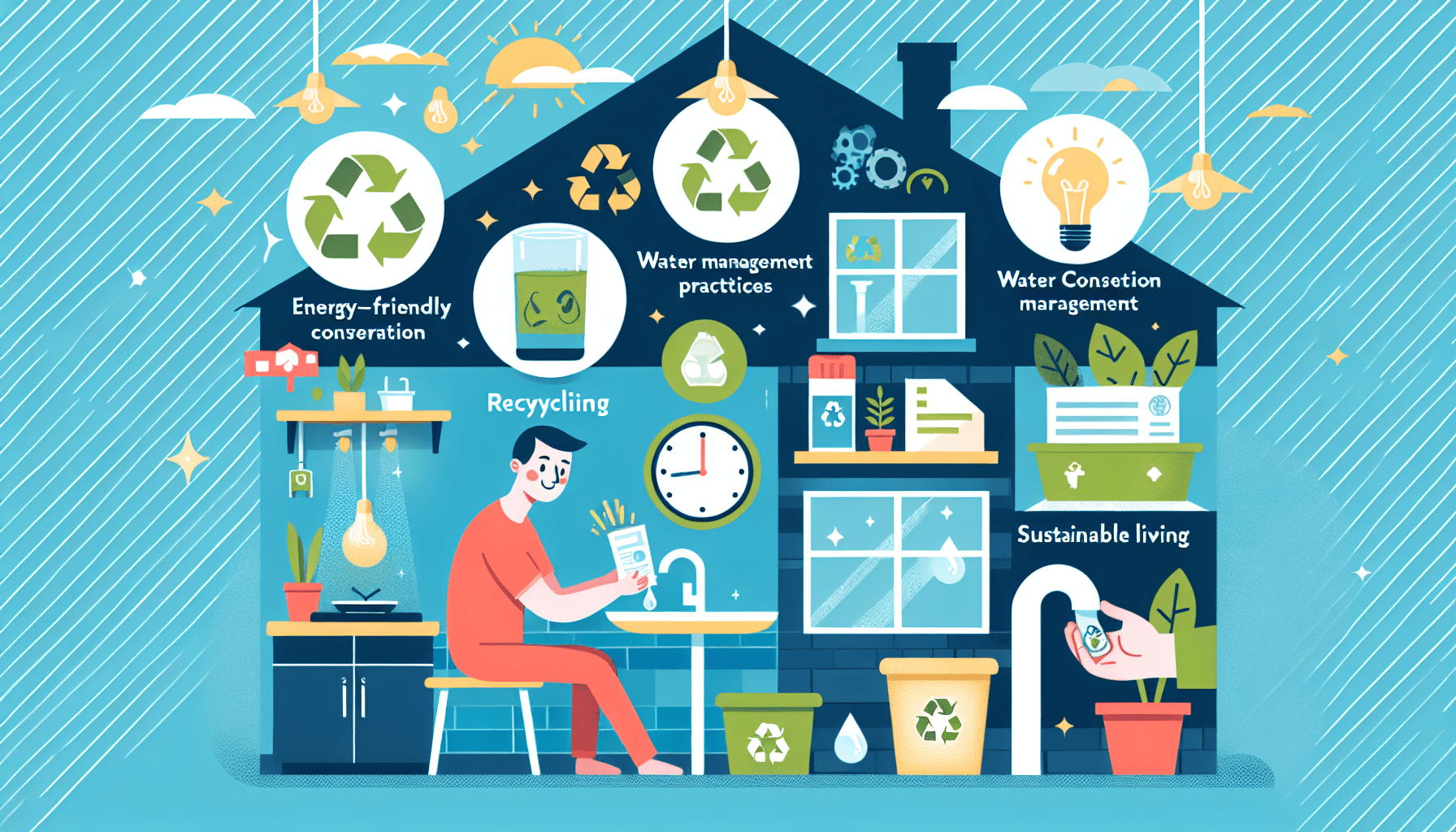
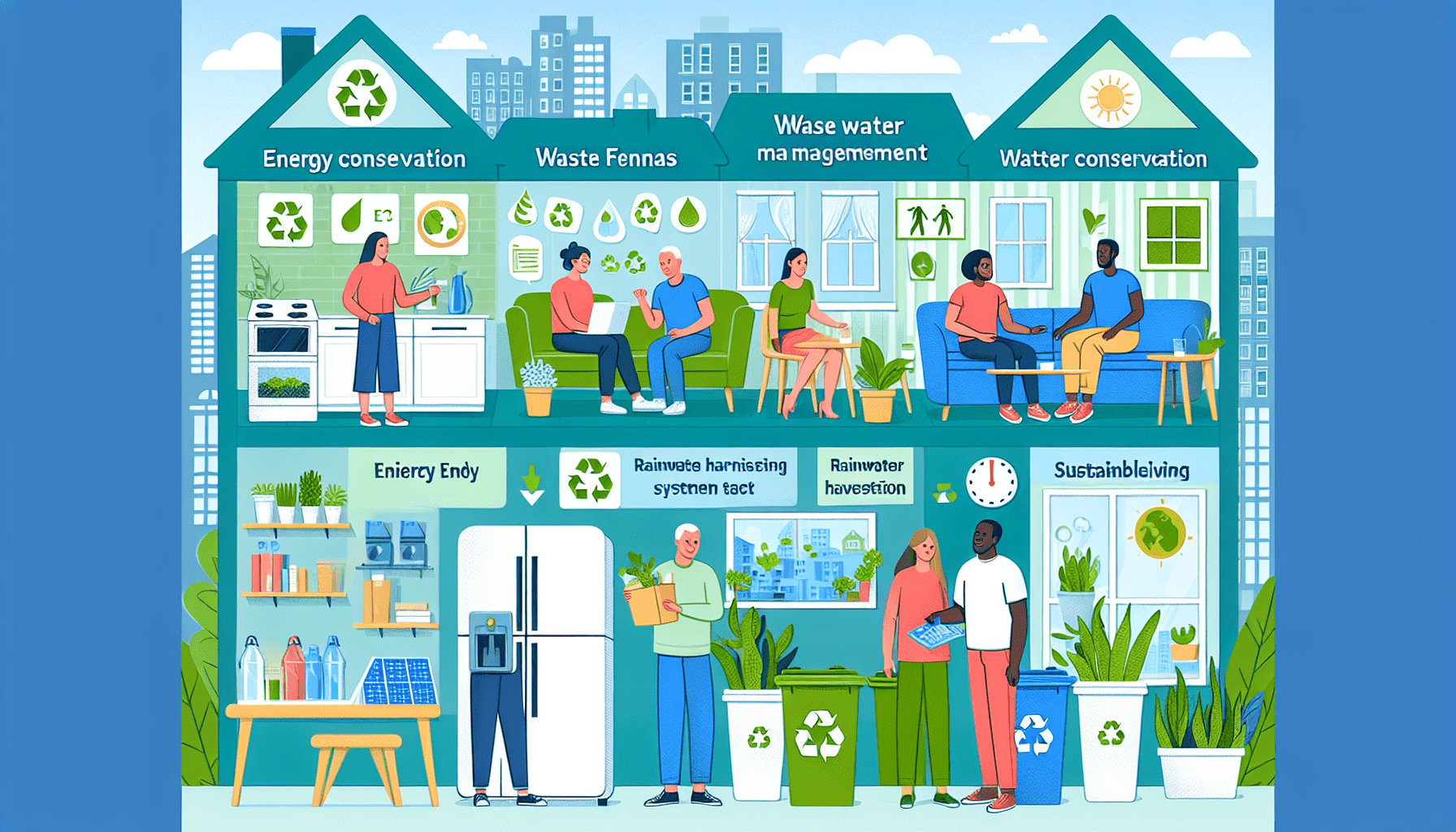
Are you a landlord or tenant looking to make a positive impact on the environment? In this article, we will explore some practical and easy-to-implement eco-friendly tips for rental homes. By adopting sustainable practices, both landlords and tenants can create a greener living environment that reduces waste, conserves energy, and ultimately leads to a more sustainable future. Whether you are interested in reducing your carbon footprint or simply want to save money on utility bills, this article will provide valuable insights on how to go green in your rental home.

Green Living: Implementing Sustainable Practices in Rental Homes

In today’s world, it’s more important than ever to prioritize sustainability and reduce our impact on the environment. This applies not only to homeowners but also to individuals living in rental homes. By implementing eco-friendly practices, both landlords and tenants can contribute to a greener future and create a sustainable living environment. Here are some valuable tips and strategies for reducing energy consumption, conserving water, minimizing waste, using eco-friendly cleaning products, creating a sustainable garden, promoting sustainable transportation, reducing plastic usage, optimizing heating and cooling systems, educating tenants on green practices, and engaging with eco-friendly landlords.

Going Green: Eco-friendly Tips for Rental Homes

This image is property of images.pexels.com.

Reducing Energy Consumption

Switch to energy-efficient light bulbs

One of the simplest yet most effective ways to reduce energy consumption in a rental home is by switching to energy-efficient light bulbs. By replacing traditional incandescent bulbs with energy-saving LED or CFL bulbs, you can significantly decrease electricity usage and extend the lifespan of your light fixtures. Plus, energy-efficient bulbs consume up to 80% less energy, allowing you to reduce your carbon footprint while saving on utility bills.

Unplug electronics when not in use

Did you know that even when electronics are turned off, they can still consume energy? This is known as standby power or “phantom load.” To minimize this wastage, make it a habit to unplug electronics such as TVs, computers, printers, and chargers when they are not in use. Alternatively, you can use power strips with surge protectors to easily turn off multiple devices with a single switch. By curtailing standby power, you can make a significant difference in your energy consumption.

Use natural lighting whenever possible

Harnessing the power of natural lighting is not only beneficial for the environment but also for your well-being. Whenever possible, make use of natural daylight by opening curtains or blinds during the day. This can help reduce the need for artificial lighting, ultimately leading to lower electricity usage. Additionally, natural lighting can create a warm and inviting atmosphere in your rental home, enhancing your overall living experience.

Insulate windows and doors

Inefficient windows and doors can contribute to significant energy loss, leading to higher heating and cooling costs. To combat this, consider insulating your windows and doors. Simple measures like weatherstripping and caulking can help prevent drafts, keeping warm air inside during winter and cool air in during summer. Additionally, you may want to explore the option of using window films or installing double-glazed windows for enhanced insulation. These small steps can go a long way in reducing energy consumption and creating a comfortable living space.

Conserving Water

Fix leaky faucets and pipes promptly

Water leaks not only waste our precious natural resource but also result in higher water bills. Whether you are a tenant or a landlord, it is important to promptly fix any leaky faucets or pipes in your rental home. Check for drips and make necessary repairs to prevent water wastage. Simple actions like replacing worn-out washers or tightening connections can help save gallons of water each day.

Install water-saving devices

To further conserve water in your rental home, consider installing water-saving devices. Low-flow showerheads and faucet aerators can significantly reduce water usage without compromising water pressure. These devices work by limiting the flow of water while maintaining satisfactory performance. Additionally, dual-flush toilets provide the convenience of different flushing options, allowing for the appropriate amount of water to be used for liquid or solid waste. By incorporating these devices into your rental property, you can play a part in water conservation efforts.

Take shorter showers

Long, luxurious showers may be tempting, but they also consume a significant amount of water. Encourage shorter showers among tenants or adopt this practice if you are the occupant of a rental home. Reducing shower time by just a few minutes each day can make a remarkable impact on water conservation. Consider using a timer or play your favorite song to help keep track of time and make showering a more efficient and eco-friendly habit.


Collect rainwater for gardening

Rainwater is a free and natural resource that can be utilized for various purposes, including garden irrigation. If you have outdoor space, consider installing a rain barrel to collect rainwater from your gutters. The collected water can then be used to water plants, wash outdoor surfaces, or even flush toilets. Not only does this reduce the demand for treated water, but it also ensures that rainwater, which is typically cleaner, is put to good use.

Minimizing Waste

Reduce paper usage by going digital

One of the simplest ways to minimize waste in a rental home is by reducing paper usage. Embrace technology and opt for digital alternatives whenever possible. Instead of printing documents, consider saving them electronically or using cloud storage. Use e-mail or messaging applications for communication, and opt for online billing and payments. By embracing a digital lifestyle, you can significantly reduce paper waste and contribute to a more sustainable future.

Recycle paper, plastic, and glass

While reducing paper usage is important, it is equally crucial to properly recycle the paper, plastic, and glass products you do use. Take the time to familiarize yourself with the recycling guidelines in your area and educate your tenants accordingly. Set up designated recycling bins for easy separation and disposal of recyclable materials. If your rental home does not have a recycling program, explore nearby recycling centers or services where you can drop off recyclables. By going the extra mile to recycle, you can prevent valuable resources from ending up in landfills.

Compost organic waste

Food scraps and other organic waste make up a significant portion of household waste. Instead of disposing of this valuable material, consider composting it. Composting is a natural process that converts organic waste into nutrient-rich compost, which can be used to enrich the soil in your garden or potted plants. Whether you have a backyard or a small balcony, you can engage in composting by using a compost bin or a worm composting system. By diverting organic waste from landfills and creating natural fertilizers, you can contribute to a healthier environment.

Donate or sell unwanted items instead of throwing them away

Instead of simply discarding unwanted items, explore alternative options such as donation or selling. Many items that you no longer need can be used by someone else. Consider donating clothes, furniture, electronics, and household goods to local charities or organizations. Additionally, you can sell items through online marketplaces or organize garage sales. By extending the lifespan of these items, you can minimize waste and promote a culture of reuse.

Using Eco-Friendly Cleaning Products

Choose natural cleaning solutions

When it comes to cleaning your rental home, opt for natural cleaning solutions instead of traditional chemical-based products. Many natural cleaning solutions such as vinegar, baking soda, and lemon juice can effectively clean various surfaces in your home. Vinegar, for example, can be used to remove stains and odors, while baking soda works wonders as a non-abrasive scrub or deodorizer. By choosing natural alternatives, you avoid harsh chemicals that can be harmful to both the environment and your health.

Avoid products containing harsh chemicals

When purchasing cleaning products, be mindful of the ingredients they contain. Harsh chemicals, such as ammonia, chlorine, or phosphates, can have detrimental effects on the environment when they are washed down the drain. Look for eco-friendly cleaning products that are biodegradable and have minimal impact on water systems and aquatic life. By making this conscious choice, you can contribute to cleaner waterways and a healthier ecosystem.

Make your own cleaning products using vinegar, baking soda, and lemon juice

If you prefer a more hands-on approach, consider making your own cleaning products using readily available household items. Vinegar, baking soda, and lemon juice, as mentioned earlier, can be combined to create effective and environmentally friendly cleaning solutions. From all-purpose cleaners to glass cleaners, there are numerous DIY recipes available online that utilize these ingredients. By making your own cleaning products, you have full control over the ingredients used and can ensure a safe and eco-friendly cleaning experience.

Dispose of hazardous waste properly

Certain cleaning products and other household items may contain hazardous materials that need to be disposed of properly. Avoid pouring these substances down the drain or throwing them in the regular trash. Instead, take the time to research local hazardous waste disposal facilities or collection events in your area. By disposing of hazardous waste properly, you prevent these chemicals from harming the environment and contribute to a safer living environment for all.

Going Green: Eco-friendly Tips for Rental Homes

This image is property of images.pexels.com.

Creating a Sustainable Garden

Plant native and drought-resistant plants

When it comes to gardening in a rental home, choose native and drought-resistant plants. Native plants are well-adapted to the local climate and require less water and maintenance compared to exotic species. By planting native plants, you support local biodiversity, conserve water, and attract native wildlife to your garden. Additionally, consider incorporating drought-resistant plants that can thrive in dry conditions and reduce the need for excessive watering.

Use organic fertilizers and pesticides

Maintaining a healthy garden does not mean resorting to harmful chemical fertilizers and pesticides. Opt for organic alternatives that promote soil health and pose minimal risks to the environment. Organic fertilizers, such as compost or manure, provide essential nutrients to plants and improve soil structure. Similarly, organic pesticides based on natural ingredients can effectively control pests without harming beneficial insects or contaminating water sources. By prioritizing organic gardening practices, you can create a flourishing garden while preserving the overall ecosystem.

Install a rain barrel or drip irrigation system

Watering your garden efficiently is key to conserving this valuable resource. Consider installing a rain barrel to collect and store rainwater for irrigation purposes. This allows you to utilize natural rainfall for watering plants, reducing the demand for treated water. If you have limited space, consider implementing a drip irrigation system that delivers water directly to the roots of plants. This method minimizes water loss through evaporation and ensures efficient water usage, leading to healthier plants and a greener garden.

Start a compost pile for natural soil enrichment

Composting not only benefits your garden but also reduces the amount of waste sent to landfills. Establish a compost pile in your rental home to recycle kitchen scraps, yard waste, and fallen leaves. As the organic materials decompose, you will create nutrient-rich compost that can be used to amend soil in your garden. Whether you have a small bin or a designated outdoor compost area, engaging in composting allows you to close the nutrient loop and improve soil health naturally.

Promoting Sustainable Transportation

Choose public transportation or carpooling

Reducing the reliance on personal vehicles can have a significant positive impact on the environment. When feasible, opt for public transportation as your mode of commuting. Buses, trains, or trams are generally more fuel-efficient and produce lower emissions compared to individual cars. If public transportation is not a viable option, consider carpooling with colleagues, friends, or neighbors who travel in the same direction. Carpooling helps reduce traffic congestion, save fuel, and decrease air pollution.

Invest in bikes for short-distance travel

For short trips within your neighborhood or nearby areas, consider using bicycles as a means of transportation. Biking not only provides an eco-friendly alternative to cars but also offers numerous health benefits. With the availability of bike-sharing programs in many cities, you can easily access a bicycle even if you don’t own one. By embracing biking for short-distance travel, you contribute to reduced traffic, lower emissions, and improved personal fitness.

Use electric or hybrid vehicles if possible

If you have the means and opportunity, consider investing in an electric or hybrid vehicle. Electric vehicles (EVs) produce zero tailpipe emissions and significantly reduce greenhouse gas emissions compared to conventional internal combustion engine vehicles. Hybrid vehicles combine electric motors and gasoline engines, offering improved fuel efficiency and lower emissions. As the infrastructure for EVs continues to expand, the transition to greener transportation options becomes more feasible and accessible.

Encourage walking and biking in the neighborhood

When it comes to the local community, promote walking and biking as preferred modes of transportation. Encourage tenants to walk or bike to nearby amenities such as grocery stores, schools, or parks. Support the development of pedestrian-friendly infrastructure and bike lanes within your neighborhood. By fostering a walkable and bike-friendly environment, you contribute to a more sustainable and vibrant community.

Going Green: Eco-friendly Tips for Rental Homes

This image is property of images.pexels.com.

Reducing Plastic Usage

Bring reusable bags for shopping

Plastic bags contribute to widespread pollution and pose significant threats to wildlife and ecosystems. Make it a habit to bring reusable bags whenever you go shopping. Keep a stash of reusable bags in your car or backpack, ensuring that you always have them handy when needed. By refusing single-use plastic bags, you actively reduce plastic waste and protect the environment.

Avoid single-use water bottles

Single-use plastic water bottles are a major contributor to plastic pollution. Instead of purchasing bottled water, opt for reusable water bottles and fill them with tap water or filtered water at home. Many rental homes are equipped with water filtration systems, allowing you to access clean drinking water conveniently. By choosing reusable water bottles, you minimize plastic waste and save money in the long run. If you live in an area with poor tap water quality, consider investing in a water filter pitcher or faucet-mounted filter for an eco-friendly water solution.

Choose products with minimal packaging

Excessive packaging often contributes to unnecessary waste. When shopping for everyday items, opt for products with minimal packaging or those packaged in eco-friendly materials. Choose brands that prioritize sustainability and promote responsible packaging practices. By consciously supporting products with minimal packaging, you encourage the industry to adopt greener practices and reduce waste generation.

Use reusable containers for food storage

Avoid using single-use plastic containers or plastic wrap for food storage. Instead, invest in reusable containers and wraps made from materials like glass, stainless steel, or beeswax. These alternatives offer an eco-friendly way to store leftovers, pack lunches, or store pantry staples. By using reusable containers, you eliminate the need for disposable plastic and reduce the amount of plastic waste generated.

Optimizing Heating and Cooling Systems

Set thermostats to energy-saving temperatures

Heating and cooling consume a significant amount of energy in a rental home. To optimize your heating and cooling systems, adjust your thermostats to energy-saving temperatures. During winter, lower the thermostat by a few degrees and wear warm clothing or use blankets to stay comfortable. In summer, raise the thermostat setting and utilize fans or natural ventilation to maintain a comfortable indoor temperature. These small adjustments can lead to substantial energy savings and contribute to a greener home.

Regularly maintain heating and cooling equipment

Proper maintenance of heating and cooling equipment is essential to ensure optimal performance and energy efficiency. Regularly change air filters in your HVAC (Heating, Ventilation, and Air Conditioning) system to ensure unrestricted airflow. Keep outdoor units free from debris and ensure that indoor vents are not blocked by furniture or other objects. Additionally, schedule periodic inspections and tune-ups by HVAC professionals to detect and address any potential issues. By maintaining your heating and cooling systems, you can extend their lifespan and maximize energy efficiency.

Maximize natural ventilation and airflow

Whenever weather conditions permit, make use of natural ventilation and airflow to cool or heat your rental home. Open windows strategically to take advantage of cool breezes during summer. Utilize window coverings such as curtains or blinds to control sunlight and minimize heat gain. In colder months, open curtains during the day to allow sunlight to heat your space naturally, and close them at night to retain heat. By intelligently managing natural ventilation and airflow, you can reduce the reliance on mechanical heating and cooling systems.

Invest in energy-efficient appliances

When it is time to replace or upgrade appliances in your rental home, opt for energy-efficient models. Look for the ENERGY STAR label, which indicates that the appliance meets or exceeds stringent energy efficiency standards. Energy-efficient appliances, such as refrigerators, washing machines, and dishwashers, consume less electricity overall. These appliances not only reduce energy consumption but also lower utility bills for both landlords and tenants. By making this investment, you contribute to a greener home and promote sustainable living.

Going Green: Eco-friendly Tips for Rental Homes

Educating Tenants on Green Practices

Provide information on recycling and composting

Education plays a crucial role in promoting sustainable practices among tenants. As a landlord, provide clear and concise information on recycling and composting guidelines specific to your rental home. Highlight the importance of separating recyclable materials from general waste and emphasize the benefits of composting organic waste. By equipping tenants with knowledge, you empower them to actively participate in sustainable waste management efforts.

Organize workshops or events focused on sustainability

To further engage with tenants and enhance their understanding of eco-friendly practices, consider organizing workshops or events focused on sustainability. Invite local experts or organizations to conduct sessions on topics such as energy conservation, water management, or waste reduction strategies. These interactive sessions can educate tenants, address their questions, and motivate them to adopt sustainable habits. By fostering a sense of community and mutual learning, you create a rental environment that champions green living.

Share tips for eco-friendly habits in the rental community

Regularly communicate tips and suggestions for eco-friendly habits within your rental community. Utilize newsletters, notice boards, or online groups to circulate information on sustainable practices. Discuss topics like energy-saving tips, water conservation strategies, and waste reduction techniques. Encourage open dialogue and the sharing of personal experiences among tenants, fostering a collaborative environment that promotes sustainability.

Offer incentives for tenants who embrace green practices

Rewarding and incentivizing tenants can be an effective way to encourage the adoption of green practices. Offer incentives such as reduced rent or utility bill discounts for tenants who actively participate in energy-saving or waste reduction initiatives. Recognize and appreciate their efforts by highlighting their contributions in newsletters or on social media pages. By recognizing eco-friendly habits, you motivate tenants to continue their sustainable practices and inspire others to follow suit.

Engaging with Eco-Friendly Landlords

Look for landlords who prioritize sustainability

As a tenant, one of the most impactful steps you can take towards green living is to choose landlords who prioritize sustainability. Before signing a lease, do some research to identify environmentally conscious landlords or property management companies. Look for buildings or developments that have obtained green certifications, such as LEED (Leadership in Energy and Environmental Design) or ENERGY STAR. By renting from landlords who prioritize sustainability, you are aligning yourself with individuals who share your values and are committed to reducing their environmental impact.

Discuss green initiatives before signing a lease

When engaging with potential landlords, take the opportunity to discuss their existing or planned green initiatives. Inquire about energy-efficient appliances, insulation, or available recycling programs. Ask if the rental property allows for sustainable practices like composting or rainwater harvesting. Be open about your own eco-friendly preferences and discuss any specific requirements you may have. By addressing these topics before signing a lease, you ensure that your living space aligns with your sustainability goals.

Encourage green upgrades in rental properties

If you are a tenant interested in sustainable living but your rental home lacks certain green features, don’t hesitate to discuss potential upgrades with your landlord. Identify areas where energy efficiency can be improved, such as insulation, lighting, or appliances. Share resources or information about available incentives or rebates for implementing green upgrades. By initiating these conversations, you contribute to a culture of sustainability and encourage landlords to invest in environmentally friendly improvements.

Share success stories and inspire others to go green

Whether you are a tenant or a landlord, sharing success stories and personal experiences can inspire others to go green. Consider sharing your sustainability journey with fellow tenants or engaging with other landlords in your community. Share your challenges, triumphs, and the positive impact your eco-friendly practices have had. By telling these stories, you motivate others to embrace green living and create a network of individuals dedicated to sustainability.

In conclusion, implementing sustainable practices in rental homes is not only achievable but also essential for creating a greener and healthier environment. By following the tips and strategies outlined in this article, both landlords and tenants can contribute to reducing energy consumption, conserving water, minimizing waste, using eco-friendly products, creating sustainable gardens, promoting sustainable transportation, reducing plastic usage, optimizing heating and cooling systems, educating tenants on green practices, and engaging with eco-friendly landlords. By making conscious choices and adopting eco-friendly habits, we can create a sustainable living environment for present and future generations.

Going Green: Eco-friendly Tips for Rental Homes

Creating a Serene Meditation Space with Natural Elements

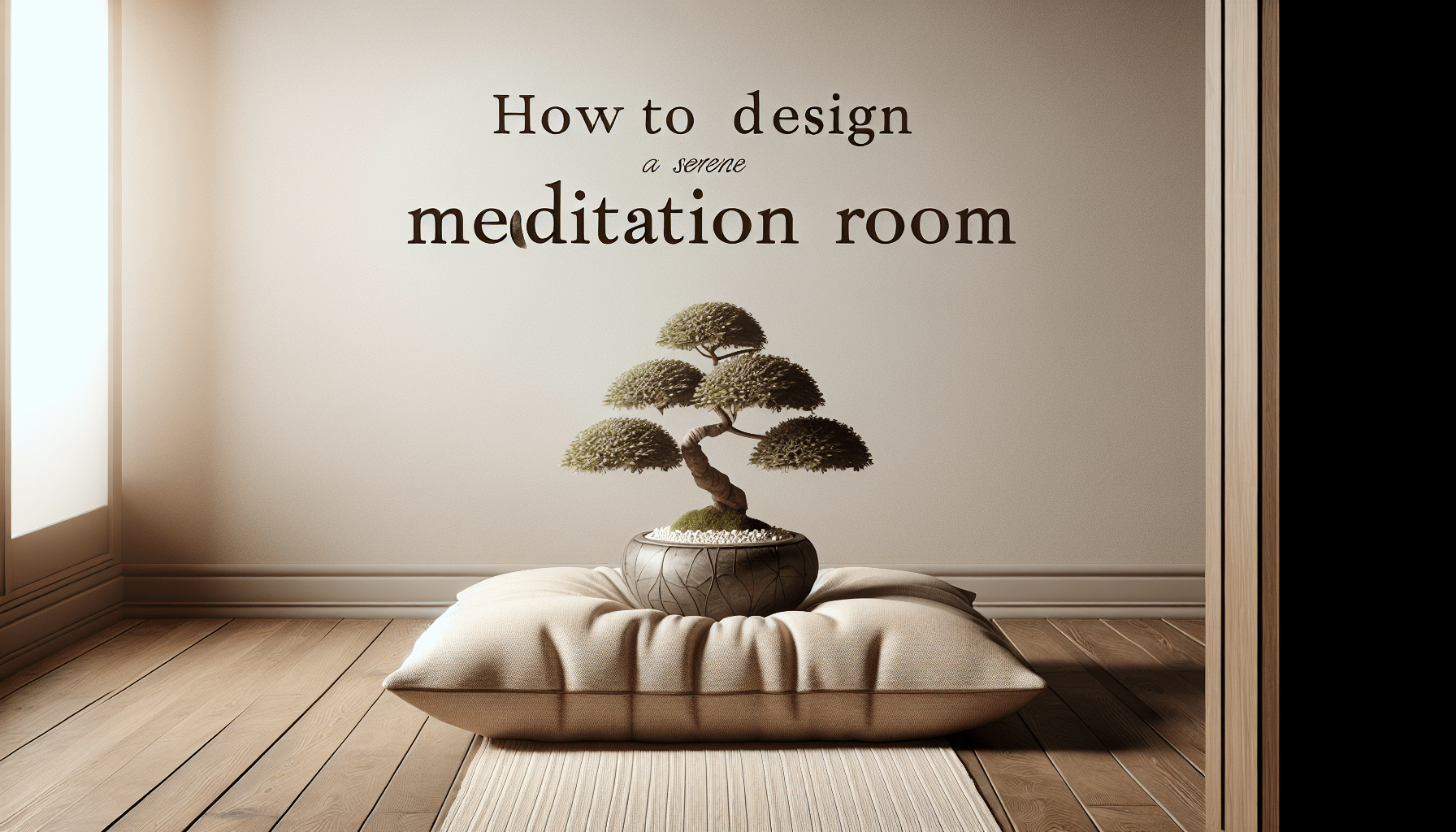
Immerse yourself in tranquility by creating a serene meditation space with the use of natural elements. This article explores a range of ideas to inspire your home improvement projects, from technological advancements to personal wellness enhancements. By dedicating a space in your home for meditation or yoga, incorporating natural elements such as plants, stones, and soothing colors, you can create an oasis of calm and promote inner peace. Let the soothing sounds of nature and the gentle embrace of natural materials envelop you as you embark on your journey towards mindfulness and relaxation.

Creating a Serene Meditation Space with Natural Elements

Choosing a Location

Find a quiet and serene area in your home

When choosing a location for your meditation space, it is important to find an area in your home that is quiet and free from distractions. Look for a room or corner that is away from high-traffic areas, such as the living room or kitchen, where you can find peace and tranquility.

Consider natural light and views

Natural light can have a soothing effect on the mind and body, so try to find a spot with ample sunlight. Position your meditation space near a window or in a room that receives plenty of natural light. Additionally, consider the views outside the window – having a serene and peaceful view can enhance the overall meditation experience.

Ensure privacy and minimal distractions

Privacy is key when designing a meditation space. Make sure the area you choose is secluded and away from the prying eyes of others. This will help create a sense of solitude and allow you to fully immerse yourself in your meditation practice without any distractions. Consider using room dividers or curtains to separate the space and create a private sanctuary.

Designing the Space

Select a calming color scheme

Colors play a significant role in setting the mood and atmosphere of a space. When designing your meditation area, choose a calming color scheme that promotes relaxation and serenity. Soft blues, greens, and earthy tones are ideal choices for creating a tranquil ambiance.

Use natural materials for flooring and furniture

To bring a sense of nature into your meditation space, opt for flooring and furniture made from natural materials. Hardwood or bamboo floors can add warmth and a touch of natural beauty to the area. Consider using a meditation cushion or mat made from organic cotton or natural fibers for additional comfort.

Incorporate plants and greenery

Bringing nature indoors is a wonderful way to create a peaceful atmosphere in your meditation space. Scatter potted plants or place larger ones in strategic corners to add a touch of greenery. Not only will they add aesthetic appeal, but plants also help purify the air and create a sense of tranquility.

Create comfortable seating options

Comfort is important during meditation, and having a comfortable seating option is crucial. Invest in a quality meditation cushion or mat that provides proper support for your body. You may also want to consider incorporating additional seating options such as a comfortable armchair or a cozy meditation bench.

Include storage for meditation props

To keep your meditation space organized and clutter-free, it is essential to have designated storage for your meditation props. Whether you have cushions, mats, or other accessories, having a place to store them when not in use will help maintain a peaceful and organized atmosphere.

Creating a Natural Ambiance

Use soft, diffused lighting

Lighting plays a vital role in creating a serene ambiance in your meditation space. Opt for soft, diffused lighting options such as floor lamps or table lamps with warm-toned bulbs. This gentle and indirect lighting will help create a calm and cozy atmosphere.

Introduce natural scents with essential oils

Aromatherapy can enhance your meditation practice by promoting relaxation and mindfulness. Incorporate natural scents into your meditation space by using essential oils or natural candles. Scents like lavender, sandalwood, and chamomile are known for their calming properties and can help create a peaceful atmosphere.

Play soothing nature sounds or instrumental music

The soothing sounds of nature or gentle instrumental music can help create a tranquil environment for meditation. Consider playing calming nature sounds, such as flowing water or chirping birds, from a speaker or invest in a good quality sound system to enjoy tranquil instrumental tunes.

Hang artwork or photographs of natural landscapes

To further enhance the natural ambiance of your meditation space, adorn the walls with artwork or photographs of serene natural landscapes. Whether it’s a painting of a peaceful beach or a photograph of a lush forest, these visual representations of nature can inspire a sense of tranquility and help you connect with the natural world.

Adding Natural Elements

Place indoor plants for a breath of fresh air

Indoor plants not only add beauty to your meditation space but also improve air quality and bring a sense of nature indoors. In addition to smaller potted plants, consider placing larger plants like palm trees or ferns in the corners to create a natural and relaxing atmosphere.

Use natural stones or crystals for decoration

Natural stones and crystals can be used as decorative elements in your meditation space. Some crystals, like amethyst or clear quartz, are believed to have calming and healing properties. Arrange a few stones or crystals on a shelf or tabletop to create a serene and grounding focal point.

Incorporate a small water feature or fountain

The sound of flowing water has a soothing effect on the mind and can help create a peaceful ambiance in your meditation space. Consider incorporating a small tabletop water feature or a decorative fountain to add a calming and natural element to the environment.

Include natural textiles such as bamboo or cotton

When selecting textiles for your meditation space, opt for natural and sustainable materials like bamboo or cotton. Use bamboo blinds or curtains to control light and add an organic touch to the room. Choose cushions or pillows made with organic cotton for a comfortable and eco-friendly seating option.

Creating a Serene Meditation Space with Natural Elements

Ensuring Comfort and Serenity

Choose comfortable cushions or mats for seating

Comfort is essential during meditation, so invest in a high-quality meditation cushion or mat that provides proper support for your body. Choose a cushion or mat that suits your individual needs and preferences, ensuring that you are comfortable and can maintain proper posture during your practice.

Include blankets or throws for warmth and coziness

To create a cozy and inviting atmosphere in your meditation space, include blankets or throws for warmth and comfort. On chilly days, these soft and comforting textiles can help you relax and feel at ease during your meditation sessions.

Ensure proper ventilation and air circulation

Proper ventilation is important in maintaining a fresh and breathable atmosphere in your meditation space. Ensure that your chosen location has adequate airflow, whether through natural ventilation or by using a fan or air purifier. This will help create a comfortable and refreshing environment for your practice.

Consider installing a soundproofing system

If you live in a noisy environment or have loud neighbors, consider installing a soundproofing system to create a quiet and peaceful meditation space. This can help minimize external distractions and create a serene environment for your practice.

Organizing the Space

Allocate designated storage areas for meditation accessories

To keep your meditation space organized, allocate designated storage areas for your meditation accessories. Have a dedicated shelf or cabinet for storing cushions, mats, blankets, and other props. This will not only help maintain a clutter-free space but also make it easier for you to find and access your meditation essentials.

Keep the space clutter-free and well-organized

A clutter-free environment is essential for a serene meditation space. Make it a habit to keep the area tidy and free from unnecessary items. Regularly declutter and organize the space to create a peaceful and calming atmosphere.

Use shelves or baskets for easy access to props

Utilize shelves or baskets for easy access to your meditation props. This will help keep your cushions, blankets, and other accessories organized in a visually pleasing manner, while also making it convenient for you to grab them when needed.

Label containers or drawers for easy identification

To further enhance the organization of your meditation space, consider labeling containers or drawers. This will make it easier for you to locate specific items and maintain a well-organized space. Use simple and clear labels to ensure easy identification.

Creating a Serene Meditation Space with Natural Elements

Creating a Sacred Focal Point

Place a meditation altar or shrine

Creating a focal point in your meditation space can help ground and center your practice. Consider placing a meditation altar or shrine in a prominent position. This can be a small table or dedicated area where you can display meaningful objects or symbols that hold spiritual or personal significance.

Include meaningful objects or symbols

Personalize your meditation space by including meaningful objects or symbols on your altar or shrine. This could include items such as crystals, statues, religious icons, or mementos that are significant to your spiritual journey or meditation practice. Surround yourself with items that inspire and uplift you.

Use candles or incense for rituals or ceremonies

The gentle flickering of candles or the aroma of incense can create a sacred atmosphere in your meditation space. Use candles or incense during special rituals or ceremonies to set the mood and create a serene ambiance. Always ensure safety precautions and practice responsible use of open flames.

Incorporating Natural Lighting

Maximize natural light with large windows or skylights

If possible, maximize natural light in your meditation space by incorporating large windows or skylights. This will flood the area with sunlight, creating a bright and uplifting atmosphere that is conducive to meditation. Enjoy the connection to nature and the ever-changing play of light throughout the day.

Utilize sheer curtains or blinds to control glare

While natural light is beautiful, it is important to be able to control the amount of sunshine entering your meditation space. Use sheer curtains or blinds to diffuse harsh glare and maintain a soft and gentle ambiance. This allows you to create the perfect balance of light and privacy.

Add dimmable lights for adjustable ambiance

In addition to natural light, consider incorporating dimmable lights into your meditation space. This will allow you to adjust the ambiance according to your needs and preferences. Soft and gentle lighting can help create a calming atmosphere during your meditation sessions.

Creating a Serene Meditation Space with Natural Elements

Promoting Relaxation with Colors

Choose soothing and earthy tones like blues and greens

Colors have a profound impact on our emotions and energy levels. When decorating your meditation space, opt for soothing and earthy tones like blues and greens. These colors are known to promote relaxation, calmness, and a sense of connection with nature.

Avoid bright and vibrant colors

While bright and vibrant colors have their place in other areas of your home, they may not be suitable for a meditation space. Avoid colors that are too bright or intense, as they can be distracting and hinder your practice. Stick to more subdued hues that promote a serene and tranquil environment.

Experiment with natural color palettes

Nature provides a rich array of color palettes to draw inspiration from. Consider experimenting with natural color combinations such as earth tones, soft neutrals, and subtle pastels. These colors can create a harmonious and balanced atmosphere, enhancing your meditation experience.

Maintaining a Peaceful Atmosphere

Practice regular cleaning and decluttering

Maintaining a peaceful atmosphere in your meditation space requires regular cleaning and decluttering. Make it a habit to dust and clean the area, keeping it free from dirt and debris. Regularly declutter and remove any unnecessary items to create a peaceful and inviting environment.

Use natural cleaning products with calming scents

When cleaning your meditation space, opt for natural cleaning products with calming scents. Avoid harsh chemicals that can leave behind strong odors. Instead, choose eco-friendly cleaning solutions with gentle scents like lavender or citrus to create a clean and fresh atmosphere.

Avoid introducing electronic devices or screens

One of the main purposes of a meditation space is to disconnect from the outside world and find inner peace. To maintain a tranquil and serene atmosphere, avoid introducing electronic devices or screens into your meditation space. Keep it a technology-free zone and create a space solely dedicated to your meditation practice.

Creating a serene meditation space with natural elements is a wonderful way to enhance your practice and promote a sense of tranquility and well-being. By carefully choosing the location, designing the space, adding natural elements, ensuring comfort and serenity, organizing the area, creating a sacred focal point, incorporating natural lighting, promoting relaxation with colors, and maintaining a peaceful atmosphere, you can create a sacred sanctuary where you can fully immerse yourself in the art of meditation.

Creating a Serene Meditation Space with Natural Elements

Strategies for Creating a Harmonious Co-Living Environment

Living with others can sometimes be challenging, but it doesn’t have to be. In this article, we will explore the dynamics of shared living spaces and provide you with valuable tips on how landlords can create a harmonious co-living environment. By implementing these strategies, you can ensure that everyone feels comfortable and respected, making your shared rental space a true home for all.

Clear Communication

Living with roommates or housemates can be a fun and rewarding experience, but it also requires clear communication to prevent misunderstandings and conflicts. To establish a harmonious co-living environment, it’s important to follow these strategies for clear communication:

Establish House Rules

Start by establishing a set of house rules that everyone can agree upon. These rules can cover areas such as cleaning schedules, noise levels, and guest policies. By creating a shared understanding of expectations, you can prevent potential disputes and ensure that everyone is on the same page.

Hold Regular House Meetings

Schedule regular house meetings to provide an opportunity for everyone to discuss any concerns or suggestions they may have. These meetings can be a platform for open dialogue, where each roommate has a chance to express their thoughts and feelings. By addressing issues in a timely manner, you can prevent them from escalating into bigger problems.

Encourage Open and Honest Communication

Promote an environment where everyone feels comfortable expressing their thoughts and concerns openly and honestly. Encourage your housemates to communicate directly with each other rather than resorting to passive-aggressive behaviors or gossiping. Clear and respectful communication is key to maintaining a harmonious co-living environment.

Respect for Personal Space

Respecting each other’s personal space is essential for maintaining a peaceful living environment. Here are some strategies to foster a sense of respect for personal boundaries:

Define Boundaries

Encourage your housemates to define their personal boundaries. Each individual may have different needs and preferences when it comes to personal space and privacy. By discussing and respecting these boundaries, everyone can feel more comfortable and avoid unnecessary conflicts.

Create Private Areas

If possible, create designated private areas within your shared living space. This could be as simple as setting aside specific shelves or drawers for each person’s personal belongings or designating certain rooms where individuals can retreat when they need some alone time. Having these private areas can help each housemate maintain a healthy balance between socializing and personal space.

Respect Each Other’s Privacy

Respect for privacy is crucial in any shared living arrangement. Avoid going through your housemates’ personal belongings without their permission and refrain from entering their rooms without prior consent. Everyone deserves the privacy to unwind and feel at ease within their own living space.

Strategies for Creating a Harmonious Co-Living Environment

This image is property of images.pexels.com.

Equality and Fairness

To foster a positive co-living environment, it’s important to promote equality and fairness among all housemates. Here are some ways to achieve this:

Assign Responsibilities Equally

Distribute household responsibilities equally among all housemates. This can include tasks such as cleaning common areas, taking out the trash, or doing the dishes. By ensuring that everyone shares the workload, you promote a sense of fairness and prevent one person from feeling burdened by the majority of the chores.

Distribute Shared Expenses Fairly

Discuss shared expenses, such as utility bills or groceries, and come up with a fair and transparent system for splitting the costs. This can be based on income levels or simply dividing the expenses equally. Regularly review and update this system to ensure it remains fair for everyone involved.

Promote a Sense of Community

Encourage a spirit of community within your shared living space. Plan activities or events that allow housemates to bond and interact with one another. This can include movie nights, cooking together, or organizing outings. Creating opportunities for shared experiences helps build relationships and fosters a sense of equality and camaraderie.

Conflict Resolution

No living situation is entirely free from conflicts, but how you handle them can make all the difference. Here are some strategies for resolving conflicts in a co-living environment:

Encourage Calm and Respectful Discussions

When conflicts arise, encourage all parties involved to engage in calm and respectful discussions. Avoid personal attacks or blaming each other, and instead focus on finding a solution that satisfies everyone’s needs. Active listening and empathy play important roles in resolving conflicts peacefully.

Establish Mediation Procedures

If conflicts persist and discussions fail to reach a resolution, consider establishing mediation procedures. This can involve assigning a neutral person, such as a trusted friend or a professional mediator, to help facilitate a constructive dialogue between the conflicting parties. Mediation provides a structured approach to resolving conflicts and can help prevent them from escalating further.

Seek External Help if Needed

In some cases, conflicts may require external intervention. If attempts at resolution within the household are unsuccessful, consider seeking help from a counselor or therapist who specializes in conflict resolution. Their expertise can provide guidance and support to help navigate through challenging situations.

Strategies for Creating a Harmonious Co-Living Environment

This image is property of images.pexels.com.

Maintaining Cleanliness

A clean and organized living space contributes to a harmonious co-living environment. Here are some strategies for maintaining cleanliness within your shared space:

Establish Cleaning Schedules

Create a cleaning schedule that outlines specific tasks and assigned responsibilities for each housemate. This way, everyone knows their cleaning duties and can contribute to keeping the common areas tidy. Be open to adjusting the schedule based on the needs and availability of each individual.

Set Clear Expectations for Cleanliness

Communicate and agree on common cleanliness standards within your shared living space. This can include expectations for cleaning frequency, tidiness, and hygiene. By setting clear expectations, everyone is aware of how to contribute to a clean and comfortable environment.

Address Issues Promptly

If cleanliness issues arise, address them promptly and respectfully. Discuss concerns calmly and try to find a solution together. Avoid blame or judgment, and focus on finding a compromise that works for everyone. Open communication and addressing problems in a timely manner help prevent small issues from snowballing into larger conflicts.

Noise Management

Noise can be a major source of annoyance and tension in a shared living space. Consider these strategies for effective noise management:

Establish Quiet Hours

Designate specific quiet hours during the day when everyone is expected to keep noise levels to a minimum. This can be particularly important during late evenings or early mornings when individuals may need uninterrupted rest or quiet time for work or study. Respect for quiet hours ensures that everyone’s needs for peace and tranquility are met.

Address Noise Complaints

If you have concerns about excessive noise from one of your housemates, address it in a friendly and non-confrontational manner. Communicate your needs and discuss possible solutions together. By having an open conversation, you can find compromises that balance the needs of all housemates.

Create Noise Reduction Strategies

Explore ways to reduce noise within your living space. This can include using noise-canceling headphones, placing rugs or carpets to absorb sound, or investing in soundproofing materials. By implementing noise reduction strategies, you can minimize disturbances and create a more peaceful environment for everyone.

Strategies for Creating a Harmonious Co-Living Environment

This image is property of images.pexels.com.

Building Relationships

A harmonious co-living environment relies on strong relationships among housemates. Here are some strategies for building and nurturing these relationships:

Organize Social Activities

Plan and participate in social activities that allow housemates to bond and have fun together. This can include game nights, barbecues, or outings to local attractions. Regularly organizing such events helps create opportunities for housemates to get to know each other outside of the daily routines.

Encourage Collaboration and Support

Encourage collaboration and support among housemates. This can involve helping each other with tasks, sharing resources, or offering emotional support when needed. By fostering a sense of teamwork and camaraderie, you create a supportive and welcoming atmosphere.

Create Opportunities for Interactions

Find opportunities for housemates to interact and engage with each other regularly. This can be as simple as having regular meals together, attending community events, or organizing housemate nights where you can engage in group activities or discussions. Regular interactions help build familiarity and friendship among housemates.

Conflict Prevention

Preventing conflicts before they arise is always preferable to resolving them after they occur. Consider these strategies for conflict prevention within your co-living environment:

Promote Understanding and Tolerance

Encourage understanding and tolerance among housemates. Each individual comes from a unique background and has different perspectives and experiences. Foster an environment that values diversity and promotes empathy. By appreciating and respecting differences, you can prevent misunderstandings and conflicts from arising.

Encourage Regular Check-ins

Regularly check in with your housemates to address any concerns or issues that may be brewing beneath the surface. This can be done through informal conversations or more structured house meetings. By creating a safe space for open communication, you give everyone an opportunity to raise concerns and seek resolutions before they escalate.

Address Issues Early On

When minor issues arise, address them promptly. Don’t let small annoyances fester and become larger conflicts. Instead, communicate your concerns respectfully and work together to find a resolution that satisfies everyone involved. By addressing issues early on, you can prevent them from becoming sources of tension within your co-living environment.

Strategies for Creating a Harmonious Co-Living Environment

Respect for Differences

Respect for diversity is essential for creating a harmonious co-living environment. Here are some ways to promote respect for differences:

Embrace Diversity

Encourage acceptance and celebration of diversity within your shared living space. Recognize and value the different backgrounds, cultures, and beliefs that each housemate brings to the table. Embracing diversity creates an inclusive environment where everyone feels respected and appreciated for who they are.

Promote Cultural Sensitivity

Learn about and respect cultural practices and customs that may differ from your own. Be open to discussing and exploring these differences in a respectful and curious manner. By promoting cultural sensitivity, you foster an environment that values diversity and creates opportunities for learning from one another.

Encourage Learning from Each Other

Create an atmosphere of knowledge sharing and learning among housemates. Encourage individuals to share their passions, interests, and expertise with one another. This can include organizing workshops or inviting guest speakers to discuss topics that are of interest to your co-living community. Mutual learning and growth enhance the co-living experience and deepen the connections among housemates.

Responsible Resource Usage

Promoting responsible resource usage not only helps conserve energy and water but also fosters an environmentally-friendly co-living environment. Consider these strategies:

Promote Energy and Water Conservation

Encourage housemates to be mindful of their energy and water consumption. Remind everyone to turn off lights when not in use, unplug electronics that are not being used, and adopt energy-efficient practices. Similarly, encourage shorter showers, fixing leaky faucets promptly, and being conscious of water usage in general. By promoting these practices, you reduce your environmental impact and create a more sustainable living space.

Encourage Sustainable Practices

Explore ways to incorporate sustainable practices into your shared living space. This can include recycling, composting, or using eco-friendly products. Encourage housemates to create a culture of sustainability by educating each other on the importance of reducing waste and adopting environmentally-friendly habits.

Educate Housemates about Environmentally Friendly Habits

Host educational sessions or provide resources to help housemates learn about environmentally friendly habits and practices. Discuss the benefits of sustainable living and the impact of individual actions on the planet. By fostering a collective commitment to responsible resource usage, you contribute to a greener co-living environment.

In conclusion, creating a harmonious co-living environment requires intentional efforts from all housemates. By establishing clear communication, respecting personal boundaries, promoting equality and fairness, implementing conflict resolution strategies, maintaining cleanliness, managing noise, building relationships, preventing conflicts, and respecting differences while practicing responsible resource usage, you can cultivate a positive and enjoyable co-living experience. Remember to approach these strategies with a friendly tone and open mindset, as they are designed to enhance the overall co-living experience for everyone involved.

Strategies for Creating a Harmonious Co-Living Environment

Enhance Your Mood with Adjustable and Smart Lighting Systems

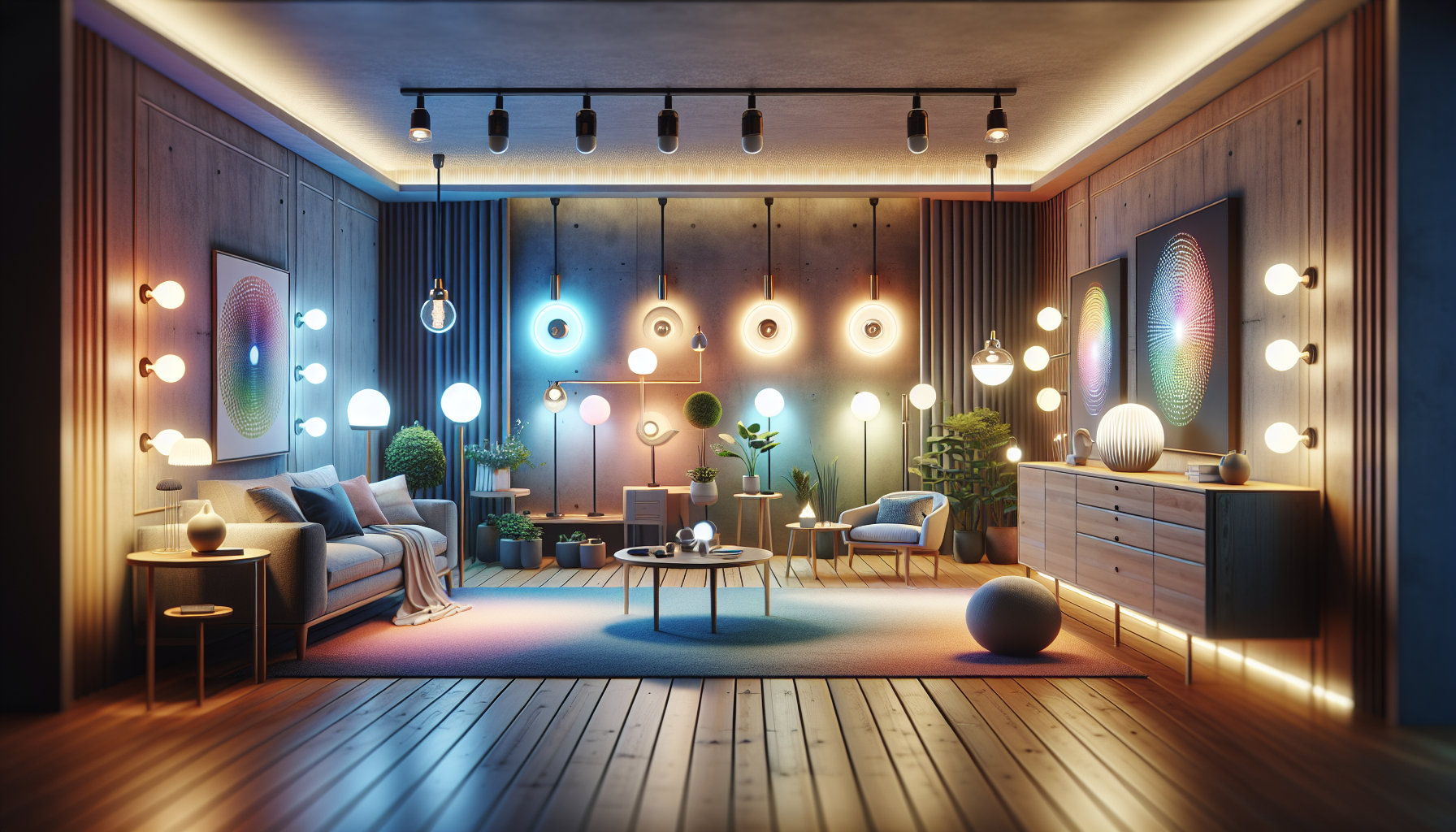
Improve your living space and elevate your mood with adjustable and smart lighting systems. Whether you’re looking to create a calming ambiance for relaxation or a vibrant atmosphere for entertainment, these innovative solutions are designed to enhance every aspect of your home. By installing adjustable and smart lighting systems, you have the power to customize the intensity, color, and even the timing of your lights, allowing you to set the perfect mood for any occasion. Say goodbye to one-size-fits-all lighting and embrace the versatility and convenience of these modern technologies. Get ready to transform your home into a personalized sanctuary that perfectly reflects your unique style and enhances your overall well-being.

What are adjustable and smart lighting systems?

Definition of adjustable lighting systems

Adjustable lighting systems refer to lighting fixtures or components that can be manually or electronically adjusted to achieve different levels of brightness, color temperature, or beam angles. These systems allow users to customize the lighting according to their preferences, needs, and activities.

Definition of smart lighting systems

Smart lighting systems, on the other hand, are lighting setups that can be controlled remotely through various devices such as smartphones, tablets, or voice assistants. These systems often incorporate advanced technologies like sensors, timers, and connectivity features to provide a seamless and personalized lighting experience.

Benefits of using adjustable and smart lighting systems

Both adjustable and smart lighting systems offer a range of benefits, including:

  • Enhanced mood and well-being
  • Increased energy efficiency
  • Improved convenience and flexibility
  • Enhanced safety and security
  • Customization options for different activities and occasions
  • Integration with other smart home devices for a cohesive smart living experience

How do adjustable and smart lighting systems enhance your mood?

Impact of lighting on mood

Lighting has a profound effect on our emotions and overall well-being. Bright and cool-toned lighting can energize and stimulate, while warm and soft lighting can create a calming and relaxing ambiance. Different lighting conditions can trigger emotional responses and affect our mood, productivity, and sleep patterns.

Role of adjustable lighting in mood enhancement

Adjustable lighting systems allow users to easily adjust the brightness and color temperature of their lighting according to their needs and preferences. By customizing the lighting to create a cozy and inviting atmosphere or a bright and vibrant environment, adjustable lighting can positively impact mood and create a more comfortable living space.

Role of smart lighting in mood enhancement

Smart lighting systems take mood enhancement to the next level by offering advanced features and controls. With smart lighting, you can create preset lighting scenes or schedules that automatically adjust the lighting based on your activities or time of day. For example, you can have softer lighting in the evening for relaxation and gradually increase the brightness in the morning to help wake you up gently.

Enhance Your Mood with Adjustable and Smart Lighting Systems

Benefits of adjustable and smart lighting systems

1. Customizable lighting options

Adjustable lighting systems provide a wide range of customizable options, allowing you to achieve the perfect lighting for any activity or mood. Whether you want bright, focused lighting for reading or a softer, warmer glow for a cozy movie night, adjustable lighting systems give you the flexibility to create the atmosphere you desire.

2. Ability to change color temperature

Adjustable lighting systems, especially those with smart capabilities, often offer the ability to change the color temperature of the light. This feature allows you to transition between warm, candle-like lighting to cool, daylight-like lighting. By adjusting the color temperature, you can create different moods and adapt the lighting to the time of day or your current activity.

3. Dimming capabilities

One of the key benefits of adjustable lighting systems is the ability to dim the lights. Dimming not only helps set the right ambiance for different occasions but also saves energy and extends the lifespan of the bulbs. With adjustable lighting, you can easily create a romantic, relaxed atmosphere with dimmed lights or brighten up your workspace for increased productivity.

4. Circadian rhythm synchronization

Smart lighting systems can synchronize with your body’s circadian rhythm, which is the natural sleep-wake cycle that affects your energy levels and mood throughout the day. By gradually adjusting the brightness and color temperature of the lights, these systems can mimic the natural changes in daylight and help regulate your sleep patterns and enhance your overall well-being.

5. Mood-enhancing presets

Many smart lighting systems come with pre-programmed lighting presets designed to enhance specific moods or activities. Whether you want to create a cozy atmosphere, a vibrant party ambience, or a focused work environment, these presets make it easy to set the perfect lighting with just a tap on your smartphone or a voice command.

6. Integration with smart home systems

Smart lighting systems can be seamlessly integrated with other smart home devices, such as voice assistants, smart thermostats, and security systems. This integration allows you to control your lighting alongside other automated actions, creating a cohesive and convenient smart living experience. For example, you can set your lights to turn on automatically when you arrive home or synchronize them with your security system for enhanced safety.

7. Energy efficiency

Both adjustable and smart lighting systems are known for their energy efficiency. Adjustable lighting allows you to dim the lights and reduce energy consumption, while smart lighting systems often use LED bulbs, which are more energy-efficient than traditional incandescent bulbs. With these systems, you can lower your electricity bills and minimize your environmental impact without compromising on lighting quality.

8. Longevity and durability

Adjustable and smart lighting systems typically come with high-quality components and LED bulbs that have a longer lifespan compared to traditional bulbs. LED bulbs can last up to 25 times longer, saving you money on replacements and reducing waste. Additionally, these systems are designed to withstand daily use and environmental factors, ensuring their durability and longevity.

9. Enhanced safety and security

Smart lighting systems offer enhanced safety and security features that can deter potential intruders or provide convenient lighting control when you’re away from home. With features like motion sensors, you can have the lights turn on automatically when someone enters a room or detect any unusual activity outside your home. This adds an extra layer of safety and peace of mind.

10. Improved productivity and concentration

Adjustable and smart lighting systems can significantly impact productivity and concentration. By adjusting the lighting to suit your specific tasks, whether it’s reading, working, or studying, you can reduce eye strain, increase focus, and improve overall productivity. Bright, cool lighting is ideal for stimulating activity, while warm, soft lighting can create a calming atmosphere for concentration and relaxation.

Types of adjustable and smart lighting systems

1. Adjustable light bulbs

Adjustable light bulbs are versatile lighting solutions that can be installed in existing light fixtures. These bulbs allow you to change the brightness and color temperature by using a dimmer switch or a compatible smart home system.

2. Smart light switches

Smart light switches replace your existing wall switches and provide remote control and automation capabilities for your lighting. These switches can be controlled through mobile apps or voice assistants, allowing you to turn the lights on or off, adjust brightness, or change color temperature with ease.

3. Smart light strips

Smart light strips are flexible strips with built-in LED lights that can be cut to the desired length and installed in various locations. These strips are often used for decorative purposes, creating accent lighting or backlighting in areas such as under cabinets, behind TVs, or along the edges of ceilings.

4. Smart light panels

Smart light panels consist of modular panels that can be arranged in different shapes and sizes to create unique lighting designs. These panels are usually touch-sensitive and can be controlled through a mobile app or voice commands, allowing you to create dynamic lighting effects and personalized lighting scenes.

5. Smart light fixtures

Smart light fixtures include ceiling lights, chandeliers, or table lamps that have built-in smart capabilities. These fixtures eliminate the need for additional components and offer convenient control options, such as dimming, color-changing, and scheduling features.

6. Smart light bulbs with adjustable color temperature

Some smart light bulbs offer adjustable color temperature in addition to brightness control. These bulbs allow you to change the light from warm white to cool daylight, giving you the flexibility to adapt the lighting to your mood, time of day, or specific activities.

7. Voice-controlled lighting systems

Voice-controlled lighting systems utilize voice assistants such as Amazon Alexa or Google Assistant to control the lights through simple voice commands. With these systems, you can easily adjust the brightness, change colors, or activate preset lighting scenes by just using your voice.

8. Mobile app-controlled lighting systems

Mobile app-controlled lighting systems allow you to control the lights through dedicated mobile apps installed on your smartphone or tablet. These apps provide a user-friendly interface where you can adjust brightness, change colors, set schedules, and create personalized lighting scenes.

9. Wi-Fi-enabled lighting systems

Wi-Fi-enabled lighting systems connect directly to your home’s Wi-Fi network, eliminating the need for additional hubs or bridge devices. These systems can be controlled through mobile apps or voice assistants, offering seamless and convenient lighting control.

10. Sensor-based lighting systems

Sensor-based lighting systems incorporate motion sensors or ambient light sensors to automatically control the lights based on occupancy or ambient lighting conditions. These systems can turn the lights on when someone enters a room and turn them off when no movement is detected, maximizing energy efficiency and convenience.

Enhance Your Mood with Adjustable and Smart Lighting Systems

Factors to consider when choosing adjustable and smart lighting systems

1. Compatibility with existing lighting infrastructure

Consider whether the adjustable or smart lighting system is compatible with your existing light fixtures or infrastructure. Some systems may require additional components or specific types of bulbs, so it’s important to ensure compatibility before making a purchase.

2. Budget considerations

Set a budget for your lighting project and choose a system that fits within your financial constraints. While smart lighting systems often come at a higher initial cost compared to traditional lighting, consider the long-term energy savings and potential benefits that outweigh the upfront investment.

3. Ease of installation

Evaluate the installation process of the adjustable or smart lighting system. Some systems may require professional installation, while others can be easily installed by homeowners. Consider your own DIY capabilities and willingness to undertake installation tasks or seek professional help if needed.

4. Integration with other smart home devices

If you have existing smart home devices or plan to expand your smart home ecosystem, ensure that the adjustable or smart lighting system is compatible and can be seamlessly integrated with your other devices. This integration will allow you to control multiple devices through a single interface and create automated routines.

5. User-friendly controls and interfaces

Consider the ease of use and accessibility of the lighting controls. Look for systems with intuitive interfaces, user-friendly mobile apps, or voice control options that suit your preferences. A well-designed control system will enhance your overall experience and make it convenient to adjust and customize the lighting.

6. Energy efficiency ratings

Check the energy efficiency ratings of the adjustable or smart lighting system. Look for systems that use energy-saving LED bulbs and have high-efficiency ratings. This will not only help reduce your energy consumption but also contribute to a more sustainable lifestyle.

7. Longevity and reliability

Consider the quality and durability of the adjustable or smart lighting system. Look for reputable brands or products with positive customer reviews. Longevity and reliability are crucial for ensuring that the lighting system will last and provide consistent performance over time.

8. Additional features and functionalities

Evaluate the additional features and functionalities offered by the adjustable or smart lighting system. Some systems may have built-in timers, motion sensors, or unique lighting effects that can further enhance your lighting experience. Consider your specific needs and preferences when choosing a system.

9. Warranty and customer support

Check the warranty and customer support offered by the manufacturer or seller. A reliable warranty will provide peace of mind in case of any defects or issues with the lighting system. Additionally, prompt and responsive customer support can assist you with any questions or troubleshooting needs.

10. Design and aesthetics

Consider the design and aesthetics of the adjustable or smart lighting system, especially if it will be a visible part of your home decor. Look for fixtures or components that match your personal style and complement the overall aesthetic of your living space. The lighting system should enhance the visual appeal of your home while providing functional benefits.

Installation and setup process of adjustable and smart lighting systems

1. Assessing your lighting needs and objectives

Begin by assessing your lighting needs and objectives. Determine the areas where you want to install adjustable or smart lighting systems and identify the specific functionalities or effects you desire.

2. Researching and selecting suitable products

Research different brands and products that offer adjustable or smart lighting systems. Consider factors like compatibility, features, customer reviews, and pricing to narrow down your options. Choose products that align with your requirements and preferences.

3. Familiarizing yourself with the installation instructions

Before starting the installation, carefully read and understand the installation instructions provided by the manufacturer. Becoming familiar with the process will help you plan and prepare accordingly.

4. Preparing necessary tools and equipment

Gather the necessary tools and equipment needed for the installation, as specified in the installation instructions. This may include screwdrivers, wire connectors, electrical tape, mounting brackets, and other common tools.

5. Turning off power and ensuring safety

Before working with electrical components, ensure your safety by turning off the power to the lighting circuit at the electrical panel. Use a voltage tester to verify that the power is completely off.

6. Installing and connecting the adjustable or smart lighting components

Follow the installation instructions to install and connect the adjustable or smart lighting components. This may involve removing existing light fixtures, wiring the new components, and mounting or affixing them to the desired locations.

7. Setting up the control system or app

If the adjustable or smart lighting system requires a control system or mobile app, follow the instructions to set it up. This may involve downloading and installing the app, connecting the lighting system to your home’s Wi-Fi network, or pairing the devices for remote control.

8. Testing and fine-tuning the lighting settings

Once the installation and setup are complete, test the lighting system to ensure everything is functioning correctly. Adjust the lighting settings according to your preferences and fine-tune any parameters like brightness, color temperature, or schedules.

9. Troubleshooting common installation issues

If you encounter any issues during the installation or setup, consult the troubleshooting section of the installation instructions or contact customer support for assistance. Common issues may include connectivity problems, wiring errors, or compatibility issues.

10. Enjoying your enhanced mood and smart lighting system

Once the adjustable or smart lighting system is fully installed and set up, you can start enjoying the benefits of enhanced mood and personalized lighting experiences. Experiment with different lighting scenarios and continue to explore the capabilities of your new lighting system.

Enhance Your Mood with Adjustable and Smart Lighting Systems

Examples of mood-enhancing lighting scenarios

1. Relaxation and winding down

Create a peaceful and calming atmosphere in your bedroom or living room by dimming the lights and using warm, soft lighting. This will help you relax and wind down after a long day.

2. Energizing and invigorating

Create a bright and vibrant lighting environment in your workspace or exercise area to boost energy levels and productivity. Use cool white lighting to create an energizing atmosphere.

3. Focus and concentration

Create a focused and distraction-free environment by using task lighting with adjustable brightness. This type of lighting helps improve concentration and productivity, making it ideal for studying or working.

4. Romantic ambiance

Set a romantic mood by dimming the lights and using warm, candle-like lighting. Create a cozy and intimate atmosphere for a romantic dinner or a relaxing evening with a loved one.

5. Productive work environment

Incorporate bright, daylight-like lighting in your home office or workspace to enhance efficiency and focus. This type of lighting mimics natural daylight and helps maintain alertness during work hours.

6. Party or entertainment atmosphere

Create a vibrant and lively atmosphere for parties or entertainment by using color-changing smart lights. Have the lights cycle through different colors or set them to pulse with the beat of the music.

7. Morning wake-up routine

Gradually increase the brightness of your bedroom lights in the morning to mimic a natural sunrise and help wake you up gently. This can improve your energy levels and make mornings more pleasant.

8. Bedtime routine and sleep preparation

Use soft, warm lighting in your bedroom during your bedtime routine to signal your body that it’s time to wind down and prepare for sleep. Dim the lights gradually to promote relaxation and better sleep quality.

9. Wellness and meditation

Create a serene and peaceful atmosphere for wellness activities like yoga or meditation. Use a combination of soft, dim lighting and soothing colors to promote relaxation and mindfulness.

10. Personalized lighting themes

With smart lighting systems, you can create personalized lighting themes for different activities or moods. For example, you can have a “movie night” theme that dims the lights and sets the perfect backlighting for a cinematic experience.

Real-life success stories and testimonials

1. Customer testimonials on mood enhancement

Many customers have reported improvements in their mood and overall well-being after installing adjustable or smart lighting systems. They have expressed how customizable lighting has positively affected their daily lives, creating a more pleasant and inviting home environment.

2. Case studies of improved well-being

There have been case studies conducted on the impact of adjustable and smart lighting on well-being, showing positive results. These studies have highlighted the relationship between lighting and mood regulation, demonstrating how tailored lighting environments can significantly enhance well-being and quality of life.

3. Professional endorsements from interior designers

Interior designers often recommend adjustable and smart lighting systems to their clients for mood enhancement. They have witnessed firsthand how customized lighting can transform spaces and create the desired ambiance for different activities or occasions.

4. User experiences with adjustable and smart lighting systems

User experiences shared on forums and social media platforms provide valuable insights into the benefits of adjustable and smart lighting systems. Users often share how these systems have improved their mood, created a more inviting atmosphere, and added convenience to their daily routines.

5. Homeowners’ energy savings and cost-effectiveness

Many homeowners have reported significant energy savings after switching to adjustable or smart lighting systems. The ability to dim lights and set schedules or occupancy-based controls has helped reduce energy consumption and lower electricity costs.

Enhance Your Mood with Adjustable and Smart Lighting Systems

Considerations for future developments in adjustable and smart lighting

1. Advancements in LED technology

LED technology continues to evolve, leading to more energy-efficient and versatile lighting solutions. Future developments may include even more energy-saving LED bulbs and better color accuracy for enhanced lighting experiences.

2. Integration with artificial intelligence (AI)

Integration with artificial intelligence can lead to more intelligent and intuitive lighting systems. AI can learn user preferences and automatically adjust the lighting accordingly, creating personalized and adaptive lighting experiences.

3. Gesture-controlled lighting systems

Gesture-controlled lighting systems can offer a more intuitive and interactive way to control the lights. By detecting hand movements or gestures, these systems can provide a seamless and immersive lighting control experience.

4. Enhanced compatibility with wearable devices

Future developments may focus on seamless integration between lighting systems and wearable devices. This integration can enable personalized lighting based on data collected from wearables, such as heart rate, sleep patterns, or stress levels.

5. Incorporation of natural lighting simulations

Simulating natural lighting conditions indoors can have a significant impact on mood and well-being. Future developments may focus on creating lighting systems that accurately mimic the color temperature and intensity of natural daylight for enhanced mood regulation.

6. Impact on sleep quality and melatonin regulation

Further research is needed to better understand the impact of adjustable and smart lighting on sleep quality and melatonin regulation. Ongoing studies may explore how personalized lighting environments can contribute to better sleep patterns and overall sleep health.

7. Further research on lighting and mood connection

Continued research on the connection between lighting and mood will provide valuable insights for future developments. Understanding the psychological and physiological effects of various lighting conditions can lead to more tailored and effective mood-enhancing lighting solutions.

8. Integration of wellness and health monitoring features

There is potential for adjustable and smart lighting systems to incorporate wellness and health monitoring features. This integration can provide additional benefits, such as monitoring air quality, detecting allergens, or enhancing light therapy for certain conditions.

9. Expansion of automation and customization options

Future developments may focus on expanding automation and customization options for adjustable and smart lighting systems. This can include advanced scheduling features, intuitive mobile apps, and improved voice control capabilities.

10. Sustainability and eco-friendly innovations

As sustainability becomes increasingly important, future developments may focus on eco-friendly innovations in adjustable and smart lighting systems. This can include the use of recyclable or biodegradable materials, reduced energy consumption, and integration with renewable energy sources.

Conclusion

Adjustable and smart lighting systems offer a wide range of benefits for enhancing mood, improving energy efficiency, and adding convenience to your living space. With customizable lighting options, advanced control features, and integration with smart home devices, these systems provide a versatile and personalized lighting experience.

By assessing your lighting needs and objectives, researching and selecting suitable products, and following the installation and setup process, you can enjoy the benefits of enhanced mood and well-being in your home. Whether you’re looking to create a relaxing ambiance, increase productivity, or set the perfect lighting for different occasions, adjustable and smart lighting systems offer the versatility and flexibility to transform your living space.

As future developments continue to advance LED technology, integrate AI capabilities, and focus on sustainability and wellness features, the possibilities for mood-enhancing lighting are bound to expand. By embracing these advancements and exploring the potential of smart lighting technology, you can create a more enjoyable and personalized living environment for years to come. So why wait? Start exploring adjustable and smart lighting systems today and unlock the full potential of lighting for enhancing your mood and well-being.

Enhance Your Mood with Adjustable and Smart Lighting Systems

Maximize Your Rental Space with Creative Storage Solutions

Are you tired of feeling cramped in your small rental space? Look no further! In this article titled “Maximize Your Rental Space with Creative Storage Solutions,” we will show you how to make the most out of limited space in your rental property. Whether you are a landlord looking to attract tenants or a tenant seeking innovative storage solutions, we have got you covered. With our helpful tips and tricks, you can transform your small rental unit into a spacious and organized oasis. Say goodbye to clutter and hello to a functional living space!

Maximizing Space in Rental Properties

When it comes to renting a small living space, maximizing space is essential to ensure comfort and functionality. By utilizing smart storage solutions, you can make the most of your rental unit and create a space that feels spacious and organized. In this article, we will explore various strategies and creative ideas for maximizing space in rental properties, from decluttering and utilizing vertical space to incorporating hidden storage furniture and investing in innovative multi-purpose furniture designs. Whether you’re a tenant or a landlord, these tips and tricks will help you make the most of every inch of your small rental space.

Organizing Your Rental Space

Decluttering and Minimizing Possessions

The first step in maximizing space in your rental property is to declutter and minimize your possessions. Take an honest look at your belongings and identify items that you no longer use or need. Consider donating or selling these items to free up valuable space in your rental unit. By eliminating clutter, you’ll create a more open and spacious feel.

Utilizing Vertical Space with Shelving and Hooks

One of the most effective ways to maximize storage in a small rental space is by utilizing vertical space. Invest in shelving units that can be mounted on the walls, providing additional storage without taking up floor space. Hooks are also a great solution for hanging items such as coats, bags, and hats. By using your walls effectively, you can free up floor space and create a visually appealing and organized space.

Dividing Spaces with Room Dividers

In a small rental property, creating separate spaces for different activities can be challenging. However, room dividers are a versatile solution that can help create distinct areas within your rental unit. Whether you need to separate your living room from your bedroom or create a mini home office, room dividers provide privacy and functionality without the need for permanent walls. Look for folding or sliding room dividers that can be easily adjusted to suit your needs.

Maximize Your Rental Space with Creative Storage Solutions

This image is property of images.pexels.com.

Creative Storage Ideas for Small Spaces

Underbed Storage and Storage Ottomans

In a small rental bedroom, maximizing storage under the bed is a smart solution. Invest in underbed storage containers or utilize storage bags to store items such as extra bedding, seasonal clothing, or shoes. Additionally, consider using a storage ottoman in your living room or bedroom. These multifunctional pieces of furniture not only provide extra seating but also offer hidden storage space for blankets, books, or other items.

Floating Shelves and Wall-Mounted Storage

Floating shelves and wall-mounted storage units are excellent choices for small rental spaces. These space-saving solutions can be installed on any blank wall, providing a stylish and functional way to display and store items. Use floating shelves in your kitchen to store cookbooks or display decorative items. In the bathroom, wall-mounted storage can be used to hold toiletries and towels, freeing up valuable counter space.

Pegboards and Hanging Organizers

For those looking to add an element of creativity to their storage solutions, pegboards and hanging organizers are the way to go. Install a pegboard in your kitchen or home office to hang pots, pans, and office supplies. Hanging organizers can be used in closets or entryways to store shoes, accessories, or cleaning supplies. These customizable storage options not only maximize space but also add visual interest to your rental unit.

Utilizing Hidden Storage Spaces

Maximizing Closet Storage with Organizers

Closets are often underutilized spaces in rental properties. With the right organizers and storage solutions, you can transform your closet into an efficient storage area. Install hanging organizers or use stackable bins to maximize vertical space. If space allows, consider adding a shoe rack or a hanging rod for additional storage. By making the most of your closet space, you can keep your rental unit clutter-free and organized.

Using the Space Under Stairs or in Hallways

Undoubtedly, one of the most overlooked storage spaces in a rental property is the area under the stairs or in hallways. With a little creativity, you can turn these unused spaces into valuable storage areas. Install built-in shelves or drawers under the stairs to store shoes, bags, or seasonal items. In hallways, consider adding floating shelves or hooks to hang coats, scarves, or keys. By utilizing these often forgotten areas, you’ll optimize storage in your rental property with minimal effort.

Incorporating Hidden Storage Furniture

Hidden storage furniture is a game-changer when it comes to maximizing space in small rental units. Look for coffee tables or ottomans with removable tops that reveal hidden compartments for storing blankets, games, or electronics. Invest in a bed frame with built-in drawers or a lift-up mattress to access hidden storage for clothing or bedding. These innovative furniture pieces allow you to keep your belongings within reach while keeping your rental space organized and clutter-free.

Maximize Your Rental Space with Creative Storage Solutions

This image is property of images.pexels.com.

Innovative Furniture for Small Spaces

Foldable and Expandable Furniture

In small rental properties, versatility is key. Look for foldable or expandable furniture that can easily adapt to your space and needs. Folding dining tables and chairs are perfect for small kitchens or dining areas, as they can be easily stored when not in use. Similarly, collapsible desks are ideal for home offices that need occasional use. By investing in these space-saving furniture options, you can optimize your living area while maintaining functionality.

Multi-purpose Furniture Designs

When space is limited, multi-purpose furniture can be a lifesaver. Consider investing in a sofa bed that can transform your living room into a guest bedroom in an instant. Storage ottomans with removable tops can double as seating and hidden storage space. Some coffee tables even have a built-in lift-top, revealing a spacious storage compartment underneath. These multi-functional furniture pieces are designed to maximize space and versatility without compromising on style or comfort.

Loft Beds and Bunk Beds

If you’re looking to optimize space in a small rental bedroom, loft beds or bunk beds are excellent choices. Loft beds elevate your bed, creating valuable space underneath that can be used for a desk, a seating area, or additional storage. Bunk beds are ideal for shared bedrooms, accommodating multiple sleeping spaces while leaving room for other furniture or play areas. These space-saving bed options are perfect for maximizing storage in smaller rental properties.

Maximizing Storage in the Kitchen

Utilizing the Inside of Cabinet Doors

When it comes to kitchen storage, every inch counts. Take advantage of the inside of cabinet doors by installing adhesive hooks or racks. Use these hooks to hang measuring spoons, oven mitts, or small pots and pans. Racks can be used to store lids or cutting boards. By making use of often overlooked spaces, you’ll create more room for essentials in your kitchen.

Investing in Stackable Containers and Organizers

To make the most of your kitchen cabinets and pantry, invest in stackable containers and organizers. Clear plastic containers allow you to see the contents while keeping them neatly organized. Utilize pull-out organizers in your pantry for cans, spices, or snacks. By using these storage solutions, you’ll create a more efficient and clutter-free kitchen environment.

Adding a Rolling Cart or Kitchen Island

For additional storage and functionality in your rental kitchen, consider adding a rolling cart or a kitchen island. These portable pieces can be easily moved around and provide extra counter space and storage. Use a cart to store frequently used items, such as utensils or cooking appliances. A kitchen island with built-in drawers or shelves offers more substantial storage space. These versatile additions will enhance the usability of your kitchen while maximizing storage potential.

Maximize Your Rental Space with Creative Storage Solutions

This image is property of images.pexels.com.

Storage Solutions for Small Bedrooms

Using Floating Shelves as Bedside Tables

In a small bedroom with limited floor space, traditional bedside tables may not be a practical option. Instead, opt for floating shelves mounted on either side of your bed. Floating shelves provide a sleek and minimalistic look while offering space to store books, lamps, or your phone. You can even add small baskets underneath the shelves for additional storage.

Installing a Wall-Mounted Clothing Rack

A wall-mounted clothing rack is an excellent solution for small bedrooms without a built-in closet. Install a sturdy rack on an empty wall and use it to hang your clothes, minimizing the need for a bulky wardrobe. You can also hang scarves, belts, or bags on the rack, keeping them easily accessible and organized. This simple addition can significantly maximize storage in your rental bedroom.

Utilizing a Storage Headboard or Bed Frame

A storage headboard or bed frame with built-in drawers is a fantastic storage solution for small bedrooms. These innovative furniture pieces provide ample space to store bedding, out-of-season clothing, or extra blankets. By utilizing this often overlooked space, you’ll keep your bedroom clutter-free while maintaining a stylish and functional environment.

Creative Bathroom Storage Ideas

Installing Floating Shelves Above the Toilet

Make the most of the vertical space in your bathroom by installing floating shelves above the toilet. These shelves provide a perfect spot for storing towels, toiletries, or decorative items. Ensure the shelves are well-secured and choose moisture-resistant materials to withstand the bathroom’s humidity. Floating shelves not only maximize storage but also add a touch of style to your rental bathroom.

Using Vertical Space with a Towel Ladder

To optimize storage for towels and robes in a small bathroom, consider using a towel ladder. Lean a ladder against a wall or hang it securely, and use the rungs to hang towels. This allows for better airflow and faster drying. Additionally, the vertical design of the towel ladder takes up minimal space, making it an ideal storage solution for smaller rental bathrooms.

Utilizing Shower Caddies and Hanging Organizers

Shower caddies are essential for keeping your shower essentials organized and within reach. Opt for hanging caddies that can be easily attached to your showerhead or a tension rod. These caddies provide storage for shampoo, conditioner, body wash, and other toiletries, freeing up valuable space on shower shelves or bathtub edges. Hang organizers over the bathroom door or on hooks to store additional items like brushes, hairdryers, or makeup.

Maximize Your Rental Space with Creative Storage Solutions

Optimizing Storage in the Living Room

Choosing Furniture with Hidden Storage Compartments

The living room is often the heart of a rental property, so maximizing storage in this area is essential. When selecting furniture for your living room, opt for pieces with hidden storage compartments. Look for ottomans, coffee tables, or side tables that have lift-up tops or drawers, providing hidden storage for blankets, remotes, or board games. By choosing furniture that serves dual purposes, you’ll create a clutter-free and functional living space.

Using Decorative Baskets and Bins for Storage

Decorative baskets and bins are a stylish and practical way to keep your living room tidy and organized. Place them on open shelves or underneath your coffee table to store magazines, remote controls, or toys. These storage solutions not only maximize space but also add texture and visual interest to your rental living room.

Wall-Mounted TV and Media Storage

Mounting your TV on the wall is a great way to save space in a small living room. By eliminating the need for a bulky TV stand, you create more room for other furniture or storage solutions. Consider installing a wall-mounted media console or shelves to house your media devices, DVDs, or books. This sleek and space-saving option will help you maximize storage while maintaining a modern and streamlined living room.

Outdoor Storage Solutions for Renters

Utilizing Balcony and Patio Space with Storage Benches

If you’re lucky enough to have a balcony or patio in your rental property, make the most of this outdoor space by incorporating storage benches. These benches serve as seating while offering hidden storage for outdoor cushions, gardening tools, or other items. Choose benches with waterproof materials or invest in weatherproof storage boxes to protect your belongings from the elements.

Adding Hanging Planters with Storage Pockets

To maximize storage and create a beautiful outdoor space, consider adding hanging planters with storage pockets. These innovative planters not only allow you to showcase your favorite plants but also provide additional storage for gardening tools, gloves, or small accessories. Hang them on a fence or railing to save precious floor space and bring life to your outdoor area.

Using Vertical Garden Systems

Vertical garden systems are excellent for renters with limited outdoor space. These systems allow you to grow plants vertically, utilizing walls or fences as living greenery. Some vertical garden systems also include built-in storage compartments, providing a clever solution for storing gardening tools or pots. By optimizing vertical space, you can enjoy a lush garden while maximizing storage in your outdoor rental space.

In conclusion, maximizing space in rental properties is crucial for creating a comfortable and organized living environment. By implementing smart storage solutions such as decluttering, utilizing vertical space, and incorporating innovative furniture and organizational tools, you can make the most of your small rental unit. Whether it’s clever storage ideas for the kitchen, bedroom, bathroom, living room, or even the outdoor area, there are countless creative ways to maximize space and keep your rental property functional and inviting. So, take these tips and make your rental space feel larger, more organized, and ultimately, more like home.

Maximize Your Rental Space with Creative Storage Solutions

How Do I Keep Up With Changing Rental Market Trends And Tenant Preferences?

Are you struggling to stay updated with the ever-changing rental market trends and the evolving preferences of tenants? It can feel overwhelming to keep up with the latest shifts and ensure that your property remains attractive and relevant in a competitive market. In this article, we will explore effective strategies and tactics that will help you stay ahead of the game and adapt to the changing landscape. Whether you are a seasoned landlord or just starting out, these insights will provide you with valuable information and guidance to navigate the dynamic world of rental real estate.

How Do I Keep Up With Changing Rental Market Trends And Tenant Preferences?

This image is property of images.pexels.com.

Understanding the Rental Market Trends

The rental market is constantly changing and evolving, and as a property owner or manager, it’s crucial to stay updated on the latest market trends. By understanding these trends, you can make informed decisions that will help you optimize your rental property’s profitability and attract desirable tenants.

Keeping Up-to-Date with Market Reports

One of the most effective ways to understand rental market trends is by regularly reviewing market reports. These reports provide valuable insights into key indicators such as average rental rates, vacancy rates, and rental market forecasts. By analyzing this data, you can identify patterns and trends that can help you make strategic decisions for your property.

Following Industry News and Blogs

In addition to market reports, staying informed about industry news and reading relevant blogs can provide you with valuable information about current trends in the rental market. Industry news sources often cover topics such as housing market developments, changes in rental regulations, and emerging rental trends. Blogs written by industry experts can provide insights and tips for adapting to changing tenant preferences.

Attending Real Estate Conferences and Events

Real estate conferences and events offer an excellent opportunity to network with other professionals in the industry and gain insights from expert speakers. These events often feature presentations and panel discussions on the latest trends in the rental market. Attending such conferences can help you stay ahead of the curve and gain valuable knowledge that can enhance your rental property management strategies.

Analyzing Tenant Preferences

Understanding tenant preferences is crucial for attracting and retaining high-quality tenants. By analyzing tenant preferences, you can tailor your rental property offerings to meet their needs and preferences, making your property more appealing and competitive in the market.

Conducting Surveys and Feedback Analysis

One effective way to gather information about tenant preferences is by conducting surveys and analyzing feedback from current and prospective tenants. Surveys can cover a range of topics such as preferred amenities, desired lease terms, and overall satisfaction with the property. By analyzing the survey responses and feedback, you can gain valuable insights into tenant preferences and make targeted improvements to your rental property.

Monitoring Online Rental Platforms and Review Sites

Online rental platforms and review sites provide a wealth of information about tenant preferences. By monitoring these platforms and sites, you can gain insights into what tenants are looking for in rental properties. Pay attention to the features and amenities that receive positive reviews and take note of any common complaints or areas for improvement.

Studying Local Demographics and Economic Factors

Understanding the demographics and economic factors of your local area is essential for catering to tenant preferences. Different demographics may have unique preferences when it comes to rental properties. Additionally, economic factors such as job growth and income levels can influence the demand and affordability of rentals in your area. By studying these factors, you can tailor your rental property offerings to align with the needs and preferences of the local population.

Adapting Your Rental Property

To stay competitive in the rental market, it’s essential to adapt your rental property to meet the changing needs and expectations of tenants. By making strategic adjustments and upgrades, you can attract high-quality tenants and maximize the value of your property.

Flexible Lease Terms and Rental Policies

Offering flexible lease terms and rental policies can appeal to a wider range of tenants. Consider offering options such as month-to-month leases or shorter-term leases to accommodate tenants who may have more transient lifestyles. Additionally, review your rental policies to ensure they are fair, transparent, and in line with current rental market standards.

Upgrading Amenities and Facilities

Investing in upgrades and improvements to your rental property’s amenities and facilities can make it more attractive to tenants. Consider adding desirable amenities such as a fitness center, communal workspace, or outdoor recreational areas. Upgrading appliances, fixtures, and finishes can also enhance the overall appeal and value of your property.

Embracing Smart Home Technology

Smart home technology is becoming increasingly popular among tenants. This technology allows tenants to control various aspects of their rental property, such as temperature, lighting, and security, through their smartphones or other devices. By embracing smart home technology, you can offer a modern and convenient living experience that appeals to tech-savvy tenants.

Optimizing Rental Property Marketing

Effective marketing is crucial for attracting tenants to your rental property. By utilizing various marketing strategies, you can increase visibility and reach a broader audience of potential tenants.

Engaging Social Media Marketing

Social media platforms provide an excellent opportunity to promote your rental property to a wide audience. Create engaging and informative content that showcases the unique features and benefits of your property. Utilize platforms such as Facebook, Instagram, and LinkedIn to reach potential tenants and encourage them to inquire about your rental property.

Creating High-Quality Visual Content

High-quality visual content, such as photos and videos, can significantly impact the first impression potential tenants have of your property. Invest in professional photography and videography services to capture the best aspects of your rental property. Use these visuals in your online listings, website, and social media platforms to attract attention and generate interest.

Utilizing Local Advertising Channels

In addition to online marketing, don’t overlook the power of local advertising channels. Local newspapers, magazines, and community bulletin boards can be effective marketing platforms for reaching tenants who prefer traditional forms of media. Take advantage of these channels to showcase your rental property and reach potential tenants in your local area.

How Do I Keep Up With Changing Rental Market Trends And Tenant Preferences?

This image is property of images.pexels.com.

Ensuring Competitive Pricing

Setting the right rental price is essential for attracting tenants and ensuring the profitability of your rental property. By carefully considering various factors, you can set a competitive rental price that strikes the right balance between maximizing your income and attracting quality tenants.

Comparing Rental Rates in the Area

Research rental rates in your local area to gain a better understanding of the market average. Compare your property’s features, amenities, and location to similar properties in the area to determine where your rental price should fall within the market range. Be mindful of any significant differences that may warrant adjusting your price higher or lower than the average.

Considering Tenant Income and Affordability

Tenant income levels and affordability play a crucial role in setting a competitive rental price. Consider the income range of the target demographic for your rental property and ensure that the rental price aligns with their ability to pay. Conducting market research and seeking input from local professionals can help you determine an appropriate rental price that attracts tenants while maintaining profitability.

Adjusting Rental Prices Based on Demand

Market demand fluctuates, and adjusting your rental prices accordingly may be necessary to stay competitive. When the demand for rental properties is high, you may be able to increase your rental price to maximize profitability. Conversely, during periods of low demand, lowering your rental price can help attract tenants and minimize vacancies. Monitoring market trends and adjusting your prices accordingly can help you optimize your rental property’s financial performance.

Providing Excellent Customer Service

Excellent customer service is crucial in the rental property industry. By prioritizing prompt communication, regular maintenance, and additional services, you can enhance tenant satisfaction and foster positive tenant relationships.

Prompt Communication and Responsiveness

Promptly responding to tenant inquiries, feedback, and maintenance requests is essential for providing excellent customer service. Make sure you have clear and efficient communication channels in place, such as a dedicated email address or phone number for tenant communication. Responding in a timely manner shows tenants that you value their needs and helps establish trust and satisfaction.

Regular Maintenance and Repairs

Maintaining your rental property in good condition and promptly addressing any necessary repairs is integral to excellent customer service. Conduct regular inspections to identify and resolve maintenance issues before they become major problems. By addressing maintenance concerns in a timely and efficient manner, you can create a positive living experience for your tenants and maintain the value of your property.

Offering Additional Services and Benefits

Providing additional services and benefits can help set your rental property apart from the competition. Consider offering services such as regular cleaning, landscaping, or assistance with moving in/out processes. Providing these extra services can enhance tenant satisfaction and make your property more desirable.

How Do I Keep Up With Changing Rental Market Trends And Tenant Preferences?

This image is property of images.pexels.com.

Building Positive Tenant Relationships

Fostering positive tenant relationships is crucial for tenant retention and attracting new tenants through word-of-mouth recommendations. By implementing strategies to engage with tenants and create a sense of community, you can enhance tenant satisfaction and foster long-term loyalty.

Welcoming Tenant Feedback and Suggestions

Actively encourage tenant feedback and suggestions regarding their experiences and preferences. Regularly seek input through surveys or informal conversations to demonstrate that you value their opinions and strive to meet their needs. Consider implementing tenant suggestions when feasible, as this can enhance tenant satisfaction and strengthen the tenant-landlord relationship.

Organizing Community Events and Gatherings

Organizing community events and gatherings can help create a sense of belonging and encourage positive interactions among tenants. Arrange events such as movie nights, BBQs, or holiday parties to facilitate opportunities for tenants to meet and engage with one another. These events can foster a sense of community and improve tenant satisfaction.

Implementing Tenant Loyalty Programs

Consider implementing tenant loyalty programs as a way to reward long-term tenants and encourage tenant retention. Offer incentives such as discounted rent, exclusive access to amenities, or referral bonuses. These programs can help create a positive tenant experience and motivate tenants to stay longer.

Monitoring and Responding to Reviews

Online reviews and ratings have a significant impact on a rental property’s reputation. By actively monitoring reviews and responding appropriately, you can address feedback, maintain a positive online presence, and attract prospective tenants.

Regularly Monitoring Online Reviews and Ratings

Regularly monitor online review platforms and rental property rating websites to stay informed about tenants’ perceptions and experiences. Pay close attention to both positive and negative reviews to identify areas where improvements can be made or to address any issues that may have arisen.

Addressing Negative Feedback and Complaints

When encountering negative feedback or complaints, it’s important to respond promptly and professionally. Address tenants’ concerns and offer solutions or explanations when appropriate. Showing that you are actively listening and taking steps to address any issues can help mitigate negative impressions and demonstrate your commitment to tenant satisfaction.

Promoting Positive Reviews and Testimonials

Promote positive reviews and testimonials by showcasing them on your website, social media platforms, and other marketing materials. Positive reviews serve as social proof, reassuring prospective tenants that your rental property is highly regarded by current and past tenants. Displaying positive feedback can help build trust and attract quality tenants.

How Do I Keep Up With Changing Rental Market Trends And Tenant Preferences?

Utilizing Technology and Data Analytics

Technological advancements and data analytics can greatly assist in managing and optimizing rental properties. By leveraging property management software and analyzing data, you can streamline operations, improve decision-making, and enhance performance.

Employing Property Management Software

Property management software offers a range of tools and features to streamline property management tasks. These software solutions can automate rent collection, track maintenance requests, and generate reports on property performance. By utilizing property management software, you can streamline operations, reduce administrative burdens, and gain valuable insights into your rental property’s performance.

Analyzing Data and Performance Metrics

Analyzing data and performance metrics can provide valuable insights into your rental property’s financial performance, tenant satisfaction, and operational efficiency. Track metrics such as tenant turnover rates, rent collection rates, and maintenance response times. By analyzing this data, you can identify areas for improvement and implement effective strategies to optimize your rental property’s performance.

Implementing Predictive Analytics

Predictive analytics can help you forecast future rental market trends and tenant preferences. By analyzing historical data and using predictive algorithms, you can make informed predictions about rental rates, vacancy rates, and other relevant factors. This data-driven approach can assist in making strategic decisions that will give you a competitive advantage in the rental market.

Collaborating with Real Estate Professionals

Collaborating with real estate professionals and industry experts can provide valuable insights, guidance, and networking opportunities. By engaging with these professionals, you can gain access to their expertise, stay updated on industry developments, and expand your professional network.

Partnering with Local Real Estate Agents and Brokers

Local real estate agents and brokers are a valuable resource for understanding the local rental market. Establish relationships with these professionals to gain insights into current market trends, attract potential tenants through referrals, and receive guidance on property valuation and marketing strategies.

Engaging with Property Management Associations

Joining property management associations can provide access to valuable resources, training opportunities, and industry events. These associations often offer educational programs, networking events, and forums where you can connect with other professionals in the industry. Engaging with property management associations can help you stay informed about industry best practices, regulatory changes, and emerging trends.

Seeking Advice from Industry Experts

Don’t hesitate to seek advice and guidance from industry experts who have proven experience and success in the rental market. Attend industry conferences and events where you can access expert speakers and participate in panel discussions. Additionally, consider reaching out to established professionals for mentorship or consultation. Their insights and advice can provide valuable guidance and help further your success in the rental market.

In conclusion, keeping up with changing rental market trends and tenant preferences is a continuous process that requires a proactive and strategic approach. By understanding market reports, analyzing tenant preferences, adapting your rental property, optimizing your marketing strategies, ensuring competitive pricing, providing excellent customer service, building positive tenant relationships, monitoring and responding to reviews, utilizing technology, and collaborating with real estate professionals, you can position yourself for success in the rental market. Stay informed, remain adaptable, and continuously strive to meet the evolving needs and preferences of your tenants.

How Do I Keep Up With Changing Rental Market Trends And Tenant Preferences?

How Do I Address Potential Health Issues In A Rental, Like Mold Or Infestations?

Living in a rental property can be a great experience, but it’s crucial to address any potential health issues that may arise, such as mold or infestations. After all, your health and well-being should always come first. In this article, we will explore practical steps you can take to tackle these challenges head-on, ensuring a clean and safe living environment for you and your loved ones. So, if you’ve ever wondered how to effectively address these potential health issues in a rental, look no further – we’ve got you covered.

Initial Inspection

Perform a walkthrough

When you first move into a rental property, it’s important to perform a thorough walkthrough to identify any potential health hazards. Take your time and pay close attention to areas prone to moisture, such as bathrooms, kitchens, and basements. Look for any visible signs of mold, such as discoloration or a fuzzy texture on surfaces.

Look for visible signs of mold or infestations

During your initial inspection, be on the lookout for any visible signs of mold or infestations. Check for patches of mold on walls, ceilings, or floors. Look for evidence of pests, such as droppings or nests. It’s important to address these issues promptly to prevent further damage and potential health risks.

Check for musty odors

Another indicator of mold or other issues is a musty odor. If you notice a persistent musty smell in certain areas of the rental property, it could be a sign of hidden mold growth or other moisture-related problems. Pay attention to odors in bathrooms, basements, or areas with poor ventilation.

Inspect for water damage

Water damage can often lead to mold growth and other health hazards. Look for any signs of water damage, such as discoloration, stains, or peeling paint on walls or ceilings. Pay close attention to areas around windows, plumbing fixtures, and appliances. If you notice any water stains or leaks, it’s important to address them promptly to prevent further issues.

Communicating with the Landlord

Contact the landlord immediately

If you suspect or discover any potential health issues, such as mold or infestations, it’s important to contact your landlord immediately. Inform them about the problem and provide detailed information about the location and extent of the issue. Prompt communication can help ensure that the problem is addressed quickly and efficiently.

Document any conversations or requests

To protect yourself, it’s important to document any conversations or requests you have with your landlord regarding the health issue. Keep a record of the dates, times, and details of each communication. This documentation can be valuable if there are any disputes or if legal action becomes necessary.

Request professional inspection if needed

In some cases, it may be necessary to request a professional inspection to determine the extent of the health issue, such as mold growth or pest infestations. If your landlord is unresponsive or unwilling to take action, you may consider hiring your own professional inspector. Having a professional assessment can provide a thorough understanding of the problem and help guide the remediation process.

Understand your rights as a tenant

As a tenant, it’s important to be aware of your rights when it comes to addressing potential health issues in a rental property. Familiarize yourself with local tenant laws and regulations to understand your rights and responsibilities. This can help you navigate the situation effectively and ensure that you are protected throughout the process.

How Do I Address Potential Health Issues In A Rental, Like Mold Or Infestations?

This image is property of images.unsplash.com.

Mold Remediation

Hire a professional mold inspector

When it comes to mold remediation, it’s crucial to hire a professional mold inspector. They are trained to identify and assess mold growth and can provide guidance on the best course of action. A professional inspection will help determine the type and extent of mold, enabling you to better understand the necessary steps for remediation.

Follow recommended mold removal guidelines

If mold is present in your rental property, it’s important to follow recommended mold removal guidelines. These guidelines often include wearing protective gear, containing the affected areas, removing or cleaning mold-infested materials, and ensuring proper ventilation during the remediation process. By following these guidelines, you can help prevent the spread of mold and ensure a safe and effective cleanup.

Consider the extent of mold damage

The extent of mold damage will vary from case to case. In some instances, it may be possible to address the issue through surface cleaning and repair. However, in more severe cases, professional remediation may be necessary. When determining the extent of mold damage, consult with a professional to ensure that you take the appropriate measures.

Ensure proper ventilation and moisture control

To prevent future mold growth, it’s important to ensure proper ventilation and moisture control in your rental property. Make sure that bathrooms and kitchens have exhaust fans to remove excess moisture. Repair any leaks or water damage promptly. Additionally, consider using dehumidifiers in areas prone to high humidity. Proper ventilation and moisture control can help create an environment less conducive to mold growth.

Pest Infestations

Identify the type of pests

If you suspect a pest infestation in your rental property, it’s important to identify the type of pests involved. Different pests require different methods of control and extermination. Research common pests in your area and their characteristics to help narrow down the possibilities. If you are unsure, consider hiring a professional pest control service for a proper identification.

Hire professional pest control services

Once you have identified the type of pests, it’s recommended to hire professional pest control services. Pest control professionals have the knowledge, experience, and effective treatments to eradicate pests safely and efficiently. They can help prevent further infestations and provide you with peace of mind.

Take preventive measures

Preventing future pest infestations is crucial to maintaining a healthy living environment. Some preventive measures you can take include sealing cracks and gaps in walls, floors, and windows, keeping food storage areas clean and well-sealed, and regularly disposing of trash in secure containers. By practicing good hygiene and implementing preventive measures, you can reduce the risk of pests invading your rental property.

Maintain cleanliness and proper waste disposal

Maintaining cleanliness is essential in preventing pest infestations. Regularly clean your rental property, paying attention to areas where pests are commonly found, such as kitchens and bathrooms. Properly dispose of food waste and keep trash bins tightly closed. By adopting good cleaning practices, you can help deter pests from entering your home.

How Do I Address Potential Health Issues In A Rental, Like Mold Or Infestations?

This image is property of images.unsplash.com.

Health Concerns

Be aware of health symptoms

When living in a rental property with potential health issues, it’s crucial to be aware of any health symptoms that may arise. Mold exposure and pest infestations can cause a range of health problems, including respiratory issues, allergies, headaches, and skin irritation. Pay attention to any new or recurring symptoms and consult a healthcare professional if needed.

Consult a healthcare professional if needed

If you experience health symptoms that you believe may be related to the rental property’s health issues, it’s important to consult a healthcare professional. They can evaluate your symptoms and provide guidance on appropriate treatment. It’s important to seek medical advice promptly to address any potential health concerns.

Consider temporary relocation if necessary

In some cases, the extent of health issues in a rental property may necessitate temporary relocation. If your health or the health of your family members is severely impacted by mold or pest infestations, consider discussing the situation with your landlord and exploring the possibility of temporarily relocating until the issues are resolved.

Take steps to improve indoor air quality

Improving indoor air quality is crucial when dealing with potential health issues in a rental property. Good ventilation, consistent maintenance of heating and cooling systems, and regular cleaning can significantly enhance the quality of the air you breathe. Consider using air purifiers or dehumidifiers to further improve indoor air quality.

Legal Actions

Review your rental agreement

When faced with health issues in a rental property, it’s important to review your rental agreement thoroughly. Familiarize yourself with the clauses related to maintenance, repairs, and the landlord’s responsibilities. Understanding your rights and obligations can help you determine the appropriate course of action.

Consult with a lawyer if required

If you believe that your landlord has neglected their responsibilities in addressing the health issues in your rental property, it may be necessary to consult with a lawyer specializing in landlord-tenant disputes. They can provide legal advice tailored to your specific situation and help you understand your legal options.

Notify relevant authorities if necessary

In certain situations, it may be necessary to notify relevant authorities about the health issues in your rental property. This could include local health departments or housing agencies that oversee rental properties. Be sure to document your concerns and follow the appropriate procedures to ensure that your complaint is properly addressed.

Consider seeking compensation for damages or medical expenses

If you have incurred damages or medical expenses as a result of health issues in your rental property, consider seeking compensation from your landlord. Consult with a lawyer to understand your rights and the potential compensation options available to you. It’s important to gather evidence, such as documentation of expenses and repairs, to support your claim.

How Do I Address Potential Health Issues In A Rental, Like Mold Or Infestations?

This image is property of images.unsplash.com.

Preventing Future Issues

Regularly inspect and maintain the rental property

To prevent future health issues in your rental property, it’s important to regularly inspect and maintain the premises. Keep an eye out for any signs of water damage, mold growth, or pest activity. Addressing minor issues promptly and maintaining the property in good condition can help prevent larger problems from developing.

Report any issues or concerns promptly

If you notice any issues or concerns, such as leaks, odors, or signs of pests, report them to your landlord immediately. Prompt reporting enables swift action to address the problem and prevent it from worsening. Communicate clearly and provide detailed information to ensure that the issue is understood and prioritized.

Follow proper cleaning and hygiene practices

Following proper cleaning and hygiene practices is essential in preventing health issues in a rental property. Clean regularly, paying attention to high-moisture areas and commonly used surfaces. Practice good hygiene habits, such as washing hands regularly and properly storing and disposing of food waste. By maintaining a clean and hygienic living environment, you can reduce the risk of health hazards.

Stay informed about health and safety regulations

To effectively prevent future health issues, stay informed about health and safety regulations and guidelines relevant to rental properties. Familiarize yourself with local requirements, such as building codes, mold remediation standards, and pest control regulations. Staying informed empowers you to advocate for your health and ensures that you can hold your landlord accountable for maintaining a safe living environment.

Tenant’s Insurance

Review your insurance policy

Review your tenant’s insurance policy to understand the coverage it provides for potential health-related issues in your rental property. Some policies may include coverage for mold damage or pest infestations, while others may require additional endorsements. Understanding your insurance coverage can help you determine if you need to seek additional protection.

Ensure coverage for health-related issues

Confirm that your tenant’s insurance policy includes coverage for health-related issues, such as mold-related illnesses or injuries caused by pests. If your policy does not provide adequate coverage, consider discussing the matter with your insurance provider to explore additional options.

Consider additional coverage options

In some cases, you may need additional coverage beyond what is provided by your tenant’s insurance policy. Explore the possibility of obtaining additional coverage specifically for health-related issues, mold damage, or pest infestations. Discuss your needs with your insurance provider and assess the available options.

Keep documentation of damages and expenses

In the event that you need to file a claim with your insurance provider, it’s important to keep detailed documentation of any damages or expenses incurred as a result of health issues in your rental property. Take photographs, keep receipts, and maintain a record of all relevant documents. This documentation will be valuable when filing a claim and seeking compensation.

How Do I Address Potential Health Issues In A Rental, Like Mold Or Infestations?

Seeking Professional Advice

Consult with environmental health experts

When dealing with potential health issues in a rental property, it can be helpful to consult with environmental health experts. These professionals specialize in assessing and mitigating health hazards in indoor environments. They can provide expert advice on managing mold, pest infestations, and other potential risks.

Get guidance from tenant advocacy organizations

Tenant advocacy organizations are dedicated to supporting and informing tenants about their rights and responsibilities. Reach out to these organizations for guidance and advice on dealing with health issues in a rental property. They can provide valuable resources and assistance throughout the process.

Seek legal advice from housing experts

If you encounter complex legal issues or disputes related to health concerns in your rental property, it’s important to seek legal advice from housing experts. These professionals have the knowledge and experience to navigate landlord-tenant disputes and provide guidance tailored to your specific situation. Consult with a housing lawyer if necessary.

Consider community resources and support

In some cases, community resources and support services may be available to help tenants address health issues in their rental properties. Reach out to local community organizations, health departments, or tenant support groups to explore the resources and assistance they can provide. They may offer valuable guidance, referrals, or financial support.

Maintaining Communication

Maintain open and regular communication with the landlord

Clear and open communication with your landlord is vital when addressing potential health issues in a rental property. Keep the lines of communication open, providing updates on the situation, and promptly responding to any inquiries or requests from your landlord. Effective communication can help ensure that your concerns are understood and addressed.

Report any recurring issues promptly

If you notice any recurring health issues in your rental property, such as mold re-growth or pest re-infestations, report them to your landlord promptly. Recurring problems may indicate underlying issues that need to be properly addressed. By reporting these issues, you can help prevent further health hazards.

Document all correspondence and actions taken

To protect yourself and ensure proper documentation, keep a record of all correspondence and actions taken regarding the health issues in your rental property. This includes written communication, phone conversations, and any steps taken to address the problem. Having a clear record can be valuable if disputes arise or if legal action becomes necessary.

Consider involving a mediator if conflicts arise

If conflicts arise between you and your landlord regarding the health issues in your rental property, consider involving a mediator. A mediator can help facilitate communication, ensure that both parties are heard, and assist in finding mutually agreeable solutions. Mediation can be a valuable tool in resolving disputes amicably and avoiding unnecessary escalation.

Addressing potential health issues in a rental property can be a complex process, but by following these comprehensive steps and seeking professional aid when necessary, you can ensure your well-being and uphold your rights as a tenant. Remember to stay proactive, communicative, and well-informed to tackle these issues effectively and maintain a safe living environment.

How Do I Address Potential Health Issues In A Rental, Like Mold Or Infestations?

How Can I Add Architectural Interest To A Flat Or Monotone Façade?

Are you looking to transform a plain and lifeless exterior into a visually captivating masterpiece? Adding architectural interest to a flat or monotone façade is the key to achieving that wow factor you’ve been longing for. By incorporating various design elements, such as texture, color, and unique patterns, you can breathe life into your home or building’s exterior, creating a stunning and dynamic visual appeal. Whether it’s through the use of decorative cladding, stone accents, or even a pop of vibrant color, the possibilities are endless when it comes to elevating your façade from ordinary to extraordinary. With a few creative touches, you’ll be amazed at the striking transformation that awaits.

How Can I Add Architectural Interest To A Flat Or Monotone Façade?

This image is property of images.pexels.com.

Paint and Color

Choose a bold color scheme

One of the easiest ways to add architectural interest to a flat or monotone façade is by choosing a bold color scheme. Instead of sticking to neutral tones or basic shades, consider opting for vibrant and eye-catching colors. A bold color scheme can instantly transform a plain exterior into a visually appealing and attention-grabbing architectural masterpiece. Whether you go for a bright red, a deep blue, or a striking yellow, selecting a bold color scheme will make your home stand out and give it a unique personality.

Use contrasting colors

To further enhance architectural interest, it’s important to use contrasting colors. Contrasting colors create depth and visual impact, drawing the eye to different elements of your façade. For example, if your main color is a rich navy blue, consider using a contrasting color like crisp white for window frames or trim. This will create a striking contrast and make these architectural details pop. By strategically incorporating contrasting colors, you can elevate the overall aesthetic of your home and make it more visually compelling.

Create a focal point with an accent color

Another effective way to add architectural interest to a flat or monotone façade is by creating a focal point with an accent color. By choosing a specific area or architectural feature to highlight with a bold and distinct color, you can instantly draw attention to that particular element. For instance, if you have a beautiful front door, painting it in a vibrant red or a deep purple will make it a standout feature. This will not only enhance the architectural interest but also create a welcoming and inviting entrance for your home.

Consider a textured or stucco finish

To add depth and visual interest to a flat or monotone façade, consider opting for a textured or stucco finish. Textured finishes can add an extra layer of detail and dimension to your exterior walls, making them more visually appealing. From a subtle swirl or stipple pattern to a more pronounced texture, there are various options available to create a unique and striking look. Additionally, stucco finishes can provide a sense of elegance and sophistication while also covering up any imperfections in the façade. This is a versatile option that can transform a plain exterior into a visually stunning architectural masterpiece.

Architectural Details

Install exterior molding or trim

Installing exterior molding or trim is an excellent way to add architectural interest to a flat or monotone façade. Trim can add visual appeal and depth to your home’s exterior walls, making them more visually interesting. Whether you choose simple and clean lines or intricate and decorative patterns, exterior molding can significantly enhance the overall architectural aesthetics of your home. From crown molding at the top of your walls to baseboards at the bottom, incorporating exterior molding or trim can give your home a polished and refined look.

Add decorative shutters or window boxes

Incorporating decorative shutters or window boxes is another great way to enhance the architectural details of your home. Shutters not only add a touch of charm and character but also provide an opportunity to introduce contrasting colors and interesting shapes. You can choose from a wide variety of styles, such as louvered, panelled, or board and batten shutters, to match the architectural style of your home. Additionally, window boxes filled with colorful flowers or lush green plants can add a dynamic and inviting element to your façade, further enhancing its visual appeal.

Include architectural elements like columns or corbels

To add architectural interest and create a sense of grandeur, consider including elements like columns or corbels in your home’s design. Columns can add a touch of elegance and sophistication, creating a visually stunning entrance or porch area. Whether you choose Doric, Ionic, or Corinthian columns, they can instantly elevate the architectural aesthetics of your home and make it more visually striking. Similarly, corbels can provide a decorative element that adds depth and character to your exterior walls. By incorporating these architectural elements, you can transform a flat or monotone façade into a captivating and aesthetically pleasing architectural masterpiece.

Use cladding materials to add depth and texture

Cladding materials can be a game-changer when it comes to adding architectural interest to a flat or monotone façade. By using materials like stone, brick, wood, or metal, you can add depth, texture, and visual appeal to your exterior walls. Cladding can be applied to the entire façade or selectively used to highlight specific architectural elements, such as columns or window surrounds. This not only adds visual interest but also provides an opportunity to incorporate different colors and textures into your home’s design. Additionally, cladding can offer insulation and weather resistance, making it a practical choice for enhancing the overall appearance and functionality of your home.

Windows and Doors

Upgrade to more unique window shapes

Upgrading to more unique window shapes is an excellent way to add architectural interest to your home’s façade. Instead of the standard rectangular or square windows, consider opting for arched, circular, or geometric shapes. These unconventional window designs can instantly become focal points and add a sense of uniqueness to your home. The different shapes and sizes of the windows will create visual interest and break up the monotony of a flat façade, giving it a more dynamic and visually appealing appearance. Additionally, unique window shapes can complement the architectural style of your home and enhance its overall character.

Add decorative window grids or mullions

Another way to add architectural interest to your windows is by incorporating decorative window grids or mullions. These horizontal and vertical elements can be added to the surface of the glass or integrated into the window frame itself. Decorative grids and mullions can create a sense of symmetry, add visual interest, and evoke a traditional or vintage aesthetic. Whether you prefer a classic six-over-six pattern or a more intricate diamond design, these architectural details can transform your windows into stunning focal points and enhance the overall beauty of your façade.

Install French doors or a grand entrance

If you want to make a bold architectural statement, consider installing French doors or a grand entrance. French doors are characterized by multiple glass panels, allowing abundant natural light to enter your home while also providing a beautiful view of the outdoors. They add elegance and sophistication to any façade, creating a sense of openness and connection between the interior and exterior spaces. Similarly, a grand entrance with double doors, sweeping arches, or ornate details can instantly elevate the architectural aesthetics of your home. It creates a striking focal point and a welcoming entrance that leaves a lasting impression.

Consider a statement front door

The front door is an essential architectural element of any home, and choosing a statement front door can significantly enhance the overall aesthetics of your façade. Instead of opting for a plain and simple design, consider selecting a door with unique features, such as intricate carvings, decorative glass inserts, or bold colors. A statement front door instantly draws attention and becomes the focal point of your home’s exterior. Whether you prefer a traditional wooden door with ornate details or a modern fiberglass door with sleek lines, choosing a statement front door can transform a flat or monotone façade into a visually captivating and stylish entryway.

Plantings and Landscaping

Create a green wall or vertical garden

Creating a green wall or vertical garden is an innovative and visually stunning way to add architectural interest to your home’s façade. Green walls are structures covered with plants that can be installed on existing walls or freestanding structures. They not only help improve air quality and provide insulation but also add a lush and vibrant element to your exterior. Vertical gardens allow you to incorporate a variety of plant species, textures, and colors, creating a living work of art. By implementing a green wall or vertical garden, you can transform a flat or monotone façade into a vibrant and captivating display of nature.

Install planter boxes or flower beds

Installing planter boxes or flower beds is a classic and effective way to enhance the landscaping and architectural interest of your home. Planter boxes can be installed under windows, along walkways, or on the sides of the entrance, adding a touch of color and life to your façade. You can choose from a wide variety of plants, flowers, and shrubs to create a visually appealing and cohesive look. Flower beds, whether in the front yard or around the perimeter of your home, can also provide an opportunity to inject personality and style into your exterior space. By incorporating planters or flower beds, you can create a charming and inviting atmosphere that enhances the overall architectural appeal of your home.

Use climbing vines or espaliered plants

Using climbing vines or espaliered plants is a creative and unique way to add architectural interest to your home’s façade. Climbing vines, such as ivy, wisteria, or bougainvillea, can be trained to grow on trellises, pergolas, or along the exterior walls of your home. They create a lush and verdant backdrop, adding a sense of natural beauty and texture to your façade. Espaliered plants, on the other hand, involve training fruit trees or ornamental shrubs into horizontal or vertical patterns against a wall or support structure. This technique creates an intricate and artistic display, turning your home’s exterior into a living artwork.

Add trellises or pergolas for visual interest

Trellises and pergolas are architectural features that not only provide structural support but also add visual interest and charm to your outdoor space. Trellises can be attached to the side of your home or placed strategically in the garden, allowing climbing plants to grow and creating a beautiful vertical element. Pergolas, on the other hand, provide a shaded area and structural focal point to your exterior. By incorporating trellises or pergolas, you can add height, dimension, and a sense of intimacy to your outdoor area, making it more visually appealing and inviting.

How Can I Add Architectural Interest To A Flat Or Monotone Façade?

This image is property of images.pexels.com.

Lighting

Install architectural lighting fixtures

Installing architectural lighting fixtures can greatly enhance the architectural interest of your home, especially during nighttime. By strategically placing lights around the façade, you can highlight architectural details, create focal points, and add a warm and inviting ambiance. Wall sconces, uplights, downlights, or spotlights can be used to showcase specific architectural elements, such as columns, moldings, or textured surfaces. Choosing fixtures that complement the overall style and design of your home will ensure a cohesive and visually pleasing lighting scheme that enhances the architectural aesthetics of your façade.

Use uplighting to showcase architectural features

Uplighting is a fantastic technique to highlight and showcase the architectural features of your home. By placing lights at ground level and directing them upwards, you can create a dramatic effect that draws attention to specific elements of your façade. Uplighting can be used to accentuate columns, entryways, or textured walls, creating a captivating and visually striking display. This technique not only adds depth and drama but also adds a touch of elegance and sophistication to your home’s exterior.

Consider incorporating LED strips for a modern touch

To add a modern touch to your home’s façade, consider incorporating LED strips into your design. LED strips are versatile and can be installed in various locations, such as under eaves, along pathways, or highlighting architectural features. They provide a subtle and stylish lighting solution that adds a contemporary flair to your exterior. LED strips come in a variety of colors and can be controlled remotely or programmed to change colors and intensities. By incorporating LED strips, you can create a visually dynamic and visually pleasing lighting scheme that enhances the architectural interest of your home.

Illuminate pathways or entryways

Properly illuminating pathways and entryways not only enhances the safety and functionality of your home but also adds a touch of architectural interest. By installing pathway lights or adding lighting fixtures along the steps leading to your front door, you can create a warm and welcoming ambiance that highlights the architectural details of your home. Pathway lights can be installed flush with the ground or integrated into the landscaping to provide subtle illumination. By properly illuminating pathways and entryways, you can guide visitors and accentuate the architectural beauty of your home even during the nighttime.

Artwork and Sculptures

Hang large-scale artwork or sculptures

Hanging large-scale artwork or sculptures on your home’s exterior walls is a unique and visually stunning way to add architectural interest. Whether you choose a modern sculpture or a traditional painting, incorporating artwork showcases your personal style and adds a touch of sophistication to your façade. Large-scale pieces create a focal point and make a bold artistic statement, enhancing the overall visual appeal of your home. When selecting artwork or sculptures, consider the scale and proportion to ensure they harmonize with the architectural elements and size of your home.

Install a decorative feature like a mural or mosaic

Installing a decorative feature like a mural or mosaic on your home’s exterior is a creative and eye-catching way to add architectural interest. Murals can transform a plain wall into a work of art, depicting scenes, patterns, or designs that reflect your personal style and taste. Mosaics, on the other hand, involve the arrangement of colored glass, tiles, or stones to create intricate and captivating patterns or images. These decorative features provide a distinctive and artistic touch to your façade, making it stand out and exuding a unique charm.

Use architectural screens or panels

Architectural screens or panels can serve as both functional and aesthetic elements to enhance the architectural interest of your home. These decorative additions can be used as privacy screens, sun shields, or simply as decorative features on the exterior walls. By using screens or panels with intricate designs or patterns, you can add depth and visual interest to an otherwise flat façade. The play of light and shadow through these elements creates a dynamic and captivating effect, enhancing the overall visual appeal of your home’s exterior.

Create a gallery wall with outdoor-friendly pieces

Creating a gallery wall with outdoor-friendly artwork on the exterior of your home is a creative and visually appealing way to add architectural interest. Outdoor-friendly artwork is specially designed to withstand the elements, ensuring longevity and durability. By selecting a variety of pieces, such as photographs, sculptures, or paintings, you can create a cohesive and visually striking display on your façade. A gallery wall adds depth, personality, and a unique artistic touch to your home, making it a truly distinctive architectural masterpiece.

How Can I Add Architectural Interest To A Flat Or Monotone Façade?

This image is property of images.pexels.com.

Textures and Patterns

Add a textured wall paneling

To add architectural interest and visual appeal to a flat or monotone façade, consider adding textured wall paneling. Textured panels can be made from materials like wood, stone, or composite materials and come in a variety of patterns and styles. Whether you choose a rustic wood paneling or a sleek and modern design, textured wall paneling adds depth, dimension, and a touch of luxury to your exterior walls. This architectural feature can break up a plain façade and create visual interest, transforming your home into a stylish and visually captivating masterpiece.

Use shingles, tiles, or bricks for a patterned look

Incorporating shingles, tiles, or bricks with intricate patterns or designs is an excellent way to add architectural interest and create a unique façade. Whether you opt for a classic herringbone brick pattern, a colorful mosaic tile design, or a geometric shingle arrangement, adding patterns to your exterior walls adds texture and a sense of visual intrigue. These materials can be used selectively or applied to an entire wall surface, depending on the desired effect. Patterns not only break up a flat façade but also add a dynamic and captivating element to your home.

Consider applying wallpaper or wall decals

Applying wallpaper or wall decals to your home’s exterior is a creative and temporary way to add architectural interest. Temporary wallpaper or wall decals are specially designed for outdoor use and can withstand various weather conditions. Whether you choose a bold and vibrant design or a subtle and elegant pattern, applying wallpaper or wall decals can instantly transform a plain façade into a visually appealing and eye-catching exterior. This option provides the flexibility to change the look of your home’s exterior periodically, allowing for endless design possibilities and personal expression.

Opt for an exposed brick or stone facade

If you want to add architectural interest with a touch of timelessness and charm, opt for an exposed brick or stone facade. Exposing the natural texture and beauty of brick or stone adds depth, character, and a sense of history to your home’s exterior. Whether you have an existing masonry wall or choose to install brick or stone veneers, this architectural feature creates a visually captivating and enduring façade. The rustic and authentic look of exposed brick or stone adds warmth and elegance to your home, turning it into a stunning architectural masterpiece.

Roof and Balcony

Change the roofline for a more dynamic appearance

Changing the roofline is a significant architectural modification that can completely transform the appearance of your home. By altering the shape or pitch of your roof, you can add a sense of drama, uniqueness, and visual interest. For example, a gable roof with a steep slope can create a striking silhouette, while a curved or Mansard roof provides an elegant and distinctive look. Changing the roofline adds architectural interest and gives your home a more dynamic and visually appealing appearance.

Add a rooftop garden or green roof

Adding a rooftop garden or green roof is a sustainable and aesthetically pleasing way to enhance the architectural interest of your home. Rooftop gardens provide a lush and vibrant oasis, creating a beautiful visual element that can be enjoyed from both the interior and exterior of your home. Green roofs offer numerous benefits, including managing stormwater, reducing heat, and promoting biodiversity. Additionally, they serve as an architectural focal point and add a touch of natural beauty and tranquility to your home’s façade.

Install a balcony or terrace

Installing a balcony or terrace is an architectural feature that not only adds visual interest but also creates additional outdoor living space. Whether it’s a Juliet balcony or a spacious terrace, these elevated platforms provide a unique perspective and offer opportunities to enjoy panoramic views. Balconies and terraces can become extensions of your indoor living space and can be furnished with seating, plants, or decorative features. By integrating a balcony or terrace into your home’s design, you add architectural interest and create a delightful outdoor area for relaxation and entertainment.

Use decorative roof elements like finials or cupolas

Decorative roof elements like finials or cupolas can add a touch of elegance and grandeur to your home’s exterior. Finials are ornamental structures that sit atop roof peaks or gables, adding vertical height and creating a dramatic visual effect. Cupolas, on the other hand, are dome-shaped structures that can be installed on the roof and provide architectural interest and a focal point. These decorative elements not only enhance the overall aesthetics of your home but also serve as a testament to your attention to detail and craftsmanship.

How Can I Add Architectural Interest To A Flat Or Monotone Façade?

Outdoor Furniture and Accessories

Choose stylish and unique outdoor furniture pieces

Outdoor furniture plays a crucial role in enhancing the architectural interest of your home. By choosing stylish and unique outdoor furniture pieces, you can create a cohesive and visually appealing outdoor space that complements your home’s design. Whether you opt for sleek and modern pieces or classic and ornate designs, selecting furniture that matches your personal style and the overall aesthetic of your home will elevate the architectural appeal. Outdoor seating, dining sets, and loungers can transform your exterior into a functional and inviting area that maximizes comfort and style.

Add decorative outdoor accents like planters or sculptures

Incorporating decorative outdoor accents like planters or sculptures can take the architectural interest of your home to the next level. Decorative planters filled with colorful flowers or lush green plants create a vibrant and nature-inspired ambiance that enhances the façade. Sculptures, whether large-scale or small, add a touch of artistry and personality to your outdoor space, serving as captivating focal points or conversation starters. By strategically placing these decorative outdoor accents, you can elevate the aesthetic appeal and create a visually captivating atmosphere.

Incorporate a statement outdoor rug

To add a pop of color, texture, and style to your outdoor space, incorporate a statement outdoor rug. Outdoor rugs are specially designed for durability and weather resistance, allowing you to bring the comfort and coziness of indoor living to your outdoor areas. Choose a rug with bold patterns, vibrant colors, or interesting textures that align with your overall design aesthetic. By placing a statement outdoor rug, you can instantly transform your exterior into an inviting and visually appealing space that enhances the architectural interest of your home.

Install an outdoor fireplace or water feature

Installing an outdoor fireplace or water feature can create a focal point and add architectural interest to your outdoor space. An outdoor fireplace provides warmth, ambiance, and a gathering area for relaxation and entertainment. It serves as a striking architectural element that adds visual appeal to your exterior. Similarly, a water feature such as a fountain, pond, or waterfall can add a sense of tranquility, beauty, and elegance to your outdoor area while creating a focal point that complements the architectural aesthetics of your home. By incorporating these features, you can transform your outdoor space into a captivating and inviting sanctuary.

Symmetry and Proportions

Create balance with symmetrical elements

Creating balance with symmetrical elements is an effective way to add architectural interest to your home’s façade. Symmetrical design principles involve mirroring architectural elements or features on both sides of a central axis, creating a sense of harmony and visual appeal. Whether it’s symmetrical windows, identical columns, or matching plantings, incorporating balanced elements adds a touch of elegance and sophistication to your façade. By achieving symmetry in your home’s design, you create a visually pleasing and harmonious architectural masterpiece.

Use proportionate design principles for harmony

Proportionate design principles are essential for achieving harmony and balance in your home’s architecture. Proportions involve the relationship between sizes, scales, and dimensions of different architectural elements. By carefully considering the proportions of windows, doors, columns, or moldings, you can ensure a visually pleasing and cohesive look. For instance, taller windows in relation to the height of the walls create a sense of grandeur and elegance, while well-proportioned columns provide a sense of stability and strength. By using proportionate design principles, you can achieve a harmonious and visually balanced façade.

Add architectural features in pairs or groups

Adding architectural features in pairs or groups is a design technique that creates visual interest and adds a sense of rhythm to your home’s exterior. By incorporating matching elements on either side of a central axis or throughout the façade, you create a balanced and visually appealing composition. For example, symmetrically placing identical windows, columns, or decorative accents on both sides of the entrance or along the length of the façade adds a touch of elegance and sophistication. By utilizing this design technique, you can enhance the architectural interest of your home and create a cohesive and visually pleasing exterior.

Consider the golden ratio for architectural proportions

The golden ratio is a mathematical ratio that has been used in architecture for centuries to create visually pleasing and harmonious designs. It is a proportion that results in a balanced and aesthetically pleasing composition. By applying the golden ratio to your home’s architectural proportions, you can create a sense of balance and visual appeal. For example, the height of the roofline in relation to the width of the façade can follow the golden ratio, creating a proportional and visually striking composition. By considering the golden ratio, you can enhance the overall architectural interest and create a captivating and harmonious façade.

In conclusion, adding architectural interest to a flat or monotone façade requires careful consideration of various design elements and principles. By incorporating bold color schemes, contrasting colors, and focal points with accent colors, you can instantly transform your home’s exterior. Building upon architectural details such as molding or trim, decorative shutters or window boxes, and unique window shapes will further enhance the aesthetic appeal. Plantings and landscaping, along with lighting techniques, provide opportunities to create visual interest and highlight architectural features. Adding artwork, textures, and patterns to your façade, considering the proportions and symmetry, and incorporating outdoor furniture and accessories will complete the transformation of your home into a captivating architectural masterpiece. By following these guidelines and considering your personal style and preferences, you can add architectural interest to your flat or monotone façade and create a visually stunning and inviting home.

How Can I Add Architectural Interest To A Flat Or Monotone Façade?

What Are Best Practices For Storing And Handling Tenant Personal Information Securely?

In today’s digital age, the importance of protecting personal information cannot be overstated. With the increasing prevalence of identity theft and data breaches, it is crucial for organizations to implement best practices for storing and handling tenant personal information securely. This article will provide valuable insights and tips on how to protect tenant data, ensuring privacy and trust are upheld throughout the entire process. From safeguarding sensitive information to implementing robust security measures, you will gain a comprehensive understanding of the best practices needed to keep tenant personal information safe and secure.

What Are Best Practices For Storing And Handling Tenant Personal Information Securely?

This image is property of images.pexels.com.

Importance of securely storing and handling tenant personal information

Protecting sensitive data is of utmost importance when it comes to storing and handling tenant personal information. As a property management company or landlord, you are entrusted with sensitive information such as Social Security numbers, financial records, and contact details. Safeguarding this data is crucial to maintaining the privacy and security of your tenants.

Complying with privacy regulations is another critical aspect of securely handling tenant personal information. Various laws and regulations, such as the General Data Protection Regulation (GDPR) in Europe or the California Consumer Privacy Act (CCPA) in the United States, outline specific requirements for the collection, storage, and handling of personal data. Failure to comply with these regulations can result in severe penalties and damage to your reputation.

Maintaining trust with your tenants is a fundamental aspect of any landlord-tenant relationship. By demonstrating a commitment to securely storing and handling their personal information, you build trust and confidence in your ability to protect their privacy. This trust can lead to increased tenant satisfaction and loyalty, as well as positive word-of-mouth referrals.

Assessing the sensitivity of tenant personal information

Before implementing security measures, it is essential to assess the sensitivity of the tenant personal information you collect. This involves identifying personally identifiable information (PII), such as names, addresses, phone numbers, and Social Security numbers. Once identified, you can then determine the level of sensitivity for each piece of information.

Categorizing and classifying data is a crucial step in assessing sensitivity. By categorizing the data based on its level of sensitivity, you can prioritize your security efforts accordingly. For example, credit card information may be classified as highly sensitive, while tenant contact details may be classified as moderately sensitive.

Implementing strong access controls

Restricting access to authorized personnel is a vital aspect of securely storing and handling tenant personal information. Only individuals with a legitimate need to access the data should be granted permission. Implementing access control mechanisms such as username and password authentication or biometric authentication can help ensure that only authorized personnel can access the data.

Role-based access control (RBAC) is an effective approach to managing access rights. By assigning specific roles to individuals within your organization, you can control and limit their access to sensitive information. For example, property managers may have access to tenant contact details, while accounting personnel may have access to financial records.

Encrypting tenant personal information

Utilizing encryption algorithms is an essential practice for securely storing and handling tenant personal information. Encryption transforms the data into a coded format that can only be deciphered with the appropriate key. By encrypting the data, even if it is intercepted or accessed by unauthorized individuals, it will remain unreadable and useless.

Encrypting data in transit and at rest adds an extra layer of security. Data in transit refers to information being transmitted over networks, such as when tenants provide their personal information through online portals. Encrypting this data ensures that it remains protected during transmission. Data at rest refers to information stored on devices or servers. By encrypting the data at rest, you provide an additional safeguard against unauthorized access.

Key management best practices are crucial for the effective and secure use of encryption. Implementing strong encryption algorithms is pointless if the encryption keys are not securely managed. Key rotation, key length, and secure key storage are all important considerations in key management.

What Are Best Practices For Storing And Handling Tenant Personal Information Securely?

This image is property of images.pexels.com.

Regularly updating software and systems

Patching security vulnerabilities is a vital practice for ensuring the security of the systems and software you use to store and handle tenant personal information. Software vendors regularly release updates to address known vulnerabilities and improve overall security. By regularly updating your software and systems, you ensure that you have the most up-to-date protection against potential threats.

Updating antivirus software is an essential part of maintaining a secure environment. Antivirus software helps detect and remove malicious software that could compromise the security of your systems and access tenant personal information. Ensuring that your antivirus software is regularly updated will enhance its effectiveness in identifying and mitigating potential threats.

Maintaining up-to-date firewalls is another important practice for protecting tenant personal information. Firewalls act as a barrier between your internal network and external networks, controlling and monitoring incoming and outgoing traffic. Regularly updating your firewalls with the latest security patches and configurations will help ensure their effectiveness in blocking unauthorized access attempts.

Securely disposing of tenant personal information

Properly deleting sensitive data is a crucial practice for securely disposing of tenant personal information. When data is no longer needed, it should be permanently deleted to reduce the risk of unauthorized access. Simply deleting data from a device or server may not be sufficient, as it can often be recovered using specialized software. Using secure deletion methods, such as overwriting the data with random characters or physically destroying storage devices, ensures that the data cannot be recovered.

Shredding physical documents is another important practice for securely disposing of tenant personal information. Physical documents containing sensitive information, such as signed lease agreements or credit applications, should be shredded before disposal. This prevents unauthorized individuals from accessing the information and helps protect against identity theft or fraud.

Erasing data from storage devices is necessary when retiring or reusing devices that have stored tenant personal information. Simply formatting a storage device may not completely erase the data. Using specialized software to wipe the device or physically destroying it ensures that the data cannot be recovered.

What Are Best Practices For Storing And Handling Tenant Personal Information Securely?

This image is property of images.pexels.com.

Implementing strong password policies

Enforcing password complexity requirements is a vital practice for improving the security of systems that store tenant personal information. Strong passwords should include a combination of uppercase and lowercase letters, numbers, and special characters. By requiring users to create complex passwords, you reduce the risk of password guessing or brute-force attacks.

Implementing multi-factor authentication adds an additional layer of security to access systems containing tenant personal information. Multi-factor authentication typically involves something the user knows (such as a password), something the user has (such as a token or mobile device), or something the user is (such as a fingerprint or iris scan). This multi-layered approach makes it much more difficult for unauthorized individuals to gain access.

Regularly changing passwords is a recommended practice for enhancing security. While strong passwords are essential, no password is completely infallible. By regularly changing passwords, you reduce the risk of unauthorized access in case a password is compromised. Encouraging users to proactively change their passwords and implementing policies that require periodic password changes can significantly improve security.

Conducting regular security audits

Reviewing access logs and user activities is a critical practice for maintaining the security of tenant personal information. Regularly reviewing access logs helps identify any suspicious or unauthorized access attempts. By monitoring user activities, you can quickly detect any unusual behavior that may indicate a compromise of sensitive information.

Performing vulnerability assessments is an important aspect of ensuring the security of your systems and networks. Vulnerability assessments involve systematically identifying and evaluating potential vulnerabilities that could be exploited by attackers. By regularly conducting these assessments, you can identify and address any weaknesses before they are exploited.

Penetration testing is a proactive approach to assess the security of your systems and networks. Penetration testers attempt to exploit vulnerabilities in a controlled manner, replicating the techniques that real attackers might use. Through this testing, you can identify specific weaknesses and take appropriate measures to strengthen your security measures.

What Are Best Practices For Storing And Handling Tenant Personal Information Securely?

Training staff on privacy and security protocols

Raising awareness about privacy risks is an essential practice when it comes to securely storing and handling tenant personal information. By educating staff about the potential risks associated with mishandling sensitive data, you can help foster a culture of security and privacy awareness. Staff members should understand the importance of protecting tenant information and the potential consequences of a data breach.

Educating employees on data protection practices is crucial for ensuring the security and privacy of tenant personal information. Staff members should be trained on the proper handling and storage of sensitive data, as well as the use of security controls such as encryption and access controls. Regular training sessions can help reinforce these practices and keep employees up to date on the latest security protocols.

Providing regular security training is an ongoing practice that helps keep staff informed about evolving security threats and best practices. As new security risks emerge, it is essential to keep employees informed and equipped to respond effectively. By providing regular training sessions, you empower your staff to be active participants in maintaining the security and privacy of tenant personal information.

Implementing a data breach response plan

Developing an incident response strategy is a critical practice for effectively addressing a data breach. When a breach occurs, time is of the essence, and having a plan in place can help minimize the impact. The response plan should outline the steps to be taken, the individuals responsible for each step, and the communication protocols to follow.

Assigning roles and responsibilities is an important aspect of the data breach response plan. Clearly defining the roles and responsibilities of individuals involved in the response process ensures a coordinated and effective response. By designating specific individuals to handle communications, technical remediation, legal aspects, and public relations, you can streamline the response process and minimize confusion during a high-stress situation.

Communicating with affected parties is a crucial practice when responding to a data breach. Promptly notifying affected tenants about the breach, the potential impact on their personal information, and any steps they should take to protect themselves can help mitigate the potential damage. Transparent and clear communication builds trust and demonstrates a commitment to resolving the situation.

What Are Best Practices For Storing And Handling Tenant Personal Information Securely?