How Can I Select The Right Chandelier Or Pendant For My Dining Room?

Are you feeling overwhelmed about selecting the perfect chandelier or pendant for your dining room? Don’t worry, we’ve got you covered! When it comes to choosing the right lighting fixture, it’s important to consider various factors such as the size of your dining room, the style of your decor, and the overall ambiance you want to create. In this article, we will guide you through the process of selecting the ideal chandelier or pendant that will not only illuminate your dining space but also enhance its aesthetics. So, let’s dive in and discover how you can make the right choice for your dining room!

Consider the size and scale

Size of the room

When choosing a chandelier or pendant for your dining room, it is essential to consider the size of the room. The size of the room will determine the appropriate size of the fixture. A small dining room would be overwhelmed by a large, elaborate chandelier, while a small pendant may look insignificant in a large, spacious area. Take measurements of the room and consider the dimensions when selecting the size of your chandelier or pendant.

Size of the chandelier or pendant

Once you have determined the size of your dining room, it is crucial to select a chandelier or pendant that is proportionate to the space. Generally, the diameter of the fixture should be approximately half the width of your dining table. For example, if your table is 48 inches wide, a chandelier with a diameter of around 24 inches would be suitable. However, this is just a guideline, and you can adjust the size based on personal preference and the overall design aesthetic you want to achieve.

Height of the ceiling

The height of your ceiling is another crucial factor to consider when selecting a chandelier or pendant for your dining room. You need to ensure that there is enough clearance between the bottom of the fixture and the table surface. As a general rule, the bottom of the chandelier or pendant should hang approximately 30 to 36 inches above the table. If you have higher ceilings, you can adjust the height accordingly, but be careful not to position it too low, as it may obstruct the view and become a safety hazard.

Determine the style

Match the existing decor

To create a visually cohesive space, it is important to select a chandelier or pendant that matches the existing decor of your dining room. Consider the style, color palette, and overall ambiance you have established in the room. If your dining room features contemporary furniture and clean lines, a modern chandelier or pendant with sleek designs and minimalistic elements would be a suitable choice. On the other hand, if your dining room exudes a traditional or vintage aesthetic, opt for a chandelier or pendant that incorporates ornate details, such as crystal accents or vintage-inspired designs.

Choose a complementary style

While matching the existing decor is important, you can also choose a chandelier or pendant that complements the style of your dining room. This allows the fixture to stand out and become a focal point in the space. For instance, if you have a predominantly neutral color scheme, you can add a pop of color with a vibrant pendant or chandelier. Consider the overall mood and atmosphere you want to create in your dining room and select a style that enhances that vision.

Consider the shape and design

The shape and design of the chandelier or pendant can significantly impact the overall look and feel of your dining room. Consider the shape of your dining table when choosing the shape of the fixture. For round tables, a circular chandelier would complement the shape, while rectangular or oval tables can be enhanced with linear or elongated pendant designs. Additionally, pay attention to the design elements, such as the use of curves, angles, and decorative details. These factors can further enhance the style and aesthetics of your dining room.

How Can I Select The Right Chandelier Or Pendant For My Dining Room?

Decide on the lighting effect

Ambient lighting

Ambient lighting refers to the overall illumination in the room, providing a soft, diffused glow that creates a warm and inviting atmosphere. Chandeliers and pendant lights can contribute to ambient lighting by dispersing light evenly across the dining room. Consider the brightness and color temperature of the bulbs used in the fixture to achieve the desired ambiance. Dimmable options can also provide flexibility, allowing you to adjust the lighting levels to suit different occasions and moods.

Task lighting

Task lighting is focused lighting that illuminates specific areas for functional activities, such as reading, studying, or food preparation. While chandeliers and pendants primarily serve as decorative fixtures, they can also incorporate task lighting elements. For example, chandeliers with adjustable arms or pendant lights with directional shades can provide focused lighting for tasks performed on the dining table, such as reading a book or working on a laptop. Consider whether you require task lighting in your dining room and choose a chandelier or pendant with these features accordingly.

Accent lighting

Accent lighting is used to highlight specific objects or areas of interest in the room, creating visual interest and adding depth to the space. Chandeliers and pendants can be utilized as accent lighting by illuminating art pieces, architectural features, or even special objects displayed in your dining room. Consider the placement and direction of the light emitted by the fixture to effectively highlight these elements. Adjustable spotlights or fixtures with multiple bulbs can provide versatile accent lighting options.

Consider the materials and finishes

Metal finishes

The choice of metal finish for your chandelier or pendant can greatly influence the overall style and aesthetic of your dining room. Different metal finishes can convey various moods and complement different decor styles. For a sleek and modern look, brushed or polished stainless steel finishes are popular choices. Antique brass or bronze finishes, on the other hand, add a touch of elegance and vintage charm. Consider the existing finishes in your dining room, such as door handles, cabinet hardware, or furniture legs, and select a metal finish that harmonizes or creates a visually interesting contrast.

Crystal and glass options

Crystal and glass elements in chandeliers and pendants can add a touch of luxury, sparkle, and elegance to your dining room. Opting for a chandelier with crystal accents or a pendant with glass shades can create a dazzling effect as the light dances and reflects off these materials. However, it is important to consider the maintenance and cleaning requirements associated with crystal and glass. These materials may require more frequent cleaning to maintain their clarity and shine.

Different material combinations

Chandeliers and pendants are not limited to metal, crystal, or glass alone. Many fixtures incorporate different material combinations to create unique designs and textures. For example, a wood and metal combination can bring warmth and a rustic charm to your dining room, while a fabric shade with a metal frame can add a touch of softness and elegance. Consider the overall design aesthetic you want to achieve and explore different material combinations that align with your vision.

How Can I Select The Right Chandelier Or Pendant For My Dining Room?

This image is property of images.unsplash.com.

Evaluate the overall design

Number of lights

The number of lights on your chandelier or pendant will depend on the size of your dining room, the desired level of brightness, and the overall design aesthetic you want to achieve. Chandeliers typically have multiple lights, while pendants may have a single light source or a cluster of lights. Consider the balance between functionality and aesthetics when choosing the number of lights. Ensure that the fixture provides adequate illumination for your dining area while maintaining a visually pleasing appearance.

Positioning and placement

The position and placement of your chandelier or pendant can significantly impact the overall design and functionality of your dining room. Ideally, the fixture should be centered above the dining table to provide balanced lighting. Consider the size and shape of your table to determine the optimal placement. For rectangular or oval tables, the chandelier or pendant should be centered width-wise and positioned at a suitable distance from the head and foot of the table. Ensure that the fixture is not obstructing any views or causing visual imbalance in the room.

Additional features

Some chandeliers or pendants offer additional features that can enhance their functionality and aesthetic appeal. These features can include adjustable heights, dimmable options, integrated smart technology for remote control or automated lighting settings, or even specialized finishes that resist tarnishing or smudging. Consider these additional features based on your personal preferences and the specific needs of your dining room.

Assess the budget and cost

Establish a budget

When selecting a chandelier or pendant for your dining room, it is essential to establish a budget. Determine the maximum amount you are willing to spend on the fixture. This will help you narrow down your options and prevent overspending. Remember to consider the cost of installation and any additional accessories or components that may be required.

Consider long-term costs

In addition to the upfront cost of the chandelier or pendant, it is important to consider the long-term costs associated with maintenance and energy consumption. Some types of fixtures may require more frequent cleaning, while others may have higher energy consumption due to the number of bulbs or the type of bulbs used. Research the estimated lifespan and energy efficiency of the fixture to evaluate the long-term costs associated with its use.

Compare prices and quality

Take the time to research and compare prices from different vendors or retailers. Look for reputable brands or manufacturers that offer quality fixtures within your budget range. While it may be tempting to opt for the lowest-priced option, be cautious of compromising on quality. A well-made, durable chandelier or pendant will not only last longer but will also enhance the overall aesthetics of your dining room.

How Can I Select The Right Chandelier Or Pendant For My Dining Room?

This image is property of images.unsplash.com.

Think about practicality and maintenance

Cleaning and upkeep

Consider the practicality and maintenance requirements of the chandelier or pendant you choose. Chandeliers with intricate crystal details or pendants with delicate glass shades may require more frequent and meticulous cleaning. Determine whether you have the time and willingness to dedicate to the necessary cleaning and upkeep. Additionally, consider the accessibility of the fixture for cleaning purposes. Some chandeliers or pendants may have removable components for easier cleaning, while others may require professional assistance.

Ease of installation

When selecting a chandelier or pendant, it is important to consider the ease of installation. Some fixtures may come with clear installation instructions and can be easily installed as a DIY project. However, more complex or larger fixtures may require professional installation to ensure safety and proper wiring. Evaluate your own skills and expertise before deciding to install the fixture yourself, and if in doubt, seek the assistance of a professional electrician or installer.

Energy efficiency

In today’s environmentally conscious world, energy efficiency is an important consideration for many homeowners. Not only does it help reduce your carbon footprint, but it can also lead to cost savings in the long run. Look for chandeliers or pendants that are designed with energy-efficient bulbs or fixtures that are compatible with LED bulbs. LED bulbs are known for their long lifespan and low energy consumption. By selecting an energy-efficient fixture, you can enjoy beautiful lighting while minimizing environmental impact and reducing your electricity bills.

Seek professional advice and recommendations

Consult with a lighting specialist

If you are unsure about selecting the right chandelier or pendant for your dining room, consider consulting with a lighting specialist. These professionals have extensive knowledge and experience in the field of lighting design and can provide valuable insights and recommendations based on your specific requirements and preferences. They can guide you through the selection process, help you understand technical specifications, and ensure that you choose a fixture that meets your needs and complements your dining room decor.

Gather opinions from experts or designers

In addition to consulting with a lighting specialist, you can also seek opinions from other experts or interior designers. They can provide a fresh perspective and offer suggestions based on their experience and expertise. Share your ideas, preferences, and the specific requirements of your dining room to receive personalized recommendations. These professionals can help you navigate through various design options, discuss trends, and guide you in selecting the perfect chandelier or pendant.

Read customer reviews

Before making a final decision, take the time to read customer reviews and testimonials of the chandeliers or pendants you are considering. Customer reviews can provide valuable insights into the quality, durability, and user experience of the fixture. Pay attention to any recurring positive or negative feedback related to design, functionality, installation, or maintenance. By considering the experiences of other customers, you can make a more informed decision and select a chandelier or pendant that has a solid reputation in terms of quality and user satisfaction.

How Can I Select The Right Chandelier Or Pendant For My Dining Room?

Consider the dining table and its shape

Size and shape of the table

The size and shape of your dining table play a key role in determining the appropriate size and style of the chandelier or pendant for your dining room. Measure the dimensions of your table to ensure that the fixture you choose is proportionate and not overpowering or underwhelming. Consider the number of seating positions around the table and ensure that the chandelier or pendant does not obstruct the view or interfere with the comfort of the diners.

Positioning and balance

The positioning of the chandelier or pendant relative to the dining table is crucial for achieving visual balance and practicality. Ideally, the fixture should be centered directly above the table, aligning with its shape and size. Ensure that the chandelier or pendant is not too close to the table surface, as it may cause glare or hinder the movement of the diners. Similarly, avoid positioning it too high, as it may lose its visual impact and fail to create the desired lighting effect.

Consider the tablecloth or centerpiece

To enhance the overall aesthetic appeal of your dining room, consider the tablecloth or centerpiece when selecting the chandelier or pendant. A large and elaborate chandelier may compete with an intricate or detailed centerpiece, causing visual clutter. On the other hand, a simple and understated fixture may get lost in an elaborate table setting. Strike a balance between the chandelier or pendant and the table decor, ensuring that they complement each other and create a cohesive visual statement.

Ensure proper installation and safety

Check weight restrictions and support

Before installing a chandelier or pendant, ensure that your ceiling and electrical support system can handle the weight of the fixture. Some chandeliers or pendants can be heavy, especially those with crystal or glass components. Consult with a professional to assess the structural integrity of your ceiling and determine the necessary support. Reinforcements may be required to provide a secure and safe installation.

Hire a professional for installation

While installing a chandelier or pendant may seem like a simple task, it is often best left to the professionals. A professional electrician or installer will ensure that the fixture is properly wired, securely mounted, and compliant with safety regulations. Hiring a professional not only guarantees a safe installation but also reduces the risk of damage to the fixture or your dining room.

Ensure proper wiring and safety measures

When installing a chandelier or pendant, it is important to ensure proper wiring and adherence to safety measures. Electrical work should always be performed by a qualified professional to avoid the risk of electrical shock or fire hazards. The wiring and electrical connections should be concealed properly to maintain a clean and aesthetically pleasing installation. Additionally, consider the use of appropriate safety measures, such as installing a dimmer switch or surge protector to enhance the functionality and safety of your chandelier or pendant.

In conclusion, selecting the right chandelier or pendant for your dining room requires careful consideration of various factors. Think about the size and scale of the room, the style that complements your decor, and the desired lighting effect. Evaluate the materials, finishes, and overall design of the fixture, keeping in mind your budget and maintenance requirements. Consider the shape and positioning of your dining table, seeking professional advice when needed. Finally, ensure proper installation and safety measures for a beautiful, functional, and safe dining room lighting solution.

How Can I Select The Right Chandelier Or Pendant For My Dining Room?

This image is property of images.unsplash.com.

What’s The Best Way To Address Cosmetic Damage Or Issues Post-tenancy?

When it comes to dealing with cosmetic damage or issues after your tenancy, finding the best way to address them can feel like a daunting task. Whether it’s a scuff on the wall, a broken piece of furniture, or any other wear and tear, knowing how to tackle these problems effectively and efficiently is key. This article will explore some practical tips and suggestions for resolving cosmetic damage or issues post-tenancy, ensuring a smooth transition and maintaining a positive relationship with your landlord. Stay tuned for expert advice and clever strategies to make your post-tenancy experience as hassle-free as possible.

Whats The Best Way To Address Cosmetic Damage Or Issues Post-tenancy?

This image is property of images.unsplash.com.

Documenting the Condition

Record Before and After Photos

One of the best practices when it comes to addressing cosmetic damage or issues post-tenancy is to document the condition of the rental property before and after each tenant. By taking photographs of the property’s condition at the beginning and end of each lease term, you have solid visual evidence to refer to in case there are any disputes or claims of damage. These photos can be invaluable when it comes to making decisions about repairs and deductions from the security deposit.

Create a Detailed Move-in/Move-out Checklist

In addition to taking photos, creating a detailed move-in/move-out checklist is crucial in documenting the condition of the property. This checklist should include every room and area of the rental unit, along with a list of items and their conditions. It is important to include both the landlord and tenant in the walkthrough inspection process and have both parties sign the checklist. This not only ensures that everyone is on the same page regarding the condition of the property but also provides a clear starting point for resolving any issues that arise.

Negotiating with the Tenant

Discuss the Issues with the Tenant

Open and honest communication with the tenant is key when addressing cosmetic damage or issues post-tenancy. Before making any decisions or taking any actions, it is important to discuss the identified problems with the tenant. By having a conversation about the issues, you give the tenant an opportunity to explain or provide any relevant information that may help in resolving the matter. This approach fosters a cooperative environment and can often lead to mutually beneficial solutions.

Review the Lease Agreement

Reviewing the lease agreement is an essential step in addressing cosmetic damage or issues with a tenant. The lease agreement serves as a legal framework for the tenant’s responsibilities and obligations regarding property maintenance and repair. By referring to the lease agreement, you can determine whether the tenant is responsible for the specific damages or issues identified. This review helps in setting expectations and understanding the tenant’s liability, which can guide the decision-making process moving forward.

Assessing the Damage

Distinguish Normal Wear and Tear from Tenant Damage

When assessing the damage, it is important to distinguish between normal wear and tear and tenant damage. Normal wear and tear are the unavoidable deterioration or depreciation that occurs over time with regular use. It includes minor scuffs, worn-out carpets, and fading paint. Tenant damage, on the other hand, refers to any damage caused by the tenant’s actions or negligence that goes beyond normal wear and tear. Differentiating between these two types of damage is vital as only tenant damage can be charged against their security deposit or pursued legally.

Hiring a Professional Inspector

In cases where the assessment of damage is not clear-cut, it can be helpful to hire a professional inspector. A professional inspector has the expertise and experience to thoroughly evaluate the property’s condition and provide an unbiased report. Their inspection report can be used as evidence or guidance when determining the extent of the damage and the necessary repairs. Hiring a professional inspector adds an extra layer of professionalism and credibility to the process, ensuring fairness and accuracy when addressing the cosmetic damage or issues.

Repairing Minor Cosmetic Damage

DIY Repairs

For minor cosmetic damage, you may consider handling the repairs yourself. Whether it’s fixing small holes in the walls, replacing a broken light fixture, or touching up paint, many repairs can be easily handled with some basic DIY skills and a little bit of time. DIY repairs not only save you money but also give you control over the quality of the repairs. However, it is important to assess your own abilities and limitations. If you are inexperienced or unsure about the repair, it may be best to hire a professional to avoid further damage or safety hazards.

Hiring a Handyman

If the repairs required go beyond your comfort level or expertise, hiring a handyman is another option to consider. A handyman is a skilled professional who specializes in a wide range of small repairs and maintenance tasks. They can efficiently address multiple cosmetic issues, such as fixing leaky faucets, replacing damaged tiles, or repairing broken cabinets. Hiring a handyman not only ensures that the repairs are done correctly but also saves you time and effort. It is crucial to communicate your expectations clearly and obtain a written estimate or contract before hiring a handyman.

Whats The Best Way To Address Cosmetic Damage Or Issues Post-tenancy?

This image is property of images.unsplash.com.

Hiring Professional Contractors

Finding Reputable Contractors

For more extensive repairs or renovations, it is essential to find reputable and reliable contractors. Ask for recommendations from trusted sources such as friends, family, or other landlords who have had positive experiences with contractors in the past. Research local contractors and read customer reviews to validate their reputation and quality of work. It is advisable to choose contractors who specialize in the specific type of repair or renovation needed. Take the time to interview potential contractors, ask for references, and verify their credentials, licenses, and insurance coverage before making a decision.

Obtaining Multiple Quotes

To ensure you are getting the best value for your money, it is wise to obtain multiple quotes from different contractors. This allows you to compare prices, services, and timelines. Be sure to provide each contractor with the same detailed information about the repairs needed, so you can make an accurate comparison. Keep in mind that the lowest quote may not always be the best choice; consider factors such as reputation, experience, and the contractor’s ability to meet deadlines. Obtaining multiple quotes empowers you as the landlord to make an informed decision and ensure the repairs are completed to your satisfaction.

Considering Deductions from the Security Deposit

Understanding the Legal Limitations

When contemplating deductions from the security deposit, it is crucial to understand the legal limitations and restrictions imposed by local tenancy laws. Different jurisdictions have specific rules regarding security deposits, including the amount that can be withheld and the allowable reasons for deductions. Familiarize yourself with the applicable laws and ensure that any deductions you make fall within the legal framework. Failure to comply with these laws can result in legal consequences and potential disputes with the tenant.

Itemizing the Damages

To accurately determine the amount to be deducted from the security deposit, it is important to itemize the damages and associated repair costs. Create a detailed list of each specific damage or issue, along with the corresponding cost of repair or replacement. This transparent and itemized list serves as a reference for both you as the landlord and the tenant, ensuring that the deductions are fair and justified. Providing the tenant with a copy of the itemized damages list allows for transparency and provides an opportunity to address any potential disagreements or clarifications.

Whats The Best Way To Address Cosmetic Damage Or Issues Post-tenancy?

This image is property of images.unsplash.com.

Mediation and Legal Action

Mediating the Dispute

In situations where there is a significant difference of opinion between you as the landlord and the tenant regarding the damages or deductions, mediation can be a valuable tool. Mediation involves the assistance of a neutral third party who helps facilitate communication and negotiation between the involved parties. The mediator can help both parties reach a mutually agreeable resolution and avoid the time, expense, and stress associated with pursuing legal action. Mediation provides an opportunity for open dialogue and compromise, contributing to a more satisfactory outcome for all parties involved.

Filing a Lawsuit

If mediation fails to resolve the dispute or if the damages are substantial and warrant legal action, filing a lawsuit may be necessary. Consult with a qualified attorney specializing in landlord-tenant law to assess the merits of your case and determine the best course of action. Filing a lawsuit should be considered as a last resort, as it can be a time-consuming and costly process. However, in cases where the damages are severe, the tenant is uncooperative, or there is clear evidence of tenant misconduct, pursuing legal action may be the appropriate course of action.

Rental Insurance Claims

Reviewing the Insurance Policy

Before filing a rental insurance claim, carefully review the terms and conditions of the insurance policy to determine if the damages are covered. Rental insurance coverage varies depending on the policy, and not all policies cover cosmetic damage or issues resulting from tenant negligence. Assess the extent of the damage and determine if it meets the criteria outlined in the policy. If the damages are covered, understand the claim process, including any deadlines, documentation requirements, and the contact information for the insurance provider.

Contacting the Insurance Provider

If the damages meet the insurance policy’s criteria, contact the insurance provider as soon as possible to initiate the claim process. Provide them with the required documentation, including photos, inspection reports, and any other relevant evidence of the damages. Be prepared to answer questions and provide additional information as requested by the insurance provider. Keep a record of all communication with the insurance provider, including dates, times, and the names of the representatives you speak with. This documentation can be valuable if any issues or disputes arise during the claims process.

Whats The Best Way To Address Cosmetic Damage Or Issues Post-tenancy?

Preventing Future Damage

Implementing Regular Inspections

One of the best ways to address cosmetic damage or issues post-tenancy is to prevent them from occurring in the first place. Implementing regular inspections throughout the lease term allows you to identify and address maintenance issues in a timely manner. By conducting routine inspections, you can identify and rectify potential problems before they escalate, minimizing the risk of significant damage. Schedule periodic inspections with proper notice to the tenant, ensuring compliance with local tenancy laws and respecting their right to privacy.

Establishing Clear Maintenance Requirements

Clearly communicating your expectations regarding property maintenance to your tenants is essential for preventing future damage. Include specific maintenance responsibilities in the lease agreement, such as keeping the property clean, reporting any damages promptly, and properly caring for appliances and fixtures. Provide a maintenance guide or handbook to your tenants that outlines these expectations and provides guidance on best practices for property maintenance. By establishing clear maintenance requirements, you set a standard of care for the property and lay the foundation for a positive landlord-tenant relationship.

Communicating with Future Tenants

Disclosing Previous Damage

When communicating with future tenants, it is important to disclose any previous cosmetic damage or issues that have been addressed. Providing full transparency about the property’s history ensures that the new tenant is aware of its condition and is not taken by surprise when they move in. By disclosing previous damage, you establish trust with potential tenants and demonstrate your commitment to maintaining the property. Additionally, this disclosure allows the new tenant to ask questions and seek clarification about any concerns they may have before signing the lease.

Providing Documentation to New Tenants

Alongside disclosing previous damage, providing documentation to new tenants is essential for setting expectations and avoiding disputes in the future. Provide the new tenant with copies of the move-in/move-out checklist, inspection reports, and any other relevant documentation pertaining to the condition of the property. This documentation serves as a reference point to assess the property’s condition upon move-in and helps to ensure that any future issues can be properly addressed. By providing documentation to new tenants, you create a paper trail that benefits both parties and promotes a smooth and transparent tenancy.

Whats The Best Way To Address Cosmetic Damage Or Issues Post-tenancy?

How Do I Manage Waste Efficiently During A Home Renovation?

During a home renovation, managing waste efficiently can be a challenging task. From old furniture to construction debris, the accumulation of waste can quickly become overwhelming. However, with some proactive planning and the right approach, you can minimize waste and ensure that your home renovation project is both environmentally friendly and cost-effective. In this article, we will explore various strategies and tips to help you manage waste efficiently during your home renovation, helping you create a clean and sustainable living space that you can be proud of. So, let’s dive in and discover how you can make the most out of your renovation while minimizing waste.

How Do I Manage Waste Efficiently During A Home Renovation?

This image is property of images.unsplash.com.

Understanding the Environmental Impact of Home Renovations

Home renovations are an exciting time, allowing you to enhance and personalize your living space. However, it’s crucial to be aware of the potential environmental impact associated with these projects. By understanding and implementing effective waste management practices, you can minimize the negative consequences on the environment. In this article, we will guide you through various steps to help you manage waste efficiently during your home renovation.

Planning and Preparation

Assessing the Scope of the Renovation

Before diving into your home renovation project, it’s essential to assess the scope of the work you plan to undertake. By considering the scale of the renovation, you can better anticipate the amount and type of waste that will be generated. This assessment will lay the foundation for effective waste management throughout the entire renovation process.

Creating a Waste Management Plan

To ensure a smooth and efficient waste management system, it’s crucial to create a detailed waste management plan. This plan should outline the specific steps you will take to minimize waste, segregate it properly, recycle where possible, and dispose of non-recyclable waste responsibly. Having a plan in place will not only reduce the environmental impact but also save you time and effort in the long run.

Identifying Recycling and Disposal Options

During the planning phase, it’s essential to research and identify recycling and disposal options available in your area. Look for local recycling centers that accept construction and demolition waste, as well as facilities that handle hazardous materials. By knowing your options beforehand, you can effectively manage and divert waste from landfills, contributing to a more sustainable renovation.

Minimizing Waste Generation

Reuse and Repurpose Materials

One effective way to minimize waste during a home renovation is to reuse and repurpose materials whenever possible. Before replacing or disposing of items, consider if they can be salvaged or repurposed in other parts of your home. For example, cabinets, doors, and fixtures can often find new life in other rooms or be donated to organizations in need.

Donate or Sell Unwanted Items

When renovating, you’re likely to come across items that no longer serve a purpose in your home but could be valuable to others. Consider donating these items to local charities, non-profit organizations, or individuals who may benefit from them. Additionally, you can explore selling unwanted items through online marketplaces or organize a garage sale, reducing waste while giving these items a second life.

Opt for Demolition Alternatives

In some cases, home renovations involve removing walls, floors, or other structural elements, resulting in significant waste. To minimize this waste, consider alternative methods to traditional demolition. For example, deconstruction is an option where materials are carefully dismantled and salvaged for reuse rather than being demolished and discarded. By opting for such alternatives, you can greatly reduce the amount of waste generated during your renovation.

Segregating and Sorting Waste

Setting Up Proper Waste Sorting Stations

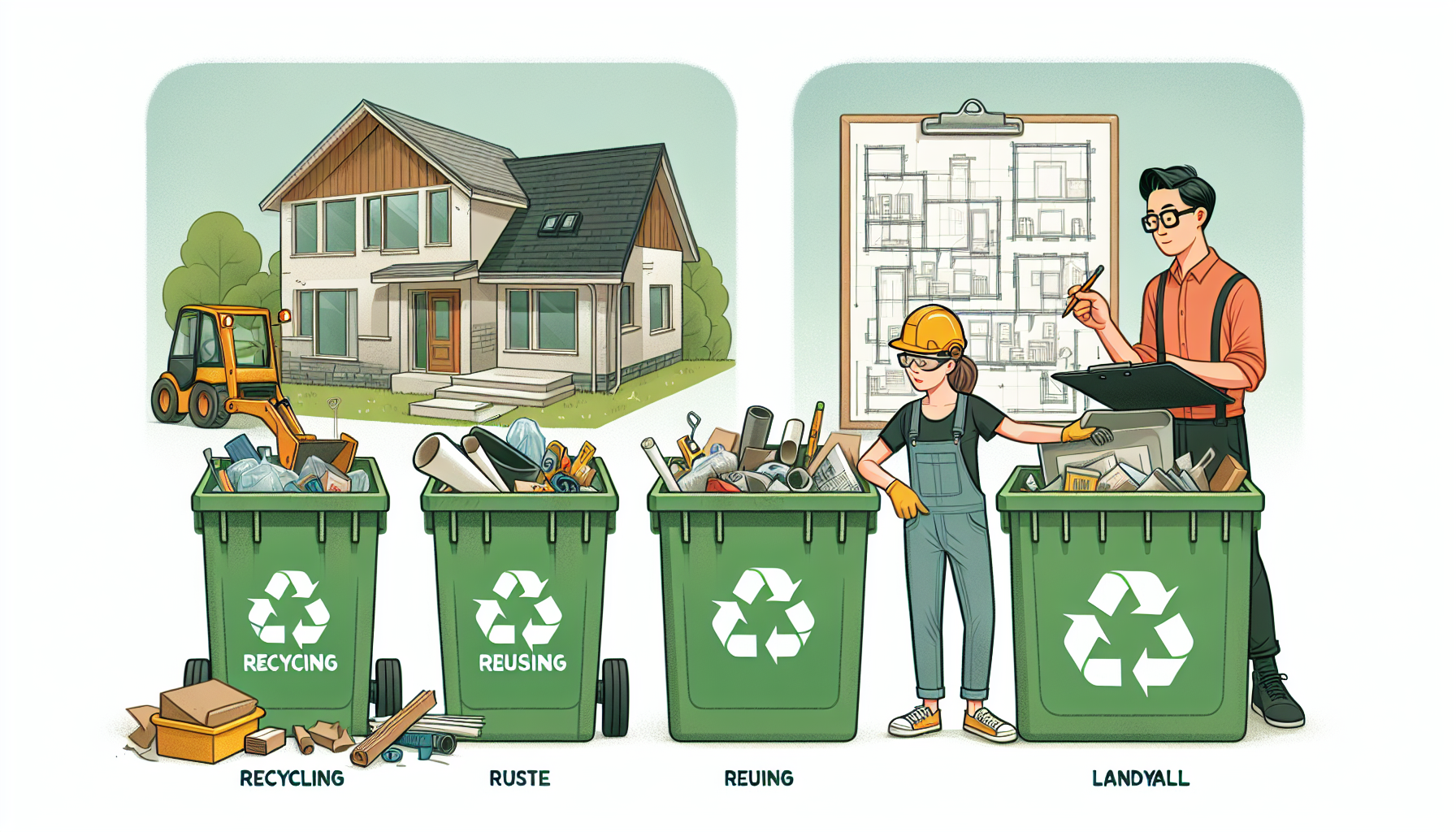
To efficiently manage waste during a home renovation, it’s crucial to set up proper waste sorting stations. Designate specific areas in your home or construction site where each type of waste can be sorted and stored. This ensures that waste is properly segregated, making recycling and disposal easier and more effective.

Sorting Waste into Different Categories

Categorizing waste into different groups is essential for efficient waste management. Common categories include recyclable materials (such as glass, metal, and cardboard), organic waste, hazardous materials, and non-recyclable waste. By sorting waste into these categories, you can streamline the recycling and disposal process, reducing the environmental impact of your renovation.

Using Labeled Containers or Bins

To aid in the sorting and segregation process, it’s helpful to use labeled containers or bins. Clearly marking each container with its respective waste category ensures that everyone involved in the renovation understands where each type of waste should be placed. This promotes consistency and accuracy in waste sorting and makes recycling efforts more successful.

How Do I Manage Waste Efficiently During A Home Renovation?

This image is property of images.unsplash.com.

Recycling Opportunities

Research Local Recycling Centers

As part of your waste management plan, research local recycling centers that accept construction and demolition waste. These centers have the expertise and facilities to handle different types of waste materials efficiently. By identifying the recycling centers in your area, you can ensure that recyclable materials from your renovation project are diverted from landfills and repurposed appropriately.

Identify Recyclable Materials in the Project

Before starting your renovation, take stock of the materials that will be replaced or removed. Identify the recyclable materials among them, such as metals, plastics, cardboard, and glass. Knowing which materials can be recycled allows you to prioritize the proper handling and sorting of these items, increasing the overall recycling rate of your renovation project.

Properly Prepare Materials for Recycling

To maximize the efficiency of recycling efforts, it’s crucial to properly prepare recyclable materials before sending them off to recycling centers. Clean and separate materials into their respective waste categories, removing any contaminants such as adhesives or coatings. This ensures that the materials are in the best condition for recycling, increasing the likelihood of successful recycling.

Disposal of Non-Recyclable Waste

Properly Bag and Secure Non-Recyclable Waste

While recycling is a priority during a home renovation, there may still be non-recyclable waste that needs to be disposed of properly. Ensure that this waste is securely bagged and sealed to prevent any leakage or littering during transportation. Proper containment minimizes the potential environmental impact and ensures safe handling by waste removal professionals.

Arrange for Professional Waste Removal

To properly dispose of non-recyclable waste, it’s crucial to arrange for professional waste removal services. Contact waste management companies in your area to inquire about their disposal procedures and schedules. They have the expertise and resources to handle and dispose of non-recyclable waste in compliance with local regulations, ensuring that it is handled responsibly and safely.

Follow Local Regulations for Disposal

When disposing of waste from your renovation, it’s essential to follow local regulations and guidelines for waste disposal. Different jurisdictions have specific requirements for the disposal of various types of waste, including non-recyclable materials. By adhering to these regulations, you can avoid fines or penalties and contribute to the responsible management of waste in your community.

How Do I Manage Waste Efficiently During A Home Renovation?

This image is property of images.unsplash.com.

Reducing Hazardous Waste

Identify and Handle Hazardous Materials Safely

During a home renovation, it’s common to encounter hazardous materials such as asbestos, lead-based paint, or certain chemicals. Safely identifying and handling these materials is crucial to protect your health and the environment. Consult professionals or experts in hazardous materials management to ensure proper handling, containment, and removal of these substances.

Dispose of Hazardous Waste Properly

Hazardous waste must never be discarded with regular household waste or poured down drains. It requires special handling and disposal procedures to minimize the risk of contamination. Contact hazardous waste management facilities or local authorities to inquire about drop-off locations or collection services for hazardous materials.

Consider Safer Alternatives for Materials

When planning your home renovation, consider utilizing safer alternatives for materials to reduce the generation of hazardous waste. For example, opt for environmentally-friendly paints or non-toxic cleaning products. By selecting these alternatives, you can minimize the need for hazardous material handling and disposal, promoting a healthier and more sustainable renovation.

Composting Organic Waste

Collecting and Separating Organic Waste

During a home renovation, organic waste such as food scraps, yard trimmings, and plant debris can be collected separately for composting. Implement a system to effectively collect and separate this waste from other materials. Utilize designated containers and clearly label them to ensure that organic waste is properly segregated and set aside for composting.

Creating a Home Composting System

If you have space available and are willing to invest the time and effort, consider creating a home composting system. Composting organic waste not only reduces landfill waste but also produces nutrient-rich soil amendments for your garden or plants. Familiarize yourself with the appropriate composting methods and best practices to ensure successful decomposition and composting.

Utilizing Municipal Composting Programs

If creating a home composting system is not feasible for you, research municipal composting programs available in your area. Many cities and towns offer composting services where you can drop off your organic waste for centralized composting. Participating in these programs allows you to divert organic waste from landfills and contribute to the production of valuable compost that benefits the environment.

How Do I Manage Waste Efficiently During A Home Renovation?

Safe Handling of Construction Debris

Use Protective Gear When Handling Debris

When handling construction debris during a home renovation, it’s vital to prioritize safety. Use appropriate personal protective equipment (PPE) such as gloves, safety goggles, and respiratory masks to minimize the risk of injury or exposure to hazardous materials. Safety should always be a top priority to ensure a successful and safe renovation experience.

Properly Secure and Transport Debris

Ensure that construction debris is properly secured and contained before transporting it to disposal or recycling facilities. This prevents debris from spilling or scattering, reducing the potential hazards and environmental impact during transport. Use sturdy containers or bins and securely fasten them to minimize the risk of accidents and littering.

Avoid Illegal Dumping or Littering

Illegal dumping or littering is harmful to the environment and can result in severe penalties. Always dispose of construction debris responsibly by choosing authorized waste disposal sites or recycling centers. By adhering to legal and ethical disposal practices, you contribute to a cleaner and healthier environment for all.

Conclusion

With proper planning and waste management strategies, you can effectively minimize the environmental impact of your home renovations. Assessing the scope of the renovation, creating a waste management plan, and identifying recycling and disposal options are crucial initial steps. As you progress, focus on minimizing waste generation through reuse, donation, and alternative demolition methods. Implement efficient waste sorting stations, research local recycling centers, and comply with regulations for proper waste disposal. Reduce hazardous waste by handling materials safely, disposing of them appropriately, and considering safer alternatives. Composting organic waste and handling construction debris in a safe and responsible manner further contribute to an environmentally-conscious renovation. By incorporating these practices into your home renovation project, you can make a positive impact, not just on your living space but also on the world around you.

How Do I Manage Waste Efficiently During A Home Renovation?

How Do I Navigate A Rental Property In A Flood Or Disaster-prone Area?

Living in a flood or disaster-prone area can be challenging, especially when it comes to renting a property. With the rise in climate-related incidents, it’s crucial to know how to navigate through these circumstances. From understanding insurance coverage to taking precautionary measures, this article will provide you with tips and advice on how to safely navigate a rental property in such areas, ensuring your peace of mind and security.

Prepare before renting a property in a flood or disaster-prone area

When considering renting a property in a flood or disaster-prone area, it is essential to be prepared and informed. Researching the area’s flood and disaster history is crucial to understanding the potential risks you may face. Look into past incidents, such as floods, hurricanes, or earthquakes, and gather information on how the area has recovered from these events. This will give you an idea of the frequency and severity of disasters in the area, allowing you to make an informed decision.

Another important step is to check with local authorities for flood zones. Flood maps and zoning information are typically available through local government websites or by contacting the relevant department in your area. By understanding the flood zones, you can assess the risk level of different areas and make an informed decision about which parts of the neighborhood to consider for renting a property.

Considering the property’s construction and elevation is also crucial. Look for properties built with disaster-resistant features, such as elevated foundations, reinforced walls, or impact-resistant windows. These features can greatly reduce damage and increase your safety during a disaster. Higher elevation properties are generally less prone to flooding, so keep that in mind when choosing a rental property.

Understanding insurance options

When renting a property in a flood or disaster-prone area, reviewing both the landlord’s insurance coverage and considering purchasing renter’s insurance is crucial. Start by inquiring about the landlord’s insurance coverage and understanding what it includes. This will help you determine what damages or losses are covered by the landlord and what you might be responsible for in case of a disaster. Knowing this information can help you plan and budget accordingly.

However, it is highly recommended to purchase renter’s insurance to protect your personal belongings. Renter’s insurance typically covers damages to your belongings caused by disasters such as floods, fires, or other covered perils. Ensure that the renter’s insurance policy you choose includes coverage for flood or disaster-related damages specifically, as not all policies automatically provide this coverage. Renter’s insurance will provide you with financial protection in case of unforeseen circumstances, giving you peace of mind.

How Do I Navigate A Rental Property In A Flood Or Disaster-prone Area?

This image is property of images.unsplash.com.

Assessing the property’s flood readiness

Before finalizing your decision to rent a property in a flood or disaster-prone area, it is essential to assess the property’s flood readiness. Start by inspecting the property’s drainage system. Ensure that the gutters and downspouts are clear of debris and properly functioning to prevent water accumulation. Adequate drainage can help minimize the risk of flooding and water damage to the property.

Additionally, check if the property has a sump pump. A sump pump is a device that helps remove water if the property’s basement or lower level becomes flooded. If the property has a sump pump, ensure that it is in good working condition and regularly maintained. This can prevent significant water damage to the property and reduce the risk of mold growth.

Lastly, evaluate the condition of the basement or lower levels. Look for signs of water damage, such as dampness, mold, or stains. If there are any visible issues, discuss them with the landlord before renting the property. It is important to ensure that the property has been properly waterproofed and that any previous water damage has been addressed.

Creating an emergency plan

Preparing for emergencies is crucial when renting a property in a flood or disaster-prone area. Having an emergency plan in place can help you stay safe during a crisis. Start by identifying evacuation routes in your area. Familiarize yourself with the routes and make sure you know where to go in case you need to evacuate. Keep in mind that during floods or other disasters, certain roads or bridges may be inaccessible, so having multiple evacuation routes is advisable.

Establishing a communication plan with your landlord is also important. Ensure that you have their contact information readily available, as well as alternative methods of communication in case regular phone lines are down. Discuss with them how you will stay in touch during emergencies and what steps will be taken to ensure your safety. Open and clear communication will help both parties work together effectively in case of a disaster.

In addition to communication, it is essential to prepare an emergency supply kit. This kit should include essentials such as food, water, medication, first aid supplies, flashlights, batteries, and important documents. Keep the kit in an easily accessible location, and make sure it is regularly updated and stocked. Being prepared and having the necessary supplies readily available can make a significant difference in ensuring your safety during a flood or disaster.

How Do I Navigate A Rental Property In A Flood Or Disaster-prone Area?

This image is property of images.unsplash.com.
Protecting your personal belongings

Protecting your personal belongings is a vital consideration when renting a property in a flood or disaster-prone area. Elevating or securing valuable items is a practical step to prevent or minimize damage. Consider placing valuable items on higher shelves or using secure wall mounts to keep them off the ground. This can help protect them from potential flooding or other disasters.

Investing in waterproof storage solutions is another excellent way to safeguard your belongings. You can purchase waterproof containers or bags to store important documents, electronics, or sentimental items. These containers will provide an additional layer of protection against water damage and can be easily accessed during emergencies.

Furthermore, making digital copies of important documents is a smart precaution. Scan or take photographs of documents such as identification cards, insurance policies, and lease agreements. Store these digital copies in a secure cloud-based service or on an external hard drive. In case physical copies are damaged during a disaster, digital copies will be easily accessible and help in the recovery process.

During a flood or disaster

During a flood or disaster, staying informed about weather updates is crucial. Keep a battery-powered or hand-cranked radio that can receive emergency alerts. Pay attention to local news, emergency broadcasts, or updates from official sources to stay informed about the situation. This knowledge will help you make informed decisions regarding your safety.

If authorities issue evacuation orders, it is essential to follow them promptly. Evacuation orders are issued to prioritize your safety, and it is crucial to comply with them to avoid unnecessary risks. Have a plan in place and know where you will go if you need to evacuate. Remember to bring essential items, such as your emergency supply kit and important documents, with you.

During a flood or disaster, document any damages or issues that occur. Take photographs or videos of the property’s condition to provide evidence for insurance claims or discussions with the landlord. This documentation is essential in ensuring that you are fairly compensated for any losses or damages you may experience.

How Do I Navigate A Rental Property In A Flood Or Disaster-prone Area?

This image is property of images.unsplash.com.

After a flood or disaster

After a flood or disaster, it is important to promptly contact the landlord or property manager. Inform them about the situation and provide details of any damages or issues you have observed. This will allow them to assess the situation and initiate the necessary steps for repairs or cleanup. Open communication is key to ensuring that the property is restored in a timely manner.

Assessing the safety and sanitation of the property is another crucial step. If the property has been significantly damaged, it may not be safe to return until it has been thoroughly inspected and deemed habitable by professionals. Pay attention to any potential safety hazards such as structural damage, exposed wiring, or signs of mold growth. If you have any concerns, discuss them with the landlord to ensure that the necessary repairs are carried out appropriately.

Evaluate the need for professional cleanup or repairs. Depending on the severity of the damages, it may be necessary to hire professionals for cleanup, mold remediation, or other repairs. Discuss this with the landlord and insurance providers to determine the best course of action. Promptly addressing cleanup and repairs will help minimize additional damage and ensure the property returns to its pre-disaster condition.

Knowing your rights and responsibilities

As a tenant in a rental property, it is crucial to understand your lease agreement and be aware of your rights and responsibilities in disaster situations. Review your lease agreement carefully to determine what is outlined regarding flood or disaster-related issues. Some leases may have specific clauses, such as tenants being responsible for certain damages, even those caused by natural disasters. Understanding these clauses will help you navigate the aftermath of a flood or disaster.

It is also important to familiarize yourself with tenant rights in disaster situations. Different jurisdictions may have specific regulations or protections in place for tenants affected by disasters. Research and understand the legal framework in your area to ensure that your rights as a tenant are upheld during challenging times.

If you have any concerns or questions regarding your rights and responsibilities, discuss them with the landlord. Open communication and dialogue can help address any confusion or ambiguities, ensuring that both parties are on the same page and working cooperatively towards resolving any issues.

How Do I Navigate A Rental Property In A Flood Or Disaster-prone Area?

Seeking assistance and support

In the aftermath of a flood or disaster, seeking assistance and support is essential. Contact local disaster relief organizations to inquire about available resources or support services they offer. These organizations can provide valuable guidance and assistance in the recovery process, helping you access the necessary resources to rebuild your life after a disaster.

Exploring government assistance programs is also advisable. Depending on the nature and severity of the disaster, there may be federal or state programs designed to support individuals affected by such events. These programs can provide financial assistance, temporary housing options, or other forms of support. Researching and applying for these programs can help alleviate some of the burdens you may face.

Lastly, consider seeking counseling or joining support groups if needed. Recovering from a flood or disaster can be a traumatic experience, and emotions may run high during this time. Professional counselors or support groups can provide a safe space to discuss your feelings, fears, and concerns with others who have gone through similar experiences. Taking care of your emotional well-being is as important as addressing the physical aspects of recovery.

Considering alternative housing options

If you find that the rental property you are living in is no longer suitable or safe after a flood or disaster, it may be necessary to consider alternative housing options. Discuss the possibility of temporary relocation with your landlord. In some cases, landlords may have other vacant properties that they can offer as temporary accommodation until repairs are completed.

Exploring short-term rental options is another viable choice. Look for furnished apartments or rental properties that offer flexible terms. These rentals can provide a temporary home while you assess the situation and search for a more long-term relocation possibility.

Considering long-term relocation possibilities should also be on your radar. If the rental property you are in is repeatedly exposed to flood or disaster risks, it may be in your best interest to find a more permanent housing solution in a safer area. Consult with real estate agents or do thorough research to understand your options and find a property that meets your needs while minimizing the risks associated with future disasters.

By following these guidelines and taking the necessary precautions, you can navigate renting a property in a flood or disaster-prone area with confidence. Preparation and knowledge are key to ensuring your safety, protecting your belongings, and effectively managing any challenges that may arise in the face of adversity. Stay informed, communicate openly with your landlord, and know your rights as a tenant. With careful planning, you can find a rental property that meets your needs and provides a secure living environment, even in areas prone to floods or disasters.

How Do I Navigate A Rental Property In A Flood Or Disaster-prone Area?

What Are The Best Water-saving Fixtures For My Bathroom?

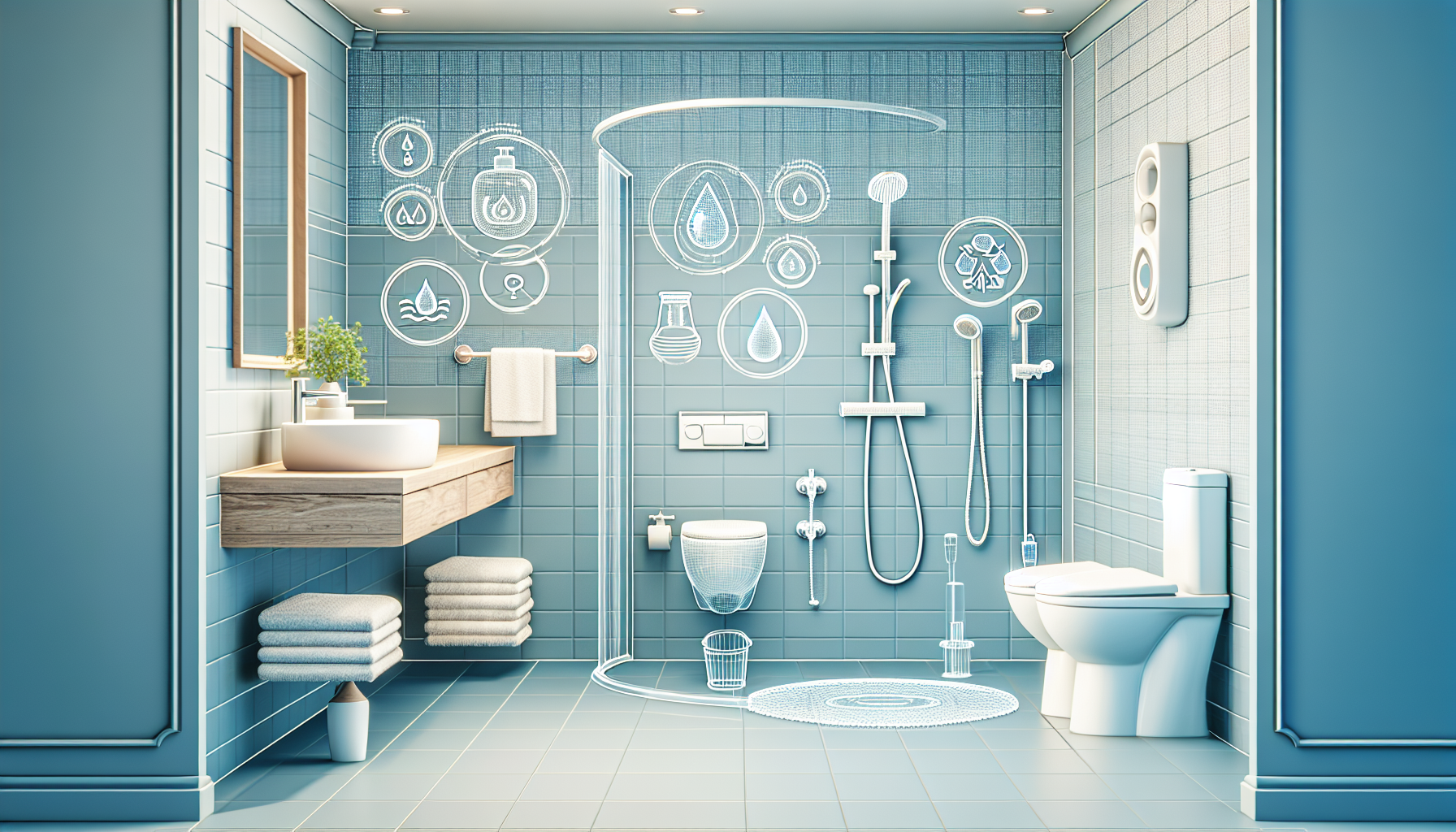
If you’re looking to make your bathroom more eco-friendly and reduce your water consumption, you may be wondering what the best water-saving fixtures are for your space. From low-flow toilets to aerating showerheads, there are several options available that can help you conserve water without sacrificing performance. In this article, we’ll explore some of the top water-saving fixtures that can transform your bathroom into a sustainable oasis, ensuring both an eco-friendly and enjoyable experience for you and your family. Say goodbye to wasteful water habits and hello to a greener future by implementing these efficient fixtures in your bathroom. When it comes to conserving water in your bathroom, installing water-saving fixtures is a great place to start. By making simple changes to your toilet, shower, faucet, bathtub, sink, urinal, bidet, and even incorporating smart technology, you can significantly reduce your household’s water consumption and contribute to a greener future. In this article, we will explore the best water-saving fixtures available in each category to help you make informed choices for your bathroom.

What Are The Best Water-saving Fixtures For My Bathroom?

This image is property of images.pexels.com.

Toilet Fixtures

Low-flow toilets

Low-flow toilets are designed to use less water per flush compared to traditional toilets. These modern fixtures typically utilize innovative flushing technologies, such as dual-flush or pressure-assisted mechanisms, to effectively remove waste while minimizing water usage. By replacing your old toilet with a low-flow model, you can significantly reduce water wastage and lower your monthly water bills.

Dual-flush toilets

Dual-flush toilets provide two flushing options, allowing you to choose between a low-volume flush for liquid waste and a high-volume flush for solid waste. This flexibility gives you greater control over your water usage and ensures that you are not using more water than necessary for every flush. Dual-flush toilets are an excellent option for those who value water conservation without compromising on functionality.

Waterless toilets

For a truly eco-friendly toilet solution, waterless toilets are worth considering. These innovative fixtures use composting or incineration systems to break down waste, eliminating the need for water flushing altogether. Not only do waterless toilets save significant amounts of water, but they also offer an alternative solution for areas with limited access to water or for those looking to reduce their environmental impact further.

Shower Fixtures

Low-flow showerheads

Switching to low-flow showerheads is an effective way to conserve water without sacrificing your shower experience. These fixtures are designed to restrict water flow while maintaining adequate pressure, making them highly efficient. By reducing the amount of water used during showers, low-flow showerheads help to minimize water wastage and reduce your energy consumption associated with heating water.

Aerating showerheads

Aerating showerheads work by mixing air with water, creating a gentle and refreshing spray that can make your showers more enjoyable while still saving water. These fixtures use less water per minute compared to standard showerheads but provide the same level of comfort and functionality. With an aerating showerhead, you can reduce water usage in your bathroom without compromising on your showering experience.

Rainfall showerheads

If you prefer a luxurious and immersive shower experience, rainfall showerheads are a popular choice. These fixtures simulate the sensation of standing under a gentle rain shower, providing a soothing and spa-like experience. While rainfall showerheads tend to use slightly more water, opting for a low-flow or water-saving model can still help conserve water while adding a touch of elegance to your bathroom.

Faucet Fixtures

Low-flow faucets

Upgrading to low-flow faucets is an excellent way to reduce water waste in your bathroom sink. These fixtures are designed to limit the flow rate of water without compromising water pressure, allowing you to perform daily tasks like handwashing and teeth brushing efficiently while conserving water. With low-flow faucets, you can significantly reduce your water usage and contribute to a more sustainable future.

Sensor-activated faucets

Sensor-activated faucets, also known as touchless or automatic faucets, provide a convenient and hygienic solution for your bathroom. These fixtures feature motion sensors that detect when your hands are near the faucet, automatically turning the water on and off. This hands-free operation not only helps reduce water wastage but also minimizes the spread of germs and promotes better hygiene in your bathroom.

Aerator faucets

Aerator faucets are another water-saving option for bathroom sinks. These fixtures incorporate an aerator, which is a small device that mixes air with the water stream, reducing water flow while maintaining adequate pressure. By adding an aerator to your faucet, you can achieve a steady and consistent water flow while consuming less water, ultimately lowering your water bills and conserving this precious resource.

Bathtub Fixtures

Low-flow bathtub faucets

If you enjoy taking baths but want to be mindful of your water usage, installing a low-flow bathtub faucet is an ideal choice. These fixtures are specifically designed to limit the amount of water flowing into your bathtub, allowing you to indulge in a relaxing soak while still conserving water. With a low-flow bathtub faucet, you can enjoy a luxurious bath experience without the guilt of excessive water consumption.

Water-saving bathtub liners

For those who prefer showers over baths but occasionally want to indulge in a quick soak, water-saving bathtub liners are a fantastic solution. These liners fit snugly into your bathtub, reducing its capacity and minimizing the amount of water required for a satisfying soak. With a water-saving bathtub liner, you can enjoy a refreshing bath while saving on water usage and reducing your environmental footprint.

What Are The Best Water-saving Fixtures For My Bathroom?

This image is property of images.pexels.com.

Sink Fixtures

Low-flow sink faucets

Similar to low-flow faucets for bathroom sinks, low-flow sink faucets are designed to conserve water while performing everyday tasks such as handwashing and dishwashing. These fixtures limit the flow rate of water without compromising functionality, allowing you to complete your tasks efficiently while reducing water wastage. Upgrading to low-flow sink faucets is a simple yet effective way to save water in your bathroom.

Pedal-controlled faucets

Pedal-controlled faucets offer a hands-free and convenient option for your bathroom sink. These fixtures feature a pedal mechanism that allows you to control the flow of water using your foot, minimizing the need to manually turn the faucet on and off. This not only helps conserve water but also promotes better hygiene by reducing the spread of germs through touch. Pedal-controlled faucets are a practical and eco-friendly choice for any bathroom.

Self-closing faucets

Self-closing faucets, also known as metering faucets, are designed to automatically shut off after a predetermined amount of time. These fixtures are commonly found in public restrooms, but they can also be installed in residential bathrooms. Self-closing faucets help prevent water wastage by ensuring that the water flow stops promptly after use, reducing the chances of leaving the faucet running unintentionally.

Urinal Fixtures

Waterless urinals

Waterless urinals provide an innovative and eco-friendly solution for reducing water usage in commercial and residential settings. These fixtures use advanced technology, such as replaceable cartridges or trap systems, to capture urine without the need for water flushing. By eliminating water from the equation, waterless urinals not only save significant amounts of water but also reduce water and sewage treatment costs.

Hybrid urinals

Hybrid urinals are a blend of waterless and conventional urinals, offering a flexible and customizable solution for water conservation. These fixtures typically have two flushing options: waterless mode and water-saving mode. In the water-saving mode, only a small amount of water is used for flushing, significantly reducing water consumption compared to older urinals. Hybrid urinals provide an excellent transition for those not ready to adopt completely waterless options.

Smart urinals

Smart urinals represent the latest advancement in urinal technology, integrating sensors and automation to optimize water usage. These fixtures can detect usage patterns and adjust flushing accordingly, ensuring that only the necessary amount of water is used for each flush. By harnessing smart technology, smart urinals offer a precise and efficient way to minimize water waste in public restrooms and other high-traffic areas.

What Are The Best Water-saving Fixtures For My Bathroom?

This image is property of images.pexels.com.

Bidet Fixtures

Hydro-powered bidet attachments

Hydro-powered bidet attachments offer a water-saving alternative to traditional bidets. These attachments connect to your existing toilet and use the water pressure from the supply line to create a gentle and effective cleansing stream. Hydro-powered bidet attachments provide a hygienic and eco-friendly option for personal hygiene while minimizing the consumption of toilet paper and reducing water consumption.

Dual-nozzle bidet attachments

Dual-nozzle bidet attachments provide a versatile and customizable cleansing experience. These attachments feature two separate nozzles, one for posterior cleansing and another for feminine cleansing, ensuring comprehensive cleanliness for different individual needs. By incorporating dual-nozzle bidet attachments into your bathroom, you can reduce your reliance on toilet paper while saving water and promoting personal hygiene.

Greywater System Fixtures

Greywater toilet flushing systems

Greywater toilet flushing systems offer a practical and eco-friendly way to utilize greywater for flushing purposes. These systems capture and filter wastewater from sources such as bathroom sinks, showers, and washing machines, redirecting the treated water to your toilet’s flushing mechanism. Greywater toilet flushing systems allow you to maximize the use of recycled water, reducing your reliance on fresh water for toilet flushing.

Greywater diverters for faucets

Greywater diverters for faucets redirect water from your bathroom sink or bathtub to an alternative usage, such as flushing toilets or irrigating plants. These diverters capture and filter greywater, ensuring that only clean water is directed to the chosen outlet. By incorporating greywater diverters into your bathroom, you can make use of otherwise wasted water and contribute to water conservation efforts.

Greywater recycling systems

Greywater recycling systems provide a comprehensive solution for reusing water from various sources in your home. These systems capture, treat, and store greywater, making it available for non-potable uses such as toilet flushing, irrigation, and even laundry. By recycling greywater, you can significantly reduce your household’s water consumption while simultaneously reducing the strain on freshwater resources.

What Are The Best Water-saving Fixtures For My Bathroom?

Smart Technology Fixtures

Smart shower systems

Smart shower systems combine cutting-edge technology with water-saving features to provide an enhanced shower experience while conserving water. These systems can include features such as temperature control, flow rate monitoring, and personalized settings, allowing you to customize your showers according to your preferences while minimizing water and energy wastage. With smart shower systems, you can enjoy a luxurious shower while being environmentally conscious.

Smart faucets

Smart faucets, similar to their sensor-activated counterparts, incorporate technology to optimize water usage in your bathroom sink. These fixtures often feature touchless operation, automatic shut-off, and customizable flow rates to suit your needs. With smart faucets, you can seamlessly control water flow and reduce waste, all while enjoying the convenience and hygiene benefits provided by modern technology.

Smart toilets

Smart toilets revolutionize the bathroom experience by integrating advanced features such as self-cleaning, heated seats, bidet functionality, and efficient flushing mechanisms. These fixtures often include sensors and automation to optimize water usage, ensuring that only the required amount of water is used for each flush. By upgrading to a smart toilet, you can enjoy the ultimate in hygiene, comfort, and water-saving capabilities.

Additional Water-saving Accessories

Water-saving toilet flappers

Replacing your toilet’s flapper with a water-saving model is a simple yet effective way to conserve water. Water-saving toilet flappers are designed to prevent leaks and reduce the amount of water wasted during each flush. By ensuring a tight seal and proper functioning of your toilet flapper, you can significantly reduce water waste and avoid unnecessary and costly water bills.

Flow restrictors for faucets

Flow restrictors are small devices that limit the amount of water flowing through your faucets, reducing water usage without compromising functionality. These accessories can be easily installed on existing faucets, regulating the flow rate to a desirable and water-saving level. By incorporating flow restrictors in your bathroom, you can control water consumption and contribute to sustainable water management.

Leak detection devices

Leak detection devices are invaluable tools for identifying and resolving water leaks in your bathroom. These devices can be placed near faucets, toilets, and showerheads, monitoring the water flow and detecting any irregularities that may indicate a leak. By promptly addressing leaks, you can avoid water wastage, prevent potential water damage, and save money on your water bills.

In conclusion, choosing water-saving fixtures for your bathroom is an excellent way to conserve water and contribute to a more sustainable future. Whether you opt for low-flow toilets, aerating showerheads, smart faucets, or any other water-saving fixtures mentioned in this article, each choice will make a difference in reducing your household’s water consumption. By adopting these fixtures and incorporating additional water-saving accessories, you can create an eco-friendly bathroom environment while enjoying the benefits of modern technology and personal comfort. Start your journey towards a water-conscious lifestyle today by exploring the wide range of water-saving fixtures available for your bathroom.

What Are The Best Water-saving Fixtures For My Bathroom?

What Are The Essential Elements Of A Tenant Exit Checklist?

Moving out of a rented property can be a stressful and overwhelming process, especially when it comes to ensuring that all necessary tasks are completed before handing over the keys. To ease this transition, a tenant exit checklist serves as a crucial tool to guide tenants through the process and ensure that they fulfill their responsibilities. From cleaning and repairs to returning keys and canceling utilities, this article explores the essential elements that should be included in a comprehensive tenant exit checklist. By following these guidelines, tenants can make their move-out experience smoother and leave a positive impression on their landlords.

1. Security Deposit

Moving out of a rental property can be an exciting and sometimes stressful time. One important aspect to consider is the security deposit, which is typically collected at the beginning of your lease and held by your landlord as a form of financial protection. The security deposit is intended to cover any potential damages or outstanding rent owed when you move out. In this section, we will cover two key areas related to the security deposit: the refund of the deposit and deductions that may be made from it.

1.1 Refund of Security Deposit

When you are preparing to move out, it’s natural to wonder when and how you will receive your security deposit back. Typically, your landlord is required to return your security deposit within a certain timeframe, which may vary depending on local laws. It’s important to review your lease agreement or consult your local tenancy laws to understand the specific timeline.

Typically, the refund process starts with a thorough inspection of the rental property by your landlord or their representative. This inspection aims to assess any damages beyond normal wear and tear and determine if any deductions need to be made from your security deposit. If there are no significant damages or outstanding rent owed, you can expect to receive your full security deposit back.

1.2 Deductions from Security Deposit

In some cases, deductions may be made from your security deposit to cover repairs or outstanding rent. It’s important to note that deductions should only be made for legitimate reasons and within the limits set by local laws. Common deductions can include costs for repairs due to damages beyond normal wear and tear or unpaid rent.

To ensure transparent and fair deductions, it’s best to communicate with your landlord throughout your tenancy. Document any repairs or maintenance requests you have made and keep a record of any communication related to damages or repairs. By maintaining good communication and taking care of your rental property, you can minimize the risk of deductions from your security deposit and ensure a smoother refund process.

2. Repairs and Maintenance

Maintaining a clean and well-maintained rental property is not only a responsibility, but it can also contribute to a positive rental experience and the return of your security deposit. In this section, we will explore key areas related to repairs and maintenance during the move-out process.

2.1 Cleaning

Cleaning plays a crucial role in the move-out process. It’s important to leave the rental property in a clean and tidy condition, just as it was when you first moved in. Before moving out, perform a thorough cleaning of the entire property, including floors, walls, appliances, and fixtures. Pay special attention to areas that are often overlooked, such as inside cabinets, closets, and behind appliances.

By leaving the rental property in a clean condition, you not only fulfill your obligations as a tenant but also increase the likelihood of receiving your full security deposit back. If cleaning is not your strong suit or you lack the time, consider hiring professional cleaners to ensure a thorough and satisfactory cleaning job.

2.2 Damages and Repairs

During your tenancy, it’s important to promptly report any damages or repairs needed. However, it’s not uncommon for minor damages to occur over time. Before moving out, take the time to assess the condition of the rental property and address any damages that may have occurred during your stay.

If there are damages beyond normal wear and tear, it’s advisable to take responsibility for repairing them. By proactively addressing damages, you can avoid potential deductions from your security deposit and maintain a positive relationship with your landlord.

2.3 Painting and Touch-ups

Painting and touch-ups are often required when moving out of a rental property. Some landlords may require you to repaint the walls in a neutral color or remove any excessive holes or damages caused by hanging artwork or shelves. It’s important to review your lease agreement or consult your landlord to understand any specific painting requirements.

Before painting or applying touch-ups, make sure to gather the necessary supplies and follow proper painting techniques. If you are uncertain about your painting skills or lack the time, it may be worth considering hiring a professional painter to ensure a high-quality result.

What Are The Essential Elements Of A Tenant Exit Checklist?

This image is property of images.pexels.com.

3. Utilities and Services

As you prepare to move out, it’s important to handle any necessary transfers, cancellations, or disconnections related to utilities and services. Failing to do so can lead to unnecessary charges or complications during the move-out process. In this section, we will explore two key areas related to utilities and services: utility transfers and cancellations, and service disconnections.

3.1 Utility Transfers and Cancellations

Before moving out, you should initiate the process of transferring or cancelling utilities in your name. Contact the utility providers, such as electricity, gas, water, and internet service providers, to inform them about your upcoming move and provide them with the necessary details, such as your move-out date and forwarding address. This allows them to update their records accordingly.

In some cases, utility transfers may involve transferring the account to a new tenant or the landlord. Ensure that all necessary paperwork or online forms are completed promptly to avoid any disruptions in utility services. Keep a copy of all communication and confirmation of your utility transfers or cancellations as documentation for future reference.

3.2 Service Disconnections

In addition to transferring or cancelling utilities, it’s important to consider other services that may need to be disconnected. This may include services such as cable or satellite television, security systems, or home phone lines. Similar to utility transfers, contact the respective service providers to inform them about your move and arrange for disconnections or transfers as necessary.

Make sure to return any equipment or devices provided by the service providers to avoid potential charges or fees. Keep records of all communication and confirmation of service disconnections to ensure a smooth and hassle-free process.

4. Rental Payments

Rental payments are a fundamental aspect of your tenancy and must be settled before moving out. It’s important to ensure that all outstanding rent payments are made to avoid complications and potential deductions from your security deposit. In this section, we will explore two key areas related to rental payments: outstanding rent payments and the return of prepaid rent.

4.1 Outstanding Rent Payments

Before moving out, it’s crucial to review your rental payment history and ensure that all outstanding rent payments have been made. If you have any doubts or concerns about the status of your rental payments, consult your lease agreement or contact your landlord for clarification.

Failing to settle outstanding rent payments can not only result in legal consequences but also lead to deductions from your security deposit. Keep records of all payment receipts or documents to provide proof of payment if necessary. By prioritizing the settlement of outstanding rent payments, you can leave on good terms and maintain a positive rental history.

4.2 Return of Prepaid Rent

In some cases, tenants may have prepaid rent for a certain period ahead. If you have prepaid rent that extends beyond your move-out date, it’s essential to discuss this with your landlord. Depending on the circumstances, your landlord may either refund the prepaid rent for the unused period or adjust the final rent payment accordingly.

Maintain open and clear communication with your landlord to ensure a fair and transparent resolution regarding any prepaid rent. Keeping documentation of your prepaid rent and any agreements made with your landlord can help avoid misunderstandings or disputes.

What Are The Essential Elements Of A Tenant Exit Checklist?

This image is property of images.pexels.com.

5. Keys and Access

Handing over keys and addressing access changes are crucial elements of the move-out process. It’s important to ensure a smooth transition and protect the security and privacy of both yourself and future occupants of the rental property. In this section, we will explore two key areas related to keys and access: the return of keys and access changes.

5.1 Return of Keys

Before moving out, make sure to gather all the keys or access devices provided to you during your tenancy. This may include keys for the main entrance, mailbox, or any additional access devices such as key fobs or security codes. Set a reminder to return these items to your landlord or their designated representative on or before your move-out date.

Returning all keys and access devices allows your landlord to maintain control over the property and ensure the safety and security of the rental unit. Keep a record of the date and time of key return, as well as any confirmation or receipts provided by your landlord.

5.2 Access Changes

When moving out, it’s important to inform your landlord of any access changes that may be required. This can include providing information about any new locks or security measures you have installed during your tenancy or changing security codes or passwords for existing systems.

Ensure that any changes made are communicated clearly to your landlord to avoid any potential issues with future occupants or property managers. Your landlord may also require you to provide them with copies of any new access keys or devices for their records.

6. Documentation

Proper documentation is essential throughout the move-out process. By maintaining accurate records and ensuring the return of relevant documents, you can protect yourself and establish a clear timeline of events. In this section, we will explore three key areas related to documentation: the return of the lease agreement, the return of the move-in inspection report, and other relevant documents.

6.1 Return of Lease Agreement

The lease agreement is a crucial document that outlines the terms and conditions of your tenancy. When moving out, it’s important to return a signed and dated copy of the lease agreement to your landlord. This serves as confirmation that you have fulfilled your obligations and officially terminated the lease.

Ensure that you keep a copy of the lease agreement for your own records and reference. This can be useful in case of any future disputes or clarifications regarding the terms of your tenancy.

6.2 Return of Move-in Inspection Report

The move-in inspection report is a document that details the condition of the rental property at the start of your tenancy. It serves as a reference point for assessing damages or changes that may have occurred during your stay. Before moving out, review the move-in inspection report and compare it to the current condition of the property.

If there are any discrepancies or damages that were present before your tenancy, it’s important to highlight them in writing to your landlord. By providing clear and detailed documentation, you can avoid potential disputes or deductions from your security deposit that may arise due to pre-existing damages.

6.3 Other Relevant Documents

In addition to the lease agreement and move-in inspection report, there may be other documents that are relevant to your move-out process. This can include receipts or invoices for repairs or maintenance that you have completed during your tenancy, correspondence with your landlord regarding repairs or concerns, or any other written agreements or notices.

Maintain organized records of these documents and ensure that they are returned to your landlord or kept securely for your own reference. Having a comprehensive set of documents can help support your case in case of any disputes or inquiries after you move out.

What Are The Essential Elements Of A Tenant Exit Checklist?

This image is property of images.pexels.com.

7. Forwarding Address

After moving out, it’s important to update your forwarding address with your landlord or their representative. This allows them to send any future correspondence, including the refund of your security deposit or any other relevant documents. In this section, we will explore the importance of updating your forwarding address.

7.1 Update of Forwarding Address

Providing your landlord with an updated forwarding address ensures that you receive any important documents or communication in a timely manner. This can include your security deposit refund, any potential refund of prepaid rent, or any legal or financial notices related to your tenancy.

Make sure to communicate your updated forwarding address clearly and in writing to your landlord. Double-check the accuracy of the address to avoid any delays or miscommunication. Keep a record of the date and method of communication for your own reference.

8. Final Walkthrough

A final walkthrough is the last inspection of the rental property before you officially move out. It allows you and your landlord to assess the condition of the property, address any final concerns or questions, and ensure a smooth transition. In this section, we will explore two key areas related to the final walkthrough: the final inspection and the walkthrough with the landlord.

8.1 Final Inspection

Before the final walkthrough, it’s important to perform a thorough inspection of the rental property yourself. This allows you to identify any potential issues or concerns that may need to be addressed before your landlord’s inspection. Take note of any damages or repairs that may have arisen during the move-out process or any cleaning tasks that may need to be completed.

By addressing these concerns beforehand, you can increase the likelihood of a smooth final inspection and reduce the risk of any deductions from your security deposit. Take clear and dated photographs or videos to document the condition of the property before you move out.

8.2 Walkthrough with Landlord

The final walkthrough with your landlord provides an opportunity to discuss any remaining questions or concerns and ensure a mutual understanding of the move-out process. Your landlord may use the move-in inspection report as a reference point to assess the condition of the property and compare it to the current state.

During the walkthrough, be open and transparent about any damages or repairs that have occurred during your tenancy. Provide any documentation or evidence to support your claims. By maintaining a positive and cooperative attitude, you can help foster a smooth transition and leave on good terms with your landlord.

What Are The Essential Elements Of A Tenant Exit Checklist?

9. Cleanliness and Condition

Maintaining cleanliness and preserving the condition of the rental property are important aspects of the move-out process. In this section, we will explore two key areas related to cleanliness and condition: cleaning standards and the condition of appliances and fixtures.

9.1 Cleaning Standards

It’s essential to ensure that the rental property is left in a clean and tidy condition before moving out. Cleaning standards may vary depending on individual lease agreements or local laws, so it’s important to consult your lease agreement or contact your landlord for specific guidelines.

Typically, a thorough cleaning includes tasks such as vacuuming or mopping all floors, cleaning windows and surfaces, removing any personal belongings, and sanitizing bathrooms and kitchens. Pay attention to specific areas that are often overlooked, such as inside cabinets, closets, or behind appliances. Following proper cleaning methods and using appropriate cleaning products can help achieve satisfactory results.

9.2 Condition of Appliances and Fixtures

In addition to general cleanliness, it’s important to assess the condition of appliances and fixtures before moving out. Ensure that all appliances are in working order and free from damage, and clean them as necessary. Check whether any light fixtures, faucets, or other fixtures require repair or replacement.

If you notice any damages or malfunctions, it’s best to address them before moving out. This can help prevent any potential deductions from your security deposit and maintain a positive relationship with your landlord.

10. Outstanding Duties

Before officially moving out, it’s important to complete any outstanding duties or tasks related to your tenancy. This ensures a smooth transition and allows you to fulfill all your responsibilities as a tenant. In this section, we will explore key items to complete before moving out.

10.1 Items to Complete before Moving Out

Before moving out, consider the following items that may need to be completed:

  • Remove all personal belongings: Ensure that all personal belongings, including furniture, decorations, and appliances, are removed from the rental property. Dispose of any unwanted items responsibly.

  • Cancel subscriptions or memberships: If you have any subscriptions or memberships tied to the rental property, such as gym memberships or delivery services, make sure to cancel them before moving out.

  • Change your address and update contacts: Notify relevant parties, such as your employer, financial institutions, healthcare providers, and friends and family, about your change of address. Update your contact information as necessary.

  • Complete a change of address with the postal service: Visit your local post office or utilize online services to complete a change of address request. This ensures that your mail is forwarded to your new address.

  • Conduct a final check: Before leaving the rental property, conduct a final check to ensure that you have completed all necessary tasks and left the property in a satisfactory condition. Lock all doors and windows, turn off lights and appliances, and set any necessary alarms or security measures.

By completing these outstanding duties, you can ensure a smoother move-out process and minimize any potential complications or issues during the transition.

In conclusion, the essential elements of a tenant exit checklist include the refund of the security deposit, repairs and maintenance, utilities and services, rental payments, keys and access, documentation, forwarding address, final walkthrough, cleanliness and condition, and outstanding duties. By addressing each of these areas in a timely and thorough manner, you can navigate the move-out process with confidence and leave on good terms with your landlord. Remember to consult your lease agreement and local tenancy laws for specific requirements and guidelines to ensure a smooth and successful transition.

What Are The Essential Elements Of A Tenant Exit Checklist?

How Can I Incorporate Feng Shui Principles Into My Living Space?

Are you looking to create a harmonious and balanced atmosphere in your living space? If so, incorporating feng shui principles might be just what you need. By understanding the ancient Chinese art of arranging objects and living spaces, you can not only enhance the energy flow in your home but also promote a sense of calm and serenity. From decluttering and organizing to arranging furniture and choosing colors, this article will guide you on how to bring the principles of feng shui into your living space and create a peaceful sanctuary that promotes positive energy and well-being.

Clearing the Space

In order to incorporate feng shui principles into your living space, it’s important to start by clearing the space of any clutter. Clutter can create a stagnant and chaotic energy, making it difficult for positive chi to flow freely. Take the time to declutter your living environment, removing any items that are no longer necessary or bring negative energy. By creating a clean and open space, you are allowing for positive energy to enter and circulate throughout your home. So, roll up your sleeves and get ready to tackle that clutter!

Remove Clutter

One of the first steps in feng shui is to remove clutter from your home. As you go through your belongings, be honest with yourself and ask if each item brings you joy and positive energy. If not, it may be time to let go and create space for new opportunities in your life. Remember, a clutter-free environment will allow for the free flow of energy and create a sense of peace and tranquility.

Clear Out Old or Stagnant Energy

In addition to physical clutter, it’s important to clear out any old or stagnant energy in your living space. This can be done through various methods such as smudging with sage, ringing a bell, or using sound therapy. By clearing out old energy, you are creating a fresh and vibrant environment for positive energy to thrive. So, take the time to cleanse your space and invite in new, positive energy.

Open the Windows

Another important step in feng shui is to open the windows and let fresh air circulate throughout your home. Fresh air brings in new energy and helps clear any stagnant or negative energy that may be lingering. By allowing natural light and fresh air to enter your space, you are creating a healthy and uplifting environment. So, throw open those windows and let the energy flow!

Clean and Organize

Lastly, cleaning and organizing your living space is essential in feng shui. A clean and well-organized home represents a clear and focused mind. Take the time to clean your home regularly, keeping surfaces and floors free from dust and dirt. Additionally, create designated storage spaces for your belongings to maintain an organized and clutter-free environment. By keeping your space clean and organized, you are allowing for positive energy to flow freely and create a harmonious living environment.

Arranging Furniture

Once you have cleared and organized your living space, it’s time to consider the arrangement of your furniture. Feng shui principles can help create a harmonious and balanced layout that promotes positive energy flow.

Create a Focal Point

Start by creating a focal point in each room. This can be a fireplace, piece of artwork, or even a beautiful window view. A focal point draws the eye and creates a sense of grounding and stability.

How Can I Incorporate Feng Shui Principles Into My Living Space?

This image is property of images.pexels.com.

Arrange Furniture in a Commanding Position

Next, arrange your furniture in a commanding position. This means positioning key pieces, such as the bed or desk, in a way that allows you to see the door without being directly in line with it. This placement promotes a sense of security and empowerment.

Use Round or Curved Shapes

When selecting furniture, consider incorporating round or curved shapes. These shapes promote a sense of harmony and softness, creating a more inviting and nurturing environment. Avoid sharp or pointed edges, as they can create negative energy.

Allow for Free Flow of Energy

Lastly, ensure that your furniture arrangement allows for a free flow of energy throughout the room. Avoid blocking pathways or creating obstacles that hinder the flow of chi. By allowing energy to move freely, you are promoting a harmonious and balanced living space.

Color Choices

Color choices play a significant role in feng shui, as different colors can evoke specific energies and emotions. Consider the following principles when selecting colors for your living space.

Choose Soothing Colors

When it comes to feng shui, it’s important to choose soothing colors that promote relaxation and tranquility. Soft blues, greens, and neutrals are excellent choices for creating a calming and peaceful environment. These colors can help reduce stress and promote a sense of harmony within your living space.

Consider the Five Elements

In feng shui, the five elements (wood, fire, earth, metal, and water) are essential for creating balance and harmony. Each element is associated with specific colors that can be incorporated into your living space. For example, wood is associated with greens and browns, fire with reds and oranges, earth with yellows and earth tones, metal with whites and grays, and water with blues and blacks. By incorporating the colors of these elements, you can create a well-balanced and harmonious environment.

Balance Yin and Yang

In feng shui, yin and yang represent the balance of feminine and masculine energy. When it comes to color choices, it’s important to balance these energies within your living space. For example, if you have a predominantly yang (masculine) room with dark colors, balance it with yin (feminine) colors such as soft pinks or pastels. Creating a balance of yin and yang colors promotes harmony and creates a sense of unity within your living environment.

How Can I Incorporate Feng Shui Principles Into My Living Space?

This image is property of images.pexels.com.

Use Color to Activate or Calm Energy

Lastly, you can use color to activate or calm energy within your living space. Warm colors such as reds and oranges can be used to activate and energize a room, while cool colors such as blues and greens can be used to calm and relax. Consider the function of each space within your home and choose colors accordingly to create the desired energy and atmosphere.

Lighting

Lighting is an essential aspect of feng shui, as it plays a significant role in creating the desired energy within a space.

Bring in Natural Light

One of the best ways to incorporate feng shui lighting principles is by bringing in natural light. Open your curtains, blinds, or shades during the day to allow sunlight to flood into your home. Natural light not only enhances the energy flow but also uplifts the mood and creates a vibrant and lively atmosphere.

Choose Soft, Diffused Lighting

When it comes to artificial lighting, opt for soft and diffused lighting options. Harsh or overhead lighting can create a harsh and uninviting atmosphere. Instead, choose lamps with soft or frosted shades, as they provide a gentle and warm glow. This type of lighting creates a cozy and soothing ambiance, perfect for relaxation and unwinding.

Minimize Harsh or Overhead Lighting

As mentioned earlier, it’s important to minimize the use of harsh or overhead lighting. These types of lighting can create a disruptive and unbalanced energy within a space. Instead, focus on creating a layered lighting scheme that incorporates a mix of ambient, accent, and task lighting. This allows for flexibility in creating various moods and atmospheres within your living space.

Use Candles or Salt Lamps

To further enhance the energy within your living space, consider incorporating candles or salt lamps. Candles create a warm and intimate atmosphere while adding a natural element to your space. Salt lamps, on the other hand, emit a soft and soothing glow that can help cleanse the energy in your home. Both options add a touch of tranquility and promote a peaceful environment.

Mirrors

Mirrors are a powerful tool in feng shui, as they can be used to reflect and manipulate energy within a space.

How Can I Incorporate Feng Shui Principles Into My Living Space?

This image is property of images.pexels.com.

Place Mirrors Strategically

When placing mirrors in your living space, it’s important to be strategic. Mirrors should be placed in a way that they reflect positive energy and bring light into a room. They can be used to amplify natural light by reflecting it, making a space feel brighter and more expansive. However, be cautious of placing mirrors in a way that they reflect clutter or negative energy, as this can further amplify the negativity within your space.

Avoid Placing Mirrors Facing the Bed

In feng shui, it is generally advised to avoid placing mirrors directly facing the bed. This is believed to create a sense of restlessness and may disrupt the quality of sleep. If you have a mirror in your bedroom, make sure it is not reflecting the bed or any part of your body while you are sleeping.

Use Mirrors to Reflect Positive Energy

Instead, use mirrors strategically to reflect positive energy throughout your living space. Place mirrors in a way that they reflect beautiful views, artwork, or sources of natural light. This will help enhance the energy flow and create a more vibrant and uplifting environment.

Keep Mirrors Clean and Intact

Lastly, make sure to keep your mirrors clean and intact. A dirty or broken mirror can create distorted or stagnant energy within your space. Regularly clean your mirrors to ensure they are reflecting clear and positive energy.

Plants and Natural Elements

Incorporating plants and natural elements into your living space is an excellent way to connect with nature and promote positive energy flow.

Introduce Living Plants

One of the easiest ways to incorporate natural elements is by introducing living plants into your home. Plants not only add a touch of greenery but also release oxygen and improve indoor air quality. Choose plants that have rounded leaves, as these are believed to create a soothing and harmonious energy. Some popular feng shui plants include the snake plant, peace lily, and bamboo palm.

Place Plants in Appropriate Areas

When placing plants in your living space, it’s important to consider their placement according to feng shui principles. Different areas of your home correspond to different aspects of your life, so choose plants that align with your intentions. For example, placing a money plant in the wealth corner of your home can help attract abundance and prosperity.

How Can I Incorporate Feng Shui Principles Into My Living Space?

Incorporate Natural Materials

In addition to plants, consider incorporating other natural materials such as wood, stone, or water features. These materials help create a sense of grounding and balance within your living space. Choose furniture or decor made from natural materials to add texture and promote a connection to the earth.

Bedroom Feng Shui

When it comes to feng shui principles for the bedroom, creating a peaceful and nurturing atmosphere is key.

Position the Bed Correctly

The position of your bed plays a significant role in bedroom feng shui. It is recommended to position the bed against a solid wall that provides support and stability. Avoid placing the bed under a window, as this can disrupt the energy flow and create a sense of restlessness. Additionally, ensure there is a clear pathway around the bed to promote a sense of ease and accessibility.

Create a Peaceful and Nurturing Atmosphere

In the bedroom, focus on creating a peaceful and nurturing atmosphere. Choose soft and soothing colors, such as blues or pastels, to promote relaxation and sleep. Incorporate elements of nature, such as plants or natural materials, to enhance the calming energy. Remove any electronics from the bedroom to create a sanctuary free from distractions. By creating a peaceful and nurturing environment, you are setting the stage for restful sleep and rejuvenation.

Remove Electronics from the Bedroom

In the age of technology, it’s important to create a separation between work and rest. Remove any electronics, such as televisions, computers, or smartphones, from the bedroom. These devices emit electromagnetic frequencies that can interfere with your sleep and disrupt the natural flow of energy within the space. Instead, create a restful sanctuary by focusing on calming elements and promoting relaxation.

Ensure Good Air Quality

Lastly, ensure good air quality in your bedroom. Use natural ventilation whenever possible, opening windows to allow fresh air to circulate. Consider incorporating air-purifying plants, such as aloe vera or peace lilies, to improve the quality of the air you breathe while you sleep. Good air quality promotes a sense of well-being and enhances the overall feng shui of your bedroom.

Home Office Feng Shui

Creating a harmonious and productive home office is essential for your overall well-being and success. Incorporate these feng shui principles to optimize your workspace.

How Can I Incorporate Feng Shui Principles Into My Living Space?

Designate a Specific Workspace

When working from home, it’s important to designate a specific workspace that is separate from your living areas. This helps create a clear boundary between work and personal life, promoting focus and productivity. Avoid working from your bedroom or any high-traffic areas, as these spaces can be distracting and disrupt the flow of energy.

Position the Desk for Success

Positioning your desk in a way that promotes success is key in home office feng shui. Ideally, your desk should be placed in a commanding position, allowing you to see the door while seated. If possible, position your desk so that you have a view of nature or a pleasant wall. This creates a sense of empowerment and fosters positive energy flow within your workspace.

Organize and Declutter Regularly

A cluttered and disorganized workspace can hinder productivity and create a sense of overwhelm. Take the time to regularly declutter and organize your home office. Remove any unnecessary items, file paperwork, and create designated storage spaces. By keeping your workspace clean and organized, you create a clear and focused mind, allowing for better concentration and creativity.

Bring in Elements of Nature

Incorporate elements of nature into your home office to create a sense of balance and harmony. Place a small plant on your desk or nearby to promote natural energy flow and improve indoor air quality. Consider incorporating natural materials, such as wooden desk accessories or stone decor, to add texture and connect with the earth element. These natural elements provide a grounding influence and promote a sense of stability and well-being.

Kitchen Feng Shui

The kitchen is often referred to as the heart of the home, and incorporating feng shui principles can enhance the energy and harmony within this essential space.

Keep the Kitchen Clean and Organized

A clean and organized kitchen is the foundation of good feng shui. Create designated spaces for each kitchen item, ensuring that countertops, cabinets, and drawers are kept tidy. Avoid overcrowding your kitchen with unnecessary gadgets or appliances, as this can create a sense of chaos and hinder the flow of energy.

Balance the Elements in the Kitchen

In feng shui, it’s important to balance the five elements in the kitchen to promote harmony. The kitchen is primarily associated with the fire element due to cooking, so it’s important to balance it with the other four elements. Incorporate earth elements, such as earthenware or natural stone countertops, to create a sense of grounding. Use metal elements, such as stainless steel appliances or utensils, to bring a sense of precision and focus. Finally, introduce water elements, such as a small fountain or a blue color scheme, to promote a sense of calm and flow.

Position the Stove Strategically

The stove holds significant importance in feng shui, representing wealth and abundance. Position your stove in a commanding position, ideally against a solid wall with a clear view of the kitchen entrance. Avoid placing the stove directly across from the sink or refrigerator, as this can create a clash of elements. Additionally, keep your stove clean and in good working condition, as a well-maintained stove promotes positive energy and supports nourishment for you and your family.

Create a Pleasant Dining Area

The dining area in your kitchen should be a welcoming space where the family can gather and enjoy nourishing meals. Choose comfortable seating and create a warm atmosphere with lighting, candles, and soft music. Remove any clutter from the dining table, allowing for a free flow of energy during mealtime. By creating a pleasant dining area, you are encouraging positive energy and enhancing the experience of sharing meals with loved ones.

Bed Placement

The placement of your bed is crucial in promoting restful sleep and a harmonious living environment. Consider these feng shui principles when positioning your bed.

Avoid Placing the Bed Under a Window

When it comes to feng shui, it’s generally advised to avoid placing your bed under a window. This is believed to disrupt the flow of energy and create a sense of restlessness. If your bed is currently positioned under a window, consider moving it to a solid wall for a more grounded and restful sleep.

Position the Bed Against a Solid Wall

Ideally, your bed should be positioned against a solid wall for stability and support. This creates a sense of security and allows for a restful and rejuvenating sleep. However, if it’s not possible to position your bed against a wall, use a sturdy headboard to create a sense of stability and grounding.

Ensure a Clear Pathway Around the Bed

It’s important to have a clear pathway around the bed to promote a healthy and balanced energy flow. Avoid positioning your bed in a cramped or tight space that obstructs movement. Instead, create a sense of openness and spaciousness by allowing for easy access around your bed.

Consider a Bed with a Solid Headboard

A bed with a solid headboard is believed to provide support and stability in feng shui. The headboard represents the element of wood and helps ground the bed, creating a sense of security and protection. If your bed doesn’t have a headboard, consider adding one to enhance the overall feng shui of your bedroom.

Incorporating feng shui principles into your living space can significantly enhance the flow of positive energy and create a harmonious and balanced environment. By following these guidelines for clearing space, arranging furniture, choosing colors, incorporating lighting, using mirrors, adding plants and natural elements, and considering the placement of key elements in specific rooms, you can create a living space that nurtures your mind, body, and spirit. Embrace the principles of feng shui and watch as your home becomes a sanctuary of positive energy and well-being.

How Do I Decide On A Late Fee Policy For Rent Payments?

When it comes to setting a late fee policy for rent payments, it can be overwhelming to figure out the fairest approach for both yourself and your tenants. However, by considering factors such as local laws, market conditions, and your own financial needs, you can come up with a late fee policy that strikes the right balance. In this article, we will explore some key considerations to help you make an informed decision and create a late fee policy that promotes timely rent payments while maintaining a friendly and respectful relationship with your tenants. So, let’s dive in and find the perfect late fee policy for your rental property!

Purpose of a Late Fee Policy

Encouraging on-time payments

A late fee policy serves as a tool to encourage tenants to make their rent payments on time. By imposing a fee for late payments, it creates a financial incentive for tenants to prioritize their rent obligations and submit their payments promptly. This helps to maintain a steady cash flow and ensures that property owners can cover their expenses.

Covering administrative costs

Late fee policies also help property owners cover the additional administrative costs incurred when managing late payments. These costs can include the time spent tracking down late payments, sending reminders, and engaging in collection efforts. By charging a late fee, property owners can recover some of these costs and minimize the impact on their bottom line.

Providing an incentive to pay on time

Late fees can act as a deterrent for tenants who might otherwise delay their rent payments. The prospect of incurring a financial penalty encourages tenants to prioritize their rent obligations and submit their payments by the due date. This creates a culture of prompt payment and reduces the frequency of late payments, benefiting both tenants and property owners.

Consideration of Legal Requirements

State laws and regulations

Property owners must consider the laws and regulations specific to their state when implementing a late fee policy. Each state may have its own rules regarding the maximum allowed late fee amount, grace periods, and other related requirements. It is crucial to ensure that the policy adheres to all applicable laws to avoid potential legal issues.

Local ordinances and rental agreements

In addition to state regulations, property owners should also consider any local ordinances or rental agreements that might impact the late fee policy. Some cities or municipalities may have specific rules or limitations on late fees. Furthermore, rental agreements between the property owner and tenant may outline specific terms related to late payments and associated fees that need to be adhered to.

How Do I Decide On A Late Fee Policy For Rent Payments?

This image is property of images.pexels.com.

Factors to Consider When Setting Late Fees

Industry standards

Property owners should consider the late fee practices commonly followed within their industry. Researching and understanding the average late fee amounts charged by similar properties in the area can provide valuable insights. This information can help property owners set a late fee that is both fair and consistent with the market norms.

Tenant demographics

Consideration of the tenant demographics is essential when determining the late fee amount. Different tenant groups may have varying financial capabilities, and setting a late fee that is too burdensome for a particular demographic may result in increased instances of late payments. Property owners should strike a balance by considering the financial capacities of their target tenants, ensuring that the fee remains a reasonable deterrent.

Market conditions

Market conditions can also influence the late fee policy. During periods of economic instability or when rental demand is low, property owners may choose to implement a more lenient late fee policy to avoid losing tenants. Conversely, in a competitive rental market with high demand, property owners may be more inclined to enforce stricter late fee policies to ensure prompt payments.

Property type and size

The type and size of the property can impact the late fee policy as well. For larger properties with higher overhead costs, property owners may opt for a higher late fee amount to compensate for the additional expenses incurred due to late payments. On the other hand, smaller properties with fewer units may implement a lower late fee to remain competitive and attract tenants.

Determining the Late Fee Amount

Fixed late fee

A fixed late fee is a predetermined amount that remains constant regardless of the rental amount or the number of days the payment is overdue. This approach provides simplicity and ease of understanding for both tenants and property owners. However, it is essential to set the fixed late fee at a reasonable and fair level to avoid discouraging tenants or facing legal challenges.

Percentage of rent

Charging a late fee as a percentage of the rent amount is another approach, commonly used by property owners. This method ensures that the late fee proportionally reflects the tenant’s monthly rental obligation. For example, a 5% late fee on a $1,000 monthly rent would amount to $50. This approach is more flexible and can accommodate variations in rental amounts.

Graduated late fee

A graduated late fee structure increases the late fee amount based on the number of days the payment is overdue. For instance, the fee may start at a certain amount for the first week of tardiness and then increase incrementally for each subsequent week. This approach encourages tenants to prioritize their payment and penalizes those who consistently delay their obligations.

How Do I Decide On A Late Fee Policy For Rent Payments?

This image is property of images.pexels.com.

Grace Period and Late Fee Trigger

Defining the grace period

A grace period is a specified period of time after the rent due date during which the tenant can make their payment without incurring a late fee. Determining a reasonable grace period allows tenants a small window of flexibility while still emphasizing the importance of timely payment. Common grace periods range from a few days to a week, but it ultimately depends on the property owner’s discretion and industry norms.

Identifying the late fee trigger

The late fee trigger is the specific point at which the late fee is applied. It is crucial to clearly define this trigger to avoid confusion or misunderstandings. It can be based on the number of days past the due date or a specific date and time. Property owners should communicate this trigger to tenants in advance and include it in the rental agreement to ensure transparency.

Late Fee Collection Process

Notification of late payment

Once a tenant’s payment is late, property owners should initiate a clear and timely notification process. This can include sending reminders via email, text messages, or traditional mail, informing the tenant about their overdue payment and the associated late fee. Open and effective communication during this process encourages prompt payment and minimizes misunderstandings.

Accepted payment methods

Property owners should establish and communicate the accepted methods for late fee payment. This can include electronic options such as online payment portals, direct deposit, or credit card payments, as well as traditional methods like checks or money orders. Providing multiple payment options makes it more convenient for tenants to settle their late fees promptly.

Late fee enforcement

Consistent enforcement of the late fee policy is crucial to maintain fairness and accountability. Property owners should clearly outline the consequences for non-payment of late fees, which may include further penalties or potential eviction. However, it is important to strike a balance between enforcing the policy and considering extenuating circumstances, as discussed in the next section.

How Do I Decide On A Late Fee Policy For Rent Payments?

This image is property of images.pexels.com.

Flexible Payment Arrangements

Consideration for extenuating circumstances

While the late fee policy should be consistently enforced, property owners should also exercise empathy and consideration for tenants facing extenuating circumstances. Situations such as job loss, illness, or other unexpected challenges may impact a tenant’s ability to make timely payments. In such cases, property owners can offer alternatives, such as extended grace periods or more flexible payment arrangements, to alleviate the burden on the tenant.

Negotiating payment plans

When tenants face financial difficulties, property owners can work with them to establish payment plans that allow for the gradual settlement of late fees. This approach demonstrates understanding and enables tenants to catch up on their rent obligations while minimizing the potential impact on their financial well-being. Open and respectful communication is key during these negotiations to reach a mutually beneficial solution.

Communication and Transparency

Clearly communicating the late fee policy

Transparency is crucial when implementing a late fee policy. Property owners should clearly communicate the policy to tenants before they move in, providing written documentation that outlines the late fee amount, grace period, and late fee trigger. By ensuring that tenants fully understand the policy from the beginning, property owners can minimize disputes and misunderstandings in the future.

Providing written documentation

Having written documentation of the late fee policy is essential for both parties involved. This can be included in the rental agreement, lease agreement, or as a separate addendum. Written documentation serves as a reference point and can be relied upon if disputes arise. Additionally, property owners should retain records of all late fee transactions for accurate bookkeeping.

Ensuring understanding through tenant education

In addition to providing written documentation, property owners can further enhance understanding by educating tenants about the late fee policy. This can be done through orientation sessions or informational materials that explain the purpose of the policy, the consequences of late payments, and the options available for payment. Proactive education fosters a sense of responsibility among tenants and helps to minimize late payments.

How Do I Decide On A Late Fee Policy For Rent Payments?

Enforcement and Consistency

Consistently enforcing the policy

Consistency is key when enforcing the late fee policy. Property owners should apply the policy uniformly to all tenants, regardless of personal relationships or circumstances. By treating all tenants equally, property owners create a fair and respectful environment that encourages prompt payment and minimizes potential disputes.

Handling late payments on a case-by-case basis

While consistency is important, it is also crucial to consider individual circumstances on a case-by-case basis. If a tenant has a legitimate reason for a late payment, property owners should assess the situation and determine if flexibility or alternative arrangements are appropriate. Striking a balance between consistent enforcement and empathy allows property owners to maintain a positive relationship with their tenants while still upholding their financial obligations.

Documenting and tracking late fees

Accurate record-keeping is essential when it comes to late fees. Property owners should maintain thorough documentation of all late fee transactions, including the dates, amounts, and any accompanying communication. This record-keeping not only ensures compliance with legal requirements but also provides a reliable reference point if disputes or questions arise in the future.

Reviewing and Updating the Policy

Periodic review of late fee policy

A late fee policy should not be set in stone. Property owners should periodically review and assess its effectiveness to ensure it meets the needs of both the property owner and the tenants. Reviews can be conducted annually or semi-annually to consider any changes in legal requirements, market conditions, or tenant demographics.

Considering tenant feedback and legal changes

Property owners should actively seek and consider tenant feedback regarding the late fee policy. By understanding tenant perspectives and concerns, property owners can identify areas for improvement and adjust the policy accordingly. Additionally, staying updated on any legal changes or new regulations related to late fees ensures that the policy remains compliant and protects the interests of both parties.

Making necessary adjustments

Based on the review process and feedback received, property owners should be willing to make necessary adjustments to the late fee policy. This may include modifying the late fee amount, grace period, or late fee trigger to better align with tenant needs and industry standards. Being open to constructive feedback and adapting the policy as needed demonstrates a commitment to maintaining a fair and effective late fee policy.

In conclusion, implementing a well-defined late fee policy contributes to the overall success and financial well-being of property owners. By encouraging on-time payments, covering administrative costs, and providing an incentive for prompt payment, property owners can establish a positive rental environment. Considering legal requirements and various factors such as industry standards, tenant demographics, market conditions, and property type helps in determining the appropriate late fee amount. Clearly defining grace periods and late fee triggers, as well as implementing an efficient late fee collection process, fosters transparency and accountability. Offering flexibility in payment arrangements and consistently enforcing the policy while considering individual circumstances contributes to a balanced approach. Effective communication, enforcement, and documentation, along with regular policy reviews, enable property owners to maintain a fair and adaptable late fee policy. By carefully considering these factors and following best practices, property owners can establish a late fee policy that encourages timely payments while maintaining a positive landlord-tenant relationship.

How Do I Decide On A Late Fee Policy For Rent Payments?

How Do I Design A Pet Cleaning Station In My Home?

If you’re a proud pet owner looking for the perfect spot to pamper your furry friend, then designing a pet cleaning station in your own home might be just what you need. Imagine having a dedicated space where you can easily bathe, groom, and pamper your pet without the hassle of creating a mess in your bathroom or hunching over in the backyard. In this article, we’ll walk you through some essential tips and tricks on how to design a pet cleaning station that is both functional and stylish, ensuring a stress-free grooming routine for you and your beloved companion. Get ready to unleash your creativity and transform an ordinary corner of your home into a pet haven!

How Do I Design A Pet Cleaning Station In My Home?

This image is property of images.pexels.com.

Choosing the Location

Finding a Spacious Area

When designing a pet cleaning station in your home, it’s important to consider finding a spacious area that can comfortably accommodate both you and your pet. Look for a location where you can move around freely, ensuring that there is enough space for all the necessary equipment and supplies.

Considering Accessibility

Another factor to consider when choosing the location for your pet cleaning station is accessibility. Ideally, it should be easily accessible from both inside and outside of your home. This will make it convenient for you to bring your pet in and out of the station, especially if you have a backyard where they can easily access the space.

Evaluating Plumbing Options

Considering the plumbing options available is crucial when designing a pet cleaning station. You can either connect to existing plumbing, such as the bathroom or laundry room, or install an additional water line to ensure a convenient water source for bathing your pet. Evaluating plumbing options will help you determine the most practical and cost-effective solution for your needs.

Assessing Noise Levels

Noise levels should also be taken into account when choosing the location for your pet cleaning station. Pets may get anxious or stressed during bath time, so selecting a quieter area in your home or using soundproofing materials can help create a calm and soothing environment for both you and your pet.

Essential Equipment and Supplies

Pet Bath or Tub

A pet bath or tub is an essential piece of equipment for your pet cleaning station. Look for one that is specifically designed for pets, with a non-slip surface to prevent accidents during bathing. Consider the size of your pet and choose a bath or tub that allows them to comfortably stand or sit.

Showerhead or Sprayer

A showerhead or sprayer is another important component of your pet cleaning station. It allows you to rinse your pet thoroughly, ensuring that all the shampoo and dirt are removed from their coat. Look for a showerhead or sprayer with adjustable water pressure, making it easier to control the flow of water.

Grooming Table

Having a grooming table in your pet cleaning station can make grooming sessions easier and more comfortable for both you and your pet. It provides a stable surface for grooming tasks such as brushing, trimming nails, or even applying flea treatments. Choose a table with a non-slip surface and adjustable height for added convenience.

Pet Dryer

A pet dryer is a valuable tool in your pet cleaning station. It helps dry your pet’s coat quickly and efficiently, reducing the risk of them getting cold after a bath. Look for a pet dryer that is lightweight, has adjustable temperature settings, and is designed specifically for pets to ensure their safety and comfort.

Storage Cabinets

Having ample storage space in your pet cleaning station is essential for keeping all your supplies organized and easily accessible. Install storage cabinets where you can store towels, cleaning supplies, shampoos, and other grooming tools. This will help you maintain a clutter-free environment and streamline your bathing and grooming routine.

Non-Slip Mat

Adding a non-slip mat to the floor of your pet cleaning station is important for your pet’s safety. This will prevent them from slipping or sliding during baths and grooming sessions. Make sure to choose a mat that is durable, easy to clean, and provides sufficient grip even when wet.

Cleaning Supplies

Stocking up on cleaning supplies is a must for your pet cleaning station. Invest in pet-friendly and non-toxic disinfectants, soaps, and shampoos that are safe for both you and your pet. Consider having separate cleaning supplies designated solely for your pet cleaning station to avoid cross-contamination with other areas of your home.

Towels

Having an ample supply of towels is crucial in a pet cleaning station. Look for towels that are absorbent and durable, suitable for drying your pet after bathing. Consider having separate towels designated solely for your pet’s use to maintain hygiene standards.

Water Source and Drainage

Connecting to Existing Plumbing

Connecting your pet cleaning station to existing plumbing, such as your bathroom or laundry room, can provide a convenient water source and drainage system. This option requires professional installation and may involve additional plumbing work to ensure it is properly connected. Consulting a plumber will help you determine the feasibility and requirements of this option.

Installing an Additional Water Line

If connecting to existing plumbing is not feasible or convenient, installing an additional water line may be a suitable alternative for your pet cleaning station. This option allows you to have a dedicated water source specifically for your pet’s bathing needs. Ensure that the installation is done by a professional plumber to guarantee proper function and avoid any potential issues.

Choosing the Right Drainage System

Selecting the right drainage system for your pet cleaning station is essential to prevent water clogs and ensure efficient water removal. A floor drain or a dedicated floor-level drain can be installed to provide proper drainage. Consult with a professional plumber to determine the most suitable drainage system based on your specific requirements and the layout of your pet cleaning station.

Ensuring Proper Ventilation

Proper ventilation is critical in a pet cleaning station to prevent moisture buildup and potential mold or mildew problems. Ensure the space has adequate airflow by installing vents or fans. This will help maintain a fresh and dry environment, reducing the risk of unpleasant odors or health hazards.

Pet Safety Measures

Avoiding Harmful Chemicals

When designing and using a pet cleaning station, it’s important to avoid harmful chemicals that can potentially harm your pet’s health. Opt for pet-friendly and non-toxic cleaning products, shampoos, and disinfectants to ensure the safety and well-being of your furry friend.

Maintaining Comfortable Water Temperature

Pets can be sensitive to extreme water temperatures, so maintaining a comfortable water temperature is crucial to their well-being. Use warm water for bathing, ensuring it is neither too hot nor too cold. Consider using a temperature-controlled faucet or showerhead to regulate the water temperature easily.

Using Non-Toxic Shampoos

Using non-toxic shampoos specifically formulated for pets is essential when bathing your furry friend. Regular human shampoos can be harsh on their skin and coat, causing irritation or allergic reactions. Opt for shampoos that are gentle, hypoallergenic, and free from harmful chemicals to ensure your pet’s health and comfort.

Securing the Station to Prevent Accidents

To ensure your pet’s safety, it is important to secure the pet cleaning station properly. Securely anchor any equipment or furniture to prevent accidental tipping or movement that may injure your pet during baths or grooming sessions. This will give you peace of mind knowing that your pet is protected from potential hazards.

How Do I Design A Pet Cleaning Station In My Home?

This image is property of images.pexels.com.

Functional Layout and Organization

Separate Clean and Dirty Areas

Designing a pet cleaning station with separate clean and dirty areas is essential for maintaining hygiene and preventing cross-contamination. Keep the grooming tools and clean towels in a designated clean area, while the soiled towels and waste disposal can be in a separate dirty area. This layout will help streamline your workflow and minimize the risk of spreading dirt or bacteria.

Proper Placement of Equipment

Proper placement of equipment in your pet cleaning station is crucial for convenience and efficiency. Arrange the pet bath or tub, grooming table, and drying area in a way that allows easy access and smooth transitions between each step of the bathing and grooming process. This will help you save time and effort when attending to your pet’s needs.

Efficient Workflow Considerations

Consider the flow of activities within your pet cleaning station to optimize efficiency. Place the equipment and supplies in a logical sequence that mirrors your workflow. For example, position the pet bath or tub near the water source and drying area for easy transitions. By designing the space with efficiency in mind, you can create a streamlined process that makes bathing and grooming your pet a breeze.

Utilizing Wall Space

Make use of the wall space in your pet cleaning station for storage and organization. Install cabinets, shelves, or hooks on the walls to store towels, grooming tools, and other supplies. This will help maximize the use of space in your station and keep everything within reach, making your pet cleaning routine more convenient and enjoyable.

Flooring and Wall Materials

Choosing Waterproof and Durable Flooring

Selecting waterproof and durable flooring materials for your pet cleaning station is important to withstand regular exposure to water and potential accidents. Consider materials like ceramic tiles, luxury vinyl, or epoxy flooring that are waterproof, easy to clean, and resistant to scratches or damage caused by pets’ claws.

Easy-to-Clean Wall Materials

When it comes to the walls of your pet cleaning station, opt for materials that are easy to clean and resistant to moisture. Painted walls with a semi-gloss or satin finish can provide a smooth and washable surface. Alternatively, consider using ceramic tiles or mold-resistant panels to create a durable and easy-to-maintain wall system.

Considering Tiles or Resilient Flooring

Tiles or resilient flooring options can be an excellent choice for your pet cleaning station. They are easy to clean, resistant to moisture, and can withstand heavy foot traffic and the occasional accidental scratch from your pet’s paws. Additionally, choosing slip-resistant tiles or resilient flooring can provide an added safety measure for both you and your pet.

Protecting Walls from Moisture

Moisture can easily damage walls in a pet cleaning station, so it’s important to take preventive measures to protect them. Install waterproofing materials such as a moisture barrier or waterproof membrane behind the walls to prevent water seepage. This will help maintain the structural integrity of the walls and reduce the risk of mold or mildew growth.

How Do I Design A Pet Cleaning Station In My Home?

This image is property of images.pexels.com.

Lighting and Electrical Considerations

Ample and Well-Positioned Lighting

Proper lighting is essential in a pet cleaning station to ensure you can see what you’re doing and to create a bright and inviting space. Install ample lighting fixtures, such as overhead lights or task lights, to illuminate the entire area effectively. Consider the positioning of the lights to minimize shadows and provide equal lighting throughout the space.

GFCI Outlets for Electrical Safety

Since a pet cleaning station involves water, it is crucial to have Ground Fault Circuit Interrupter (GFCI) outlets installed. GFCI outlets are designed to automatically cut off the power supply when they detect electrical faults, providing an added layer of safety against electric shocks or short circuits. Consult with a licensed electrician to install GFCI outlets in the appropriate locations within your pet cleaning station.

Waterproof and Pet-Proof Fixtures

Choosing waterproof and pet-proof light fixtures is important to prevent damage from moisture or accidental contact with your pet. Look for fixtures specifically designed for wet environments, such as bathrooms or outdoor areas. These fixtures are sealed and built to withstand water exposure and potential interactions with pets, ensuring long-lasting functionality and safety.

Consideration of Task Lighting

Task lighting is beneficial in a pet cleaning station, as it provides focused and concentrated light on specific areas where detailed grooming tasks are performed. Consider adding task lights near the grooming table or drying area to enhance visibility and make it easier to attend to your pet’s grooming needs effectively.

Storage and Organization

Utilizing Cabinets and Shelving

Utilizing cabinets and shelving is essential for storage and organization in your pet cleaning station. Install wall-mounted or standalone cabinets with adjustable shelves to store grooming tools, cleaning supplies, and towels. This will help keep your station tidy and ensure everything is easily accessible whenever you need them.

Designating Spaces for Supplies

Designating specific spaces for different supplies within your pet cleaning station will help maintain organization and efficiency. For example, have a designated section for towels, another for grooming tools, and a separate area for cleaning supplies. By having dedicated spaces for each type of supplies, you can easily find what you need when bathing or grooming your pet.

Incorporating Hooks and Hangers

Adding hooks and hangers to your pet cleaning station can provide additional storage options for hanging towels, leashes, or other accessories. Install hooks on the walls or the back of cabinet doors to keep items off the floor and within reach. This will help minimize clutter and maintain a clean and organized space.

Keeping Countertops Clear

Keeping countertops clear of unnecessary clutter is important to maintain a functional and organized pet cleaning station. Avoid placing items on the countertops that are not directly related to the bathing or grooming process. Instead, utilize cabinets, shelving, and hooks for storage, allowing you to have a clear and open workspace whenever you need it.

How Do I Design A Pet Cleaning Station In My Home?

Comfort for You and Your Pet

Adding Seating Options

Adding seating options in your pet cleaning station can enhance your comfort while attending to your pet’s needs. Consider incorporating a stool or chair where you can sit during grooming or drying sessions. This will help reduce strain on your back and ensure a more pleasant experience for both you and your pet.

Choosing Comfortable Flooring

Choosing comfortable flooring for your pet cleaning station is beneficial for both you and your pet. Look for flooring materials that offer cushioning and support, such as rubber or cork. These materials provide a comfortable surface to stand or sit on during bath and grooming sessions, reducing fatigue and enhancing overall comfort.

Including a Raised Platform or Ramp

Including a raised platform or ramp in your pet cleaning station can make it easier for your pet to access the bath or grooming table, especially for older or smaller pets. A raised platform can provide a more ergonomic height for grooming tasks, while a ramp can facilitate a gentle incline for your pet’s comfort and safety.

Calming Elements for Pets

Incorporating calming elements into your pet cleaning station can help alleviate any anxiety or stress your pet may feel during bath or grooming sessions. Consider adding soft music, aromatherapy diffusers with pet-safe scents, or visual distractions such as a window view. Creating a soothing and calming environment can contribute to a more relaxed and enjoyable experience for both you and your pet.

Maintenance and Cleaning

Regular Cleaning Schedule

Establishing a regular cleaning schedule for your pet cleaning station is essential to maintain cleanliness and prevent the buildup of dirt and bacteria. Schedule periodic cleanings where you deep clean the entire station, sanitize surfaces, and replace towels or other disposable items as needed. Additionally, clean and dry all equipment after each use to ensure their longevity and prevent any contamination.

Disinfecting Surfaces

Disinfecting surfaces in your pet cleaning station is crucial to prevent the spread of germs and maintain a hygienic environment. Use pet-friendly disinfectants that are effective against a wide range of bacteria and viruses. Pay special attention to high-touch areas such as the pet bath or tub, grooming table, and countertops, ensuring they are thoroughly cleaned and disinfected.

Clearing Clogs and Blockages

Regularly check and clear any clogs or blockages in your pet cleaning station’s drainage system. Hair and debris can accumulate over time, leading to restricted water flow and potential flooding. Use drain cleaners or call a professional plumber if you encounter persistent clogs that cannot be cleared with simple maintenance.

Inspecting and Maintaining Equipment

Regularly inspecting and maintaining your pet cleaning station’s equipment is important for their longevity and proper function. Check for any signs of wear or damage, such as leaks in plumbing connections, frayed cords, or malfunctioning switches. Perform necessary repairs or replacements promptly to ensure your equipment remains safe and functional.

Designing a pet cleaning station in your home can provide a convenient and dedicated space for all your pet’s grooming and bathing needs. By considering factors such as location, essential equipment, water source, and pet safety measures, you can create a functional and efficient station that will make the grooming process enjoyable for both you and your furry friend. Remember to prioritize comfort, organization, and cleanliness in your design, and establish a regular maintenance routine to keep your pet cleaning station in top condition. With a well-designed pet cleaning station, you can ensure that bath time becomes a pleasant experience for you and your beloved pet.

How Do I Design A Pet Cleaning Station In My Home?

How Can I Handle Tenant Disputes Or Conflicts In A Multi-unit Property?

Are you a property owner or manager looking for effective ways to handle tenant disputes or conflicts in a multi-unit property? Dealing with disagreements between tenants can be a challenging task, but with the right approach, you can successfully navigate through these situations. By implementing clear communication strategies, fostering a peaceful environment, and utilizing mediation techniques when necessary, you can ensure a harmonious living experience for all tenants in your property.

How Can I Handle Tenant Disputes Or Conflicts In A Multi-unit Property?

This image is property of images.unsplash.com.

Understanding Tenant Disputes

Tenant disputes refer to conflicts or disagreements that arise between landlords and tenants regarding various aspects of the rental agreement. These disputes can vary in nature and intensity, and if left unresolved, they can disrupt the harmonious functioning of a multi-unit property. It is important for landlords to have a clear understanding of tenant disputes and the common types and causes associated with them in order to effectively address and prevent such issues.

Definition of tenant disputes

Tenant disputes encompass a wide range of conflicts that can arise between landlords and tenants. These conflicts can be related to various aspects of the rental agreement, such as lease terms, rent payments, property maintenance, noise disturbances, neighborly disputes, and more. In essence, any situation where there is a disagreement or conflict between the landlord and tenant can be considered a tenant dispute.

Common types of tenant disputes

Tenant disputes can manifest in various forms, and it is crucial for landlords to be aware of the common types of disputes in order to better handle and prevent them. Some common types of tenant disputes include:

  1. Rent-related disputes: This may involve issues such as late rent payments, unauthorized rent increases, disputes over the amount of rent owed, or disputes over the payment method.
  2. Property maintenance disputes: These disputes can arise when tenants believe that the landlord is failing to adequately maintain the property, resulting in issues such as faulty plumbing, electrical problems, or pest infestations.
  3. Noise disturbances and neighborly disputes: Complaints about excessive noise caused by tenants or conflicts between neighbors can lead to disputes if not effectively addressed.
  4. Lease violations: Disputes can arise when tenants violate the terms of the lease agreement, such as unauthorized subletting, keeping pets against the rules, or causing damage to the property.
  5. Security deposit disputes: These disputes involve disagreements between landlords and tenants regarding the return of the security deposit at the end of the tenancy, including issues related to deductions, damages, or non-compliance with move-out procedures.

Causes of tenant disputes

Various factors can contribute to the occurrence of tenant disputes. Understanding the underlying causes is essential for landlords to proactively address and prevent these conflicts. Some common causes of tenant disputes include:

  1. Lack of clear communication: Poor communication between landlords and tenants can lead to misunderstandings, misinterpretations of lease terms, or failure to address concerns promptly, which can escalate into disputes.
  2. Unresolved maintenance issues: When landlords fail to address maintenance issues in a timely manner or perform subpar repairs, tenants may become frustrated and engage in disputes.
  3. Inadequate screening: Renting to tenants without conducting proper background checks or screening can lead to disputes if tenants have a history of violating rental agreements or causing disturbances.
  4. Lack of respect and consideration: Disputes can arise when tenants fail to respect the property or disturb their neighbors, leading to conflicts within the community.
  5. Unfamiliarity with legal obligations: Landlords and tenants who are not aware of their rights and responsibilities under applicable landlord-tenant laws may inadvertently engage in disputes due to a lack of knowledge or understanding.

Preventive Measures

To minimize the occurrence of tenant disputes, it is crucial for landlords to implement preventive measures and create an environment conducive to mutual understanding and respect. By taking proactive steps, landlords can significantly reduce the risk of conflicts and promote a positive rental experience for both parties.

Clear and detailed lease agreements

One of the most effective ways to prevent tenant disputes is to ensure that lease agreements are clear, detailed, and comprehensive. Clearly outline all terms and conditions, including rent payment amounts and due dates, rules regarding property usage, pet policies, maintenance responsibilities, and any other relevant provisions. A well-drafted lease agreement helps set clear expectations for both parties, reducing the likelihood of misunderstandings and disputes.

Regular communication and updates

Establishing regular communication channels with tenants is essential for fostering a positive landlord-tenant relationship. Regularly update tenants on any changes or important information related to the property, such as upcoming maintenance work, policy updates, or notice of entry for inspections. Open lines of communication help tenants feel valued and informed, reducing the chances of disputes arising out of miscommunication or lack of information.

Conduct thorough tenant screening

Tenant screening is a crucial step in the rental process to ensure that potential tenants have a history of responsible behavior and are likely to comply with the terms of the lease agreement. Conduct thorough background checks, including credit checks, reference checks, and criminal history checks. This screening process helps identify potential red flags, such as prior evictions or rental disputes, allowing landlords to make informed decisions and reduce the risk of future conflicts.

Promote a respectful community environment

Creating a respectful and harmonious community environment within a multi-unit property can go a long way in preventing tenant disputes. Encourage tenants to be considerate of their neighbors and abide by noise regulations. Organize community events and foster a sense of belonging among tenants, which can lead to better relationships and a reduced likelihood of conflicts. Additionally, make tenants aware of the importance of treating common areas with respect and adhering to any established community guidelines.

Establishing Effective Communication

Maintaining open and effective communication channels between landlords and tenants is crucial for preventing and resolving tenant disputes. By establishing a culture of open communication, both parties can address concerns and clarify any potential misunderstandings, fostering a positive landlord-tenant relationship.

Maintain open lines of communication

Make it easy for tenants to reach out to you by providing multiple means of communication. Encourage them to contact you via email, phone, or in-person, and promptly respond to their inquiries or concerns. Being accessible and responsive shows tenants that you value their input and care about their well-being, minimizing the chances of disputes escalating.

Encourage tenants to raise concerns

Create an environment where tenants feel comfortable expressing their concerns or issues. Encourage them to raise any problems promptly, whether it’s related to maintenance, noise disturbances, or other issues. Providing an open and non-judgmental space for tenants to voice their concerns helps in addressing and resolving conflicts early on, preventing them from spiraling into more serious disputes.

Provide various communication channels

Different tenants have different preferences when it comes to communication. Some may prefer email, while others may feel more comfortable talking over the phone or in person. To cater to these diverse preferences, offer multiple communication channels that tenants can choose from. This allows them to communicate in a way that they are most comfortable with, facilitating better understanding and minimizing potential misunderstandings.

Respond promptly and professionally

When tenants reach out with concerns or issues, respond in a timely and professional manner. Acknowledge their communication and provide a realistic timeline for addressing their concerns. Even if immediate resolution is not possible, keeping tenants informed and updated on progress shows your commitment to addressing their concerns and can help prevent disputes from escalating due to perceived negligence or lack of communication.

Mediation and Conflict Resolution

Despite preventive measures and effective communication, tenant disputes may still arise. In such situations, mediation and conflict resolution techniques can be employed to help both parties reach a fair and mutually satisfactory resolution.

The importance of mediation

Mediation is a voluntary, non-adversarial process that brings together the landlord and tenant with a neutral third party, known as a mediator. Mediation provides a controlled and structured environment where the disputing parties can openly communicate their concerns and work towards finding a resolution. It allows for a more collaborative and less confrontational approach compared to legal proceedings, helping to preserve the landlord-tenant relationship.

Engage a professional mediator

When disputes prove difficult to resolve through direct communication, involving a professional mediator can be highly beneficial. Mediators are trained professionals who specialize in facilitating conversation and negotiation between conflicting parties. Engaging a mediator can provide a fresh perspective, help both parties see each other’s viewpoints, and guide them towards finding mutually agreeable solutions.

Creating a neutral and safe environment

When conducting mediation, it is crucial to create an environment that is neutral, safe, and conducive to open discussion. The setting should be private and free from distractions, allowing both parties to express their concerns without fear of judgment or reprisal. By ensuring a safe and neutral space, tenants and landlords are more likely to engage in constructive dialogue and work towards resolving their disputes.

Encourage compromise and understanding

During mediation, encourage both parties to actively listen to each other’s concerns and perspectives. Emphasize the importance of compromise and finding common ground. Help them understand that resolving the dispute in a mutually beneficial manner is often preferable to a prolonged and costly legal battle. By fostering an environment of compromise and understanding, the chances of reaching a satisfactory resolution are significantly increased.

How Can I Handle Tenant Disputes Or Conflicts In A Multi-unit Property?

This image is property of images.unsplash.com.

Legal Rights and Obligations

To navigate tenant disputes effectively, landlords must have a solid understanding of their legal rights and obligations. Being well-versed in relevant landlord-tenant laws helps ensure that all actions and decisions are in compliance with the law and can prevent potential legal issues down the road.

Know relevant landlord-tenant laws

Familiarize yourself with the specific landlord-tenant laws that govern your jurisdiction. These laws outline responsibilities and rights for both landlords and tenants, covering areas such as rent increases, eviction procedures, security deposit regulations, property access requirements, and more. Staying informed about the legal framework applicable to your multi-unit property helps you make informed decisions and act within the confines of the law.

Follow proper eviction procedures

If a dispute escalates to a point where eviction becomes necessary, it is crucial to follow the proper legal procedures for eviction. Each jurisdiction has specific rules and guidelines governing eviction, such as providing written notice, allowing sufficient time to rectify the issue, and following specific court procedures. Adhering to these eviction procedures helps protect your legal rights as a landlord and minimizes the risk of legal complications.

Respect tenants’ privacy rights

Respecting tenants’ privacy rights is not only a legal obligation but also contributes to a positive landlord-tenant relationship. Be mindful of applicable privacy laws and regulations that restrict entry and require advanced notice for inspections. Ensure that tenants are aware of their privacy rights, and always obtain their consent before entering the property, except in cases of emergencies or when authorized by law.

Document all interactions and incidents

Maintaining thorough documentation of all interactions and incidents related to tenant disputes is crucial. Keep a record of all communication, including emails, letters, phone calls, and in-person conversations. Additionally, document any incidents or property damage along with relevant photographs or videos. Detailed records serve as evidence in case disputes escalate and can help protect your interests in legal proceedings, if necessary.

Handling Noise Complaints

Noise complaints can significantly disrupt the tranquility and harmony of a multi-unit property. It is important for landlords to address noise disturbances promptly and effectively to prevent tenant disputes and maintain a peaceful living environment for all residents.

Addressing excessive noise

When faced with noise complaints, address the issue promptly. Speak to the tenant causing the disturbance, reminding them of their responsibility to maintain reasonable noise levels within the property. Provide clear guidelines on acceptable noise levels and quiet hours, if applicable. If the issue persists, consider issuing a written warning or discussing potential consequences for continued noise disturbances.

Implement quiet hours

Implementing designated quiet hours in your multi-unit property can help minimize noise disturbances and prevent tenant conflicts. Quiet hours typically involve a period during which residents are expected to keep noise levels to a minimum, usually during nighttime hours. Clearly communicate the quiet hour policy to all tenants and encourage their compliance in maintaining a peaceful living environment.

Encourage respectful behavior

Promote a culture of respect among tenants by encouraging them to be mindful of their noise levels and how their actions may impact their neighbors. Remind tenants of the importance of consideration and polite behavior within a shared living space. By fostering a respectful environment, you can minimize the likelihood of confrontations arising from noise complaints.

Deal with repeat offenders

If a tenant repeatedly disregards noise regulations and continues to cause disturbances despite warnings, escalating consequences may be necessary. Depending on the severity of the situation, consider implementing stricter penalties, such as fines or lease termination, for repeat offenders. Communicate the consequences clearly in advance to ensure that tenants understand the potential outcomes of their actions.

How Can I Handle Tenant Disputes Or Conflicts In A Multi-unit Property?

This image is property of images.unsplash.com.

Resolving Property Damage Disputes

Property damage disputes can arise when tenants cause damage beyond normal wear and tear to the rental unit or common areas. Addressing property damage disputes promptly and effectively is essential in order to protect your property and prevent further conflicts.
Identify responsible parties

When property damage occurs, it is important to identify the responsible parties. Determine whether the damage was caused by the tenant, a guest of the tenant, or by factors beyond the tenant’s control. Understanding the cause of the damage helps determine the appropriate course of action and prevents incorrect attributions of responsibility.

Assess and document the damage

Thoroughly assess and document the extent of the property damage. Take detailed photographs or videos, and make a comprehensive inventory of the affected areas. This documentation will serve as evidence and help in determining the appropriate resolution, whether it involves repairs, deducting expenses from the security deposit, or pursuing legal action, if necessary.

Request repair or reimbursement

Once the property damage has been assessed, communicate with the responsible party about the necessary repairs or financial reimbursement. Provide them with a clear explanation of the damage, estimated repair costs, and any applicable documentation. Ensure that communication is professional and outlines the steps needed to resolve the dispute. If the responsible party is a tenant, remind them of their obligations under the lease agreement and any applicable laws.

Consider security deposit claims

If the property damage has resulted in a need for repairs or replacements, you may need to consider making a claim against the tenant’s security deposit. Each jurisdiction has specific regulations regarding security deposits, including the process and timeline for making deductions. Adhere to these regulations to ensure compliance and minimize any potential disputes related to security deposit deductions.

Addressing Neighborly Disputes

Neighborly disputes can have a significant impact on the quality of living within a multi-unit property. As a landlord, fostering positive neighbor interactions and providing resources for conflict resolution can help prevent and address these disputes effectively.

Encourage respectful neighbor interactions

Promote a sense of community within your multi-unit property by encouraging respectful interactions between neighbors. This can be achieved through simple gestures, such as organizing community events or providing common spaces for residents to gather. By fostering a friendly environment, you can help minimize neighborly conflicts and build a harmonious living community.

Facilitate community events

Organizing community events is an effective way to foster positive neighbor relations and create opportunities for tenants to get to know one another. Consider hosting events such as barbecues, movie nights, or holiday celebrations where tenants can socialize and build connections. By facilitating a sense of community, you can create a supportive environment where neighbors are more likely to resolve conflicts amicably.

Mediate conflicts between neighbors

When neighborly disputes arise, strive to mediate and resolve them in a fair and neutral manner. Listen to both parties involved, allowing them to express their concerns and perspectives. Encourage open communication, helping neighbors understand each other’s viewpoints and find mutually agreeable solutions. Mediation promotes understanding, prevents escalation of conflicts, and fosters a more harmonious living environment.

Provide resources for conflict resolution

Make resources for conflict resolution readily available to tenants. Provide information about local mediation services, community organizations, or other resources that can assist in resolving neighborly disputes. By offering these resources, you demonstrate your commitment to maintaining a peaceful community and encourage tenants to seek peaceful resolutions.

How Can I Handle Tenant Disputes Or Conflicts In A Multi-unit Property?

Dealing with Late Rent Payments

Late rent payments can be a common point of contention between landlords and tenants. Implementing effective strategies for handling late payments can help minimize disputes and maintain consistent rental income.

Establish clear rent payment policies

Establish clear rent payment policies from the outset of the tenancy. Clearly communicate the due date, acceptable payment methods, and any consequences for late payments upfront. Put these policies in writing as part of the lease agreement to ensure that both parties are aware of their obligations and expectations.

Communicate with tenants regarding payment issues

Maintain open lines of communication with tenants regarding rent payments. If a tenant is late with their rent, reach out to them to inquire about the reason for the delay and discuss potential solutions. Remain empathetic and understanding while enforcing the late payment policies outlined in the lease agreement. This proactive approach can help resolve payment issues before they escalate into major disputes.

Offer grace periods or payment plans

Consider offering a grace period or payment plan to tenants experiencing temporary financial difficulties. A grace period allows tenants a short extension beyond the due date before late fees or penalties are applied. Payment plans can also provide tenants with the opportunity to make smaller, more manageable installment payments over an agreed-upon period. This flexibility can help tenants catch up on their payments while avoiding disputes or evictions.

Enforce penalties or eviction when necessary

In cases where late rent payment issues persist, it may be necessary to enforce penalties or initiate eviction proceedings. However, always ensure compliance with local laws and regulations governing late payments and eviction. While these measures are a last resort, consistent enforcement is essential to maintain the financial stability of your multi-unit property and uphold the integrity of the lease agreement.

Seeking Legal Advice

There may be instances where tenant disputes become complex or unresolvable through other means. In these situations, seeking legal advice and understanding the various legal options and rights available to you becomes crucial.

When to consult an attorney

Consulting an attorney is advisable when disputes escalate and cannot be effectively resolved through mediation or direct communication. Seek legal advice if tenants fail to comply with lease terms, repeated attempts at resolution have been unsuccessful, or if there are potential legal implications involved. An attorney can provide guidance, assess the situation, and help determine the best course of action for your specific circumstances.

Understanding legal options and rights

Understanding your legal options and rights is essential when navigating complex tenant disputes. This includes being aware of the legal procedures for eviction, security deposit deductions, property damage claims, and other relevant areas. Stay updated on the relevant landlord-tenant laws in your jurisdiction to ensure compliance and protect your rights as a landlord.

Navigating complex disputes

In situations where tenant disputes become highly complex or involve multiple parties, legal expertise can be invaluable. An attorney can navigate the intricacies of legal processes, gather evidence, and present the strongest case possible if litigation becomes necessary. Their expertise helps ensure that your interests are protected and increase the likelihood of a favorable resolution.

Resolving disputes through litigation

In certain circumstances, litigation may become necessary to resolve tenant disputes. This is often a last resort when other methods of resolution have failed. Litigation involves presenting the case to a court and having a judge or jury make a final decision. Engaging in litigation should be considered carefully, as the process can be time-consuming, costly, and may strain landlord-tenant relationships. However, in certain cases where significant rights or financial interests are at stake, litigation may be the most appropriate option.

In conclusion, understanding tenant disputes, implementing preventive measures, establishing effective communication, utilizing mediation and conflict resolution techniques, knowing legal rights and obligations, and employing strategies to handle specific types of disputes can greatly contribute to managing tenant disputes in a multi-unit property. By adopting a proactive and respectful approach, landlords can prevent conflicts, maintain a positive living environment, and promote harmonious relationships with their tenants.

How Can I Handle Tenant Disputes Or Conflicts In A Multi-unit Property?