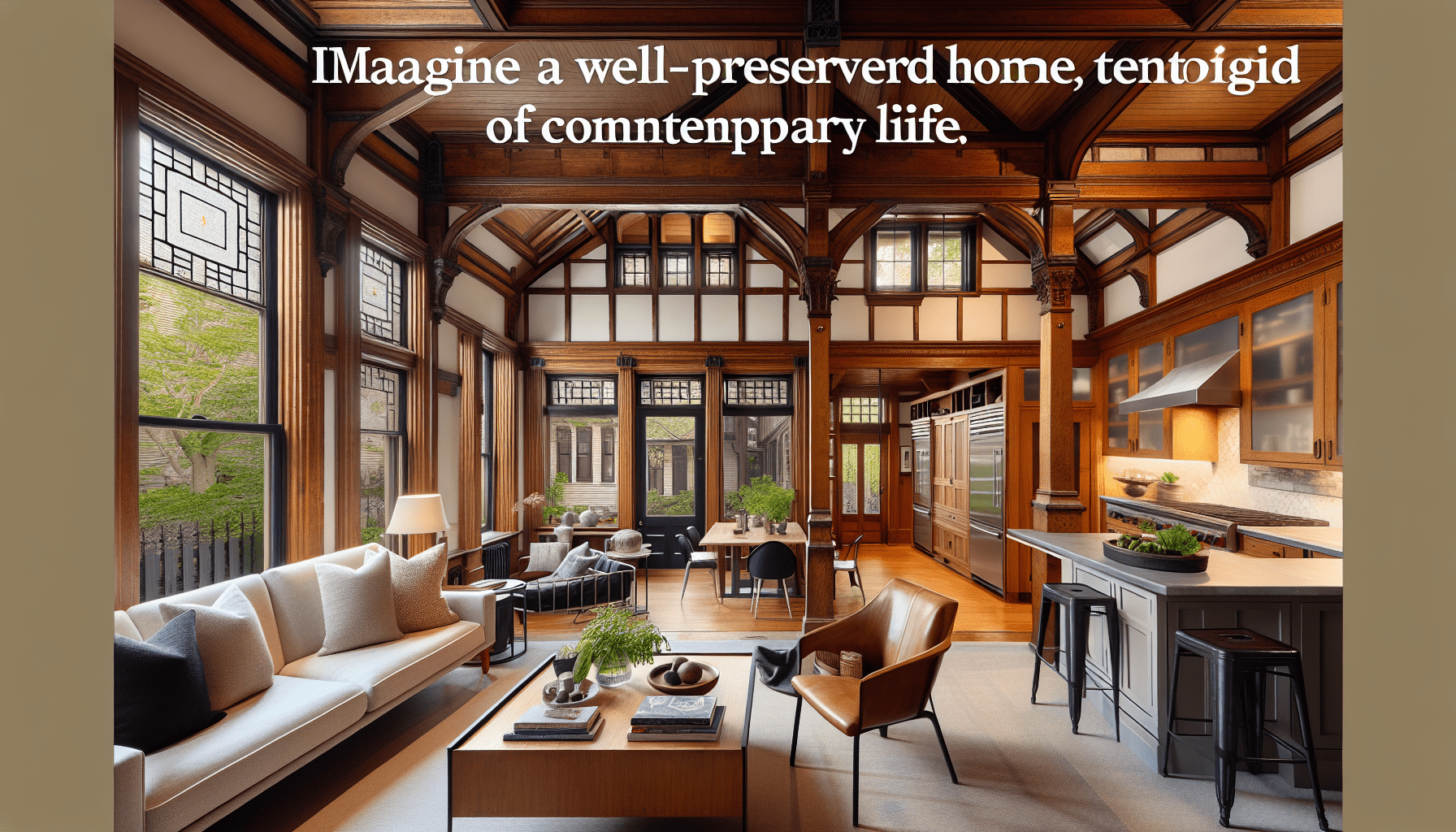
Imagine stepping into a time capsule, where the past seamlessly blends with the present. Historic homes, filled with stories that whisper through their walls, have a charm that is hard to resist. But in a world where everything seems to be constantly evolving, how can these timeless treasures adapt to meet today’s needs? In this article, we will take a closer look at the delicate balance of transforming historic homes into modern rentals. Discover the challenges and rewards that come with preserving their unique charm while seamlessly integrating modern amenities. Brace yourself for a journey that will transport you from past to present, without compromising on the essence that makes these homes so special.
Benefits of Preserving Historic Homes for Rentals
Retaining the character of a bygone era
Preserving historic homes for rentals allows you to retain the unique character and charm of a bygone era. These homes often boast exquisite architectural details and unique craftsmanship that are hard to find in modern homes. By maintaining and restoring these elements, you create a living space that transports tenants back in time and offers a truly authentic experience.
Creating a one-of-a-kind living experience
Historic homes have an undeniable charm and a distinct sense of character that sets them apart from modern properties. By preserving these homes as rentals, you offer tenants a one-of-a-kind living experience that they cannot find elsewhere. The historical significance and architectural beauty of these homes provide a sense of pride and uniqueness that can enhance the overall living experience.
Preserving local heritage and culture
One of the most significant benefits of preserving historic homes for rentals is the preservation of local heritage and culture. These homes often hold a special place in the community’s history and tell stories of the past. By maintaining these properties, you contribute to the preservation of local heritage and ensure that future generations can appreciate and learn from the past.
Increasing property value and demand
Preserving historic homes for rentals can also have a positive impact on property value and demand. These homes are often highly sought after due to their unique allure and limited availability. By preserving and restoring these properties, you increase their desirability and, in turn, their value. Additionally, the demand for historic rentals is growing as more people seek unique and authentic living experiences.
Challenges in Adapting Historic Homes for Modern Needs
Meeting current building codes and regulations
Adapting historic homes for modern needs comes with the challenge of meeting current building codes and regulations. These homes were built to different standards, and ensuring compliance with modern requirements can be a complex process. It may involve making structural modifications, updating electrical and plumbing systems, and addressing accessibility issues while still maintaining the home’s historical integrity.
Updating essential infrastructure while maintaining authenticity
Another challenge of adapting historic homes is updating essential infrastructure without compromising their authenticity. Upgrading systems like plumbing, heating, and cooling often requires careful consideration to ensure that the modifications blend seamlessly with the home’s original features. Balancing modern comfort with historical authenticity is crucial to preserve the home’s character and charm.
Addressing energy efficiency and sustainability
Historic homes are often not inherently energy-efficient, and adapting them to meet modern energy efficiency standards poses a challenge. Upgrading insulation, windows, and HVAC systems can be necessary but should be done in a way that minimizes the impact on the home’s historical integrity. Finding sustainable solutions that align with the home’s original construction methods can help strike a balance between energy efficiency and preservation.
Balancing historic preservation with modern amenities
Striking a balance between historic preservation and the integration of modern amenities is essential when adapting historic homes for rentals. Tenants expect certain conveniences and amenities in their living spaces, but it is crucial to ensure that these additions do not compromise the home’s historical integrity. Careful consideration must be given to the design and placement of modern amenities to seamlessly blend them with the home’s original features.

This image is property of images.unsplash.com.
Preservation Guidelines for Adapting Historic Homes
Researching and understanding the property’s history
Before adapting a historic home, it is crucial to conduct thorough research and gain a comprehensive understanding of its history. This includes delving into archival records, consulting historical societies, and studying local history books. Understanding the home’s architectural style, the period it was constructed in, and any significant events or individuals associated with it can inform preservation decisions.
Consulting with preservation experts and local authorities
Engaging with preservation experts and local authorities is vital throughout the process of adapting historic homes. These professionals can provide valuable guidance, offer insight into historical preservation practices, and ensure compliance with relevant regulations. Collaborating with experts helps strike a balance between modern needs and historical preservation, ensuring the best outcomes for both.
Identifying significant architectural features to retain
When adapting a historic home, it is crucial to identify and preserve significant architectural features. These features contribute to the historical and aesthetic value of the property. Elements such as original moldings, fireplaces, and unique window designs should be carefully preserved and restored to maintain the home’s character.
Documenting and protecting original materials
Documenting and protecting original materials is an essential preservation guideline. From original woodwork and flooring to plaster walls and decorative features, these materials are irreplaceable artifacts of the home’s history. Preservation efforts should include documenting the condition of these materials, ensuring appropriate storage, and implementing strategies to protect them during the renovation process.
Modernizing Historic Homes without Sacrificing Charm
Integrating modern appliances and technology inconspicuously
Integrating modern appliances and technology inconspicuously is key to modernizing historic homes without sacrificing charm. Concealing appliances behind custom cabinetry, using period-appropriate finishes, and minimizing visual impact can help maintain the home’s historical aesthetics while providing the convenience and functionality expected in a modern living space.
Optimizing layouts for contemporary lifestyles
Adapting historic homes often involves optimizing layouts to accommodate contemporary lifestyles. Open floor plans, updated kitchen and bathroom layouts, and thoughtful storage solutions can enhance the home’s functionality without compromising its historical integrity. Preserving the flow and character of the original design while making subtle adjustments can create a harmonious balance between the past and the present.
Incorporating eco-friendly and sustainable elements
Integrating eco-friendly and sustainable elements is both responsible and desirable when modernizing historic homes. Utilizing energy-efficient appliances, installing renewable energy systems, and employing sustainable building practices can enhance the home’s environmental performance while minimizing its impact on the surrounding ecosystem. Striving for harmony between sustainability and historical preservation creates a forward-thinking approach to adapting historic homes.
Blending old and new design elements harmoniously
Achieving a harmonious blend of old and new design elements is crucial when modernizing historic homes. Respecting the original architectural style and materials while incorporating contemporary design features can create a visually appealing and functional living space. Thoughtful selection of elements such as light fixtures, hardware, and furnishings can help seamlessly integrate modern design into the home’s historic framework.

This image is property of images.unsplash.com.
Balancing Preservation and Safety
Ensuring structural stability through expert assessments
When adapting historic homes for rentals, ensuring structural stability is paramount. Collaborating with structural engineers and preservation experts to conduct thorough assessments of the home’s foundation, load-bearing walls, and overall structural integrity is essential. Addressing any issues and ensuring the long-term stability of the home creates a safe living environment while preserving its historical significance.
Implementing necessary safety measures without compromising historic integrity
Implementing necessary safety measures is crucial to ensure the well-being of tenants without compromising the historic integrity of the home. This includes installing smoke detectors, carbon monoxide detectors, and fire suppression systems that meet modern safety standards while remaining inconspicuous. Strategically placing safety equipment and utilizing period-appropriate designs help minimize the visual impact on the home’s aesthetics.
Upgrading electrical and plumbing systems for modern standards
Upgrading electrical and plumbing systems to meet modern standards is essential for the safety and functionality of historic homes. Replacing outdated wiring, plumbing, and fixtures ensures the property meets current codes and reduces the risk of electrical hazards, leaks, and water damage. These upgrades must be carefully planned to minimize the impact on the home’s original features.
Fire safety considerations in historic buildings
Fire safety is a critical aspect of adapting historic homes for rentals. Implementing fire-resistant materials, installing fire-rated doors, and ensuring proper escape routes are essential in preserving both the home and the safety of its occupants. Collaborating with fire safety experts and adhering to local fire regulations guarantees that the home remains protected without compromising its historical significance.
Preserving Exterior Charm and Curb Appeal
Restoring or replicating historical facades and details
Preserving the exterior charm and curb appeal of historic homes often involves restoring or replicating historical facades and details. This includes repairing or replacing damaged architectural elements, such as ornate moldings, decorative brackets, and period-specific finishes. Recreating the original color palette and combining it with appropriate landscaping helps revive the home’s historical character and enhances its overall appeal.
Maintaining and enhancing landscaping in line with the property’s era
Landscaping plays a crucial role in preserving the exterior charm of historic homes. Maintaining and enhancing landscaping in line with the property’s era helps recreate the intended ambiance and further enhances the home’s overall appeal. Period-appropriate plant selections, garden layouts, and outdoor furnishings can transport tenants back in time, creating a cohesive and immersive historical experience.
Choosing appropriate exterior colors and finishes
Choosing appropriate exterior colors and finishes is essential to maintain the historical accuracy of the home’s facade. Researching the original color schemes and finishes used during the home’s era is crucial for selecting appropriate tones and materials. Working with preservation experts to ensure the chosen colors and finishes align with the home’s architectural style helps create a visually authentic and pleasing exterior.
Addressing maintenance and weatherproofing
Preserving historic homes also includes addressing maintenance and weatherproofing needs. Regular maintenance, such as painting and repairing damaged materials, prevents deterioration and preserves the home’s charm. Weatherproofing measures, including insulation, sealing gaps, and upgrading windows, not only increase energy efficiency but also protect the home from the elements. Ensuring proper maintenance and weatherproofing guarantees the longevity and preservation of historic homes.

This image is property of images.unsplash.com.
Maintaining Historical Accuracy in Interior Design
Researching and using period-appropriate furniture and decor
Maintaining historical accuracy in interior design involves researching and using period-appropriate furniture and decor. This requires understanding the design styles and trends of the home’s era and carefully selecting furnishings and decorations that align with those aesthetics. Incorporating authentic pieces and designs not only enhances the home’s historical integrity but also immerses tenants in an immersive living experience.
Incorporating authentic architectural elements and moldings
Incorporating authentic architectural elements and moldings is crucial for preserving historical accuracy in the interior design of historic homes. Restoring and showcasing original architectural features, such as crown moldings, ceiling medallions, and wainscoting, add a layer of authenticity and charm to the living spaces. These elements serve as reminders of the home’s rich history and architectural significance.
Preserving or restoring original flooring and wall treatments
Preserving or restoring original flooring and wall treatments is a significant aspect of maintaining historical accuracy in interior design. Floors made of hardwood, terrazzo, or tiles can be refinished to their former glory, while original wall treatments like plaster or wallpaper can be restored or replicated. Retaining these elements adds depth and character to the interior spaces, preserving their historical authenticity.
Displaying historical artifacts and art reflecting the era
Displaying historical artifacts and art that reflects the era of the home can further enrich the interior design and contribute to the overall historical experience. This may include showcasing antiques, vintage photographs, or artwork from the period, allowing tenants to immerse themselves in the history and culture of the home’s era. Thoughtfully placed historical items serve as educational reminders of the past while enhancing the charm of the living space.
Preserving Historic Homes for Long-Term Sustainability
Educating tenants about the property’s historical significance
Preserving historic homes for long-term sustainability involves educating tenants about the property’s historical significance. Providing information about the home’s history, architectural style, and notable features allows tenants to develop a deeper appreciation for their living environment. Engaging tenants in the preservation efforts and encouraging them to respect and care for the home ensures the continued preservation of its charm for generations to come.
Implementing regular maintenance and preservation schedules
Regular maintenance and preservation schedules play a vital role in ensuring the long-term sustainability of historic homes. Establishing a proactive approach to maintenance, including regular inspections, repairs, and preservation efforts, helps prevent deterioration and safeguards the home’s charm. By implementing a structured maintenance plan, you can protect the property’s historical features and preserve its value for years to come.
Periodic assessments to ensure ongoing preservation
Periodic assessments are essential for the ongoing preservation of historic homes. Conducting regular inspections enables you to identify and address any maintenance or preservation needs promptly. These assessments should encompass both the interior and exterior of the home and involve experts who specialize in historic preservation. By staying proactive and vigilant, you can maintain the home’s historical integrity and protect its unique charm.
Encouraging community involvement and support
Encouraging community involvement and support is vital for the long-term sustainability of historic homes. Engaging with local historical societies, preservation organizations, and neighborhood communities creates a network of support and resources. Community involvement can include hosting open houses, educational events, or fundraisers that raise awareness and contribute to the preservation efforts. By fostering a sense of pride and ownership within the community, you cultivate a lasting commitment to preserving historic homes.

Financial Considerations in Preserving Historic Rentals
Assessing initial investment costs versus long-term benefits
Before embarking on the preservation of historic rentals, it is essential to assess the initial investment costs versus the long-term benefits. Renovating and adapting historic homes can require substantial financial resources, including hiring preservation experts, purchasing period-appropriate materials, and addressing structural and infrastructure needs. However, the long-term benefits, such as increased property value and unique rental opportunities, can make the investment worthwhile.
Exploring tax incentives and historic preservation grants
To assist in the financial considerations of preserving historic rentals, it is valuable to explore tax incentives and historic preservation grants. Many governments offer tax incentives and grants to property owners who undertake preservation efforts. These financial incentives can help offset the costs associated with upgrading, maintaining, and preserving historic homes, making the preservation process more financially feasible.
Evaluating rental rates based on the property’s historic value
Evaluating rental rates based on the property’s historic value is crucial for ensuring a return on your preservation investment. Historic rentals offer a unique living experience that tenants are often willing to pay a premium for. Researching rental rates for comparable historic properties in the area and considering the property’s historical significance and amenities can help determine appropriate rental rates that reflect both the property’s value and the demand in the market.
Analyzing insurance coverage options for historic homes
Analyzing insurance coverage options for historic homes is essential to protect your investment. Standard insurance policies may not fully cover the unique risks associated with historic properties. Working with insurance professionals who specialize in historic homes can help tailor coverage that addresses the specific needs and risks of these properties. Adequate insurance coverage provides peace of mind and financial protection in the event of unforeseen circumstances.
Conclusion
Preserving charm in modern rentals by adapting historic homes for today’s needs is a rewarding endeavor. By retaining the character of a bygone era, creating a one-of-a-kind living experience, preserving local heritage and culture, and increasing property value and demand, historic rentals offer unique and desirable living experiences. While challenges exist in meeting building codes and regulations, updating infrastructure, addressing energy efficiency, and preserving historical authenticity, the guidelines discussed can help navigate these challenges. Balancing preservation and safety, preserving exterior charm and curb appeal, maintaining historical accuracy in interior design, and ensuring long-term sustainability contribute to the success of preserving historic rentals. Considering financial aspects, such as initial investment costs, tax incentives, rental rates, and insurance coverage, is crucial for the financial viability of these projects. Ultimately, the preservation of historic rentals offers a combination of historical significance, architectural beauty, and modern comfort, providing tenants with a truly unique and enriching living experience.