
Looking to save on your energy bills? Consider integrating geothermal heating and cooling to reduce your monthly costs. By harnessing the natural heat stored in the Earth, you can stay warm in the winter and cool in the summer without relying heavily on traditional HVAC systems. Not only will this eco-friendly solution help lower your carbon footprint, but it can also increase the value of your home and enhance your overall comfort. Embrace the benefits of geothermal technology and start saving on energy costs today!
Reducing Energy Costs with Geothermal Heating and Cooling
Have you ever wondered how you could lower your energy bills while also reducing your carbon footprint? Geothermal heating and cooling might just be the solution you’re looking for. By harnessing the natural heat stored beneath the earth’s surface, you can enjoy a comfortable indoor climate while significantly cutting down on your energy expenses.
Understanding How Geothermal Heating and Cooling Works
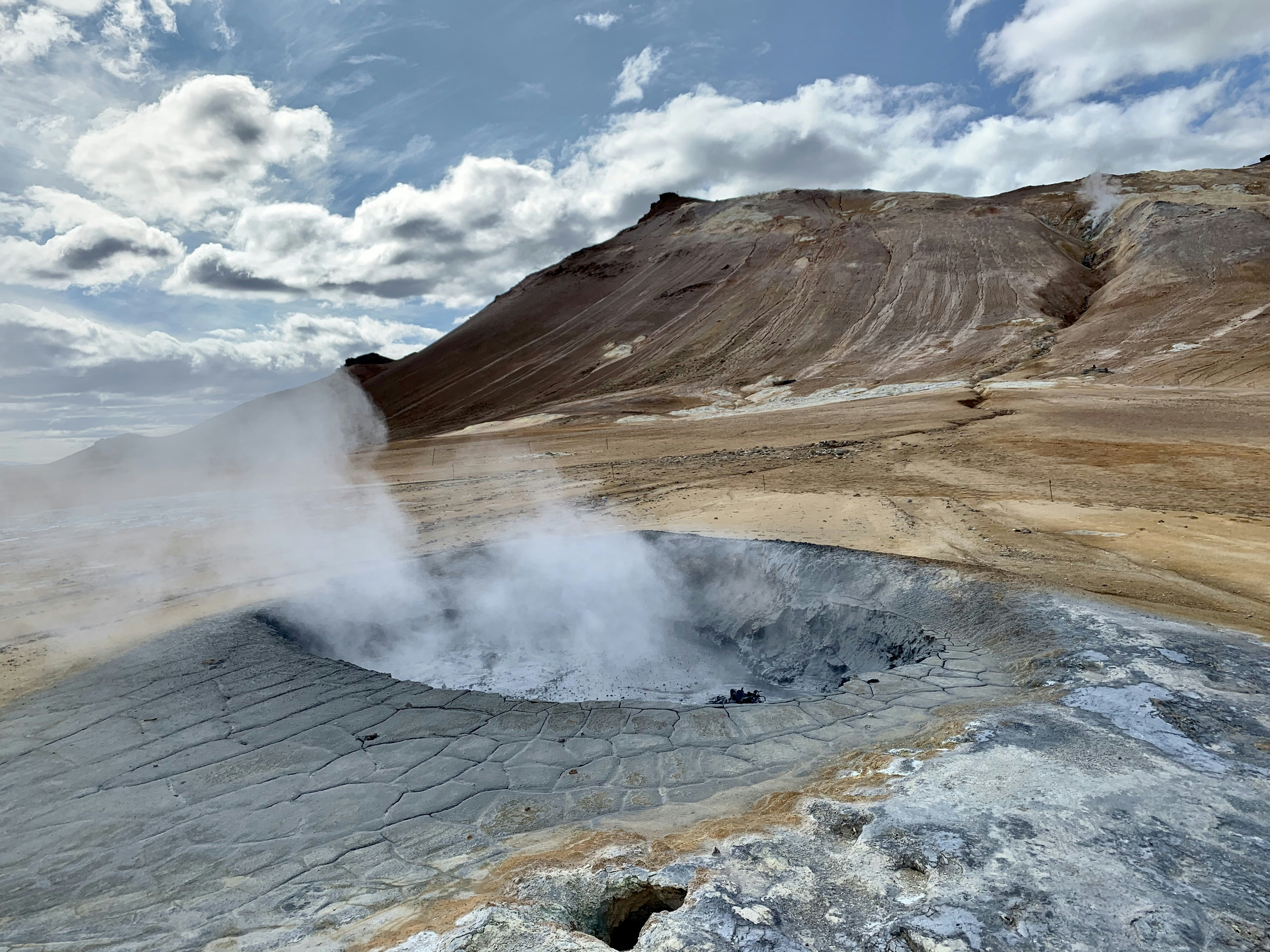
Let’s start by breaking down the basics of geothermal heating and cooling systems. Unlike traditional HVAC systems that rely on burning fossil fuels or electricity to generate heat or cold air, geothermal systems utilize the constant temperature of the earth to regulate your home’s temperature. By circulating water through a series of underground pipes known as a loop system, geothermal HVAC systems extract heat from the ground during the winter and release heat back into the ground during the summer. This process is highly efficient and environmentally friendly, making it a sustainable option for heating and cooling your home.
The Benefits of Geothermal Heating and Cooling
Imagine enjoying a cozy winter evening or a refreshing summer day without worrying about skyrocketing energy bills. With geothermal heating and cooling, you can experience significant cost savings on your utility bills while also reducing your carbon footprint. By harnessing the earth’s natural heat, you can achieve a more consistent indoor temperature year-round, leading to increased comfort and energy efficiency. Additionally, geothermal systems have a longer lifespan and require less maintenance compared to traditional HVAC systems, saving you money on repairs and replacements in the long run.
Installation Process and Considerations
If you’re considering installing a geothermal heating and cooling system in your home, it’s essential to understand the installation process and key considerations. The first step is to determine if your property is suitable for a geothermal system based on factors such as soil composition, land availability, and local climate conditions. Once the feasibility is established, a professional HVAC contractor will design and install the system, including drilling the necessary boreholes for the loop system and connecting the components to your home’s existing ductwork. While the initial installation cost may be higher than traditional HVAC systems, the long-term energy savings and increased property value make geothermal heating and cooling a smart investment.
Cost Comparison: Geothermal vs. Traditional HVAC Systems
When comparing the initial costs of geothermal heating and cooling systems to traditional HVAC systems, it’s essential to consider the long-term financial benefits. While geothermal systems may have a higher upfront cost due to the need for drilling and installation, they offer significant energy savings over time. On average, geothermal systems can reduce energy costs by 30% to 70% compared to traditional heating and cooling systems, making them a cost-effective and sustainable alternative for homeowners looking to lower their utility bills and reduce their environmental impact.
| HVAC System | Initial Cost | Energy Savings | Lifespan | Maintenance |
|---|---|---|---|---|
| Geothermal | Higher | Significant | Longer | Lower |
| Traditional | Lower | Moderate | Shorter | Higher |

Environmental Impact and Sustainability
In addition to the financial benefits of geothermal heating and cooling, there are significant environmental advantages to consider. By utilizing the earth’s natural heat, geothermal systems reduce reliance on fossil fuels and electricity, leading to lower greenhouse gas emissions and carbon footprint. This sustainable energy source helps combat climate change and promotes a cleaner, healthier planet for future generations. Investing in geothermal heating and cooling is not only good for your wallet but also contributes to a more sustainable and eco-friendly lifestyle.
Rebates and Incentives for Geothermal Systems
To encourage homeowners to adopt energy-efficient technologies like geothermal heating and cooling, many government agencies and utility companies offer rebates and incentives to offset the initial installation costs. These financial incentives can range from tax credits and rebates to low-interest loans and grants, making geothermal systems more accessible and affordable for homeowners. By taking advantage of these programs, you can significantly reduce the overall cost of installing a geothermal heating and cooling system in your home, further increasing your savings and return on investment.
Maintenance and Care for Geothermal Systems
While geothermal heating and cooling systems are known for their durability and longevity, regular maintenance and care are essential to ensure optimal performance and efficiency. Routine inspections and servicing by a professional HVAC technician can help identify any potential issues or inefficiencies early on, preventing costly repairs and prolonging the lifespan of your system. It’s also important to keep the loop system clean and free of debris to maintain proper water flow and heat exchange. By following a maintenance schedule and addressing any concerns promptly, you can enjoy years of reliable and efficient operation from your geothermal system.
Common Misconceptions About Geothermal Heating and Cooling
Despite the numerous benefits of geothermal heating and cooling systems, there are still some common misconceptions that may deter homeowners from considering this innovative technology. One of the most prevalent myths is that geothermal systems are only suitable for new construction or large properties. In reality, geothermal systems can be retrofitted to existing homes of varying sizes, making them a viable option for both renovations and new builds. Another misconception is that geothermal systems are noisy and disruptive. However, modern geothermal systems are designed to operate quietly and efficiently, providing a seamless and comfortable indoor environment without any noise or disturbance. By dispelling these myths and educating homeowners about the real advantages of geothermal heating and cooling, more people can experience the cost savings and environmental benefits of this sustainable technology.
Conclusion
In conclusion, geothermal heating and cooling systems offer a practical and sustainable solution for reducing energy costs, enhancing comfort, and minimizing environmental impact. By tapping into the earth’s natural heat, you can enjoy reliable and efficient heating and cooling year-round while saving money on your utility bills. With the availability of rebates and incentives, geothermal systems are becoming more accessible and affordable for homeowners looking to invest in energy-efficient technologies. By understanding the benefits, installation process, and maintenance requirements of geothermal systems, you can make an informed decision to upgrade your home’s HVAC system and embrace a more sustainable lifestyle. Give geothermal heating and cooling a try, and experience the long-term rewards of energy efficiency and environmental responsibility.