Welcome to the ultimate guide on whether to renovate or restore your rental property! In this article, you will learn about the differences between renovation and restoration, as well as the benefits and drawbacks of each approach. By the end, you will have the knowledge to make an informed decision on which option is best for your rental property. Let’s dive in and explore the best approach for maintaining and improving your investment property!
Renovation or Restoration: The Best Approach for Your Rental Property
Are you considering making improvements to your rental property but unsure whether renovation or restoration is the best approach? In this article, we will explore the pros and cons of both options and help you decide which is the best choice for your rental property.

This image is property of images.pexels.com.
Renovation: Pros and Cons
When it comes to renovating your rental property, there are several advantages and disadvantages to consider. Let’s take a closer look at the pros and cons of renovation.
Pros of Renovation
Renovating your rental property can attract new tenants and increase the value of your investment. By modernizing the property and adding new features, you can command higher rent and improve your return on investment. Additionally, renovations can help extend the lifespan of the property and reduce maintenance costs in the long run.
Cons of Renovation
On the flip side, renovations can be costly and time-consuming. From hiring contractors to obtaining permits, the renovation process can be overwhelming for landlords. There is also the risk of over-improvement, where you spend more on renovations than the property can recoup in terms of rental income or resale value. Moreover, renovations may disrupt current tenants and lead to vacancies, resulting in lost rental income.
Restoration: Pros and Cons
Restoring your rental property involves preserving its original features and historic charm. Here are the pros and cons of choosing restoration over renovation.
Pros of Restoration
Restoring your rental property can appeal to tenants who appreciate historic architecture and unique details. By maintaining the property’s original character, you can create a distinctive living space that stands out in a competitive rental market. Restoration can also be a more cost-effective option compared to extensive renovations, as it focuses on preserving existing features rather than adding new ones.
Cons of Restoration
While restoration can enhance the aesthetic appeal of your rental property, it may not appeal to all potential tenants. Some renters may prefer modern amenities and updated finishes, which could limit your rental pool. Additionally, restoring historic properties comes with its own set of challenges, such as complying with preservation guidelines and sourcing period-appropriate materials. Restoration projects can also be time-consuming, as finding skilled craftsmen and artisans to work on the property may take longer than hiring a general contractor for renovations.

This image is property of images.pexels.com.
How to Decide: Renovation or Restoration?
Making the decision between renovation and restoration for your rental property ultimately depends on several factors, including the property’s age, condition, location, and target tenant demographic. Here are some key considerations to help you determine the best approach:
Property Condition
Evaluate the current condition of your rental property to determine whether it requires extensive repairs and upgrades or if the original features are worth preserving. Properties that are in disrepair may benefit more from renovations to make them more livable and attractive to tenants. On the other hand, well-maintained properties with historic charm may be better suited for restoration to maintain their unique character.
Rental Market
Research the rental market in your area to understand the demands and preferences of tenants. Are modern amenities and updated finishes in high demand? Or do renters prefer historic properties with original details? By understanding the rental market trends, you can tailor your renovation or restoration efforts to attract the right tenants and maximize your rental income.
Budget and Timeline
Consider your budget and timeline for the renovation or restoration project. Renovations tend to be more costly and time-consuming than restoration, as they involve extensive repairs and upgrades. If you have a limited budget or need to quickly get the property rented, restoration may be the more practical choice. However, if you are willing to invest in extensive renovations for long-term gains, then renovation may be the better option.
Preservation Guidelines
If your rental property is located in a historic district or designated as a landmark, you may need to comply with preservation guidelines and restrictions. Restoration projects in historic properties often require approval from local preservation boards and adherence to specific guidelines to maintain the property’s historic integrity. Before deciding on restoration, ensure you research and understand the preservation requirements governing your rental property.
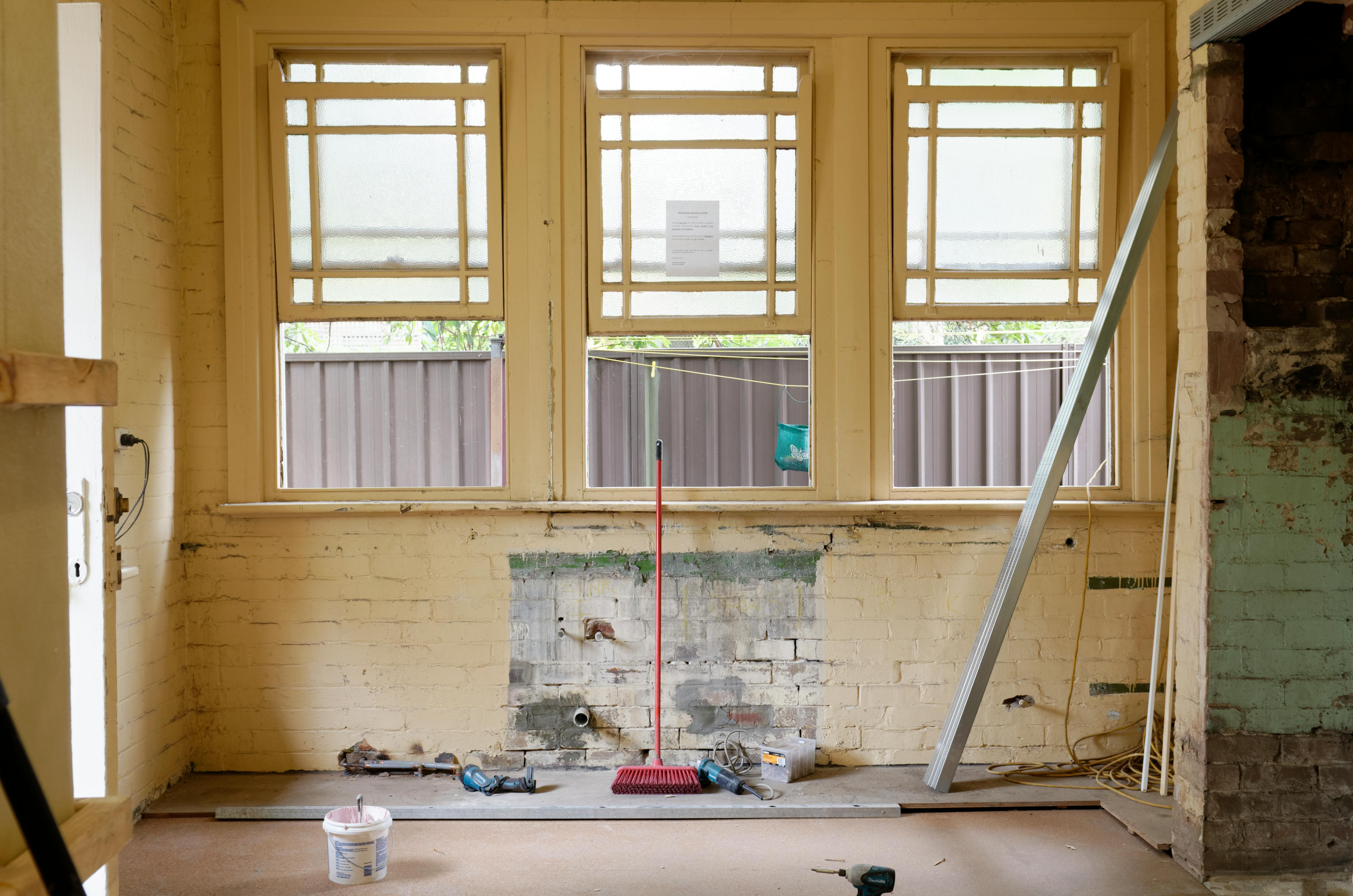
This image is property of images.pexels.com.
Conclusion
In conclusion, the decision between renovation and restoration for your rental property should be based on a careful evaluation of the property’s condition, the rental market trends, your budget and timeline, and any preservation guidelines. By weighing the pros and cons of both approaches and considering these key factors, you can make an informed decision that best suits your investment goals and rental property strategy. Whether you choose to renovate for modern appeal or restore for historic charm, the ultimate goal is to create a desirable living space for tenants and maximize your rental income.