
Imagine effortlessly gliding through your home, cleaning every nook and cranny without the hassle of dragging a heavy vacuum cleaner from room to room. With an integrated central vacuum system, this becomes a reality. Say goodbye to the constant noise, tangled cords, and lugging around a bulky machine. This innovative solution offers a convenient and efficient way to keep your home spotless. By integrating the vacuum system into the walls of your home, cleaning becomes a breeze, allowing you to spend more time on the activities you love. Embrace the simplicity and ease of a central vacuum system, and transform your cleaning routine for the better.

Benefits of an Integrated Central Vacuum System
Improved Cleaning Efficiency
An integrated central vacuum system provides improved cleaning efficiency compared to traditional vacuum cleaners. With a central vacuum system, you no longer have to carry a heavy machine around the house or worry about cords getting tangled. The power unit is installed in a designated area, such as a basement or garage, and the lightweight hose and attachments can easily reach every corner of your home. This allows for faster and more thorough cleaning, as the powerful suction of the central vacuum system can efficiently remove dirt, dust, and allergens from both carpets and hard surfaces.
Enhanced Indoor Air Quality
One of the major advantages of an integrated central vacuum system is the enhanced indoor air quality it provides. Unlike traditional vacuum cleaners that recirculate dust and allergens into the air, a central vacuum system removes these particles completely from your living space. The power unit, typically located outside the main living area, exhausts the captured dirt and debris outside, preventing it from being reintroduced into the indoor air. This is especially beneficial for individuals with allergies or respiratory conditions, as it helps to create a cleaner and healthier environment for you and your family.
Reduced Noise and Portability
Another benefit of an integrated central vacuum system is the reduced noise during cleaning. Traditional vacuum cleaners can be noisy and disruptive, especially in open floor plans or when cleaning during sensitive hours. On the other hand, central vacuum systems are designed to be quieter as the main source of noise, the power unit, is located away from the living areas. This allows for a more peaceful cleaning experience without disturbing your household members or neighbors. Additionally, the lightweight hose and attachments make it easier to clean multiple floors or hard-to-reach areas, providing greater portability and convenience.
Cost Savings
While the initial cost of installing an integrated central vacuum system may be higher compared to traditional vacuum cleaners, there are significant cost savings in the long run. Central vacuum systems are built to last, requiring fewer repairs and replacements than traditional vacuums. The durable power unit and the absence of bags or filters to regularly replace contribute to these cost savings. Additionally, central vacuum systems can also increase the value of your home, making it a worthwhile investment for both your cleaning needs and potential resale value.
Components of an Integrated Central Vacuum System
Power Unit
The power unit is the heart of an integrated central vacuum system. It is typically installed in a well-ventilated area, such as a basement or garage. The power unit houses the motor, which generates the suction power necessary for effective cleaning. It also contains the collection canister, where dirt and debris are captured during the cleaning process. Some power units come with additional features, such as self-cleaning filters or sound insulation, to further enhance their performance and convenience.
Inlet Valves
Inlet valves are strategically placed throughout the house to connect the central vacuum system to the vacuum hose. These valves are usually installed flush with the wall and covered with a small cover plate. When you need to use the central vacuum system, simply connect the hose to one of the inlet valves and the system will activate. Inlet valves can be conveniently placed in high-traffic areas or near stairs to maximize accessibility and cleaning efficiency.
Piping System
The piping system is responsible for carrying the dirt and debris from the inlet valves to the power unit. It consists of a network of PVC pipes that are hidden behind the walls and ceilings of your home. The pipes are sized according to the layout and size of your house to ensure optimal suction efficiency. The pipes are also designed with smooth interiors to prevent clogs and keep the system running smoothly. Proper installation of the piping system is crucial for the overall performance and effectiveness of the central vacuum system.
Accessories
To fully utilize the capabilities of an integrated central vacuum system, various accessories are available to enhance your cleaning experience. These accessories include different types of vacuum heads, brushes, crevice tools, and extension wands to tackle different surfaces and cleaning tasks. Additionally, accessories such as upholstery brushes, pet grooming kits, and blind cleaners can be added to customize your central vacuum system according to your specific needs. This versatility allows for efficient and thorough cleaning of every area in your home.
Installation Process of an Integrated Central Vacuum System
Choosing the Right System for Your Home
When installing an integrated central vacuum system, it is essential to choose the right system for your specific needs and home layout. Consider factors such as the size of your house, number of floors, and the type of flooring you have. You may also want to take into account any special cleaning requirements, such as pet hair or allergies. Consulting with a professional installer can help you determine the appropriate power unit size, number of inlet valves, and the overall design of the system to optimize its performance.
Planning the Installation Layout
Before starting the installation process, careful planning of the system layout is necessary. This involves determining the optimal locations for the power unit, inlet valves, and the routing of the piping system. Consider accessibility, aesthetics, and practicality when deciding on the placement of the system components. Collaboration with a professional installer can ensure that the layout is efficient and suitable for your home’s unique characteristics.
Installing the Power Unit
The power unit installation typically involves mounting the unit on a wall or securing it in an appropriate location. The power unit should be positioned in a well-ventilated area, away from living spaces, to minimize noise and exhaust emissions. It should also be accessible for maintenance and servicing. Proper positioning and securing of the power unit are crucial to ensure its long-term functionality and performance.
Setting up Inlet Valves and Piping System
The installation of inlet valves and the piping system requires careful consideration of the layout and structure of your home. Inlet valves are strategically placed throughout the house, taking into account accessibility and cleaning efficiency. The piping system is then installed, connecting the inlet valves to the power unit. Proper routing of the pipes and ensuring airtight connections are essential for optimal suction and overall system performance. Professional installers have the expertise to handle these installation tasks and ensure that the system is properly set up.
Maintenance and Care for an Integrated Central Vacuum System
Regularly Emptying the Collection Canister
To maintain the performance of an integrated central vacuum system, it is important to regularly empty the collection canister. The frequency of emptying depends on the size of the canister and the amount of dirt and debris accumulated during cleaning. Typically, it is recommended to empty the canister when it is around 2/3 full to prevent the loss of suction power. Emptying the canister is a simple process of removing it from the power unit, disposing of the contents, and reattaching it securely.
Cleaning or Replacing Filters
While central vacuum systems are designed to be low maintenance, occasional cleaning or replacement of filters may be necessary. The type and frequency of filter maintenance depend on the specific model and manufacturer’s recommendations. Some power units have self-cleaning filters that eliminate the need for manual cleaning, while others may require periodic rinsing or replacement. Clean filters ensure efficient airflow and prevent clogs, contributing to the optimal performance of the central vacuum system.
Checking for Damaged Pipes or Leaks
Periodically inspecting the piping system for any signs of damage or leaks is essential to maintain the effectiveness of the central vacuum system. Check for visible cracks, loose connections, or blockages in the pipes. If any issues are detected, consult a professional installer or technician to assess and rectify the problem. Timely repairs and maintenance of the piping system help to prevent suction loss, ensuring consistent cleaning performance.
Servicing the Power Unit
Regular servicing of the power unit is recommended to keep it in optimal condition. This includes checking and cleaning the motor, inspecting the electrical connections, and lubricating any moving parts if necessary. Professional servicing can help identify and address any potential issues before they escalate, prolonging the lifespan of the power unit and maintaining its efficiency. Follow the manufacturer’s guidelines for maintenance and consult a professional for any major servicing needs.

Additional Features and Upgrades for Simplified Cleaning
Automatic Dustpan
An automatic dustpan is a convenient feature that can be added to an integrated central vacuum system. It is typically installed in the baseboards of your home, allowing you to sweep dirt and debris directly into the dustpan. The central vacuum system then activates, sucking up the dirt and keeping your floors clean without the need to bend down or use a separate dustpan and broom. This feature is especially useful in high-traffic areas like kitchens or entryways, where frequent sweeping is required.
Retractable Hose System
A retractable hose system is another upgrade that can simplify cleaning with an integrated central vacuum system. This feature eliminates the need to manually coil and store the vacuum hose after each use. The hose is stored within the walls or cabinets, and with a simple pull or button press, it extends to the desired length. Once you’re done cleaning, the hose automatically retracts back into its storage area, keeping your living spaces clutter-free and ready for the next use.
Wireless Control and Automation
With advancements in technology, central vacuum systems can now be integrated into smart home systems, allowing for wireless control and automation. This means you can control the central vacuum system using your smartphone, tablet, or voice command. You can turn the system on or off, adjust suction power, or schedule cleaning sessions from anywhere in your home. This level of convenience and automation further simplifies the cleaning process and enhances the overall user experience.
Comparing Central Vacuum Systems with Traditional Vacuum Cleaners
Cleaning Performance
When it comes to cleaning performance, central vacuum systems have several advantages over traditional vacuum cleaners. The powerful suction, larger dirt capacity, and longer hose length of central vacuum systems allow for more efficient and thorough cleaning. They can effectively remove dirt, dust, and allergens from both carpets and hard surfaces, providing a deeper clean compared to traditional vacuums. Additionally, the separation of the power unit from the living area ensures that particles are completely removed from the indoor air, contributing to better overall cleanliness and indoor air quality.
Convenience and Ease of Use
Central vacuum systems offer greater convenience and ease of use compared to traditional vacuum cleaners. With a central vacuum system, you no longer need to drag a heavy vacuum cleaner around the house or deal with cords and plugs. The lightweight hose and attachments make it easier to clean multiple floors or hard-to-reach areas. Inlet valves are strategically placed throughout the house, so you can conveniently connect and disconnect the hose as needed. This eliminates the need to constantly plug and unplug the vacuum, saving you time and effort during cleaning.
Long-Term Cost Comparison
While the initial cost of installing a central vacuum system may be higher than purchasing a traditional vacuum cleaner, there are long-term cost savings to consider. Central vacuum systems are built to last and require fewer repairs and replacements compared to traditional vacuums. There are no bags or filters to regularly replace, reducing ongoing maintenance costs. Additionally, central vacuum systems can increase the value of your home, making it a worthwhile investment for both your cleaning needs and potential resale value.
Value for Home
Integrating a central vacuum system into your home adds value in multiple ways. Firstly, it enhances the cleanliness and indoor air quality, creating a healthier living environment for you and your family. Improved indoor air quality can reduce the risk of allergies, asthma, and other respiratory issues. Secondly, the convenience, efficiency, and low maintenance of central vacuum systems contribute to a more streamlined and enjoyable cleaning experience. This adds value to your daily life and frees up time for other activities. Finally, the installation of a central vacuum system can increase the value of your home, making it an attractive feature for potential buyers.

Integrating Central Vacuum System into Smart Homes
Compatibility with Home Automation Systems
Central vacuum systems can be seamlessly integrated into smart home systems, allowing for compatibility and control through various automation platforms. This means you can control and monitor the central vacuum system alongside other smart devices in your home, such as thermostats, lighting, or security systems. Integration with home automation systems provides centralized control and ease of use, enhancing the overall smart home experience.
Voice Control and Integration with Virtual Assistants
With the integration of central vacuum systems into smart homes, voice control and integration with virtual assistants become possible. You can control the central vacuum system using voice commands through devices like Amazon Alexa or Google Assistant. This hands-free control allows for a more convenient and effortless cleaning experience. Simply speak the command, and the central vacuum system will start or stop according to your instructions, making cleaning even easier and more efficient.
Monitoring and Scheduling Cleaning Sessions
Integrating a central vacuum system into a smart home also enables monitoring and scheduling of cleaning sessions. With compatible apps or devices, you can monitor the status of the system, such as the fullness of the collection canister or the need for filter replacement. You can also schedule cleaning sessions based on your specific preferences, such as cleaning certain areas at specific times or setting up recurring cleaning cycles. This level of control and automation ensures that your home stays clean and fresh without constant manual intervention.
Addressing Common Concerns and Misconceptions about Central Vacuum Systems
Installation Complexity and Cost
One common concern about central vacuum systems is the perceived complexity of installation and associated cost. While it is true that the initial installation of a central vacuum system may require professional assistance, it is not necessarily overly complicated or expensive. By working with experienced installers, you can ensure that the system is properly designed and installed to fit your home’s specific needs and layout. The long-term benefits and added value provided by a central vacuum system often outweigh the initial investment.
Limited Reach and Mobility
Another misconception about central vacuum systems is the assumption of limited reach and mobility. Central vacuum systems, when properly designed, can cover large areas or multiple floors of a house. The strategically placed inlet valves and the flexibility of the lightweight hose provide adequate coverage and efficient cleaning capabilities. Additionally, the absence of carrying a heavy vacuum cleaner and cords allows for greater mobility and ease of use. Central vacuum systems offer an effective and convenient cleaning solution without compromising reach or mobility.
Maintenance and Repairs
Maintenance and repair concerns are often raised when considering a central vacuum system. However, central vacuum systems are designed to be low maintenance and require minimal repairs compared to traditional vacuum cleaners. Regular maintenance tasks, such as emptying the collection canister and cleaning or replacing filters, are simple and straightforward. Checking for damaged pipes or leaks and servicing the power unit periodically can help prevent major issues. Should repairs or troubleshooting be required, professional technicians experienced in central vacuum systems can efficiently address the concerns.
Compatibility with Older Homes
Some homeowners worry that central vacuum systems may not be compatible with older homes. However, central vacuum systems can be installed in a wide range of homes, regardless of age or construction type. The installation process may require careful planning and adaptation to accommodate the unique characteristics of older homes, but professional installers have the knowledge and expertise to overcome these challenges. With proper planning and installation, central vacuum systems can effectively provide the benefits of improved cleaning efficiency, enhanced indoor air quality, and convenience in older homes.
Conclusion
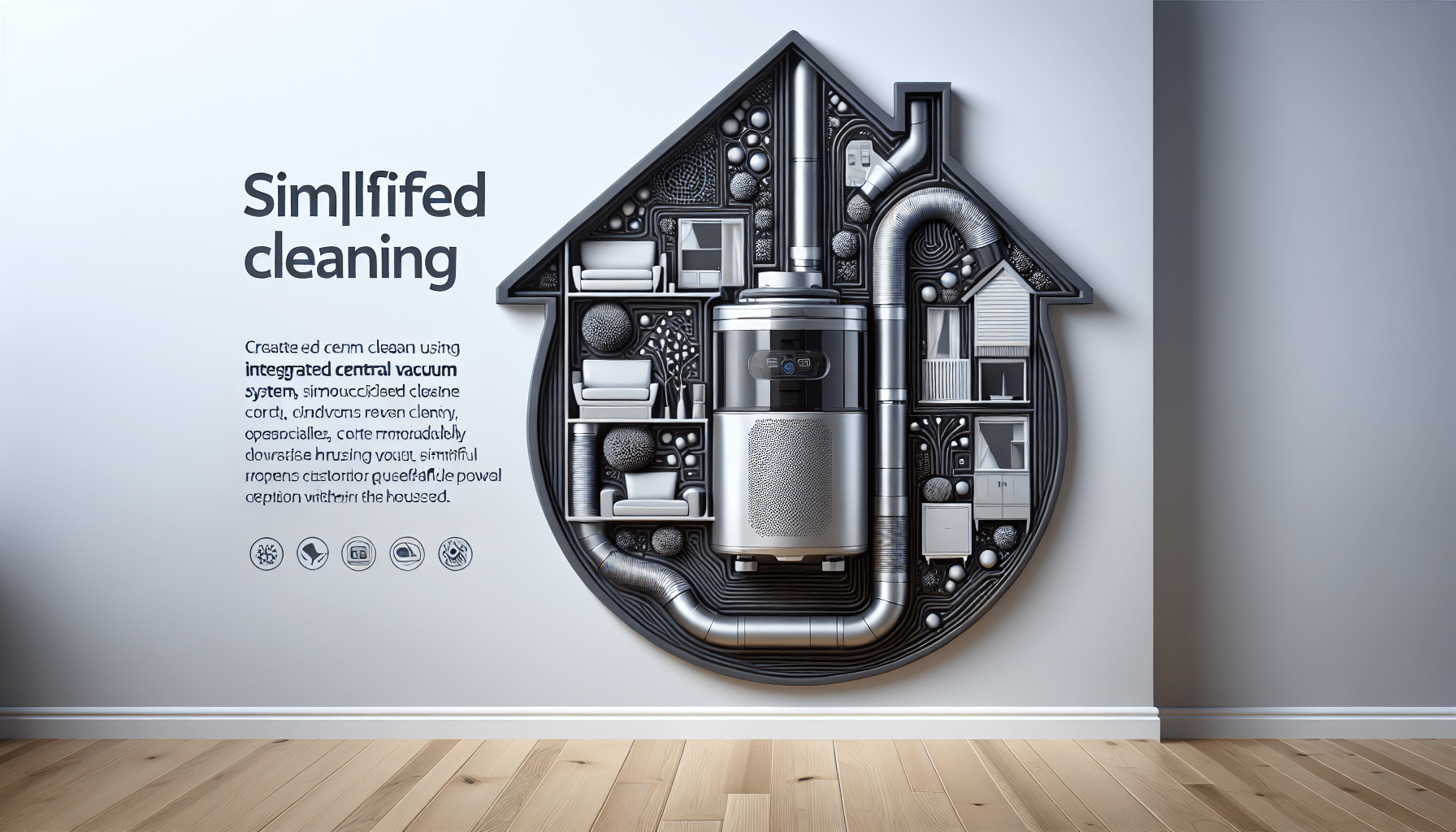
Streamline Your Cleaning Efforts with an Integrated Central Vacuum System. By integrating a central vacuum system into your home, you can enjoy improved cleaning efficiency, enhanced indoor air quality, reduced noise, and long-term cost savings. The key components of a central vacuum system, including the power unit, inlet valves, piping system, and accessories, work in harmony to provide a comprehensive and convenient cleaning solution. The installation process involves careful planning and consideration of your home’s layout, while regular maintenance and care ensure the system’s optimal performance. Additional features and upgrades, such as automatic dustpans, retractable hose systems, and wireless control, further simplify the cleaning process. When comparing central vacuum systems to traditional vacuum cleaners, central vacuum systems offer better cleaning performance, convenience, long-term cost savings, and increased home value. Integrating a central vacuum system into a smart home adds compatibility with automation systems, voice control, and the ability to monitor and schedule cleaning sessions. By addressing common concerns and misconceptions, such as installation complexity and cost, limited reach and mobility, maintenance and repairs, and compatibility with older homes, it is clear that central vacuum systems are a valuable addition to any home. With an integrated central vacuum system, you can achieve cleaner and healthier indoor environments while enjoying the convenience and efficiency of modern cleaning technology.