
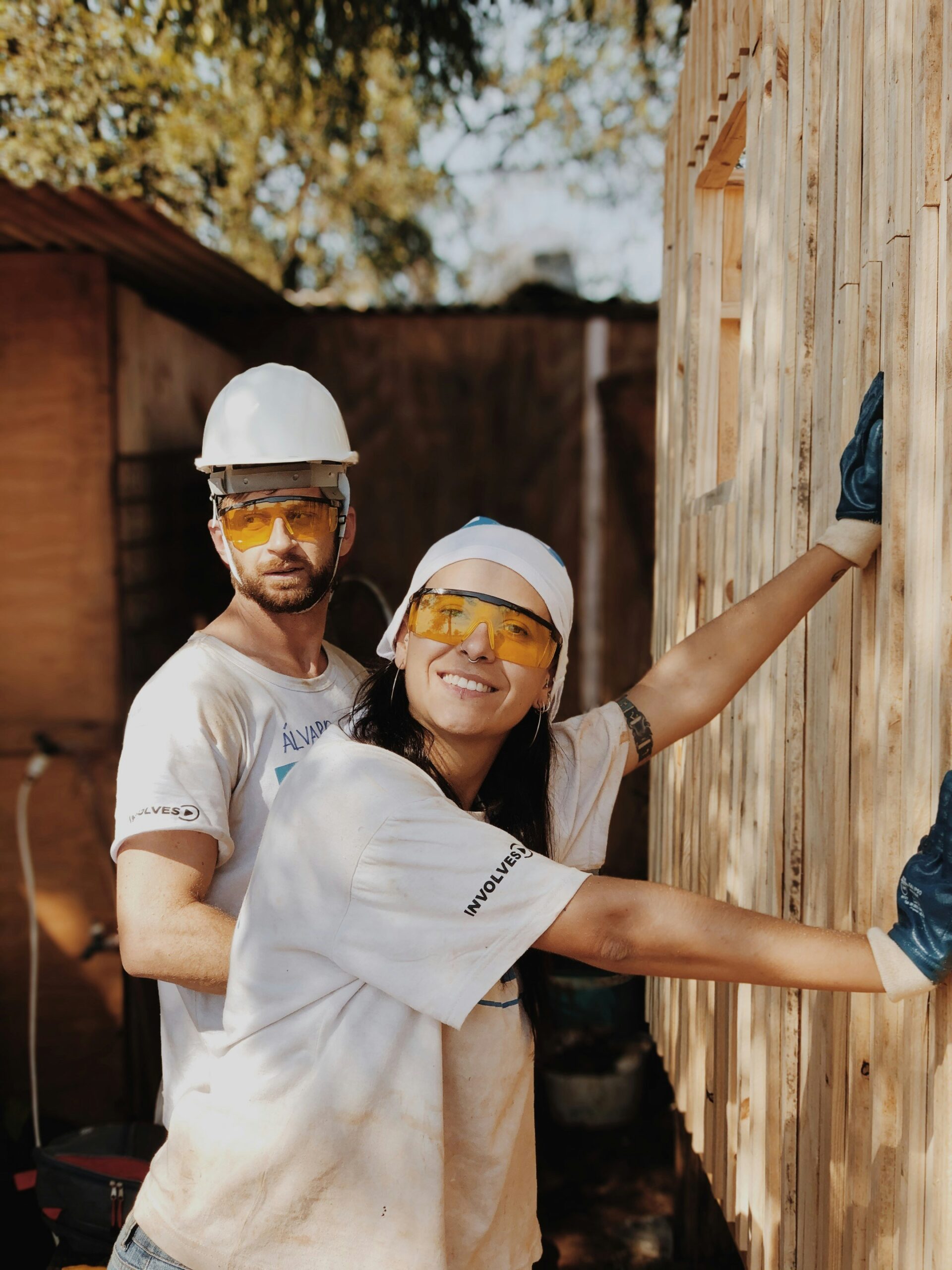
Ensuring Your Rental Property is Safe
As a landlord, it’s crucial to prioritize the safety of your tenants by ensuring your rental property meets safety standards. In this article, we will discuss the importance of meeting safety standards and how you can ensure your rental property is safe for tenants.

This image is property of images.unsplash.com.
Why Meeting Safety Standards is Important
Ensuring that your rental property meets safety standards is not only a legal requirement but also a moral obligation as a landlord. By meeting safety standards, you are protecting the well-being of your tenants and reducing the risk of accidents and liability issues.
As a landlord, it is your responsibility to provide a safe living environment for your tenants. Meeting safety standards ensures that your property is in compliance with regulations and provides peace of mind for both you and your tenants.
Legal Requirements for Rental Properties
There are various legal requirements that landlords must adhere to when it comes to safety standards for rental properties. These requirements are in place to protect the health and safety of tenants and ensure that landlords are providing habitable living conditions.
Some of the common legal requirements for rental properties include:
- Safe and secure windows and doors
- Working smoke detectors
- Properly installed and maintained heating systems
- Adequate ventilation
- Functional plumbing and electrical systems
By meeting these legal requirements, you can avoid potential legal issues and provide a safe living environment for your tenants.
Conducting Regular Inspections
To ensure that your rental property meets safety standards, it is important to conduct regular inspections. Regular inspections allow you to identify any potential safety hazards and address them before they become a problem.
During inspections, you should check for:
- Tripping hazards such as loose carpets or exposed wires
- Properly functioning smoke detectors and carbon monoxide detectors
- Secure railings on staircases and balconies
- Adequate lighting in common areas
- Functioning locks on doors and windows
By conducting regular inspections, you can proactively address any safety concerns and ensure that your rental property is safe for tenants.
Maintenance and Repairs
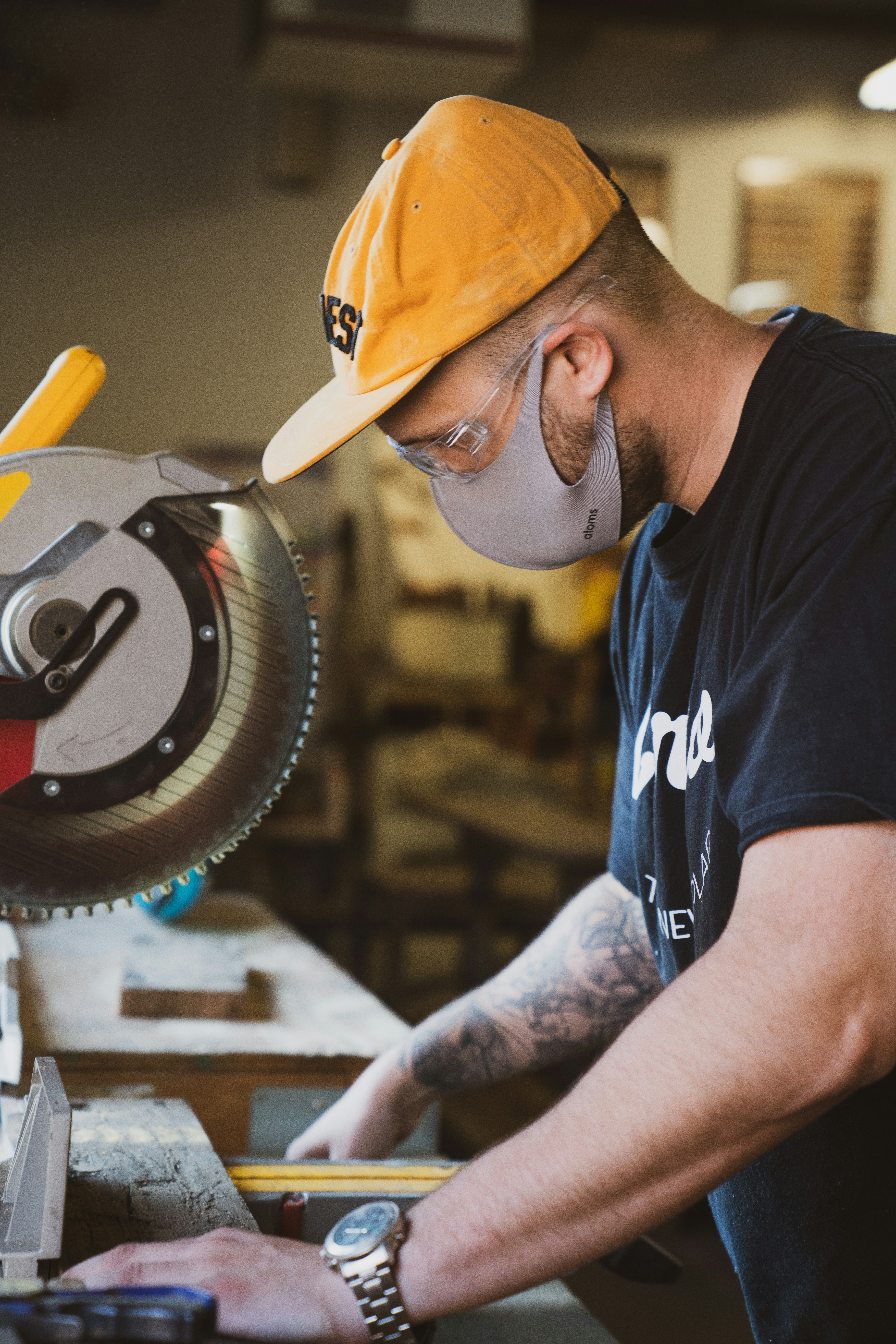
In addition to regular inspections, it is important to stay on top of maintenance and repairs to ensure that your rental property remains safe for tenants. Regular maintenance helps prevent small issues from becoming larger problems that could jeopardize the safety of your tenants.
Some maintenance tasks to consider include:
- Regularly servicing heating and cooling systems
- Repairing leaks and drips in plumbing
- Replacing worn or damaged flooring
- Inspecting and repairing electrical systems
- Cleaning and maintaining common areas
By staying proactive with maintenance and repairs, you can prevent safety hazards and provide a safe living environment for your tenants.
This image is property of images.unsplash.com.
Creating a Safety Plan
To ensure that your rental property meets safety standards, it is helpful to create a safety plan. A safety plan outlines the steps you will take to maintain the safety of your rental property and respond to emergencies.
Some elements to include in your safety plan are:
- Emergency contact information for tenants
- Procedures for responding to maintenance requests
- Instructions for evacuating the property in case of emergency
- Guidelines for reporting safety concerns
By creating a safety plan, you can establish clear procedures for ensuring the safety of your rental property and responding to emergencies in a timely manner.
Educating Tenants on Safety
Another important aspect of meeting safety standards for rental properties is educating tenants on safety best practices. By educating tenants on safety, you empower them to take ownership of their own safety and that of their neighbors.
Some ways to educate tenants on safety include:
- Providing information on emergency procedures
- Offering resources on fire prevention and safety
- Encouraging tenants to report safety concerns promptly
- Holding safety workshops or training sessions
By educating tenants on safety best practices, you create a culture of safety in your rental property and promote a sense of community responsibility among tenants.
This image is property of images.unsplash.com.
Implementing Safety Measures
In addition to meeting legal requirements and conducting regular inspections, there are additional safety measures that landlords can implement to ensure the safety of their rental properties. These measures go above and beyond the minimum requirements to provide an extra layer of protection for tenants.
Some additional safety measures to consider include:
- Installing security cameras in common areas
- Providing secure entry systems for the property
- Installing fire sprinkler systems in the building
- Hiring security personnel for the property
- Conducting background checks on potential tenants
By implementing these additional safety measures, you can enhance the safety and security of your rental property and provide peace of mind for your tenants.
Investing in Safety Upgrades
As a landlord, it is important to invest in safety upgrades for your rental property to ensure that it meets current safety standards. Safety upgrades not only improve the safety of your rental property but also enhance its value and appeal to prospective tenants.
Some safety upgrades to consider include:
- Installing smart home devices for added security
- Upgrading to energy-efficient appliances to prevent electrical hazards
- Retrofitting the property with earthquake-resistant features
- Installing outdoor lighting for improved safety at night
- Upgrading the property’s security system
By investing in safety upgrades, you can ensure that your rental property is up to date with the latest safety standards and provide a modern, secure living environment for your tenants.

Working with Professionals
If you are unsure about how to ensure that your rental property meets safety standards, consider working with professionals who specialize in property safety. Professionals such as property inspectors, maintenance technicians, and security experts can provide valuable insights and recommendations to help you maintain a safe living environment for your tenants.
By collaborating with professionals, you can leverage their expertise and experience to address safety concerns and ensure that your rental property meets safety standards.
In conclusion, meeting safety standards for rental properties is essential for landlords to protect the well-being of their tenants and avoid legal issues. By prioritizing safety, conducting regular inspections, staying proactive with maintenance and repairs, creating a safety plan, educating tenants on safety, implementing safety measures, investing in safety upgrades, and working with professionals, landlords can ensure that their rental properties are safe and secure for tenants. By taking these steps, you can provide a safe and comfortable living environment for your tenants and build a positive reputation as a responsible landlord.