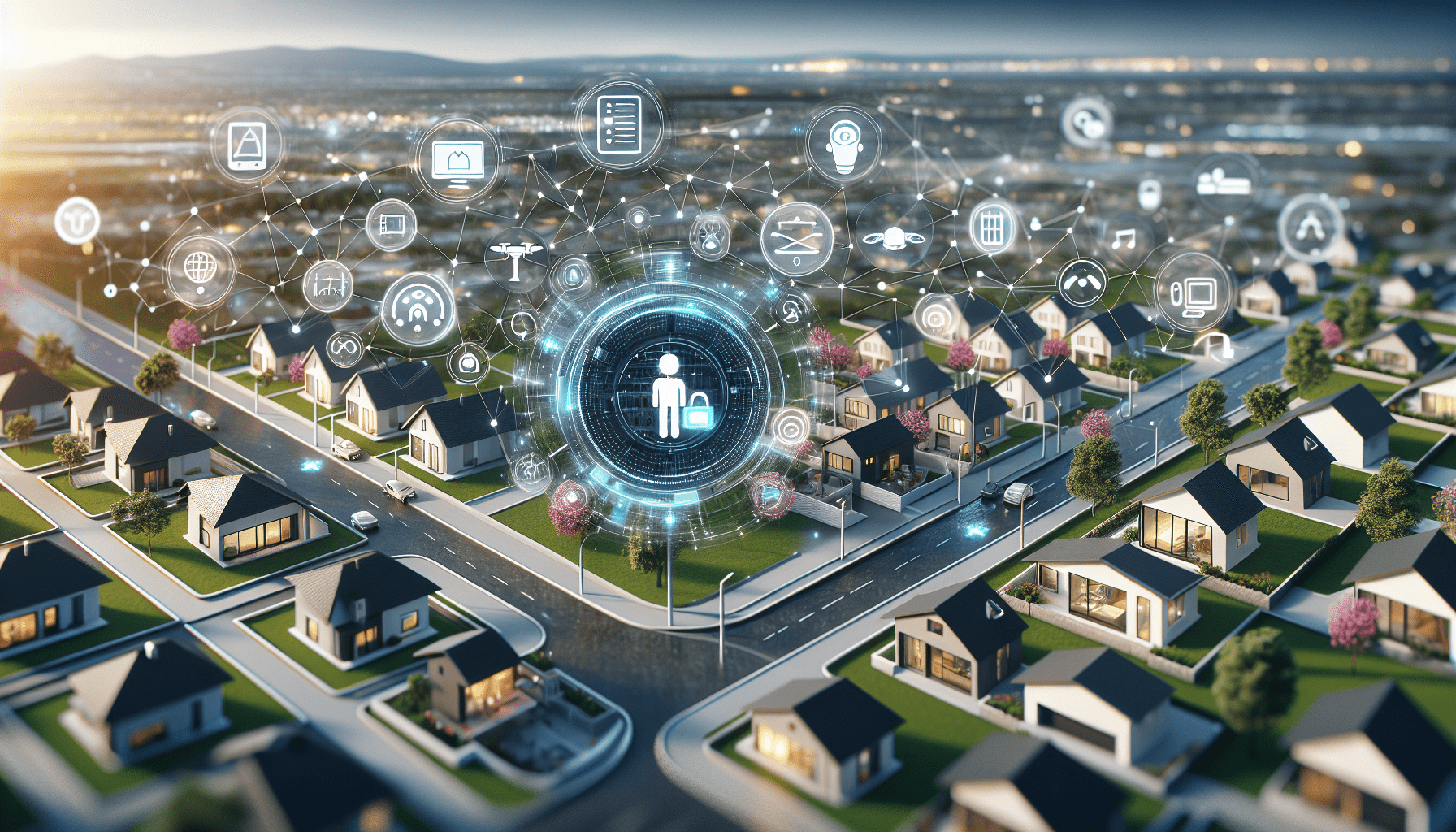
Are you curious about how the advancements in artificial intelligence (AI) and smart home devices are shaping the world of rental property management? In this article, we will explore the influence of these emerging technologies on the way rental properties are managed and how they enhance the overall appeal to tenants. From streamlined processes to increased security and convenience, the integration of AI and smart devices has revolutionized the way properties are managed and experienced in the rental market. Get ready to discover the exciting possibilities that this intersection of technology and real estate holds for the future of property management.

This image is property of images.pexels.com.
Benefits of AI in Rental Property Management
Automated property maintenance
AI in rental property management is transforming the way properties are maintained. With the help of AI-powered systems, property managers can automate maintenance tasks, making it easier to handle repairs and upkeep. AI algorithms can detect issues, such as leaks or equipment malfunctions, early on and notify property managers. This proactive approach helps prevent major damages and saves time and money in the long run.
Enhanced security
One of the key benefits of AI in rental property management is enhanced security. Smart surveillance systems, powered by AI, can identify and alert property managers about any suspicious activities or breaches. These systems can analyze real-time video footage, recognize patterns, and quickly notify property managers or security personnel in case of any potential threats. This not only provides peace of mind to property owners but also improves the safety and security of tenants.
Streamlined tenant screening
AI technology has revolutionized tenant screening in rental property management. By utilizing automated screening processes, property managers can efficiently review applicant information, including credit history, employment verification, and rental references. AI algorithms can quickly analyze large data sets and provide accurate assessments of an applicant’s creditworthiness and rental eligibility. This streamlines the tenant screening process, allowing property managers to find qualified tenants faster and minimize the risk of rental defaults or evictions.
Smart Home Devices in Rental Properties
Smart thermostats
Smart thermostats are revolutionizing rental property management by offering energy efficiency and cost savings. These devices can learn the temperature preferences of tenants and adjust heating and cooling accordingly. Property managers can remotely control and monitor thermostat settings, ensuring optimal energy usage and reducing utility costs. Smart thermostats also offer occupancy detection, allowing property managers to save energy by adjusting temperatures when units are unoccupied.
Smart locks
Smart locks provide convenient access management for rental properties. Property managers can remotely grant or revoke access codes, eliminating the need for physical keys. This reduces the risk of lost keys and unauthorized access. Additionally, smart locks offer keyless entry options, allowing tenants to enter their units using a smartphone or a unique access code. This enhances security and provides a seamless rental experience for tenants.
Smart lighting
Smart lighting systems offer several benefits for rental property management. These energy-efficient lighting solutions can be controlled remotely, allowing property managers to adjust brightness and schedules as needed. Smart lighting also enhances the tenant experience by providing automatic lighting controls, such as motion-activated lights in common areas or hallway lights that gradually dim during nighttime hours. This not only improves energy efficiency but also creates a welcoming and safe environment for tenants.
Improved Efficiency with AI and Smart Home Devices
Energy cost savings
The integration of AI and smart home devices in rental properties can lead to significant energy cost savings. Smart devices, such as thermostats and lighting systems, can automatically optimize energy usage by adjusting settings based on occupancy and external conditions. This results in reduced energy consumption and lower utility bills for both property owners and tenants. By leveraging AI algorithms and data analysis, property managers can identify areas of high energy usage and implement energy-saving measures, further improving efficiency and reducing costs.
Remote property access
AI and smart home devices enable property managers to remotely access rental properties, enhancing efficiency and convenience. With remote property access, managers can monitor the status of appliances, temperature settings, security systems, and more, all from a centralized platform. This eliminates the need for property managers to be physically present for routine inspections or maintenance tasks, saving time and resources. Remote property access also allows for immediate response to tenant issues, improving overall tenant satisfaction.
Automated rent collection
AI technology has made rent collection in rental property management more efficient and convenient. Automated rent collection systems are now available, allowing tenants to make payments online or through mobile apps. These systems can send automated reminders for rent payment deadlines and even initiate late fees if necessary. Property managers can easily track and reconcile payments, reducing administrative burdens and improving financial management. Automated rent collection streamlines the rent payment process, ensuring timely and hassle-free transactions for both property owners and tenants.
Challenges of Implementing AI and Smart Home Devices
Initial setup costs
One challenge in implementing AI and smart home devices in rental property management is the initial setup costs. Upgrading rental properties with smart devices and integrating AI-powered systems can require a significant upfront investment. Property owners or managers may need to purchase and install devices such as smart thermostats, locks, and lighting systems, as well as invest in the infrastructure needed for AI integration. However, it’s important to consider the long-term benefits and potential cost savings that these technologies can provide.
Privacy concerns
The implementation of AI and smart home devices raises privacy concerns among tenants. With the collection and analysis of data concerning tenant behavior, there may be concerns about the security and usage of personal information. Property managers must ensure that appropriate measures are in place to protect tenant privacy and comply with applicable data protection regulations. Transparent communication with tenants regarding data usage and privacy policies is crucial to maintaining trust and addressing any concerns.
Integration with existing systems
Integrating AI and smart home devices into existing property management systems can be a complex process. Property managers might need to upgrade or replace existing systems to facilitate seamless integration. Ensuring compatibility between different devices and software platforms can be a challenge, requiring technical expertise and coordination. Property managers may need to invest in training or consult with experts to properly integrate new technologies with existing management systems.

This image is property of images.pexels.com.
The Role of AI in Property Maintenance
Predictive maintenance
AI plays a crucial role in property maintenance by enabling predictive maintenance strategies. AI-powered systems can analyze data and identify patterns to predict when equipment or systems might require maintenance or repairs. By detecting potential issues in advance, property managers can schedule necessary maintenance and avoid costly breakdowns or disruptions. Predictive maintenance minimizes downtime, improves equipment lifespan, and reduces maintenance costs.
Fault identification and reporting
AI technology can quickly and accurately identify faults or malfunctions in rental properties. Smart sensors and devices can monitor equipment or systems and continuously analyze data to detect any abnormalities. When a fault is detected, AI-powered systems can generate real-time reports or notifications, allowing property managers to take immediate action. Fault identification and reporting enable property managers to swiftly address maintenance issues, minimizing tenant inconvenience and ensuring the proper functioning of rental properties.
Scheduling repairs and inspections
AI algorithms can optimize repair and inspection schedules in rental property management. By analyzing historical data, AI systems can identify patterns and prioritize maintenance tasks based on urgency and importance. This helps property managers efficiently allocate resources and schedule repairs or inspections accordingly. By streamlining the maintenance process, AI ensures that rental properties are well-maintained, minimizing potential damages and enhancing tenant satisfaction.
Enhanced Security Measures with Smart Home Devices
Keyless entry
Smart home devices, such as smart locks, provide keyless entry options that enhance security in rental properties. By eliminating the need for physical keys, property managers can minimize the risk of unauthorized access or lost keys. Keyless entry systems use unique access codes or smartphone apps to grant access to tenants and authorized individuals, ensuring that only those with proper authorization can enter the property. This not only enhances security but also eliminates the need for costly lock replacements or rekeying.
Real-time surveillance monitoring
The integration of AI-powered surveillance systems allows for real-time monitoring of rental properties. Smart cameras equipped with AI technology can analyze video footage and detect potential threats or suspicious activities. Property managers can receive real-time alerts or notifications about security breaches, allowing for immediate response and intervention. Real-time surveillance monitoring provides an added layer of security, deterring criminal activities and ensuring the safety of tenants and property.
Visitor tracking
Smart home devices enable property managers to track and monitor visitor activities in rental properties. Access control systems can keep records of who enters and exits the property, providing valuable information in case of any security incidents or disputes. This visitor tracking feature enhances security by ensuring that only authorized individuals are present on the premises. It also allows property managers to keep an accurate record of visitor traffic, which can be useful for various purposes, such as emergency response or tenant safety.
This image is property of images.pexels.com.
Streamlined Tenant Screening with AI
Automated background checks
AI technology streamlines tenant screening by automating background checks. AI algorithms can quickly analyze applicant data, including credit history, criminal records, and eviction histories. By automating this process, property managers can efficiently assess the suitability of applicants, saving time and effort. Automated background checks provide reliable and objective evaluations, reducing the risk of rental defaults, property damage, or legal issues associated with unqualified tenants.
Creditworthiness assessment
AI-powered systems can assess the creditworthiness of rental applicants accurately. By analyzing financial data, such as credit scores, income sources, and debt-to-income ratios, AI algorithms can generate creditworthiness assessments. This enables property managers to make informed decisions based on objective data, minimizing financial risks associated with tenants who may struggle to pay rent or have a history of defaults. Creditworthiness assessment provides a fair and efficient way to evaluate rental applicants’ financial stability.
Tenant behavior analysis
AI technology can analyze tenant behavior data to assess their suitability as tenants. By analyzing patterns and trends related to rental history, payment habits, or maintenance requests, AI algorithms can provide insights into a tenant’s behavior and reliability. Property managers can identify potential red flags, such as a history of late payments or frequent maintenance issues, and make informed decisions based on this analysis. Tenant behavior analysis allows property managers to select tenants who are likely to be responsible and respectful, contributing to a positive rental environment.
Integration of Smart Thermostats in Rental Properties
Energy efficiency and cost savings
Smart thermostats offer energy efficiency and cost savings in rental properties. These devices can automatically adjust temperature settings based on tenant preferences, occupancy patterns, and external conditions. By optimizing heating and cooling, smart thermostats help reduce energy consumption and lower utility bills for both property owners and tenants. The ability to remotely control and monitor thermostat settings also enables property managers to ensure efficient energy usage, resulting in significant cost savings in the long run.
Remote temperature control
Smart thermostats enable remote temperature control, enhancing convenience and comfort for tenants. Through smartphone apps or online platforms, tenants can adjust temperature settings from anywhere, ensuring optimal comfort when they arrive home. Remote temperature control also allows property managers to remotely monitor and adjust settings, ensuring that rental properties are heated or cooled appropriately. This versatility and flexibility enhance the tenant experience and improve overall satisfaction.
Occupancy detection
Smart thermostats equipped with occupancy detection capabilities can optimize energy usage by adjusting temperature settings based on occupancy. These devices can detect when units are unoccupied and adjust heating or cooling accordingly, reducing energy waste. Occupancy detection also provides valuable data for property managers, allowing them to identify usage patterns and make informed decisions about energy management strategies. By leveraging occupancy detection, property managers can achieve greater energy efficiency and cost savings in rental properties.
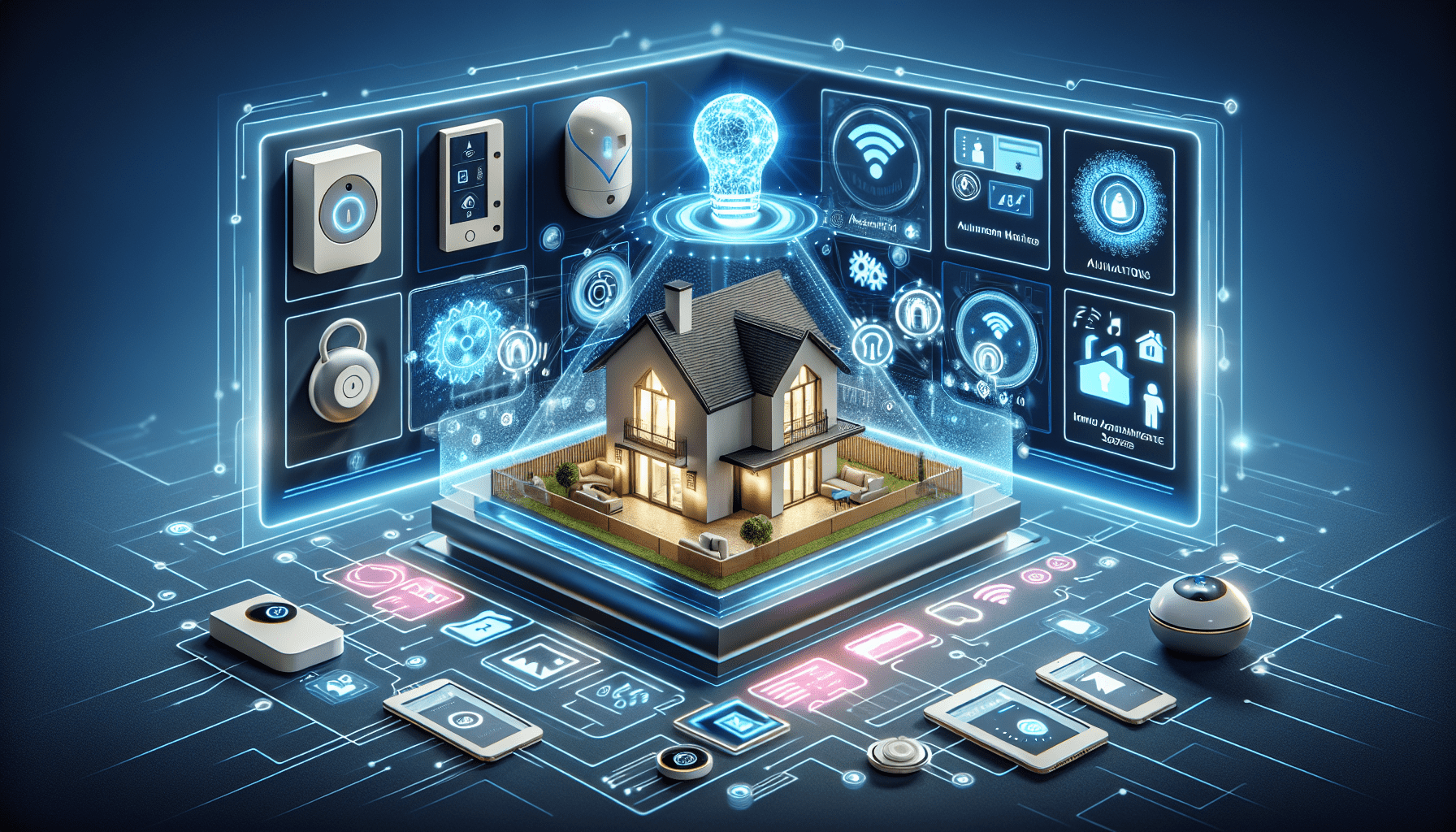
Benefits of Smart Locks for Rental Property Management
Convenient access management
Smart locks offer convenient access management for rental properties. Property managers can remotely grant or revoke access codes, eliminating the need for physical keys. This allows for efficient turnover of rental units and reduces the risk of unauthorized access. Additionally, smart locks provide flexibility in granting temporary access, such as for maintenance personnel or short-term guests. The convenience of managing access electronically simplifies the rental process and enhances efficiency for both property managers and tenants.
Increased security
The implementation of smart locks enhances the security of rental properties. These locks use advanced encryption and authentication mechanisms to ensure that only authorized individuals can access the property. Smart locks also provide an audit trail, allowing property managers to track who enters or exits the property at specific times. In case of incidents or disputes, this information can be valuable for investigation purposes. Increased security provided by smart locks improves tenant safety and protects property assets.
Keyless entry options
Smart locks offer keyless entry options, providing convenience and flexibility for tenants. Tenants can enter their units using a smartphone app or a unique access code, eliminating the need for physical keys. Keyless entry options simplify the access process for tenants, especially in situations where keys may be easily lost or misplaced. This feature also enhances security by reducing the risk of unauthorized key duplication. Keyless entry options make the rental experience more seamless and convenient, improving tenant satisfaction.
The Impact of Smart Lighting in Rental Properties
Energy-efficient lighting solutions
Smart lighting systems have a significant impact on energy efficiency in rental properties. These systems utilize energy-efficient LED bulbs and offer features such as motion sensors and automated controls. Motion-activated lights ensure that lights are only on when needed, reducing energy waste. Automated controls, such as scheduled dimming during nighttime hours, further optimize energy usage. The adoption of smart lighting solutions reduces energy consumption, lowers utility costs, and contributes to a more sustainable and environmentally friendly rental property.
Enhanced tenant experience
Smart lighting enhances the tenant experience by providing improved control and customization options. Tenants can adjust the brightness and color temperature of lights according to their preferences, creating a personalized living environment. Additionally, smart lighting systems can be integrated with other smart devices, such as smart thermostats or voice-controlled assistants, allowing for seamless automation and control. The flexibility and customization offered by smart lighting systems contribute to the overall comfort and satisfaction of tenants.
Automatic lighting controls
Smart lighting systems provide automatic lighting controls that enhance convenience and safety in rental properties. These controls include features such as motion-activated lights in common areas or time-based schedules for outdoor lighting. Motion-activated lights ensure that tenants are not left in the dark when entering common areas, providing a sense of safety and security. Time-based schedules for outdoor lighting ensure that appropriate lighting is available during nighttime hours, improving visibility and deterring potential criminal activities. Automatic lighting controls promote a well-lit and safe environment for tenants in rental properties.
In conclusion, the integration of AI and smart home devices in rental property management offers numerous benefits. From automated property maintenance and enhanced security measures to streamlined tenant screening and improved efficiency, these technologies significantly impact the management and appeal of rental properties. While there are initial setup costs, privacy concerns, and integration challenges to consider, the advantages outweigh the challenges. AI helps optimize property maintenance, ensuring timely repairs and inspections. Smart home devices enhance security through keyless entry and real-time surveillance monitoring. Furthermore, AI-powered tenant screening simplifies the process and helps select reliable tenants. The integration of smart thermostats, locks, and lighting systems improves energy efficiency, convenience, and tenant experience. With the influence of emerging technologies, rental property management is being revolutionized in ways that enhance efficiency, security, and overall tenant satisfaction.