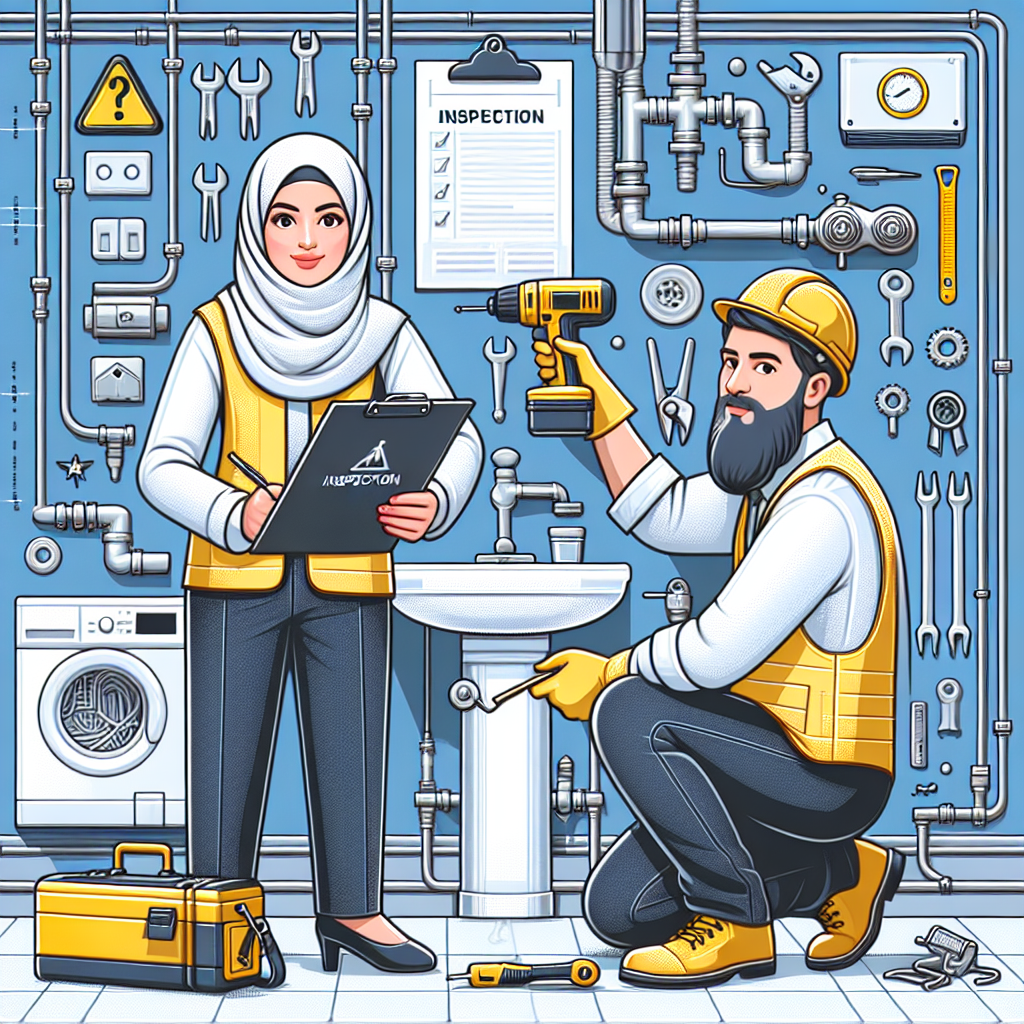
If you’ve ever wondered how to conduct property inspections in the most efficient and effective way, look no further. This article will provide you with valuable insights and guidelines on the best practices for inspecting properties. Whether you’re a landlord, a property manager, or a homeowner looking to ensure the upkeep of your investment, these tips will help you navigate the inspection process smoothly while ensuring the highest standards of property maintenance. From proper documentation to thorough checks, get ready to become a property inspection pro.
Preparation
Before conducting a property inspection, it is essential to engage in thorough preparation to ensure a smooth and effective process. Reviewing documentation is an important first step, as it provides valuable insight into the property’s history, any past issues, renovations, or permits. Take the time to carefully review any available reports, plans, and previous inspection records to familiarize yourself with the property.
Setting up an appointment with the property owner or representative is crucial to ensure access to the property and cooperation throughout the inspection process. Clear communication is key, so be sure to outline the purpose and duration of the inspection, as well as any areas that require special attention. Determine a suitable date and time that works for both parties.
In addition to scheduling the inspection, gather all the necessary tools and equipment that are essential for conducting a thorough evaluation. This may include a flashlight, ladder, measuring tape, thermal imaging camera, moisture meter, and any other specialized tools for examining different systems or structures. Prepare a checklist based on the specific requirements of the inspection.
Visual Inspection
The visual inspection involves evaluating the property’s overall appearance and examining its exterior and interior. Start with the exterior inspection, which includes examining the condition of the siding, windows, doors, gutters, and other external features. Look out for signs of damage, wear and tear, or maintenance issues. Pay attention to potential entry points for pests, cracks in the foundation, or water damage.
Moving on to the interior inspection, thoroughly examine each room, including common areas, bedrooms, bathrooms, and any additional spaces. Assess the general condition, checking for signs of leaks, water damage, mold, or structural issues. Evaluate the functionality of doors, windows, light fixtures, and electrical outlets. Take note of any visible problems and consider their potential impact on safety and maintenance.
Completing the visual inspection, assess the condition of the roof. Inspect the roof covering, flashing, gutters, and downspouts. Look for loose or missing shingles, signs of leakage, and any potential damage caused by weather conditions or aging. Take appropriate safety measures, such as using a ladder or accessing the roof from a secured area.

This image is property of images.unsplash.com.
Structural Inspection
During the structural inspection, focus on evaluating the property’s foundation, checking for any signs of damage or structural instability. Look out for cracks, uneven settlement, or signs of moisture near the foundation walls or basement. These could indicate potential problems that may require further investigation or repairs. Use specialized tools, if necessary, to assess the condition of the foundation and identify any underlying issues.
Next, assess the property for any structural damage, such as sagging floors, leaning walls, or weakened support beams. Structural issues can pose serious safety hazards and may indicate underlying problems with the property. It is essential to identify these issues and provide recommendations for necessary repairs or reinforcements.
Evaluate the load-bearing walls within the property. These walls support the structure of the building, and any deficiencies can impact the overall stability. Check for signs of movement, cracks, or unusual settling. Assess the condition of any beams or columns that may also contribute to the property’s structural integrity.
Mechanical Systems
The mechanical systems of a property play a significant role in the comfort and functionality of the space. During the inspection, carefully evaluate the heating and cooling systems. This includes examining the condition and age of the HVAC equipment, inspecting ductwork for cracks or damage, and testing the functionality of thermostats. Look for signs of poor maintenance or inefficient operation.
Plumbing systems are another critical aspect to consider during a property inspection. Inspect the main water supply, pipes, faucets, and drains. Look for any leaks, water pressure issues, or signs of corrosion. Check the plumbing fixtures, such as toilets, sinks, and showers, and assess their functionality.
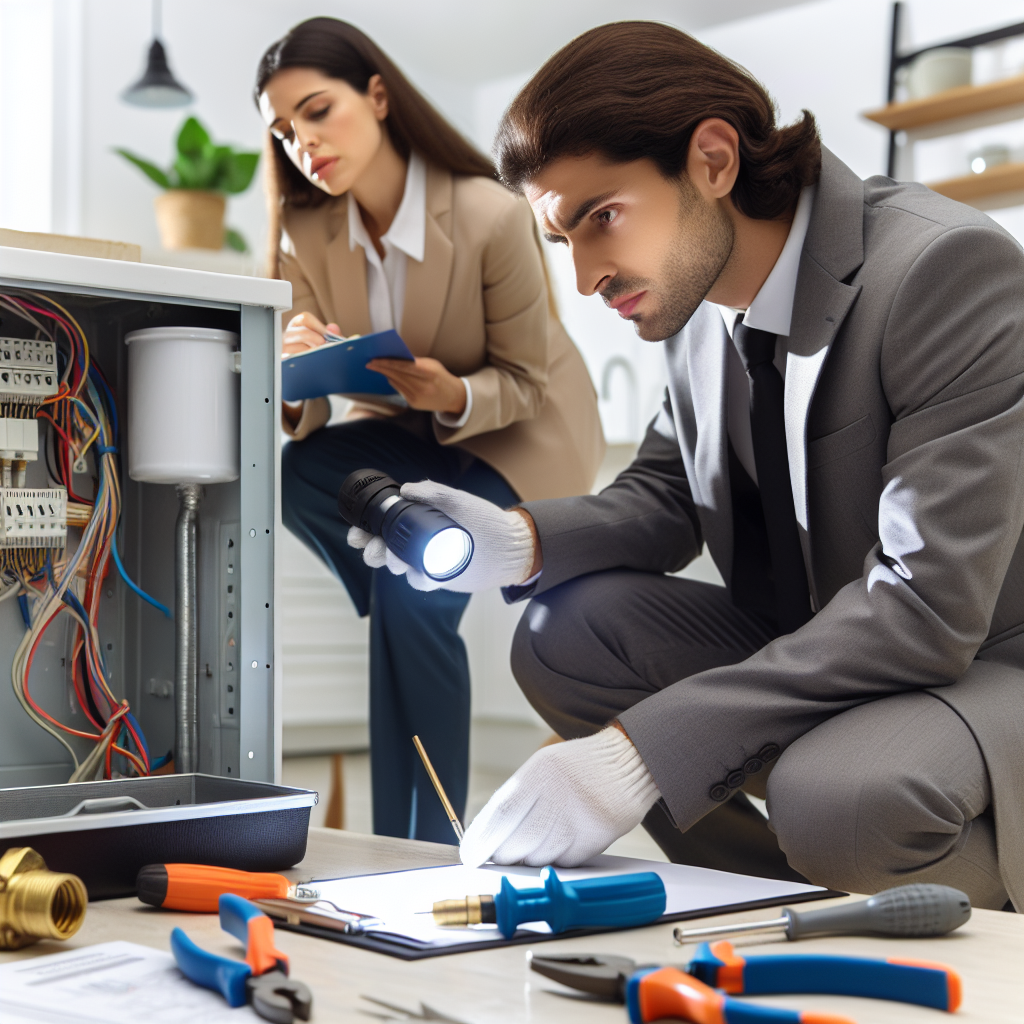
Inspecting the electrical systems is crucial for both safety and compliance. Evaluate the electrical panels, wiring, outlets, and switches. Look for any signs of outdated or faulty wiring, improper installation, or potential fire hazards. Test the functionality of electrical components, such as lights and appliances, to ensure they are in proper working order.

This image is property of images.unsplash.com.
Safety Evaluation
During the safety evaluation, it is important to identify and address any potential hazards that could endanger occupants or the property itself. Carefully inspect all areas of the property to identify potential safety risks, such as tripping hazards, inadequate lighting, loose handrails, or sharp objects. Take note of any necessary repairs or improvements.
Checking smoke alarms and carbon monoxide detectors is a crucial part of the safety evaluation. Ensure that these devices are present, properly installed, and functional. Check the expiration dates on smoke alarm batteries and replace them if necessary. Inform the property owner of any issues or the need for additional detectors.
Inspect the fire extinguishers within the property. Check their pressure gauges to ensure they are within the recommended range. Verify that the fire extinguishers are easily accessible, properly labeled, and have not expired. Make recommendations for upgrades or replacements if necessary.
Maintenance Assessment
Assessing the overall condition of the property is essential in understanding its state of repair and identifying any maintenance requirements. Carefully examine the property for signs of deterioration, such as peeling paint, cracked or damaged surfaces, or worn-out flooring. Look for any indications of deferred maintenance or neglected repairs.
Identifying necessary repairs or maintenance is an important aspect of the assessment. Take note of specific areas or components that require attention, whether it be immediate repairs or regular maintenance tasks. Consider both the short-term and long-term implications of these repairs and provide recommendations to the property owner accordingly.
Noting any signs of potential problems is an important part of ensuring the property’s longevity and reducing the risk of future issues. Look for signs of excess moisture, such as water stains or mold growth, which may indicate underlying problems. Take note of any signs of pests, such as damaged wood or droppings, which could require immediate attention.

This image is property of images.unsplash.com.
Documentation
Taking detailed notes and photographs throughout the inspection process is essential for thorough documentation and reference. Write clear and concise notes about each area inspected, including any observations, concerns, or recommendations. Include relevant measurements, descriptions, and any specific details that may be important for future reference.
Organizing findings is crucial to ensure effective communication and easy retrieval of information. Create a systematic approach to categorize and store the collected data. Utilize digital tools or software designed for property inspections to maintain accurate records and facilitate easy access to information when needed.
Create a final inspection report summarizing the findings and recommendations. This report should be clear, organized, and comprehensive, providing the property owner with a thorough understanding of the property’s condition. Include relevant photographs, diagrams, and any supporting documents to support your assessment.
Legal Compliance
Ensuring compliance with local regulations is a fundamental aspect of conducting property inspections. Research and familiarize yourself with the relevant safety codes, building regulations, and zoning requirements that apply to the property. During the inspection, assess the property’s adherence to these regulations and report any noncompliance issues or potential violations.
Verify that the property has obtained all necessary permits and licenses required for construction, renovations, or additions. Check for any expired permits or unauthorized modifications. Document any concerns regarding compliance issues and recommend the property owner pursue the appropriate actions to rectify them.
Communication
Effective communication throughout the inspection process and after its completion is crucial. Begin by explaining the inspection process to the property owner or representative. Clearly outline the purpose, scope, and expected timeline of the inspection. Address any questions or concerns they may have and provide reassurance that their cooperation is vital for an accurate assessment.
Once the inspection is complete, discuss the findings with the property owner in a clear and concise manner. Present the inspection report, highlighting the main issues, concerns, and recommendations. Take the time to answer any questions and provide additional explanations if needed. Offer guidance on prioritizing repairs and proactive maintenance.
Provide recommendations and suggestions based on the findings of the inspection. This could include suggestions for repairs, upgrades, or energy-efficient improvements. Help the property owner understand the potential benefits and long-term implications of these recommendations. Offer guidance on seeking professional help, obtaining estimates, and making informed decisions.
Continued Education
Staying updated on industry standards is essential to maintain expertise and provide the best possible service as a property inspector. Keep abreast of changes in building codes, safety regulations, and emerging technologies that may impact property inspections. Stay connected with professional associations, attend workshops, conferences, or training programs to expand your knowledge.
Seek professional certifications relevant to property inspections. Certifications provide credibility and demonstrate your commitment to ongoing education and skill development. Research industry-recognized certifications and work towards obtaining them to enhance your professional profile and provide added value to your clients.
Conducting property inspections efficiently and effectively requires continuous improvement and dedication to excellence. By following best practices, engaging in thorough preparation, conducting assessments with care, and maintaining ongoing education, you can ensure that each inspection provides a comprehensive and valuable evaluation of the property in question.