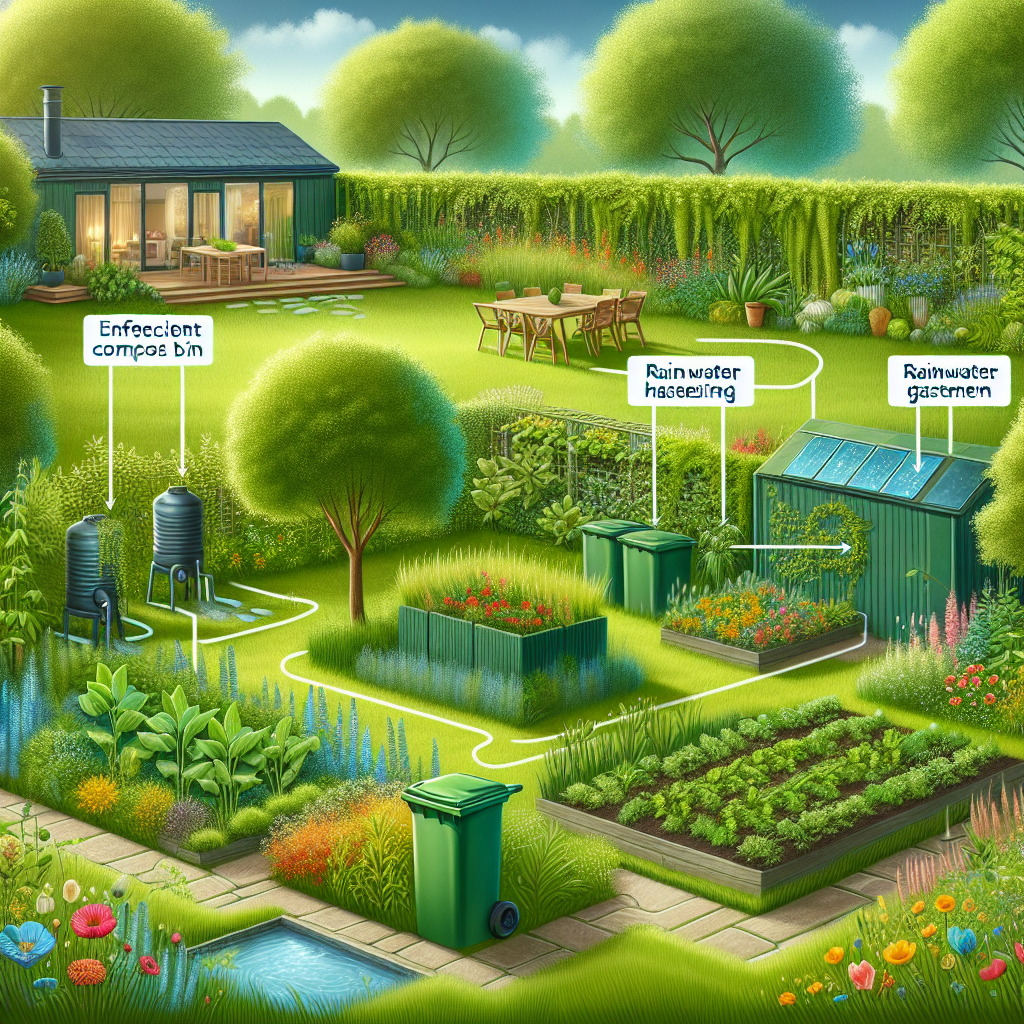
Did you know that you can make a positive impact on the environment right in your very own yard? If you’re looking for ways to create a more eco-friendly landscape, there are plenty of options available that not only benefit the planet but also enhance the beauty of your outdoor space. From planting native species to implementing sustainable irrigation systems, there are endless possibilities to transform your yard into an environmentally friendly oasis. So, let’s explore some eco-friendly landscaping solutions for your yard and discover how easy it can be to make a difference.

This image is property of images.unsplash.com.
Rainwater Harvesting
Installing a rain barrel
If you want to be more eco-friendly and conserve water, installing a rain barrel is a great solution for your yard. Rain barrels are simple and cost-effective systems that collect rainwater from your roof through a downspout. This water can then be used for various purposes such as watering your plants, gardens, or even for washing outdoor items. By using rainwater instead of tap water, you not only save money on your water bill but also reduce the strain on municipal water sources.
Installing a rain barrel is a fairly easy process. First, choose a suitable location near a downspout where you can place your rain barrel. Ensure that the area is level and solid enough to support the weight of a full barrel. Next, disconnect your downspout and attach a diverter or connector kit to redirect the water into the barrel. Finally, secure the barrel and ensure that it is stable.
Creating a rain garden
Another excellent eco-friendly landscaping solution for your yard is creating a rain garden. A rain garden is a shallow depression filled with native plants and designed to capture and absorb rainwater runoff from impermeable surfaces such as rooftops, driveways, and walkways. By capturing this runoff, rain gardens help reduce the amount of water flowing into storm drains and ultimately into lakes, rivers, and streams, preventing erosion and water pollution.
To create a rain garden, start by selecting a suitable location in your yard, preferably near a downspout or other source of water runoff. The size of your rain garden will depend on the size of your yard and the amount of water you want to capture. Excavate the area to create a depression, ensuring that the bottom slopes gently to allow water to percolate into the ground. Then, choose native plants that can tolerate both wet and dry conditions and arrange them in a way that mimics natural plant communities. Be sure to mulch the area to retain moisture and suppress weed growth.
Native Plants
Benefits of using native plants
Using native plants in your yard is not only beneficial for the environment but also brings numerous advantages to your landscaping. Native plants are those naturally occurring in a specific region and have adapted to the local climate, soil conditions, and wildlife. By incorporating native plants into your yard, you enhance the biodiversity and overall ecological health of your surroundings.
One significant benefit of using native plants is their ability to attract and support local wildlife, including birds, bees, butterflies, and other pollinators. Native plants provide essential sources of food, shelter, and nesting sites for these creatures, thereby creating a thriving ecosystem. Additionally, native plants require less maintenance, as they are already adapted to the local conditions, reducing the need for excessive watering, fertilizers, and pesticides.
Choosing native plants for your yard
When selecting native plants for your yard, it is essential to consider factors such as your local climate, soil type, and available sunlight. Research the native plant species that thrive in your area and choose a variety that offers a mix of flowers, grasses, shrubs, and trees. By incorporating plants with varying heights, bloom times, and foliage textures, you can create a visually appealing and dynamic landscape.
Visit local nurseries or botanical gardens to learn more about native plant options in your region. Seek advice from experts who can assist you in choosing appropriate species based on your yard’s specific characteristics. Consider planting clusters of the same species to encourage pollinators and create visual impact. By incorporating native plants into your yard, you are not only beautifying your surroundings but also contributing to the preservation of your region’s unique ecosystem.

This image is property of images.unsplash.com.
Permeable Surfaces
Using permeable pavers
If you are looking to reduce stormwater runoff and improve the sustainability of your yard, using permeable pavers is an excellent eco-friendly choice. Unlike traditional impervious surfaces such as concrete or asphalt, permeable pavers allow rainwater to infiltrate the ground rather than contributing to runoff. This helps to recharge groundwater supplies, reduce erosion, and prevent water pollution.
Permeable pavers consist of specially designed units that have small gaps between them, allowing water to pass through. These units are typically made of concrete, clay, or recycled materials, offering a wide range of colors and patterns to choose from. By using permeable pavers for your driveway, patio, or walkway, you can create a visually appealing and functional surface while minimizing the environmental impact.
Installing a gravel or pebble pathway
Another eco-friendly landscaping solution for your yard is the installation of a gravel or pebble pathway. These pathways are both aesthetically pleasing and ideal for allowing rainwater to seep into the ground. By using these permeable materials instead of solid surfaces, you promote better drainage, minimize water runoff, and reduce the risk of waterlogging in your yard.
To install a gravel or pebble pathway, start by excavating the desired area to a depth of approximately four to six inches. Ensure that the path is sloped slightly to direct water away from nearby structures. Next, line the excavated path with a landscape fabric to prevent weed growth. Pour a layer of crushed stone or gravel onto the fabric, spreading it evenly to a thickness of two to three inches. Use a rake or tamper to compact the layer. Finally, add a top layer of decorative gravel or pebbles, ensuring a depth of one to two inches. Smooth the surface and enjoy your beautiful and permeable pathway.

This image is property of images.unsplash.com.
Xeriscaping
Designing a xeriscape garden
Xeriscaping is a water-efficient landscaping method that emphasizes the use of drought-tolerant plants and minimal supplemental irrigation. By implementing xeriscaping principles in your yard, you can create a beautiful and sustainable garden that requires little water and maintenance. Designing a xeriscape garden involves careful planning and consideration of various factors.
Begin by assessing your yard’s water requirements and microclimates. Identify areas that receive different amounts of sunlight, shade, and wind exposure throughout the day. Select drought-tolerant plant species that are well-suited to these conditions. Group plants with similar water needs together and consider incorporating native plants that have adapted to the local climate. Layer plants based on their mature heights to create a visually appealing and functional landscape.
Incorporate hardscape features such as pathways, retaining walls, and decorative rocks to add structure and contrast to your xeriscape garden. Use mulch or gravel to cover the soil surface around plants, reducing evaporation and weed growth. Install an efficient irrigation system, such as drip irrigation, to deliver water directly to the plant’s roots, minimizing waste and optimizing water absorption.
Using drought-tolerant plants
One of the key elements of xeriscaping is the use of drought-tolerant plants. These plants are well-adapted to thrive in arid or semi-arid climates, making them excellent choices for water-efficient landscaping. By selecting drought-tolerant plants for your yard, you can significantly reduce your water consumption while still enjoying a vibrant and attractive garden.
Drought-tolerant plants are often characterized by their ability to survive with minimal irrigation and their capacity to store water efficiently. Some popular examples include succulents, such as agave and sedum, which have fleshy leaves that store water. Grasses like feather reed grass and blue grama are also known for their drought tolerance and visual appeal. Consider ornamental shrubs like lavender or rosemary that exhibit low water requirements and provide beautiful fragrance and color to your landscape.
When selecting drought-tolerant plants for your xeriscape garden, prioritize native species that are well-suited to your region’s climate and soil conditions. These plants have already adapted to the local environment and are more likely to thrive with minimal care. Additionally, they often provide crucial habitat and food sources for local wildlife, further enhancing the ecological value of your yard.