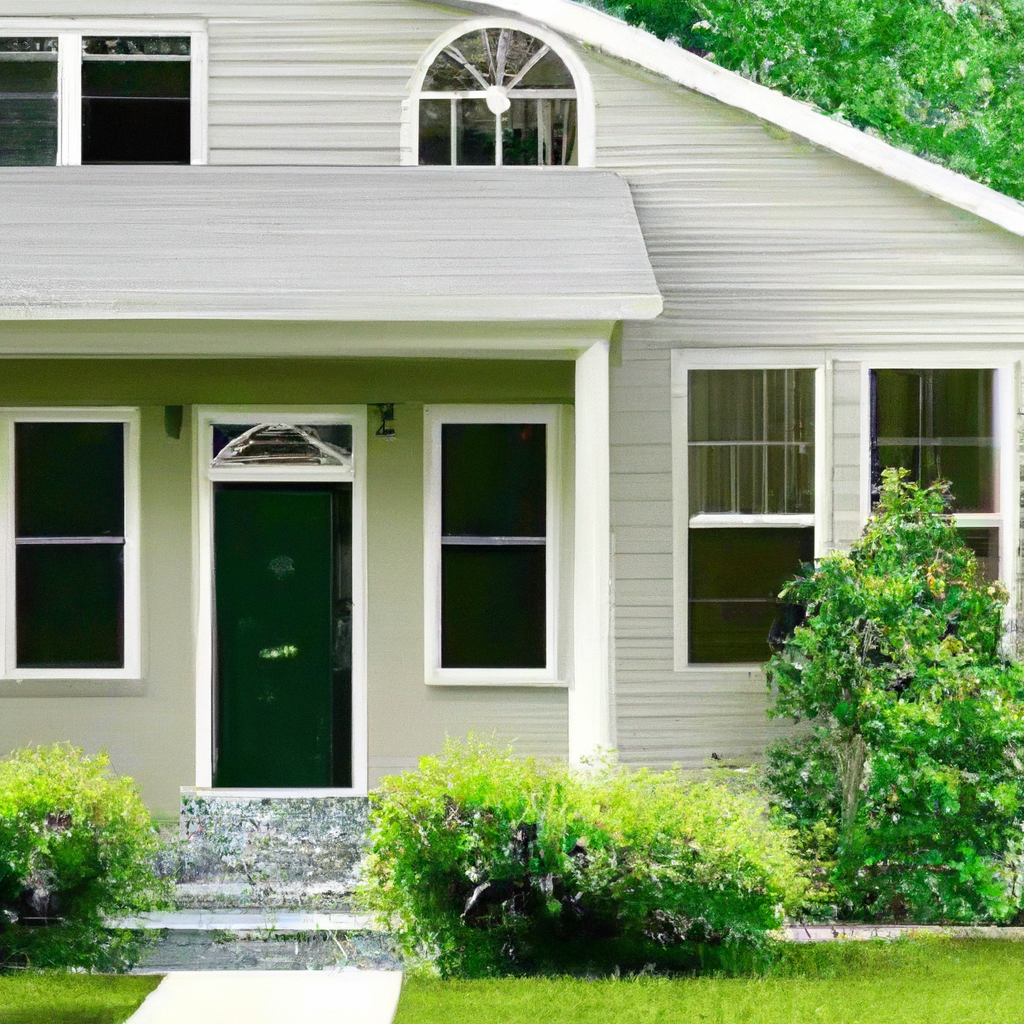
If you’re looking to enhance the energy efficiency of your home, choosing the right windows is a crucial decision. With a multitude of options available, finding the perfect energy-efficient window might seem overwhelming, but fret not! This article has got you covered. From double-pane to low-emissivity glass, we’ll explore a variety of window options that will not only keep your energy bills in check but also make your home more comfortable and environmentally-friendly. So, let’s dive in and discover the world of energy-efficient windows!
This image is property of images.pexels.com.
Double-pane windows
How double-pane windows work
Double-pane windows, also known as dual-pane windows, consist of two layers of glass with an air gap between them. The space between the glass panes is filled with air or sometimes an insulating gas, such as argon or krypton. This design helps in reducing heat transfer and improving the insulation of the window.
When sunlight or heat from outside enters the double-pane window, the inner pane traps the heat. The air or gas in between the two panes acts as an insulator, preventing the heat from entering the room. This insulation property makes double-pane windows more energy-efficient compared to single-pane windows.
Benefits of double-pane windows
Double-pane windows offer several benefits that make them a popular choice for energy-efficient homes. Firstly, they provide enhanced insulation, reducing heat loss during colder months and minimizing heat gain during warmer months. This insulation helps in maintaining a comfortable indoor temperature and reduces reliance on heating and cooling systems.
In addition to energy efficiency, double-pane windows also provide improved sound insulation. The two layers of glass and the air or gas between them act as a barrier against outside noise, creating a quieter and more peaceful indoor environment.
Double-pane windows also contribute to increased home security. The added layer of glass makes it more difficult for intruders to break through, enhancing the overall safety of your home.
Considerations when choosing double-pane windows
When selecting double-pane windows, it is important to consider a few factors. The first is the type of gas used between the glass panes. Argon and krypton gases are commonly used due to their higher insulating properties compared to regular air. However, windows with gas-filled panes can be more expensive than those filled with air.
Another consideration is the glass itself. Low-emissivity (Low-E) coatings can be applied to the glass for additional insulation and UV protection. Additionally, look for windows with a good energy efficiency rating to ensure optimal performance and energy savings.
Lastly, it is essential to choose reputable and experienced window manufacturers and installers to ensure proper installation and maximize the benefits of double-pane windows.
Triple-pane windows
Advantages of triple-pane windows
Triple-pane windows, as the name suggests, consist of three layers of glass with multiple gas-filled spaces between them. The additional glass pane and gas layers provide superior insulation compared to double-pane windows.
The primary advantage of triple-pane windows is their exceptional energy efficiency. The extra layer of glass and the additional insulating gas greatly reduce heat loss, making them ideal for extremely cold climates. They can also prevent heat gain during hot summers, thus helping to maintain a comfortable indoor temperature year-round.
Triple-pane windows significantly reduce outside noise when compared to single or double-pane windows. The multiple layers of glass, combined with the insulating gas, create an excellent sound barrier, allowing you to enjoy a quieter and more peaceful living environment.
Disadvantages of triple-pane windows
While triple-pane windows offer numerous benefits, they do come with a few drawbacks. The first is the increased cost. The additional glass pane and the multiple gas-filled spaces make triple-pane windows more expensive than their double-pane counterparts. However, the long-term energy savings and improved comfort may outweigh the initial investment.
Another consideration is the weight of triple-pane windows. The added layers of glass and gas make them heavier, which may require additional structural support during installation. It is important to ensure that your window frames and infrastructure can accommodate the increased weight before choosing triple-pane windows.
Factors to consider when selecting triple-pane windows
When choosing triple-pane windows, several factors should be considered. Firstly, select an energy-efficient glass with a low U-factor and a high R-value. These ratings indicate the window’s insulating ability, with lower U-factor and higher R-value values indicating better insulation.
The type of gas used between the glass panes is also important. Argon and krypton gases are commonly used for their superior insulating properties. Consider the gas that best suits your climate and budget.
Lastly, choose a reputable window manufacturer and installer who specializes in triple-pane windows. Proper installation is crucial to maximize the energy-saving benefits and overall performance of these windows.
Low-emissivity (Low-E) coatings
What are Low-E coatings?
Low-emissivity (Low-E) coatings are thin layers of metallic particles applied to window glass. These coatings are designed to reflect infrared heat while allowing visible light to pass through.
The primary function of Low-E coatings is to reduce heat transfer through the windows. They accomplish this by reflecting the heat back to its source, whether it’s the sun during summer or interior heating during winter. At the same time, Low-E coatings allow natural light to enter the space, helping to maintain a bright and vibrant interior.
Benefits of Low-E coatings
Low-E coatings provide several benefits that contribute to energy efficiency and overall comfort. Firstly, they significantly reduce the amount of heat entering or escaping through the windows. This reduces the reliance on heating and cooling systems, resulting in lower energy consumption and reduced utility bills.
In addition to energy savings, Low-E coatings also offer UV protection. They block a significant amount of harmful UV rays, protecting your furniture, flooring, and other interior elements from fading or deteriorating over time.
Moreover, Low-E coatings help to maintain a comfortable indoor temperature by minimizing hot spots near windows. They create a more consistent temperature throughout the room and reduce the need for adjusting thermostats or using additional heating or cooling methods.
Limitations of Low-E coatings
While Low-E coatings offer numerous benefits, there are a few limitations to consider. The first is the cost. Windows with Low-E coatings can be more expensive than those without, adding to the overall upfront cost of window replacement or installation. However, the long-term energy savings and improved comfort may justify the investment.
Another consideration is the reduction in solar heat gain. While Low-E coatings are designed to reduce heat transfer, they also limit the amount of solar heat entering the space. This can be an advantage in warmer climates but may be a disadvantage in colder regions where passive solar heating is desired.
Lastly, the performance of Low-E coatings can vary depending on the orientation of the window and the climate. It is important to choose the appropriate Low-E coating based on your specific needs and consult with experts to ensure optimal performance.
Gas-filled windows
Types of gas used in gas-filled windows
Gas-filled windows are designed with an insulating gas sealed between the glass panes. The type of gas used can significantly impact the energy efficiency and insulating properties of the window.
Argon gas is the most commonly used gas in gas-filled windows. It is a non-toxic, odorless gas that provides good insulation and reduces heat transfer. Argon-filled windows are an excellent choice for enhancing energy efficiency and maintaining a comfortable indoor temperature.
Krypton gas is another option for gas-filled windows. It is a denser gas than argon and offers higher insulating properties. Krypton-filled windows are advantageous in extreme climates or areas where maximum insulation is required.
Advantages of gas-filled windows
Gas-filled windows provide several advantages that contribute to their energy efficiency. Firstly, the gas between the glass panes acts as an insulator, reducing heat transfer and improving overall thermal performance. This insulation helps in maintaining a comfortable indoor temperature, reducing energy consumption, and lowering utility bills.
Additionally, gas-filled windows also offer enhanced sound insulation. The gas-filled space between the glass panes acts as a noise barrier, reducing outside noise and creating a quieter living environment.
Gas-filled windows are also desirable for their ability to eliminate or reduce condensation on the inner surface of the window. The insulating gas helps to maintain a consistent temperature on the interior glass pane, reducing the likelihood of condensation formation.
Things to consider when choosing gas-filled windows
When selecting gas-filled windows, it is important to consider a few factors. Firstly, the type of gas used between the glass panes. Argon and krypton are the most common options, with krypton providing higher insulating properties. Consider the climate and specific insulation needs of your location before choosing the gas.
Another consideration is the overall energy efficiency of the window. Look for windows with low U-factor and high R-value ratings, indicating better insulation and energy-saving capabilities.
Lastly, ensure that the gas-filled windows are installed properly by experienced professionals. Improper installation can compromise the energy efficiency and performance of the windows, resulting in decreased insulation and potential issues down the line.

This image is property of images.pexels.com.
Insulated window frames
Different types of insulated window frames
Insulated window frames are an essential component for energy-efficient windows. Different types of insulated window frames offer varying levels of insulation and durability.
Vinyl frames are a popular choice for their affordability and excellent insulation properties. They are made from PVC (polyvinyl chloride) and feature multiple chambers that enhance thermal performance and reduce heat transfer.
Wood frames provide natural insulation and are known for their classic aesthetics. They offer good energy efficiency but may require regular maintenance to prevent decay or warping.
Fiberglass frames are durable and have excellent insulation properties. They expand and contract at a similar rate to the glass, reducing the likelihood of seal failures. Fiberglass frames can also be painted to match your home’s decor.
Aluminum frames are less energy-efficient than other options, but thermal breaks can be added to improve insulation. They are lightweight and low-maintenance, making them a popular choice for commercial buildings or modern residential designs.
Benefits of insulated window frames
Insulated window frames offer several benefits that contribute to energy efficiency and overall comfort. Firstly, they provide excellent insulation, reducing heat loss during colder months and minimizing heat gain during warmer months. This insulation helps in maintaining a comfortable indoor temperature and reduces the workload on heating and cooling systems.
In addition to energy efficiency, insulated window frames also offer improved sound insulation. The multiple layers and insulation materials reduce noise transmission, creating a quieter and more peaceful living environment.
Insulated window frames are also durable and weather-resistant. They can withstand extreme temperatures, high winds, and moisture without warping, rotting, or deteriorating. This durability ensures that your windows will last longer, providing long-term energy savings.
Factors to consider when selecting insulated window frames
When choosing insulated window frames, there are a few factors to consider. Firstly, assess the climate conditions in your area. Different materials have varying levels of resistance to extreme temperatures and moisture, so select a frame material that suits your climate.
Additionally, consider the long-term durability and maintenance requirements of the window frames. Wood frames may require regular maintenance and refinishing, while vinyl and fiberglass frames are low-maintenance options.
Lastly, choose a reputable window manufacturer and installer who specializes in energy-efficient window frames. Proper installation is crucial for maximizing the insulation benefits and overall performance of insulated window frames.
Window tinting
How window tinting works
Window tinting involves applying a thin layer of film to the glass surface of a window. This film contains microscopic particles that absorb or reflect sunlight, adjusting the amount of heat and visible light that enters the space.
The tinted film can be either reflective or absorbing. Reflective films have a mirrored appearance and reflect a significant amount of sunlight, reducing heat gain and minimizing glare. Absorbing films, on the other hand, absorb the sunlight, preventing it from entering the room and reducing heat transfer.
Advantages of window tinting
Window tinting provides several advantages in terms of energy efficiency and indoor comfort. Firstly, it reduces heat gain by blocking a significant amount of solar heat. This helps in maintaining a cooler indoor temperature and reducing the need for excessive air conditioning, resulting in lower energy consumption and utility bills.
Window tinting also contributes to glare reduction. The tinted film reduces the amount of visible light entering the space, minimizing eyestrain and improving the overall comfort of the occupants. Additionally, it provides enhanced privacy by reducing the visibility from the outside.
Another advantage of window tinting is UV protection. The tinted film blocks a considerable portion of harmful UV rays, minimizing the fading and damage caused to furniture, flooring, and other interior elements by prolonged sun exposure.
Considerations for window tinting
When considering window tinting, there are a few factors to take into account. Firstly, check the local regulations regarding window tint darkness and reflective properties. Some areas may have specific restrictions or requirements that need to be followed.
Additionally, consider the specific needs of each room when choosing the tint shade. Different rooms may require varying levels of natural light and heat reduction. For instance, south-facing rooms may benefit from a darker tint to reduce heat gain, while north-facing rooms may require a lighter tint to maintain brightness.
Lastly, consult with professionals who specialize in window tinting to ensure proper installation and the selection of the most suitable tint for your needs. Improper installation can result in bubbling or peeling of the film, compromising its effectiveness and overall appearance.
This image is property of images.pexels.com.
Warm edge spacers
What are warm edge spacers?
Warm edge spacers are components used in insulated windows to separate and seal the glass panes. Unlike traditional metal spacers, warm edge spacers are made from low-conductivity materials, such as foam or thermoplastic.
The primary purpose of warm edge spacers is to improve the thermal performance of the window and reduce heat transfer at the edges. By minimizing heat loss or gain through the edges of the glass panes, warm edge spacers contribute to enhanced energy efficiency and overall insulation of the window.
Benefits of warm edge spacers
Warm edge spacers offer several benefits that contribute to energy efficiency and indoor comfort. Firstly, they significantly reduce heat loss through the edges of the glass panes. This improves the overall thermal performance of the window and helps to maintain a comfortable indoor temperature.
By minimizing the temperature difference between the edges and the center of the glass panes, warm edge spacers also reduce the likelihood of condensation formation. This helps in preventing moisture buildup, which can lead to mold growth and damage to window sills or surrounding areas.
Warm edge spacers also contribute to the longevity and durability of windows. By reducing stress on the glass caused by temperature fluctuations, they help to prolong the lifespan of the window and enhance its overall performance.
Things to consider when choosing warm edge spacers
When selecting warm edge spacers, there are a few factors to consider. Firstly, assess the insulating properties of the spacer material. Look for spacers made from low-conductivity materials, such as foam or thermoplastic, which offer superior insulation compared to metal spacers.
It is also important to consider the compatibility of the warm edge spacers with the specific type of window you have or plan to install. Different types of windows may require different spacer systems, so consult with professionals to ensure compatibility and optimal performance.
Lastly, choose a reputable window manufacturer or installer who specializes in energy-efficient window systems. Proper installation is crucial to maximize the benefits of warm edge spacers and ensure the overall efficiency and longevity of the windows.
Reflective coatings
Overview of reflective coatings
Reflective coatings, also known as mirror coatings or reflective films, are applied to window glass to reduce heat gain and glare. These coatings consist of microscopic layers of metallic particles that reflect a significant portion of sunlight back into the atmosphere.
The primary function of reflective coatings is to block or reflect solar heat while allowing visible light to pass through. They are commonly used in commercial buildings and areas with high sun exposure.
Advantages of reflective coatings
Reflective coatings provide several advantages in terms of energy efficiency and indoor comfort. Firstly, they significantly reduce heat gain by reflecting a substantial amount of solar heat back into the atmosphere. This helps in maintaining a cooler indoor temperature and reducing the workload on air conditioning systems, resulting in lower energy consumption and utility bills.
Reflective coatings also minimize glare from direct sunlight, improving visual comfort and reducing eyestrain. The metallic particles in the coating reduce the amount of visible light entering the space, making it more comfortable for occupants.
Additionally, reflective coatings offer privacy during the daytime by creating a mirrored or one-way mirror effect from the outside. This allows you to enjoy natural light and outside views while maintaining privacy from prying eyes.
Limitations of reflective coatings
While reflective coatings provide numerous advantages, there are a few limitations to consider. The first is the reduced visibility from the inside during nighttime. The mirrored effect of the coating prevents clear outside views when the interior lights are turned on, resulting in a limited perspective.
Another consideration is the aesthetics of reflective coatings. They can significantly change the appearance of windows, giving them a mirrored or tinted appearance. This may not be desirable for some architectural styles or personal preferences, so it is important to consider the overall aesthetics of your space before opting for reflective coatings.
Lastly, reflective coatings can also be affected by scratching or peeling over time. It is crucial to ensure proper maintenance and avoid harsh cleaning agents that may damage the coating.
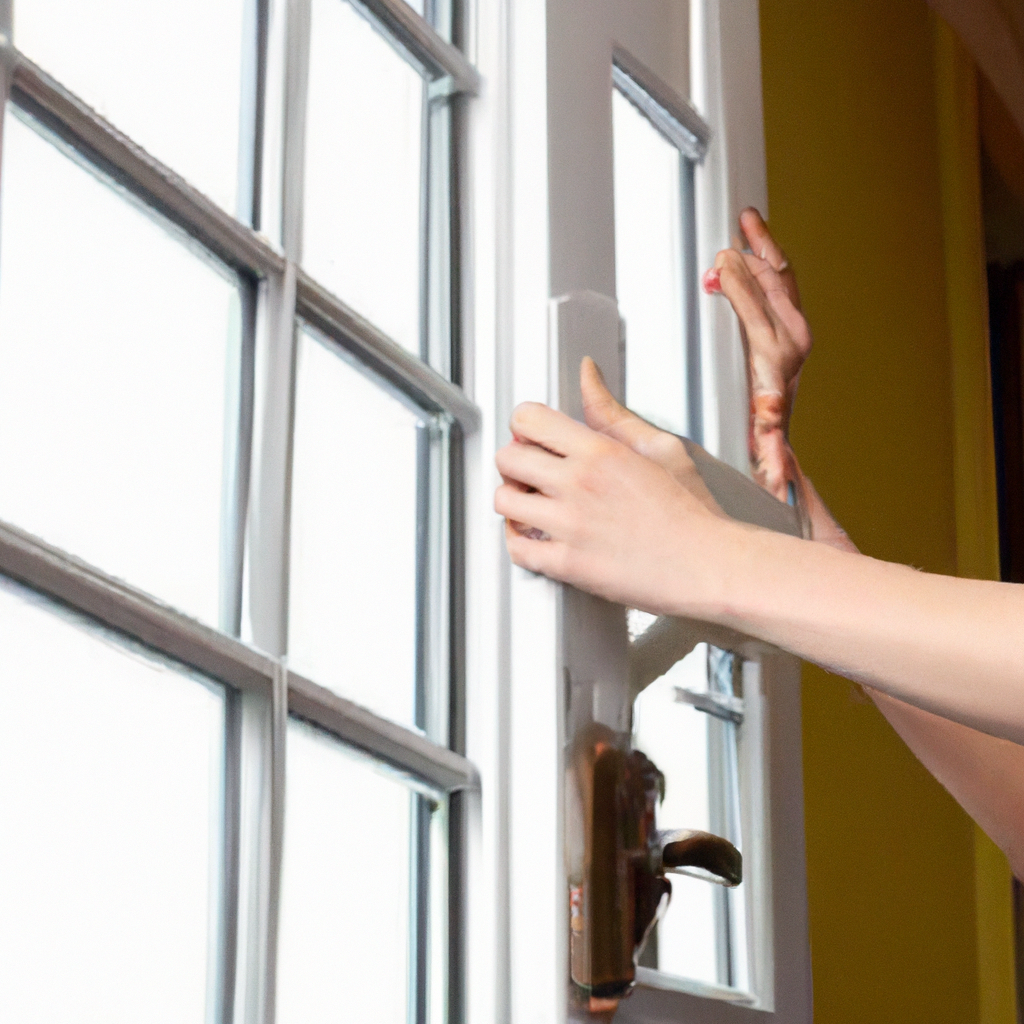
Smart windows
Features of smart windows
Smart windows, also known as switchable glass or dynamic windows, are technologically advanced windows that can switch between clear and opaque states. They have the ability to adjust their transparency or shading properties based on external factors, such as light intensity or temperature.
Smart windows utilize various technologies to achieve this functionality. One common type is electrochromic windows, which use an electric current to change the tint or opacity of the glass. Other types include thermochromic, photochromic, and suspended particle devices (SPD) windows.
Benefits of smart windows
Smart windows offer several benefits that contribute to energy efficiency and overall comfort. Firstly, they provide superior control over natural light and solar heat gain. By adjusting their transparency or tint, smart windows can effectively block or allow sunlight into the space, reducing the reliance on artificial lighting and minimizing heat gain during hot weather.
Smart windows also offer privacy on demand. With the ability to switch between transparent and opaque states, they allow you to maintain privacy when needed without the need for curtains or blinds.
In addition to energy efficiency and privacy, smart windows also provide aesthetic flexibility. They can be integrated into modern architectural designs, offering a sleek and sophisticated appearance. The ability to control the tint or transparency of the glass adds a dynamic and customizable element to the overall design of your space.
Considerations for smart windows
When considering smart windows, there are a few factors to take into account. Firstly, assess the specific needs and functionalities required for your space. Different types of smart windows offer varying degrees of control and adaptability, so choose the technology that suits your preferences and needs.
Another consideration is the initial cost and long-term maintenance of smart windows. The advanced technology and functionality may come with a higher upfront cost compared to traditional windows. Additionally, ensure that you have access to reliable service and technical support in case of any issues or maintenance requirements.
Lastly, consult with professionals who specialize in smart windows to ensure proper installation and integration with your existing automation systems or controls. Expert guidance can help you make informed decisions and optimize the performance and benefits of smart windows.
Energy-efficient window installation
Proper sealing and insulation
Proper sealing and insulation are crucial aspects of energy-efficient window installation. When windows are not correctly installed, gaps and air leaks can occur, leading to energy loss and reduced performance.
During installation, it is important to ensure that the window is properly aligned, leveled, and sealed. Weatherstripping should be used to seal any gaps between the window frame and the wall. This helps to prevent air infiltration and heat transfer, maximizing energy efficiency.
Insulation around the window frame is also important in preventing heat loss or gain. Insulating materials, such as expanding foam or fiberglass batts, can be used to fill the gaps between the frame and the wall. This helps to create a thermal barrier and improve the overall insulation of the window.
Techniques for optimizing energy efficiency
Optimizing energy efficiency during window installation involves implementing various techniques and considerations. Firstly, choose windows with high energy efficiency ratings, such as those certified by ENERGY STAR or other reputable organizations. These windows are tested to meet strict energy efficiency standards, ensuring optimal performance and long-term energy savings.
Consider the orientation of the windows when selecting glass types and coatings. South-facing windows may benefit from coatings that allow more sunlight to enter during the winter to maximize passive solar heating. On the other hand, east or west-facing windows may require coatings that reduce solar heat gain to prevent overheating during the summer.
Implementing window shading strategies, such as exterior shading devices or interior blinds and curtains, can also enhance energy efficiency. These strategies help to block direct sunlight and reduce heat gain, allowing for better control of indoor temperatures.
Lastly, consult with experienced professionals who specialize in energy-efficient window installation. Their expertise and knowledge will ensure that the proper techniques and considerations are implemented, maximizing the energy efficiency and overall performance of the windows.
Choosing the right installment professionals
Choosing the right professionals for window installation is essential to ensure quality workmanship and maximize the benefits of energy-efficient windows. Consider the following factors when selecting installers:
-
Experience and Expertise: Look for professionals with a proven track record in installing energy-efficient windows. They should have a thorough understanding of the specific requirements and techniques necessary for optimal performance.
-
Certifications and Accreditation: Check if the installers have certifications or accreditation from reputable organizations, such as the Window & Door Manufacturers Association (WDMA) or the National Fenestration Rating Council (NFRC). This ensures that they adhere to industry standards and best practices.
-
References and Reviews: Ask for references from previous clients or read online reviews to gauge the quality of their work and customer satisfaction. Positive feedback and recommendations indicate a reliable and reputable installer.
-
Warranty and Guarantees: Inquire about the warranty and guarantees offered by the installation company. A comprehensive warranty provides peace of mind and ensures that any potential issues or concerns will be addressed and resolved.
-
Cost and Estimates: Obtain detailed cost estimates from multiple installers to compare prices and services. However, prioritize quality and reliability over cost alone, as the long-term benefits of energy-efficient windows outweigh any initial savings.
By selecting experienced and reputable professionals, you can ensure that the installation of energy-efficient windows is done correctly, maximizing energy savings and enhancing the overall comfort and efficiency of your home.
In conclusion, energy-efficient windows offer numerous benefits, including improved insulation, reduced energy consumption, enhanced comfort, and increased savings on utility bills. By considering factors such as the type of window, gas-filled panes, coatings, frame materials, and installation techniques, you can make informed decisions to optimize the energy efficiency of your windows. Whether choosing double-pane or triple-pane windows, applying Low-E coatings, utilizing gas-filled windows, or incorporating smart window technology, energy-efficient windows provide a sustainable and cost-effective solution for a more comfortable and environmentally friendly home.