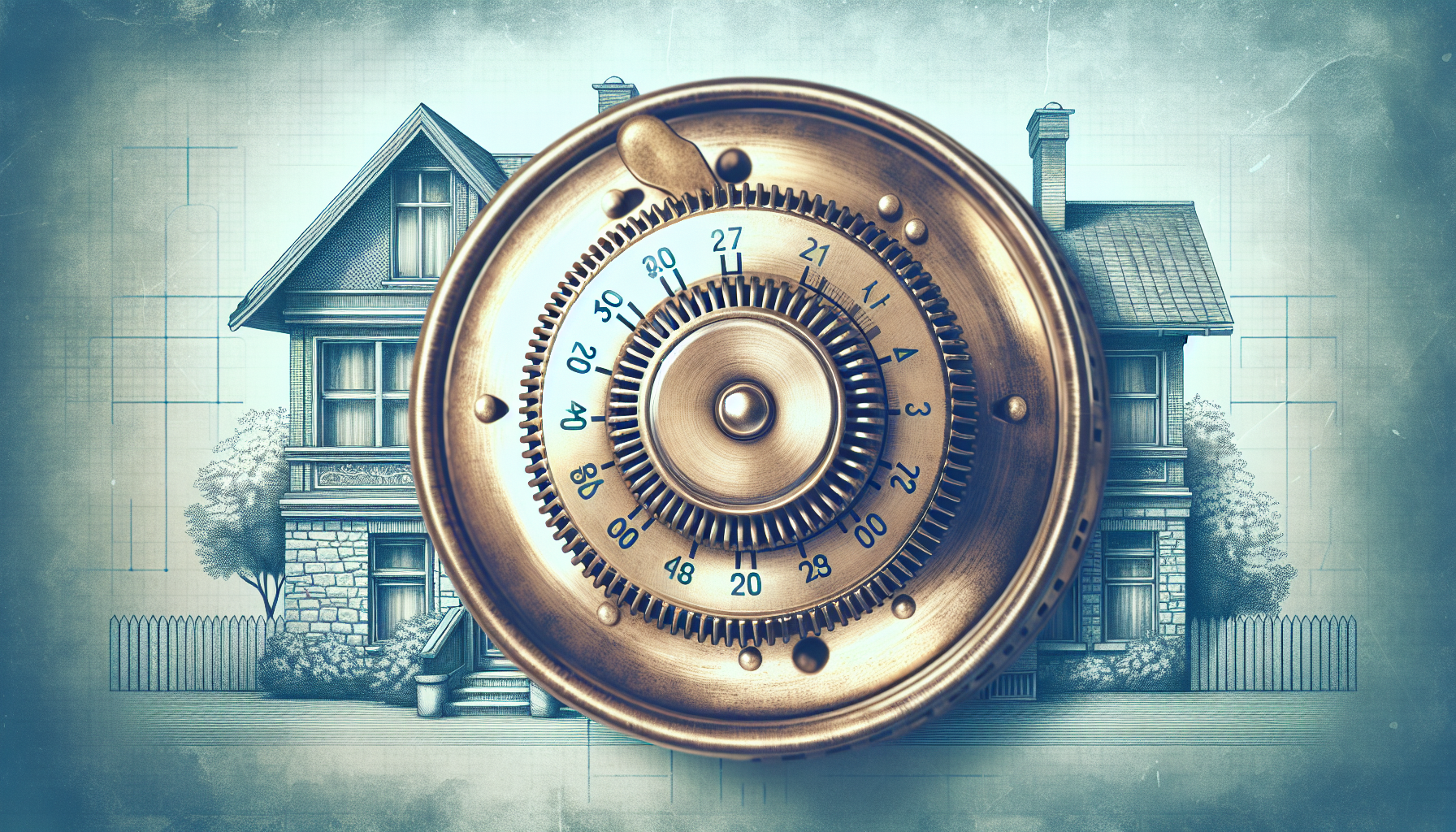
Living in an older rental can often come with its fair share of challenges, especially when it comes to energy efficiency. However, there are several strategies that you can adopt to improve the energy efficiency of your space and ultimately save on your utility bills. From simple changes like replacing old light bulbs with energy-efficient ones to more significant upgrades such as insulating windows and doors, these strategies can make a noticeable difference in reducing energy waste. By implementing these strategies, you can enjoy a more comfortable and eco-friendly living space while also keeping more money in your pocket.
This image is property of images.pexels.com.
1. Insulation
1.1. Add insulation to the walls
One effective way to improve the energy efficiency of older rentals is by adding insulation to the walls. Many older homes lack proper insulation, which can result in significant heat loss in the winter and heat gain in the summer. By installing insulation in the walls, you can create a barrier that helps to regulate the temperature inside the rental. This can lead to reduced energy consumption and lower utility bills for both you and your tenants.
1.2. Insulate the attic
Another area that is often overlooked when it comes to insulation is the attic. Heat rises, and if your rental property has inadequate attic insulation, a significant amount of heat can escape through the roof. By insulating the attic, you can prevent this heat loss, keeping the interior of the rental cozy and reducing the need for excessive heating. Additionally, proper attic insulation can help to keep the unit cooler in the summer by preventing hot air from infiltrating the space.
1.3. Insulate the windows and doors
Windows and doors are common sources of drafts, allowing hot or cold air to enter the rental and compromising energy efficiency. To address this issue, it is important to insulate the windows and doors properly. One way to do this is by using weatherstripping to seal any gaps around the frames. Weatherstripping is an inexpensive and easy-to-install option that can make a significant difference in reducing air leakage. Additionally, adding caulk around the edges of windows and doors can further improve insulation and help maintain a consistent indoor temperature.
2. Upgrade Heating and Cooling Systems
2.1. Install a programmable thermostat
Upgrading to a programmable thermostat is a simple yet effective way to enhance energy efficiency in older rentals. With a programmable thermostat, you can easily set specific temperature schedules to match the occupancy patterns of the rental property. For example, during the day when tenants are typically away, the thermostat can automatically adjust to a slightly higher temperature in the summer and a lower temperature in the winter, reducing the workload on the HVAC system. This can result in substantial energy savings and improved comfort for your tenants.
2.2. Upgrade to a more energy-efficient HVAC system
In many older rentals, the heating and cooling systems may be outdated and inefficient. Consider upgrading to a more energy-efficient HVAC system to improve the energy efficiency of the property. Newer systems are designed to be more energy-efficient, using advanced technologies that reduce energy consumption while still effectively heating or cooling the rental. Additionally, energy-efficient HVAC systems often come with features such as variable-speed motors and smart controls, further optimizing energy usage and improving tenant comfort.
3. Improve Lighting
3.1. Replace traditional light bulbs with LEDs
Replacing traditional incandescent or fluorescent light bulbs with energy-efficient LEDs can have a significant impact on the energy efficiency of older rentals. LEDs consume significantly less energy and have a longer lifespan, making them a cost-effective lighting option. Additionally, LEDs generate less heat, reducing the strain on cooling systems during the summer months. By making this simple switch, you can not only reduce energy consumption and save on utility bills but also minimize the need for frequent bulb replacements.
3.2. Install motion sensor or timer switches
Another strategy to improve lighting efficiency is by installing motion sensor or timer switches. These switches automatically turn off lights when no motion is detected in a room or after a set period of time. This is particularly beneficial in shared spaces such as hallways and common areas, where lights may be left on unintentionally for extended periods. By implementing motion sensor or timer switches, you can ensure that lights are only used when necessary, reducing electricity usage and ultimately cutting down on energy costs.
4. Seal Air Leaks
4.1. Check for air leaks around doors and windows
Air leaks around doors and windows are common in older rentals and can significantly impact energy efficiency. Conduct a thorough inspection to identify any gaps or cracks that may allow air infiltration. Look for spaces around the frames and consider using a candle or smoke pencil to detect subtle drafts. Once identified, seal these openings to prevent unwanted air exchange. Taking the time to address air leaks can lead to improved temperature control and reduced energy waste.
4.2. Use weatherstripping and caulking to seal leaks
To effectively seal air leaks, consider utilizing weatherstripping and caulking. Weatherstripping can be applied around the edges of doors and windows, creating a tight seal that prevents air from escaping or entering the rental. Caulking, on the other hand, can be used to seal gaps or cracks in the walls or around window frames. These simple and affordable measures can make a significant difference in reducing energy loss and improving the overall energy efficiency of older rentals.
This image is property of images.pexels.com.
5. Upgrade Appliances
5.1. Replace old appliances with energy-efficient ones
Outdated appliances in older rentals can be major energy hogs, leading to higher energy bills and reduced energy efficiency. Consider replacing old appliances such as refrigerators, dishwashers, and washing machines with newer, energy-efficient models. Energy-efficient appliances are designed to operate using significantly less energy while still providing the necessary functionality. Look for appliances with the ENERGY STAR label, which indicates that they meet strict energy efficiency standards and can help you save both energy and money in the long run.
5.2. Consider ENERGY STAR-rated appliances
When upgrading appliances, it is worthwhile to prioritize those that are ENERGY STAR-rated. These appliances have undergone rigorous testing to ensure optimal energy efficiency. ENERGY STAR-rated refrigerators, dishwashers, and washing machines, for example, use innovative technologies and design features to minimize energy consumption. By choosing these appliances for your older rental, you can contribute to a more sustainable living environment while also benefiting from long-term energy and cost savings.
6. Install Window Treatments
6.1. Use window film or shades to reduce heat transfer
Window treatments can play a significant role in improving the energy efficiency of older rentals. Window film and shades can be effective in reducing heat transfer, particularly during the hot summer months. Reflective window film, when applied to the windows, acts as a barrier against solar heat, preventing it from entering the interior. Similarly, shades and blinds can be used to block out sunlight and reduce the heat gain. By installing these window treatments, you can create a more comfortable living space and reduce the burden on cooling systems.
6.2. Hang thermal curtains to insulate windows
Thermal curtains are another window treatment option that can help improve energy efficiency in older rentals. These curtains are designed with insulating properties, helping to reduce heat loss during the colder months and heat gain during the warmer months. Thermal curtains typically have multiple layers, including a thermal lining that serves as a barrier against outside temperatures. By hanging thermal curtains in your rental, you can enhance insulation, maintain a more desirable indoor temperature, and reduce the workload on the heating and cooling systems.

This image is property of images.pexels.com.
7. Conduct an Energy Audit
7.1. Hire a professional energy auditor
Conducting an energy audit is a valuable step in identifying areas of improvement for energy efficiency in older rentals. Consider hiring a professional energy auditor who can assess the rental property thoroughly. Energy auditors use specialized tools and techniques to identify energy inefficiencies, such as air leaks, insulation gaps, and inefficient appliances. Their expertise can provide you with detailed insights on how to best optimize energy usage and make the necessary upgrades to improve overall efficiency.
7.2. Use DIY energy audit techniques
If hiring a professional energy auditor is not feasible, there are several do-it-yourself (DIY) techniques that you can employ to conduct a basic energy audit. Start by visually inspecting the rental property for obvious signs of energy inefficiency, such as gaps around doors and windows, outdated appliances, or inadequate insulation. You can also use a thermal leak detector or an infrared thermometer to identify areas with potential air leaks or poor insulation. Additionally, analyzing utility bills and tracking energy consumption can provide valuable insights into energy-saving opportunities. While a DIY energy audit may not provide as comprehensive results as a professional audit, it can still help you make informed decisions about energy efficiency improvements.
8. Utilize Renewable Energy Sources
8.1. Install solar panels
Utilizing renewable energy sources is an excellent way to improve the energy efficiency of older rentals while also reducing reliance on non-renewable energy. Installing solar panels on the roofs of the rental property can generate clean and sustainable electricity. Solar panels capture sunlight and convert it into usable energy, which can power various appliances and systems within the rental. By leveraging solar energy, you can significantly reduce the need for traditional energy sources, lower utility costs, and contribute to a greener living environment.
8.2. Consider geothermal heating and cooling systems
Another option to utilize renewable energy is by installing a geothermal heating and cooling system. Geothermal systems take advantage of the stable temperature underground to heat and cool the rental property. By using underground pipes and a heat pump, geothermal systems transfer heat from the ground into the rental during the winter and remove heat from the rental and transfer it back into the ground during the summer. This sustainable solution not only provides efficient heating and cooling but also minimizes environmental impact and reduces energy consumption in the long term.

9. Educate Tenants on Energy Efficiency
9.1. Provide energy-saving tips
Educating tenants on energy efficiency practices is crucial for maximizing the energy-saving potential of older rentals. Provide your tenants with a list of energy-saving tips that they can easily incorporate into their daily routines. These tips can include simple actions such as turning off lights when not in use, using natural light during the day, and unplugging electronics when not in use. By promoting energy-conscious practices, you can foster a sense of responsibility among tenants and encourage them to actively contribute to the overall energy efficiency of the rental property.
9.2. Offer incentives for practicing energy efficiency
To further encourage tenants to prioritize energy efficiency, consider offering incentives for practicing sustainable habits. This can include rewards or discounts for tenants who consistently demonstrate energy-conscious behavior or participate in energy-saving initiatives. Incentives can range from reduced rent for those who consistently keep their energy consumption below a certain threshold to providing energy-efficient appliances or light bulbs to tenants. By offering tangible benefits, you can motivate tenants to actively engage in energy-efficient practices and contribute to a more sustainable living environment.
10. Seek Financial Assistance
10.1. Look for energy efficiency rebates and incentives
When implementing energy efficiency upgrades for older rentals, it is essential to explore potential financial assistance options. Many utilities and government programs offer energy efficiency rebates and incentives to help offset the costs associated with energy-saving upgrades. These programs may provide financial incentives for the installation of energy-efficient appliances, insulation, or even renewable energy systems. By taking advantage of these rebates and incentives, you can reduce the upfront costs of energy efficiency improvements and accelerate the return on investment.
10.2. Apply for energy efficiency grants or loans
In addition to rebates and incentives, there are also energy efficiency grants and loans available for property owners looking to improve the energy efficiency of older rentals. These financial resources can provide funding to support larger-scale energy efficiency projects, such as HVAC system upgrades or renewable energy installations. Grants and loans typically have specific eligibility criteria and application processes, so it is important to research and find programs that align with your needs. By accessing these financial resources, you can make energy efficiency upgrades more financially feasible and enhance the overall value of your rental property.
In conclusion, there are numerous strategies that can be employed to improve the energy efficiency of older rentals. From adding insulation and upgrading heating and cooling systems to improving lighting and sealing air leaks, each step contributes to creating a more energy-efficient living space. By embracing renewable energy sources, educating tenants on energy efficiency, and seeking financial assistance, you can further enhance the sustainability and cost-effectiveness of older rentals. Implementing these strategies not only supports environmental conservation but also benefits both you as a property owner and your tenants by reducing energy consumption and utility costs.