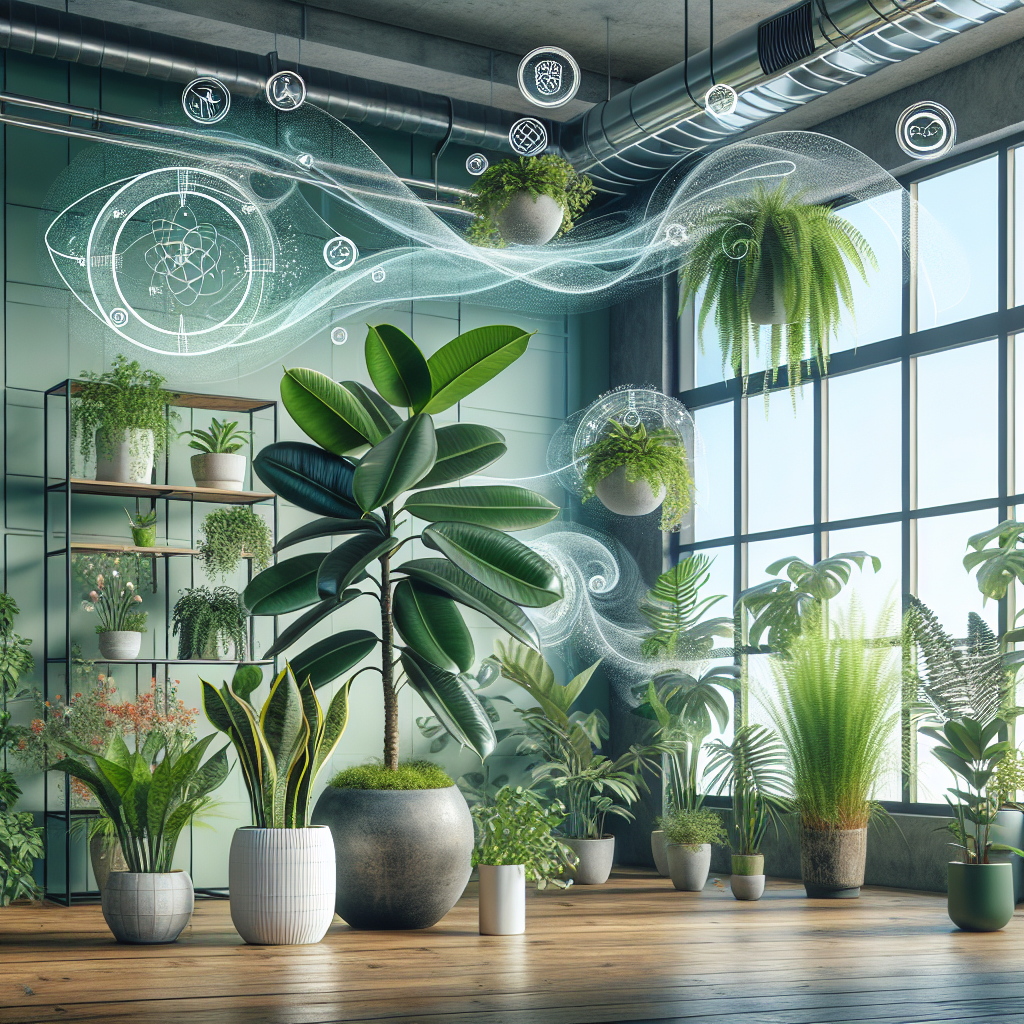
Are you looking for an easy and natural way to improve the air quality in your indoor space? Look no further! In this article, we will explore the best plants for indoor air purification. Discover how these green companions can remove harmful toxins from the air, increase humidity levels, and create a refreshing atmosphere. Say goodbye to stale air and hello to a healthier living environment with the help of these stunning plants!
Benefits of indoor plants for air purification
Indoor plants are not only aesthetically pleasing but also provide numerous benefits for air purification. By introducing plants into your home or office space, you can significantly improve indoor air quality, reduce harmful toxins, and increase humidity levels. Let’s explore each of these benefits in detail.
Improving indoor air quality
One of the most significant advantages of having indoor plants is their ability to improve the quality of the air you breathe. Plants naturally remove carbon dioxide from the air and release oxygen through photosynthesis. This process helps to replenish oxygen levels and creates a healthier environment for you to breathe. Additionally, some indoor plants have been found to filter out harmful pollutants such as formaldehyde, benzene, and xylene, which are commonly found in indoor environments.
Reducing harmful toxins
Indoor spaces can be filled with various toxins, such as volatile organic compounds (VOCs), which are emitted by common household items like furniture, carpets, and cleaning products. These pollutants can have adverse effects on your health, causing respiratory issues, skin irritations, and even more severe long-term effects. Fortunately, certain indoor plants have been proven to absorb and break down these toxins, effectively reducing their presence in the air.
Increasing humidity
Dry indoor air can lead to discomfort, particularly for individuals with respiratory problems or dry skin. Indoor plants can help combat this issue by releasing moisture through a process known as transpiration. This natural process increases humidity levels, making the air more comfortable and improving overall respiratory health. Having plants in your indoor spaces can also help alleviate symptoms of dry skin and reduce the likelihood of respiratory infections.
Factors to consider when choosing indoor plants
When selecting indoor plants for air purification, there are several factors to consider. Understanding the light requirements, watering needs, and potential toxicity of plants is essential for maintaining a healthy and thriving indoor garden.
Light requirements
Different plants have varying light requirements. Some thrive in bright, direct sunlight, while others prefer shade or low-light conditions. Before purchasing indoor plants, assess the amount of natural light available in your space. This will help you choose plants that are better suited to your environment and ensure they receive the proper lighting for their growth.
Watering needs
Each plant has specific watering requirements. Some plants prefer moist soil, while others thrive in drier conditions. It is important to understand the watering needs of the plants you choose, as overwatering or underwatering can lead to root rot or dehydration. Consider factors such as the plant’s size, type, and the humidity levels in your space when determining a watering schedule.
Toxicity for pets or children
If you have pets or children in your household, it is crucial to consider the potential toxicity of indoor plants. Some plants can be harmful or even toxic if ingested, causing digestive issues or allergic reactions. Before bringing plants into your home, research their toxicity level and ensure they are safe for your furry friends or little ones. Opting for pet-friendly and child-safe plants will provide peace of mind and a worry-free indoor garden experience.

This image is property of images.pexels.com.
Top 5 easy-to-care-for plants for air purification
If you’re new to indoor gardening or simply prefer low-maintenance plants, these top 5 easy-to-care-for plants for air purification are perfect choices. These plants are known for their resilience and ability to thrive with minimal effort.
Snake plant
Snake plants, also known as Sansevieria, are excellent air purifiers and one of the easiest plants to care for. They thrive in various lighting conditions, including low-light areas, and require infrequent watering. Snake plants are known for removing toxins such as formaldehyde, benzene, and xylene from the air, making them a fantastic addition to any indoor space.
Spider plant
Spider plants, scientifically named Chlorophytum comosum, are another low-maintenance option that helps purify the air. They are well-known for their ability to remove harmful gases like carbon monoxide and formaldehyde from the air. Spider plants thrive in bright, indirect light and only require occasional watering. They are also non-toxic and safe for pets, making them a popular choice among pet owners.
Peace lily
Peace lilies, or Spathiphyllum, not only add beauty to any room with their elegant white blooms but also work wonders for air purification. These plants can remove toxins like formaldehyde, benzene, and trichloroethylene from the air while thriving in low to medium light conditions. Peace lilies prefer moist soil and will let you know when they need watering by drooping their leaves – a helpful indicator for beginners.
Aloe vera
Aloe vera plants are well-known for their medicinal properties, but they also excel at air purification. They are particularly effective at removing benzene and formaldehyde from the air. Aloe vera plants thrive in bright, indirect sunlight and require infrequent watering. Their succulent leaves also act as a moisture reservoir, making them more forgiving to slight neglect.
Dracaena
Dracaena is a genus of plants with over 40 different species, all known for their air purification qualities. These plants effectively remove toxins like formaldehyde, trichloroethylene, and benzene from the air. Dracaena plants vary in their light requirements, with some preferred in bright light and others more adaptable to low-light conditions. Proper watering is essential for Dracaena, as they prefer their soil to dry out slightly between waterings.
Top 5 low-light plants for air purification
If your indoor space lacks natural light, don’t worry – you can still enjoy the benefits of air purification with these top 5 low-light plants. These plants thrive in areas with minimal sunlight while helping to cleanse the air around you.
Chinese evergreen
Chinese evergreen, scientifically known as Aglaonema, is a popular choice for low-light environments. It is incredibly adaptable and can tolerate a variety of light conditions, including fluorescent lighting. Aside from being an excellent air purifier, this plant has attractive, variegated foliage that adds a touch of elegance to any room.
Pothos
Pothos, or Epipremnum aureum, is a versatile plant that can tolerate both low-light and brightly lit environments. It is an excellent choice for beginners, as it is forgiving and easy to care for. Pothos plants come in various leaf colors, including golden, jade, and marble, making them a visually appealing addition to any indoor space.
ZZ plant
ZZ plants, scientifically known as Zamioculcas zamiifolia, have become incredibly popular in recent years due to their ability to thrive in low-light conditions. These plants have glossy, dark green leaves that add visual interest to any room. ZZ plants are also drought-tolerant, making them drought-resistant and perfect for those who tend to forget about watering their plants.
Cast iron plant
The cast iron plant, or Aspidistra elatior, lives up to its name by being one of the most durable and tough indoor plants available. It can tolerate almost any lighting condition, including low-light areas. This plant’s thick and leathery leaves contribute to its ability to withstand neglect and prosper with minimal care.
Parlor palm
The parlor palm, also known as Chamaedorea elegans, is a small palm plant that thrives in low-light environments. Its lush green fronds add a tropical touch to any room while effectively removing toxins such as formaldehyde and xylene from the air. Parlor palms are relatively easy to care for and require consistently moist soil for optimal growth.

This image is property of images.pexels.com.
Top 5 plants for removing specific toxins
Certain plants have proven to be highly effective in removing specific toxins present in indoor spaces. By selecting these plants, you can target and eliminate specific pollutants, creating a healthier environment.
Golden pothos for formaldehyde
Golden pothos, a variety of the pothos plant (Epipremnum aureum), is known for its ability to remove formaldehyde from the air. Formaldehyde is a common indoor pollutant emitted by various household materials, including wood products and insulation. Golden pothos is an attractive trailing vine with heart-shaped leaves, making it a beautiful addition to any indoor space.
Bamboo palm for benzene
Bamboo palm, scientifically known as Chamaedorea seifrizii, is an ideal plant for removing benzene, a toxic compound commonly found in gasoline, detergents, and plastics. This palm plant thrives in bright, indirect light and requires consistent watering to maintain its health. Bamboo palms also add a touch of tropical elegance to indoor spaces.
Boston fern for xylene
Boston ferns, or Nephrolepis exaltata, are known for their exceptional ability to purify the air by removing xylene. Xylene is a solvent found in various building materials, paints, and adhesives. Boston ferns require bright, indirect light and high humidity levels to thrive, making them ideal choices for bathrooms or areas with naturally high humidity.
English ivy for mold
English ivy, scientifically known as Hedera helix, is highly effective at removing mold particles from the air. Mold spores are a common allergen and can cause respiratory issues, especially in individuals with existing respiratory conditions. English ivy can adapt to various lighting conditions, including low-light areas, making it a versatile option for air purification.
Areca palm for toluene
Areca palms, or Dypsis lutescens, are excellent at removing toluene from the air. Toluene is found in paint thinners, varnishes, and certain cleaning products. Areca palms require bright, indirect light and consistently moist soil to thrive. With their feathery, arching fronds, they bring a touch of the tropics into any space.
Plants that increase humidity while purifying air
In addition to their air-purifying qualities, certain plants can also increase humidity levels in indoor spaces. This is particularly beneficial in dry environments or during the colder months when central heating can dry out the air. Consider these plants to help maintain optimal humidity levels in your home or office.
Boston fern
In addition to its air-purifying properties, Boston ferns are known for their ability to increase humidity through transpiration. The moisture released by the plants as part of their natural processes helps to improve indoor moisture levels, making them ideal for dry environments.
English ivy
English ivy not only removes mold particles from the air but also provides a slight boost to humidity levels. Its ability to thrive in both low- and medium-light conditions makes it a versatile choice for increasing humidity in various indoor spaces.
Areca palm
The Areca palm, being native to tropical regions, naturally thrives in high humidity environments. By introducing an Areca palm into your indoor space, you can create a more humid atmosphere while enjoying its air-purifying qualities.
Dracaena
Dracaena plants, particularly the Massangeana variety, effectively purify the air while releasing moisture into the surrounding environment. This can help combat dryness and increase humidity levels, creating a more comfortable space for you to live or work in.
Rubber plant
Rubber plants, scientifically known as Ficus elastica, are excellent at increasing humidity levels. Their large leaves release moisture into the air, raising humidity while effectively purifying the air of toxins. Rubber plants prefer bright, indirect light and regular watering for optimal growth.

This image is property of images.pexels.com.
Plants for improving sleep quality and reducing stress
Indoor plants can also contribute to creating a calm and relaxing environment that promotes better sleep quality and reduces stress levels. The following plants have soothing properties and can help create a tranquil atmosphere.
Lavender
Lavender, a fragrant herb known for its relaxing properties, can significantly improve sleep quality and reduce stress levels. Its aromatic scent has a calming effect, making it ideal for placing in bedrooms or areas where you wish to induce relaxation.
Jasmine
Jasmine is another plant that offers a delightful fragrance and calming effects. Its scent has been shown to promote better sleep quality and reduce anxiety. Placing a jasmine plant near your bedside or in an area where you unwind can create a soothing atmosphere.
Valerian
Valerian is a herb known for its sedative properties, making it an excellent choice for improving sleep quality. While not traditionally grown indoors, it is possible to find potted valerian plants in some nurseries. Placing a valerian plant in your bedroom can help create a serene space conducive to restful sleep.
Aloe vera
Aloe vera not only purifies the air but also emits oxygen at night. Increased oxygen levels in your bedroom can promote better sleep, making aloe vera an ideal plant for improving sleep quality. Its low-maintenance nature and soothing green color make it a popular choice for bedrooms.
Snake plant
Snake plants, known for their air purification properties, also release oxygen at night. This makes them an excellent choice for improving sleep quality as they contribute to better air quality by night as well. Their unique leaf structure adds visual interest to any room while promoting relaxation.
Plants that require minimal maintenance
If you lead a busy lifestyle or have limited time for plant care, selecting indoor plants that require minimal maintenance is crucial. These plants are resilient, forgiving, and can survive with minimal attention.
ZZ plant
The ZZ plant requires little care and thrives in low-light conditions, making it perfect for busy individuals or those with limited access to natural light. Its waxy, dark green leaves add a touch of elegance to any space, and it only requires infrequent watering.
Snake plant
As previously mentioned, snake plants are incredibly resilient and forgiving. They can tolerate a wide range of lighting conditions and require minimal watering. Snake plants are known for their ability to withstand neglect and can go for extended periods without water.
Pothos
Pothos, apart from its air purification qualities, is an easy-to-care-for plant that can tolerate neglect and low-light conditions. It only requires occasional watering and will continue to thrive even when subjected to irregular care.
Dracaena
Dracaena plants are known for being low-maintenance and adaptable. They can tolerate various lighting conditions and only require moderate watering. With their attractive foliage and air purification capabilities, they are an excellent choice for those seeking a hassle-free indoor plant.
Spider plant
Spider plants are forgiving and can adapt to a wide range of environmental conditions. They are known to thrive in both bright and low light and require moderate watering. Spider plants also produce small plantlets, making them easy to propagate and share with friends and family.

Plants that are safe for pets and children
For households with pets or children, it is crucial to choose indoor plants that are non-toxic and safe in case of accidental ingestion. Here are five plants that pose little to no threat to your furry friends or little ones.
Areca palm
Areca palms are safe for pets and children and, in addition to their air-purifying qualities, provide a touch of tropical elegance to any room. However, it is still important to prevent pets or children from chewing on the leaves or ingesting any part of the plant to avoid potential digestive issues.
Spider plant
Spider plants, as mentioned earlier, are not only easy to care for but also non-toxic to pets and children. They can be displayed in hanging baskets or placed on high shelves to prevent access by curious pets or little hands.
Boston fern
Boston ferns are another safe option that provides a touch of lush greenery and air purification. As long as the ferns are kept out of reach, pets and children can enjoy a safe and healthy environment.
Bamboo palm
Bamboo palms are non-toxic to pets and children, making them an excellent choice for households with furry friends or little ones. Their graceful fronds and air-purifying qualities make them an attractive addition to any indoor space.
Parlor palm
Parlor palms are safe for both pets and children and offer the added benefit of increasing humidity levels while purifying the air. Their compact size and ease of care make them a popular choice for households with limited space or beginners in indoor gardening.
Maintenance tips for indoor plants
To ensure your indoor plants thrive and continue to provide the desired benefits, it is essential to follow proper maintenance procedures. Focus on proper watering, regular cleaning, and the occasional pruning and fertilizing.
Proper watering
Understanding the watering needs of your indoor plants is crucial for their overall health. Overwatering can lead to root rot and other issues, while underwatering can cause dehydration and stunted growth. Research the specific watering requirements of each plant you own, taking into account factors such as the plant’s size, type, and environmental conditions. Use your finger or a moisture meter to test the soil’s moisture level before watering. Remember, it is often better to underwater than to overwater.
Regular cleaning
Indoor plants can accumulate dust on their leaves, which can hinder their ability to photosynthesize effectively. Regularly dust or wipe down the leaves with a damp cloth to remove any buildup. This not only keeps your plants looking their best but also ensures optimal performance.
Pruning and fertilizing
Pruning is necessary to remove dead or damaged leaves and stems. It also helps shape the plants and encourage healthier growth. Use clean pruning shears and make clean cuts to avoid injuring the plant. Additionally, some plants benefit from occasional fertilization to provide them with essential nutrients. Research the specific fertilizer requirements of your plants and follow the recommended guidelines for best results.
By following these maintenance tips and providing the necessary care, you can enjoy the benefits of your indoor plants for years to come. Remember to observe your plants closely and make any adjustments to their care routines as needed.