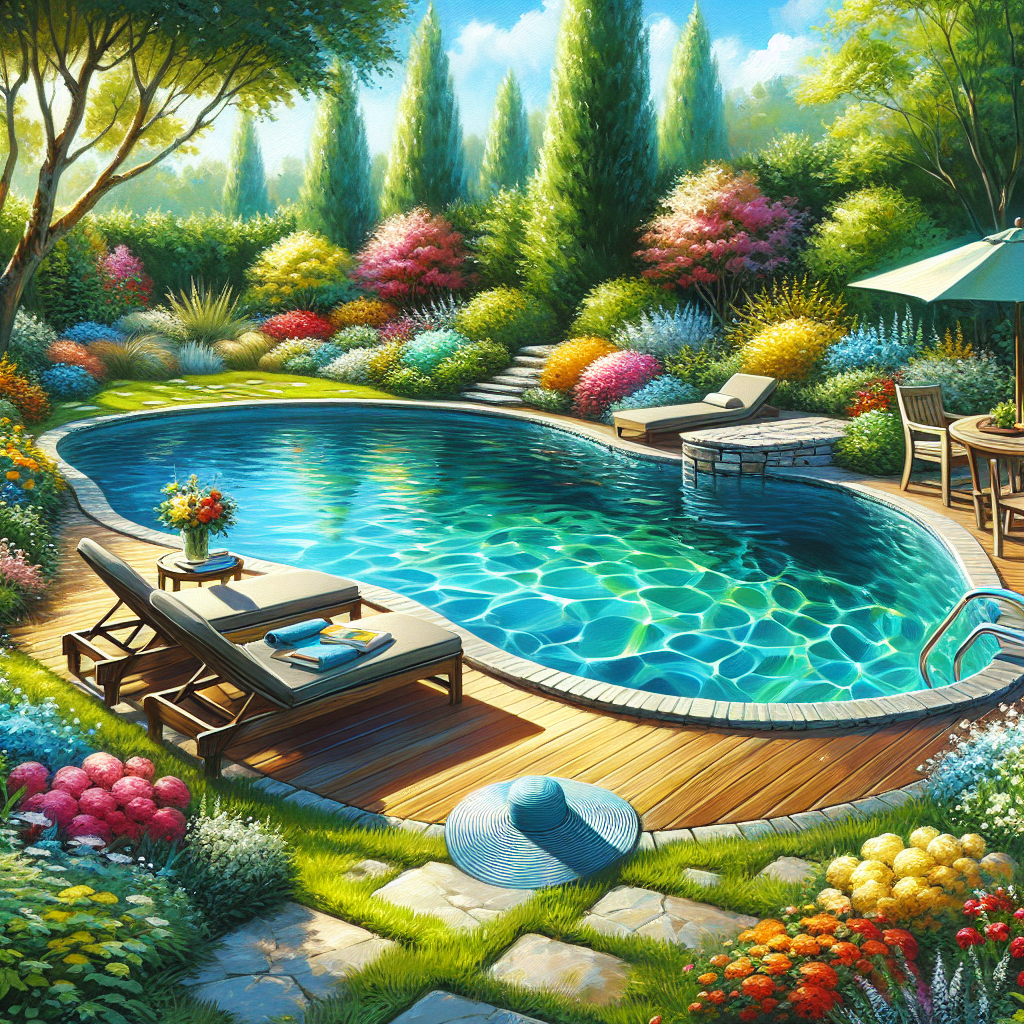
So, you’re thinking about installing a backyard swimming pool? Well, before you jump into the deep end of this decision, there are a few important things to keep in mind. From budget and space requirements to maintenance and legal obligations, there are various considerations that need to be taken into account. In this article, we will explore these factors, providing you with valuable insights to help you make an informed choice about whether a backyard swimming pool is the right fit for you. Get ready to make a splash and dive into the world of backyard oasis possibilities!
Choosing the Right Type of Pool
In-ground vs. Above-ground
When it comes to choosing the right type of pool for your backyard, you have two main options to consider: in-ground or above-ground. Each has its own advantages and considerations that you should keep in mind.
In-ground pools are a popular choice for many homeowners due to their durability and aesthetically pleasing design. They can be customized to fit any size or shape, allowing you to create the perfect oasis in your backyard. On the other hand, above-ground pools are often more affordable and easier to install and maintain. They can be a great option if you’re looking for a budget-friendly pool that still provides hours of summer fun.
Traditional vs. Natural
Another factor to consider when choosing a pool is whether you prefer a traditional or natural design. Traditional pools typically have a concrete or fiberglass finish and may include features such as diving boards or slides. These pools are often seen in suburban neighborhoods and provide a classic look and feel.
On the other hand, natural pools are becoming increasingly popular for those who want a more eco-friendly and aesthetically pleasing option. Natural pools use plants and filters to keep the water clean, creating a more natural and serene environment. These pools blend seamlessly with their surroundings and can provide a unique and tranquil swimming experience.
Size and Shape
The size and shape of your pool will depend on your available space and personal preferences. Consider how you envision using your pool – whether it’s for exercise, relaxation, or entertaining guests. If you have a small backyard, a smaller pool or a lap pool might be the best option to maximize space. Larger backyards can accommodate larger pools with various features such as waterfalls or hot tubs.
When choosing the shape of your pool, think about the design aesthetic you want to achieve and how it will fit into your overall backyard landscape. Rectangular and oval shapes are classic choices, while freeform or kidney-shaped pools can add a unique touch to your outdoor space. Take into account the size and shape of your backyard, as well as any existing structures or landscaping that may influence the design.
Determining the Ideal Location
Available Space and Accessibility
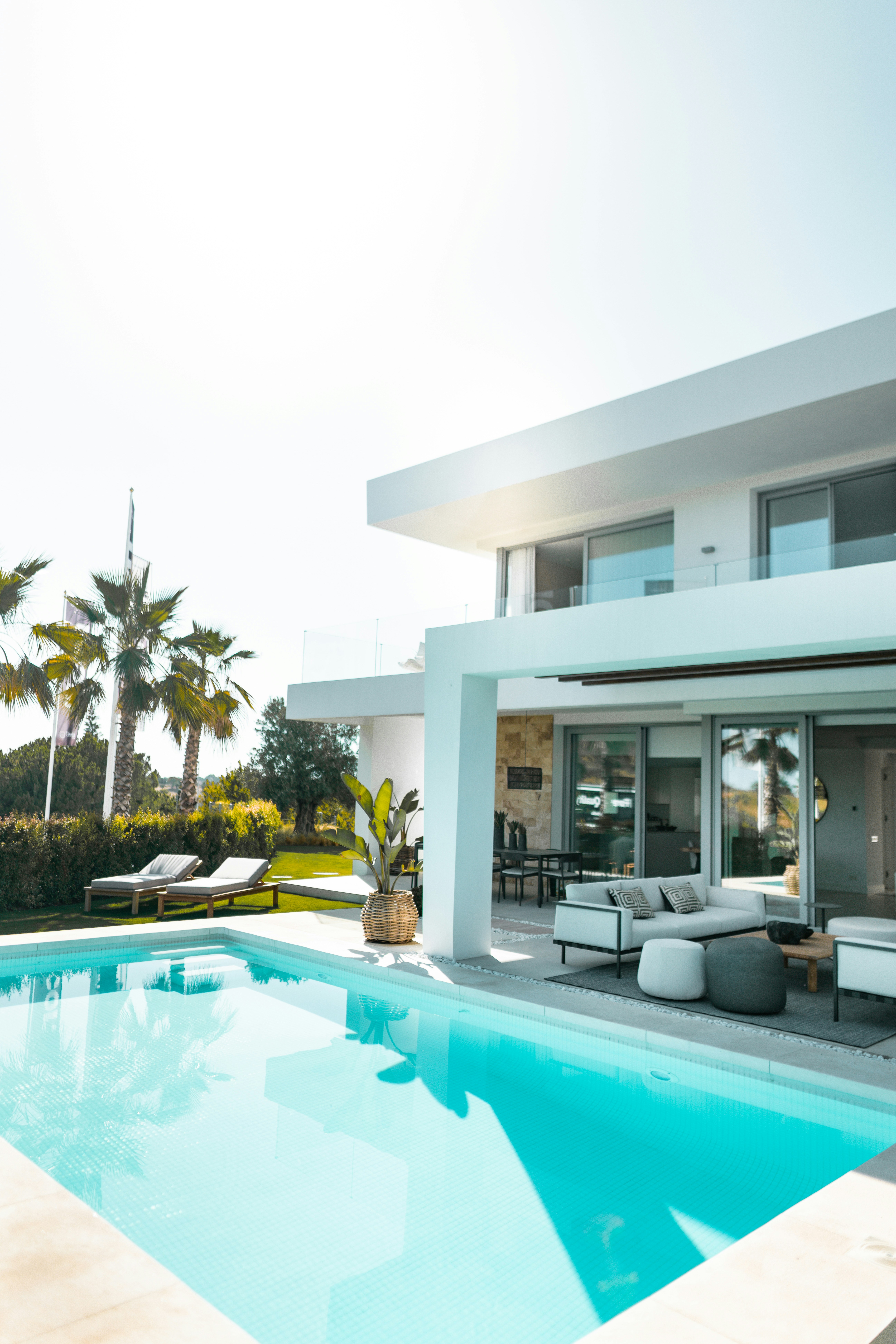
Before installing a swimming pool, you need to determine the ideal location in your backyard. Consider the available space and accessibility for construction and maintenance. Make sure there is enough space to accommodate the pool and any necessary equipment, such as a pool pump or filtration system.
Accessibility is also essential for daily use and maintenance. Ensure that the pool is easily accessible from your home and other outdoor areas. Creating a seamless flow between your pool and the rest of your backyard will enhance the overall experience of owning a swimming pool.
Sunlight Exposure
The amount of sunlight exposure your pool receives is crucial for several reasons. First, sunlight is essential for maintaining the water temperature and preventing the growth of algae and bacteria. Consider the sun’s path throughout the day and choose a location that gets a good amount of direct sunlight.
Second, sunlight can also play a role in the overall ambiance of your pool. If you enjoy swimming in warm and well-lit pools, choose a location that receives ample sunlight. On the other hand, if you prefer a more shaded and cooler swimming experience, consider a location that is partially shaded by nearby trees or structures.
Proximity to Trees and Shrubs
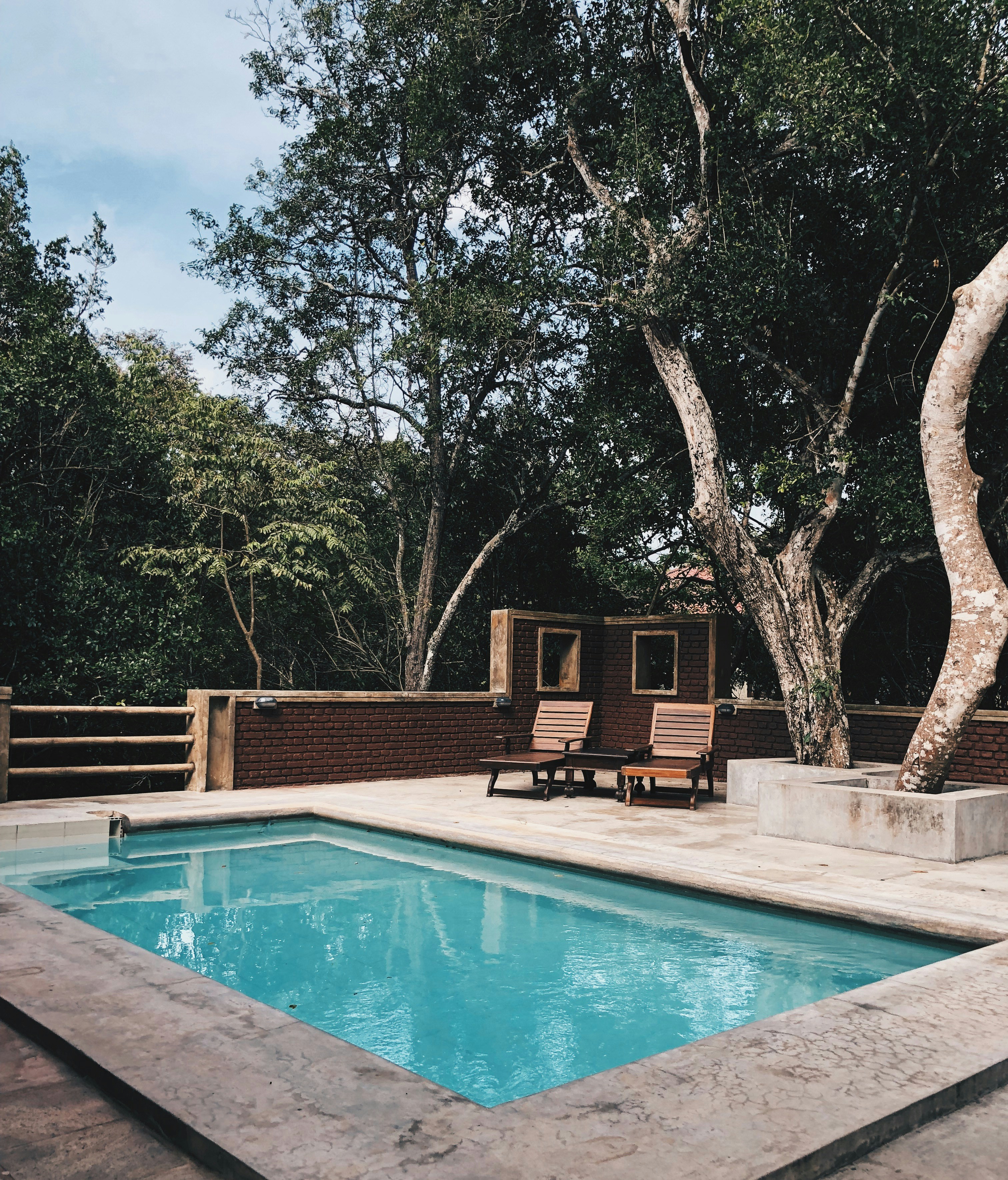
While trees and shrubs can add beauty and privacy to your backyard, they can also create maintenance challenges for your pool. Falling leaves, branches, and pollen can quickly dirty your pool and clog the filtration system. Consider the proximity of trees and shrubs to the pool and choose a location that minimizes the potential for debris to fall into the water.
Additionally, the root systems of trees and shrubs can pose a threat to the pool’s structure. The roots can cause cracks or damage to the pool’s foundation over time. Be mindful of any large trees or shrubs that could potentially cause problems for your pool and choose a location that minimizes these risks.
This image is property of images.unsplash.com.
Understanding Local Regulations and Permits
Building Codes and Zoning Requirements
Before installing a swimming pool, it’s essential to understand and comply with any local building codes and zoning requirements. These regulations are in place to ensure the safety and proper installation of the pool. Contact your local building department or jurisdiction to find out the specific requirements for your area.
Building codes may dictate the size and location of the pool, fencing requirements, and other safety measures. Zoning requirements may limit where you can install a pool on your property and may have setbacks or distance requirements from neighboring structures or property lines. It’s crucial to be aware of these regulations to avoid any potential fines or legal issues.
Permitting Process
In addition to understanding the building codes and zoning requirements, you will likely need to obtain permits before installing a swimming pool. The permitting process ensures that your pool meets all safety and construction standards set by the local authorities.
Contact your local building department to find out the specific requirements for obtaining a pool permit. The process may involve submitting detailed plans and specifications for the pool, paying a fee, and scheduling inspections at various stages of the installation process. It’s important to start the permitting process well in advance to avoid delays in construction.
Safety Regulations
Safety should be a top priority when it comes to installing a swimming pool. Local regulations may require certain safety measures to be in place, such as proper fencing and barrier systems. Fencing around the pool area helps prevent unauthorized access, especially in households with children or pets.
Other safety regulations may include specifications for pool covers, alarms, and safety equipment. Installing these safety features not only helps prevent accidents but also ensures that your pool meets all necessary legal requirements. Be sure to familiarize yourself with the safety regulations in your area and follow them accordingly.
Setting a Realistic Budget
Initial Installation Costs
When planning to install a swimming pool, it’s crucial to set a realistic budget. The initial installation costs can vary significantly depending on factors such as the type and size of the pool, site preparation, and additional features you may want to incorporate.
In-ground pools generally have higher installation costs due to the excavation and construction involved. Above-ground pools are often more budget-friendly, but keep in mind that additional costs may be incurred for site preparation and landscaping. Consider all these factors and consult with pool designers or contractors to get accurate cost estimates for your specific project.
Maintenance and Upkeep Expenses
The cost of owning a pool goes beyond the initial installation. You should also consider the ongoing maintenance and upkeep expenses associated with owning a swimming pool. This includes regular cleaning, water treatment, and equipment maintenance.
Chemical balancing is important for ensuring the safety and cleanliness of the pool water. This involves regularly testing and adjusting the pH levels and adding appropriate chemicals to prevent the growth of algae and bacteria. Additionally, regular cleaning of the pool, including skimming debris and vacuuming, is essential to keep the water clear and prevent clogging of the filtration system.
Additional Features and Accessories
When setting a budget for your pool, don’t forget to account for any additional features or accessories you may want to include. This could include features such as waterfalls, fountains, or a hot tub. It’s important to factor in the cost of these additions, as they can significantly impact the overall budget.
Consider your priorities and what features would enhance your pool experience. Whether it’s a diving board for the kids, a slide for some fun, or an elegant lighting system for evening swims, make sure to include these costs in your budget planning.
This image is property of images.unsplash.com.
Considering the Maintenance Requirements
Chemical Balancing and Water Treatment
Proper chemical balancing and water treatment are essential for the health and safety of your pool. This involves testing the water regularly to ensure the pH level is within the appropriate range and adjusting it as needed. You will also need to add chemicals such as chlorine or bromine to sanitize the water and prevent the growth of algae and bacteria.
Regular water testing should be done to maintain the correct chemical levels. This can be done using test kits or automated systems available on the market. Understanding how to measure and adjust chemical levels is crucial to keep your pool water clean and safe for swimming.
Cleaning and Filtration Systems
Keeping your pool clean and free of debris is a vital part of pool maintenance. Skimming the surface of the water and manually removing leaves or other debris is necessary to prevent the clogging of the filtration system. Regular brushing of the pool walls and floor helps to prevent the buildup of algae or other contaminants.
The filtration system plays a crucial role in removing impurities and keeping the water clear. It is important to clean or backwash the filter regularly to remove any trapped debris and ensure proper function. It’s important to understand the type of filtration system you have and the recommended maintenance schedule to keep it running efficiently.
Regular Inspections and Repairs
Regular inspections can help identify any potential issues before they become major problems. You should inspect the pool equipment, such as pumps, motors, and heaters, for any signs of damage or wear. Look for leaks, cracks, or rust that may indicate the need for repairs or replacements.
Regular maintenance and inspections can help extend the lifespan of your pool and equipment, and prevent costly repairs or replacements down the line. It’s a good idea to establish a maintenance schedule and keep a record of any maintenance or repairs performed on your pool.
Ensuring Safety and Security Measures
Fencing and Barriers
Safety should be a top priority when it comes to owning a swimming pool. Installing proper fencing and barriers is essential to prevent accidents and unauthorized access to the pool area. Local regulations may require specific fencing height and material requirements, so it’s important to familiarize yourself with these regulations and comply accordingly.
The fence should completely enclose the pool area and have a self-latching gate to prevent children or pets from entering without supervision. Consider using a fence with minimal gaps or openings to increase safety. Additionally, decorative or removable fencing should be avoided as it may compromise the security of the pool area.
Railing and Ladder Stability
The stability of the pool’s railing and ladder is crucial for ensuring safe entry and exit from the pool. These structures should be securely installed and regularly inspected for any signs of loose bolts or damage. A sturdy railing and ladder prevent accidents and provide additional support when entering or exiting the pool, especially for those who may have mobility limitations.
Consider the material and design of the railing and ladder for durability and safety. Stainless steel or other high-quality materials are often recommended for their resistance to corrosion and long-term stability. Regular maintenance and inspections should be performed to ensure their continued safety.
Alarms and Safety Equipment
In addition to physical safety measures, installing alarms and safety equipment can provide an extra layer of protection. Pool alarms can alert you if someone enters the pool area, especially if you have children or pets. These alarms can range from door/window alarms to perimeter motion detectors, depending on your specific needs.
Other safety equipment includes life rings, first aid kits, and safety signs. It’s important to have these items readily available by the pool in case of emergencies. Regularly check the condition and functionality of the safety equipment to ensure it is always in working order.
This image is property of images.unsplash.com.
Choosing the Right Materials and Equipment
Pool Liner Options
The pool liner is an essential component of in-ground pools and plays a significant role in its durability and aesthetics. There are various options available, including vinyl, fiberglass, and concrete. Each has its advantages and considerations to keep in mind when choosing the right pool liner for your specific needs.
Vinyl liners are popular due to their affordability and ease of installation. They are available in various patterns and colors, allowing you to customize the look of your pool. Fiberglass liners are known for their durability and low maintenance. They provide a smooth and non-porous surface, making them resistant to algae and stains. Concrete liners offer maximum customization options as they can be shaped and finished to achieve the desired design.
Pump and Filtration Systems
The pump and filtration system are the heart of any pool’s circulation and filtration system. A properly functioning and efficient system is essential for keeping the water clean and clear. When choosing a pump and filtration system, consider factors such as the size of your pool, flow rate requirements, and energy efficiency.
Variable speed pumps are becoming more popular due to their energy-saving features. They allow you to adjust the pump’s speed to meet the specific needs of your pool, reducing energy consumption. When it comes to filtration systems, sand filters are commonly used for their affordability and effectiveness in removing debris. However, cartridge filters and diatomaceous earth filters are also options to consider depending on your specific needs and budget.
Heating and Lighting
Adding features such as heating and lighting can extend the usability and appeal of your pool. A heating system allows you to enjoy your pool beyond the summer months by maintaining a comfortable water temperature. There are various options available, including gas, electric, and solar heating systems. Each has its advantages and considerations in terms of initial cost and ongoing energy expenses.
Lighting is another important consideration, especially if you plan to use your pool in the evening or want to create a captivating ambiance. LED lights are a popular choice for their energy efficiency and ability to create vibrant color effects. Consider the type and placement of lighting to achieve the desired effect and enhance the overall aesthetics of your pool.
Considering the Long-Term Impact
Resale Value
Installing a swimming pool can have a significant impact on the resale value of your home. While a well-designed and high-quality pool can increase the value and appeal of your property, it’s important to consider the preferences of potential buyers in your area.
Some buyers may see a pool as a desirable feature, especially in warmer climates or in areas with high demand for outdoor recreational amenities. However, others may view it as a maintenance burden or a safety concern, particularly if they have young children. Consider the real estate market in your area and consult with a local real estate agent to understand how a pool may affect the resale value of your home.
Energy Efficiency
Energy efficiency is a consideration not only for the heating and filtration systems but also for the overall operation of your pool. Installing energy-efficient equipment and implementing energy-saving practices can help reduce your pool’s energy consumption and lower your utility bills.
In addition to choosing energy-saving pump and filtration systems, consider using a pool cover to reduce heat loss and limit evaporation. Regular maintenance, including keeping the pool clean and properly balanced, can also help optimize energy efficiency. Seeking advice from pool professionals or experts in energy-efficient practices can provide valuable insights on reducing your pool’s environmental impact.
Environmental Impact
Swimming pools can have varying degrees of environmental impact, depending on factors such as water usage, chemical usage, and energy consumption. It’s important to be mindful of these factors and take steps to minimize your pool’s impact on the environment.
Water conservation is an important aspect to consider. Installing a water-efficient filtration system, using a pool cover to reduce evaporation, and implementing water-saving practices can help reduce the amount of water needed to maintain your pool. Additionally, using environmentally friendly and biodegradable pool chemicals can help minimize the impact on local ecosystems.
Conserving energy and reducing carbon footprint should also be a consideration. Opting for energy-saving equipment and practicing energy-efficient habits can help reduce the energy consumption of your pool. Exploring alternative energy sources, such as solar heating, can further minimize your pool’s environmental impact.
Exploring Additional Features and Enhancements
Waterfalls and Fountains
Water features such as waterfalls and fountains can add a touch of elegance and tranquility to your pool. The sound of flowing water can create a soothing and relaxing atmosphere. Waterfalls and fountains come in various styles and sizes, allowing you to customize the look and feel of your pool.
Consider the overall aesthetics of your pool and backyard when choosing a water feature. Whether you want a grand waterfall cascading into the pool or a small fountain adding a subtle touch, these additions can enhance your pool experience and create a stunning visual impact.
Pool Covers and Enclosures
Pool covers and enclosures offer both practical and aesthetic benefits. A pool cover helps conserve water, reduce heat loss, and minimize the amount of debris that enters the pool. It also serves as a safety measure, especially for households with children or pets.
Pool enclosures provide additional benefits such as protection from leaves, insects, and extreme weather conditions. They can extend the swimming season by creating a sheltered and controlled environment around the pool. Additionally, pool enclosures can offer privacy and security, allowing you to enjoy your pool oasis without the prying eyes of neighbors.
Outdoor Entertainment Areas
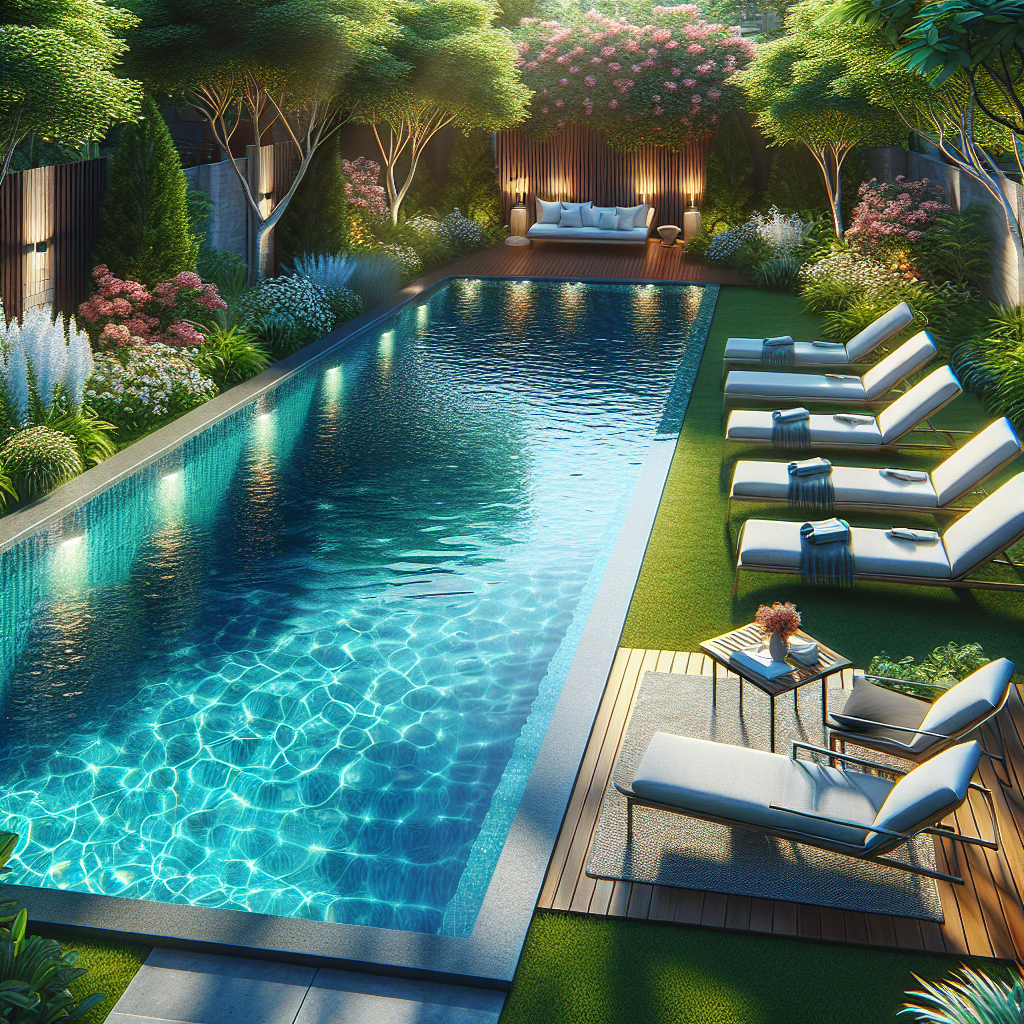
Creating an outdoor entertainment area around your pool can enhance the overall experience and make it a focal point of your backyard. Consider adding amenities such as outdoor seating, dining areas, or a patio to create a space for relaxation, socializing, and entertaining.
Outdoor kitchens or bars can also be incorporated into the pool area, allowing you to prepare and enjoy meals or refreshing drinks without having to leave the poolside. Adding shading options such as pergolas or umbrellas can provide relief from the sun and create a comfortable space for lounging.
Seeking Professional Advice and Assistance
Consulting with Pool Designers and Contractors
Installing a swimming pool is a significant investment, both financially and in terms of your backyard’s overall aesthetics and functionality. To ensure that you make the right decisions and achieve your desired results, it’s important to seek professional advice and assistance.
Consulting with pool designers and contractors can provide valuable insights and expertise in the planning and installation process. They can help you determine the best type, size, and location for your pool, as well as recommend features and materials that suit your specific needs and budget.
Getting Multiple Quotes
When planning to install a swimming pool, it’s important to get multiple quotes from different pool designers and contractors. This allows you to compare prices and services to ensure you’re getting the best value for your investment. Be sure to provide each professional with the same specifications and requirements, so you can make an accurate comparison.
When reviewing the quotes, consider factors such as the reputation and experience of the professionals, the quality of materials and equipment they propose to use, and the timeline for completion. Don’t solely focus on the price, but rather consider the overall value and expertise that each professional brings to the project.
Reference Checks and Reviews
Before hiring a pool designer or contractor, it’s a good idea to check their references and read reviews from past clients. This will give you an idea of their professionalism, reliability, and the quality of their work. Ask for references from previous pool installations and contact those individuals to get their feedback and insights.
Additionally, online reviews and testimonials can provide valuable information about the reputation and customer satisfaction of a pool professional. Look for reviews on reputable websites or social media platforms to gather a well-rounded perspective on the individual or company. This will help ensure that you choose a pool designer or contractor who will deliver the results you desire.
In conclusion, installing a backyard swimming pool requires careful consideration and planning. From choosing the right type of pool to ensuring compliance with local regulations, there are various factors to keep in mind. Additionally, factors such as budget, maintenance requirements, and safety measures should be thoroughly evaluated. Seeking professional advice and assistance can help ensure a successful pool installation that meets your needs and enhances your outdoor living space. With proper planning and research, you can create a backyard oasis that provides years of enjoyment for you and your family.