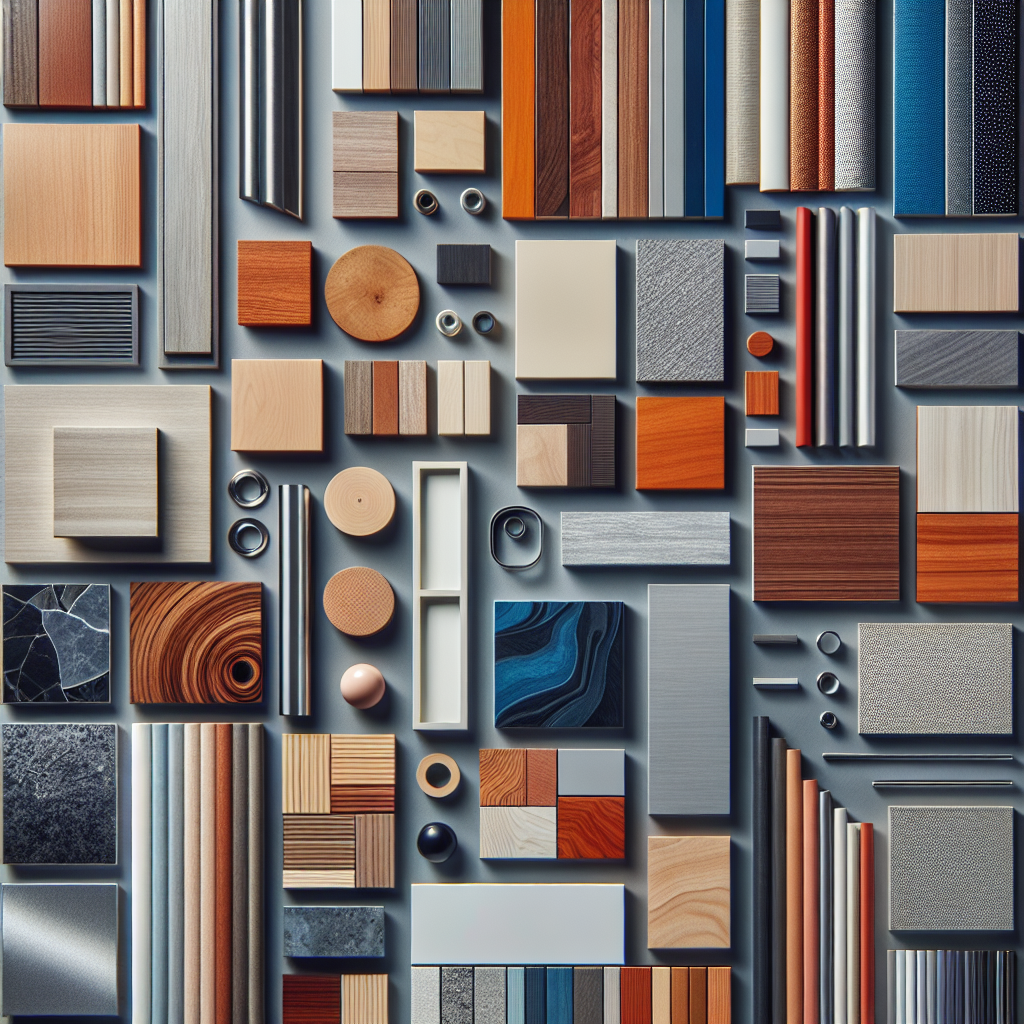
You’ve made the decision to renovate your kitchen, and now you’re faced with the challenging task of choosing the right cabinet materials. With a plethora of options available, it can be overwhelming to figure out what would work best for your space. In this article, we’ll explore the pros and cons of different cabinet materials, helping you make an informed decision that suits both your style and functionality needs. From the timeless elegance of wood to the sleek and modern appeal of glass, we’ll guide you through the qualities and considerations of each material, so you can create the kitchen of your dreams.
Wood
Variety of Options
Wood offers a wide variety of options when it comes to cabinet materials. From oak to maple to cherry, there are endless choices that can match any style and preference. Each type of wood has its own unique grain and color, allowing you to find the perfect match for your kitchen or bathroom cabinets.
Appearance
One of the major advantages of wood is its natural beauty. The warm and inviting look of wood can instantly enhance the overall aesthetic of any space. The natural grains and textures add character and charm that cannot be replicated by other materials. Whether you prefer a rustic and cozy vibe or a more modern and sleek look, wood can provide the perfect foundation for your cabinets.
Stability
Wood is known for its stability, making it a suitable choice for long-lasting cabinets. It is less prone to warping or cracking compared to other materials, ensuring that your cabinets will remain in good condition for years to come. This stability is especially important in areas with fluctuating temperatures or levels of humidity.
Durability
Wood cabinets are highly durable and can withstand the rigors of daily use. They can handle the weight of heavy appliances and resist damage from accidental bumps and scratches. Investing in solid wood cabinets can be a long-term solution, as they have the potential to last for decades with proper care and maintenance.
Sustainability
Wood is also a sustainable material when sourced responsibly. Many manufacturers use practices that ensure the conservation of forests and the protection of the environment. Utilizing wood from certified sustainable forests can be a conscious choice that helps reduce the impact on the planet. Additionally, wood is biodegradable, making it an environmentally friendly option for those concerned about the end-of-life impact of their cabinets.
Maintenance
While wood cabinets offer many advantages, they do require regular maintenance to keep them looking their best. Cleaning with a gentle wood cleaner and periodically applying a protective finish can help maintain their appearance and extend their lifespan. It’s also important to avoid excessive moisture, as it can cause damage to the wood over time. Proper care and maintenance will ensure that your wood cabinets continue to impress for years to come.
MDF (Medium Density Fiberboard)
Affordability
MDF is a cost-effective option for those looking to save money on cabinet materials. It is generally less expensive than solid wood, making it a popular choice for budget-conscious homeowners. If you’re working with a limited budget but still want to achieve a high-quality look, MDF can be an excellent alternative.
Uniformity
One of the advantages of MDF is its uniformity. Unlike solid wood, which can have natural variations in color and grain, MDF provides a consistent and smooth surface. This uniformity makes it easier to achieve a seamless and flawless finish, especially if you’re planning on painting the cabinets.
Smooth Finish
MDF is known for its smooth and even finish, which is perfect for achieving a sleek and modern look. This smoothness allows for easier application of paint or laminate, resulting in a polished and professional appearance. If you prefer a clean and polished aesthetic, MDF can be a great choice for your cabinets.
Resistant to Warping and Cracking
Another advantage of MDF is its resistance to warping and cracking. Unlike natural wood, which can be affected by changes in humidity or temperature, MDF remains stable and maintains its shape over time. This stability ensures that your cabinets will stay in excellent condition for years without the risk of warping or cracking.
Limited Moisture Resistance
While MDF is resistant to warping and cracking, it does have limitations when it comes to moisture resistance. Excessive moisture can cause MDF to swell or deteriorate, making it less suitable for areas prone to high humidity or water exposure. It’s important to ensure proper ventilation and avoid direct contact with moisture to maintain the durability of MDF cabinets.
This image is property of images.pexels.com.
Particle Board
Cost-Effectiveness
Particle board is one of the most cost-effective cabinet materials available. It is made from compressed wood particles, resulting in a lower price point compared to other materials. If you’re on a tight budget and looking for an affordable option, particle board can be a suitable choice for your cabinets.
Versatility
Particle board offers great versatility in terms of design and customization. It can be easily cut and shaped, allowing for the creation of various cabinet styles and configurations. Whether you prefer a seamless and contemporary look or a more traditional and ornate design, particle board can be tailored to meet your specific preferences.
Smooth Surface
One of the advantages of particle board is its smooth surface. This smoothness allows for easy application of paint, laminate, or veneer, resulting in a polished and finished look. Whether you choose to keep the natural appearance of the particle board or cover it with another material, the smooth surface provides a clean and consistent base for your cabinets.
Susceptibility to Moisture Damage
Particle board is not as moisture-resistant as other materials, making it more susceptible to water damage. Exposure to excessive moisture can cause particle board to swell or warp, compromising the integrity of the cabinets. It’s important to keep particle board cabinets away from areas prone to water spills or high humidity levels to prevent damage.
Limited Durability
While particle board cabinets are cost-effective, they may not offer the same level of durability as other materials. The wood particles are bound together with adhesive, which can weaken over time. As a result, particle board cabinets may be more susceptible to damage from impacts or heavy objects. It’s essential to handle particle board cabinets with care to avoid potential breakage or other issues.
Not Ideal for Heavy Appliances
Particle board cabinets may not be the best choice for heavy appliances. The material may not have the same load-bearing capacity as other sturdier materials, such as plywood or solid wood. If you plan on installing heavy appliances, it’s important to consider alternative cabinet materials that can provide the necessary support and stability.
Plywood
Strength and Stability
Plywood is renowned for its strength and stability, making it a reliable choice for cabinet construction. It consists of multiple layers of wood veneer stacked and glued together, creating a sturdy and robust material. Plywood cabinets can withstand heavy loads and resist warping or cracking, ensuring long-lasting durability.
Resistance to Moisture and Heat
One of the key advantages of plywood is its resistance to moisture and heat. Unlike solid wood, plywood has a lower tendency to swell or warp when exposed to moisture or changes in temperature. This makes it an ideal choice for areas with high humidity, such as kitchens or bathrooms. Additionally, plywood can handle the heat generated by kitchen appliances without losing its structural integrity.
Wide Range of Options
Plywood offers a wide range of options in terms of thickness and grade. The thickness of plywood can be customized based on your cabinet design and requirements. Additionally, plywood is available in different grades, ranging from A to D, depending on its quality and appearance. This versatility allows you to select the perfect plywood for your specific needs.
Expensive
One of the potential drawbacks of plywood is its cost. Compared to materials like particle board or MDF, plywood tends to be more expensive. However, the increased durability and longevity of plywood cabinets can offset the initial investment. If you prioritize long-term performance and are willing to invest more, plywood can be a worthwhile choice.
Potential for Formaldehyde Emission
Some plywood products may contain formaldehyde, a chemical that can be released into the air in small amounts over time. This can potentially affect indoor air quality. However, there are plywood options available that meet strict emission standards, ensuring the safety of your cabinets. It’s important to choose plywood that is certified to have low formaldehyde emissions to minimize any potential health risks.
Requires Proper Sealing
To maintain the moisture and heat resistance of plywood cabinets, it is essential to properly seal the edges and surfaces. Sealing helps protect the wood from moisture penetration and enhances its overall durability. Regular maintenance, such as resealing when necessary, can prolong the lifespan of the cabinets and ensure their optimal performance.
This image is property of images.pexels.com.
Laminate
Affordability
Laminate cabinets are known for their affordability. They are a cost-effective alternative to pricier materials like solid wood or stainless steel. If you’re on a budget or looking for a more economical option, laminate cabinets can provide excellent value for money.
Aesthetic Options
One of the advantages of laminate cabinets is the wide range of aesthetic options available. Laminate is a synthetic material that can mimic the look of various materials, including wood, stone, or even metal. Whether you prefer a classic oak finish or a contemporary high-gloss look, laminate can provide the desired aesthetic without the high price tag.
Easy Maintenance
Laminate cabinets are incredibly easy to maintain. The smooth surface makes them resistant to staining, and they can be easily wiped clean with a damp cloth. Unlike other materials that require specific cleaning products or treatments, laminate cabinets require minimal effort to keep them looking their best. This convenience makes laminate a popular choice for busy households.
Scratch and Stain Resistance
Laminate cabinets are known for their scratch and stain resistance. The hardwearing surface can withstand daily use without showing signs of wear. This is particularly beneficial in high-traffic areas such as the kitchen, where cabinets are prone to accidental scratches or spills. With laminate cabinets, you can have peace of mind knowing that they will maintain their pristine appearance over time.
Limited Heat Resistance
While laminate cabinets are durable in most aspects, they have limited heat resistance. Direct contact with hot pots or pans can cause the laminate to peel or warp. It’s important to use trivets or hot pads to protect the cabinet surfaces from extreme heat. With proper care and caution, you can prevent heat-related damage and prolong the lifespan of your laminate cabinets.
Susceptible to Moisture Damage
Laminate cabinets, especially those with a particle board core, may be susceptible to moisture damage. Prolonged exposure to water or high humidity can cause the laminate to separate from the substrate or swell. It’s crucial to address any spills or moisture immediately to prevent damage and ensure the longevity of your laminate cabinets.
Difficult to Repair
In the event of damage to a laminate cabinet, repairs can be challenging. The nature of laminate makes it difficult to repair visible chips or scratches seamlessly. In some cases, the entire affected panel may need to be replaced, which can be time-consuming and costly. It’s important to handle laminate cabinets with care to minimize the risk of damage and the need for repairs.
Stainless Steel
Modern and Sleek Appearance
Stainless steel cabinets are well-known for their modern and sleek appearance. They add a touch of sophistication and elegance to any kitchen or bathroom. The clean lines and reflective surface of stainless steel cabinets create a contemporary and stylish look that is highly sought after by many homeowners.
Durability
Stainless steel is an incredibly durable material, making it an excellent choice for cabinets. It is resistant to dents, scratches, and corrosion, ensuring that your cabinets will maintain their pristine appearance over time. Stainless steel cabinets can withstand the rigors of daily use and are less prone to damage compared to other materials.
Resistance to Heat and Stains
Another advantage of stainless steel cabinets is their heat and stain resistance. Stainless steel can handle high temperatures without warping or discoloration, making it perfect for the kitchen environment. The smooth surface also resists stains, making it easy to wipe clean after cooking or food preparation. With stainless steel cabinets, you can enjoy both style and functionality.
Expensive
One of the drawbacks of stainless steel cabinets is their cost. Stainless steel is a premium material, which reflects in its price. However, the durability and longevity of stainless steel cabinets can justify the investment in the long run. If you value durability and aesthetics and are willing to pay a higher price, stainless steel cabinets can provide an excellent return on investment.
Prone to Scratches
While stainless steel is highly durable, it is not completely impervious to scratches. Over time, the surface of stainless steel cabinets may develop visible scratches or scuff marks, especially with frequent use. While these scratches can contribute to the brushed or industrial look of stainless steel, some homeowners may prefer cabinets that retain their pristine appearance for longer periods.
Noisy
Stainless steel cabinets can produce more noise compared to other materials. When pots, pans, or other kitchen tools are placed inside the cabinets, the metal-on-metal contact can create rattling or clanging sounds. Adding protective padding or liners to the shelves and drawers can help reduce noise and create a quieter storage area.
Requires Regular Cleaning
Stainless steel cabinets require regular cleaning to maintain their luster and shine. Fingerprints, smudges, and water spots can become more visible on the reflective surface, making frequent cleaning necessary. However, cleaning stainless steel is a relatively simple task that can be easily incorporated into your regular cleaning routine.
This image is property of images.pexels.com.
Glass
Contemporary Look
Glass cabinets offer a contemporary look that can instantly elevate the visual appeal of any space. The translucent nature of glass adds an element of elegance and sophistication to kitchen or bathroom cabinets. Glass cabinets can create a sense of openness and spaciousness, making them an excellent choice for smaller or darker areas.
Visually Expands Space
One of the advantages of glass cabinets is their ability to visually expand the space. The transparency of glass allows light to pass through, creating an illusion of more space and making the area appear brighter and larger. This can be particularly beneficial in small kitchens or bathrooms, where maximizing the sense of openness is desired.
Easy to Clean
Glass cabinets are incredibly easy to clean. Unlike other materials that require specific cleaning products or techniques, glass can be wiped clean with a glass cleaner or a mixture of vinegar and water. The smooth surface is resistant to stains and spills, making glass cabinets a low-maintenance option for those who prioritize convenience.
Fragility
One of the main considerations when choosing glass cabinets is their fragility. Glass is inherently delicate and can be prone to breakage if not handled with care. It’s important to be mindful of potential impacts or accidents that could result in shattered glass. Incorporating safety measures such as tempered glass or reinforced framing can help reduce the risk of breakage.
Shows Fingerprints and Smudges
One of the challenges of glass cabinets is that they can show fingerprints and smudges more prominently than other materials. Regular use can leave visible marks on the glass surface, requiring more frequent cleaning to maintain their pristine appearance. However, the aesthetic appeal of glass cabinets often outweighs the need for a little extra cleaning effort.
Lacks Privacy
Glass cabinets offer little to no privacy compared to materials like wood or stainless steel. If you’re someone who prefers to have your stored items hidden from view, glass cabinets may not be the best choice. However, glass cabinets can be an opportunity to showcase your prized possessions or neatly organized items for a visually appealing display.
Requires Careful Handling
Due to their fragile nature, glass cabinets require careful handling during installation and maintenance. Special attention must be paid to avoid accidental impacts or rough handling that could result in breakage. It’s important to work with experienced professionals to ensure proper installation and to handle glass cabinets with caution throughout their lifespan.
Thermofoil
Cost-Effectiveness
Thermofoil cabinets are known for their cost-effectiveness. Thermofoil is a vinyl material that is heat-sealed onto a medium-density fiberboard (MDF) or particle board core, resulting in a lower production cost compared to other materials like solid wood or stainless steel. If you’re looking for an affordable option that provides a finished look, thermofoil cabinets can be a viable choice.
Variety of Finishes
Thermofoil cabinets offer a wide variety of finishes to choose from. Whether you prefer a glossy or matte look, a solid color or a wood grain finish, thermofoil can provide the desired aesthetic. The range of finishes allows for greater customization, making it easier to find the perfect match for your kitchen or bathroom decor.
Moisture Resistance
One of the advantages of thermofoil cabinets is their moisture resistance. The vinyl material used in thermofoil is highly resistant to water, making it suitable for areas prone to high humidity or occasional spills. This moisture resistance helps prevent warping or damage, ensuring the longevity of your cabinets in wet environments.
Susceptible to Heat Damage
While thermofoil cabinets excel in moisture resistance, they are more vulnerable to heat damage. Excessive heat, such as direct contact with hot pans or steam, can cause the vinyl to bubble or delaminate from the substrate. It’s important to use trivets or hot pads to protect the surfaces of thermofoil cabinets from heat-related issues.
Vulnerable to Peeling
Thermofoil cabinets can be susceptible to peeling or delamination over time. The edges or corners may be more prone to peeling, especially in areas with high use or frequent contact. Choosing thermofoil cabinets with properly sealed edges and reinforcing vulnerable areas can help mitigate this risk and prolong the lifespan of your cabinets.
Limited Repairability
In the event of damage to thermofoil cabinets, repairs can be challenging. The vinyl material can be difficult to repair seamlessly, especially if the damage is extensive or in a highly visible area. As a result, replacing the affected cabinet or component may be the more practical solution. Regular maintenance and careful use can help minimize the need for repairs and extend the lifespan of your thermofoil cabinets.
Melamine
Affordability
Melamine cabinets are widely known for their affordability. Melamine is a resin-coated particle board or MDF, resulting in a lower production cost compared to other materials like wood or stainless steel. If you’re working with a tight budget but still want a durable and functional cabinet option, melamine cabinets can be an excellent choice.
Moisture and Stain Resistance
One of the advantages of melamine cabinets is their resistance to moisture and stains. The resin coating provides a protective barrier that prevents water absorption and minimizes the risk of damage from spills or humidity. Melamine cabinets are also resistant to staining, making them easy to clean and maintain their appearance over time.
Durability
Melamine cabinets are highly durable and can withstand the rigors of daily use. The resin coating adds a layer of protection against scratches, impacts, and other potential damage. Whether you have a busy household with constant activity in the kitchen or bathroom, melamine cabinets can stand up to the demands and continue looking their best.
Limited Aesthetic Options
One of the potential drawbacks of melamine cabinets is the limited range of aesthetic options. Melamine is primarily available in solid colors or simple wood grain finishes. While this simplicity may appeal to some, it may not offer the same level of customization or design flexibility as other cabinet materials. If you’re looking for a more distinctive or unique look, it’s important to consider alternative options.
Potential for Chipping or Scratching
While melamine cabinets are durable, they can still be susceptible to chipping or scratching. The particle board or MDF core may be more prone to damage from impacts or abrasions. It’s important to handle melamine cabinets with care and avoid rough treatment to minimize the risk of chipping or scratching.
Difficult to Repair
In the event of damage to melamine cabinets, repairs can be challenging. The resin coating can make it difficult to seamlessly repair visible chips or scratches. Depending on the extent and location of the damage, replacing the affected cabinet or component may be the more practical solution. Regular maintenance and gentle handling can help minimize the need for repairs and extend the lifespan of your melamine cabinets.
Conclusion
When it comes to choosing the material for your cabinets, it’s essential to consider factors such as affordability, appearance, durability, and maintenance requirements. Wood offers a variety of options, natural beauty, stability, durability, and sustainability. MDF provides affordability, uniformity, a smooth finish, and resistance to warping and cracking. Particle board offers cost-effectiveness, versatility, a smooth surface, but is susceptible to moisture damage and has limited durability. Plywood provides strength and stability, resistance to moisture and heat, a wide range of options, but can be expensive and potentially emit formaldehyde. Laminate is affordable, offers aesthetic options, easy maintenance, scratch and stain resistance, but has limited heat resistance and can be susceptible to moisture damage and difficult to repair. Stainless steel offers a modern appearance, durability, resistance to heat and stains, but is expensive, prone to scratches, noisy, and requires regular cleaning. Glass provides a contemporary look, visually expands space, easy cleaning, but is fragile, shows fingerprints and smudges, lacks privacy, and requires careful handling. Thermofoil offers cost-effectiveness, a variety of finishes, moisture resistance, but is susceptible to heat damage, vulnerable to peeling, and has limited repairability. Melamine provides affordability, moisture and stain resistance, durability, but has limited aesthetic options, potential for chipping or scratching, and can be difficult to repair.
Consider your budget, desired look, as well as the level of durability and maintenance you’re willing to invest in. Each material has its own set of pros and cons, and it’s important to weigh them against your specific needs and preferences. Whether you choose wood for its timeless beauty, stainless steel for its modern appeal, or melamine for its affordability, selecting the right cabinet material can make a significant difference in the overall aesthetic and functionality of your kitchen or bathroom space.