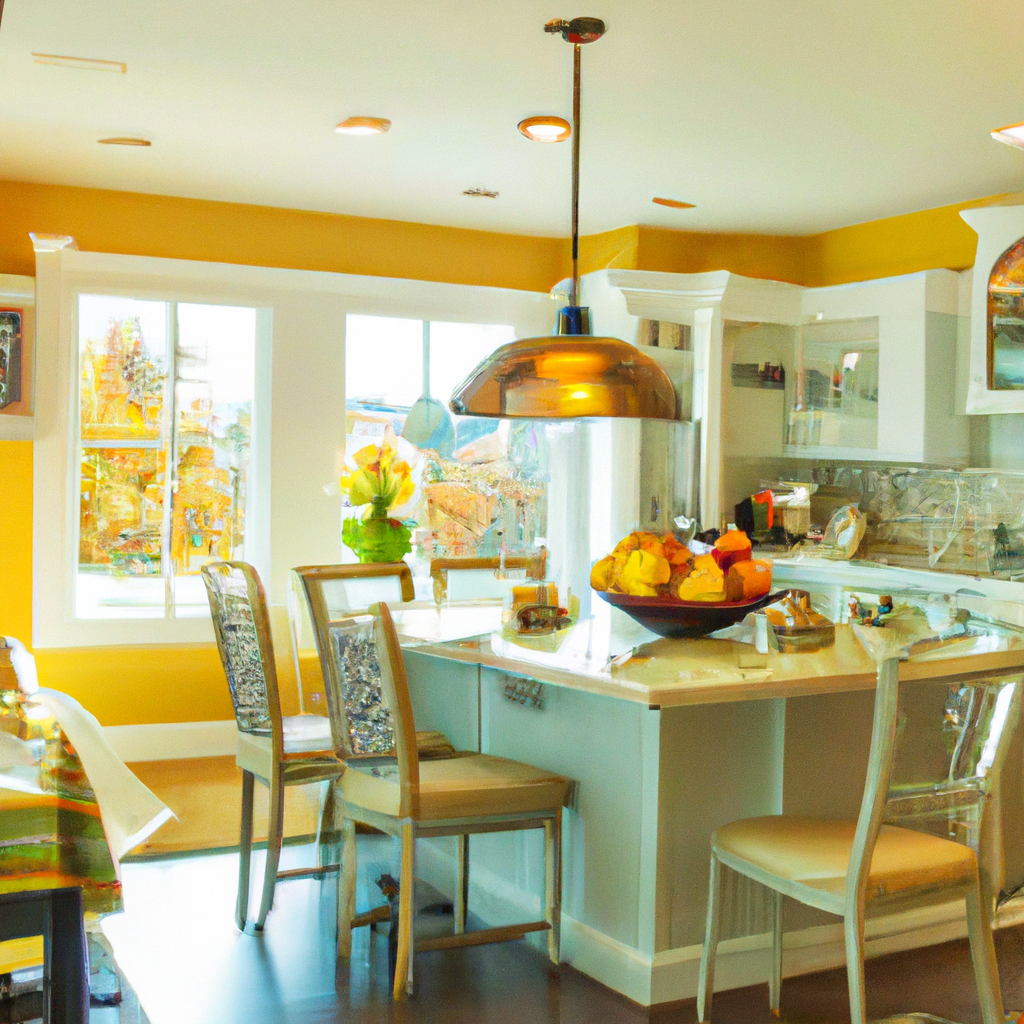
Open floor plans have become increasingly popular in modern home designs, offering a seamless flow between rooms and a sense of spaciousness. However, before you hop on the open floor plan bandwagon, it’s important to consider the pros and cons. On the one hand, open floor plans allow for better communication and interaction, making it easier to entertain and keep an eye on children. On the other hand, privacy and noise control can be sacrificed, making it challenging to find a quiet space or separate work and living areas.
Advantages of Open Floor Plans
Flexibility in design and layout
One of the biggest advantages of open floor plans is the flexibility they offer in terms of design and layout. With an open floor plan, you have the freedom to arrange your furniture and décor in a way that suits your personal style and preferences. Whether you prefer a modern and minimalist look or a cozy and eclectic vibe, the open layout allows you to easily create the atmosphere you desire. Additionally, open floor plans can be easily adapted to accommodate changes in your lifestyle or family dynamics, making them a versatile option for homeowners.
Improved sight lines
In a traditional home with separate rooms, the sight lines are often limited, making the space feel closed off and segmented. However, with an open floor plan, you can enjoy improved sight lines throughout the entire living area. This means that you can have a clear view of your entire living space, from the kitchen to the living room and even the dining area. The open layout creates a sense of continuity, making the space feel larger and more inviting.
Enhanced social interaction
Open floor plans are known for their ability to foster social interaction and connection. With an open layout, you can easily engage in conversations with family members or guests, no matter where they are in the living area. Whether you’re preparing meals in the kitchen while chatting with someone in the dining area or relaxing on the couch while talking with friends in the adjacent living room, the open floor plan allows for seamless communication and interaction.
Increased natural light
Another advantage of open floor plans is the abundance of natural light that floods the space. Without dividers and walls obstructing the flow of light, the entire living area can benefit from the natural sunlight. This not only makes the space feel brighter and more inviting, but it also has potential health benefits, such as boosting mood and improving vitamin D levels. With ample natural light, you can create a warm and welcoming atmosphere in your home.
Easy circulation and movement
When it comes to easy movement and circulation, open floor plans excel. Without walls and partitions to navigate around, you can move freely from one area to another without feeling confined or restricted. This is particularly beneficial for households with young children or elderly family members who may require a more accessible and fluid living space. Additionally, open floor plans make it easier to rearrange furniture or accommodate larger gatherings, as there are no obstacles to hinder the flow of movement.
Disadvantages of Open Floor Plans
Limited privacy
While open floor plans offer many advantages, one of the main disadvantages is the limited privacy they provide. With an open layout, there are no barriers to separate different areas of the home, which means that activities in one area can be easily seen and heard from another. This lack of privacy may not be ideal for individuals or families who value personal space and quiet solitude.
Less defined spaces
In a home with an open floor plan, defining separate spaces for different activities can be a challenge. Without walls or partitions to create distinct boundaries, it can be difficult to designate specific areas for specific purposes. This can lead to a lack of organization and clarity in terms of functionality and can make it harder to create a sense of coziness or intimacy in larger spaces.
Increased noise levels
With an open floor plan, noise travels more easily throughout the living area. This means that conversations, music, or other sounds from one area of the home can be heard in other areas, potentially leading to disruptions and reduced privacy. This can be particularly challenging for individuals who require a quiet environment for work or study, or for families with different daily routines and activities.
Challenges with temperature control
Maintaining a comfortable temperature in an open floor plan can be more challenging compared to homes with separate rooms. Without walls to create barriers, it can be difficult to regulate the temperature evenly throughout the living area. For example, a well-heated or cooled living room may have a different temperature than the adjoining kitchen, leading to potential discomfort for individuals in different areas of the open space.
More difficult to keep clean
Open floor plans, with their larger and more exposed living areas, can be more challenging to keep clean compared to homes with separate rooms. Dust, dirt, and other debris can easily travel through the space, making it necessary to clean a larger area. Additionally, open floor plans often have larger surfaces, such as expansive countertops or flooring, which require more time and effort to maintain.

This image is property of images.pexels.com.
Implications for Families
Promotes family togetherness
For families, open floor plans can promote togetherness and shared experiences. With an open layout, family members can easily interact and engage with one another, whether they’re cooking, playing, or simply spending time together. This can strengthen family bonds and create a sense of unity and closeness.
Allows for better supervision of children
Open floor plans provide parents with the ability to keep a closer eye on their children. Whether they’re in the kitchen preparing a meal or relaxing in the living room, parents can easily see and hear their children, promoting a safer environment and reducing the likelihood of accidents or mishaps.
Encourages communication and connection
With an open floor plan, communication within the family is enhanced. Family members can easily converse and share their thoughts and experiences, as there are no barriers to impede the flow of conversation. This can foster stronger relationships among family members and create a sense of connection and understanding.
May lead to distractions and lack of privacy
While open floor plans encourage communication and social interaction, they can also lead to distractions and a lack of privacy. If one family member is trying to work or study while others are engaged in noisy activities, it can be challenging to find a quiet space for concentration. Similarly, the lack of physical barriers can make it harder for individuals to have private conversations or enjoy personal space.
Requires careful planning for storage and organization
With open floor plans, storage and organization become crucial considerations. Without separate rooms for storage, it’s important to plan for built-in storage solutions, such as shelves, cabinets, or closets, to keep belongings organized and clutter at bay. Creative furniture arrangements and the use of multi-functional pieces can also help maximize storage options and keep the open space clean and organized.
Impact on Social Gatherings
Facilitates better flow and interaction during parties
Open floor plans are ideal for social gatherings and parties, as they facilitate better flow and interaction among guests. Without walls or dividers to restrict movement, guests can easily mingle and engage in conversations throughout the entire living area. This creates a more inclusive and connected atmosphere, allowing guests to enjoy the company of others in a seamless and effortless manner.
Creates a more inclusive and connected atmosphere
The open layout of an open floor plan fosters a sense of inclusivity and connectedness during social gatherings. Instead of being segregated into separate rooms, guests can interact with one another freely and experience the party as a unified group. This creates a more vibrant and lively atmosphere, encouraging guests to engage with each other and enjoy the event to the fullest.
Allows for multi-functional use of space
Open floor plans lend themselves well to multi-functional use of space during social gatherings. Whether you’re hosting a dinner party, a game night, or a dance party, the flexibility of the open layout allows you to easily adapt the space to accommodate different activities. For example, you can transform the dining area into a dance floor, or rearrange the furniture to create cozy conversation areas. The versatility of open floor plans makes them perfect for hosting a variety of events and gatherings.
Can result in increased noise and lack of privacy
While open floor plans promote social interaction during social gatherings, they can also lead to increased noise levels and a lack of privacy. With guests conversing and mingling throughout the entire living area, the noise can easily echo and travel, potentially making it challenging for individuals to have private conversations or find quiet spaces. This is something to keep in mind when planning social events in an open floor plan.
Requires consideration for acoustics and privacy options
To mitigate noise and privacy concerns during social gatherings, it’s important to consider acoustics and privacy options in your open floor plan. Strategic placement of sound-absorbing materials, such as rugs or curtains, can help minimize noise travel and create a more acoustically balanced space. Additionally, incorporating privacy options, such as room dividers or sliding doors, can provide guests with the opportunity to have private conversations or retreat to quieter areas if needed.

This image is property of images.pexels.com.
Effect on Productivity in Workspaces
Encourages collaboration and teamwork
In workspaces, open floor plans can encourage collaboration and teamwork among colleagues. With an open layout, individuals have easy access to one another, making it convenient to share ideas, ask questions, and work together on projects. The absence of physical barriers can create a more open and inclusive work environment, fostering a sense of camaraderie and support among colleagues.
Promotes a sense of community and belonging
Open floor plans in workspaces can promote a sense of community and belonging among employees. The open space encourages interaction and communication among colleagues, facilitating the development of stronger relationships and a more connected work culture. This can enhance employee satisfaction and engagement, leading to increased productivity and creativity.
Fosters creativity and innovation
The collaborative nature of open floor plans can foster creativity and innovation in workspaces. With colleagues easily accessible and ideas flowing freely, open floor plans can provide a breeding ground for new and inventive solutions. The open layout encourages a more relaxed and informal atmosphere, which can stimulate out-of-the-box thinking and spark creativity.
Can lead to distractions and decreased focus
While open floor plans promote collaboration and creativity, they can also lead to distractions and decreased focus in workspaces. With colleagues in close proximity and noise easily traveling throughout the space, it can be challenging for individuals to concentrate on their tasks or projects. This can be particularly problematic for jobs that require sustained focus or confidentiality.
Requires designated quiet areas for concentration
To address the potential distractions and decreased focus in open floor plan workspaces, it’s important to designate quiet areas for concentration. These areas can provide employees with a dedicated space where they can work without interruptions or distractions. Whether it’s a separate room or a designated quiet zone with soundproofing materials, these spaces can help employees maintain productivity and focus when needed.
Considerations for Privacy
Can be achieved through strategic furniture placement
Achieving privacy in an open floor plan can be accomplished through strategic furniture placement. By positioning furniture in a way that creates visual barriers and defines separate areas, you can create a sense of privacy within the open space. For example, placing a sofa or bookshelf between the living room and dining area can create a visual separation, allowing for more privacy in each area.
Use of room dividers or partitions
For a more defined and physical separation in an open floor plan, room dividers or partitions can be utilized. These can be movable or permanent fixtures that create distinct areas within the open space. Room dividers can be made from various materials such as glass, wood, or fabric, depending on the level of privacy and aesthetics desired.
Incorporation of sliding doors or curtains
Incorporating sliding doors or curtains in an open floor plan can offer privacy options when needed. These can be installed to provide temporary separation or concealment for certain areas. With the ability to slide open or close as desired, sliding doors or curtains offer flexibility in maintaining privacy while still maintaining the open feel of the space.
Utilization of built-in shelves or storage units
Built-in shelves and storage units can serve a dual purpose in an open floor plan. In addition to providing ample storage space, they can also create visual separation and privacy. By strategically placing shelves or storage units, you can define different areas and create a sense of privacy within the open space.
Need for careful consideration of soundproofing materials
To ensure privacy in an open floor plan, it is important to consider soundproofing materials. These materials can help reduce noise travel and create a more acoustically balanced space. From sound-absorbing panels on walls to acoustic ceiling treatments, there are various options available to help maintain privacy and minimize disruptions within the open floor plan.

This image is property of images.pexels.com.
Design Solutions and Strategies
Zone the space with furniture and rugs
To create separate areas within an open floor plan, you can zone the space using furniture and rugs. By strategically placing furniture and using rugs to define different areas, you can visually separate the space and designate specific zones for different activities. For example, a large rug and a grouping of furniture can create a cozy reading nook within the open living area.
Create visual separation through different ceiling heights or flooring materials
Another design solution for an open floor plan is to create visual separation through different ceiling heights or flooring materials. By varying the height of ceilings or using different types of flooring materials, you can visually define different areas within the open space. This creates a sense of distinction and can help delineate different functions or zones within the living area.
Utilize color schemes and lighting to define areas
Color schemes and lighting can also be used to define areas within an open floor plan. By using different colors or patterns on walls or using accent lighting to highlight specific areas, you can visually separate different zones within the open space. This creates a sense of coherence and continuity while still maintaining the openness of the overall layout.
Incorporate movable furniture for flexible layouts
Movable furniture is an excellent solution for flexible layouts in an open floor plan. By incorporating furniture that can be easily rearranged or moved, you can adapt the space to accommodate different activities or configurations. This allows for greater versatility and ensures that the open floor plan can easily evolve to meet changing needs or preferences.
Consider incorporating built-in storage and shelving units
Built-in storage and shelving units are not only practical for organization and storage but also serve as design solutions in an open floor plan. They provide defined areas within the open space and can be used to visually separate different zones. Additionally, built-in storage and shelving units can help maintain cleanliness and minimize clutter, contributing to the overall aesthetic appeal of the open floor plan.
Tips for Maintaining Open Floor Plans
Establish designated storage areas
To ensure that an open floor plan remains clean and organized, it is essential to establish designated storage areas. This can include utilizing closets, cabinets, or shelves to store items and keep them out of view. By having designated storage areas, you can minimize clutter and maintain the openness and visual appeal of the space.
Implement regular cleaning routines
Regular cleaning routines are crucial for maintaining an open floor plan. With larger living areas and fewer walls to act as barriers, dust and dirt can easily accumulate. Establishing a regular cleaning schedule for vacuuming, dusting, and mopping can help keep the space clean and hygienic. Additionally, implementing daily habits such as picking up after oneself and organizing belongings can contribute to the overall cleanliness of the open floor plan.
Utilize storage solutions to minimize clutter
In an open floor plan, it is important to utilize storage solutions to minimize clutter. This can include storage baskets, bins, or boxes to contain items and keep them organized. Additionally, investing in furniture with built-in storage options, such as ottomans with hidden compartments or coffee tables with drawers, can provide additional storage space while minimizing visual clutter.
Opt for furniture with built-in storage options
When selecting furniture for an open floor plan, consider opting for pieces with built-in storage options. This can include sofas with hidden storage compartments or bookshelves with concealed storage areas. By choosing furniture that serves a dual purpose of functionality and storage, you can maximize the use of space and maintain a clutter-free environment.
Create designated zones for different activities
To maintain organization and functionality in an open floor plan, it’s important to create designated zones for different activities. This can include creating a separate area for dining, a designated workspace, or a dedicated entertainment area. By clearly defining these zones, you can ensure that each area serves its intended purpose and enhances the overall functionality of the open floor plan.
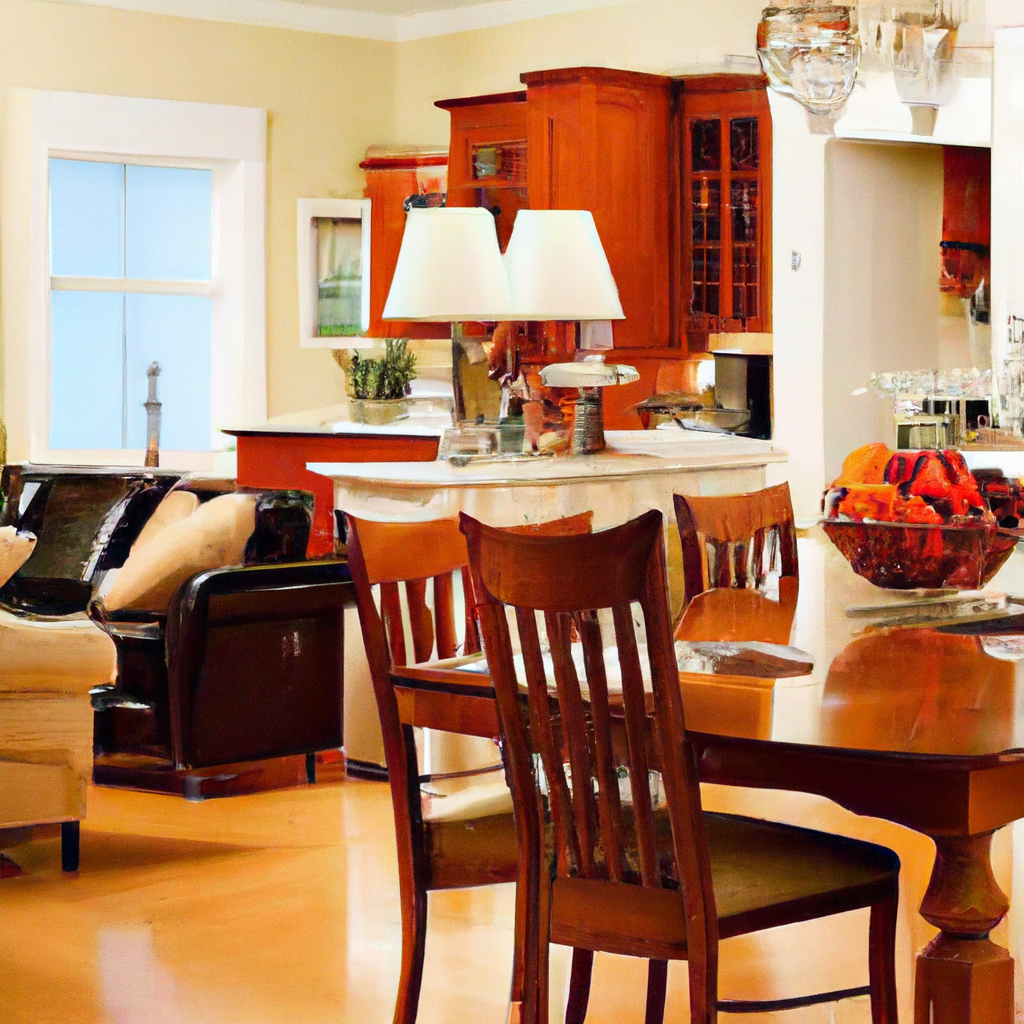
Addressing Noise and Privacy Concerns
Use of sound-absorbing materials
To address noise concerns in an open floor plan, consider using sound-absorbing materials. This can include installing acoustic panels on walls or implementing sound-absorbing ceiling treatments. By incorporating these materials, you can help minimize noise travel and create a more acoustically balanced space, reducing disruptions and ensuring privacy within the open layout.
Installation of soundproofing panels or curtains
For additional privacy and noise reduction, you can consider installing soundproofing panels or curtains. These can be particularly useful in areas where privacy is required, such as bedrooms or home offices. Soundproofing panels or curtains can help minimize noise transfer and create a more private and peaceful environment within the open floor plan.
Strategic placement of furniture for acoustic control
To address noise concerns, strategic placement of furniture can play a role in acoustic control. By positioning furniture in a way that absorbs or diffuses sound, you can help minimize noise travel throughout the open space. For example, incorporating plush couches or using fabric curtains can help absorb sound, creating a quieter and more private atmosphere in specific areas.
Integration of technology for sound management
The integration of technology can also help address noise concerns in an open floor plan. This can include the use of smart speakers or sound systems that allow you to control the volume or direct sound to specific areas. By utilizing technology, you can manage noise levels and create a more personalized and comfortable audio environment within the open layout.
Consideration of privacy factors when selecting finishes and materials
When selecting finishes and materials for an open floor plan, it’s important to consider privacy factors. This can include choosing materials that provide visual privacy, such as frosted glass for bathroom areas or sheer curtains for bedrooms. Additionally, selecting materials that absorb sound, such as carpeting or textured wall coverings, can help mitigate noise transfer and maintain privacy within the open floor plan.
Conclusion
Open floor plans offer numerous benefits, including flexibility in design, improved sight lines, enhanced social interaction, increased natural light, and easy circulation and movement. However, they also present challenges, such as limited privacy, less defined spaces, increased noise levels, challenges with temperature control, and increased difficulty in keeping the space clean. When considering the implications for families, open floor plans can promote togetherness, offer better supervision of children, encourage communication and connection, but may also lead to distractions and lack of privacy, requiring careful planning for storage and organization. In social gatherings, open floor plans facilitate better flow and interaction, create a more inclusive and connected atmosphere, allows for multi-functional use of space, but can result in increased noise and lack of privacy, necessitating consideration for acoustics and privacy options. In workspaces, open floor plans encourage collaboration and teamwork, promote a sense of community and belonging, foster creativity and innovation, but can also lead to distractions and decreased focus, requiring designated quiet areas for concentration. To address privacy concerns in open floor plans, strategic furniture placement, use of room dividers or partitions, incorporation of sliding doors or curtains, utilization of built-in shelves or storage units, and careful consideration of soundproofing materials can be effective. Design solutions and strategies such as zoning the space with furniture and rugs, creating visual separation through different ceiling heights or flooring materials, utilizing color schemes and lighting to define areas, incorporating movable furniture for flexible layouts, and considering built-in storage and shelving units can maximize the advantages of open floor plans while minimizing the disadvantages. Tips for maintaining open floor plans include establishing designated storage areas, implementing regular cleaning routines, utilizing storage solutions to minimize clutter, opting for furniture with built-in storage options, and creating designated zones for different activities. Addressing noise and privacy concerns can be achieved through the use of sound-absorbing materials, installation of soundproofing panels or curtains, strategic placement of furniture for acoustic control, integration of technology for sound management, and consideration of privacy factors when selecting finishes and materials. By carefully considering the advantages and disadvantages, as well as implementing appropriate design solutions and strategies, open floor plans can offer the best of both worlds – an open and inviting living space that also respects the need for privacy and individuality.