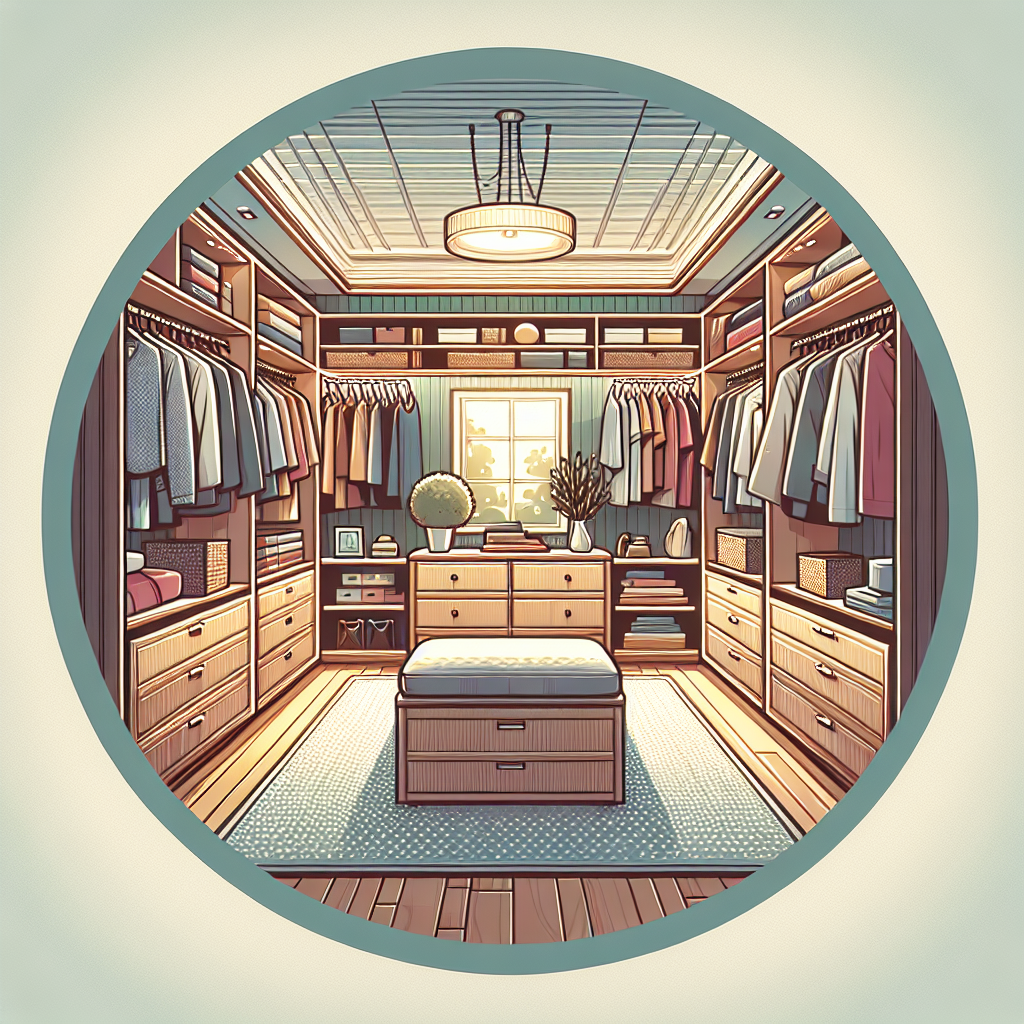
When it comes to designing your dream walk-in closet, there are a few important considerations to keep in mind. From maximizing storage space to creating a functional layout, these factors play a crucial role in ensuring that your closet not only looks stunning but also serves its purpose efficiently. With the right planning and attention to detail, you can create a space that not only showcases your personal style but also provides practicality and organization. So, let’s explore these considerations together and bring your ideal walk-in closet to life!
Space
When designing a walk-in closet, one of the first considerations you should keep in mind is the available space. Assessing the size of the room will help you determine what elements can be incorporated into the design. Take measurements of the area and consider any architectural features that may impact the layout, such as windows or doors.
Choosing the right location for your walk-in closet is also important. Ideally, it should be located near the bedroom for easy access. Consider the flow of your home and how the closet’s location will affect your daily routine. Additionally, ensure that there is enough space around the closet to move freely and open doors without obstructions.
Optimizing the layout and flow of your walk-in closet is essential for maximizing its functionality and aesthetics. Consider how you use your clothes and accessories and design the closet’s layout accordingly. Organize the space to have designated zones for different items, such as clothing, shoes, and accessories. This will help create a sense of order and make it easier to find what you need.
Storage needs
Determining the size of your wardrobe is an important aspect of designing a walk-in closet. Take inventory of your clothes, including any future additions, and estimate how much space you will need. This will help guide the decisions for shelves, hanging rods, and drawers in your closet.
When considering hanging space, think about the length of garments you own. If you have many long dresses or coats, ensure that there is sufficient vertical space available. Additionally, consider the amount of hanging space you need for shirts, pants, and other items. Allocating enough room for each category will help keep your clothes organized and wrinkle-free.
Incorporate shelves and drawers into your walk-in closet design to provide additional storage options. Shelves can be used to store folded clothes, handbags, or display items. Drawers are ideal for storing smaller clothing items or accessories. Consider the depth and number of shelves and drawers based on your specific storage needs.
In addition to clothing, shoe storage should also be taken into consideration. Determine the number of shoes you own and plan for adequate shoe storage. This could include shoe racks, cubbies, or specially designed shelves. Organizing your shoes in a dedicated area will help keep them tidy and easily accessible.
Don’t forget about accessories storage when designing your walk-in closet. Consider incorporating compartments or dividers for jewelry, belts, scarves, and other accessories. This will ensure that each item has its place and prevent them from getting tangled or lost.

This image is property of images.unsplash.com.
Lighting
When it comes to walk-in closets, proper lighting is essential. Evaluate the natural light sources in the room and determine if any adjustments need to be made to enhance the lighting. If the closet lacks natural light, consider adding artificial lighting options.
Adding artificial lighting to your walk-in closet can help illuminate the space, making it easier to see your clothes and accessories. Choose lighting fixtures that provide adequate brightness without being too harsh. Consider options such as recessed lighting, track lighting, or pendant lights to create a pleasant ambiance.
In addition to general lighting, consider incorporating task lighting in specific areas of your walk-in closet. Task lighting can be used near mirrors or dressing areas to provide focused illumination. This will make it easier to see yourself when trying on clothes or applying makeup.
Color and aesthetics
Selecting a color scheme for your walk-in closet is an exciting part of the design process. Consider the overall aesthetic you want to achieve and choose colors that reflect your personal style. Lighter colors can make the space feel open and airy, while darker colors can create a cozy and intimate atmosphere.
When choosing materials for your walk-in closet, prioritize durability and functionality. Opt for sturdy materials that can withstand daily wear and tear. Consider materials such as hardwood or laminate for shelving and cabinetry, as they are easy to clean and maintain.
Creating a cohesive design involves choosing elements that work well together. Coordinate the colors of your walls, flooring, and storage units to create a harmonious look. Additionally, consider incorporating decorative elements such as wallpaper, artwork, or mirrors to add personality to your walk-in closet.

This image is property of images.unsplash.com.
Accessibility
When designing a walk-in closet, easy reach is an important factor to consider. Organize your clothes and accessories in a way that allows for convenient access. Place frequently used items at eye level or in easily reachable areas. This will save you time and effort when getting ready.
Consider mobility needs when designing your walk-in closet. If you or someone in your household requires mobility aids, ensure that the closet is spacious enough to accommodate them. Incorporate wider pathways and accessible storage solutions to make the closet functional for everyone.
Functionality
Designing for different clothing types is another consideration that should not be overlooked when creating a walk-in closet. Consider the types of clothes you own and plan storage solutions that accommodate them. For example, provide longer hanging space for dresses and coats, and adjustable shelving for folded items.
Creating tailored storage solutions based on your specific needs will greatly enhance the functionality of your walk-in closet. Customize the space according to the items you own and the way you prefer to organize them. This will help you make the most of your closet and keep everything organized.

This image is property of images.unsplash.com.
Privacy and security
Incorporating privacy and security measures into your walk-in closet design is important, especially if it is connected to your bedroom or a public area. Consider adding locks to doors or drawers to keep valuables secure. This will provide peace of mind knowing that your belongings are protected.
If privacy is a concern, you may want to consider adding a dressing area or screens to your walk-in closet. This will provide a private space to change clothes and get ready without feeling exposed. Consider the layout of your walk-in closet and determine if incorporating a separate dressing area is feasible.
Ventilation
Ensuring proper ventilation in your walk-in closet is crucial for maintaining the freshness and longevity of your clothes. Evaluate the air circulation in the space and make adjustments to improve it if necessary. This could include adding windows for natural ventilation or installing air vents.
Consider odor control when designing your walk-in closet. Incorporate measures such as air purifiers or scented sachets to keep the space smelling fresh. Additionally, ensure that there is proper ventilation to prevent the buildup of musty odors.
Maintenance and organization
Creating a system for organization is key to keeping your walk-in closet tidy and easy to navigate. Consider incorporating storage solutions such as bins, dividers, or hooks to keep items organized. Label shelves or drawers to help you remember where everything belongs.
When choosing materials for your walk-in closet, opt for options that are easy to maintain. Avoid materials that are prone to staining or require intensive cleaning. Materials such as laminate or melamine are durable and can be easily wiped clean, making maintenance a breeze.
Future needs
When designing a walk-in closet, it’s important to consider your future wardrobe growth. Account for any potential increases in clothing or accessories and plan accordingly. Leave room for expansion and consider adjustable storage solutions that can adapt to your changing needs.
Designing for adaptability is also crucial when considering future needs. Incorporate flexible storage options that can be easily rearranged or modified as your wardrobe evolves. This will prevent you from having to completely redesign your walk-in closet in the future and save you time and effort.
By keeping these considerations in mind when designing a walk-in closet, you can create a space that suits your lifestyle, maximizes functionality, and enhances the overall aesthetics of your home. With careful planning and attention to detail, your walk-in closet can become a stylish and organized sanctuary that you will enjoy using every day.