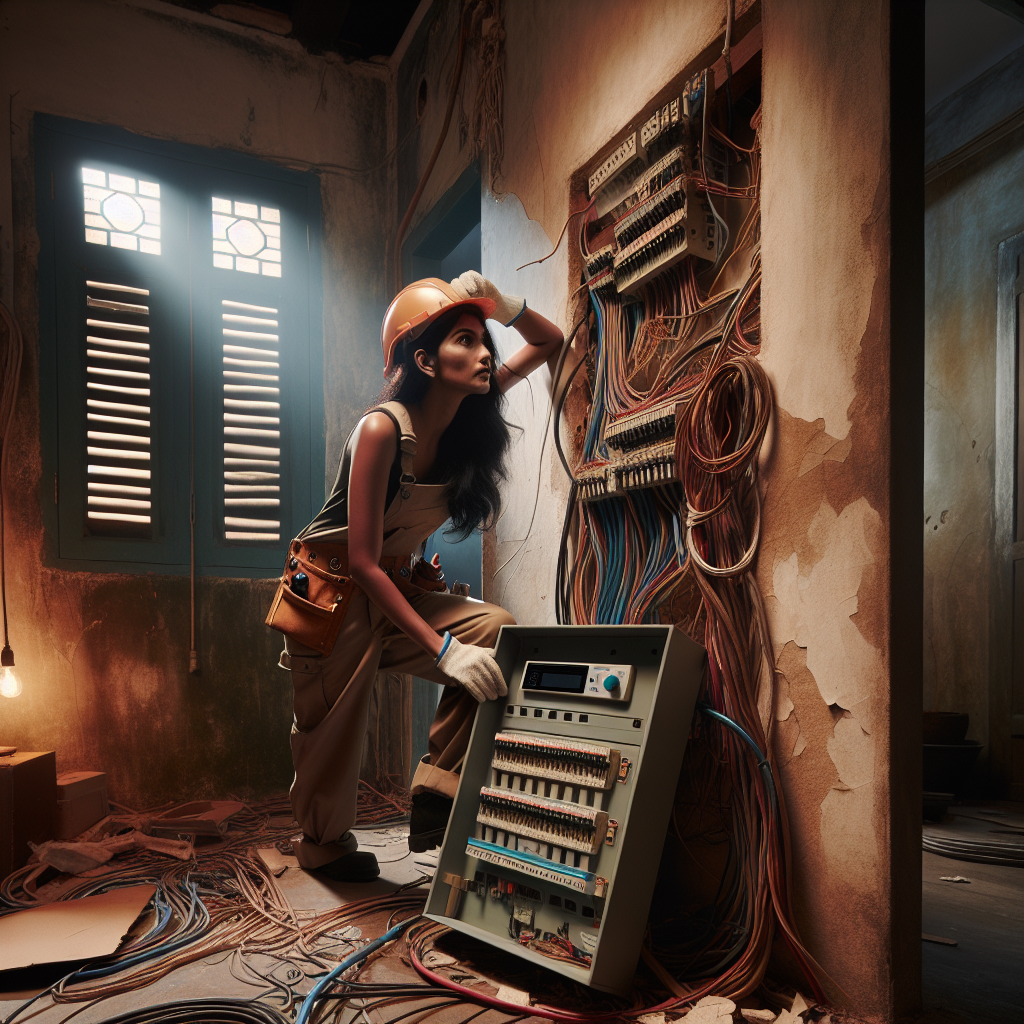
If you find yourself pondering over what factors to keep in mind when upgrading the electrical system in an older home, fear not! This article aims to provide you with valuable insights and considerations to ensure a smooth and efficient upgrade process. From assessing the existing electrical infrastructure to determining load requirements and safety precautions, we’ve got you covered. So, sit back, relax, and let us guide you through the ins and outs of upgrading an electrical system in an older home.
This image is property of images.unsplash.com.
Assessing the Existing Electrical System
Evaluate the Age and Condition of the Wiring
Before upgrading the electrical system in your older home, it is crucial to start by assessing the age and condition of the existing wiring. Older homes may have outdated electrical systems that are no longer able to handle the demands of modern appliances and electronics. It is essential to determine if the wiring is in good condition or if it needs to be replaced or repaired.
Check for Grounding and Wiring Standards
Another important consideration when assessing the existing electrical system is to check for grounding and wiring standards. Older homes may not have the same grounding system as newer homes, and this can pose safety risks. Making sure that your electrical system is properly grounded is crucial to protect against electrical shocks and to prevent fire hazards.
Determine the Load Capacity of the System
In order to ensure that the upgraded electrical system meets your power needs, it is essential to determine the load capacity of the existing system. This involves calculating the total amount of power that your home requires and comparing it to the capacity of the current electrical system. By understanding the load capacity, you can determine if the system needs to be upgraded to accommodate your electrical needs.
Identifying Safety Concerns
Identify Outdated Electrical Panels
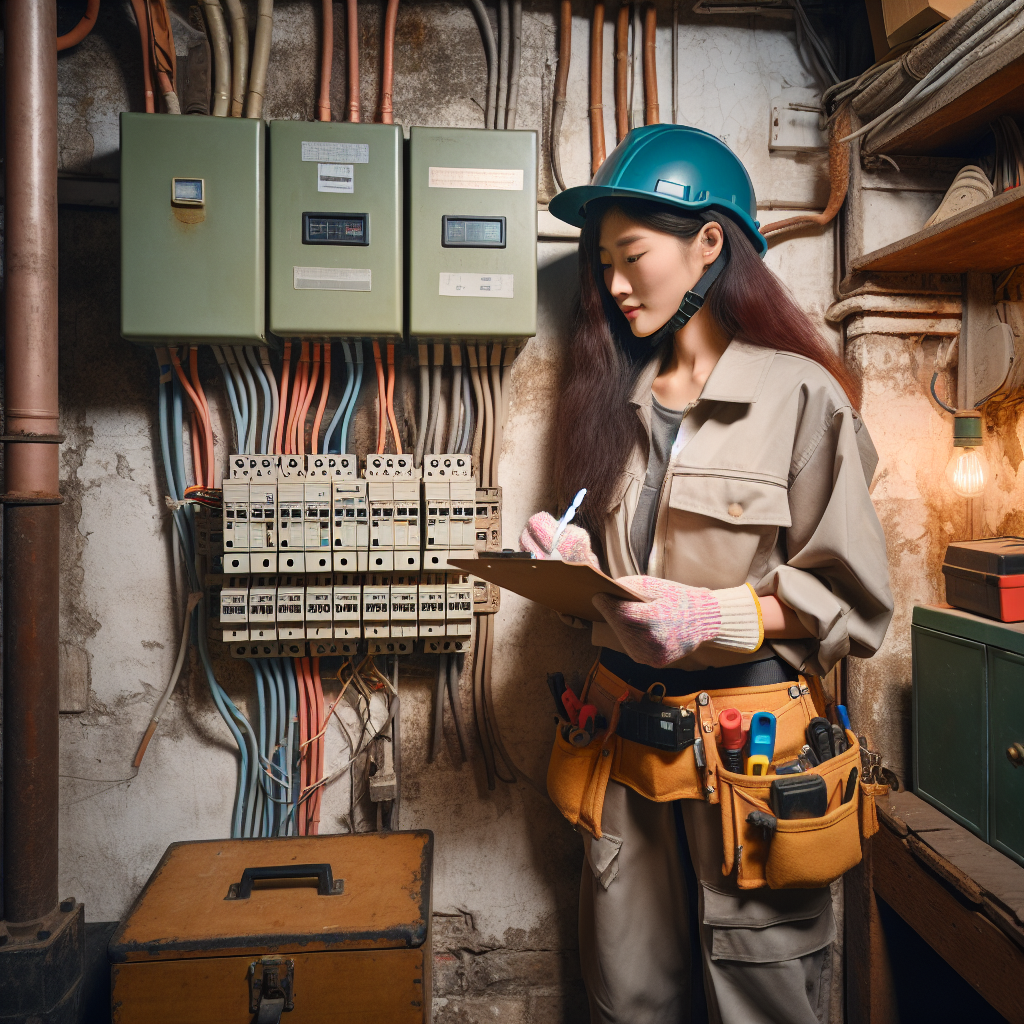
One of the safety concerns often found in older homes is outdated electrical panels. These panels may not have the capacity to handle the electrical demands of a modern household. Outdated panels can lead to overheating, electrical shorts, and even electrical fires. Identifying if your electrical panel is outdated and replacing it with a newer, safer model is crucial for the overall safety of your home.
Address Faulty Wiring and Insulation
Faulty wiring and insulation are common safety concerns in older homes. Over time, wiring can become damaged, frayed, or overloaded, leading to electrical malfunctions and fire hazards. Insulation may also deteriorate, exposing wires and increasing the risk of electrical shock. It is vital to address any faulty wiring and insulation issues during the upgrading process to ensure a safe electrical system.
Inspect for Overloaded Circuits
Older homes may not have enough electrical circuits to accommodate the number of appliances and gadgets we use today. Overloaded circuits can be a significant safety concern as they can lead to overheating and electrical fires. Inspecting your existing electrical circuits and addressing any overloaded circuits by adding additional circuits or redistributing electrical loads is essential to prevent these safety hazards.
Ensuring Compliance with Current Codes and Regulations
Research Local Electrical Codes
When upgrading the electrical system in an older home, it is crucial to research and familiarize yourself with the current electrical codes and regulations in your local area. Electrical codes are in place to ensure the safety of electrical systems and occupants. By understanding and adhering to these codes, you can ensure that your upgraded electrical system meets current safety standards.
Consult with a Professional Electrician
Upgrading an electrical system is a complex task that requires the expertise of a professional electrician. Consulting with a licensed electrician will ensure that the electrical upgrades in your older home are done correctly and safely. Electricians have the necessary knowledge and experience to advise on the best course of action, ensure compliance with codes, and provide quality workmanship.
Update Wiring to Comply with Safety Standards
To ensure compliance with safety standards, it may be necessary to update the wiring in your older home during the electrical system upgrade. This may involve replacing outdated wiring materials, such as knob and tube or aluminum wiring, with safer and more reliable options like copper wiring. Upgrading the wiring will enhance the safety and efficiency of your electrical system, providing peace of mind for you and your family.
Calculating Power Needs
Assess the Electrical Load
Calculating the electrical load involves determining the total amount of power that your home requires. This includes considering all the appliances, electronics, lighting fixtures, and other electrical devices that will be connected to the system. By assessing the electrical load, you can ensure that the upgraded electrical system can handle the power demands of your household without overloading or tripping circuit breakers.
Determine Voltage and Amps Requirements
In addition to assessing the electrical load, it is essential to determine the specific voltage and amperage requirements of the electrical system in your older home. This information will help guide the selection of appropriate wire sizes, circuit breakers, and other electrical components. Understanding the voltage and amps requirements will ensure that your upgraded electrical system operates safely and efficiently.
Consider Future Power Requirements
While it is important to calculate the current power needs of your home, it is also wise to consider future power requirements. As technology advances and your household’s needs evolve, it is essential to plan for potential upgrades or expansions in the future. By considering future power requirements during the electrical system upgrade, you can save time and money by anticipating and accommodating potential changes.
This image is property of images.unsplash.com.
Upgrading the Electrical Panel
Evaluate Panel Capacity
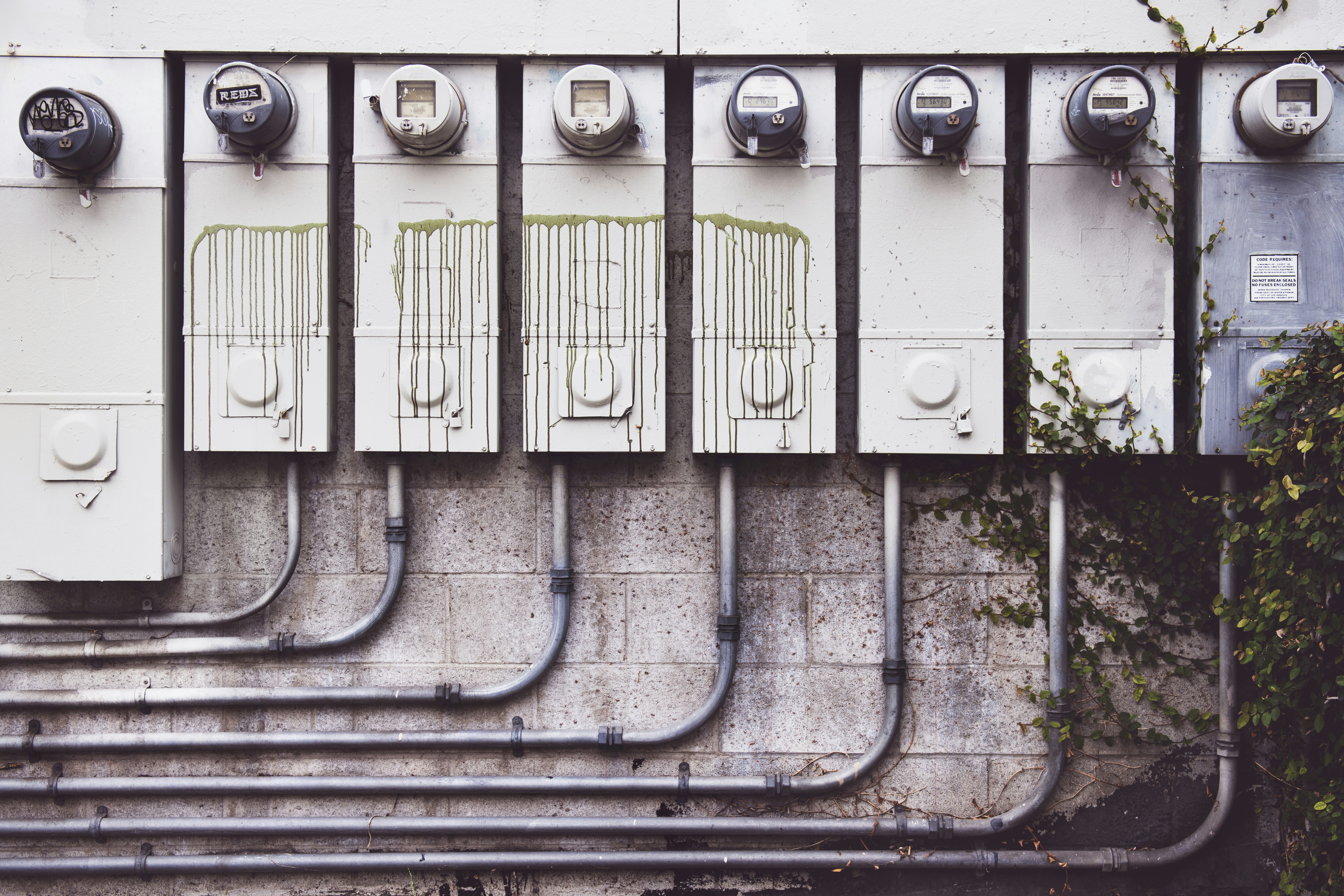
The electrical panel is a crucial component of the electrical system as it serves as the control center for distributing power throughout the house. When upgrading the electrical system in an older home, it is vital to evaluate the capacity of the existing panel. Older panels may have limited breaker slots or lower amp capacities, which could restrict your ability to meet your power requirements. Assessing and upgrading the panel capacity if needed will ensure that your electrical system can handle the increased demands.
Consider a Panel Upgrade
If the existing electrical panel is outdated or does not meet the necessary capacity, considering a panel upgrade is a wise choice. Upgrading the panel will provide more breaker slots, higher amp capacities, and improved safety features such as arc fault circuit interrupters (AFCIs) and ground fault circuit interrupters (GFCIs). A new panel will not only enhance the safety and functionality of your electrical system but also increase the resale value of your home.
Select the Right Type of Circuit Breakers
When upgrading the electrical panel, it is important to select the right type of circuit breakers for your specific needs. Different breakers serve different functions, such as protecting against short circuits, overcurrents, or ground faults. Understanding the purpose and compatibility of various circuit breakers will ensure effective protection and efficient operation of your upgraded electrical system.
Rewiring the House
Inspect and Replace Outdated Wiring
During the upgrading process, it is crucial to inspect the existing wiring in your older home and address any outdated or unsafe wiring. Some common types of outdated wiring found in older homes include knob and tube wiring, aluminum wiring, and cloth-covered wiring. These types of wiring can be hazardous and need to be replaced with modern electrical cables for enhanced safety and reliability.
Upgrade to Modern Electrical Cables
When rewiring your older home, it is recommended to upgrade to modern electrical cables that meet current safety standards. Copper wiring, for example, is the most commonly used type today due to its high conductivity and resistance to corrosion. Upgrading to modern electrical cables will ensure that your electrical system operates safely and efficiently for years to come.
Consider Different Wiring Configurations
While rewiring your older home, it is also an opportune time to consider different wiring configurations that can enhance convenience and utility. This may involve adding additional outlets, relocating switches, or installing dedicated circuits for specific appliances or areas. Working with a professional electrician during this rewiring process will ensure that the new wiring configurations meet safety requirements and suit your specific needs.
This image is property of images.unsplash.com.
Improving Grounding and Bonding
Assess Grounding System
Grounding is a critical aspect of an electrical system as it provides a safe path for electrical currents to flow into the ground in the event of a fault. Older homes may have inadequate grounding systems or lack grounding altogether. Assessing the grounding system during the electrical system upgrade will help identify any deficiencies and allow for necessary improvements to ensure electrical safety.
Install Proper Grounding and Bonding
To enhance the safety of your electrical system, it is important to install proper grounding and bonding components during the upgrade. This includes installing grounding electrodes, such as ground rods, and connecting them to the electrical system. Additionally, bonding metallic components, such as plumbing pipes and gas lines, helps ensure consistent grounding throughout the home, minimizing the risk of electrical shock and damage.
Consider Ground Fault Circuit Interrupters (GFCIs)
Ground fault circuit interrupters (GFCIs) are electrical devices designed to protect against electrical shocks in areas where water is present, such as kitchens, bathrooms, and outdoor areas. Upgrading to GFCIs during the electrical system upgrade will provide an extra layer of protection by quickly shutting off the circuit if a ground fault is detected. Installing GFCIs in appropriate locations will greatly enhance the safety of your older home’s electrical system.
Adding Additional Electrical Outlets
Identify Areas with Insufficient Outlets
In older homes, it is common to find areas with insufficient electrical outlets to meet modern needs. Identifying these areas and determining where additional outlets are required is an important step in upgrading the electrical system. Lack of outlets can result in the use of extension cords and power strips, which can overload circuits and increase the risk of electrical hazards.
Calculate Load for Additional Outlets
When adding additional electrical outlets, it is essential to calculate the load they will carry to ensure the electrical system can support them. Each outlet has a maximum load capacity, and exceeding that capacity can result in circuit overloads and circuit breaker trips. By calculating the load for additional outlets, you can ensure that the electrical system is properly designed and safely accommodates your power needs.
Plan Proper Wiring Layout
To ensure a functional and aesthetically pleasing electrical system, planning the proper wiring layout for additional outlets is crucial. This involves determining the best locations for outlets based on their intended uses, considering the distance from breaker panels, and avoiding overloading circuits. Working with a professional electrician during this planning phase will ensure that the new outlets are strategically placed and meet all safety requirements.
Upgrading Lighting Fixtures
Evaluate Existing Lighting
Upgrading the lighting fixtures in your older home can greatly enhance both aesthetics and energy efficiency. Before choosing new fixtures, it is important to evaluate the existing lighting to determine its overall condition and functionality. This evaluation will help identify areas that may need additional lighting or where improvements can be made to better suit your lighting needs.
Consider Energy-Efficient Lighting Options
As part of the electrical system upgrade, consider selecting energy-efficient lighting options to reduce energy consumption and lower electricity bills. LED (Light Emitting Diode) lighting, for example, is highly efficient and has a longer lifespan compared to traditional incandescent bulbs. Upgrading to energy-efficient lighting not only reduces your environmental impact but also provides long-term cost savings.
Upgrade Wiring and Switches for New Fixtures
When upgrading lighting fixtures, it is important to evaluate the wiring and switches that will support the new fixtures. Older homes may have outdated or incompatible wiring and switches that need to be replaced or upgraded to properly accommodate the new lighting fixtures. Ensuring that the wiring and switches are suitable for the upgraded lighting will help prevent issues such as flickering lights or overloaded circuits.
Budgeting and Hiring Professionals
Determine a Realistic Budget
Upgrading the electrical system in an older home is an investment in both safety and functionality. It is important to determine a realistic budget for the project and take into consideration all aspects, including materials, labor costs, and any unexpected expenses that may arise. Creating a budget ensures that you can carry out the necessary upgrades effectively without compromising on quality or safety.
Get Multiple Quotes from Licensed Electricians
To ensure the success of your electrical system upgrade, it is crucial to hire a professional electrician who is licensed and experienced in working with older homes. By obtaining multiple quotes from different licensed electricians, you can compare prices, services offered, and the overall expertise of each contractor. This allows you to make an informed decision and select a professional who best suits your needs and budget.
Verify the Electrician’s Credentials and Experience
When hiring a professional electrician for the electrical system upgrade, it is important to verify their credentials and experience. Ensure that the electrician is properly licensed, insured, and has a positive reputation within the industry. Checking references and reading reviews can also provide valuable insight into the quality of their work. By verifying the electrician’s credentials and experience, you can have confidence in their abilities to handle the complexities of upgrading an older home’s electrical system.
In conclusion, upgrading the electrical system in an older home requires careful assessment, consideration of safety concerns, compliance with regulations, calculation of power needs, and appropriate planning. Working with a professional electrician will ensure that the upgrades are done safely, efficiently, and in compliance with current codes. By investing in an upgraded electrical system, you can enhance both the safety and functionality of your older home while enjoying the benefits of modern electrical technology.