
So, you’ve decided to embark on the exciting journey of touring potential homes. Congratulations! As you step into each house, it’s important to keep your eyes open and your expectations higher. In this article, we’ll explore the key aspects you should be on the lookout for during your home tour. From structural details and functionality to location and potential renovations, we’ve got you covered. Let’s dive in and discover what you should be looking for as you envision your future home sweet home.
Exterior
Curb Appeal
When you first arrive at a potential home, take note of its curb appeal. Is the landscaping well-maintained, with trimmed hedges and a healthy lawn? A visually appealing exterior can make a big difference in your overall impression of the property. Look for fresh paint or siding, as well as any signs of damage or neglect. A welcoming entryway with a clean and well-maintained front door can also add to the curb appeal.
Roof Condition
Inspecting the roof is crucial, as any issues can result in costly repairs down the line. Take a close look at the shingles to see if there are any signs of damage, such as missing or cracked shingles. Look for signs of leaks or water damage on the ceiling inside the home, as this could indicate a roof problem. If the roof is in poor condition, it may be necessary to negotiate repairs or consider replacing it entirely.
Exterior Walls
Check the condition of the exterior walls to ensure there are no major cracks or signs of damage. Pay attention to the type of siding or material used, as different materials may require different levels of maintenance and care. While minor cosmetic issues can be easily fixed, significant structural problems may indicate underlying issues and should be assessed by a professional.
Windows and Doors
Inspect the windows and doors to ensure they are in good condition. Look for any signs of cracks, fogging, or drafts around the windows, as these can be indications of energy inefficiency. Check that the doors open and close properly and that the locks are functioning correctly. Upgrading windows and doors can be a costly investment, so it’s essential to assess their condition before making a decision.
Driveway and Walkways
Take a walk around the property to evaluate the condition of the driveway and walkways. Look for any cracks or uneven surfaces that could pose a safety hazard or require repairs. Consider the materials used, such as concrete or asphalt, as different surfaces have different maintenance requirements. A well-maintained driveway and walkways can enhance the overall aesthetic appeal of the home.
Interior
Layout
Consider the layout of the home and whether it suits your needs and preferences. Does it have an open floor plan or a more traditional layout with separate rooms? Think about how you envision living in the space and whether the layout allows for easy flow and functionality.
Room Sizes and Configurations
Evaluate the sizes of the rooms and consider whether they will accommodate your furniture and belongings. Look for rooms that have a good balance between spaciousness and coziness. Consider the configurations of the rooms as well, such as the placement of windows and doors, and how they will affect the overall layout and natural lighting.
Ceiling Height
Ceiling height can greatly impact the feel of a space. High ceilings can create a sense of openness and grandeur, while lower ceilings can provide a more intimate and cozy atmosphere. Consider your personal preferences and how ceiling height may affect your living experience in the home.
Flooring
Pay attention to the condition and type of flooring throughout the home. Look for any signs of wear and tear, such as scratches or stains. Consider the material of the flooring and whether it aligns with your style preferences and lifestyle. Hardwood, laminate, tile, and carpet are common flooring options, each with its own pros and cons.
Wall Condition
Inspect the walls for any signs of damage, such as cracks or water stains. Check if the paint or wallpaper is in good condition or if it will require repainting or removal. The condition of the walls can greatly impact the overall aesthetic of the home, so it’s important to assess if any repairs or updates will be necessary.

This image is property of images.unsplash.com.
Kitchen
Appliances
Assess the condition and functionality of the kitchen appliances. Look for signs of wear or malfunctioning, such as rust, dents, or strange noises. Consider whether the appliances meet your needs and whether you may need to budget for potential replacements or repairs.
Cabinets and Countertops
Take note of the condition and storage capacity of the kitchen cabinets and countertops. Are they in good condition and well-maintained? Consider the materials used and whether they align with your style preferences and durability requirements.
Sink and Faucet
Evaluate the condition and functionality of the kitchen sink and faucet. Look for any signs of leaks, corrosion, or low water pressure. Consider the size and depth of the sink and whether it will meet your needs for meal prep, dishwashing, and other kitchen tasks.
Storage Space
Consider the amount of storage space available in the kitchen. Are there enough cabinets, drawers, and pantry space to accommodate your cooking utensils, pots and pans, and groceries? A well-designed kitchen with ample storage can make meal preparation and organization much more convenient.
Ventilation
Proper ventilation is crucial in a kitchen to eliminate cooking odors, excess heat, and moisture. Look for vent hoods or exhaust fans that effectively vent air to the outside. Adequate ventilation can help maintain a clean and comfortable cooking environment.
Bathrooms
Toilet, Sink, and Bathtub/Shower
Check that the toilet, sink, and bathtub or shower are in good working condition. Flush the toilet to ensure it operates properly, and inspect the sink for any leaks or water pressure issues. Turn on the faucets and shower to check for adequate water flow and any signs of leaks or temperature fluctuations.
Tiles and Grout
Inspect the condition of the tiles and grout in the bathroom. Look for any cracks, stains, or signs of mold or mildew. Consider the level of maintenance required for tile and grout and whether you are willing to invest the time and effort into keeping them clean and well-maintained.
Ventilation
Proper ventilation in bathrooms is crucial to prevent mold, mildew, and excess moisture. Look for exhaust fans or windows that effectively remove steam and odors. Good ventilation can help preserve the cleanliness and longevity of the bathroom.
Storage Space
Consider the amount of storage space available in the bathroom. Look for cabinets, shelves, or other storage solutions that can accommodate your toiletries, towels, and other bathroom essentials. Sufficient storage can help keep the bathroom organized and clutter-free.
Plumbing
Inspect the plumbing in the bathroom for any signs of leaks or water damage. Look for water stains on the walls, floors, or ceiling, as these can be indicators of potential plumbing issues. Consider hiring a professional inspector to thoroughly assess the plumbing system if you have any concerns.

This image is property of images.unsplash.com.
Bedrooms
Size
Consider the size of the bedrooms and whether they will comfortably fit your furniture and belongings. Think about the potential use of each bedroom, such as a master bedroom, guest room, or home office, and whether the size aligns with your needs.
Closet Space
Evaluate the amount of closet space available in the bedrooms. Consider whether it will adequately accommodate your clothing and storage needs. Look for closets with efficient organization systems, such as built-in shelves or drawers, to optimize the use of space.
Lighting
Assess the natural lighting in the bedrooms by examining the size and placement of windows. Consider your preferences for natural light and how it may affect your daily routines and overall mood. Evaluate the existing artificial lighting, such as overhead lights and lamps, and consider whether additional lighting may be necessary.
Ventilation
Proper ventilation in bedrooms is essential for a comfortable and healthy living environment. Look for windows that can be opened for fresh air circulation. Evaluate the effectiveness of any ceiling fans or HVAC vents in maintaining a comfortable temperature and air quality.
Privacy
Consider the level of privacy offered by the bedrooms. Evaluate the placement of windows, the proximity to neighboring properties, and any potential noise disturbances. Privacy is important for creating a peaceful and restful atmosphere in your bedrooms.
Living Spaces
Layout
Consider the overall layout of the living spaces, including the living room, dining room, and any additional family rooms or entertainment areas. Evaluate how these spaces flow together and whether they meet your needs for entertaining, relaxation, and daily activities.
Natural Lighting
Assess the amount of natural light in the living spaces. Consider the size and placement of windows, as well as any obstacles that may block light. Natural lighting can greatly enhance the ambiance and mood of the living areas.
Artificial Lighting
Evaluate the existing artificial lighting in the living spaces. Consider the placement and type of light fixtures, such as overhead lights, wall sconces, or floor lamps. Assess whether additional lighting may be necessary to create the desired atmosphere and functionality.
Storage Space
Consider the availability of storage space in the living areas. Look for built-in shelves, cabinets, or entertainment centers that can accommodate your books, movies, and other items. Ample storage can help keep the living spaces organized and clutter-free.
Windows and Views
Evaluate the windows and the views they offer from the living spaces. Consider the orientation of the windows and whether they provide pleasant views of the surrounding landscape or natural elements. Windows with scenic views can greatly enhance the overall enjoyment of the living areas.

This image is property of images.unsplash.com.
Utility Areas
Laundry Room
Evaluate the laundry room and its functionality. Consider the size of the space, the presence of a sink or utility tub, and the availability of storage for laundry supplies. Assess the condition of the washer and dryer, checking for any signs of malfunctioning or wear and tear.
Garage
Inspect the garage to ensure it meets your needs for vehicle parking and storage. Consider the size of the garage and whether it can accommodate your vehicles comfortably. Look for any signs of damage or structural issues, such as cracks in the foundation or water damage.
Basement
Evaluate the condition of the basement, if applicable. Assess whether it is finished or unfinished and consider your preferences and needs in terms of additional living space or storage. Look for any signs of water damage, mold, or structural issues that may require attention.
Attic
Inspect the attic for any signs of damage or insulation issues. Look for proper ventilation and insulation, as these factors can greatly impact energy efficiency and comfort. Consider the accessibility of the attic and whether it can be utilized for storage or potentially converted into living space.
HVAC System
Consider the condition and functionality of the heating, ventilation, and air conditioning (HVAC) system. Look for signs of maintenance or recent repairs, such as clean filters or updated components. Assess whether the system can adequately heat and cool the home and whether it aligns with your energy efficiency preferences.
Plumbing and Electrical
Water Heater
Evaluate the condition and age of the water heater. Consider the type of water heater, whether it is electric, gas, or tankless, and assess the capacity and efficiency. Look for any signs of leaks or rusting and consider if it may need to be replaced in the near future.
Pipes and Plumbing Fixtures
Inspect the plumbing system for any signs of leaks or damaged pipes. Look for water stains on the ceiling or walls, as these can be indications of underlying issues. Assess the condition and functionality of plumbing fixtures, such as faucets, toilets, and showers, and check for any leaks or water pressure issues.
Electrical Panel
Evaluate the electrical panel to ensure it is up to code and in good working condition. Consider the age and capacity of the panel and assess if it will meet your electrical needs. Look for signs of outdated or unsafe wiring and consider if any updates or repairs may be necessary.
Outlets and Light Switches
Check the light switches and outlets throughout the home to ensure they are in good working order. Test each outlet with a small electronic device to ensure they have power. Consider the placement and number of outlets and switches to ensure they will meet your needs for convenience and functionality.
Wiring
Assess the condition of the wiring throughout the home. Look for signs of outdated or unsafe wiring, such as exposed wires or flickering lights. Consider the potential need for rewiring or updating the electrical system and factor this into your decision-making process.
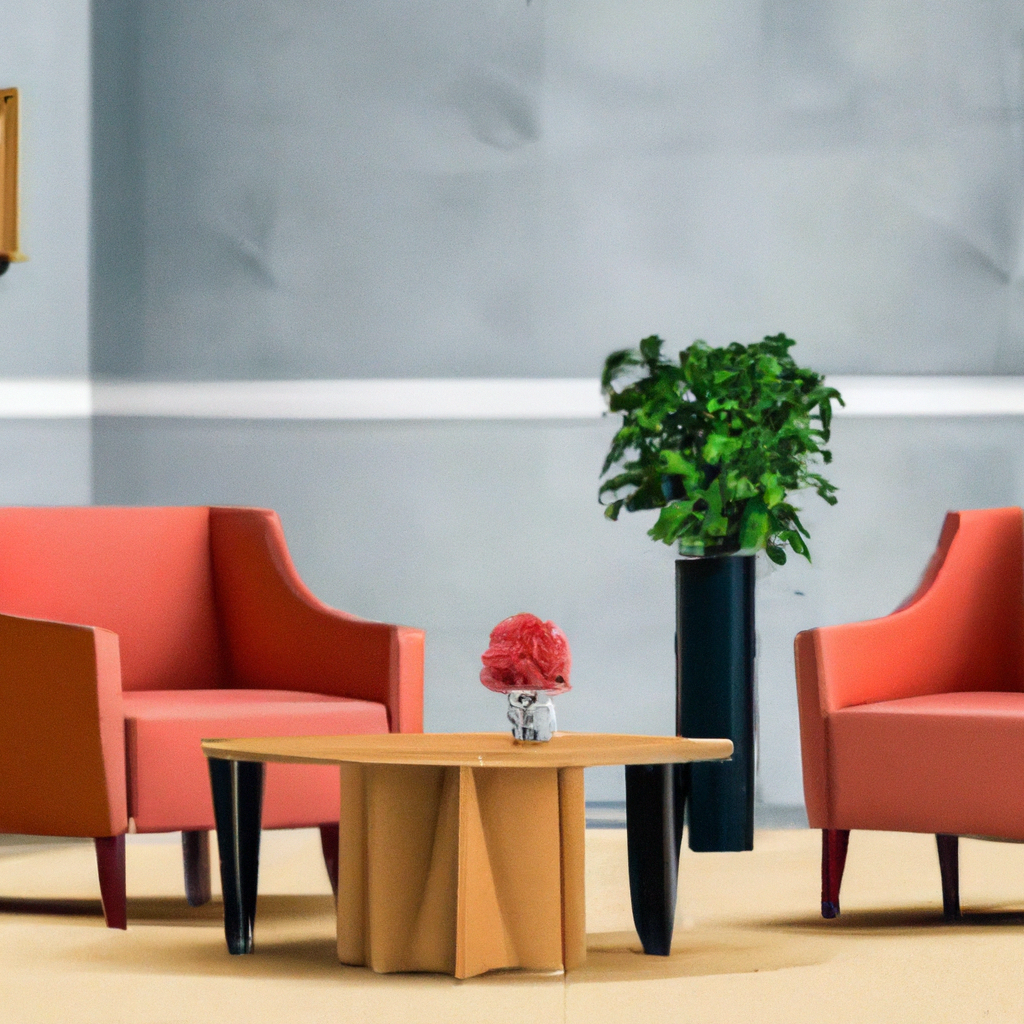
Storage and Organization
Closets
Evaluate the condition and functionality of the closets throughout the home. Consider the amount of hanging and shelf space available and whether it will meet your storage needs. Look for any signs of damage or insufficient organization systems that may require updates.
Cabinets and Shelving
Inspect the cabinets and shelving throughout the home, including in the kitchen, bathrooms, and other storage areas. Consider the condition and storage capacity of the cabinets and assess whether they meet your organizational needs. Look for any signs of damage or outdated styles that may require updates.
Storage Space in Garage/Basement
Consider the availability of storage space in the garage or basement. Look for shelves, cabinets, or other storage solutions that can accommodate your tools, equipment, or seasonal items. Adequate storage space can help keep your home organized and clutter-free.
Built-in Storage Solutions
Evaluate any built-in storage solutions in the home, such as window seats with hidden compartments or built-in bookshelves. Consider their condition and functionality and assess if they meet your needs for additional storage or display space.
Pantry Space
Assess the amount of pantry space available in the kitchen. Look for shelves or cabinets dedicated to storing food and other supplies. Consider whether the pantry space meets your needs for organization and convenience during meal preparation.
Outdoor Spaces
Backyard
Take a walk through the backyard to assess its size and condition. Consider your preferences for outdoor activities and whether the yard can accommodate your needs, whether it’s for gardening, playing sports, or relaxing. Look for any signs of damage or lack of maintenance that may require attention.
Garden
If the property has a garden or landscaped areas, evaluate their condition and maintenance requirements. Look for signs of well-tended plants, healthy soil, and proper irrigation. Consider your interest in gardening and whether the garden aligns with your preferences and skill level.
Patio or Deck
Inspect any outdoor patio or deck spaces to evaluate their condition and potential for outdoor entertainment and relaxation. Look for any signs of damage, such as loose boards or cracks, that may need to be addressed. Consider the size and layout of the patio or deck and whether it can accommodate your outdoor furniture and activities.
Outdoor Amenities
Consider any additional outdoor amenities, such as a swimming pool, hot tub, or fire pit. Evaluate their condition, functionality, and ongoing maintenance requirements. Determine whether these amenities align with your lifestyle and whether you are willing to invest the time and resources into their care.
Fencing and Privacy
Assess the fencing around the property to ensure it meets your needs for privacy and security. Look for any signs of damage or wear, such as broken boards or rusted chains. Consider the overall level of privacy offered by the fencing and how it may impact your enjoyment of the outdoor spaces.
By thoroughly examining each aspect of a home during a tour, you can gain a comprehensive understanding of its condition, functionality, and suitability for your needs. Remember to approach the process with a critical eye, but also keep an open mind as some cosmetic issues can be easily addressed. Taking the time to evaluate the exterior, interior, kitchen, bathrooms, bedrooms, living spaces, utility areas, plumbing and electrical, storage and organization, and outdoor spaces will ultimately help you make an informed decision when choosing your next home. Happy house hunting!