Thinking about adding solar panels to your home? Wondering what it entails? In this article, we’ll explore the process of installing solar panels and discuss the key considerations and steps involved. From assessing your home’s suitability for solar to understanding the financial aspects and finding the right installer, we’ve got you covered. So, if you’re ready to embark on the path to harnessing solar energy, read on to discover everything you need to know about adding solar panels to your home.
Determining if Solar Panels are a Good Fit for Your Home
Assessing Your Home’s Solar Potential
Before deciding to install solar panels on your home, it’s essential to assess your home’s solar potential. The amount of sunlight your property receives throughout the day will directly impact the efficiency and effectiveness of your solar panels. Factors to consider include the orientation of your roof, the presence of any shading from trees or nearby buildings, and the overall pitch of your roof. If your home is in a location with ample sunlight exposure, it is more likely to be a good fit for solar panels.
Evaluating Energy Usage
Understanding your energy usage is crucial in determining whether solar panels are right for you. Take some time to evaluate your monthly energy bills and assess your energy consumption patterns. If you have a high energy usage or if your monthly bills are consistently high, solar panels can be a great way to offset those costs and save you money in the long run. Additionally, it’s essential to consider any future changes in energy consumption, such as adding new appliances or increasing your household size.
Considering Roof Space and Orientation
The available roof space and its orientation play a significant role in determining the feasibility of solar panel installation. Different types of solar panels require different amounts of space, so it’s crucial to evaluate your roof’s dimensions and overall layout to ensure it can accommodate solar panels. South-facing roofs are generally the best for optimal sun exposure throughout the day. However, east and west-facing roofs can also work well, depending on the specific latitude and climate of your location. Assessing your roof’s condition is also essential to determine if any repairs or maintenance are needed before installation.
Understanding the Benefits of Solar Panels
Cost Savings and Return on Investment
One of the most significant benefits of solar panels is the potential for cost savings and a high return on investment. By generating your own electricity from sunlight, you can significantly reduce or eliminate your monthly electricity bills. Over time, the savings on your energy costs can offset the initial investment in solar panels, ultimately providing a return on investment. Additionally, solar panels can increase the value of your home, making it an attractive option for potential buyers if you decide to sell in the future.
Reduced Dependence on Grid Energy
Solar panels offer the advantage of reducing your dependence on grid energy. By generating your electricity, you become less reliant on traditional energy sources, which are often subject to price fluctuations and supply issues. With solar panels, you have a reliable, renewable energy source right on your roof, providing you with greater energy independence and peace of mind.
Environmental Benefits
Solar panels are a clean and renewable energy source, making them an environmentally friendly choice. By harnessing the power of the sun, you can significantly reduce your carbon footprint and contribute to the fight against climate change. Solar energy produces no greenhouse gas emissions during operation, helping to improve air quality and reduce environmental pollution. By choosing solar panels, you are actively participating in the transition to a more sustainable and greener future.

This image is property of images.unsplash.com.
Choosing the Right Solar Panel System
Different Types of Solar Panels
There are several different types of solar panels available, each with its unique characteristics, advantages, and considerations. The most common types of solar panels include monocrystalline, polycrystalline, and thin-film panels. Monocrystalline panels are known for their high efficiency and sleek appearance, making them a popular choice. Polycrystalline panels are slightly less efficient but are more affordable. Thin-film panels are lightweight and flexible, which can be advantageous in certain installation scenarios. It’s essential to research and understand the pros and cons of each type to determine which one best suits your needs.
Sizing and Capacity Considerations
Choosing the right size and capacity of your solar panel system is crucial to ensuring optimal energy production and meeting your household’s electricity needs. It’s essential to consider your average energy consumption, the amount of sunlight your home receives, and any future increases in energy usage. A professional solar panel installer can help assess your specific requirements and recommend an appropriately sized system. It’s important to strike a balance between capacity and cost, ensuring that your solar panel system can meet your current and future energy needs without exceeding your budget.
Selecting a Solar Panel Installer
Selecting the right solar panel installer is a critical decision in the solar panel installation process. Look for reputable and experienced installers who have a proven track record of successful installations. Read customer reviews and ask for referrals to ensure that you choose a reliable and trustworthy installer. A professional installer will assess your home’s solar potential, recommend the appropriate system size, assist with obtaining permits and approvals, and provide ongoing maintenance and support. Take the time to research and compare multiple installers to make an informed choice.
Obtaining Necessary Permits and Approvals
Researching Local Building Codes and Regulations
Before installing solar panels, it’s crucial to research and understand the local building codes and regulations in your area. Each jurisdiction may have specific requirements and restrictions regarding solar panel installation. Familiarize yourself with any setback requirements, maximum system sizes, and installation guidelines. Compliance with these regulations is necessary to ensure a smooth installation process and avoid any potential penalties or issues down the line.
Securing Permits from Authorities
Once you have familiarized yourself with the local building codes and regulations, it’s time to secure the necessary permits from the authorities. Contact your city or county’s building department to inquire about the specific permits required for solar panel installation. The permit process typically involves submitting detailed plans and specifications to ensure compliance with safety and structural requirements. Working with a professional solar panel installer can simplify this process, as they will be familiar with the necessary permits and can assist in obtaining them.
Navigating Homeowner’s Association Guidelines
If you belong to a homeowner’s association (HOA), it’s essential to review the guidelines and regulations regarding solar panel installation within your community. Some HOAs may have specific rules regarding the appearance, placement, and even the size of solar panels. Familiarize yourself with these guidelines and consult with your HOA if necessary to obtain any required approvals or permissions. It’s crucial to ensure that your desired solar panel installation complies with HOA regulations to avoid any potential conflicts or objections.

This image is property of images.unsplash.com.
Installation Process and Considerations
Preparation and Site Assessment
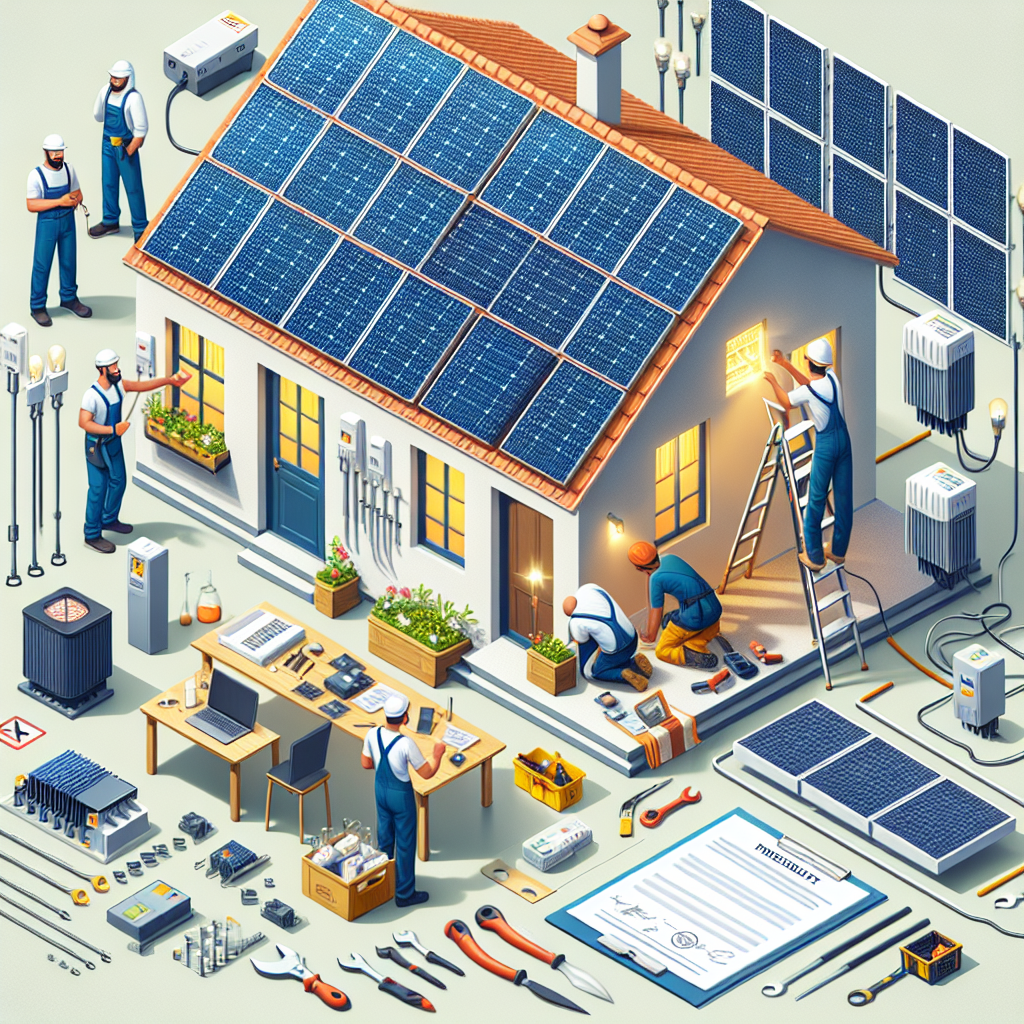
Before the actual installation begins, your chosen solar panel installer will conduct a detailed site assessment to determine the best location for the panels and assess any potential installation challenges. This assessment will involve evaluating the roof’s structural integrity, ensuring its suitability for solar panel installation, and identifying any potential obstructions or shading sources that may affect the panel’s performance. Adequate preparation and accurate site assessment are essential to ensure a smooth and successful installation process.
Mounting and Wiring
Once the site assessment is complete, the installation process can begin. The solar panels will be mounted on your roof using a secure and durable mounting system. The specific mounting method may vary depending on your roof’s material and structure. The panels will then be wired together and connected to an inverter, which converts the DC electricity generated by the panels into AC electricity used in your home. Proper wiring and connection are crucial to ensure optimal performance and safety.
Connecting to the Electrical System
After the panels are mounted and wired, the final step is to connect them to your home’s electrical system. This process involves integrating the solar panels with your existing electrical infrastructure, such as your circuit breaker panel. A certified electrician will ensure a seamless connection, adhering to all electrical codes and safety standards. It’s important to hire a professional for this step to avoid any electrical hazards and ensure the proper functioning of your solar panel system.
Understanding Solar Panel Maintenance and Performance
Regular Cleaning and Inspection
To maintain the efficiency and longevity of your solar panel system, regular cleaning and inspection are necessary. Dust, debris, and other pollutants can accumulate on the panels over time, reducing their effectiveness. Periodic cleaning with water and a soft brush can help remove any dirt or grime. Additionally, a professional inspection should be conducted at least once a year to check for any signs of wear, damage, or electrical issues. Prompt maintenance and repairs can help ensure optimal performance and maximize the lifespan of your solar panels.
Monitoring Energy Production
Monitoring the energy production of your solar panel system is crucial to ensure its optimal performance and identify any potential issues. Many solar panel systems come with built-in monitoring systems that allow you to track your energy production in real-time. By regularly checking this data, you can ensure that your system is operating at its peak efficiency and promptly address any deviations or anomalies. Monitoring also helps you gauge the effectiveness of your solar panel system and track your energy savings over time.
Dealing with Potential Issues
While solar panel systems are generally low-maintenance, it’s essential to be prepared for any potential issues that may arise. Common issues may include malfunctioning inverters, shading from nearby trees or buildings, or problems with wiring or connections. In the event of any problems, it’s crucial to contact your solar panel installer or a professional technician for assistance. They will diagnose the issue and provide the necessary repairs or replacements to restore your system’s functionality.
This image is property of images.unsplash.com.
Exploring Financing Options
Government Incentives and Tax Credits
To encourage the adoption of solar panels, many governments offer incentives and tax credits to homeowners. These incentives can significantly offset the initial installation costs and provide additional financial benefits. Research and identify the available incentives and tax credits in your area, as they can vary depending on your jurisdiction. Be sure to take advantage of these opportunities to reduce the overall cost of installing solar panels and improve your return on investment.
Solar Loans and Financing Programs
If you are unable to pay for the upfront costs of solar panels, various solar loans and financing programs are available. These programs allow you to spread out the installation costs into manageable monthly payments. Solar loans typically have low-interest rates, making them a cost-effective option. Additionally, some financing programs offer options for no money down or flexible repayment terms, ensuring that solar panel installation remains accessible to a wide range of homeowners.
Leasing and Power Purchase Agreements
For homeowners who prefer not to own the solar panels outright, leasing and power purchase agreements (PPAs) offer alternative financing options. With a lease, you pay a fixed monthly fee to lease the solar panel system, while a PPA involves purchasing the solar energy produced by the panels at a predetermined rate. Both options allow you to benefit from solar energy without the upfront costs and maintenance responsibilities associated with owning the system. However, it’s important to carefully review the terms and conditions of these agreements before committing.
Insurance Coverage for Solar Panels
Reviewing Homeowner’s Insurance Policies
When adding solar panels to your home, it’s essential to review your homeowner’s insurance policies to ensure that your solar panel system is adequately covered. Contact your insurance provider and inquire about any necessary updates or additions to your policy. Solar panels are a valuable investment, and having adequate insurance coverage will provide you with peace of mind, protecting you from potential losses or damages.
Considering Additional Coverage Options
In addition to reviewing your existing homeowner’s insurance, you may also want to consider additional coverage options specifically for your solar panels. Certain insurance companies offer specialized solar panel coverage, which can provide additional protection, such as coverage for theft or damage caused by natural disasters. Consult with your insurance provider to determine whether these additional coverage options are available and if they are worth considering for your specific situation.
Understanding Loss or Damage Factors
Solar panels are designed to withstand various weather conditions and have long lifespans. However, it’s essential to understand the potential loss or damage factors that may affect your solar panel system. This can include severe weather events such as hailstorms or hurricanes, as well as accidents or vandalism. By understanding these risk factors and having adequate insurance coverage, you can mitigate potential financial losses and ensure the long-term sustainability of your solar panel investment.
Net Metering and Selling Excess Energy
How Net Metering Works
Net metering is a billing mechanism that allows homeowners with solar panels to receive credits for any excess electricity they generate and feed back into the grid. During periods of low energy consumption, when your solar panels are generating more electricity than your home needs, the excess energy is sent back to the grid. This excess energy is credited to your account, effectively reducing your electricity bills. Net metering ensures that you receive fair compensation for the energy you produce and further enhances the financial benefits of solar panel installation.
Connecting to the Utility Grid
To participate in net metering and sell excess energy back to the grid, your solar panel system must be connected to the utility grid. This connection allows for the seamless transfer of electricity between your home and the grid. Working with a professional solar panel installer is crucial in ensuring that your system is correctly connected and configured to comply with grid connection requirements. Following all regulations and guidelines is essential to facilitate a smooth connection process and maximize the benefits of net metering.
Options for Selling Excess Energy
In addition to participating in net metering programs, some areas also offer opportunities to directly sell excess energy through feed-in tariff or power purchase agreements with utility companies. These options allow homeowners to enter into long-term contracts to sell their excess solar energy at a predetermined rate, providing an additional source of income. Research and explore the available options in your area to determine if selling excess energy is a viable and beneficial choice for you.
Taking Steps for a Smooth Transition
Notifying Utility Company and Settling Finances
Before activating your solar panel system, it’s important to notify your utility company of the upcoming installation. This notification ensures that the utility company is aware of the changes and can update your account accordingly. Additionally, settling any outstanding balances or closing accounts related to your previous energy provider is essential to ensure a smooth transition to solar energy. Clear communication and timely financial settlements will help facilitate the process and avoid any unnecessary complications.
Updating Homeowner’s Insurance Policy
Once your solar panel system is installed and operational, it’s crucial to update your homeowner’s insurance policy accordingly. Contact your insurance provider and provide them with the necessary information and documentation regarding your solar panels. This update will ensure that your system is adequately covered and protected. Failure to update your insurance policy may result in limited coverage or even a claim denial in the event of any solar panel-related losses or damages.
Educating Yourself and Your Family on Solar Power
As a homeowner with solar panels, it’s important to educate yourself and your family on the benefits and operation of solar power. Take the time to understand how your solar panel system works, how to monitor its performance, and how to address any potential issues or maintenance requirements. Educating yourself and your family will enable you to fully maximize the benefits of solar energy and ensure that your system operates efficiently for years to come. Additionally, educating your family on the importance of energy conservation can further enhance the overall effectiveness and sustainability of your solar panel investment.
In conclusion, adding solar panels to your home is a significant decision that requires careful consideration and planning. By assessing your home’s solar potential, evaluating your energy usage, and considering factors such as roof space and orientation, you can determine if solar panels are a good fit for your home. Understanding the benefits of solar panels, choosing the right system, obtaining necessary permits, and navigating the installation process are essential steps to ensure a successful installation. Ongoing maintenance, exploring financing options, securing adequate insurance coverage, and taking advantage of net metering programs contribute to the long-term effectiveness and financial benefits of solar panels. By proactively taking these steps, you can transition to solar power and enjoy the many advantages it offers while contributing to a more sustainable future.