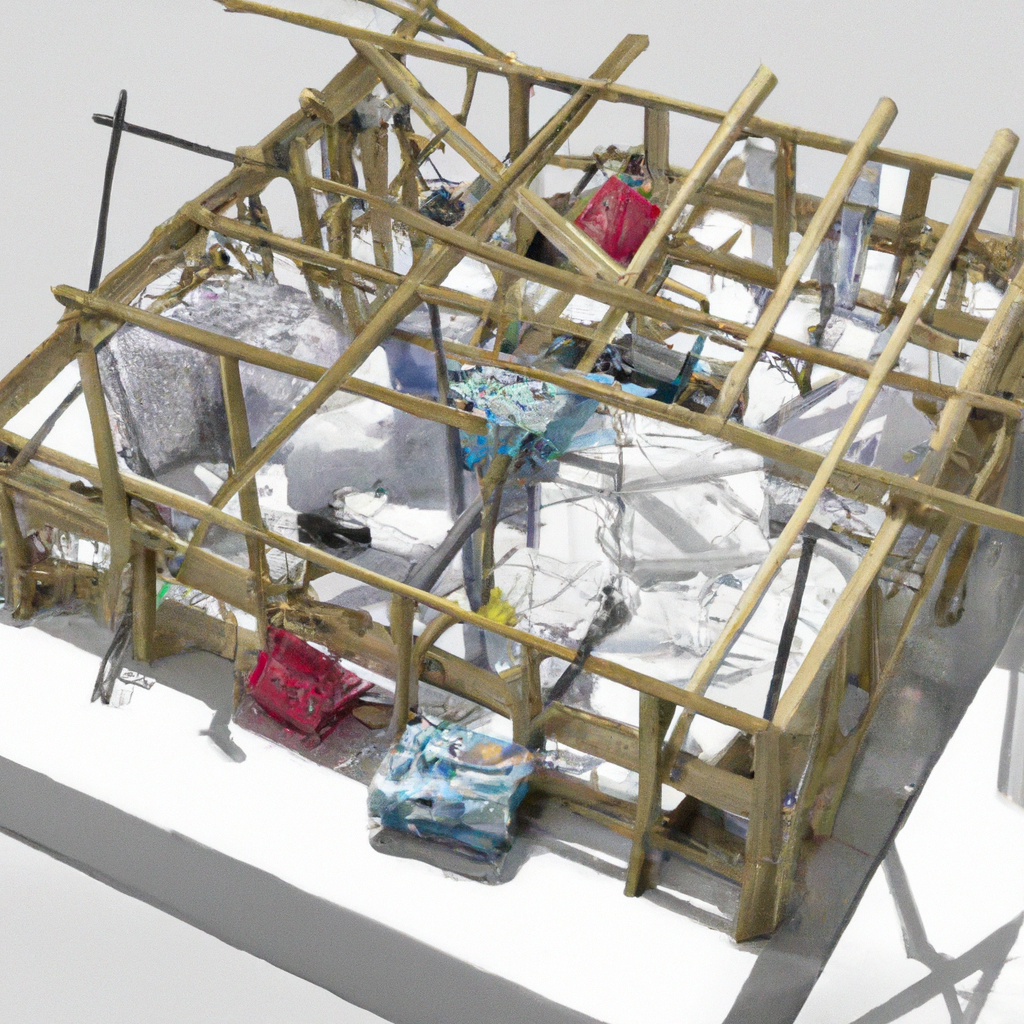
Converting an attic into a livable space can transform a previously unused area into a cozy and functional room in your home. From adding insulation and flooring to installing windows and creating a proper entryway, there are several important steps involved in this exciting home renovation project. This article will guide you through the key considerations and necessary tasks, helping you understand the process and make your attic conversion dream a reality.
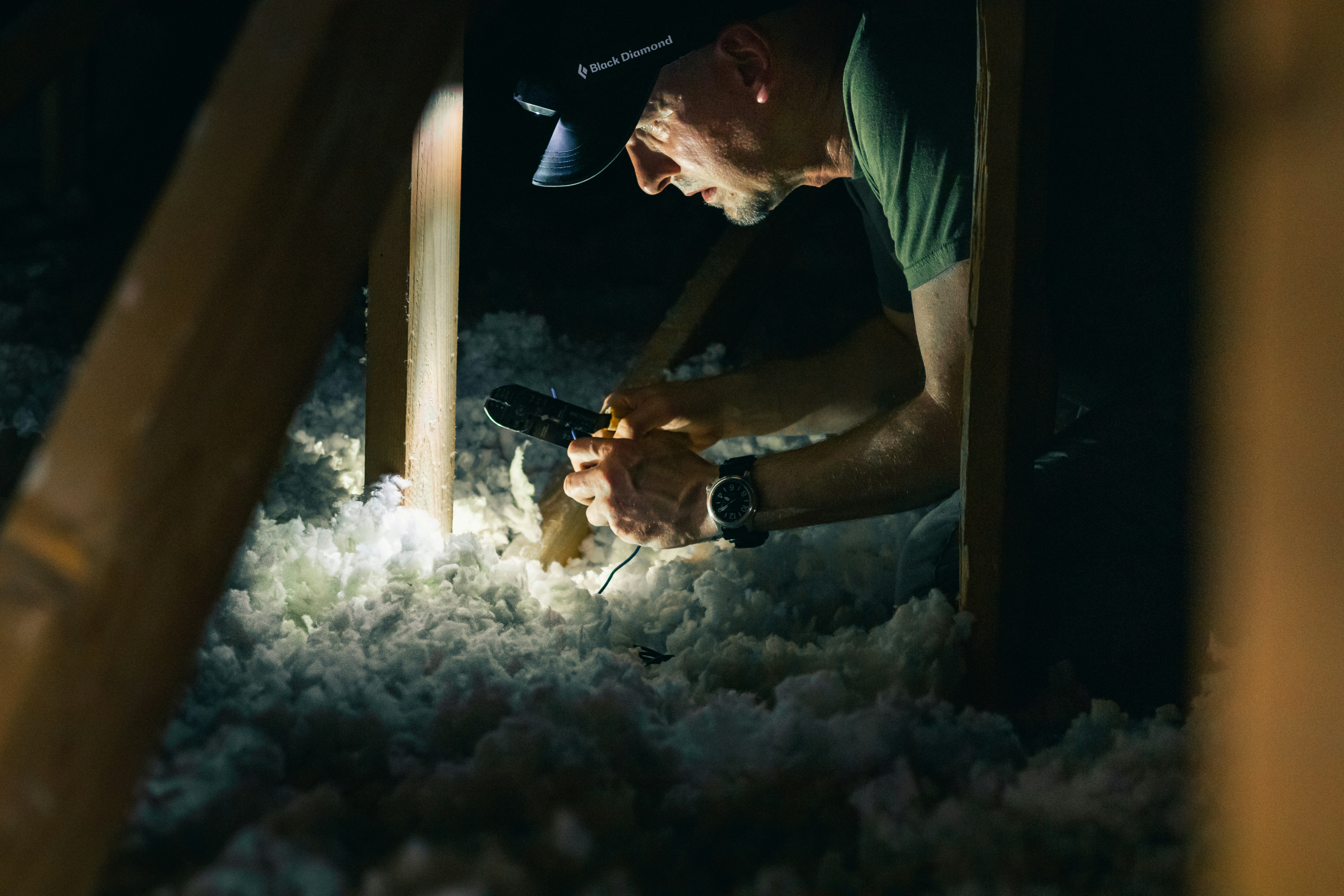
This image is property of images.unsplash.com.
Assessing the Feasibility
Checking the structural integrity
Before embarking on any attic conversion project, it’s crucial to assess the structural integrity of the space. Check for any signs of damage or decay in the roof and walls. Look for leaks, cracks, or sagging areas that may indicate underlying issues. Consulting a professional contractor or structural engineer can provide you with a thorough evaluation of the attic’s condition and ensure that it is suitable for the conversion.
Evaluating the ceiling height and pitch
One of the key factors to consider when converting an attic into a livable space is the ceiling height and pitch. Adequate headroom is essential for comfortable living, so measure the height from floor to ceiling at different points throughout the attic. Additionally, evaluate the pitch of the roof to determine if it allows ample space for movement and furniture placement. Keeping in mind local building codes and regulations regarding minimum ceiling height requirements is essential.
Assessing the type of attic
Not all attics are the same, so it’s crucial to assess the type of attic you have. There are generally two types of attics: traditional framed and truss attics. Traditional framed attics provide more flexibility in terms of design and layout, as they have open spaces between the rafters. On the other hand, truss attics have pre-assembled triangular trusses that support the roof, limiting the available space for conversion. Understanding the type of attic you have will help determine the design possibilities and any potential challenges that may arise.
Determining the available space
Before proceeding with any attic conversion, it’s essential to determine the available space and understand how it can be utilized. Measure the dimensions of the attic, considering any sloping or irregular walls. Take note of any obstacles such as chimneys, vents, or HVAC equipment that may affect the layout. Assessing the available space will help you plan the layout effectively, ensuring that all necessary elements can be accommodated without compromising functionality or comfort.
Obtaining Necessary Permissions
Consulting local building codes
Converting an attic into a livable space requires securing the necessary permissions and complying with local building codes. Check with your local municipality to understand the specific regulations and requirements for attic conversions. They may have guidelines regarding minimum ceiling height, window sizes, stair dimensions, and fire safety measures. Consulting building code officials or professionals experienced in attic conversions can provide guidance and ensure compliance throughout the process.
Obtaining necessary permits
Once you have familiarized yourself with the local building codes, you will likely need to obtain permits to proceed with the attic conversion. Permit requirements may vary depending on the scope of the project, so ensure that you understand which permits are necessary and how to obtain them. Common permits may include building permits, electrical permits, and plumbing permits. Working with a contractor or architect who is well-versed in the permit application process can help streamline this aspect of the project.
Following zoning regulations
In addition to building codes and permits, it’s essential to consider zoning regulations when converting an attic into a livable space. Zoning regulations govern land use and dictate where and how certain types of buildings can be constructed or modified. Familiarize yourself with the zoning regulations specific to your property to ensure that the proposed attic conversion complies with setback requirements, maximum height restrictions, or any other stipulations. Reviewing zoning regulations early in the process can prevent potential setbacks or conflicts down the line.
Insulation and Ventilation
Assessing the existing insulation
Proper insulation is crucial for a comfortable and energy-efficient attic conversion. Assess the existing insulation to determine if any upgrades are necessary. Adequate insulation helps regulate the temperature, reduces energy consumption, and prevents heat loss or heat gain. Look for gaps, damaged insulation, or insufficient coverage. Consider consulting an insulation specialist to determine the best type and R-value (thermal resistance) for your attic based on local climate conditions.
Upgrading the insulation
If your existing insulation is inadequate, it is essential to upgrade it during the conversion process. Choose insulation materials that are suitable for attics, such as fiberglass batts, blown-in cellulose, or spray foam. Ensure that the insulation is properly installed, covering all gaps, seams, and corners to prevent air leakage. Upgrading the insulation will improve energy efficiency, maintain consistent temperatures, and enhance the overall comfort of the newly converted attic space.
Ensuring proper ventilation
Proper ventilation is essential for maintaining a healthy and comfortable attic space. Inadequate ventilation can lead to moisture buildup, which can cause mold growth, wood rot, and damage to the structure. Assess the existing ventilation system and determine if any improvements or additions are necessary. Consider installing roof vents, soffit vents, or ridge vents to promote airflow and remove excess heat and moisture. Proper ventilation will help extend the lifespan of the roof, prevent humidity-related issues, and enhance indoor air quality.
Strengthening the Attic Structure
Reinforcing the roof and walls
Before proceeding with any major modifications, it’s crucial to reinforce the attic’s roof and walls to ensure structural stability and safety. Strengthening the roof may involve adding additional braces or trusses to support the extra weight of the converted space. The walls may need reinforcement to bear the load of new windows, doors, and finishes. Consulting a structural engineer is advisable to determine the necessary reinforcements and ensure that the attic can safely support the intended modifications.
Installing additional support beams
If the attic’s existing structure is insufficient to accommodate the new living space, installing additional support beams may be necessary. Support beams provide added strength and stability, distributing the weight properly and preventing any structural issues. Consult with a professional contractor or engineer to assess the attic’s requirements and determine the appropriate placement and type of support beams. Proper installation of support beams is crucial for long-term structural integrity and safety.
Stabilizing the floor
Attic floors may require stabilization to ensure they can bear the weight of furniture, occupants, and other loads. Depending on the condition and strength of the existing floor, additional supports or reinforcements may be needed. This can involve adding new floor joists or sistering existing ones to increase their load-bearing capacity. Strengthening the attic floor will provide a stable foundation for the new living space, ensuring safety and preventing any structural damage.

This image is property of images.unsplash.com.
Electrical and Plumbing Considerations
Assessing the existing electrical wiring
Before proceeding with any electrical work, it’s essential to assess the existing wiring in the attic. Ensure that the electrical system can handle the additional load from lighting, outlets, appliances, and HVAC equipment. Consult with a licensed electrician to evaluate the wiring’s condition, capacity, and safety. Upgrading the electrical system may involve replacing outdated wiring, adding new circuits, or installing a subpanel.
Adding new electrical outlets and lighting
During the attic conversion, carefully plan the location and number of electrical outlets and lighting fixtures. Consider your desired layout and functionality when determining where to place outlets for convenience. Ensure that all electrical work is done in compliance with the local building codes and safety regulations. Working with a licensed electrician is crucial to ensure proper installation, adherence to code, and safety throughout the project.
Integrating plumbing fixtures, if needed
Depending on the intended use of the attic space, you may need to integrate plumbing fixtures, such as bathrooms or laundry facilities, into the design. This will require careful planning to determine the feasibility of adding plumbing lines to the attic. Assess the proximity to existing plumbing systems and consult with a licensed plumber to ensure that the necessary connections can be made without compromising the overall plumbing system’s functionality or causing any structural issues.
Heating and Cooling Systems
Determining the most suitable system
Heating and cooling the attic space efficiently and effectively is crucial for year-round comfort. Evaluate the various heating and cooling systems available and consider the specific requirements of your attic conversion. Options may include a separate HVAC system, extending the existing system, or utilizing alternative solutions such as ductless mini-split systems. Consult with an HVAC professional to determine the most suitable system based on factors like attic size, insulation, and climate conditions.
Installing ductwork or vents
If your chosen heating and cooling system involve ductwork, ensure that there is sufficient space and accessibility for installation. Calculate the appropriate size and placement of ducts to ensure optimal airflow and temperature distribution throughout the converted space. If ductwork is not feasible, ductless options provide a flexible alternative, allowing for independent temperature control in different zones of the attic. Make sure to follow manufacturer’s guidelines and consult with an HVAC professional for proper installation.
Ensuring proper insulation around HVAC equipment
Proper insulation around HVAC equipment is essential to maximize energy efficiency and prevent heat transfer. Pay attention to the insulation surrounding ductwork, pipes, and other components of the heating and cooling system. Properly insulating these elements will help maintain desired temperatures and reduce energy waste. Consult with your HVAC professional or insulation specialist to determine the appropriate insulation materials and methods for your specific system.
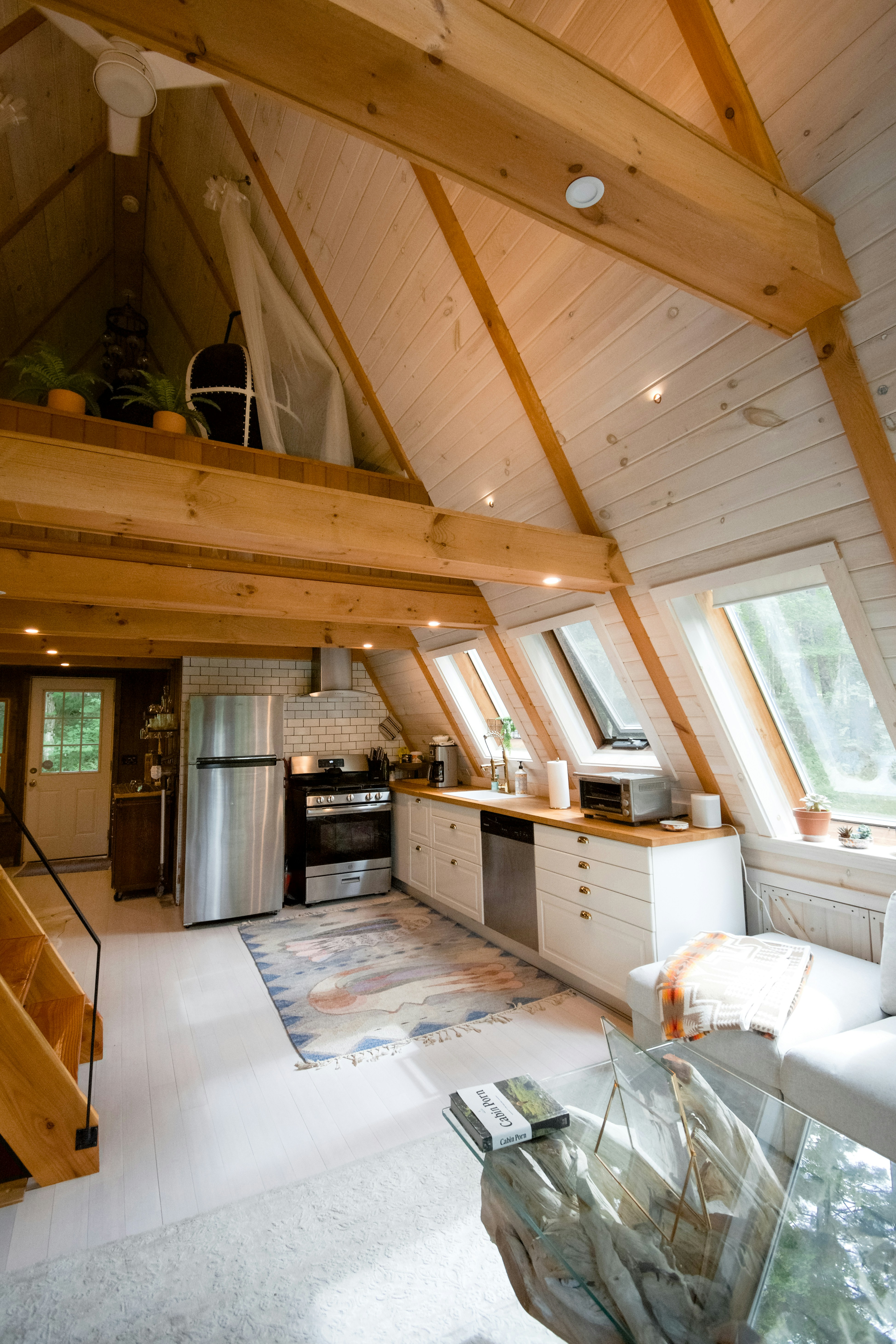
This image is property of images.unsplash.com.
Flooring and Ceiling Finishes
Choosing suitable flooring options
Selecting the right flooring for your attic conversion is crucial for both aesthetics and functionality. Consider the type of subfloor, floor height limitations, and the overall design and feel you want to achieve. Options such as hardwood, laminate, engineered wood, carpet, or vinyl can provide various looks and durability levels. Take into account factors like insulation, noise reduction, and ease of maintenance when choosing the flooring material that best suits your needs and preferences.
Considering ceiling finishes and materials
The ceiling of your converted attic plays a significant role in the overall visual appeal and comfort of the space. Evaluate different ceiling finishes and materials, such as drywall, beadboard, wood planks, or exposed beams, to achieve the desired aesthetic. Keep in mind that certain materials may have specific installation requirements and affect headroom. Balance functionality and style when making your selection, ensuring that the chosen ceiling finish enhances the overall ambiance of the attic.
Installing soundproofing measures
Attics often suffer from poor sound insulation due to their proximity to the roof. Installing soundproofing measures can help minimize noise transmission between floors and improve overall acoustic comfort. Consider using insulation materials with sound-absorbing properties, such as acoustic batts or foam panels. Additionally, sealing any gaps, cracks, or openings in the attic structure can prevent sound leakage. Consult with an insulation or soundproofing specialist to determine the most effective methods for your specific attic conversion.
Windows and Natural Lighting
Assessing the feasibility of windows
Windows play a crucial role in attic conversions, providing natural light, ventilation, and aesthetic appeal. Assess the feasibility of adding windows to your attic space, considering the structural limitations, available wall space, and exterior design. Determine the appropriate size, placement, and type of windows that align with your vision for the converted space. Consult with a professional contractor or architect to ensure that the installation meets building code requirements and addresses any potential issues.
Choosing energy-efficient window options
Energy efficiency is essential when selecting windows for your attic conversion. Opt for energy-efficient windows with low U-factors and high Solar Heat Gain Coefficients (SHGC) to minimize heat loss and gain. Double or triple-pane windows with Low-E coating can enhance insulation and reduce energy consumption. Consider the climate in your area when selecting the appropriate energy-efficient windows to optimize comfort and maintain a sustainable living space.
Maximizing natural light
Natural light can greatly enhance the aesthetics and ambiance of an attic conversion. Maximize the amount of natural light by choosing window placements strategically. Consider adding skylights or dormer windows to increase the influx of light and create a more open and airy atmosphere. Additionally, use light-colored finishes, mirrors, and reflective surfaces to bounce and distribute natural light throughout the space. Harnessing natural light will not only reduce the need for artificial lighting but also create a more inviting and pleasant living environment.
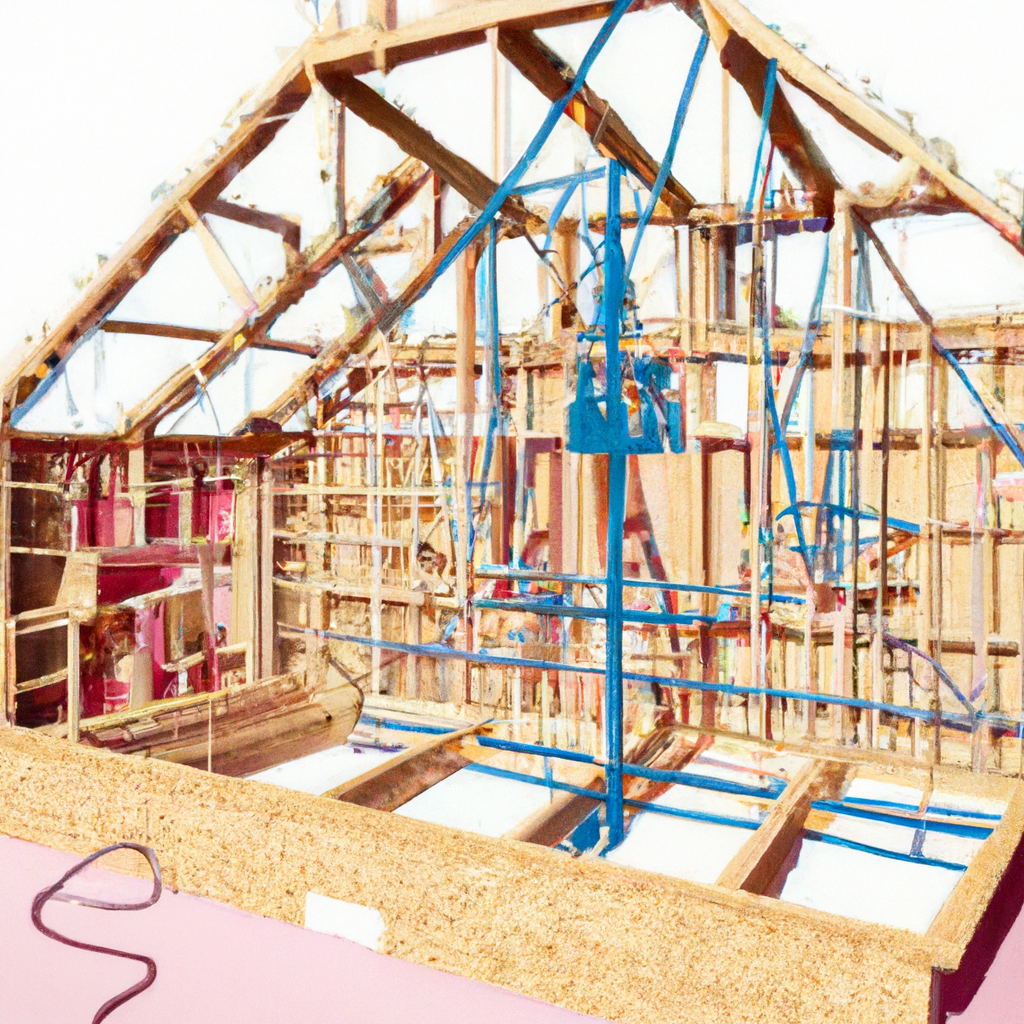
Staircase or Access Point
Determining the location and type of staircase
Installing an appropriate staircase or access point is essential for a functional and safe attic conversion. Determine the most suitable location for the staircase, considering factors like available space, ease of access, and the existing layout of your home. Choose a staircase design that complements the aesthetic of your home while maximizing safety and convenience. Whether it’s a traditional straight staircase, a spiral staircase, or a space-saving alternating-tread staircase, consult with a professional to ensure compliance with building codes and proper installation.
Working with limited space
Attics often have limited space, making it important to choose a staircase design that optimizes the available area. If space is a constraint, consider options like alternating-tread or spiral staircases that require less floor area. However, ensure that the chosen solution still allows for comfortable and safe access to the converted space. Consult with a staircase specialist or architect to maximize the use of the available space while adhering to building regulations.
Complying with building codes for stairs
Staircase installations must comply with specific building codes and regulations to ensure safety. Consider factors such as the height and depth of each step, handrail requirements, and headroom clearance. The location and orientation of the staircase should also meet the minimum requirements outlined by local building codes. Working with a knowledgeable contractor or architect who is familiar with these regulations will help ensure that the staircase is designed and installed correctly, providing a safe means of access to the converted attic space.
Building Safety Measures
Planning fire safety measures
Fire safety is paramount when converting an attic into a livable space. Plan and implement appropriate fire safety measures to ensure the well-being of occupants. Install fire-rated doors to separate the attic from the rest of the house, providing a crucial barrier in case of a fire. Additionally, consider installing fire-resistant materials in areas prone to ignition or surrounding the chimney. Consult with a fire safety professional to assess the specific requirements for your attic conversion and ensure compliance with fire safety codes.
Installing smoke and carbon monoxide detectors
Installing smoke detectors and carbon monoxide detectors is essential in any livable space, including the converted attic. Place smoke detectors in key areas, such as near the staircase, bedrooms, and common areas, to ensure early detection of fires. Carbon monoxide detectors should be installed near fuel-burning appliances or in areas where carbon monoxide buildup may occur. Regularly test and maintain these detectors to ensure their proper functioning and replace batteries as needed.
Ensuring proper egress and emergency exits
In the event of an emergency, it’s crucial to have proper egress and emergency exits in your converted attic space. Install windows or doors that meet the necessary size and height requirements for safe exit in case of a fire or other emergencies. Ensure that the windows are easily accessible, unobstructed, and equipped with proper hardware for easy opening. Consult with local building codes and fire safety regulations to ensure compliance and prioritize the safety of occupants.