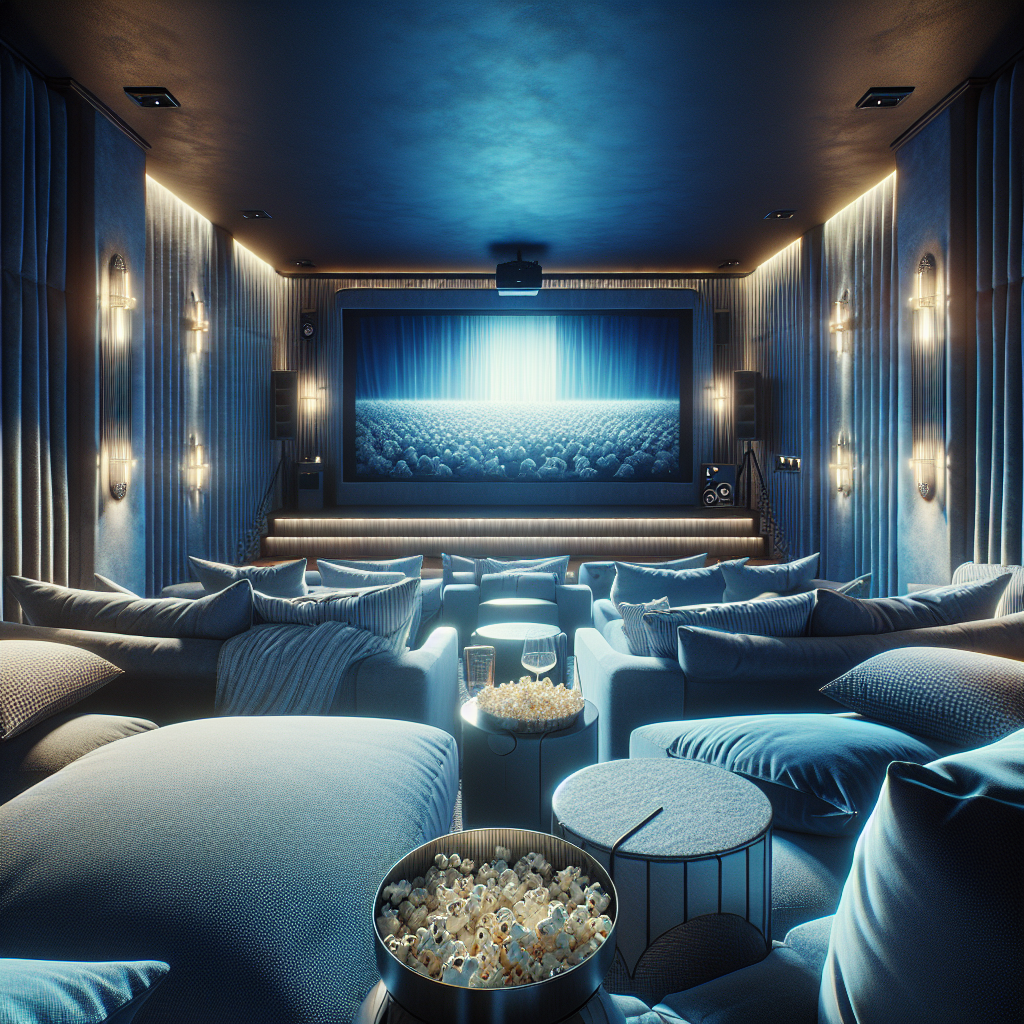
Imagine transforming a spare room in your home into the ultimate entertainment oasis, where you can escape into your favorite movies, TV shows, and games. This article will explore the exciting world of creating a home theater or entertainment room, uncovering the key components and considerations involved. From choosing the perfect audio and visual setup to creating a cozy ambiance, you’ll discover the essential elements that will allow you to bring the magic of the big screen right into your own living space. Whether you’re a cinephile or a gaming enthusiast, get ready to embark on an exhilarating journey to create the ultimate at-home entertainment experience.
Room Selection
Determining the ideal location
When creating a home theater or entertainment room, the first step is to determine the ideal location for it. You want to choose a room that provides the best conditions for an immersive experience. Consider factors such as the size and shape of the room, as well as its proximity to other rooms in the house. Ideally, you want a room that is away from noisy areas and has minimal foot traffic. This will help to create a secluded and intimate setting for your home theater.
Considering the size and layout
Once you have chosen the location, it’s important to consider the size and layout of the room. The dimensions of the space will determine the seating capacity and the placement of your equipment. You want to ensure that there is enough space for comfortable seating arrangements and that the layout allows for optimal viewing angles. Additionally, take into account any architectural elements, such as windows or columns, that may affect the placement of your furniture and equipment.
Design and Layout
Choosing the theme and style
The design and style of your home theater or entertainment room can greatly enhance the overall experience. Consider the theme you want to create, whether it’s a classic movie theater ambiance or a modern, sleek design. Choose appropriate colors, textures, and materials that align with your desired theme. You can incorporate theater-inspired decor elements such as movie posters, velvet curtains, or even a popcorn machine to add to the overall aesthetic.
Optimizing seating arrangement
The seating arrangement is a crucial aspect of designing a home theater or entertainment room. Comfort is key, so choose seating options that are plush, supportive, and allow for proper posture. Consider the number of viewers you anticipate and select seating that can accommodate everyone comfortably. Opt for reclining chairs or sofas with built-in cup holders and USB ports for added convenience. It’s also important to pay attention to the placement of the seating to ensure optimal viewing angles and distances from the screen.
Arranging proper viewing distance
Determining the proper viewing distance is essential for an immersive viewing experience. The distance between the seating area and the screen should be based on the size of the screen and the resolution of the content. A general rule of thumb is to position the seating at a distance that is around 1.5 to 2.5 times the diagonal screen size. This will allow for comfortable viewing without straining the eyes. Be sure to take into account any obstacles or architectural features that may affect the viewing distance.

This image is property of images.unsplash.com.
Sound System
Selecting the audio equipment
Choosing the right audio equipment is crucial to achieving high-quality sound in your home theater or entertainment room. Look for a surround sound system that includes a receiver, speakers, and a subwoofer. Consider the power output, frequency response, and overall sound quality when making your selection. Research different brands and read reviews to find the best options within your budget. Don’t forget to consider the compatibility of the audio equipment with other components of your home theater system.
Positioning the speakers
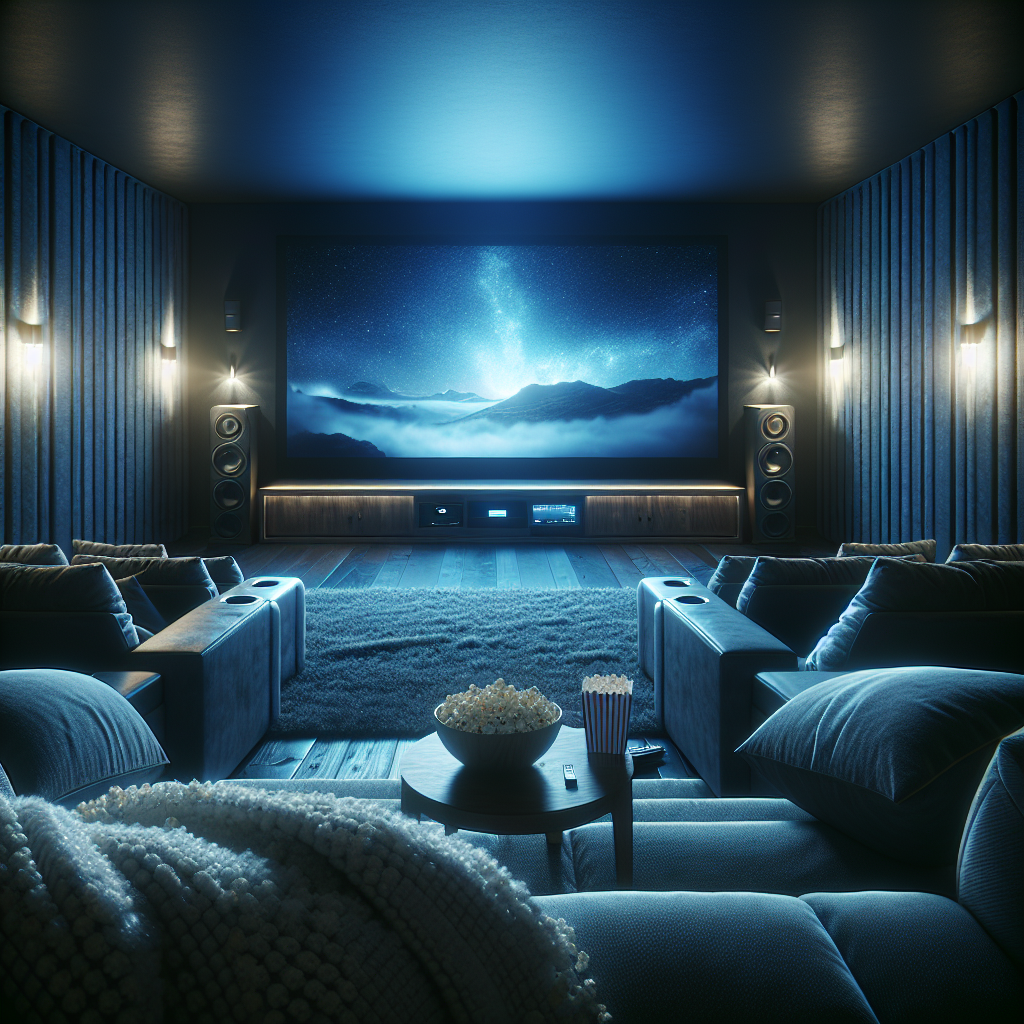
Proper speaker placement is vital for an immersive sound experience. Start by placing the center channel speaker directly above or below the screen to ensure clear dialogue. Surround speakers should be positioned to the sides or behind the seating area to create a realistic soundstage. Experiment with different speaker placements and angles to achieve the best surround sound effect. Avoid placing speakers in corners or against walls, as this can cause unwanted resonance and distort the sound quality.
Choosing the right subwoofer
A subwoofer is responsible for reproducing low-frequency sounds, adding depth and impact to your home theater system. When selecting a subwoofer, consider the size of your room and the desired level of bass. Larger rooms may require a more powerful subwoofer to fill the space with rich, deep bass. Pay attention to the frequency range and wattage of the subwoofer to ensure it can deliver the low-end frequencies accurately. Experiment with subwoofer placement to find the optimal position that provides balanced bass response throughout the room.
Video Display
Deciding on the type of display
The type of display you choose for your home theater or entertainment room will greatly impact the visual experience. There are several options to consider, including flat-screen TVs, projection systems, or even LED video walls. Each option has its own advantages and disadvantages, so think about factors such as screen size, picture quality, viewing angles, and budget. Research the latest technologies and consult with experts to make an informed decision that fits your specific needs and preferences.
Choosing the appropriate screen size
Screen size plays a crucial role in creating an immersive viewing experience. The ideal screen size depends on the distance between the screen and the seating area as well as the resolution of the content being displayed. Too small of a screen can result in strained viewing, while an excessively large screen may cause the image quality to suffer. Consider the dimensions of your room, the viewing distance, and your personal preferences to select an appropriate screen size that provides a cinematic experience without compromising image clarity.
Determining the viewing angle
The viewing angle refers to the angle at which the viewers are sitting in relation to the screen. It is important to ensure that all viewers have an optimal viewing angle to fully enjoy the content. As a general guideline, the screen should be positioned at eye level when seated. This can be achieved by mounting the TV or adjusting the height of the projector screen accordingly. Take into account the height and arrangement of the seating to ensure that everyone has a comfortable and unobstructed view of the screen.

This image is property of images.unsplash.com.
Lighting and Ambiance
Controlling natural and artificial light
Proper lighting control is essential for creating the right ambiance in your home theater or entertainment room. Consider both natural and artificial light sources and find ways to control or eliminate them when necessary. Install blackout curtains or blinds to block out natural light, especially if your home theater is located in a room with large windows. Use dimmers or smart lighting systems to adjust the intensity of artificial lighting, allowing you to create a cozy and immersive environment.
Installing appropriate lighting fixtures
To enhance the overall ambiance of your home theater, consider installing appropriate lighting fixtures. Wall sconces or LED strip lights can provide subtle, indirect lighting along the walls, creating a warm and inviting atmosphere. Recessed lighting or spotlights can be used to highlight certain areas, such as the seating or the screen. Opt for fixtures that can be dimmed or have adjustable color temperatures to create different moods for different types of content. Additionally, ensure that the lighting fixtures are placed strategically to avoid any glare or reflections on the screen.
Creating a cozy and inviting atmosphere
The overall ambiance of your home theater or entertainment room plays a significant role in the viewing experience. Consider adding cozy elements such as plush carpets, comfortable pillows, and warm blankets to create a welcoming environment. Incorporate decorative elements that align with your chosen theme, such as movie posters, framed artwork, or even a concession stand. Don’t forget to pay attention to the temperature and humidity of the room, as well as sound isolation to minimize any distractions and create a truly immersive space.
Acoustic Treatment
Identifying acoustic challenges in the room
Every room has its own unique acoustic characteristics, and it’s important to identify and address any challenges to achieve optimal sound quality. Common acoustic challenges include echoes, reverberations, and unwanted reflections. Listen to the sound in the room and note any areas where the sound quality may be compromised. Factors such as the size and shape of the room, as well as the materials used for walls and flooring, can affect the acoustics. Identifying these challenges will help you determine the appropriate acoustic treatment solutions for your home theater.
Adding soundproofing elements
Soundproofing is an important aspect of creating a high-quality home theater experience. You want to minimize the amount of sound that escapes the room and soundproofing elements can help achieve this. Consider using soundproof curtains, acoustic panels, or insulation to absorb and reduce sound reflections. Pay attention to doors and windows, as these can be sources of sound leakage. Additionally, consider using materials with sound-damping properties for the walls and ceiling to further enhance the acoustics of the room.
Installing acoustic panels or diffusers
Acoustic panels or diffusers can significantly improve the sound quality in your home theater or entertainment room. These panels are designed to absorb or scatter sound waves, reducing echoes and improving clarity. Place the panels strategically on the walls, ensuring that they are evenly distributed throughout the room. Experiment with different panel placements to achieve the desired acoustic characteristics. Additionally, consider installing bass traps in corners to address any low-frequency resonances and further enhance the overall sound quality.

This image is property of images.unsplash.com.
Furniture and Decor
Selecting comfortable and functional furniture
Choosing the right furniture is essential for creating a comfortable and functional home theater or entertainment room. Opt for seating options that prioritize comfort and support, such as reclining chairs or sofas with built-in cup holders. Consider the number of viewers you anticipate and select furniture that can accommodate everyone without compromising on comfort. Additionally, incorporate functional elements such as side tables or storage compartments for snacks, drinks, and remote controls. Strike a balance between aesthetics and functionality to create an inviting and enjoyable space.
Incorporating appropriate decor elements
Decor elements play a significant role in enhancing the ambiance of your home theater or entertainment room. Choose decor that aligns with your desired theme and adds to the overall aesthetic. This could include items such as movie posters, framed artwork, or even authentic theater seats. Consider incorporating elements that offer a personalized touch, such as custom wall decals or a display case for movie memorabilia. These decor elements will not only enhance the visual appeal of the room but also contribute to the overall viewing experience.
Choosing appropriate window treatments
Window treatments are an important consideration when designing a home theater or entertainment room. Natural light can be a major distraction and cause glare on the screen, so it’s important to choose window coverings that effectively block out light. Opt for blackout curtains or blinds that can completely darken the room when needed. Consider installing motorized window treatments that can be easily controlled with a remote or integrated into your home automation system. This will allow you to effortlessly adjust the amount of light entering the room and maintain optimal conditions for viewing.
Wiring and Connectivity
Running necessary wiring and cables
Before setting up your home theater system, it’s important to plan and run the necessary wiring and cables. Consider the placement of your equipment and determine the most efficient routes for the cables. Use high-quality cables that are suitable for the specific audio and video signals being transmitted. Conceal the cables by routing them through walls, under carpets, or behind baseboards. This will not only provide a clean and organized look but also minimize the risk of tripping hazards and potential damage to the cables.
Positioning connectivity ports and outlets
Ensure easy access to connectivity ports and outlets by strategically positioning them in your home theater or entertainment room. Install HDMI ports, USB ports, and Ethernet connections near the TV or projector for easy connection of your audio and video sources. Consider adding additional outlets for powering various components such as amplifiers, gaming consoles, or media players. Make sure to consult with a qualified electrician to ensure that the electrical wiring meets safety standards and can handle the power requirements of your equipment.
Equipment Setup and Calibration
Setting up audio and video components
Setting up the audio and video components of your home theater requires careful attention to detail. Follow the manufacturer’s instructions for each component and ensure that they are properly connected to each other. Consider using cable management solutions to organize and secure the cables for a clean and tidy setup. Check all connections and ensure that each component is powered on and functioning correctly. Take the time to familiarize yourself with the features and settings of each component to maximize their potential.
Calibrating the system for optimal performance
Calibrating your home theater system is essential for achieving optimal audio and video performance. Use a calibration disc or software to assist you in adjusting the picture settings, including brightness, contrast, color saturation, and sharpness. Follow the instructions provided and make adjustments based on your personal preferences and the viewing conditions of your room. Similarly, calibrate the audio system by adjusting the speaker levels, equalization settings, and surround sound configuration. Take the time to fine-tune the system to ensure that it delivers the best possible audio and visual experience.
Testing and fine-tuning the equipment
After setting up and calibrating your home theater system, it’s important to thoroughly test and fine-tune the equipment. Play various types of content, including movies, music, and games, to assess the performance of the system. Pay attention to details such as clarity, accuracy, and balance of sound, as well as the picture quality and color accuracy. Make any necessary adjustments to the settings based on your observations. Additionally, consider inviting friends or family members to experience the home theater and gather feedback to further improve the system if needed.
Automation and Control
Implementing home theater automation systems
Home theater automation systems can greatly enhance the convenience and control of your entertainment setup. Consider investing in a home automation system that integrates with your home theater components. This will allow you to control various functions, such as the lights, curtains, audio, and video, all from a single interface. Set up customized scenes or presets for different viewing experiences, such as movie mode or gaming mode. Explore the possibilities of voice control or smartphone integration for seamless and intuitive control of your home theater system.
Setting up remote control options
A remote control is an essential tool for operating your home theater system. Choose a remote control that is user-friendly and compatible with all your audio and video components. Look for a remote control that offers programmable buttons and the ability to control multiple devices. Consider investing in a remote control with backlighting for easy use in dimly lit environments. Take the time to program and configure the remote control to ensure that it effectively controls all aspects of your home theater system.
Configuring smart home integration
If you have a smart home setup, consider configuring your home theater system to integrate seamlessly with other smart devices. This can allow for advanced automation and control options. For example, you can set up routines that automatically dim the lights, close the curtains, and turn on the audio system when you start a movie. Explore the possibilities of integrating your home theater system with voice assistants or smart speakers for even greater convenience. The ability to control your home theater with simple voice commands can truly enhance the overall entertainment experience.
Creating a home theater or entertainment room requires careful thought and planning. By considering factors such as room selection, design and layout, sound system, video display, lighting and ambiance, acoustic treatment, furniture and decor, wiring and connectivity, equipment setup and calibration, automation and control, you can create a space that provides an immersive and enjoyable experience for you and your guests. Take the time to research and explore different options, consult with professionals if needed, and make informed decisions to ensure that every aspect of your home theater is optimized for optimal performance and enjoyment. Now, sit back, relax, and enjoy your very own cinematic experience in the comfort of your own home.