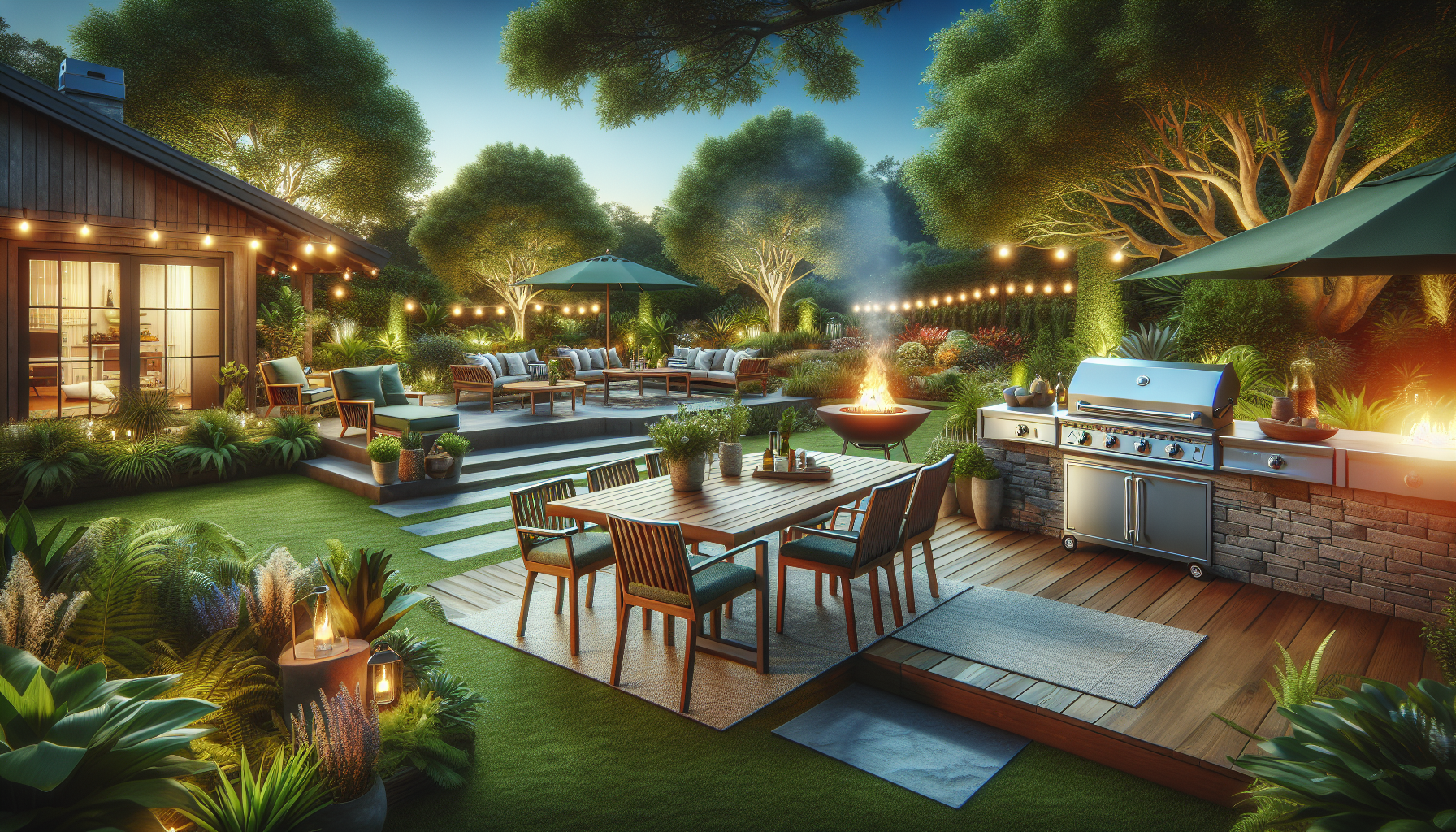
Thinking of creating your own outdoor kitchen or BBQ space? Well, there’s more to it than just throwing together a grill and some chairs. From planning the layout to choosing the right appliances and materials, creating your dream outdoor cooking area requires careful consideration and attention to detail. In this article, we’ll explore the key components and steps involved in designing and building an outdoor kitchen or BBQ space that will not only enhance your outdoor entertainment experience but also add value to your home. So, let’s fire up the excitement and get ready to transform your backyard into a food lover’s paradise!
Design and Planning
Determining the purpose of the outdoor kitchen
When designing your outdoor kitchen, it’s important to first determine its purpose. Are you planning to use it for family gatherings and entertaining guests, or are you envisioning a space primarily for cooking and preparing meals? Understanding the intended use will help guide your design decisions and ensure that your outdoor kitchen meets your specific needs and preferences.
Choosing the location
The next step in the design process is choosing the location for your outdoor kitchen. Consider factors such as proximity to your indoor kitchen and dining areas, as well as any existing structures or natural features in your outdoor space. You’ll want to select a location that is not only convenient but also provides a comfortable and enjoyable experience for you and your guests.
Considering the layout and design
Once you have determined the purpose and chosen a location for your outdoor kitchen, it’s time to think about the layout and design. Consider the flow of your outdoor space and how you want your kitchen to function within it. You may want to include designated cooking, prep, and dining areas, as well as additional features such as a bar or seating area. Take into account the size and shape of your outdoor space when planning the layout to ensure optimal functionality and aesthetics.
Taking measurements
Before diving into the construction process, it’s crucial to take accurate measurements of your outdoor space. This will help you determine the appropriate dimensions for your kitchen components and allow for proper placement and installation. Be sure to measure not only the overall area but also any existing structures or fixtures that may impact your design decisions.
Selecting materials and finishes
The materials and finishes you choose for your outdoor kitchen will play a significant role in both the aesthetics and durability of the space. Consider materials that are weather-resistant and can withstand the elements, such as stainless steel for appliances and granite or concrete for countertops. Pay attention to the finishes as well, as they can enhance the overall look and feel of your outdoor kitchen. Take time to explore different options and select materials and finishes that align with your design vision and budget.
Building Permits and Codes
Checking local regulations and codes
Before starting any construction on your outdoor kitchen, it is crucial to check local regulations and codes. Different areas may have specific requirements and restrictions when it comes to outdoor structures, so it’s important to ensure that your project complies with all applicable regulations. This can include considerations such as setback requirements, fire safety regulations, and noise restrictions.
Obtaining necessary permits
Once you have familiarized yourself with the local regulations and codes, the next step is to obtain any necessary permits. Depending on the scope and complexity of your outdoor kitchen project, you may be required to obtain building permits or other approvals from your local government or homeowners association. Be prepared to submit detailed plans and specifications to support your permit application.
Understanding property boundaries
When building an outdoor kitchen, it’s essential to have a clear understanding of your property boundaries. This will not only ensure that your project is built within your own property but also prevent any potential disputes with neighbors. Consult the property survey or consider hiring a professional surveyor to accurately determine the property lines and avoid any encroachments.

This image is property of images.unsplash.com.
Site Preparation
Clearing the area
Before starting any construction work, you’ll need to clear the designated area for your outdoor kitchen. Remove any existing vegetation, debris, or furniture to create a clean slate for your project. This will allow for easier installation and provide a clearer view of the space you have to work with.
Leveling the ground
Once the area is cleared, it’s important to level the ground to ensure a stable foundation for your outdoor kitchen. Uneven or sloping ground can lead to stability issues and impact the overall functionality of your space. Consider using a leveling tool, such as a laser level or string level, to ensure that the ground is perfectly flat before proceeding with the construction.
Providing proper drainage
Proper drainage is a crucial aspect of any outdoor kitchen. Without adequate drainage, water can accumulate and cause damage to your appliances, countertops, and overall structure. Ensure that your outdoor kitchen is designed with proper slope and drainage channels to divert water away from the cooking and seating areas. This may involve grading the ground or installing a drainage system to ensure water flows freely and does not pool in unwanted areas.
Utility Connections
Determining electrical and plumbing needs
When planning your outdoor kitchen, consider the electrical and plumbing needs of your appliances and fixtures. Determine the power requirements for your grill, refrigerator, and any other electrical appliances you plan to include. Additionally, decide on the location and type of plumbing connections needed for your sink and any other water fixtures. Consulting a professional electrician and plumber can ensure that your outdoor kitchen is properly equipped and meets all safety requirements.
Hiring professionals for connection
Connecting electrical and plumbing components can be complex and requires specialized knowledge and skills. It is highly recommended to hire licensed professionals for these tasks to ensure proper installation and adherence to safety protocols. Professional electricians and plumbers will have the expertise to handle electrical wiring, gas lines (if applicable), and plumbing connections, ensuring that your outdoor kitchen is safe and functional.
Ensuring safety measures
Safety should be a top priority when it comes to outdoor kitchens, especially when dealing with electrical and plumbing connections. Ensure that all electrical components are installed according to local building codes and regulations. Because outdoor kitchens involve the use of water, it is vital to invest in ground fault circuit interrupters (GFCIs) to protect against electrical shock in wet environments. Additionally, proper ventilation and fire safety measures should be incorporated into the design to minimize the risk of accidents and ensure a safe cooking experience.
This image is property of images.unsplash.com.
Outdoor Kitchen Components
Grill or BBQ
The centerpiece of any outdoor kitchen is undoubtedly the grill or BBQ. When selecting a grill, consider factors such as cooking surface area, heat output, fuel type (gas, charcoal, or wood), and additional features such as rotisseries or infrared burners. Choose a grill that suits your cooking style and preferences, keeping in mind factors such as the number of guests you typically entertain and the types of meals you enjoy preparing.
Countertops and workspace
Having ample countertop space is essential for efficient meal preparation and serving in your outdoor kitchen. Consider durable materials such as granite, concrete, or tile that can withstand outdoor conditions and are easy to clean. Be sure to include enough workspace for cutting, chopping, and plating, as well as dedicated areas for placing hot pots and pans.
Storage options (cabinets, drawers)
To keep your outdoor kitchen organized and clutter-free, include storage options such as cabinets and drawers. Consider the type and amount of storage you need for storing utensils, cookware, and other kitchen essentials. Choose materials that are resistant to weather and pests, ensuring that your storage solutions are durable and functional in an outdoor environment.
Sink and water supply
Having a sink in your outdoor kitchen can greatly enhance its functionality and convenience. A sink allows for easy cleanup, handwashing, and preparing ingredients without having to go indoors. Ensure that you have proper plumbing connections and consider stainless steel or other weather-resistant materials for the sink to withstand outdoor conditions.
Refrigerator or cooler
Including a refrigerator or cooler in your outdoor kitchen allows for convenient storage of perishable items and beverages. Consider the size and capacity that suits your needs, as well as energy-efficient models designed for outdoor use. Ensure that your chosen refrigerator or cooler can withstand temperature fluctuations and is adequately protected from the elements.
Cooktop or side burners
In addition to the grill, having a cooktop or side burners can expand your cooking options in the outdoor kitchen. This allows for simultaneous cooking of different dishes or keeping food warm while grilling. Consider the fuel source (gas, electric, or induction) and the number of burners that would best suit your cooking style and needs.
Pizza oven or smoker
If you enjoy making homemade pizzas or smoking meats, consider including a pizza oven or smoker in your outdoor kitchen. These specialized appliances can add versatility to your cooking repertoire and provide a unique culinary experience for you and your guests. Research different types and sizes to find the perfect fit for your outdoor kitchen design.
Bar area or seating
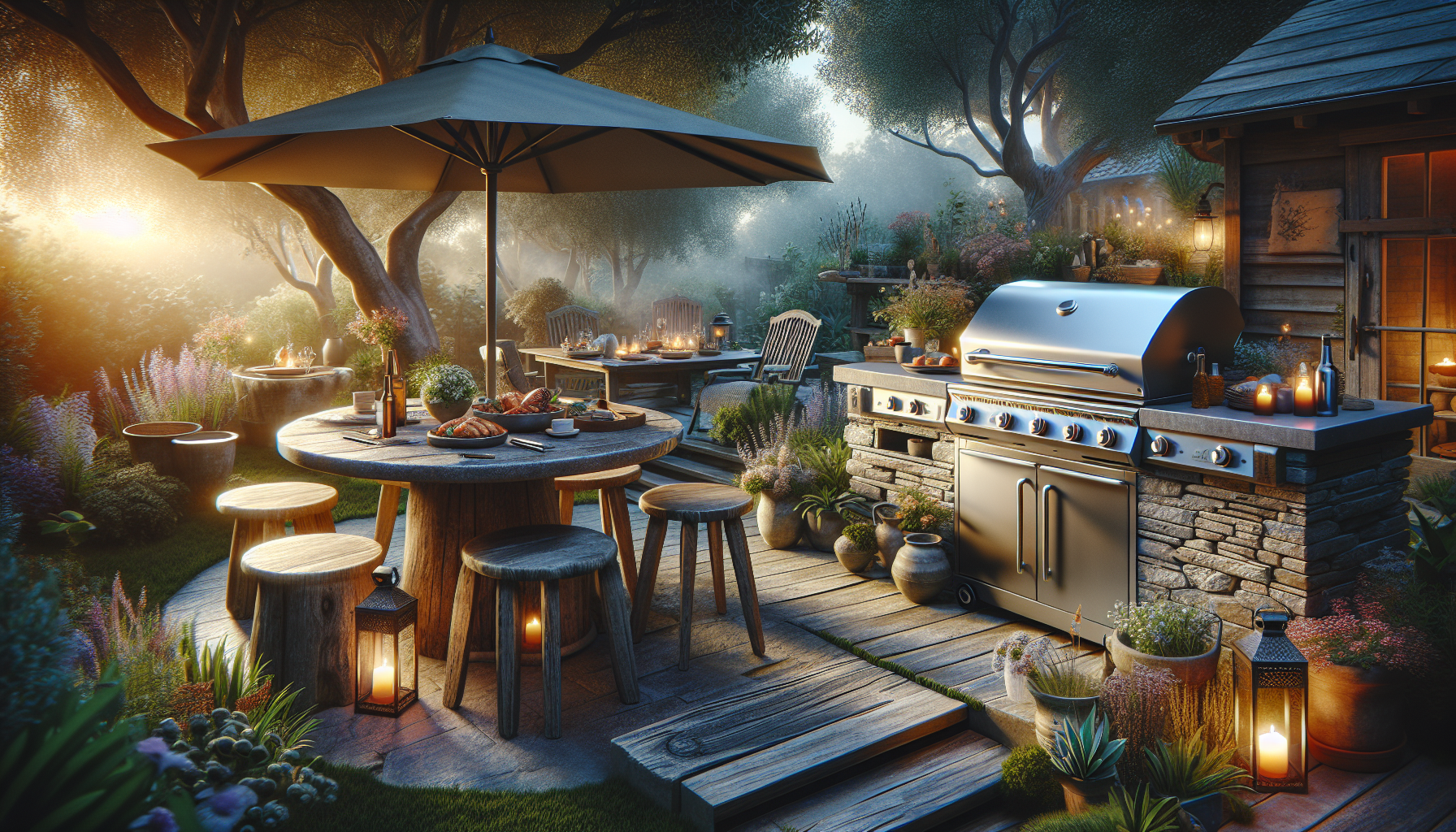
If you plan to use your outdoor kitchen for entertaining, consider incorporating a bar area or seating. This can be a great space for guests to gather and socialize while you’re cooking. Incorporate seating options such as bar stools, benches, or outdoor lounge furniture. Ensure that there is enough space for guests to comfortably sit and enjoy their meals.
Lighting and electrical outlets
Proper lighting is essential for both functionality and ambiance in an outdoor kitchen. Consider incorporating a mix of task and ambient lighting to ensure adequate visibility during meal preparation and dining. Additionally, include electrical outlets strategically placed for small appliances or electronic devices. Ensure that all electrical installations are safe and meet local electrical codes and regulations.
Ventilation system
Proper ventilation is crucial in an outdoor kitchen, especially when grilling or cooking with high heat. Install a ventilation system, such as a range hood or exhaust fan, to remove smoke, odors, and heat from the cooking area. This will help maintain a comfortable and safe environment while cooking and ensure that your outdoor kitchen doesn’t become too smoky or uncomfortable for you and your guests.
Appliance Considerations
Choosing the right grill or BBQ
Selecting the right grill or BBQ is a critical decision when designing your outdoor kitchen space. Consider factors such as the size of the cooking surface, the heating power, and the fuel type. Gas grills are convenient and offer precise temperature control, while charcoal grills can provide a smoky flavor. Wood-fired grills offer a more traditional and robust cooking experience. Choose a grill that aligns with your cooking preferences and the amount of outdoor space available.
Selecting burner types (gas, charcoal, wood)
The choice between gas, charcoal, or wood burners will significantly impact your outdoor cooking experience. Gas burners provide convenience and quick ignition, while charcoal burners offer a classic grilling flavor. Wood burners, such as pellet grills, infuse a rich and smoky taste into your food. Consider your cooking style and the flavor profiles you want to achieve when selecting the burner type for your outdoor kitchen.
Deciding on grill sizes and features
The size of your grill should be chosen based on your cooking needs and the available space in your outdoor kitchen. A larger grill provides more cooking surface area and is suitable for hosting larger gatherings, while a smaller grill may be more practical for everyday use. Additionally, consider features such as side burners, rotisseries, and warming racks that can enhance your cooking experience and versatility.
Considering additional appliances
In addition to a grill, you may want to consider adding additional appliances to your outdoor kitchen. These can include items such as pizza ovens, smokers, or deep fryers, depending on your culinary interests and preferences. Adding these appliances can elevate your outdoor cooking experience and provide more options for entertaining and experimenting with different cuisines.

This image is property of images.unsplash.com.
Countertop and Material Options
Selecting suitable countertop materials
When choosing countertop materials for your outdoor kitchen, it is essential to consider durability, weather resistance, and ease of maintenance. Materials such as granite, concrete, or stainless steel are popular choices due to their ability to withstand outdoor conditions and resist damage from heat, moisture, and staining. Consider the aesthetics, practicality, and budget when selecting the most suitable material for your outdoor kitchen countertops.
Considering durability and weather resistance
Outdoor kitchens are exposed to the elements, so it is crucial to consider materials that can withstand outdoor conditions. Look for materials that are resistant to moisture, UV rays, extreme temperatures, and staining. This will ensure that your countertops remain in good condition and maintain their aesthetic appeal over time.
Choosing from various finishes (granite, concrete, tile)
Different finishes can enhance the overall look and feel of your outdoor kitchen countertops. Granite countertops offer a sleek and polished appearance, while concrete provides a more modern and customizable look. Tile finishes can add a unique and colorful touch to your outdoor kitchen design. Consider the style you want to achieve and choose a countertop finish that complements your overall design vision.
Cabinet and Storage Solutions
Determining storage needs
Storage is a vital aspect of any functional outdoor kitchen. Consider the items you need to store, such as cooking utensils, pots, pans, and cleaning supplies. Determine the amount of storage space required to accommodate these items while keeping your outdoor kitchen organized and clutter-free. Take into account factors such as the size and number of cabinets, drawers, and shelves that will best suit your storage needs.
Choosing suitable cabinet materials
When selecting cabinet materials for your outdoor kitchen, prioritize durability and weather resistance. Materials such as stainless steel, marine-grade plywood, or high-density polyethylene are suitable choices as they can withstand outdoor conditions and resist water damage, pests, and fading. Choose cabinets with sturdy construction and high-quality hardware to ensure longevity in your outdoor kitchen.
Consideration of storage features (drawers, shelves)
When designing your outdoor kitchen cabinets, consider additional storage features such as drawers and shelves. Drawers can provide easy access to smaller items and utensils, while shelves can accommodate larger cookware and appliances. Customize the layout of your cabinets to maximize storage space and ensure that everything you need is easily accessible.
Plumbing and Water Supply
Installing the sink and faucet
Proper installation of the sink and faucet in your outdoor kitchen is essential for convenience and functionality. Ensure that the sink is securely mounted and the faucet is correctly connected to the plumbing system. Consider stainless steel or other weather-resistant materials for the sink and faucet to withstand outdoor conditions and prevent corrosion.
Determining hot and cold water supply
When planning the plumbing for your outdoor kitchen sink, consider the hot and cold water supply. Determine whether you want to connect to your existing water heater or install a separate outdoor water heater. Consult with a professional plumber to accurately assess your hot water needs and ensure that your outdoor kitchen has a reliable and efficient water supply.
Considering cost-effective plumbing options
Depending on the layout and proximity to your indoor plumbing, there are various cost-effective options to consider when setting up the plumbing for your outdoor kitchen. Utilizing existing water lines and drainage can help minimize costs. Discuss with a professional plumber to explore the most practical and economical options for your specific outdoor kitchen setup.
Maintenance and Upkeep
Regular cleaning of grills and appliances
To ensure the longevity and optimal performance of your outdoor kitchen, regular cleaning and maintenance are essential. Clean your grill and appliances thoroughly after each use to remove grease, food residue, and any potential buildup. Follow manufacturer recommendations for cleaning and use appropriate cleaning agents and techniques to avoid damaging the surfaces.
Ensuring proper drainage and water flow
Maintaining proper drainage and water flow is crucial in an outdoor kitchen. Regularly inspect your drainage channels, gutters, and downspouts to ensure they are clear of debris and functioning properly. Check for any signs of water pooling or poor drainage and address any issues promptly to prevent water damage to your appliances and surfaces.
Sealing and resealing surfaces
Many outdoor kitchen components, such as countertops and cabinets, require periodic sealing or resealing to protect them from moisture and outdoor elements. Follow manufacturer recommendations for the specific materials used in your outdoor kitchen and schedule routine sealing to ensure their longevity and resistance to damage.
Inspecting and repairing any damages
Regularly inspect your outdoor kitchen for any signs of damage, wear, or deterioration. This includes checking for cracks, loose fittings, or any other issues that may impact the functionality and safety of your outdoor kitchen. Repair or replace any damaged components as soon as possible to prevent further damage and ensure the continued enjoyment of your outdoor cooking space.
By following these comprehensive steps and considerations, you can create an outdoor kitchen or BBQ space that meets your needs, reflects your personal style, and enhances your outdoor living experience. From careful planning and design to the selection of materials, appliances, and storage solutions, each aspect plays a vital role in creating an outdoor kitchen that is functional, beautiful, and built to withstand the elements. With proper maintenance and upkeep, your outdoor kitchen can become a true extension of your home, providing countless hours of enjoyment and delicious meals for years to come.