
Are you tired of staring at the same old, boring backsplash in your kitchen? Well, you’re in luck! In this article, we will explore various approaches to renovating your kitchen backsplash to help you transform your space into a stylish and functional masterpiece. From choosing the right materials to considering your personal style and budget, we’ve got you covered. So let’s roll up our sleeves, grab a paintbrush or tiles, and get ready to create a backsplash that will make your kitchen the envy of all your friends and neighbors!
Choosing the Right Material
Ceramic tiles
When it comes to choosing the right material for your kitchen backsplash, ceramic tiles are a popular choice. With their versatility and durability, ceramic tiles offer a range of benefits. They come in a wide variety of colors, sizes, and textures, making it easy to find the perfect option to match your kitchen decor. Ceramic tiles are also relatively affordable, making them an excellent choice for those on a budget. Additionally, they are moisture-resistant, which is crucial in a kitchen where spills and splashes are inevitable.
Glass tiles
For a sleek and modern look, glass tiles are worth considering. Glass tiles are known for their ability to reflect light, giving your kitchen a bright and airy feel. With a wide range of colors and finishes available, you can create a unique and eye-catching backsplash design. Glass tiles are also non-porous, which means they are resistant to stains and easy to clean. However, it’s essential to note that glass tiles can be more expensive than other options and may require professional installation.
Natural stone
If you’re looking to add a touch of elegance and luxury to your kitchen, natural stone tiles are an excellent choice. There are various types of natural stone available, such as marble, granite, and travertine, each with its unique characteristics and patterns. Natural stone tiles can give your kitchen a timeless and sophisticated look but can be more challenging to maintain compared to other materials. They require regular sealing to prevent stains and scratches. It’s important to consider the maintenance requirements before committing to natural stone tiles.
Metal tiles
For a modern and industrial vibe, metal tiles are an exciting option to consider for your kitchen backsplash. From stainless steel to copper to aluminum, metal tiles can add a unique and contemporary touch to your kitchen design. Metal tiles are not only durable but also resistant to heat and moisture, making them ideal for a high-traffic area like the kitchen. They are relatively easy to clean and maintain, making them a practical choice for homeowners looking for a low-maintenance backsplash option. However, it’s important to note that metal tiles can be more expensive compared to other materials.
Tile alternatives
If you’re looking for something different from traditional tile options, there are several alternatives worth exploring. These include options such as brick veneer, peel-and-stick tiles, or even reclaimed wood. Brick veneers can give your kitchen a rustic and charming look, while peel-and-stick tiles offer a hassle-free installation process. Reclaimed wood provides a unique and eco-friendly option, adding warmth and character to your kitchen space. When considering alternatives to traditional tiles, it’s important to assess their durability, maintenance requirements, and compatibility with your kitchen’s overall design.
Considering the Budget
Determining the cost
Before embarking on a kitchen backsplash renovation, it’s crucial to determine your budget. The cost of materials, labor, and additional supplies can vary significantly, depending on the options you choose. Researching and calculating the potential costs will help you stay within your budget and avoid any surprises along the way. Consider factors such as the cost per square foot of the chosen material, the complexity of the design, and whether you plan on hiring a professional or doing the installation yourself.
Exploring cost-effective options
If you’re working with a limited budget, don’t worry – there are several cost-effective options available for your kitchen backsplash renovation. For example, ceramic tiles are often more affordable compared to natural stone or glass tiles, while still offering a wide range of design possibilities. Another cost-effective option is to use subway tiles, which are a classic and timeless choice that won’t break the bank. You can also look into discounted or clearance tiles, which can be found at local home improvement stores or online. Remember, with some creativity and careful planning, you can achieve a stunning backsplash without breaking the bank.

This image is property of images.pexels.com.
Assessing the Style and Design
Modern and sleek
If your kitchen has a contemporary design, you’ll want a backsplash that complements this style. Opt for materials such as glass tiles or stainless steel, which offer a sleek and modern look. Consider choosing a monochromatic color scheme or using metallic accents to create a visually stunning backsplash. You can also experiment with patterns and textures to add visual interest and create a focal point in your kitchen.
Traditional and timeless
For a more traditional and timeless look, consider using ceramic or natural stone tiles. Classic subway tiles are a popular choice for creating a timeless backsplash design. They come in various sizes and colors, allowing you to customize the look to match your kitchen’s style. To enhance the traditional feel, you can opt for a brick pattern or add a decorative border. Natural stone tiles, such as marble or travertine, can also add an elegant and sophisticated touch to your kitchen.
Bold and colorful
If you’re looking to make a statement with your kitchen backsplash, consider using bold and vibrant colors. Glass tiles or ceramic tiles in bright, bold shades can create a visually striking backsplash. Mix and match different colors to create a unique and eye-catching design that reflects your personality. Consider using mosaic tiles or geometric patterns to add an extra level of visual interest and create a focal point in your kitchen.
Minimalist and clean
For those who prefer a clean and minimalist aesthetic, consider using neutral colors and clean lines for your kitchen backsplash. Subway tiles in shades of white or light gray are an excellent choice for achieving a minimalist look. You can opt for a monochromatic design or add a subtle pop of color with a contrasting grout. Consider using large-format tiles to create a seamless and streamlined backsplash, contributing to a clean and clutter-free look.
Understanding Durability and Maintenance
Scratch resistance
When choosing a material for your kitchen backsplash, it’s essential to consider its scratch resistance. In a busy kitchen environment, the backsplash is prone to accidental bumps and scratches. Ceramic tiles are generally durable and resistant to scratches, making them a popular choice for many homeowners. Natural stone tiles can vary in their scratch resistance, so it’s important to choose a stone that matches your lifestyle and maintenance preferences. Glass tiles are also resistant to scratches but may require more frequent cleaning to maintain their pristine appearance.
Stain resistance
The kitchen backsplash is exposed to various substances that can cause staining, such as oils, sauces, and spices. Choosing a material with good stain resistance is crucial to maintain the appearance of your backsplash. Glass tiles and ceramic tiles are both resistant to stains, making them easy to clean and maintain. However, natural stone tiles may be more susceptible to staining and require regular sealing to protect against discoloration. It’s important to consider your cooking habits and lifestyle when choosing a material with stain resistance.
Ease of cleaning
Keeping your kitchen backsplash clean and free from grease and food splatters is essential for maintaining a hygienic environment. Ceramic and glass tiles are relatively easy to clean with regular wiping and mild soap and water. Natural stone tiles may require more care, as certain cleaning agents can damage the stone’s surface. It’s important to follow the manufacturer’s recommendations for cleaning and maintenance to ensure the longevity of your backsplash. Consider your cleaning preferences and the level of maintenance you are willing to undertake when choosing a material for your kitchen backsplash.
Sealing requirements
Some materials, such as natural stone tiles, require sealing to protect against stains and moisture. The frequency of sealing depends on the type of stone and the level of use in your kitchen. Regular sealing can be a relatively simple process, but it’s important to factor in the time and effort required for maintenance. Ceramic tiles and glass tiles do not require sealing, which can be a consideration for those looking for a low-maintenance option.

This image is property of images.pexels.com.
Exploring Installation Methods
Traditional mortar and grout
Traditionally, kitchen backsplashes were installed using mortar and grout. This method involves applying a layer of mortar to the wall surface and then affixing the tiles, leaving space for grout lines. Grout is then applied between the tiles to provide stability and water resistance. This installation method requires more time and effort but offers a durable and long-lasting result. It may be more suitable for those experienced in tile installation or those willing to hire a professional.
Adhesive mat
An increasingly popular installation method is the use of adhesive mats. Adhesive mats eliminate the need for mortar and simplify the installation process. The mat is applied to the wall, and the tiles are then adhered to the mat. This method offers a more straightforward and quicker installation, making it suitable for DIY projects. However, it’s important to ensure the wall surface is clean and smooth before applying the adhesive mat for optimal results.
Peel-and-stick
For a hassle-free and temporary backsplash solution, peel-and-stick tiles are an excellent option. These tiles come with a pre-applied adhesive backing, allowing you to simply peel off the backing and stick them to the wall. Peel-and-stick tiles are ideal for renters or those looking for a quick and easy update to their kitchen. They can be easily removed without causing damage to the wall surface. However, it’s important to note that peel-and-stick tiles may not offer the same level of durability as traditional installation methods.
Interlocking panels
Another option for a quick and easy installation is interlocking panels. These panels are designed to fit together seamlessly, eliminating the need for grout or adhesive. Interlocking panels can be made of various materials, such as PVC or metal, providing a range of design options. This installation method is often used for backsplashes in commercial kitchens but can also be a convenient choice for homeowners looking for a DIY-friendly option. It’s important to ensure proper alignment and tight fit between the panels for a professional-looking result.
Evaluating Practicality and Functionality
Heat resistance
In the kitchen, the backsplash is exposed to heat from cooking appliances such as stovetops. It’s essential to choose a material that is heat resistant to prevent damage and discoloration. Ceramic tiles, glass tiles, and metal tiles generally offer good heat resistance, making them suitable for backsplashes near stovetops. It’s important to consider the manufacturer’s recommendations and choose a material that is specifically rated for heat resistance.
Water resistance
The kitchen is a high-moisture environment, with splashes, spills, and steam common occurrences. Choosing a material with good water resistance is crucial to prevent moisture damage and mold growth. Ceramic tiles and glass tiles are known for their water resistance, making them ideal choices for kitchen backsplashes. However, it’s important to ensure proper installation and sealing to maintain the water resistance of any material.
Backsplash height
The height of your kitchen backsplash is an important consideration when choosing materials and design. A standard backsplash height is usually around 18 inches, reaching the bottom of the upper cabinets. However, some homeowners choose to extend the backsplash to the ceiling or use a full-height backsplash for a more dramatic effect. It’s important to consider the overall design of your kitchen and the practicality of cleaning and maintenance when determining the height of your backsplash.
Ease of installation and repair
Consider the level of difficulty involved in installing and repairing your chosen backsplash material. Some materials, such as ceramic tiles or adhesive mats, are relatively straightforward to install, making them suitable for DIY projects. Others, such as natural stone tiles, may require professional installation due to their weight or complexity. Similarly, some materials are easier to repair in case of damage, while others may require more extensive repairs. Assess your level of comfort with DIY projects and the availability of professional help before choosing a material based on ease of installation and repair.
Considering the Existing Kitchen Elements
Cabinet color and style
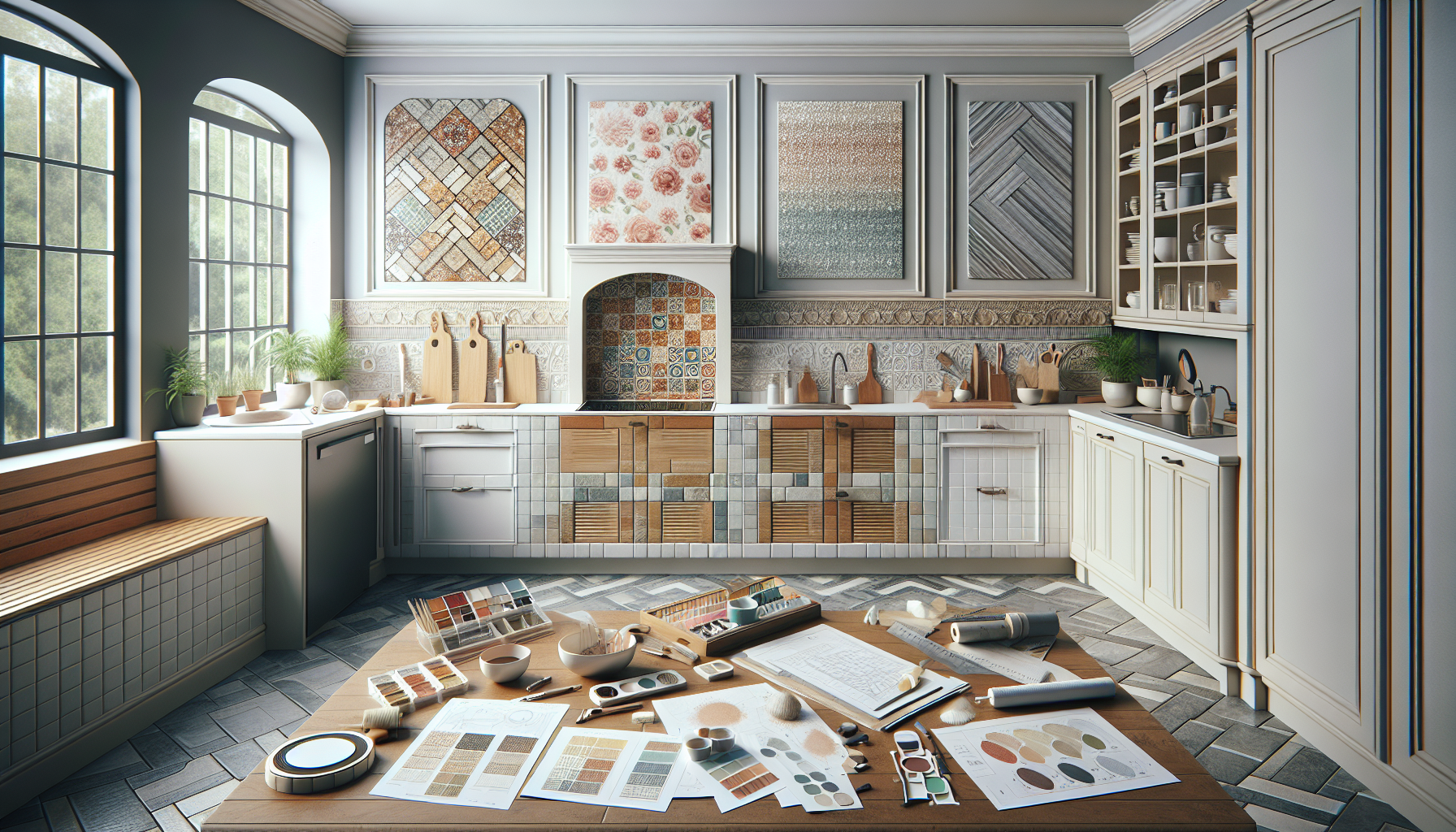
When choosing a kitchen backsplash, it’s important to consider the color and style of your existing cabinets. The backsplash should complement the cabinets, creating a cohesive and visually appealing design. If you have dark cabinets, consider lighter-colored backsplash tiles to create contrast. For white or light-colored cabinets, you can opt for a backsplash in a similar color family or choose a contrasting color for a bold statement. It’s essential to bring samples of your cabinet color when selecting your backsplash material to ensure a harmonious look.
Countertop material
The countertop material is another crucial element to consider when selecting a kitchen backsplash. The backsplash should coordinate with the countertop, creating a seamless and cohesive look. For example, if you have a granite countertop with intricate patterns, a simpler backsplash design, such as subway tiles, can complement it well. On the other hand, if you have a solid-colored countertop, you can use your backsplash to add visual interest and texture with mosaic or textured tiles. Consider bringing samples of your countertop when selecting your backsplash material to ensure a cohesive design.
Appliance finishes
The finishes of your kitchen appliances can also influence your choice of backsplash material. If you have stainless steel appliances, a metallic backsplash can create a cohesive and modern look. For black or white appliances, consider choosing a material in a similar color family or select a contrasting color for a striking effect. It’s important to consider the overall color scheme and style of your kitchen when selecting your backsplash to ensure a harmonious and balanced design.
Flooring choice
Lastly, it’s important to consider your kitchen flooring when choosing a backsplash material. The backsplash and flooring should work together to create a cohesive and visually appealing design. For example, if you have a sleek and modern kitchen with tile or laminate flooring, a glass or metal backsplash can enhance the contemporary look. If you have hardwood flooring, consider choosing a natural stone or ceramic backsplash for a complementary and timeless design. It’s essential to bring samples of your flooring when selecting your backsplash material to ensure a harmonious integration of the two elements.
Seeking Inspiration from Design Trends
Classic subway tile
Subway tiles have been a timeless and popular choice for kitchen backsplashes for many years. Their simple and rectangular shape can add a clean and classic look to any kitchen. You can opt for the traditional white subway tiles for a clean and neutral look or choose subway tiles in various colors for a more personalized touch. Consider different installation patterns, such as herringbone or vertical stack, to add visual interest to your backsplash design.
Patterned and mosaic tiles
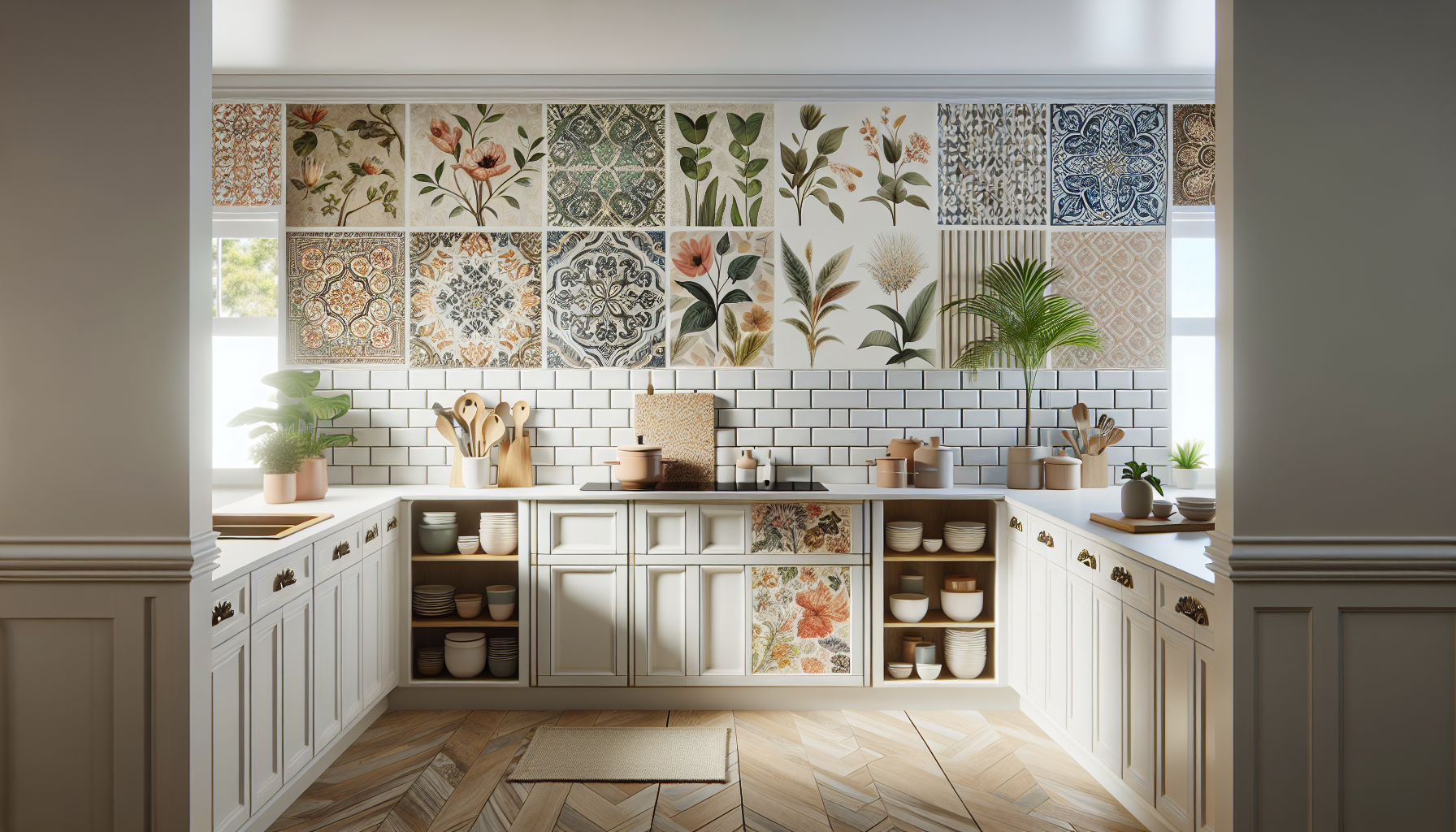
Patterned and mosaic tiles are a great way to add visual interest and personality to your kitchen backsplash. There are endless options when it comes to patterns and colors, allowing you to create a truly unique and eye-catching design. Consider using patterned tiles as a focal point behind the stove or sink, or create a mosaic design using small tiles to add texture and depth to your backsplash. These tiles can create a stunning and artistic look, making your kitchen truly one-of-a-kind.
Large-format tiles
Large-format tiles are gaining popularity in kitchen backsplash designs. These tiles, often measuring 12×24 inches or larger, create a seamless and contemporary look. Using large-format tiles can minimize grout lines and create a visually clean and streamlined backsplash. They are also easier to clean and maintain compared to smaller tiles. Consider using large-format tiles in a monochromatic color scheme for a high-end and luxurious look.
Textured and 3D tiles
For a unique and captivating backsplash, consider using textured or 3D tiles. These tiles add depth and dimension to your kitchen design, creating a visually stunning backsplash. Textured tiles can range from subtle patterns to more pronounced designs, allowing you to choose the level of visual impact that suits your style. 3D tiles, on the other hand, create a three-dimensional effect with raised patterns or shapes. These tiles can be used as an accent piece or cover the entire backsplash area for a bold statement.
Getting Professional Advice
Consulting with a designer
If you’re unsure about which backsplash material or design will work best for your kitchen, it’s always a good idea to consult with a professional designer. A designer can provide expert advice based on your kitchen’s layout, style, and budget. They can help you choose the right materials and design elements to create a backsplash that not only looks great but also functions well in your kitchen. A designer can also coordinate the colors and finishes of your backsplash with other elements in your kitchen, ensuring a cohesive design.
Seeking recommendations and reviews
Before making a decision, it can be helpful to seek recommendations and read reviews from other homeowners who have completed a kitchen backsplash renovation. You can ask friends, family, or neighbors who have recently renovated their kitchens for their recommendations. Online review platforms and forums are also valuable resources for gathering information and insights from people who have firsthand experience with various backsplash materials and designs. Gathering feedback from others can help you make an informed decision and avoid any potential pitfalls.
DIY vs. Hiring a Professional
Assessing personal skills and experience
Deciding whether to tackle the kitchen backsplash renovation as a DIY project or hire a professional is an important consideration. Assess your own skills and experience in tile installation, as well as your comfort level with DIY projects. If you have previous experience with tiling and feel confident in your abilities, a DIY approach can save you money. However, if you are new to tiling or have a complex design in mind, it may be worth considering the expertise of a professional to ensure a high-quality and seamless installation.
Considering time and effort
Renovating a kitchen backsplash requires a significant investment of time and effort, whether you decide to DIY or hire a professional. Consider the amount of time you are willing to commit to the project and the availability of your schedule. DIY projects often take longer, as you may need to learn new skills or take breaks to accommodate your other responsibilities. Hiring a professional, on the other hand, can save you time and effort, as they have the necessary skills and experience to complete the project efficiently. Evaluate your personal circumstances and determine the best approach based on your time constraints.
Ensuring a quality installation
A quality installation is crucial for the longevity and aesthetics of your kitchen backsplash. Consider the level of precision and attention to detail that is required for your chosen material and design. Some materials, such as natural stone or patterned tiles, may require more expertise and finesse during installation. If you’re unsure about achieving a professional finish or concerned about potential mistakes, it may be worth investing in a professional installation. Hiring a professional ensures that your backsplash will be installed correctly, minimizing the risk of issues such as uneven tiles or grout lines.
In conclusion, a kitchen backsplash renovation is an excellent way to add style, functionality, and personality to your kitchen. By considering factors such as material, budget, style, durability, installation methods, and existing kitchen elements, you can make an informed decision that suits your needs and preferences. Whether you choose to go the DIY route or hire a professional, ensure that the installation is of high quality, and the end result reflects your vision for your dream kitchen. With careful planning and attention to detail, your kitchen backsplash can become the focal point that transforms your kitchen into a space that you love to cook and gather in.
This image is property of images.pexels.com.