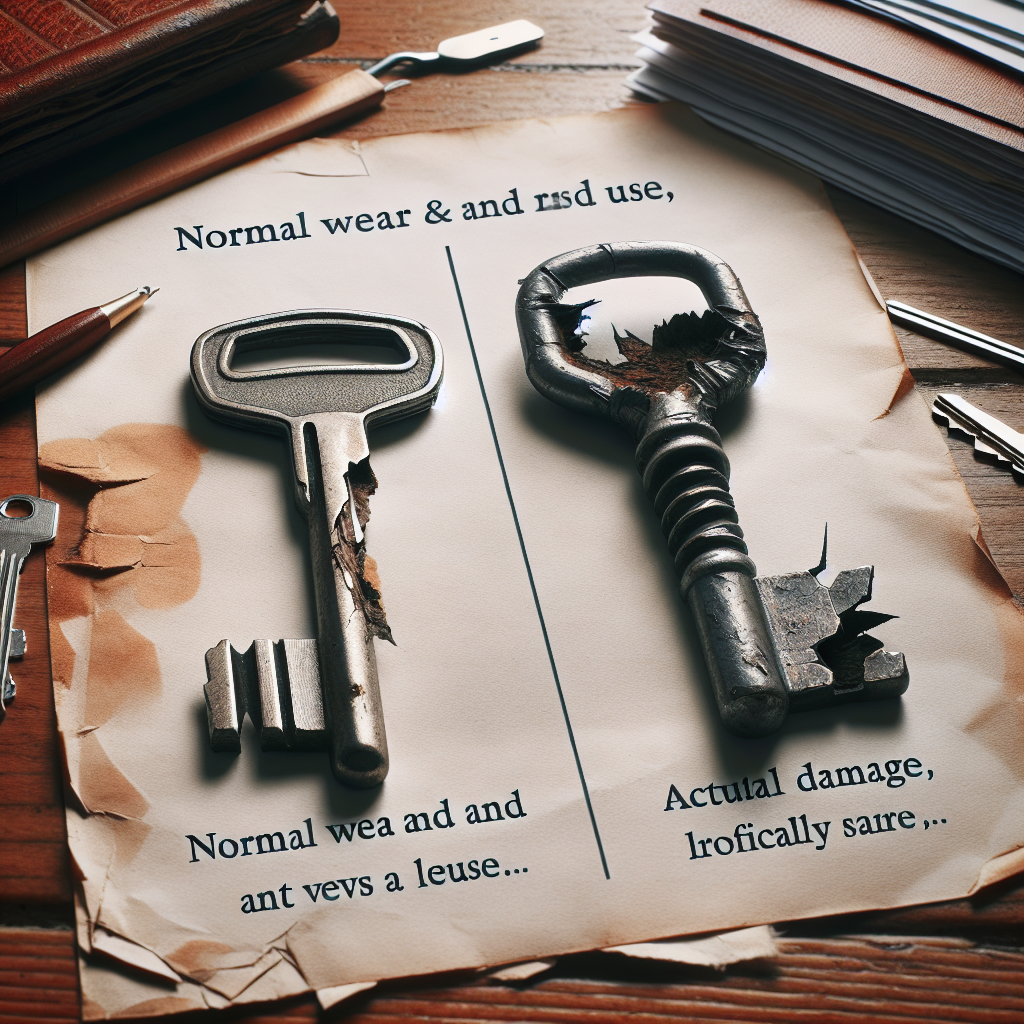
Are you unsure about the best way to navigate wear and tear versus damage disputes? Look no further! In this article, we explore the most effective approach to resolving these common disputes. Whether you’re a tenant, landlord, or simply someone caught in the middle, we’ve got you covered. By the end, you’ll have a clear understanding of how to handle these situations with ease and fairness. So, let’s dive in and find the best solution for your wear and tear vs. damage dilemma!

This image is property of images.unsplash.com.
Understanding the Difference between Wear and Tear and Damage
Defining Wear and Tear
Understanding the difference between wear and tear and damage is essential for both landlords and tenants. Wear and tear refers to the natural deterioration that occurs over time with normal use and aging. It includes minor scuffs, fading, or other signs of regular use that do not impact the functionality or value of the property. Examples of wear and tear may include worn carpets, faded paint, or loose cabinet handles. It is important to distinguish wear and tear from damage to ensure fair treatment for both parties involved.
Recognizing Damage
In contrast to wear and tear, damage refers to any harm or destruction that exceeds normal use and goes beyond the expected wear of the property. Damage can be caused by accidents, neglect, or intentional actions that result in significant harm to the property. Examples of damage may include broken windows, holes in walls, or severe stains on the carpets. Recognizing and differentiating damage is crucial in resolving disputes and determining responsibility for repairs.
Inspecting and Documenting the Property
Conducting Regular Inspections
To effectively determine the extent of wear and tear or damage, regular inspections of the property are crucial. Landlords should conduct thorough inspections before and after each tenancy to assess the condition of the property and document any pre-existing damages. Regular inspections also provide an opportunity to identify any maintenance issues that may require attention, preventing further deterioration.
Taking Detailed Photographs
Photographic evidence serves as a valuable tool when assessing the condition of the property. Landlords should take detailed photographs of each room and key areas, capturing both the overall condition and any existing damages. These photographs should be dated and saved as part of the property’s records. In the event of a dispute, clear photographic evidence can help establish the state of the property before and after a tenancy.
Keeping Written Records
In addition to photographs, maintaining written records is essential in documenting the property’s condition. Landlords should create a checklist that includes descriptions of each room’s features and note any existing damages. It is also crucial to keep a record of any repairs or maintenance performed during the tenancy period. Thoroughly documenting the property’s condition and any changes over time provides a reliable reference for resolving disputes and assessing responsibility.
Establishing Clear Lease Agreement Terms
Defining Wear and Tear in Lease Agreement
To avoid confusion and disputes, lease agreements should clearly define the concept of wear and tear. Including specific language that outlines what is considered normal wear and tear can prevent misunderstandings and misinterpretations. This clarity ensures that both parties have a shared understanding of what constitutes acceptable wear and tear.
Listing Potential Damages
To protect the landlord’s interests, lease agreements should also include a comprehensive list of potential damages. Listing specific examples of damages, such as broken windows, stains, or significant wall damage, clarifies the expectations regarding tenant responsibilities. This proactive approach helps tenants understand their obligations and can effectively discourage negligent or intentional damage.
Including Clauses for Deposit Deductions
Lease agreements should contain clear clauses regarding the deductions that may be made from the security deposit to cover damages. By including these clauses, both parties are made aware of the potential financial consequences of damaging the property. Specific provisions outlining the conditions under which deductions may occur, such as excessive dirtiness or broken appliances, safeguard the rights of both landlords and tenants.
Communicating with Tenants
Setting Expectations from the Beginning
Clear communication regarding the condition of the property and expectations is vital from the beginning of the tenancy. Landlords should have an open conversation with tenants, discussing the difference between wear and tear and damage. By setting clear expectations and providing examples, tenants can understand their responsibilities and take necessary precautions for maintaining the property in good condition.
Promptly Addressing Issues
Maintaining a proactive approach to addressing maintenance issues is crucial in preventing minor problems from escalating into major damages. Landlords should encourage tenants to report any issues promptly, allowing for timely repairs or necessary interventions. By promptly addressing these concerns, tenants feel supported and are more likely to take responsibility for minor repairs, minimizing the potential for disputes.
Maintaining Open Dialogue
Establishing a healthy relationship built on open communication is key to handling wear and tear vs. damage disputes. Landlords should maintain regular contact with tenants, creating an environment where concerns can be freely discussed. Through open dialogue, both parties can address any emerging problems or potential areas of dispute, fostering a more cooperative and understanding atmosphere.

This image is property of images.unsplash.com.
Negotiating Disputes Amicably
Encouraging Dialogue
In the event of a dispute regarding wear and tear or damage, it is essential to encourage open and respectful dialogue. Both landlords and tenants should strive to understand each other’s perspectives, discussing the issues at hand in a calm and courteous manner. By creating a space for negotiation, disputes can often be resolved amicably, avoiding unnecessary legal actions.
Considering Mediation or Arbitration
If direct negotiation fails to reach a satisfactory resolution, mediation or arbitration can be a useful alternative. These alternative dispute resolution methods involve a neutral third party who helps facilitate a discussion and find a mutually agreeable solution. Mediation or arbitration can save both landlords and tenants time, money, and stress, providing a fair and unbiased perspective to resolve the dispute.
Seeking Legal Guidance if Necessary
In more complex disputes where efforts to negotiate or mediate have been unsuccessful, seeking legal guidance may be necessary. Consulting with a qualified attorney who specializes in landlord-tenant disputes can provide valuable insight and guidance. Legal professionals can help navigate the complexities of local laws, ensuring that both parties are aware of their rights and obligations.
Evaluating Age and Normal Usage
Considering the Aging Factor
When assessing wear and tear, it is crucial to consider the age of the property. Age can impact the expected level of wear and tear, as older properties may naturally show signs of deterioration due to regular usage. Understanding that older properties may have more wear and tear allows for a fair assessment and helps avoid unreasonable expectations.
Understanding Expected Wear and Tear
Each type of property may have its own set of expected wear and tear conditions. By familiarizing oneself with standard wear and tear for the specific property type, landlords can establish reasonable expectations. For example, in a rental property with carpeted floors, reasonable wear and tear would include some minor fraying or slight discoloration over time.
Identifying Excessive Damage
While wear and tear is expected, excessive damage is not. Landlords must be able to differentiate between normal wear and tear and excessive damage that goes beyond what is considered acceptable. Excessive damage may be characterized by significant destruction, intentional misuse, or neglect by the tenant. Identifying excessive damage is crucial for assigning responsibility and determining appropriate actions.

This image is property of images.unsplash.com.
Assessing Workmanship and Quality
Determining the Quality of Previous Work
To accurately assess the condition of the property, landlords should consider the quality of previous work or renovations. If the property has undergone recent repairs or improvements, it is essential to evaluate the craftsmanship and materials used. Poor quality work may increase the likelihood of damage or wear and tear occurring relatively quickly. Considering the quality of previous work helps establish a fair assessment of the condition of the property.
Discerning between Usual and Poor Craftsmanship
In addition to evaluating previous work, it is important to discern between usual wear and tear and poor craftsmanship. Poor quality work may result in premature deterioration or damages that are beyond normal expectations. By recognizing the impact of poor craftsmanship on the property’s condition, landlords can differentiate between wear and tear caused by natural aging and damage resulting from subpar work.
Accounting for Existing Conditions
When evaluating wear and tear or damage, landlords should consider any pre-existing conditions or deficiencies in the property. Existing conditions refer to issues that were present before the tenant occupied the property. By accounting for pre-existing conditions, landlords can establish a fair assessment of the property’s condition, differentiating between damages caused by the current tenant and those that were already present.
Determining Timeframes and Duration
Considering Reasonable Lifespan
A crucial factor in determining wear and tear vs. damage is considering the reasonable lifespan of each element of the property. Different components, such as appliances, fixtures, or flooring, have varying lifespans. Assessing the condition of these elements in relation to their expected lifespan can help differentiate between normal wear and tear and damage that requires repair or replacement.
Recognizing Gradual Deterioration
Over time, properties naturally deteriorate due to regular use, exposure to the elements, and aging. Recognizing the gradual deterioration that occurs over extended periods is essential in defining wear and tear. It is important to consider the cumulative effect of usage and the gradual changes that may occur as part of the property’s natural aging process.
Identifying Sudden or Accidental Damage
While wear and tear typically occur gradually, sudden or accidental damages can happen at any time. It is important to distinguish between damages that are a result of sudden incidents, such as flooding or accidental breakage, and those that are a result of ongoing wear and tear. Identifying sudden or accidental damage helps determine the nature and cause of the harm, allowing for appropriate measures to be taken.

Consulting Experts or Professionals
Engaging Property Inspectors
In complex disputes or situations where a more objective assessment is necessary, engaging the services of a qualified property inspector can be invaluable. Property inspectors can thoroughly evaluate the property and provide an unbiased perspective on the condition, helping to determine whether damages are a result of wear and tear or negligence. Their expertise can facilitate fair assessments and resolution.
Seeking Assistance from Repair Specialists
In cases where specific repairs or damages require specialized knowledge, seeking assistance from repair specialists is advisable. Repair specialists, such as licensed plumbers, electricians, or carpenters, can provide expert opinions on the causes and extent of damages. Their input can assist in determining whether damages are a result of normal wear and tear or require targeted repairs due to neglect or misuse.
Obtaining Appraisals or Valuations
In situations where disputes revolve around financial assessments, obtaining appraisals or valuations from qualified professionals can assist in reaching a resolution. Real estate appraisers or valuers can assess the property’s condition, taking into account factors such as wear and tear, age, and existing damages. Their expertise provides an unbiased evaluation that can aid in determining liability and fair compensation.
Conclusion
Handling wear and tear vs. damage disputes requires clear communication, regular inspections, and a fair understanding of the property’s condition. Defining wear and tear, identifying damage, and establishing clear lease agreement terms are essential in preventing disputes. Open dialogue, negotiation, and, if necessary, seeking legal guidance can lead to amicable resolutions. Evaluating age, normal usage, workmanship, and quality are crucial in determining the nature of damages. Considering timeframes, consulting experts, and maintaining fairness and transparency promotes a reasonable approach to resolving disputes. By following these guidelines, both landlords and tenants can ensure a harmonious and fair rental experience.