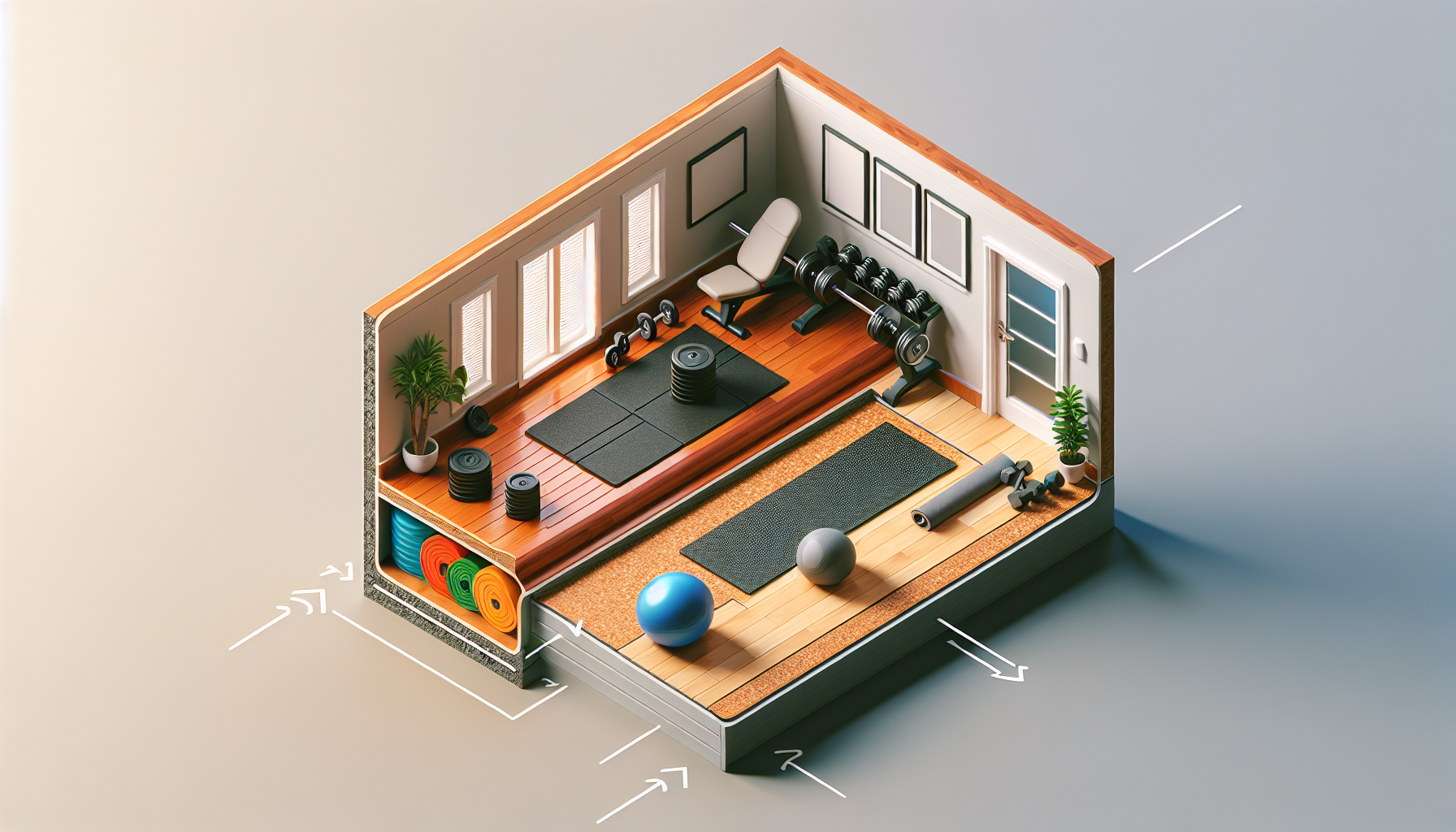
Are you considering setting up a home gym but not sure what flooring would be best for your workout space? Look no further! In this article, we will explore different types of flooring options suitable for a home gym, helping you make an informed decision about which one would suit your needs the most. Whether you prefer the cushioned comfort of rubber flooring, the durability of vinyl, or the stability of hardwood, we’ve got you covered. Get ready to create the perfect exercise environment in the comfort of your own home!
Rubber Flooring
Overview of Rubber Flooring
When it comes to choosing the best flooring for your home gym, rubber flooring is one of the top options to consider. Rubber flooring is highly durable and can withstand the heavy equipment and constant movement that often happens in a gym setting. It provides excellent shock absorption, making it safe for workouts and reducing the risk of injury. Additionally, rubber flooring has a non-slip surface, ensuring that you can maintain stability during exercises.
Advantages of Rubber Flooring
Rubber flooring offers numerous advantages that make it an ideal choice for a home gym. Firstly, it provides excellent cushioning and impact resistance, which is essential for high-intensity workouts or activities involving heavy weights. The shock-absorbent nature of rubber flooring protects your joints from excessive strain and reduces the risk of injuries. Moreover, rubber flooring is noise-reducing, minimizing the impact noise that may disturb other residents or neighbors.
Another advantage of rubber flooring is its durability. It is designed to withstand heavy foot traffic, equipment, and weight drops, ensuring that it can withstand the demands of a home gym over an extended period. Rubber flooring is also highly resistant to wear and tear, making it a cost-effective choice in the long run.
Furthermore, cleaning rubber flooring is relatively easy. It requires minimal maintenance, and you can simply wipe it clean with a damp cloth or mop. This ensures that your home gym remains hygienic and free from dust or dirt accumulation.
Disadvantages of Rubber Flooring
While rubber flooring has many advantages, there are a few disadvantages to consider. One potential drawback is that rubber flooring is not as aesthetically pleasing as some other options. It typically comes in solid colors and may not offer the variety of designs and patterns that you might find with other flooring materials.
Another disadvantage is that rubber flooring can be more expensive compared to other options. However, when you consider its durability and long lifespan, the initial investment can be well worth it.
Maintenance and Care for Rubber Flooring
Caring for rubber flooring is relatively simple. Regular cleaning is essential to maintain its appearance and functionality. You can start by sweeping or vacuuming the floor to remove any loose dirt or debris. For more thorough cleaning, use a diluted neutral pH cleaner and a damp mop or cloth. Avoid using harsh chemicals or abrasive cleaning tools that can damage the rubber surface.
To protect the rubber flooring from heavy, static loads, it is advisable to use equipment mats or furniture pads to distribute the weight evenly. Additionally, avoid dragging heavy objects across the floor, as this may cause scratches or permanent damage.
By following these maintenance and care tips, you can ensure that your rubber flooring remains in excellent condition and continues to serve you well in your home gym.
Vinyl Flooring
Overview of Vinyl Flooring
Vinyl flooring is another popular choice for home gyms due to its affordability and versatility. It is a synthetic flooring material that offers durability and a wide range of design options. Vinyl flooring comes in different styles, including sheets, tiles, and planks, allowing you to choose the one that suits your preferences and gym layout.
Advantages of Vinyl Flooring
One of the significant advantages of vinyl flooring is its affordability. It is generally more budget-friendly compared to other flooring options, making it an attractive choice for those who want to set up a home gym without breaking the bank. Despite its cost-effectiveness, vinyl flooring is still durable and can withstand heavy foot traffic and equipment.
Vinyl flooring is also water-resistant, providing protection against spills and moisture. This feature is especially beneficial for gyms where activities may involve water or sweat. It prevents water damage and makes cleaning up spills easier.
Furthermore, vinyl flooring is easy to clean and maintain. Regular sweeping or vacuuming, followed by mopping with a mild cleaner, is typically sufficient to keep it looking its best. It is also resistant to stains, which is particularly advantageous for areas where you may be using liquids or supplements during your workouts.
Disadvantages of Vinyl Flooring
One potential disadvantage of vinyl flooring is that it may not be as durable as other options like rubber or foam flooring. Although it can handle moderate foot traffic and exercise equipment, excessive weight or sharp objects may cause dents or tears in the material.
Another consideration is that vinyl flooring may emit volatile organic compounds (VOCs) during installation and throughout its lifespan. VOCs are chemicals that can contribute to indoor air pollution and may have adverse health effects. However, many manufacturers now produce low-VOC or VOC-free vinyl flooring options, so it is essential to choose products with these certifications to minimize any potential risks.
Maintenance and Care for Vinyl Flooring
To keep your vinyl flooring in good condition, it is important to perform regular maintenance. Start by sweeping or vacuuming the floor to remove loose dirt and debris that can cause scratches. Avoid using abrasive cleaning tools that may damage the vinyl surface.
For routine cleaning, a mixture of warm water and a mild cleaner is usually sufficient. You can mop the floor with this solution, ensuring that you wring out the mop thoroughly to prevent excess water from seeping into the seams. Additionally, quickly wiping up spills and avoiding prolonged exposure to water can help prevent any potential damage.
Protecting the flooring from heavy furniture or equipment is essential to prevent indentations or tears. Placing furniture pads or equipment mats under heavy items can distribute the weight more evenly and minimize the risk of damage.
By following these maintenance guidelines, you can ensure that your vinyl flooring remains in good condition and provides a comfortable and visually appealing environment for your home gym.

This image is property of images.pexels.com.
Cork Flooring
Overview of Cork Flooring
Cork flooring is a unique and eco-friendly option for home gyms. It is made from the bark of cork oak trees and offers a range of benefits that make it a popular choice for fitness spaces. Cork flooring has a distinct appearance characterized by its natural texture and warm tones, adding a touch of elegance to any gym.
Advantages of Cork Flooring
One of the main advantages of cork flooring is its comfort. It has a soft cushioning effect, making it comfortable to stand or exercise on for extended periods. Cork flooring absorbs impact and reduces strain on joints, making it ideal for activities that involve jumping or high-impact movements.
Another advantage of cork flooring is its natural resilience. It bounces back when compressed, reducing the risk of permanent indentations from heavy equipment or weights. Additionally, cork flooring is resistant to moisture, making it a suitable choice for gym areas where water or sweat may be present.
Cork flooring is also an excellent option for those who prioritize sustainability. Cork is a renewable resource since the bark of cork oak trees naturally regenerates. The production process of cork flooring minimizes waste, utilizing the leftover cork to create other products. By choosing cork flooring, you can contribute to a more eco-friendly home gym.
Disadvantages of Cork Flooring
While cork flooring has many advantages, there are some drawbacks to consider. One of the main concerns with cork flooring is its susceptibility to scratches and dents. Heavy furniture or equipment can leave marks on the surface, requiring caution and the use of protective mats or pads.
Another consideration is that cork flooring may fade or change color due to exposure to sunlight. Over time, the flooring may darken or lighten, altering its original appearance. This may be less noticeable in gyms with limited sunlight or with the use of window treatments that block out UV rays.
It is also important to note that cork flooring requires regular sealing to maintain its durability. This sealing process helps protect the cork surface from water damage and staining. Failing to apply or reapply the sealant as needed may result in moisture absorption and potential flooring damage.
Maintenance and Care for Cork Flooring
Maintaining cork flooring involves following a few simple steps. Regular sweeping or vacuuming helps remove dirt and grit that can cause scratches. Use a soft-bristle broom or a vacuum cleaner with a brush attachment to avoid any potential damage.
To maintain the protective seal, it is essential to clean up spills promptly. Excessive moisture can penetrate the cork and cause warping or discoloration. Use a damp mop with a gentle, pH-neutral cleaner specifically designed for cork floors. Avoid using excessive water and make sure to dry the floor thoroughly after cleaning.
To protect the surface from furniture or equipment, use protective pads or mats. These prevent scratches and indentations, keeping your cork flooring looking its best. Additionally, it is advisable to periodically examine the sealant and reapply it as needed to ensure long-lasting durability.
By following these maintenance recommendations, you can enjoy the comfort and elegance of cork flooring in your home gym while keeping it in excellent condition.
Foam Flooring
Overview of Foam Flooring
Foam flooring is a versatile and economical option for home gyms. It is made from soft yet durable materials that provide cushioning and support during workouts. Foam flooring is available in various thicknesses and styles, allowing you to choose the level of comfort and protection that suits your needs.
Advantages of Foam Flooring
One of the main advantages of foam flooring is its superior cushioning and shock absorption. It provides a soft and forgiving surface, reducing the impact on joints and minimizing the risk of injury during exercises. Foam flooring is particularly beneficial for activities that involve jumping, sprinting, or other high-impact movements.
Foam flooring is also easy to install and remove. Most foam flooring options interlock or have a puzzle-like design, allowing for quick and hassle-free assembly. This feature makes it a convenient choice for those who frequently need to set up or change their gym space.
Cleaning foam flooring is a breeze. It is resistant to stains and spills, and most foam flooring materials are waterproof or water-resistant. You can easily wipe away any dirt or liquid spills, ensuring that your home gym remains clean and hygienic.
Disadvantages of Foam Flooring
While foam flooring offers many advantages, there are a few drawbacks to consider. One concern is that foam flooring may not be as durable as some other options. It can be susceptible to wear and tear, especially in high-traffic areas or with heavy exercise equipment. However, choosing a higher density foam flooring can enhance durability and longevity.
Another consideration is that foam flooring may retain indentations from heavy furniture or equipment. Over time, these marks can become permanent and affect the overall appearance and functionality of the flooring. Using equipment mats or furniture pads under heavy items can help prevent or minimize these indentations.
Maintenance and Care for Foam Flooring
Maintaining foam flooring is relatively simple. Regular vacuuming or sweeping helps remove dirt and debris from the surface. For more thorough cleaning, you can use a mild detergent mixed with water and a soft cloth or mop. Avoid using harsh chemicals or abrasive cleaning tools that can damage the foam material.
It is essential to prevent excessive moisture from reaching the foam flooring as it can cause mold or mildew growth. Wipe up any spills promptly and ensure the floor is completely dry after cleaning. This will help maintain the integrity and cleanliness of your foam flooring.
Additionally, protecting the floor from heavy weights or equipment can prevent indentations or permanent damage. Placing equipment mats or pads under these items helps distribute the weight more evenly and protects the foam flooring.
By following these maintenance tips, you can ensure that your foam flooring remains in good condition and provides a comfortable and safe surface for your home gym activities.

This image is property of images.pexels.com.
Carpet Tiles
Overview of Carpet Tiles
Carpet tiles are a popular choice for home gyms, offering a combination of comfort and versatility. They consist of smaller pieces of carpet that can be easily installed and customized to fit any gym layout. Carpet tiles come in a wide range of colors and patterns, allowing you to create a personalized and visually appealing gym space.
Advantages of Carpet Tiles
One of the main advantages of carpet tiles is their softness and cushioning. They provide a comfortable surface for workouts and reduce the impact on joints, making them ideal for activities that involve floor exercises or stretching. Carpet tiles also absorb sound, reducing noise levels in your home gym and preventing echoes.
Another advantage is the flexibility of carpet tiles. They can be easily replaced or rearranged if specific areas experience heavy wear or damage. This modularity allows for cost-effective maintenance, as you only need to replace individual tiles rather than the entire flooring.
Carpet tiles also offer insulation properties, helping to maintain a comfortable temperature in your home gym. They provide a layer of warmth, making the space cozier and more inviting. Additionally, carpet tiles act as an insulator against noise transmission, minimizing disturbances to other areas of your home.
Disadvantages of Carpet Tiles
One consideration with carpet tiles is that they may not be as durable as some other flooring options. Heavy equipment or excessive foot traffic can cause the carpet fibers to wear out faster, resulting in a shorter lifespan. To mitigate this, you can opt for carpet tiles with higher pile density or consider using equipment mats in high-traffic areas.
Another potential disadvantage is the maintenance required for carpet tiles. They may be more prone to staining compared to other flooring materials, particularly if you use liquids or supplements during your workouts. Promptly cleaning any spills or stains is essential to prevent them from setting in and becoming more difficult to remove.
Additionally, it is important to note that carpet tiles may trap dust, allergens, and pet hair more than other flooring options. Regular vacuuming is necessary to keep the carpet tiles clean and minimize the buildup of allergens in your home gym.
Maintenance and Care for Carpet Tiles
Maintaining carpet tiles involves a combination of regular cleaning and preventative measures. Vacuuming the carpet tiles at least once a week helps remove loose dirt, dust, and debris. If your carpet tiles are in an area prone to high foot traffic, more frequent vacuuming may be necessary.
Spills or stains should be addressed promptly to prevent permanent damage. Blot the affected area with a clean cloth or sponge, avoiding rubbing, as it may spread the stain. Use a mild carpet cleaner or a mixture of warm water and vinegar to clean the spot, following the manufacturer’s instructions.
To prevent excessive wear in high-traffic areas, consider using equipment mats or furniture pads under heavy items. This helps distribute the weight more evenly and minimizes the impact on the carpet tiles.
By following these maintenance guidelines, you can ensure that your carpet tiles stay clean, comfortable, and visually appealing in your home gym.
Engineered Wood Flooring
Overview of Engineered Wood Flooring
Engineered wood flooring is a popular choice for home gyms due to its durability and aesthetic appeal. It consists of multiple layers of wood or plywood topped with a hardwood veneer, providing the appearance of solid wood while offering added stability. Engineered wood flooring is available in various styles and finishes, allowing you to create a gym environment that matches your personal taste.
Advantages of Engineered Wood Flooring
One of the main advantages of engineered wood flooring is its durability. The multiple layers of wood or plywood make it resistant to moisture and temperature changes, reducing the risk of warping or damage. Engineered wood flooring can withstand the demands of a home gym, including heavy foot traffic and exercise equipment.
Engineered wood flooring also offers the aesthetic appeal of hardwood. It adds warmth and elegance to your gym space, creating a welcoming environment. The variety of wood species, finishes, and textures available allows you to customize the flooring to your desired style. Additionally, engineered wood flooring can increase the value of your home, as it is a sought-after feature for potential buyers.
Another advantage is the relatively easy installation process. Engineered wood flooring is available in different formats, including planks and tiles, allowing for flexible installation methods. Some options come with click-lock systems that enable straightforward DIY installation. However, it is recommended to consult professionals for more extensive or complex installations.
Disadvantages of Engineered Wood Flooring
While engineered wood flooring has many advantages, there are a few considerations to keep in mind. One disadvantage is that it may be more susceptible to scratches compared to other flooring options like rubber or vinyl. Therefore, using protective mats or pads under exercise equipment or furniture is advisable to prevent damage.
Another consideration is the cost of engineered wood flooring. It typically falls in the mid to higher price range compared to other flooring materials. However, the investment is often worth it, considering the durability, aesthetics, and potential increase in home value.
Moisture is another factor to consider with engineered wood flooring. While it is more resistant to moisture compared to solid hardwood, excessive water exposure can still cause damage. Wiping up spills immediately and managing humidity levels in the gym area can help prevent any potential issues.
Maintenance and Care for Engineered Wood Flooring
Maintaining engineered wood flooring involves a few key steps to ensure its longevity and appearance. Regular sweeping or vacuuming helps remove dirt and debris that can cause scratches. Use a vacuum cleaner with a soft brush attachment or a broom with soft bristles to avoid any potential damage.
To clean the engineered wood flooring, use a damp mop or cloth with a manufacturer-recommended hardwood floor cleaner or a mixture of warm water and mild detergent. Avoid using excessive water or harsh cleaning agents, as they can damage the wood surface or the finish.
Protecting the engineered wood flooring from heavy furniture or equipment is essential to prevent indentations or scratches. Placing furniture pads or equipment mats under these items will help distribute the weight more evenly and minimize the risk of damage.
By following these maintenance tips, you can ensure that your engineered wood flooring remains in excellent condition and continues to enhance the beauty and functionality of your home gym.

This image is property of images.pexels.com.
Concrete Flooring
Overview of Concrete Flooring
Concrete flooring is a versatile and durable option for home gyms. It provides a solid and stable surface that can withstand heavy equipment and intense workouts. Concrete flooring can be left unfinished or enhanced with various coatings or finishes to create a polished or decorative look.
Advantages of Concrete Flooring
One of the main advantages of concrete flooring is its durability. It can handle the demands of a home gym without wearing out or sustaining damage. Concrete is highly resistant to impact and heavy foot traffic, making it suitable for high-intensity workouts.
Concrete flooring is also low maintenance. It does not require regular sealing or refinishing like some other flooring materials. Cleaning is simple and straightforward, typically requiring sweeping or vacuuming to remove any loose dirt or debris. Occasional mopping with warm water and a mild cleaner is usually sufficient for more thorough cleaning.
Furthermore, concrete flooring is a cost-effective option. It is generally more affordable compared to other flooring materials, especially considering its long lifespan and minimal maintenance requirements. By choosing concrete flooring, you can save money without compromising on functionality.
Disadvantages of Concrete Flooring
One potential disadvantage of concrete flooring is its hardness. It provides a solid surface, which may not be as forgiving on joints compared to options like rubber or foam flooring. Using high-quality exercise mats or area rugs in specific workout areas can provide extra cushioning and protect your joints.
Another consideration is that bare concrete flooring can be cold and uncomfortable, especially in cooler climates. Adding underfloor heating or using area rugs can help provide insulation and improve comfort.
Concrete flooring can also be prone to cracking if not properly installed or if the subfloor is not well-prepared. Ensuring proper installation and taking precautions to minimize temperature or moisture fluctuations can help prevent cracking.
Maintenance and Care for Concrete Flooring
Maintaining and caring for concrete flooring is relatively simple. Regular cleaning helps keep the surface in good condition. Sweep or vacuum the floor to remove loose dirt and debris. Use a damp mop or cloth with a mild cleaner to remove any stubborn stains or spills.
To protect the concrete flooring from heavy equipment or weights, it is recommended to use rubber mats or other cushioning materials. This helps distribute the weight more evenly and prevent any potential damage to the surface.
If you have a polished or decorative concrete floor, periodic resealing may be necessary to maintain its appearance and protect it from staining or moisture penetration. Consult a professional for specific recommendations based on the type of concrete flooring you have.
By following these maintenance guidelines, you can ensure that your concrete flooring remains in excellent condition and provides a sturdy and reliable surface for your home gym.
Porcelain Tile Flooring
Overview of Porcelain Tile Flooring
Porcelain tile flooring is a durable and versatile option for home gyms. It is made from dense clay and fired at high temperatures, resulting in a strong and resilient material. Porcelain tile flooring is available in various designs, colors, and sizes, allowing for endless creative possibilities in your gym space.
Advantages of Porcelain Tile Flooring
One of the main advantages of porcelain tile flooring is its durability. It can withstand heavy foot traffic, exercise equipment, and impacts without sustaining damage. Porcelain tiles are highly resistant to scratches, stains, and moisture, making them ideal for gym areas where spills or accidents may occur.
Porcelain tile flooring is also easy to clean and maintain. Sweeping or vacuuming regularly helps remove dirt and debris, while mopping with warm water and a mild detergent keeps the tiles looking pristine. Porcelain tiles are non-absorbent, preventing the growth of mold or mildew and making them a hygienic choice for your home gym.
Furthermore, porcelain tile flooring offers a wide range of design options. It can mimic the appearance of natural materials like wood or stone, allowing you to achieve the desired aesthetic for your gym. Additionally, porcelain tiles can be installed with grout lines or in a seamless pattern, depending on your preferred style.
Disadvantages of Porcelain Tile Flooring
While porcelain tile flooring has many advantages, there are a few considerations to keep in mind. One potential drawback is that it can be hard and unforgiving on joints compared to options like rubber or foam flooring. Using exercise mats or area rugs in certain workout areas can provide extra cushioning and support.
Additionally, porcelain tile flooring can be slippery when wet. This poses a safety risk, especially in areas where water or sweat is present. Placing non-slip mats or rugs near showers or high-moisture zones can help prevent slips and falls.
Another consideration is the cost of porcelain tile flooring. It is generally more expensive compared to other flooring materials. However, the investment is often justified by the durability, aesthetics, and longevity of porcelain tiles.
Maintenance and Care for Porcelain Tile Flooring
Maintaining and caring for porcelain tile flooring is relatively straightforward. Regular cleaning helps keep the tiles in excellent condition. Sweep or vacuum the floor to remove loose dirt and debris, paying attention to any grout lines. For more thorough cleaning, use a neutral pH cleaner specifically designed for porcelain tiles and follow the manufacturer’s instructions.
To prevent the tiles from becoming slippery when wet, promptly wipe up any spills or water. Using non-slip rugs or mats in areas prone to moisture can help provide extra traction and minimize the risk of slips or falls.
Periodically inspect the grout lines and clean or reseal them as needed. Properly maintained grout helps maintain the integrity and appearance of the porcelain tile flooring.
By following these maintenance tips, you can ensure that your porcelain tile flooring remains in pristine condition, providing a stylish and durable surface for your home gym.
Laminate Flooring
Overview of Laminate Flooring
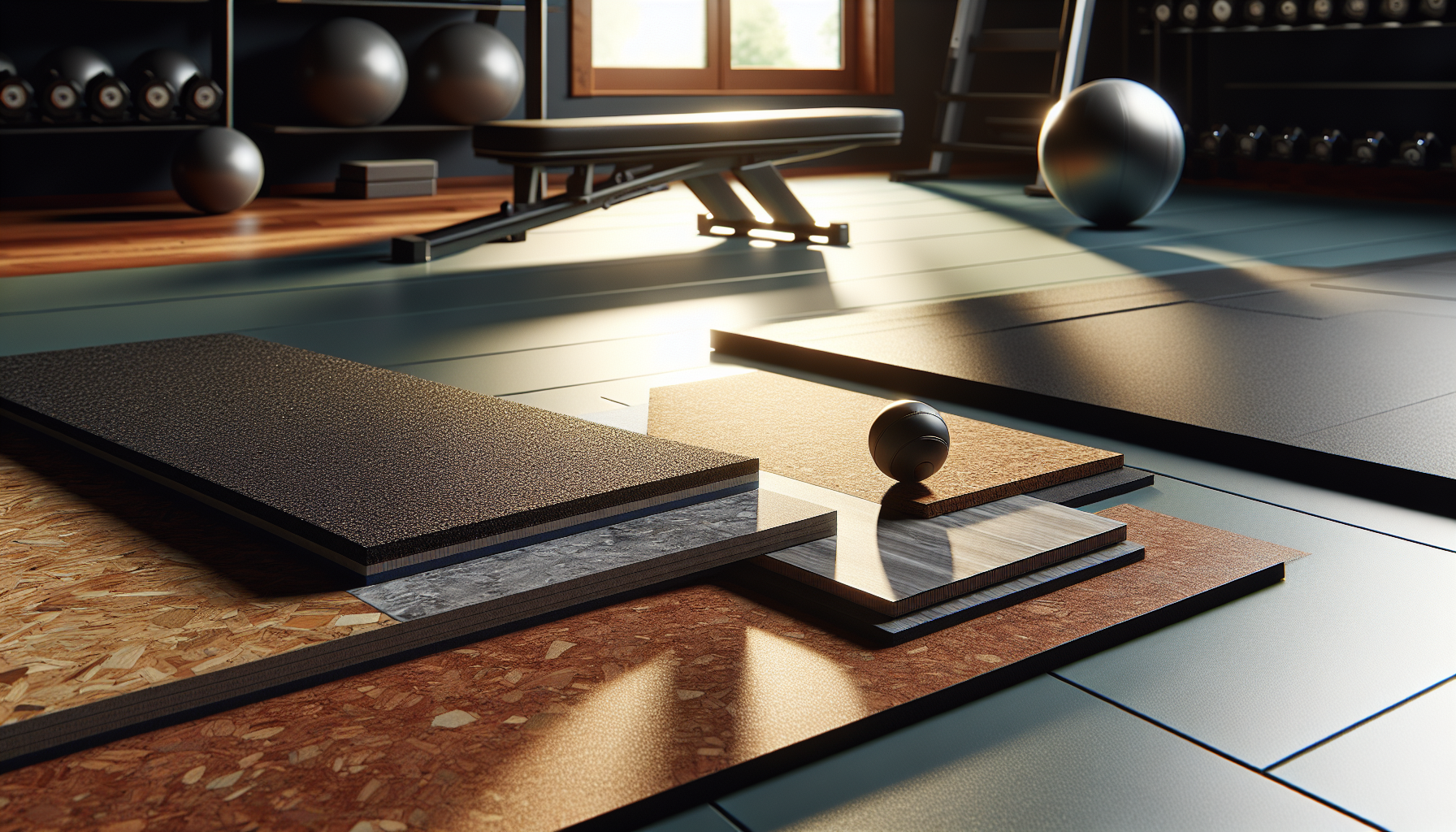
Laminate flooring is a versatile and cost-effective option for home gyms. It consists of multiple layers, including a high-density fiberboard (HDF) core topped with a printed design layer and a protective wear layer. Laminate flooring comes in various styles and finishes, allowing you to achieve the desired look for your gym.
Advantages of Laminate Flooring
One of the main advantages of laminate flooring is its affordability. It is generally more budget-friendly compared to options like hardwood or natural stone while still offering a visually appealing gym space. Laminate flooring can mimic the appearance of these materials, allowing you to achieve the desired aesthetic at a lower cost.
Laminate flooring is also highly durable and resistant to scratches, stains, and fading. The wear layer protects against daily wear and tear, making it suitable for high-traffic areas like home gyms. Additionally, laminate flooring is relatively easy to install, often featuring a click-lock system that enables DIY installation.
Cleaning laminate flooring is simple and requires minimal effort. Regular sweeping or vacuuming helps remove loose dirt and debris, while occasional mopping with a slightly damp cloth or mop keeps the surface clean. Avoid using excessive water or harsh cleaning agents, as they can damage the laminate flooring.
Disadvantages of Laminate Flooring
While laminate flooring has many advantages, there are a few considerations to keep in mind. One potential disadvantage is that it can be less resistant to moisture compared to other options like vinyl or porcelain tile. Excessive water exposure may cause the laminate to swell or warp, requiring caution and quick cleanup of any spills or accidents.
Another consideration is that laminate flooring may not be as comfortable or forgiving on joints compared to options like rubber or foam flooring. Using exercise mats or area rugs in specific workout areas can provide extra cushioning and support.
Additionally, laminate flooring may be more prone to visible scratches or dents compared to other materials like rubber or vinyl. Care should be taken when moving heavy equipment or furniture to prevent any potential damage.
Maintenance and Care for Laminate Flooring
Maintaining and caring for laminate flooring is relatively simple. Regular cleaning helps remove dirt and debris that can cause scratches or damage. Sweep or vacuum the floor regularly using a soft brush attachment or a broom with soft bristles.
For more thorough cleaning, use a slightly damp cloth or mop with a mild laminate flooring cleaner or a mixture of warm water and vinegar. Ensure the mop or cloth is wrung out well to prevent excessive water from seeping into the laminate seams.
To protect the laminate flooring from heavy furniture or equipment, use furniture pads or equipment mats. This helps distribute the weight more evenly and minimizes the risk of damage.
By following these maintenance tips, you can ensure that your laminate flooring remains in good condition, providing an attractive and cost-effective surface for your home gym.
Natural Stone Flooring
Overview of Natural Stone Flooring
Natural stone flooring offers a luxurious and timeless option for home gyms. It is available in various types, including marble, granite, limestone, and travertine, each with its unique appearance and characteristics. Natural stone flooring adds elegance and sophistication to your gym space, creating a visually stunning environment.
Advantages of Natural Stone Flooring
One of the main advantages of natural stone flooring is its durability. It is highly resistant to wear and tear, making it suitable for high-traffic areas like home gyms. Natural stone can withstand heavy foot traffic, exercise equipment, and impacts without sustaining damage.
Natural stone flooring offers a wide range of design possibilities. Each type of stone has distinct colors, patterns, and finishes, allowing you to create a truly customized gym space. The natural beauty and variations in the stone’s appearance give your home gym a unique and luxurious atmosphere.
Another advantage of natural stone flooring is its longevity. When properly cared for, it can last for decades, making it a worthwhile investment for your home gym. With its timeless appeal, natural stone flooring adds value to your property and can be a key selling feature should you decide to sell in the future.
Disadvantages of Natural Stone Flooring
While natural stone flooring has many advantages, there are a few considerations to keep in mind. One potential disadvantage is that it can be more expensive compared to other flooring options. The cost of natural stone varies depending on the type of stone and the level of customization. However, the investment is often justified by the durability and aesthetic appeal of natural stone.
Another consideration is that natural stone flooring requires regular sealing to maintain its appearance and protect it from stains. Porous stones like marble or limestone are more susceptible to staining and moisture absorption. Applying a high-quality sealant and periodically resealing the flooring helps prevent damage and maintain its longevity.
Natural stone flooring may also be less forgiving on joints compared to options like rubber or foam flooring. Using exercise mats or area rugs in specific workout areas can provide extra cushioning and support.
Maintenance and Care for Natural Stone Flooring
Maintaining and caring for natural stone flooring involves specific steps to preserve its beauty and integrity. Regular sweeping or vacuuming helps remove loose dirt and debris that can cause scratches. Use a dust mop or a vacuum cleaner with a brush attachment to avoid any potential damage.
For routine cleaning, use a pH-neutral stone cleaner or a mixture of warm water and mild detergent specifically designed for natural stone. Avoid using acidic or abrasive cleaners that can dull or etch the surface. Gently mop the floor with the cleaning solution, making sure to rinse thoroughly to remove any residue.
To prevent staining, it is essential to promptly clean up any spills or accidents. Use a soft cloth or paper towel to blot the affected area, avoiding rubbing as it may spread the stain. If necessary, use a stone-specific stain remover following the manufacturer’s instructions.
Periodic sealing is necessary for most types of natural stone flooring. Consult a professional or the manufacturer’s recommendations to determine the appropriate sealant and sealing frequency for your specific stone.
By following these maintenance guidelines, you can ensure that your natural stone flooring remains in exceptional condition, providing a luxurious and durable surface for your home gym.