Are you torn between laminate, hardwood, and vinyl flooring options for your home but unsure of the differences between them? Look no further! In this article, we will break down the distinctions between these popular flooring choices, providing you with all the information you need to make an informed decision. Whether you’re seeking durability, affordability, or aesthetics, understanding the unique traits of each type will help you select the perfect flooring to suit your needs. Let’s dive in and explore the world of laminate, hardwood, and vinyl flooring together!
Laminate Flooring
Composition
Laminate flooring is composed of several layers of synthetic materials that are bonded together. The core layer is typically made of high-density fiberboard (HDF) or medium-density fiberboard (MDF), providing stability and strength. On top of the core layer, a high-resolution image of wood or stone is placed, which is then covered with a transparent protective layer. The layered composition of laminate flooring makes it resistant to scratches, stains, and wear.
Appearance
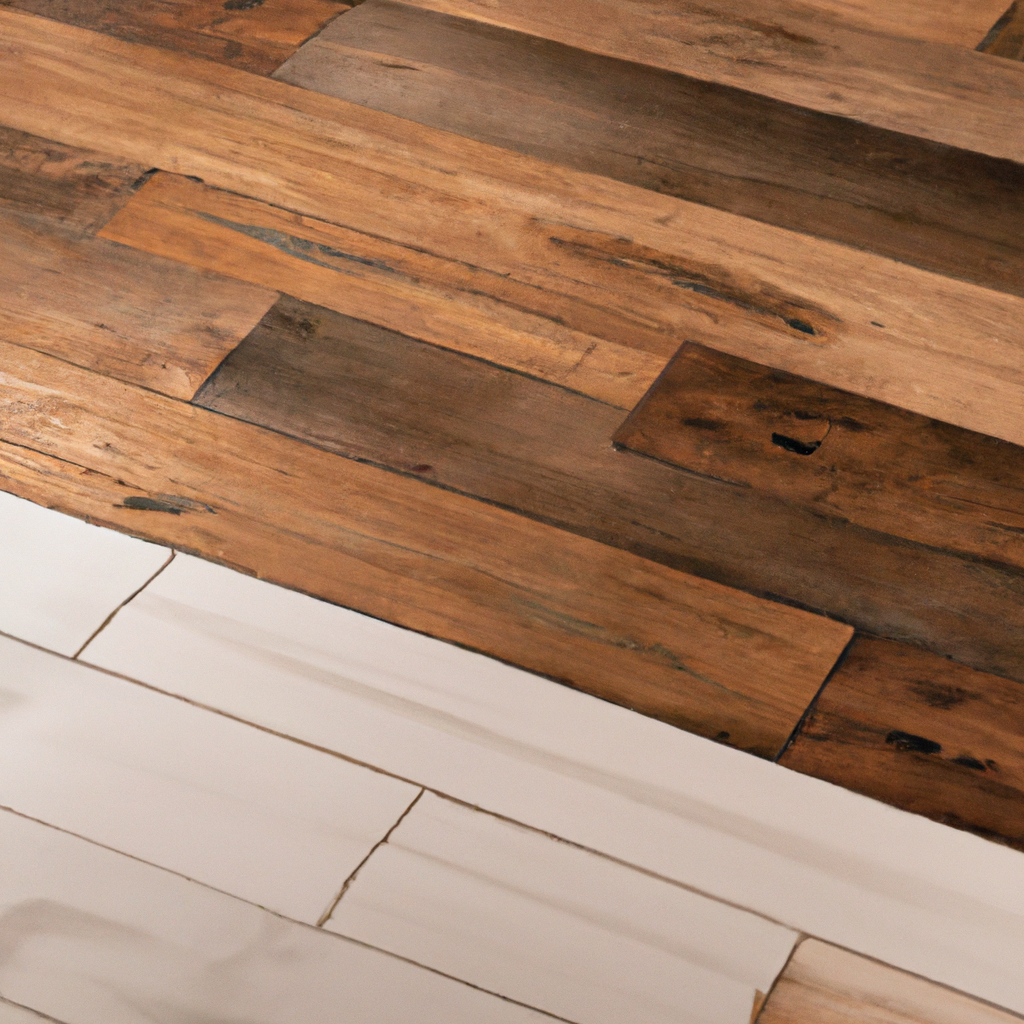
Laminate flooring is designed to mimic the appearance of natural materials such as hardwood or stone. With advancements in technology, laminate flooring has become incredibly versatile, offering a wide range of patterns, colors, and textures. Whether you prefer the rustic charm of weathered oak or the sleek elegance of marble, laminate flooring can provide the look you desire.
Durability
One of the key advantages of laminate flooring is its durability. The protective layer on top of the laminate acts as a barrier, preventing scratches, dents, and fading caused by sunlight. Laminate flooring is also highly resistant to moisture, making it suitable for areas such as kitchens and bathrooms. Additionally, laminate flooring is less prone to warping or expansion, making it a long-lasting option for your home.
Cost
When it comes to affordability, laminate flooring is hard to beat. Compared to hardwood or vinyl, laminate flooring is generally more budget-friendly. The cost of laminate flooring can vary depending on factors such as brand, quality, and installation method. However, it remains a cost-effective choice for homeowners looking for a combination of style and durability without breaking the bank.
Installation
Installing laminate flooring is relatively straightforward and can be done as a DIY project. The flooring comes in interlocking planks or tiles, which can be easily clicked together without the need for glue or nails. This click-and-lock installation system makes laminate flooring an ideal choice for those who prefer a hassle-free installation process. However, if you’re uncertain about installing it yourself, professional installation services are also available.

This image is property of images.pexels.com.
Hardwood Flooring
Composition
Hardwood flooring is made from real wood, harvested from different tree species. Each plank is milled from a single solid piece of wood, which gives it its natural beauty and durability. The most common types of hardwood used for flooring include oak, maple, cherry, and walnut. Hardwood flooring can come in various widths, lengths, and thicknesses, offering options to suit different preferences.
Appearance
The natural beauty and warmth of hardwood flooring are unmatched. The grains, knots, and unique patterns of the wood create a timeless and elegant look that can enhance any room’s aesthetics. The rich colors of hardwood can range from light and golden to deep and dark, allowing you to choose a shade that complements your decor.
Durability
Hardwood flooring is renowned for its durability and longevity. With proper care and maintenance, hardwood floors can last for generations. They are resistant to wear and tear and can withstand heavy foot traffic. While hardwood floors can be susceptible to scratches and dents, they can also be sanded and refinished multiple times, restoring their original beauty.
Cost
Compared to laminate and vinyl flooring, hardwood flooring is generally more expensive. The cost of hardwood flooring can vary significantly depending on factors such as wood species, grade, and finish. Exotic hardwoods and rare species tend to be more expensive. However, it’s important to consider the long-term value and timeless appeal that hardwood flooring brings to your home when evaluating the cost.
Installation
Installing hardwood flooring requires professional expertise and is best left to experienced installers. It involves nailing or stapling the planks to a subfloor, which may require additional preparations such as leveling or moisture sealing. The installation process can be more time-consuming and may cause some disruption, but the end result is a beautiful and sturdy hardwood floor that can last for decades.

This image is property of images.pexels.com.
Vinyl Flooring
Composition
Vinyl flooring is composed of multiple layers of synthetic materials, primarily PVC (polyvinyl chloride). The layers include a backing layer, a core layer, a printed design layer, and a wear layer. The wear layer on top provides protection against scratches, stains, and UV damage. Vinyl flooring can either come in sheet form or as individual tiles or planks.
Appearance
Modern vinyl flooring has come a long way in terms of aesthetics. It can replicate the look of various materials such as hardwood, stone, or ceramic tiles. The printed design layer consists of high-resolution images or patterns that mimic the appearance and texture of natural materials. With a wide range of styles and colors available, vinyl flooring offers versatility and the ability to create different looks in your space.
Durability
Vinyl flooring is known for its exceptional durability, making it ideal for high-traffic areas and homes with children or pets. The wear layer protects the flooring from scratches, stains, and scuffs, ensuring it retains its original appearance for years. Vinyl flooring is also water-resistant, making it suitable for areas prone to moisture, such as kitchens and bathrooms. With proper care, vinyl flooring can maintain its durability and beauty over time.
Cost
Vinyl flooring is a cost-effective option compared to hardwood or laminate flooring. The price of vinyl flooring can vary based on factors such as thickness, quality, and installation method. Overall, vinyl flooring offers a budget-friendly solution for homeowners who want an attractive and durable flooring option without breaking the bank.
Installation
Vinyl flooring is relatively easy to install, making it a popular choice for DIY enthusiasts. It can be installed as loose-lay, click-lock, or peel-and-stick. Loose-lay vinyl can be laid directly over existing flooring without adhesive, making it a hassle-free option. Click-lock vinyl has interlocking edges that click together, while peel-and-stick vinyl has an adhesive backing that sticks directly to the subfloor. However, for a seamless and professional finish, hiring a flooring installer may be recommended.
This image is property of images.pexels.com.
Comparing Laminate, Hardwood, and Vinyl Flooring
Affordability
When it comes to affordability, laminate and vinyl flooring are often more budget-friendly compared to hardwood flooring. Laminate flooring offers the appearance of real wood at a fraction of the cost. Vinyl flooring, on the other hand, provides a wide range of design options at an affordable price point. Hardwood flooring, while more expensive, offers timeless beauty and long-term value that is worth the investment.
Ease of Maintenance
All three types of flooring have their own advantages when it comes to maintenance. Laminate and vinyl flooring are relatively low-maintenance, requiring regular sweeping or vacuuming and occasional mopping with a damp cloth. Hardwood flooring may require more care, such as periodic refinishing or sealing to protect against wear and tear. However, the natural beauty and elegance of hardwood make it a worthwhile choice for those willing to invest time and effort into its upkeep.
Resale Value
Hardwood flooring has long been considered a premium option that can significantly boost a home’s resale value. The timeless appeal, durability, and perceived higher quality of hardwood floors make them a desirable feature for potential buyers. Laminate flooring, while not as highly regarded as hardwood, can still add value to a home due to its durability and style options. Vinyl flooring, although not as prestigious as hardwood or laminate, can still appeal to buyers with its cost-effectiveness and low-maintenance characteristics.
Environmental Impact
When it comes to the environmental impact, hardwood flooring raises concerns due to deforestation. However, there are sustainable hardwood options available, such as those certified by the Forest Stewardship Council (FSC). Laminate flooring, being composed of synthetic materials, does not contribute to deforestation but may contain volatile organic compounds (VOCs) in its adhesives. Vinyl flooring, while also synthetic, has a similar concern with VOC emissions. However, eco-friendly versions of vinyl flooring, such as those labeled as phthalate-free, are also available.
In conclusion, laminate flooring offers a durable and affordable alternative to natural materials, allowing you to achieve the look of hardwood or stone without the hefty price tag. Hardwood flooring, with its timeless beauty and longevity, remains a top choice for those willing to invest in a premium flooring option. Vinyl flooring, on the other hand, provides versatility, durability, and cost-effectiveness, making it a popular choice for busy households. When choosing between laminate, hardwood, and vinyl flooring, consider factors such as budget, style preferences, maintenance requirements, and environmental considerations to make the best decision for your home.